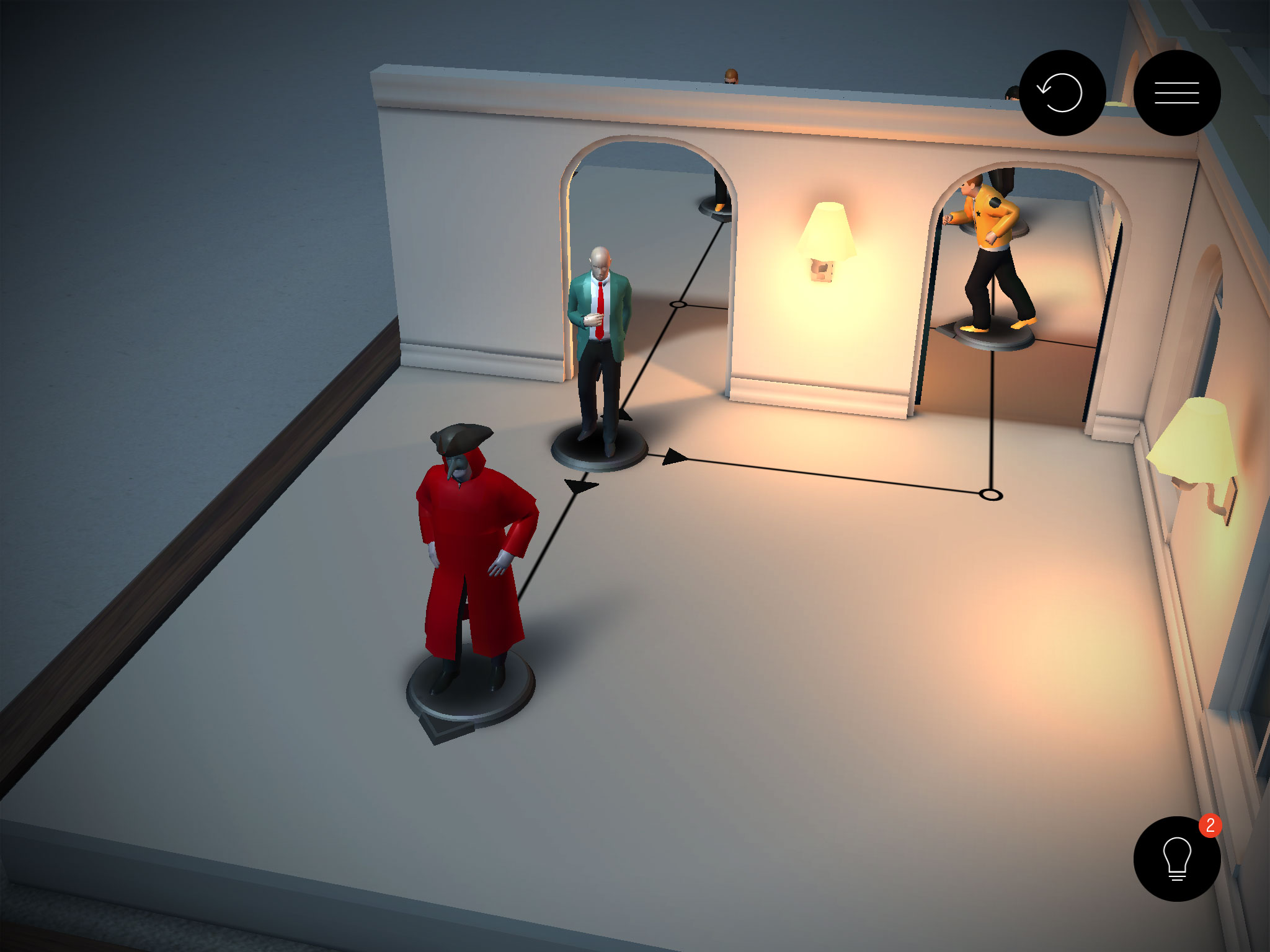
When you think of Hitman, you don’t exactly think of a board game. Hitman GO has Agent 47 sliding around various levels, trying to find the best way to the end, or his target, without getting caught. The enemies vary, with some who follow a path and will move one space when you do; other enemies will catch you if you land on the space they are facing (but they don’t move). The game is more of a puzzle than anything else. Some levels have briefcases you need to get to, while others want you to finish in a certain number of moves. There are other elements introduced later on, such as trap doors, items you can throw to distract enemies, and so on.
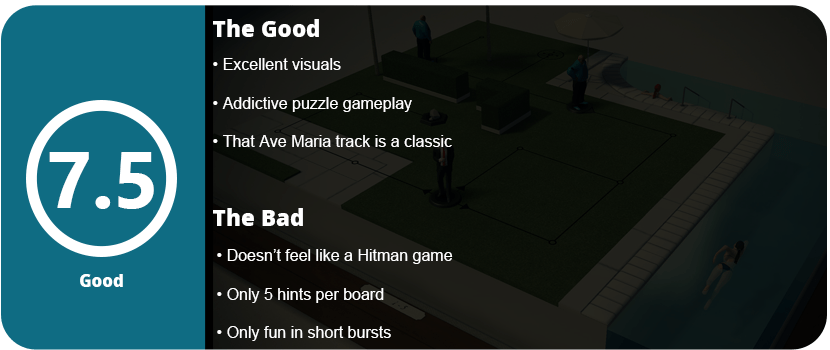
The game is highly addictive since levels have that (I get it now!) appeal where you just want to do one more level. I especially love when you have an assassination level and the Ave Maria theme plays from Hitman: Blood Money (composed by the oh-so-excellent Jasper Kyd of Assassin’s Creed II soundtrack fame). I also love the graphics, which look very good for a simple puzzle game.
However, this game just doesn’t feel like Hitman, and that’s the issue. Sure, you’re sneaking around, but there’s no violence, no gruesome death scenes, and no nudity. There’s zero plot (which is really fine for this kind of game), but many Hitman fans will scratch their heads wondering why this game even exists.
That’s not to say the game is bad. But even with faceless woodblocks, the game would have been just as good. At least non-Hitman fans can enjoy this game. Anyone who loves puzzles or board games, in fact.
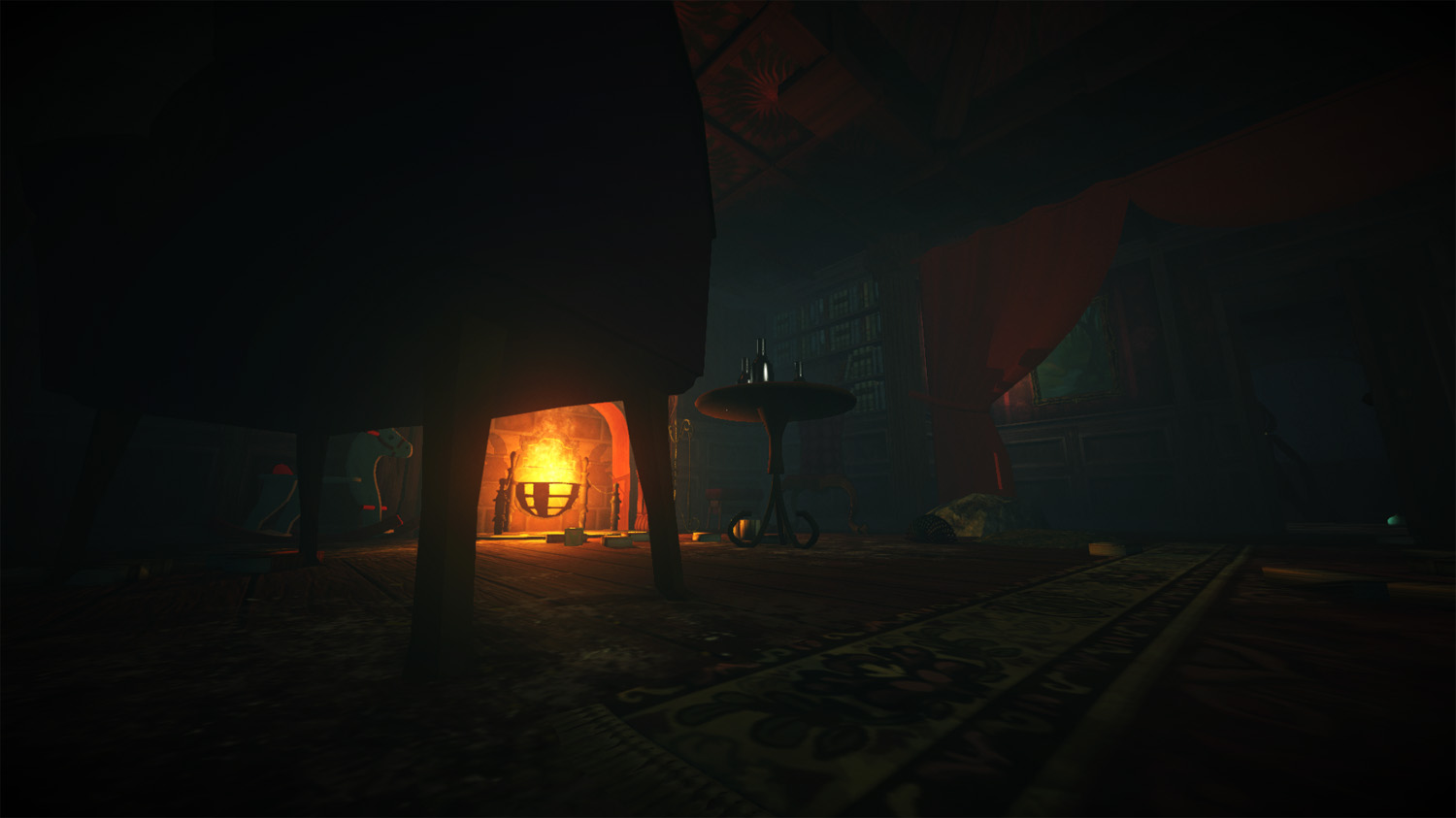
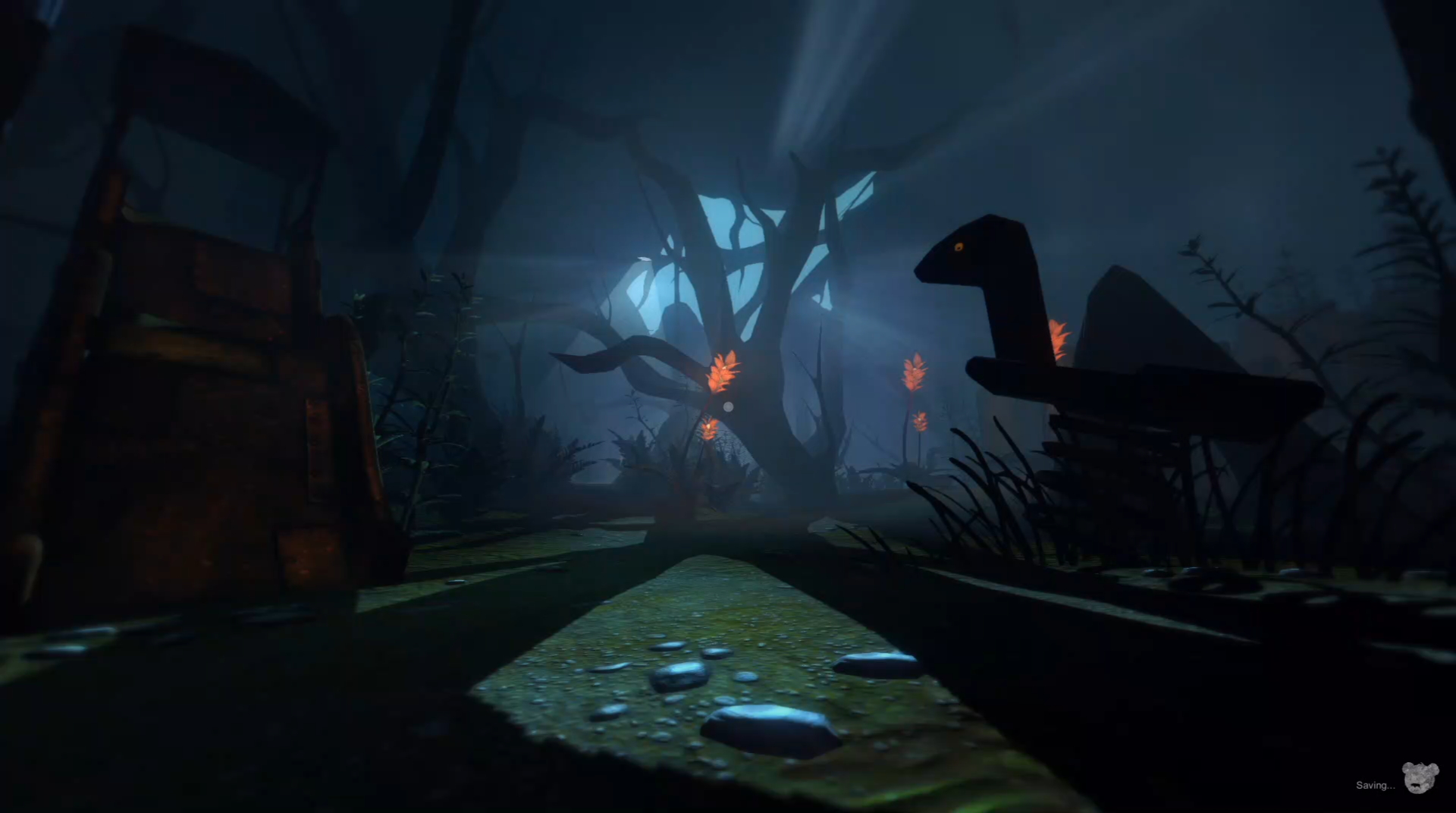
Ever since Amnesia: The Dark Descent was released, atmospheric horror adventure games have been popping up, but none are as good. Among the Sleep is probably the only one that has come close (even more so than Amnesia’s own mediocre sequel). You play as an infant (gasp, a baby in a horror game!) and you just wander around a very strange land-out horror adventure trying to figure out who this mysterious dark creature is that is trying to find you.
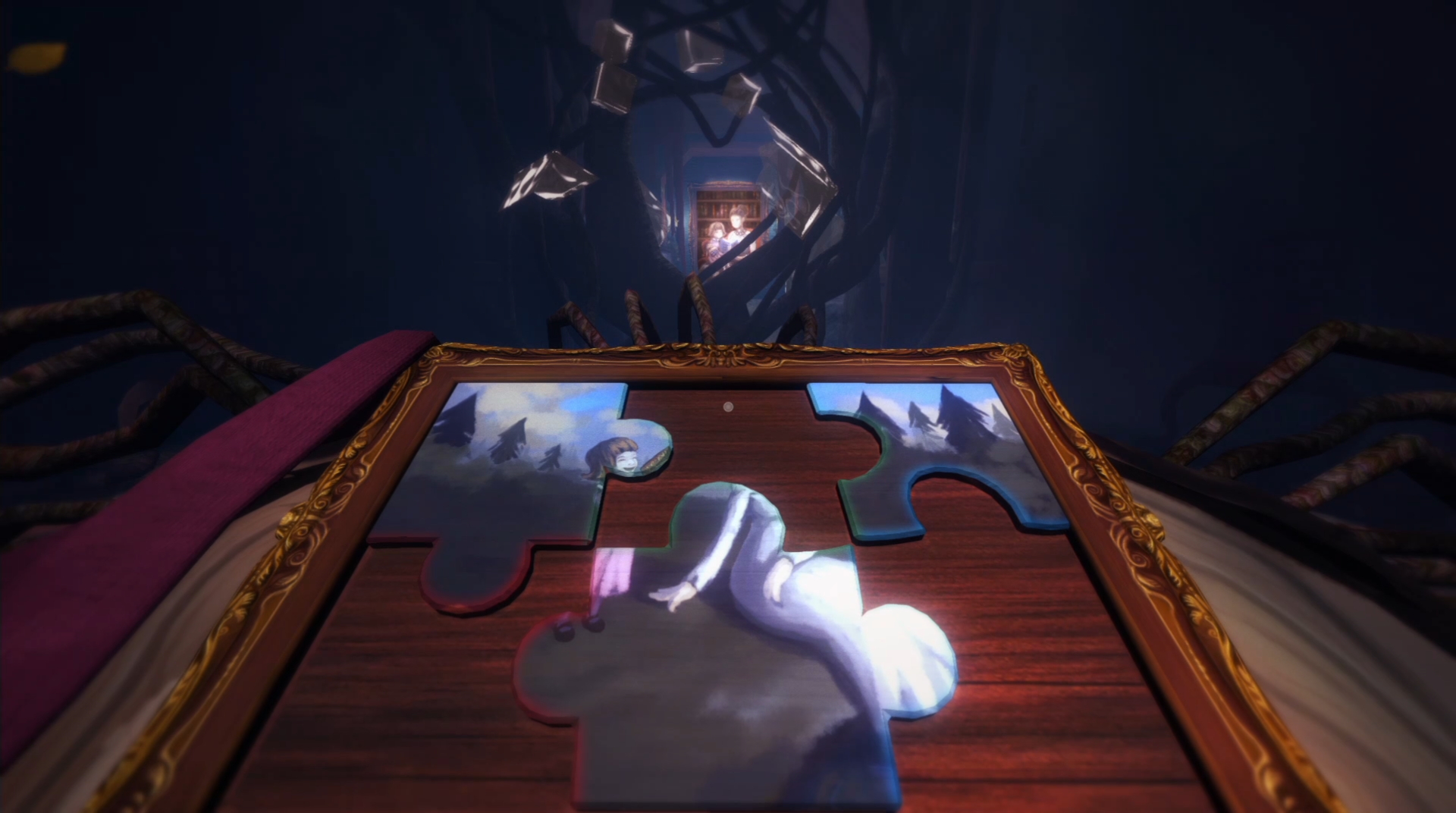
The game starts out pretty cheery. It’s your second birthday, and you get a gift from a mysterious person. As your mom puts you in your playpen, you learn the controls and get out to open this gift. Lo and behold, it’s a creepy talking teddy bear that you can hug and use as a flashlight. As you go deeper and deeper into this crazy world, the game gets tenser. You go from simple climbing puzzles to finding and hunting for items and keys and running and hiding from this scary creature. A lot of elements feel similar to amnesia, such as not being able to fight at all but only running.
Due to the claustrophobic and nearly haphazard way everything is laid out, no particular moment is really memorable, save for the first 30 minutes. You end up going through random doors; hallways appear out of nowhere in the dark; strange sounds will clatter away in the background; and things will flash in front of you. All of this is to make you tense, but there’s no real scary moment where you jump. It’s all about a tense atmosphere that keeps you on the edge of your seat.
The main goal, you could say, is to find four relics to unlock a mysterious door. This is your hub that you always come back to. The game actually has a pretty crazy finale, and things finally start clicking as to who this creature is and what it represents. It’s pretty sad in the end. The whole game can be beaten in less than 4 hours, which is a real shame. I would have liked to see the actual story unfold and some more cutscenes. The graphics are fairly decent, but the textures are flat and muddy, so you won’t be seeing much in the pitch dark 90% of the time. The game supports Oculus Rift if you are lucky enough to own one, so that is a bonus.
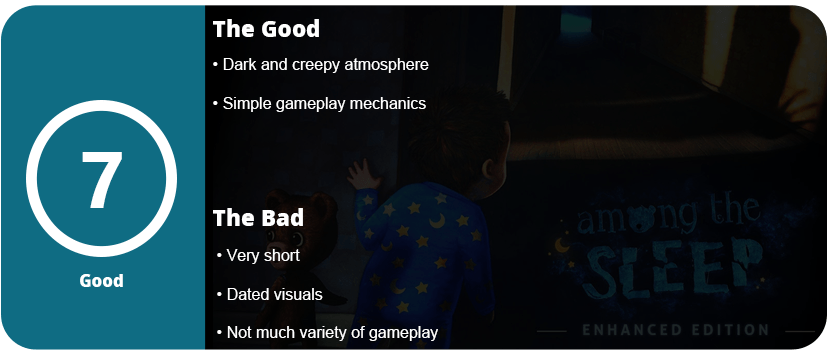
Overall, Among the Sleep is a short but sweet horror ride for any fan of amnesia or adventure games. There’s no combat, just you as a vulnerable baby trying to run away from your fears and keeping your teddy by your side.
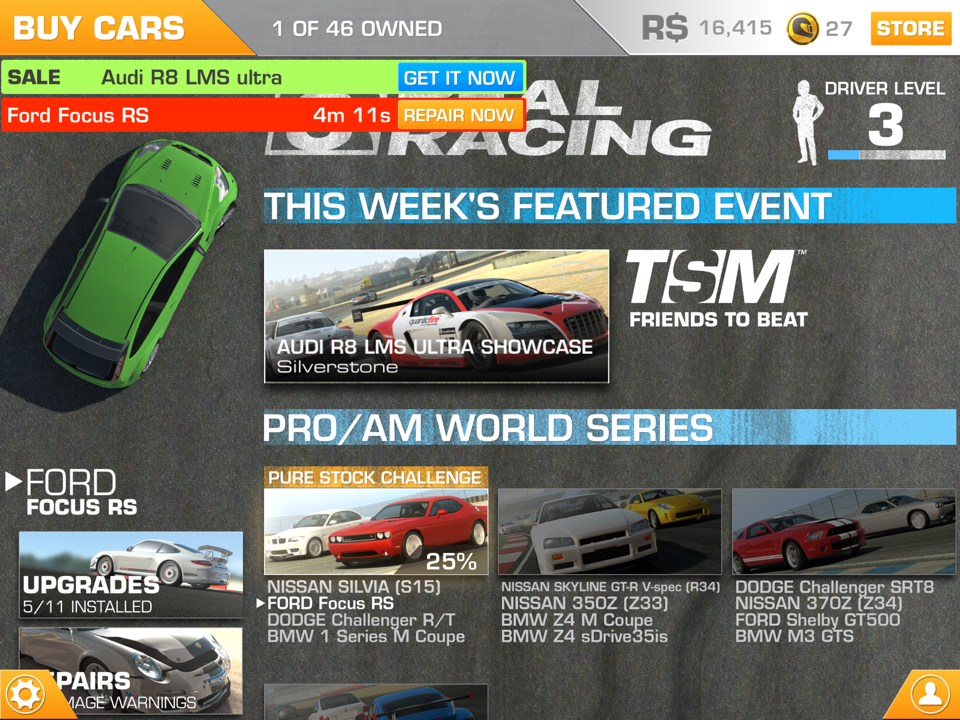
Racing simulators were not something you’d think of on a phone outside of looking like something from the Atari days. Now that phones are nearly as powerful as home computers, racing simulators can have all the processor-demanding traits to bring a great experience to your phone or tablet. Real Racing 3 is probably the best mobile racing game out there, and for many reasons.
Let’s just get this out of the way. Yes, the game is free-to-play, and yes, the game is always tempting you to pay for more R$ or gold coins. If you’re patient enough to wait for upgrades, repairs, etc., then you will have a great time. Jump in for about 20 minutes, do a few races, buy and upgrade, and go about your business until it’s done. If you want to just cram away at races for hours, you will either need to cheat (by altering your save data on the Android version to give you unlimited money) or you will completely hate this game.
Before you go about hating it, give it a chance. There are hundreds of races, plenty of real-world tracks, and a lot of great-looking real-world cars. Once you jump into a race, you will notice how fantastic the controls are and just how real the game can feel. As you rumble across strips on turns, you will feel your phone vibrate accordingly. Using the accelerometer makes the game feel smooth and realistic. All you need is the gas on your right and the brakes on your left. Each car has its own characteristic feeling to it, just like any console simulator.
Once you finish a race, you will work your way around achievements, unlocking new events and cars, and also trying to upgrade your car as fast as you can. You can even customize your vehicle a little with ride height, rims, paint, and decals. This all may come at a huge cost of grinding and waiting, but it’s well worth it once you can finally beat that race you couldn’t before thanks to your new upgrade. However, people who don’t have the patience will quickly uninstall this game and give it a 1 star on the app store, which isn’t quite fair.
Outside of the tense races and many race types, the graphics are fantastic. The cars look great, and the dust kicking up behind opponents’ tires makes you forget you are on a phone. The only issue I had graphics-wise was the massive amount of slowdown when 22 cars were on screen. Even on a Samsung Galaxy S4, with some of the best mobile hardware out there, I received a slowdown. Apart from this, you also get slick menus and some nice music to go along with all this.
If I were to rate this game based on the free-to-play model, I would give it a 4/10. Simply because some of the wait times are really long, earning enough cash to upgrade can be a bit of a grind. On the flip side, those kinds of people will see a wonderfully crafted racing simulator that’s one of a kind right now on the mobile market.
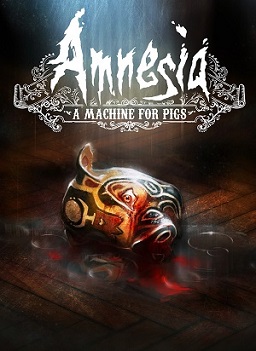
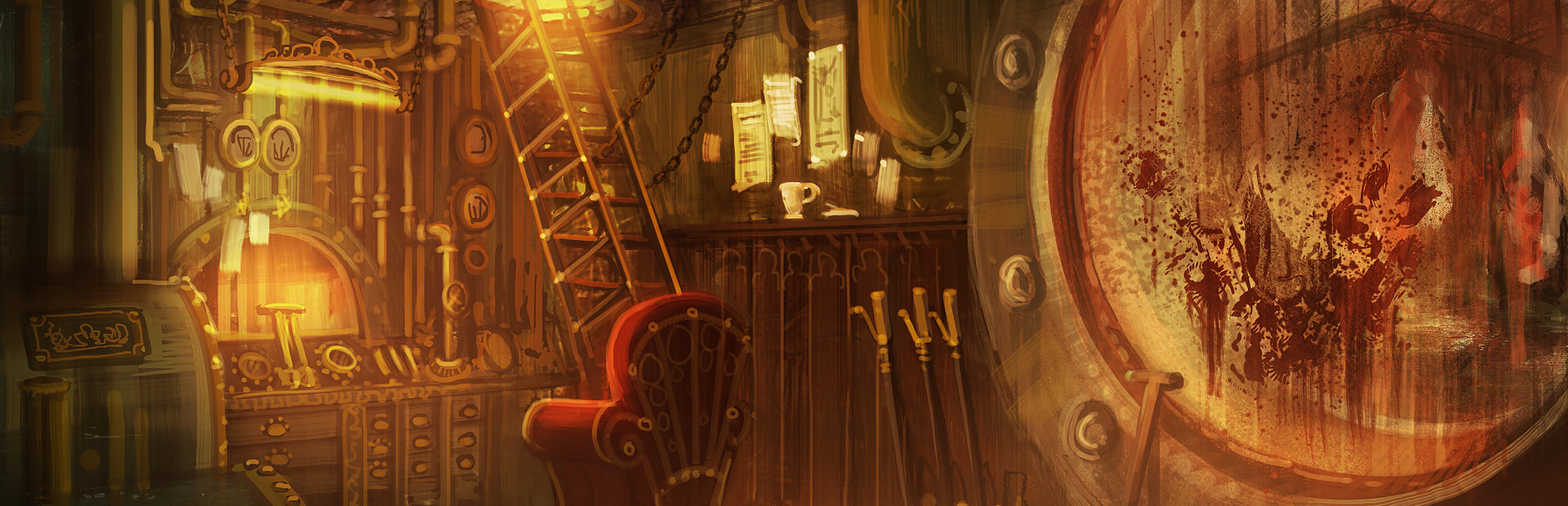
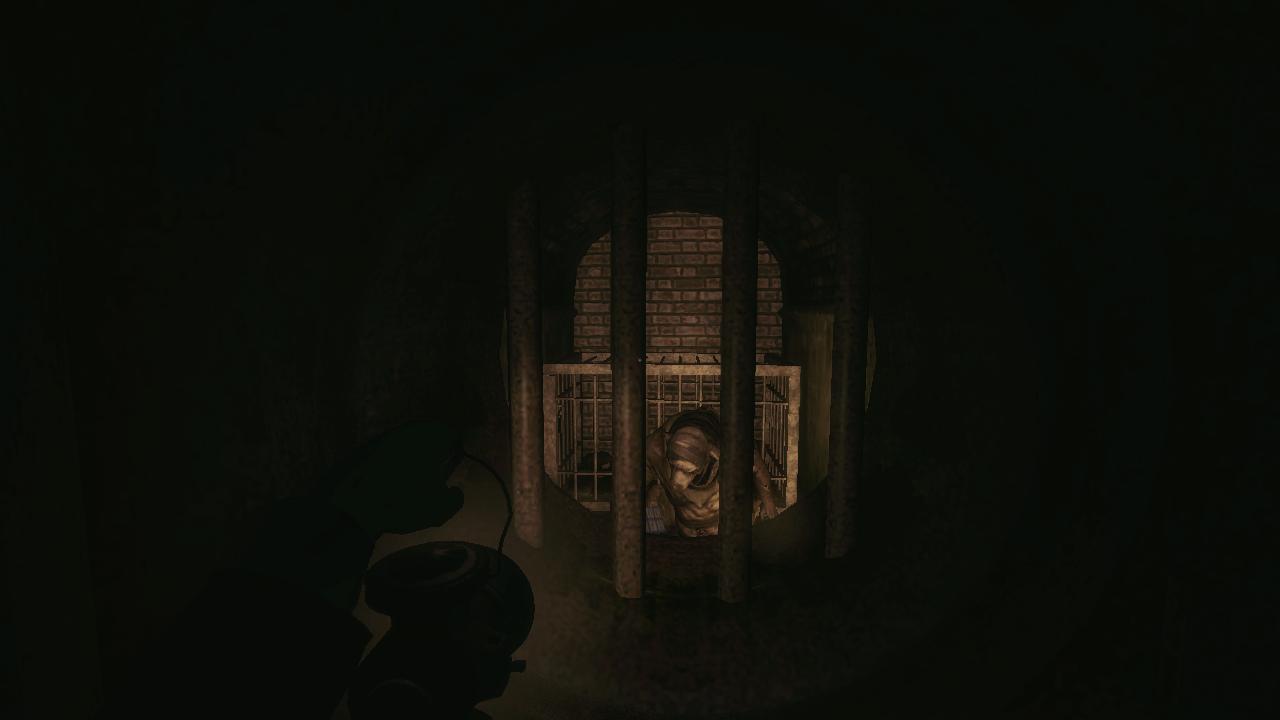
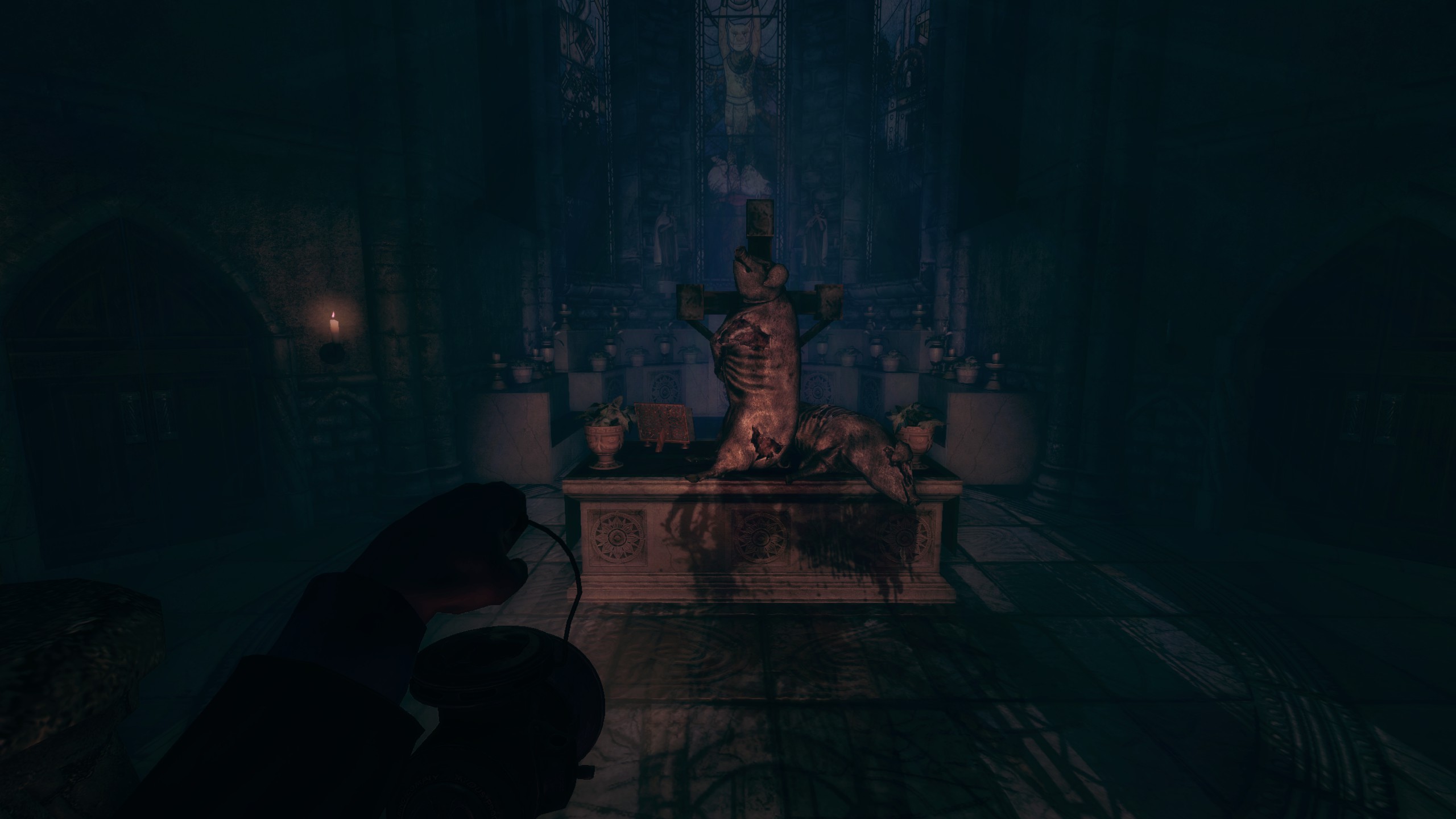
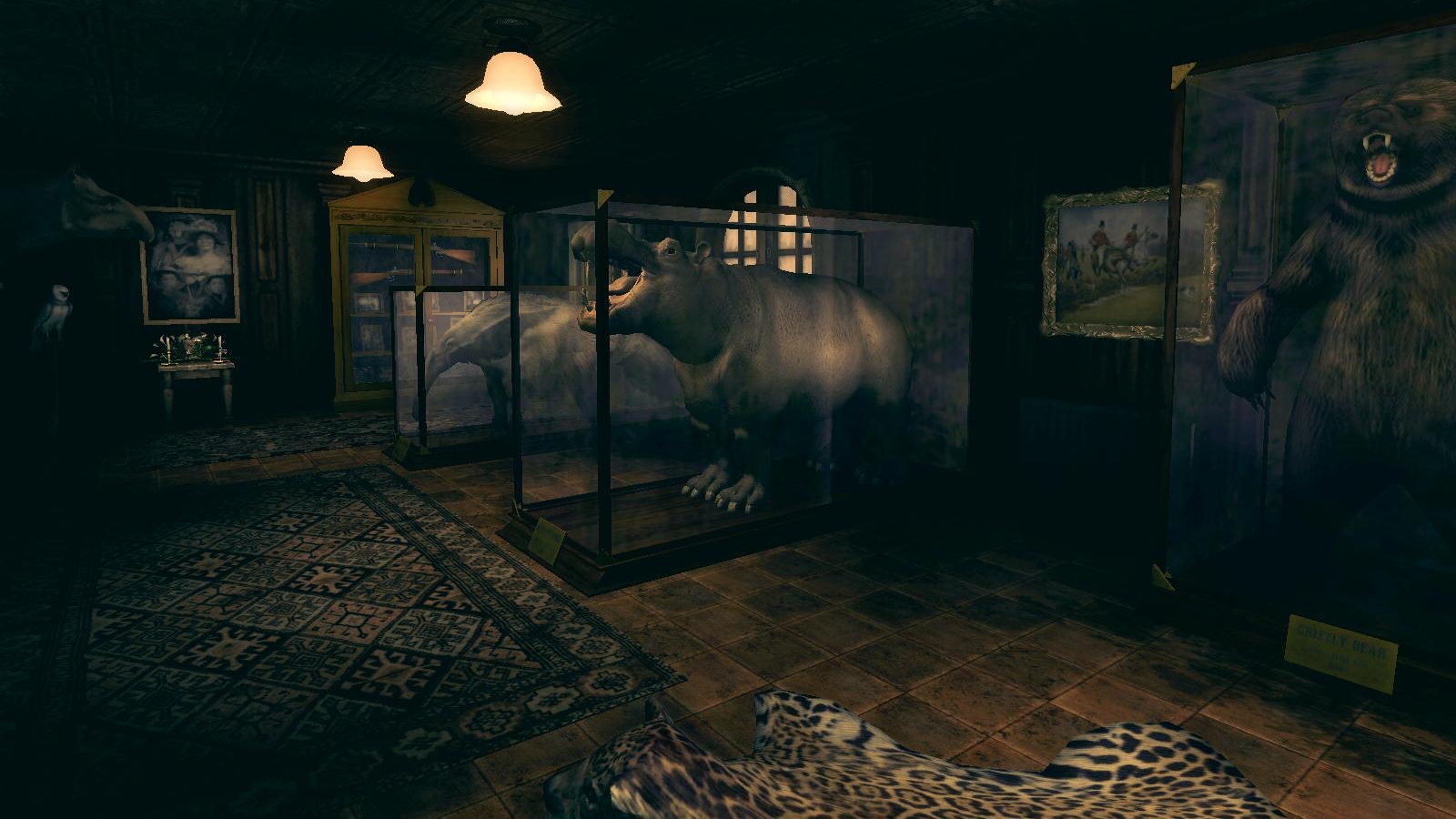
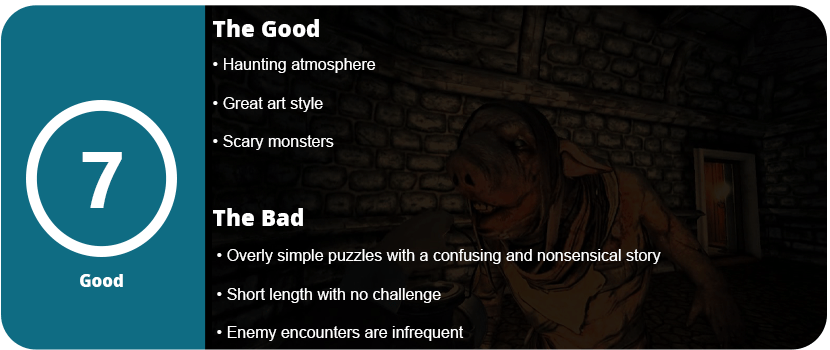
Amnesia is probably one of the scariest games ever made. I’m talking about The Dark Descent. It made you fear every sound and corner due to the fact that you couldn’t fight enemies. The atmosphere was so scary and haunting, not to mention the extremely scary monsters. A Machine for Pigs gets picked up by a new developer, The Chinese Room, of Dear Esther fame. While it’s still scary and haunting, it doesn’t make you fear every second like the first game did.
Honestly, the story is confusing and makes no sense. It’s a garbled mess, and all I got out of it was that there was a machine that processed pigs for mass consumption in 1899. You play as a man named Mandus who is trying to find his two boys who went down into the depths of this machine. That’s pretty much all I got out of it. What this machine is doing is creating man-pigs that are trying to “cleanse” the town of people for the coming 20th century. The ending sucked, and the game is overall just really short and anticlimactic.
A lot of features were stripped from The Dark Descent. You no longer use tinderboxes to light areas, and you don’t need oil for your lamp. You just run around with a lantern, flipping switches, and solving extremely basic puzzles. The Dark Descent had you really scratching your head, but A Machine for Pigs doesn’t even try to challenge you. In fact, there aren’t even that many monster encounters. Sure, when you reach them, they are scary and intense, but the first 2/3 of the game is uneventful. As you get to the last few chapters, it’s mostly story and nothing else. The whole feeling of progress from The Dark Descent is absent here, which makes no sense. A Machine for Pigs felt more like a barely interactive story than a game.
Towards the end of the game, it just feels disjointed and unbalanced. You bounce around from level to level, and nothing feels connected. Many times, in the beginning, I wandered around, not knowing where to go or what to do. The game just lacks guidance or real direction and can’t be felt from the very first level.
That doesn’t mean the game is bad. It’s not nearly as good or memorable as The Dark Descent should be. The graphics are really dated, despite the nice art style that is carried over from The Dark Descent. A Machine for Pigs feels like an average indie horror game with a story that can’t be followed. Fans of the original will be highly disappointed, but newcomers should just skip this and play the first game.
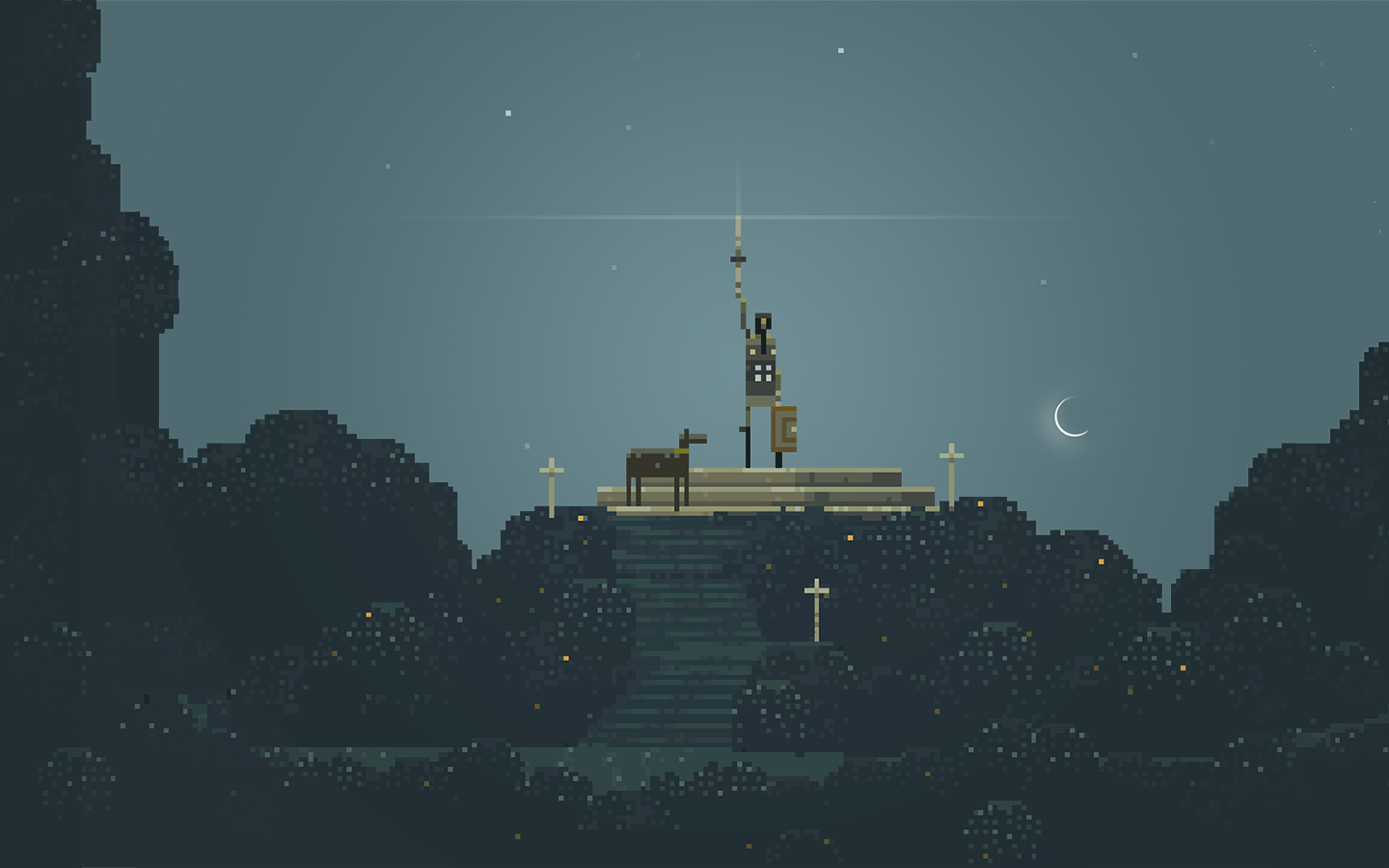
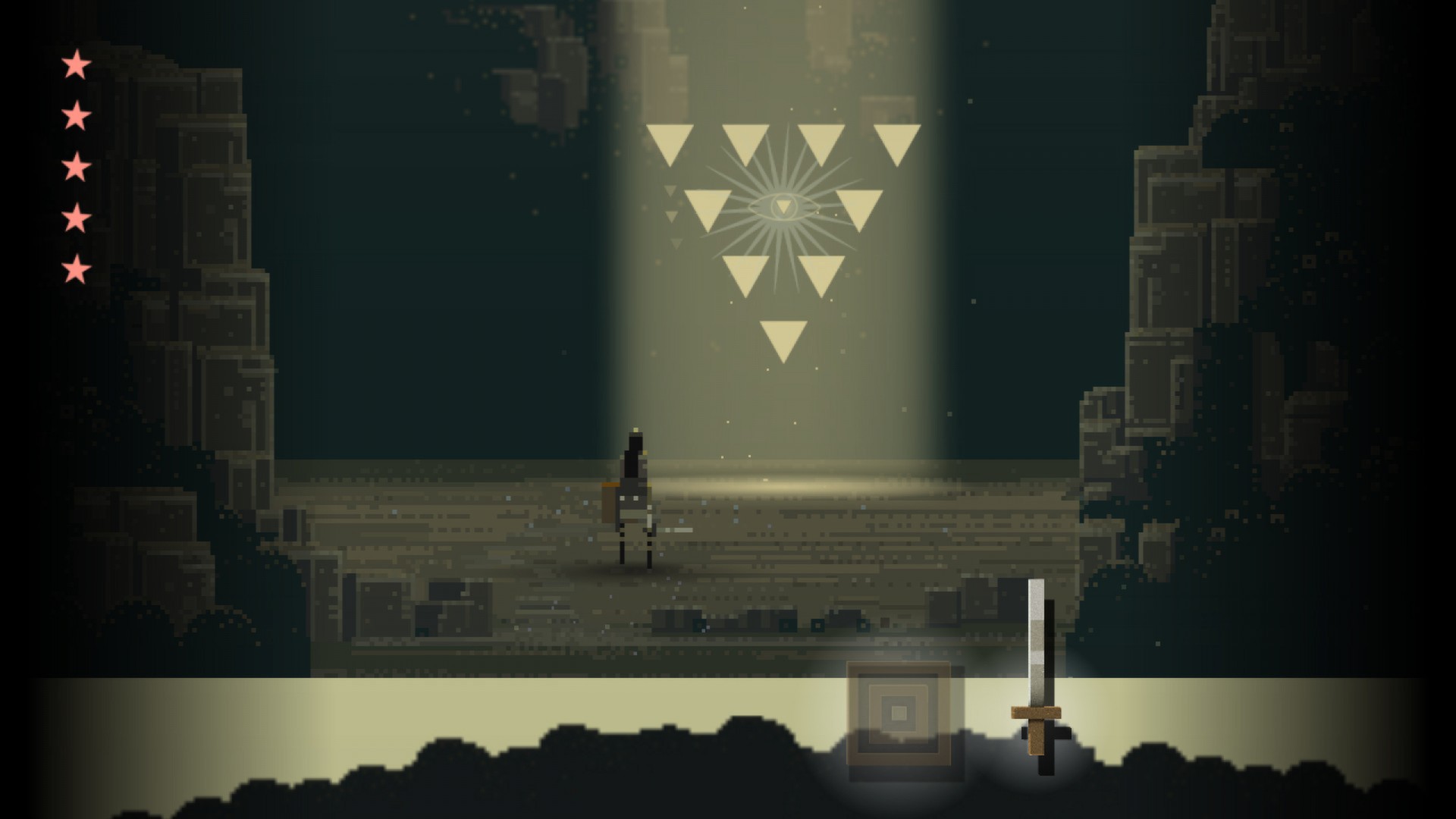
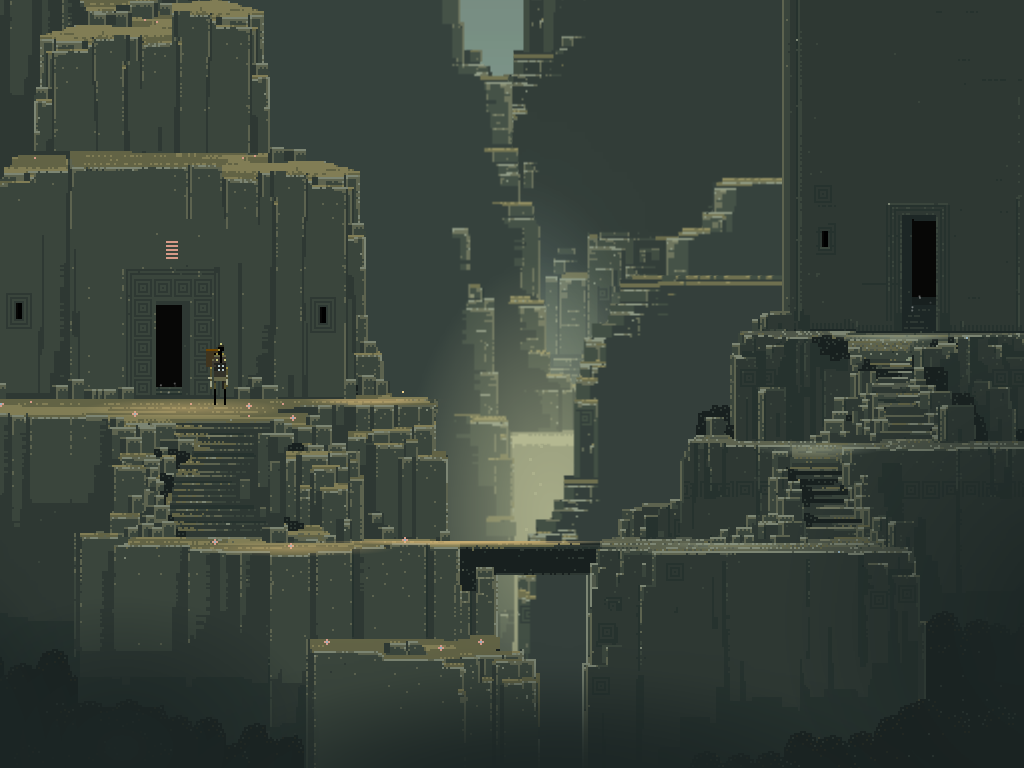
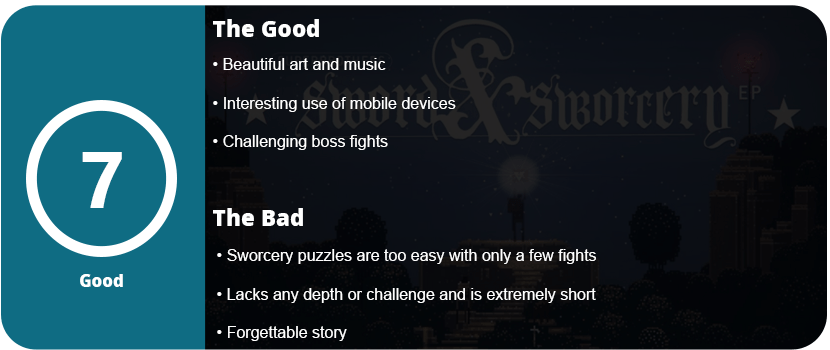
This game made a huge splash in the indie scene thanks to its rocking soundtrack and unique take on mobile games. I have to say that Superbrothers uses tablets and phones unlike any other mobile game out there. It is a breath of fresh air, but in the end, it is way too short and just leaves a feeling of emptiness, like there is no point in playing it.
You play as a man or boy who is on a quest to destroy an evil being at the top of a mountain called Mingi Taw. You come across a magic tome and must find three triangles to make a trifecta. The story is pretty thin, and there really isn’t much of one there. It’s all about adventure, music, and unique art styles. You tap along this countryside during the first half, trying to find your way to a cliffside. After you play for a bit, you get a sword and shield and fight your first monster. If you turn your phone or tablet sideways to fight, you can block an attack, but it’s very simple and not very complicated. There are only a few fights in the entire game. The bulk of the game is made up of using your swoony powers to solve little puzzles, but these feel easy and slightly uninspired.
You hold down on your character to enter this mode. You then have to figure out what to tap in order to get the little sprite out of the ground. You need these to advance to the next stage. Sometimes things have to be tapped in order, but it’s not all that hard to figure out. One interesting concept is that you need to find two of these triangles during the bright and dark phases of the moon—in real-time. You will have to come back when the phases of the moon are just right, and the game will tell you when. Or you can just cheat and advance your calendar on your device. If you do this, the developers are on to you, and they only give you a 99% completion rating for cheating. This is a pretty interesting idea, as no other mobile game has done this, but it’s not very significant and feels like a cheap way to extend the game’s length.
The only challenging part of the game was the three major boss fights and figuring out where to go. There are almost no hints; sometimes I wandered around forever, not knowing what to do. The boss fights require precise reaction times for dodging and attacking and can get pretty tough. You can beat the game in a few short hours if you cheat, but when I finished the game, there was no attachment. The characters are just there, and there’s not much of a story to get attached to. The music is great, but only during certain scenes or events. I honestly just feel this game is really overrated; it’s good, but not that good. I personally loved the 8-bit retro art style, and it’s beautifully done. I just wish there was better gameplay to go with it.
In the end, this is just an odd game that you play for the hell of it. It’s a unique mobile game, yet everything in it feels unnecessary, and in the end, you wonder why you played it. There’s nothing here that will keep you talking about it years later; it’s really short and lacks any challenge or depth. I just like that it took a different approach to game design, and that is greatly respected.
The Android family is growing exponentially and feels like a train hurtling down the track at 200 MPH with no stop in sight. The whole platform has grown in just a couple of short years with a quality market (and market storefront), more quality apps, and games, and now the addition of books and movies just makes the Android market feel like something to compete with the App Store. The devices are also really utilizing the system, and thanks to Google allowing open resource development of the platform, we get some really great apps and features on the phone that the iPhone, Blackberry, and other phones just can’t do.
Out of the Box
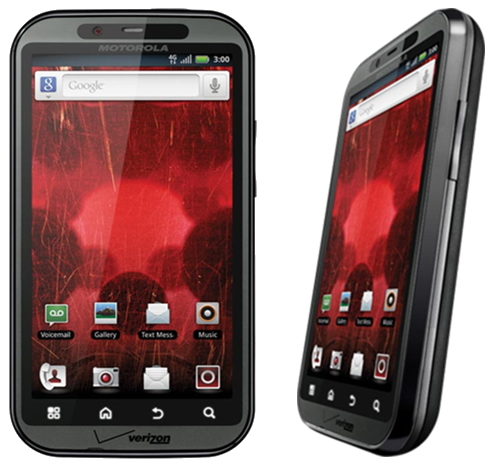
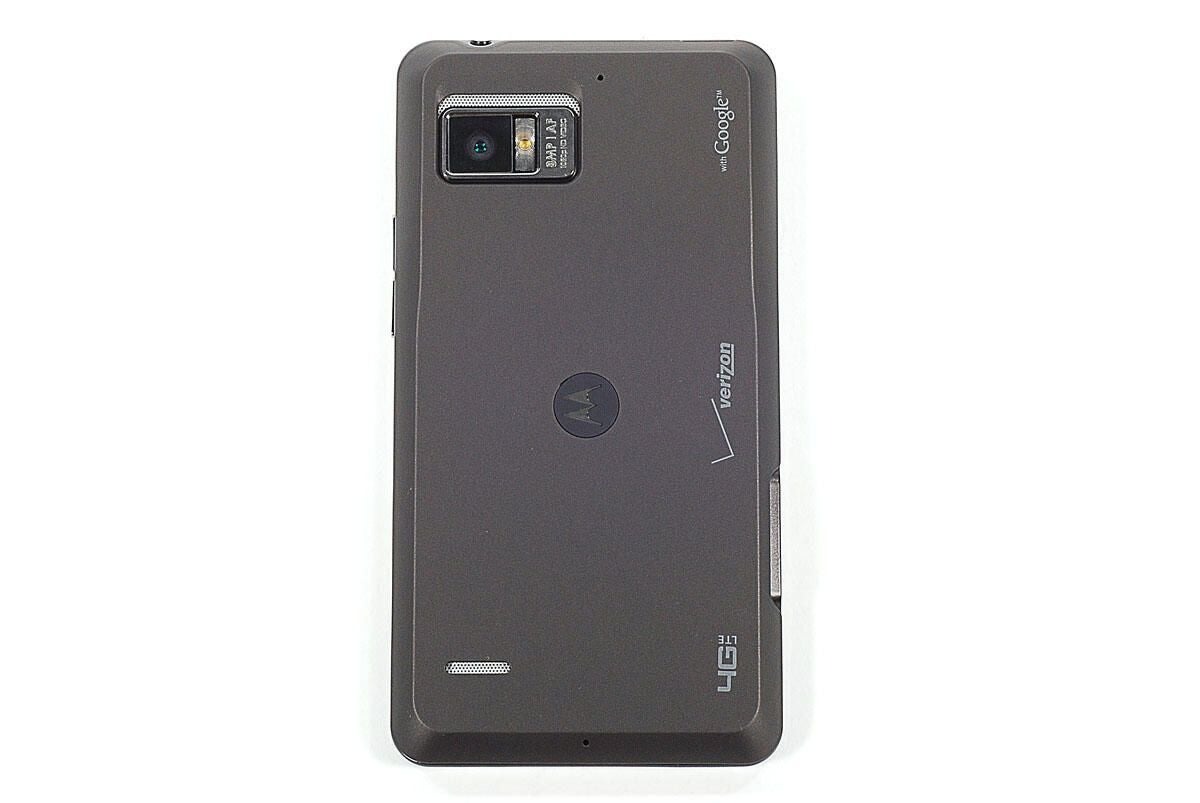
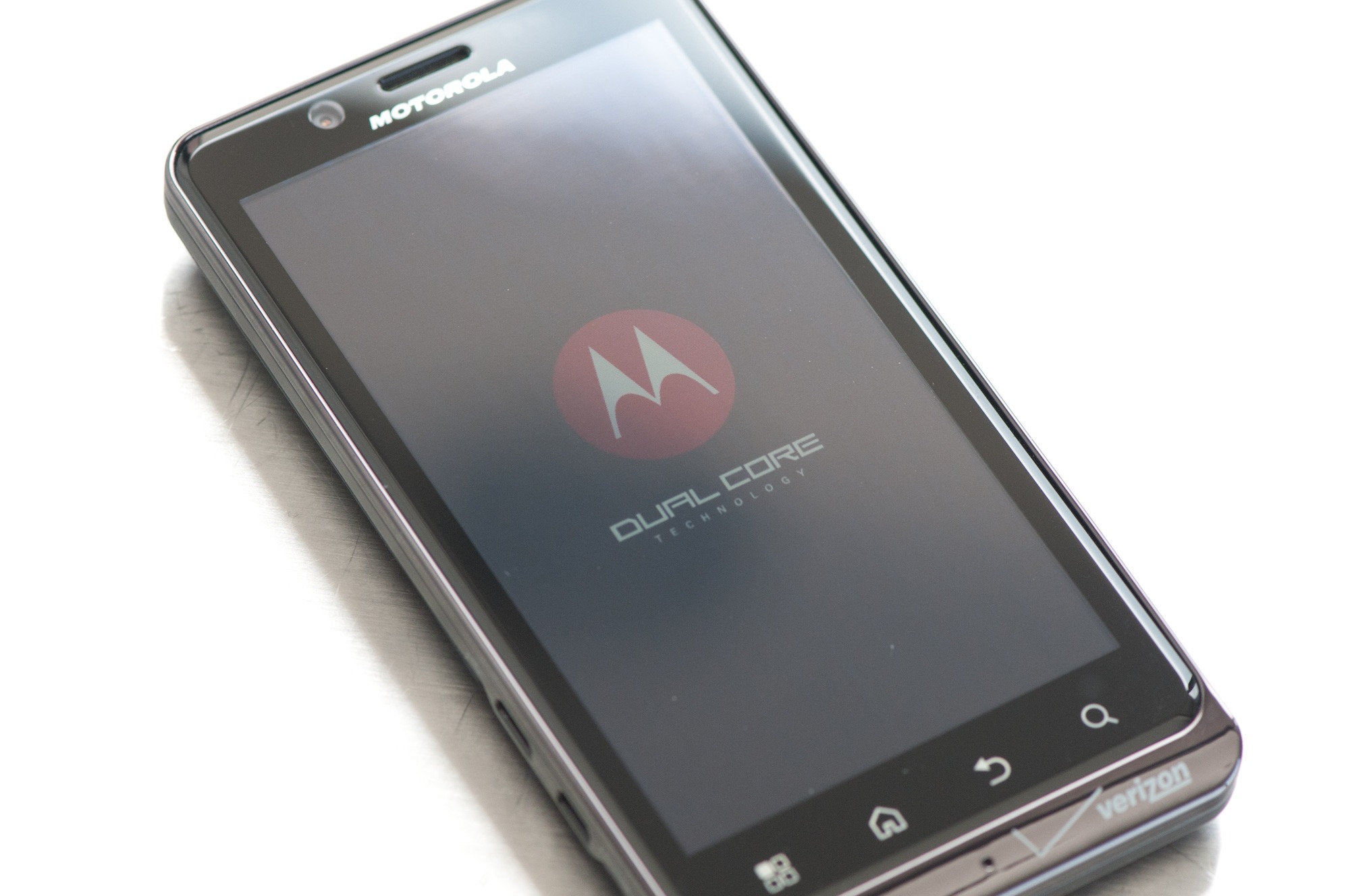
The Bionic has a great-looking box, but there’s not much beyond that. It comes with the standard battery, charger, USB cable, and 16GB micro SD card (cha-ching!) (I’ll cry if a phone comes with a car charger.) The phone came with a SIM card, which is new to Verizon and Droid phones. This is a 4G SIM card and is needed to activate 4G. When you boot it up, you can act like normal, but there’s one feature that was enabled on my phone that kept me on the phone with Verizon for over an hour until I scoured the internet myself. A certain little voice privacy feature was enabled that keeps your 3/4G off and, for some reason, was also enabled on my old Droid. Thankfully, disabling this turned my 3G back on, but that wasn’t really a problem with the phone itself. Once that’s all done, you’ll notice how fast the phone boots up (there’s even a neat Droid Bionic logo animation and sound!). Transformers anyone?) So let’s go over some of the hardware features.
Hardware Features
The first thing you’ll notice is that the speed of the phone is as fast as a computer. That’s the 1 GHz dual-core processor running everything for you at lightning speed. Why dual-core? Everything is just twice as fast and lets you multitask like never before without any type of slowdown or lag that you might even get on single-core 1Ghz phones. Compared to the iPhone 4S, it’s actually faster with an ARM Cortex-A9 processor. Yes, the iPhone 4S does have the same processor type, but it’s under-clocked at 800 MHz per core, so you’re losing about 25% speed over the Bionic unless you jailbreak your iPhone and overclock the processor.
The GPU is also slightly faster than both the iPhone 4 and 4S (they both have the same GPU) with a PowerVR SGX540 at 304 MHz, while the new iPhones both have an SGX535 model. The Bionic has faster and more memory with 1 GHz DDR2 memory, which is as fast as a computer, while both iPhones still use eDRAM and only have 512 MB. This means extra speed, faster app switching, and the ability to have more apps open without suffering from slowdown, lag, or crashes.
The Bionic also has 8GB of internal memory with the option of SD cards (up to 32GB), so with the standard model, you get 22GB of memory (maximum 40GB), while the iPhones are stuck with just the internal memory and you have to pay huge dollars for more space. The camera is about on par with the 4S with 8MP and 1080p support that lets you take panoramic photos, super high-quality video, and photos, and has an excellent flash. The front-facing camera is just 1.3 MP for video calling.
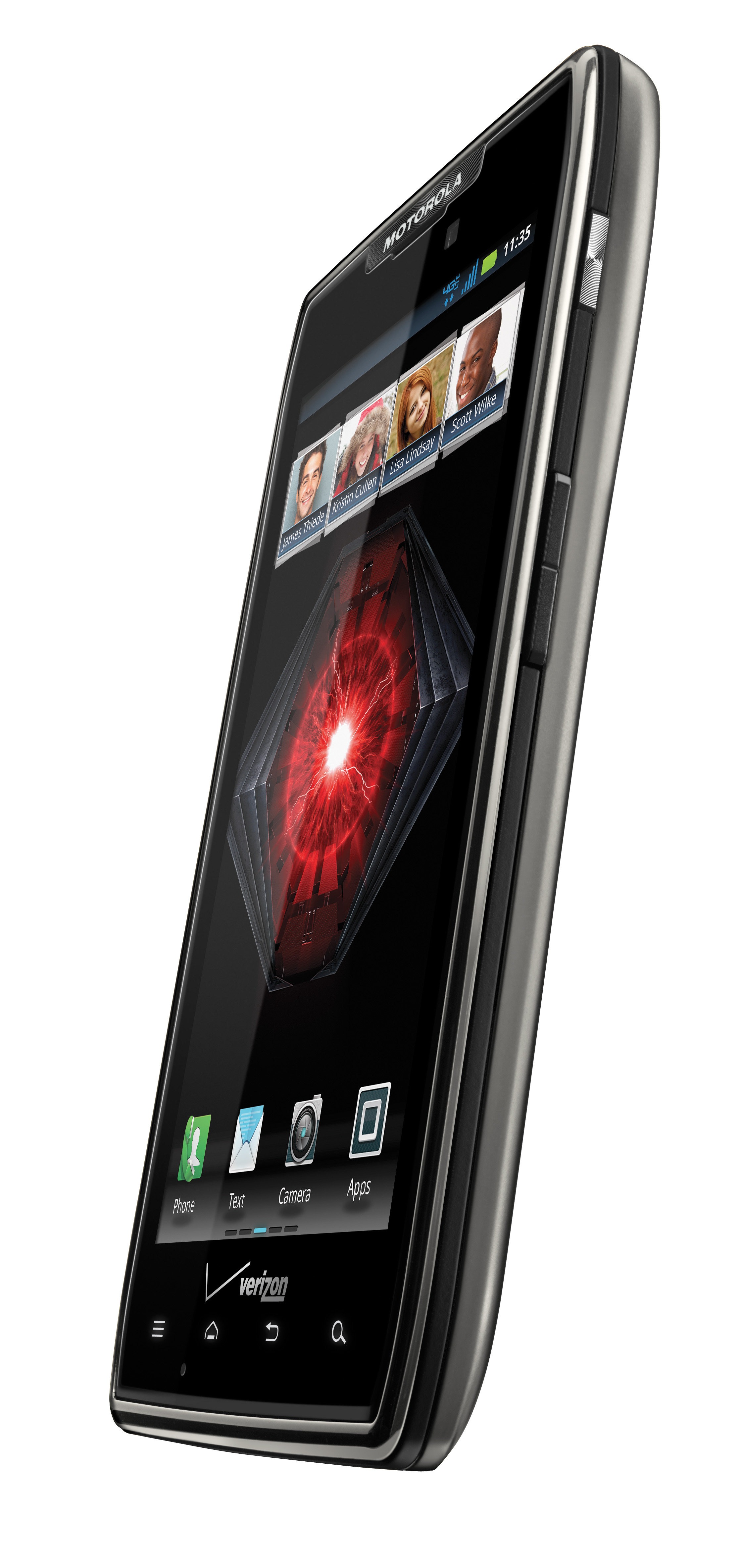
The only thing that the iPhone really trumps the Bionic on are the displays. The iPhones have 960×640 resolutions with 326 ppi, and the Bionic has 960×540 resolutions with 266 ppi. It’s not much, but it does make a difference when you compare the two. The Bionic does have a huge 4.3″ screen, which stomps on the iPhone’s 3.5″ screen, and is a true qHD screen (true 16:9 ratio), which is perfect for watching movies. The Bionic also has a mini-HDMI port for connecting to your TV, and even other high-end phones don’t have this yet. The Bionic has a higher contrast ratio of 800:1, while the iPhones have 800:1. This means it can display more colors and resemble more of an HDTV than a phone display.
Software Features
When you start using the phone, you will see it has so many great features over old Android phones, the iPhone, and Blackberry. First off, let’s talk about data management and sharing. The phone now comes with a file manager, so you can transfer files from your internal storage to your SD card as well as connect to your computer wirelessly and share files. The phone also supports DLNA, which can sync your media via Wi-Fi and upload media to your computer. The phone also gives a few options when you connect to your computer via USB. Instead of just the mass storage device option, you get a PC Mode that allows you to connect via a Motorola laptop or installs the MotoHelper driver on your PC and lets you access the SD card and internal storage. The software will also show any missed calls, texts, etc., which is a nice touch.
There are some nice pre-installed apps, such as the built-in camera apps, which give you a good range of options for video and photos; you now have a download manager; and MotoPrint, which allows you to connect to a wireless printer via W-Fi. There’s also a task manager, which is very useful to kill stubborn (read: poorly programmed) apps that won’t close. It also has an auto-kill list for when the screen goes out for 2 minutes. This helps preserve battery life (you’ll need it), but the phone does a good job of doing this on its own. You can turn the phone into a mobile hotspot (remember, it’s extra per month for this feature), plus all the standard apps like the task scheduler, calculator, and alarm are nice.
The market has a great storefront and has tons of quality games, apps, books, and movies now. The market just allows you to really make the phone your own, reflects your personality, and gives you so many options. The phone really has just so many great features built-in that make things so much easier for transferring data and media, as well as using the cameras and all the nifty hardware.
One thing I have to mention is that the games run smoothly on this phone. Using the PlayStation and SNES emulators, I can get games to run at 400 FPS with all the quality options enabled. All the high-end 3D games run without a hitch, and you will be unstoppable game-wise, especially if you can switch from a hardware-hungry emulator to the browser to check an FAQ, switch back, answer a call, or text someone, all without any slowdown and with all those running in the background.
When it comes to the basic phone features, it sounds great; the speakers sound sweet; calls are clear; and typing on the keyboard is easy with the huge screen. You won’t miss a pull-out keyboard with this phone.
It’s Not Perfect
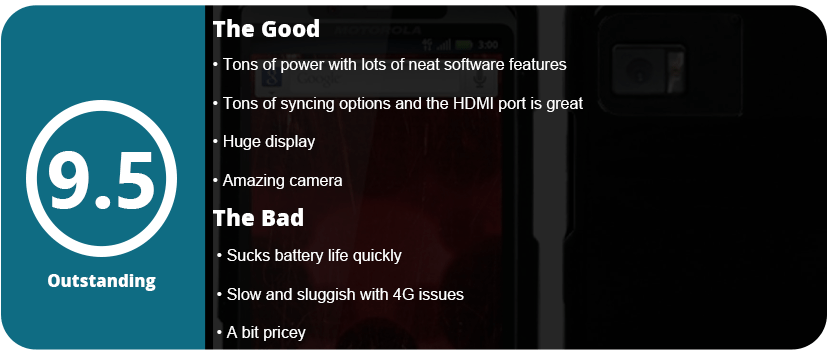
The phone isn’t perfect; however, the battery is probably the biggest issue with this monster sucking it dry within a few hours. Sure, you can use battery-saving apps, and the phone has a built-in battery saver, but if you surf the net a lot or play games all the time, have a charger with you at all times. There also seems to be an issue with mobile networking, because it fades in and out a lot. I’m not sure if that’s my area or the phone itself. While 4G LTE is lightning fast (there’s a world of difference in speed), it’s only available in a few areas (mainly big cities), so I don’t even get it in my area. By 2013, Verizon said the whole country would get it, so we’ll have to see. There also isn’t a camera button on the phone, and a lot of people are used to this. The volume and power buttons are also really small and sometimes hard to press when you’re not looking. Other than that, this is an amazing phone and should be bought by every Android lover!
Update (6/17/13)
Now that I have had this phone for a full 2 years, I hate the thing. I have the same problem I did with the original Droid. I went through two years of crappy firmware updates, 4G constantly dropping out, sluggish, unresponsive everything, but at least the battery issue got fixed, but it took an entire year. I don’t know what happens with Motorola phones, but after 6 months, they just tank on you. I tried resetting the phone to factory defaults and replacing the phone, but neither worked. It would sometimes take minutes for a browser to load, and typing would be delayed up to 10 seconds, and it was frustrating and annoying. It also doesn’t help that the phone is huge and heavy compared to phones that are out now. It finally got the 4.2.2 Jellybean update about 3 months ago, but it runs worse on that OS than the 2.3 it came with. I will never buy a Motorola phone again. Sometimes the language would change randomly, but at least it didn’t reboot on its own like my last phone. While the Bionic is discontinued now and has been replaced by the Droid Razer and Razer Maxx, I feel mad about Motorola abandoning their Bionic users. The phone was the last to get the 4.0 ICS update, and even that had bugs of its own. Just don’t ever buy a Motorola phone; they are all the same.
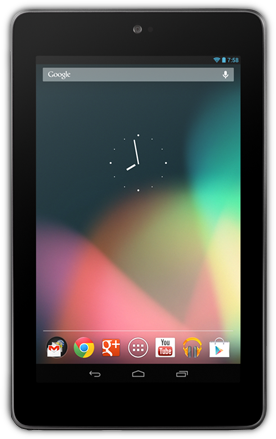
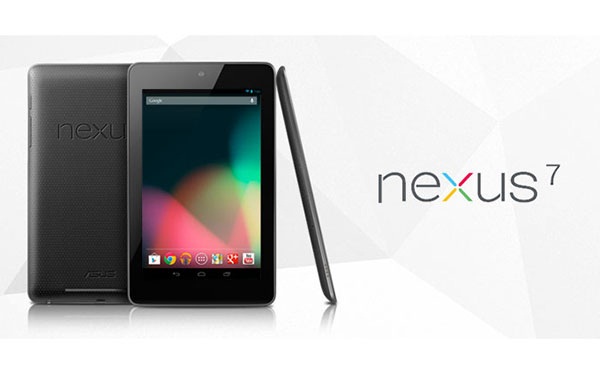
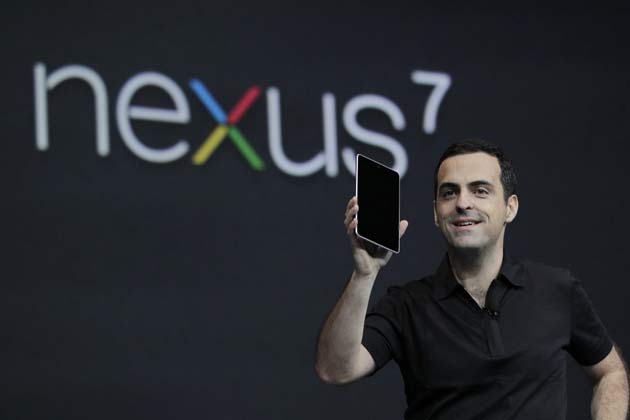
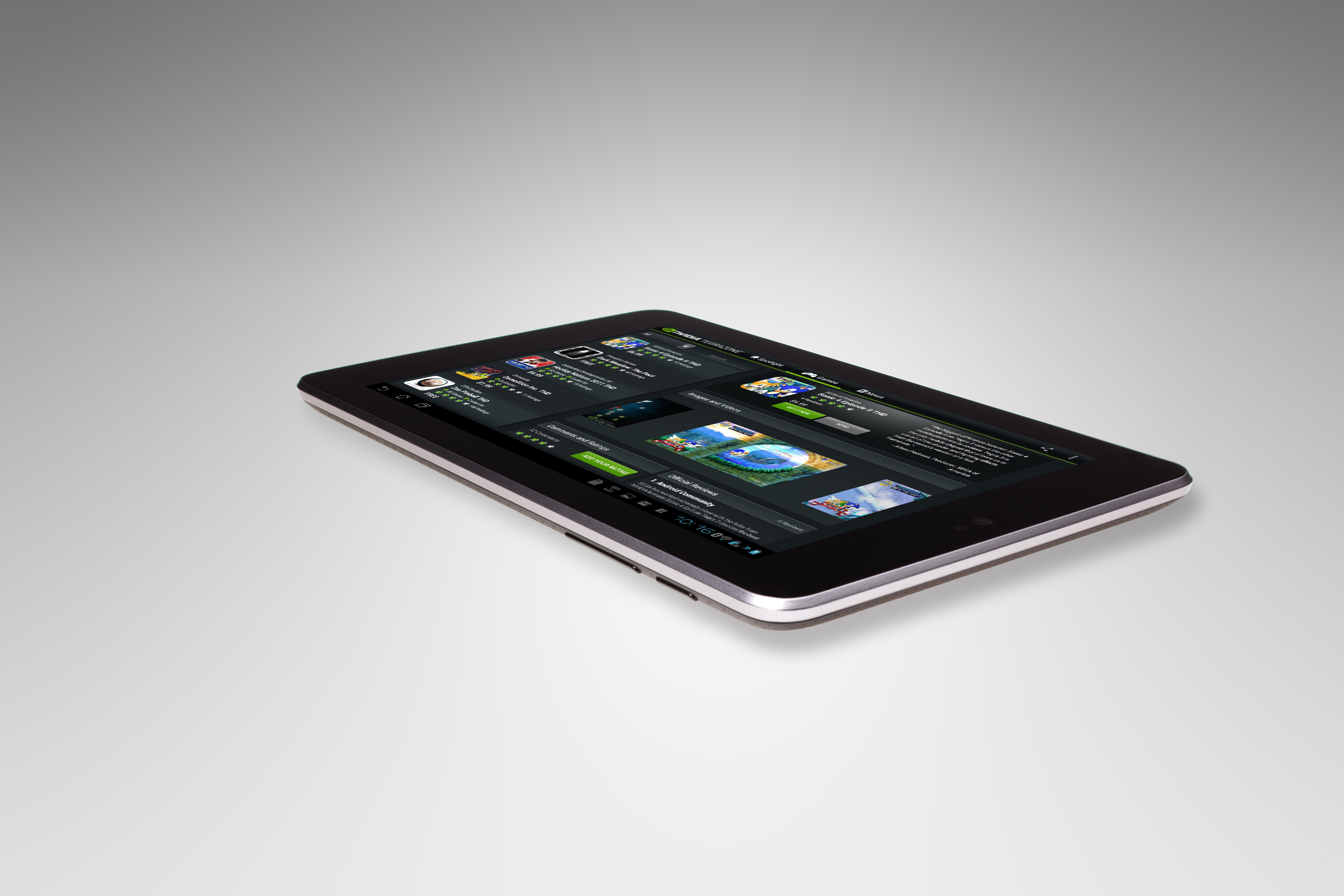
So here I am with my first tablet, I swore up and down that, I had no use for one because I have a laptop and a 4″ phone. Why would I need a tablet? Apparently for a lot and this is one of the best devices I have used in a long time. It’s sleek, powerful, and well designed. Why a Nexus 7? Well, the 7″ size is perfect where it isn’t too small or too big. I don’t like 10″ tablets because they just feel big and clunky. You are probably wondering what’s under the hood, why not an iPad Mini, and is the screen nice?
The Nexus 7 is powered by Nvidia’s Tegra 3 chipset which is one of the most powerful on the market. Directly competing with Apple’s A5x chipset in their iPad 3, the Nexus 7 is extremely powerful for a 7″ tablet. This tablet has a whopping 16 cores, a quad-core 1.3Ghz CPU, and a 12-core Geforce ULP GPU. The tablet CPU has a fifth core that is dedicated to running in a power-saving mode during times of low processing needs. That is one powerful tablet. The Tegra 3 chipset allows for some of the most advanced graphics seen on a tablet as well. Games like Dead Trigger, Dark Meadow, Zombie Driver, and a few others optimize their games for the Tegra chipset adding extra effects and higher FPS. The tablet has 1GB of DDR3L RAM rather than DDR2 RAM which is in both the iPad 3 and Mini and it is twice as fast. The Tegra 3 chipset is even more powerful than the iPad Mini and iPad 3 with the Mini having a single-core 1Ghz CPU and the iPad 3 having just a dual-core 1Ghz CPU. Even the ULP graphics chip is more powerful than the iPad 3’s with 416Mhz. If that doesn’t impress you…I don’t know what will.
Asus just stopped producing the 16GB models so only the 32 are available now, but that’s fine. 16GB really isn’t enough space anyway, but there are no expandable storage options. You can use an OTG cable and a USB stick, but most people won’t know to do that. 32GB is plenty for games, movies, music, and books. I have over 30 games on my tablet and still have plenty of room. I found the battery life is pretty decent for such a powerful device. Running high graphic games you get about 3 hours and everything else will last you most of the day, but that’s with Wifi on. With it off it is probably 30% less power-consuming.
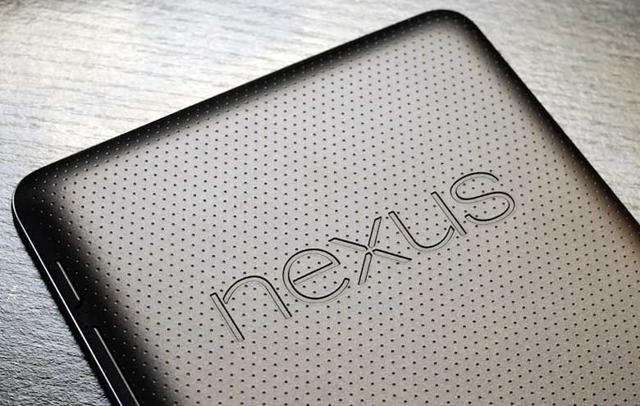
The screen is gorgeous. Being better than the iPad Mini with a 1280×800 resolution rather than 1024×768. It also has double the PPI at 216 rather than 163 for the Mini. It also is a 16:10 aspect ratio rather than the Mini’s 4:3 aspect ratio so it is a widescreen tablet. The text is crisp and-and the images are sharp and vibrant. You won’t be disappointed watching high-definition movies or games. I also found the screen to feel very nice to touch and my finger would just glide across. The tablet is also fitted with scratchproof Corning fitted glass, also known as Gorilla Glass to some. The glass is alkali-aluminosilicate sheet glass which is the best out there right now. On the back, the device has a bumpy, leathery texture which makes holding the device easier. I love this texture and feels so much nicer than the hard plastic of other tablets with their sharp edges. You also don’t have to worry about setting it down and scratching it up. The whole device just looks so sleek and smooth.
The tablet comes stock with android Jelly Bean 4.1, but as of a week ago the new 4.2.2 update is out. Nothing else to expect software-wise other than a great Google Android OS experience. However, if you’re a gamer check out Nvidia’s TegraZone app to get started on what games were specifically designed for the Tegra chipset. My only complaint is that there is no rear-facing camera. Just a front-facing 1.2MP camera for video chatting. However, most people don’t use their tablets for taking pictures (unless you are one of those iPad people)
Overall, the Nexus 7 is one of the most powerful tablets on the market and the most powerful 7″ tablet you can get your hands on. With the 16-core chipset, bright vivid screen, and sleek design, any hardware fan will want this tablet. For the low price of $250 for 32GB of storage…nothing beats it! Once you pick this up you will realize why it was chosen as 2012’s best tablet.
The Nexus 7 is powered by Nvidia’s Tegra 3 chipset which is one of the most powerful on the market. Directly competing with Apple’s A5x chipset in their iPad 3, the Nexus 7 is extremely powerful for a 7″ tablet. This tablet has a whopping 16 cores, a quad-core 1.3Ghz CPU, and a 12-core Geforce ULP GPU. The tablet CPU has a fifth core that is dedicated to running in a power-saving mode during times of low processing needs. That is one powerful tablet. The Tegra 3 chipset allows for some of the most advanced graphics seen on a tablet as well. Games like Dead Trigger, Dark Meadow, Zombie Driver, and a few others optimize their games for the Tegra chipset adding extra effects and higher FPS. The tablet has 1GB of DDR3L RAM rather than DDR2 RAM which is in both the iPad 3 and Mini and it is twice as fast. The Tegra 3 chipset is even more powerful than the iPad Mini and iPad 3 with the Mini having a single-core 1Ghz CPU and the iPad 3 having just a dual-core 1Ghz CPU. Even the ULP graphics chip is more powerful than the iPad 3’s with 416Mhz. If that doesn’t impress you…I don’t know what will.
Asus just stopped producing the 16GB models so only the 32 are available now, but that’s fine. 16GB really isn’t enough space anyway, but there are no expandable storage options. You can use an OTG cable and a USB stick, but most people won’t know to do that. 32GB is plenty for games, movies, music, and books. I have over 30 games on my tablet and still have plenty of room. I found the battery life is pretty decent for such a powerful device. Running high graphic games you get about 3 hours and everything else will last you most of the day, but that’s with Wifi on. With it off it is probably 30% less power-consuming.
The screen is gorgeous. Being better than the iPad Mini with a 1280×800 resolution rather than 1024×768. It also has double the PPI at 216 rather than 163 for the Mini. It also is a 16:10 aspect ratio rather than the Mini’s 4:3 aspect ratio so it is a widescreen tablet. The text is crisp and-and the images are sharp and vibrant. You won’t be disappointed watching high-definition movies or games. I also found the screen to feel very nice to touch and my finger would just glide across. The tablet is also fitted with scratchproof Corning fitted glass, also known as Gorilla Glass to some. The glass is alkali-aluminosilicate sheet glass which is the best out there right now. On the back, the device has a bumpy, leathery texture which makes holding the device easier. I love this texture and feels so much nicer than the hard plastic of other tablets with their sharp edges. You also don’t have to worry about setting it down and scratching it up. The whole device just looks so sleek and smooth.
The tablet comes stock with android Jelly Bean 4.1, but as of a week ago the new 4.2.2 update is out. Nothing else to expect software-wise other than a great Google Android OS experience. However, if you’re a gamer check out Nvidia’s TegraZone app to get started on what games were specifically designed for the Tegra chipset. My only complaint is that there is no rear-facing camera. Just a front-facing 1.2MP camera for video chatting. However, most people don’t use their tablets for taking pictures (unless you are one of those iPad people)
Overall, the Nexus 7 is one of the most powerful tablets on the market and the most powerful 7″ tablet you can get your hands on. With the 16-core chipset, bright vivid screen, and sleek design, any hardware fan will want this tablet. For the low price of $250 for 32GB of storage…nothing beats it! Once you pick this up you will realize why it was chosen as 2012’s best tablet.
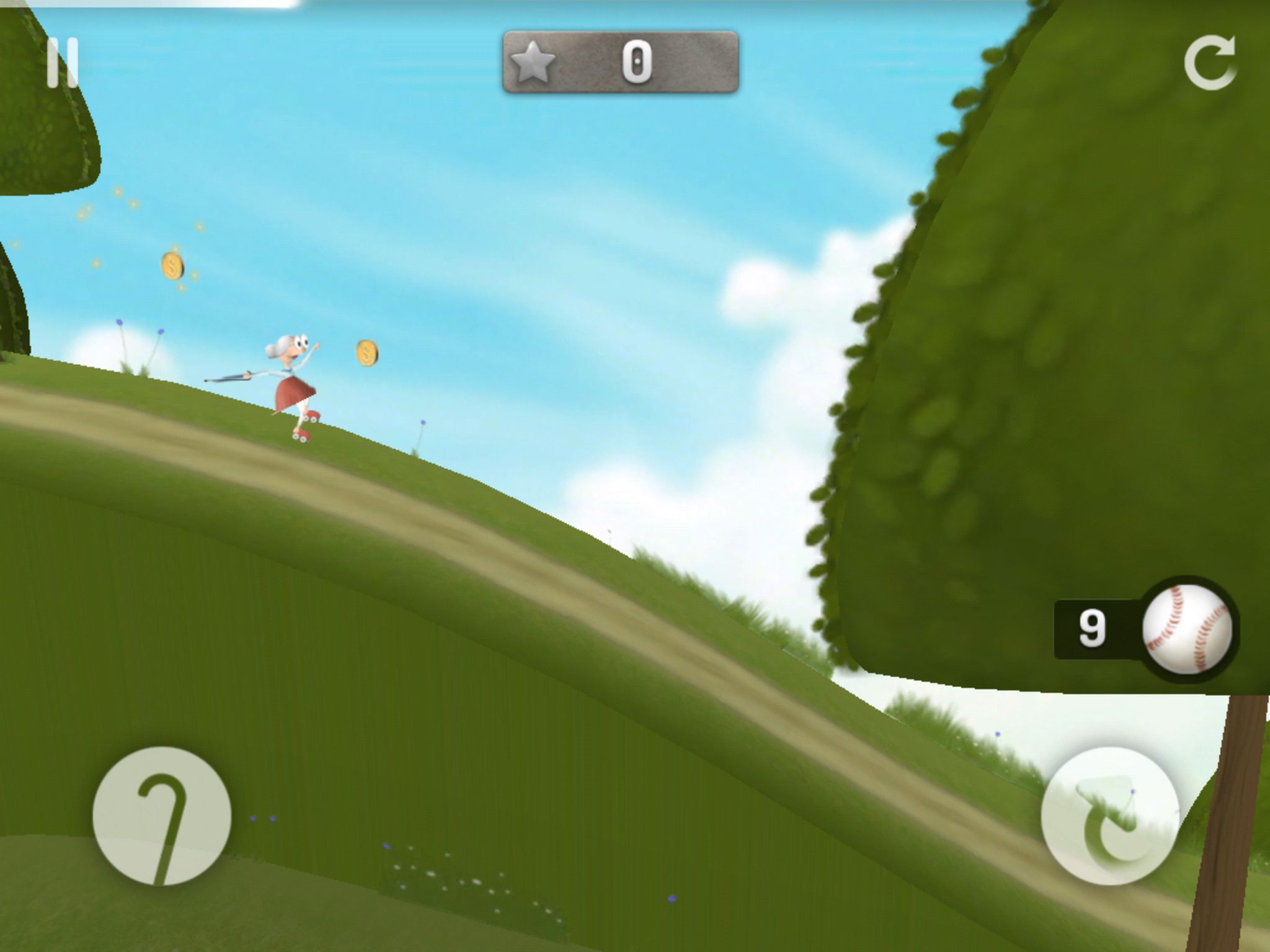
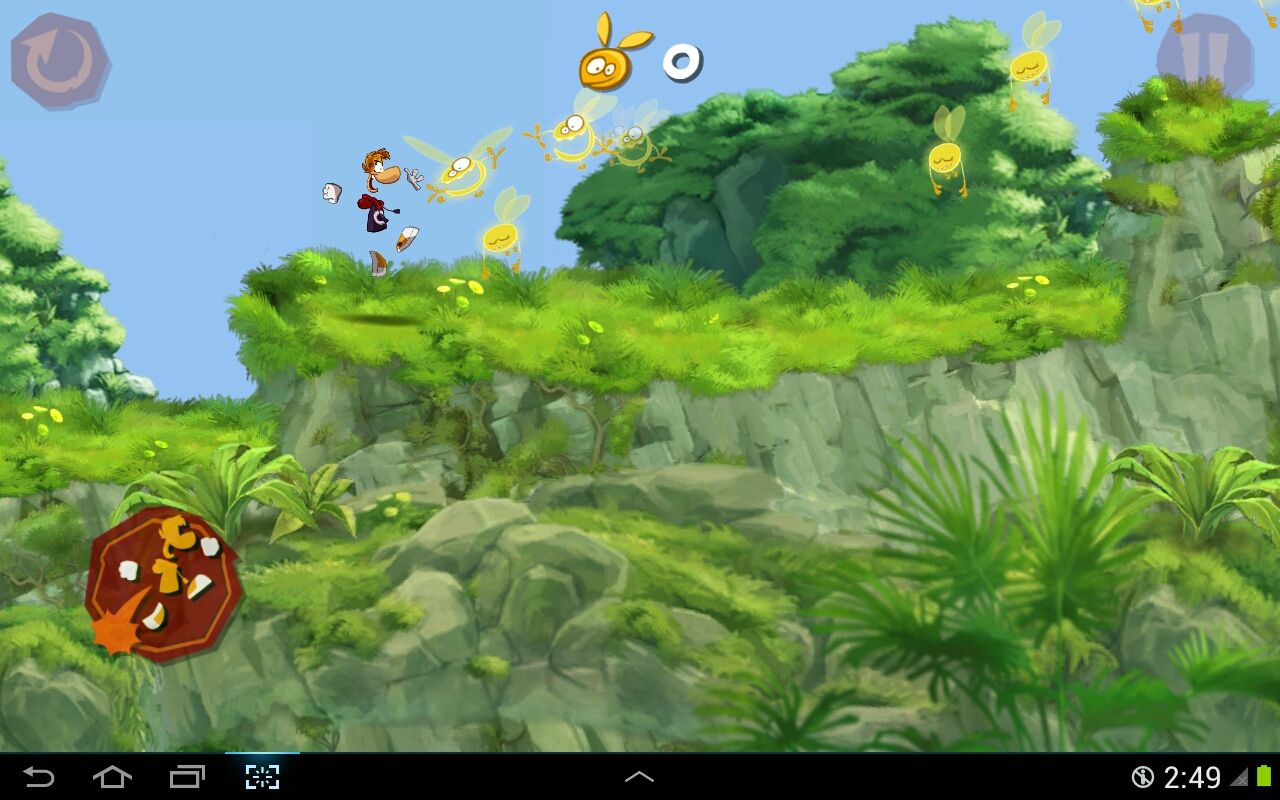
The mobile game market is getting very strong thanks to new and powerful technology. This is the epicenter of indie game developers, and there are some amazing phone games out there. The best one is usually very innovative but doesn’t necessarily have to use phone features well. These were some of the best this year. This was a tough choice.
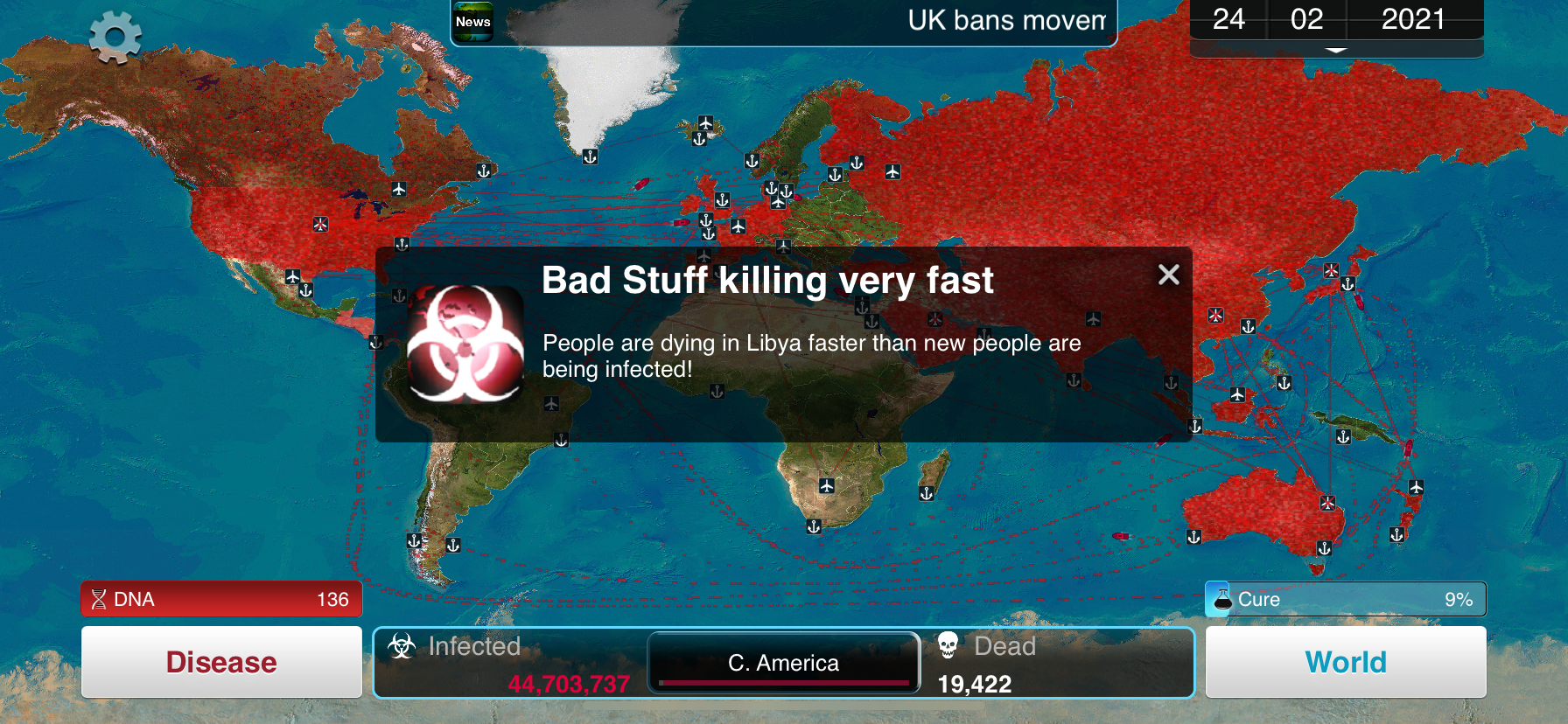
Organ Trail is a zombie remake of Oregon Trail from the early 90’s. What makes this game stand out so well is that it brings back those childhood memories look no other phone game this year. The game is intense, funny, fun, and just very well done. There were plenty of mobile games I enjoyed this year, but this one topped it all for me.
Strategy games tend to be the best on PC, but with today’s technology, the game is tailored to the controller with ease. This year saw some great strategy games, but only a few really stood out from the rest. A great strategy game doesn’t so much as need a good story, but easy to use menus, lots of useful units, and a way to use them in a tactical and useful way. Upgrading and acquiring new units is key and also needs to flow and tie into the game.
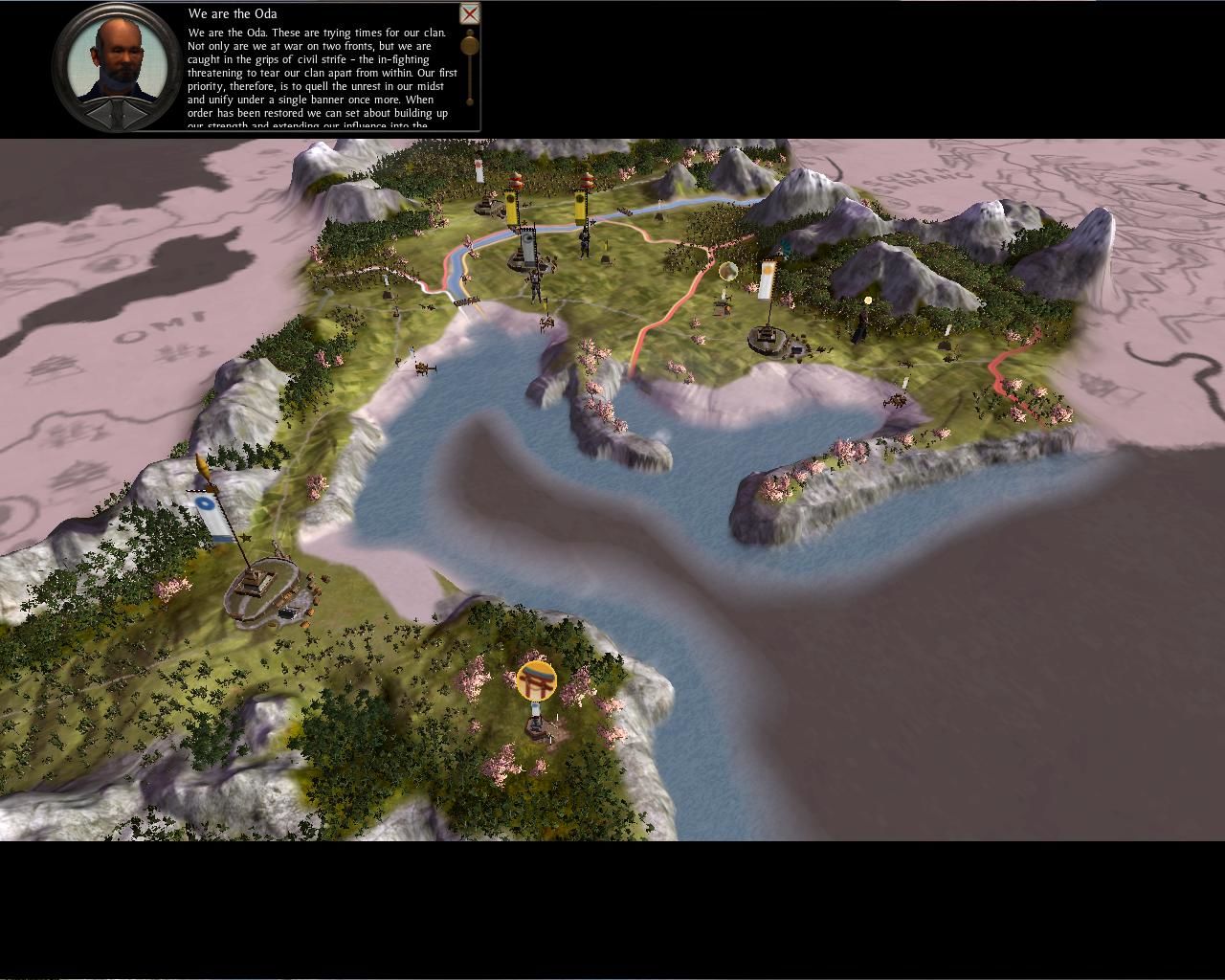
Total War: Shogun 2
This was an easy pick mainly because it completely changes the way people thought about the last game, being this is a new game all on its own. With great units to use, tons of excellent DLC, and great visuals to boot Shogun 2 is a heavy hitter that stays true to the genre and that’s what put it on top.
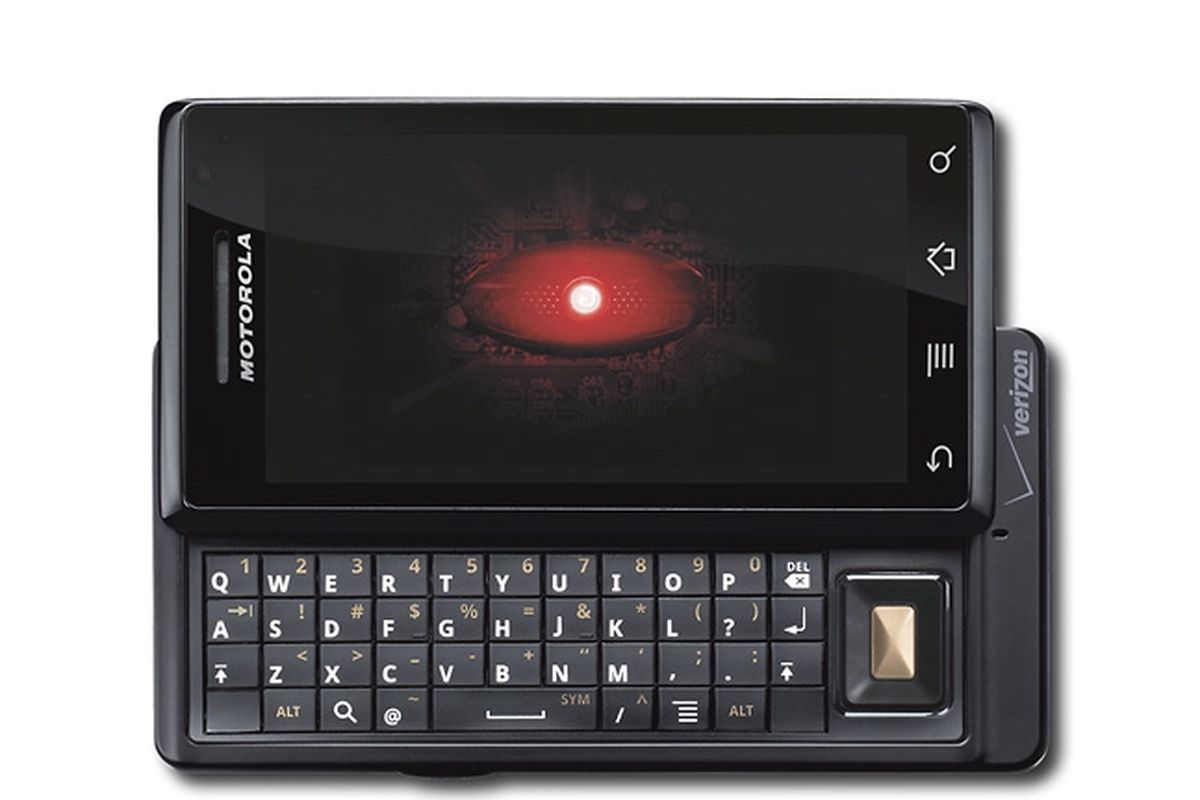
Google has been known for revolutionizing the internet, and now they are with their Android phones. The Motorola DROID (A855) is the newest and most advanced phone on the market right now, and this bad boy does an awful lot. A lot of people are going to compare this phone to the iPhone, but the DROID trumps the iPhone in features and freedom. I will discuss, first, the tech specs and compare them to the iPhone head-to-head so you can see how powerful the DROID truly is.
Techno Babble
The DROID has a 550 MHz processor, specifically the Arm Cortex A8 processor that is also present in the iPhone 3GS by Samsung. The 3GS is clocked only 50 MHz higher and can be overclocked to 800 MHz. To compare, the original Xbox has a 733 MHz processor. So can the drug be overclocked to this as well? Most likely. With a monster processor, the DROID can multitask and has one of the first actual mobile OSs (besides Windows Mobile 7). This also means maintaining processes running in the background to gain battery life, uninstalling apps (not just deleting them), and a lot more, but we’ll get to that later. The iPhone, however, cannot multitask due to the OS running on it, and the processor is only used in games.
When it comes to graphics, the DROID still hasn’t been pushed to its limits. There are very few 3D games on the Android Market, but as of right now, the iPhone stomps the DROID in the graphics department. The DROID has a 200 MHz PowerVR SGX 530 GPU. The iPhone has the same, but due to its slightly better CPU, it can currently outperform the DROID. The iPhone has been on the market for quite some time, so there are bigger, better games available. The DROID should start getting the same quality soon. They both have 256MB of RAM, so under the hood, they are pretty much the same.
The DROID has a slightly bigger screen, sizing in at 3.7″ and the iPhone at 3.5″. Do 2 millimeters matter? Yes, it does. There are a good 2 millimeters on the top of the iPhone that could be a screen, but for some unknown reason, it’s not. The DROID has a higher resolution of 854 x 480 and 265 PPI (pixels per inch). The 3GS has a 320×480 resolution with only 163 PPI, so the DROID has double the resolution of the iPhone. That is great for people wanting to watch high-res movies on their devices.
Both devices have the same inputs, such as the 3-axis accelerometer (tilt sensor), digital compass, multi-touch display, proximity, ambient light sensors, etc. The DROID is a bit heavier than the 3GS, but only by 1.2 oz. The drone wipes the floor with the 3GS camera. The DROID camera is 5 MP compared to the 3GS’s 3 MP. The DROID has dual LED flash and geotagging, and it can even run higher than 30 FPS. The 3GS has all this except the dual-LED flash, which is a huge plus.
When it comes to storage, the DROID wins with its external memory option. You can insert up to a 32GB microSD card, but you’re stuck with the 3GS internal memory and have to pay a huge price for more. The DROID even comes with a 16GB microSD card when you buy the phone. So when it comes to comparing junk under the hood, they both have the same hardware, but the DROID has the extra tidbits that push it over the edge.
GUI: Graphical User Interface
The DROID has an excellent GUI, and the whole marketplace is run by the community. There are programs such as PandaHome, OpenHome, GDEHome, etc. that allow you to change “themes” for a small price or for free. These also change icons, clock widgets, etc. The DROID has a great interface that is more like a computer that gives you a desktop, then a slide-up menu where all your apps are stored. You can drag and drop as you see fit. The iPhone, however, is plagued with the mundane Apple OS that only shows apps in a grid format with a black background. Sure, you can change your “wallpaper,” but this is only when the phone comes out of sleep mode, so it’s rarely seen. This makes every iPhone look the same, so the DROID wins in customization by a long shot. There are four touch buttons located at the bottom of the screen: your back button, menu, home, and search. You will use these buttons a lot, so Motorola and Google were smart to put them here.
Apps: Who’s Better?
It all comes down to the apps. Who has more rights? Well, the iTunes marketplace has hundreds of thousands of apps that the DROID doesn’t have, so the iPhone wins there. However, the Android market is ever-growing, and thanks to the user-run community, a lot of great apps are showing up that the iPhone can’t run. These include a lot of customization apps and loads more. Apps are easier to run on the DROID since there is no iTunes-type program. The app store is run off the phone and downloaded from the phone as well. If you don’t want an app anymore, you go to your settings and uninstall it. Google also allows you to refund anything you buy within 24 hours, and Apple does not support this. While iTunes may have more stuff, Android has better customer service, a better community, and a better setup. There are really no “hardcore” games for the DROID like there are for the iPhone, but it’s getting there. You do not want to get a DROID for a gaming system just yet, for sure; stick with your iPod or phone.
Features: Welcome to Google Town
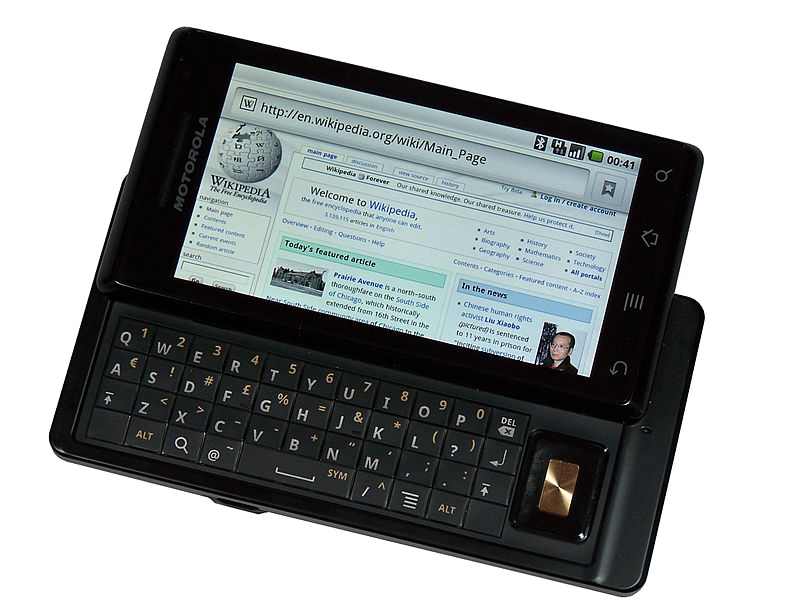
The DROID has a lot of little things going on in it. You can do everything a touch-screen phone can do, but it also has a slide-out QWERTY keyboard. The buttons were a little flat, and the top row is hard to get at if you have big fingers, but it works well. If you tilt the phone sideways, you can type with a landscape keyboard or use Google text-to-speech. I found this feature extremely useful when typing long messages or writing reviews for apps. Since this is a Google phone, you get all their awesome apps, such as Google Earth (yes, it’s in 3D and you can see every detail) and Google Maps. Switch to your “car app” and press navigation. Speak your selection (i.e., Phoenix, Arizona), and Google will give you directions for a car, bus, or walk (God forbid you to walk that far!). Press Get to Navigate, and the phone will give you the directions. It doesn’t update in real-time, but it does update as you drive down each block.
Google Sky is a fun app that lets you point your phone in the sky, and it will show you, in real-time, where each constellation and the planet are. You get plenty of excellent Google apps, such as Gmail, YouTube (yes, Google owns YouTube), and Google Goggles, which allow you to take pictures of products or objects, and the phone will scan and search them for you. There’s even a Google search bar on the desktop with a text-to-speech button next to it. Brilliant. There are plenty of other apps, such as the Amazon store, eBay, Bank of America, MLIA, FML, and even ShopSavvy. This app allows you to scan a barcode, and it will tell you where you can find it cheaper online or locally. Of course, you have all your social networking apps, like Twitter, Facebook, and MySpace, which run great.
When it comes to things like ringtones, pictures, and videos, the DROID delivers. You can store any MP3 or picture and set them as wallpapers, notifications, or just ringtones. Mount your SD card via USB and just create the folders. There is no need to sync with a program on the PC. Total freedom is what Google gives you, and this is what I love.
Problems: It’s Not Perfect
There are some issues with the drug, but not many, and they are minor. The biggest one is the running processes in the background that can kill your battery even in sleep mode. You have to get the Advanced App Killer app and every so often check everything you don’t want running and kill the apps. Another problem I ran into was that since most of the apps are user-made, they can be glitchy and screw up your phone, so watch out and read reviews before downloading anything. You could say that the major issue is the app store. There are a lot of apps, but some of them are junk. There aren’t any excellent games available, and the app store doesn’t have any sort of feature except Top Paid, Top Free, and Just In.
For a $550 phone (if you pay for it without a plan), the DROID delivers and trumps the iPhone in every direction except the apps. The DROID is a very advanced phone and is for people who love using their phones constantly and want to make them a part of their everyday lives. With a sleek design, excellent features, sturdy hardware, and monster processing power, the DROID should be the #1 phone in 2010.
Update: 10/15/2011
Now that I have had this phone for 18 months, I don’t like it as much. The phone started having issues with serious lag, slowing down, and just hardly responding anymore. The touch screen lost sensitivity after about a year, plus the hardware is ancient compared to what is out now. Due to that, all the apps are now optimized for higher-end phones, so the Droid is left in the dust.
Overall, the phone just doesn’t really work anymore internally. It won’t come out of sleep mode sometimes, won’t answer calls, turns off randomly, and the internet is just impossible to surf due to the now weak processor. Hardware-wise, it has stood the test of time with many drops, slides, fumbles, and kicks. Not a single crack or anything, but thankfully this phone is now discontinued. If you have the original Droid, you are probably finding the same problems even after a factory reset. The phone was great 22 months ago, but now I just absolutely hate this thing. If I were to amend my score, I would give it a 4/10 now, but of course, that’s unfair and should be remembered for how great it was at the time of release. Did I also mention that the appraisal price for the phone is about $20 nowadays?








































 thebinarymessiah.com
Try multiplayer. A lot of fun !