Game of the Year is one of the hardest decisions because so many games are created every year. But to come out on top the game must be excellent in its genre (usually re-define it) and have great production values, and not feel repetitive, and usually, it changes the way we think about games.
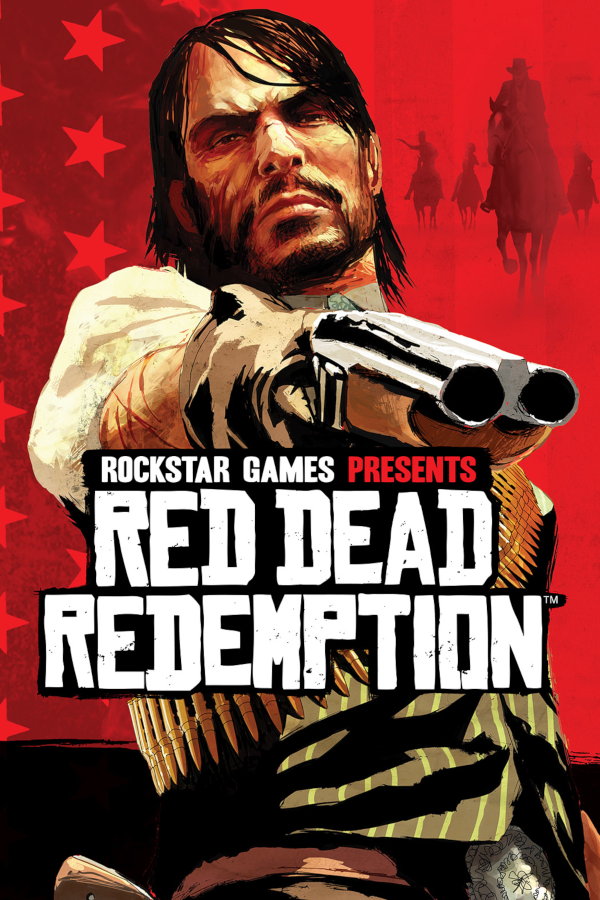
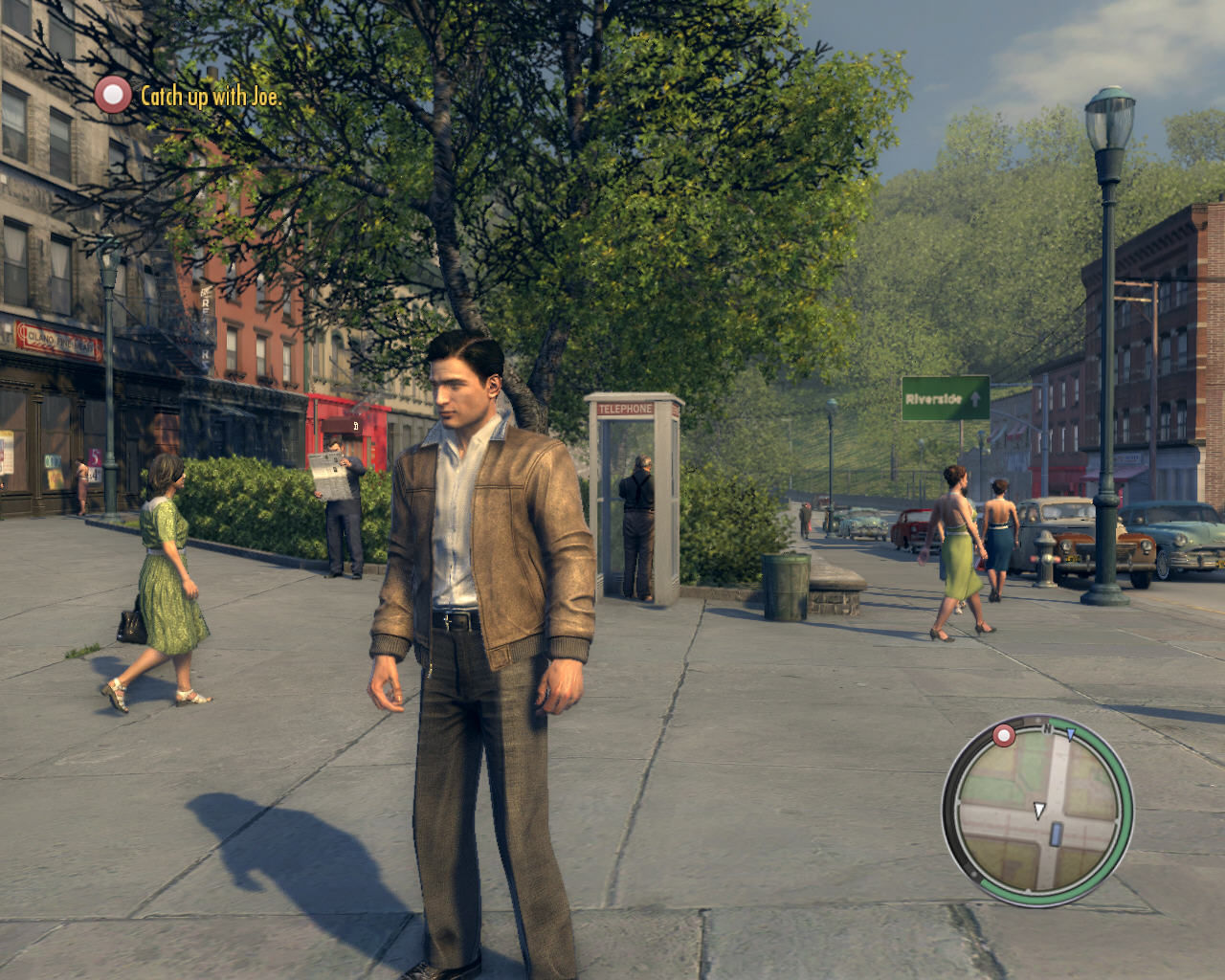
What sets Red Dead apart from all of these other excellent games is how authentic its world is. It feels so real and feels just like the wild west. With excellent voice acting, a huge open world to explore, lots of missions, and it’s just the subtle details that make it a winner. Hunting, gambling, horseback riding, even down to the drinks, attitudes of the people, clothing, accents, it just all adds up to something spectacular and really shows what a game can do. It’s Red Dead’s subtle details that truly make this game shine over the others.
RPG’s most important element is the story. This is what sets RPGs apart from other genres. The games also must have excellent lovable characters and good combat whether it’s turned based or real-time. RPGs also tend to be very long, but they are getting a bad rap in Japan due to never changing their formula.
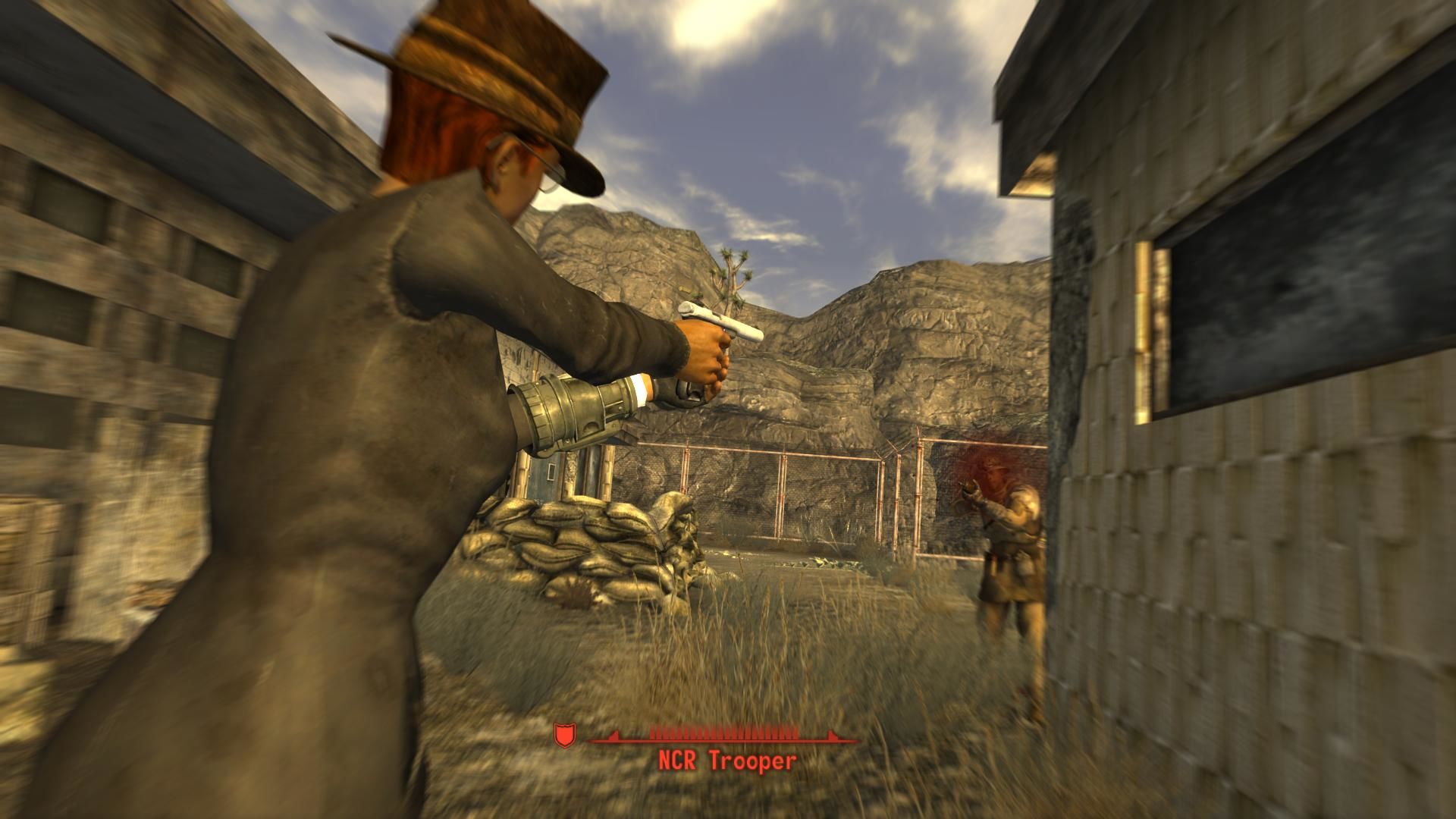
While New Vegas isn’t as good as Fallout 3 just the sheer vastness of the wasteland, the memorable characters, and the deep amount of content the game provides. There are a seemingly endless amount of quests, and the game has excellent dungeons, great shooting mechanics, and the mod community for the PC version is enormous, and New Vegas wins because the game lasts beyond the box, and it stays true to RPG standards: Leveling up by killing, completing quests, and tons of loot.
Graphics aren’t the most important part of a game, but they are essential in helping deliver every aspect. A lot of games try to push consoles to their limits with higher resolutions, more detailed textures, better lighting, physics, and even just about every other thing that games need to do to look pretty.
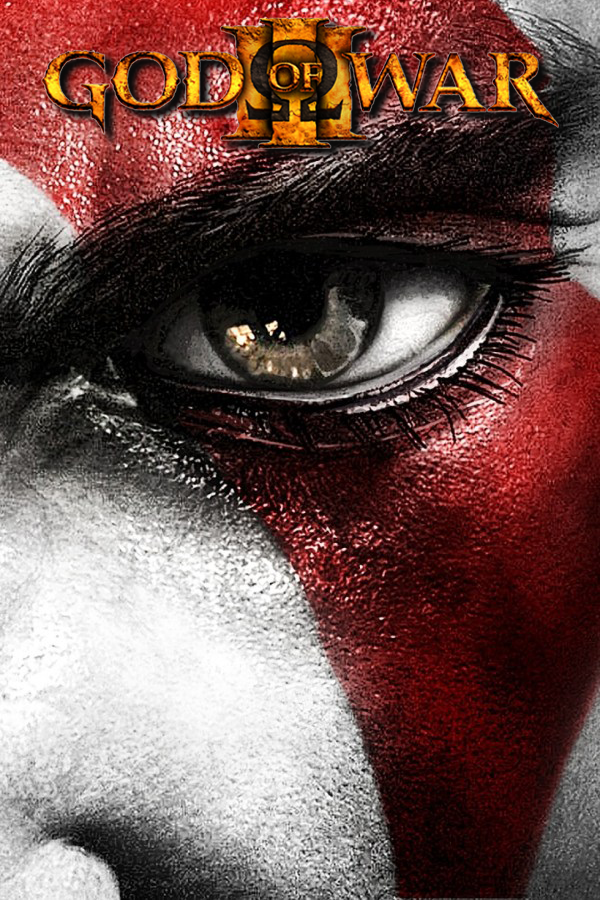
What sets God of War apart from other games besides its gruesome violence, and epic boss fights? Its graphics. It pushes shaders, memory, and makes processors sweat with its luscious huge vistas, multi-screened bosses, and stunning detail in every character. In 1080p on an HDTV, nothing can hold a candle to anything graphics wise.
DLC has only become important in this new generation and can really extend the longevity of game months beyond its release date. Good DLC consists of keeping true to the original game, adding solid content, and making the player feel satisfied with the money they spent.
Undead Nightmare (Red Dead Redemption)
Yeah, yeah it’s zombies, but in Red Dead? It’s perfect! The DLC even packs in a great story and is tons of fun to run around on horseback shooting zombies. The co-op multiplasdfasdfayer is also a hoot, but it’s the fluidity of the DLC and the perfect match that pits it over the others that just feels like chapters or extra missions.
Stories are probably the most important part of a game, and a good story tends to be original, full of plot twists, good characters, and great dialog to go with it. Video games have set the standard for fantasy stories and are probably video gaming’s greatest achievement.
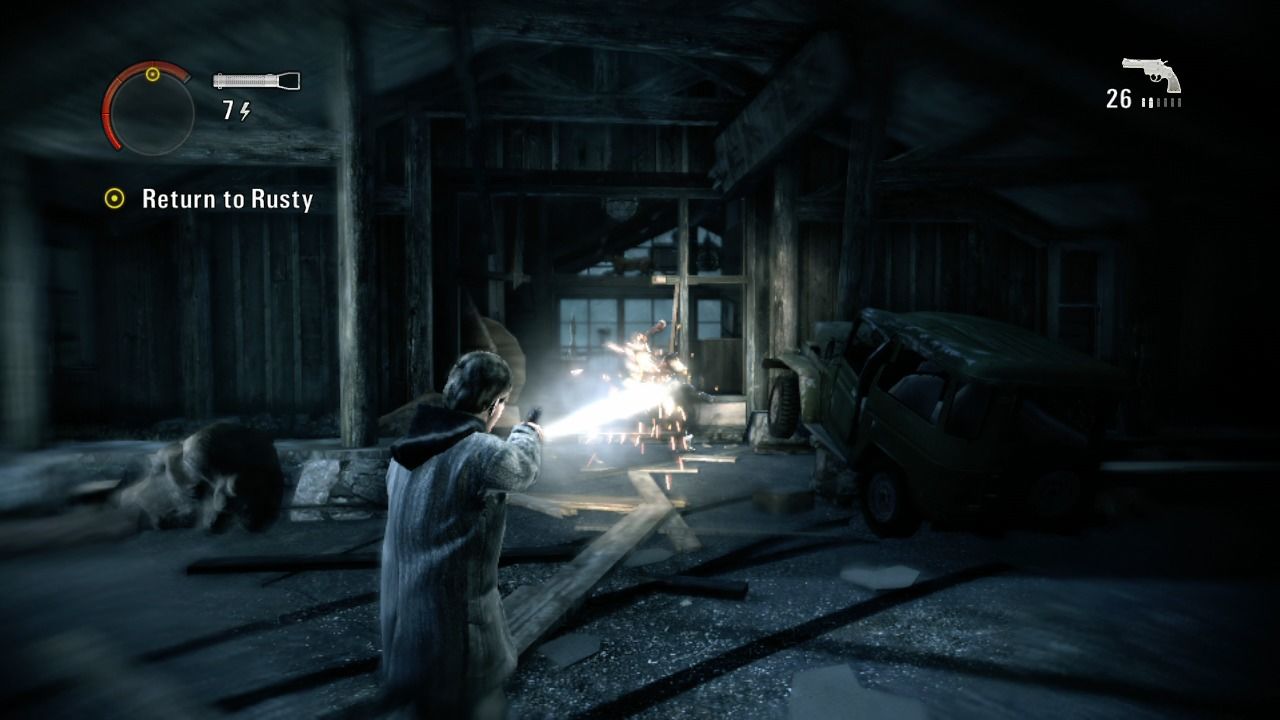
Alan Wake has a story like no other with a rich, deep, and complex (yet easy to follow) story that is ripped straight out of the best horror novels. The way Alan Wake unfolds, and the story is told with plot twists, and loops that keep on coming you just keep on playing just to find out what happens with Alan! This is exactly how a game story should roll out, and other games have big shoes to fill.
Voice acting is essential in a game to make characters sound believable and give them character. Good voice acting is just like a good movie, so it shouldn’t sound scripted or just plain terrible.
Red Dead may not have strange alien characters, but the voice acting is so authentic that you really get attached to these characters without awkward moments, or sometimes scripted sounded segments. The voice actors Rockstar chose really sound like these characters and put so much passion and effort into them that the whole game really just sounds like a movie.
Sound design is probably the most important thing next to the gameplay. Without some sound, there’s not really a game, and the best sound design makes things sound authentic for the universe it’s in and makes the sound convincing, and usually, it’ll pack a good punch, sound epic, or just subtle details in sound helps.
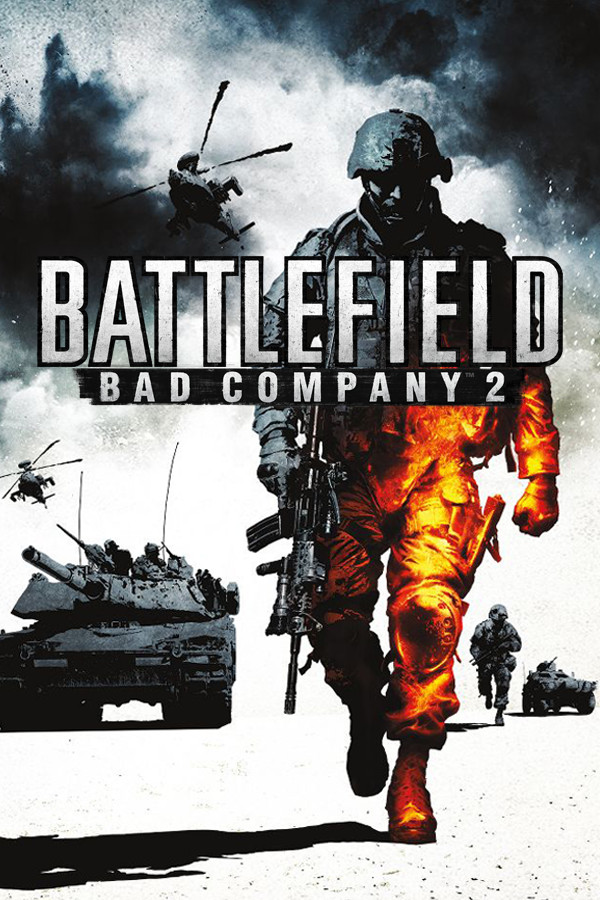
How can a war game have the best sound design? The first Bad Company truly made a game sound amazing with realistic weapon sounds, epic explosions, and differential sounds such as shooting in a building sounds different than outside and the echo traveled when walking through a door. That is the kind of detail that most games don’t make. The sequel follows suit with more detail in this department, and there’s nothing that can trump the epic explosions and sounds of gunfire.
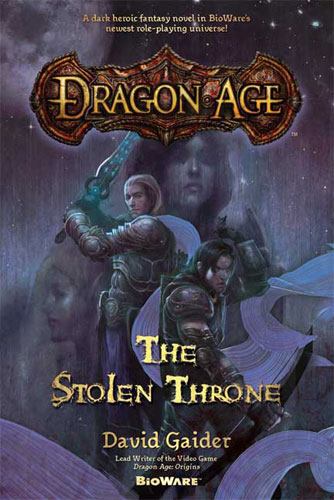
In Dragon Age: The Stolen Throne, Maric sets out on a mission of vengeance against the faithless lords who were responsible for his mother’s death. Now, having reclaimed the throne, King Maric finally allows the legendary Grey Wardens to return to Ferelden after two hundred years of exile. When they come, however, they bring dire news: one of their own has escaped into the Deep Roads and aligned himself with their ancient enemy, the monstrous dark spawn. The Grey Wardens need Maric’s help to find him. He reluctantly agrees to lead them into the passages he traveled through years before, chasing after a deadly secret that will threaten to destroy not only the Grey Wardens but also the Kingdom above.
Dragon Age: The Calling is the second novel to be set in the Dragon Age universe. It is set approximately fourteen years after King Maric Theirin and his companions ventured into the Deep Roads as described in Dragon Age: The Stolen Throne and eleven years after the Orlesian occupation of Ferelden was brought to an end at the close of the Blessed Age. Dragon Age: The Calling focuses on Maric, a young Duncan, and the Grey Wardens.
The Calling — 9.5/10
The Calling is wonderfully written and feels more like the game than The Stolen Throne does. With the whole book being set in the Deep Roads, you really get to know what these people feel when traveling this dangerous road. Gaider does an excellent job of making you feel claustrophobic, helpless, and glad that you are not with these guys. Every page is filled with tense dread and the psychological torment these people must go through to get to their destination. On another note, you also follow the Grey Warden, who has joined the Darkspawn. However, we finally get to know about an intelligent Darkspawn that is very mysterious and may have different intentions.
The Calling has a great cast of characters that you really feel for, and the book is very hard to put down. There never was a dull moment, and this book really lets you get even closer to the dark atmosphere of the game. This book is my favorite out of the two and deserves a read by fans.
The Stolen Throne –8.5/10
The Stolen Throne doesn’t feel like a game at all, except for one moment when the characters are on the Deep Roads. The rest of the book is all about politics and huge battles with men. The book doesn’t really mention Darkspawn until towards the end of the book. This book is a tale of how Loghain and Maric met each other, and this was before the next blight. The book is well-paced, but it gets a bit repetitive with battle after battle. While they are different and have twisted, it’s a redundant pace of politics, battle, politics, battle.
The book isn’t as good as The Calling, and the characters aren’t as good, but it’s enough to keep you reading, and fans of the game will definitely love both of these books.
JRPGs that were the standard are now being taken over by western RPGs, and one of the main developers responsible for this is Bioware. Dragon Age: Origins is a very deep game, mainly in politics, religion, and mythology, that is reminiscent of Tolkien lore. Not only is the dialog witty and humorous, but every piece of dialogue is spoken with great acting. Each character is memorable, and Bioware really does it with their morality gameplay because it takes ten minutes to decide a choice since they change gameplay so much, more so than in any other Bioware game.
The game has different factions you can play as (dwarf, human, elf, then different classes in those races), and each takes about 50+ hours to play (my first playthrough was 41 hours). You start by customizing your character, but that isn’t the deepest part of the game. When you start out with any race, you learn the combat basics, which are pretty deep yet also very simple.
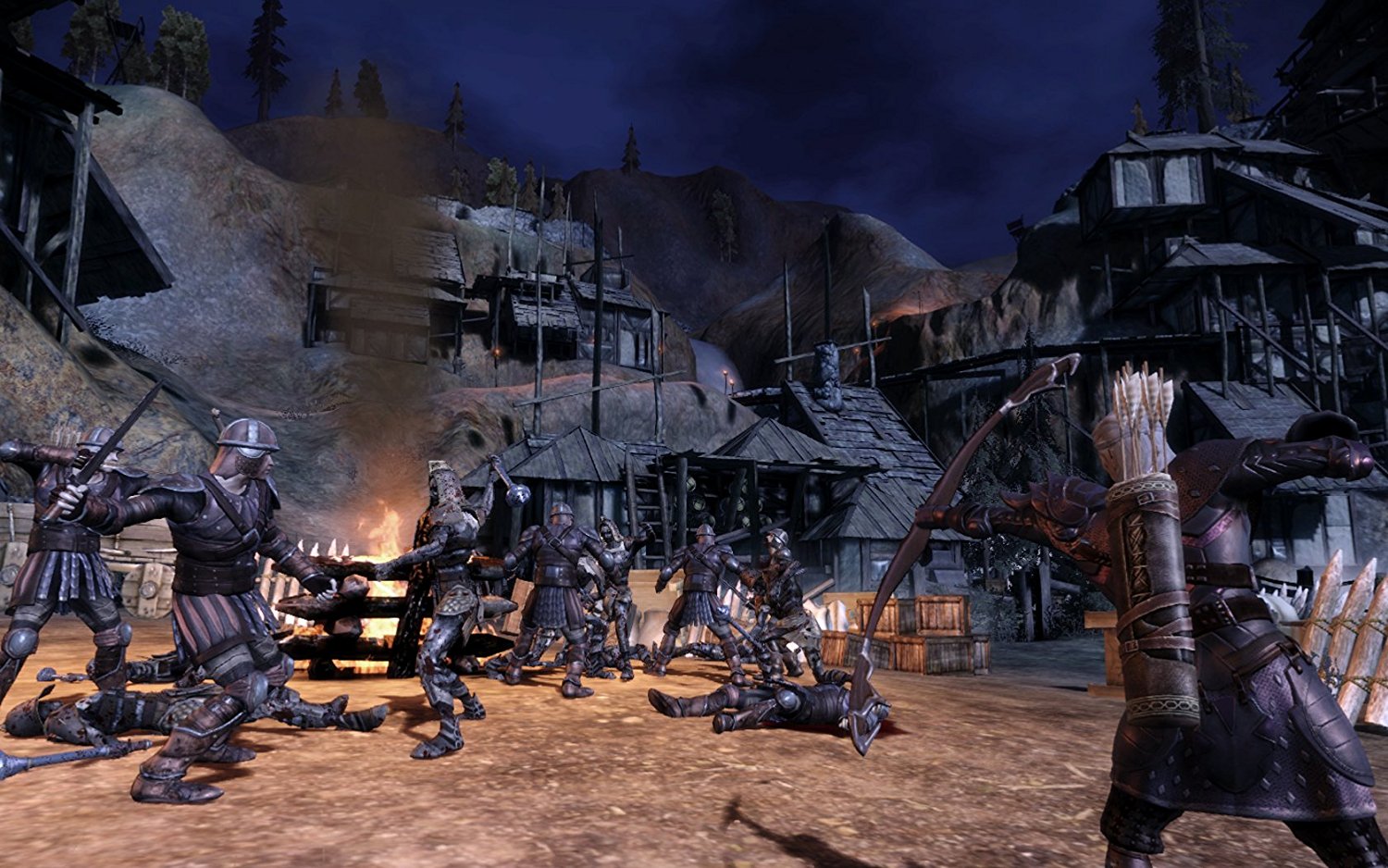
The actual combat itself is the standard Hit the attack button and watch the characters hack away. You earn experience by killing enemies and level up accordingly. The game has a radial menu that lets you access your potion and trap-making skills and techniques, as well as combat tactics. You can create traps and potions by learning the skills over time and by using ingredients found throughout the game world (I found both of these useless). Skills range differently between mages and warriors, but warriors can learn different fighting styles such as two-handed, dual weapons, sword and shield, and even archery. Each class can learn other classes’ techniques, and that’s the beauty of Origins. There are dozens of different skills to learn, and you won’t learn them all before beating the game.
The sheer depth of the game is mind-boggling, but I know one thing that people are concerned about, and that is side quests. There are dozens upon dozens of them to keep you satisfied, but of course, you don’t have to complete them all. There are also tons of Codex pages to pick up and read in this deep and wonderful lore that Bioware has created. There is enough stuff to read to fill a history book, but if you’re not the reading type, you can just skip over this. There are hundreds of different items to obtain, from armor and weapons to ingredients and gifts to make characters like you better.
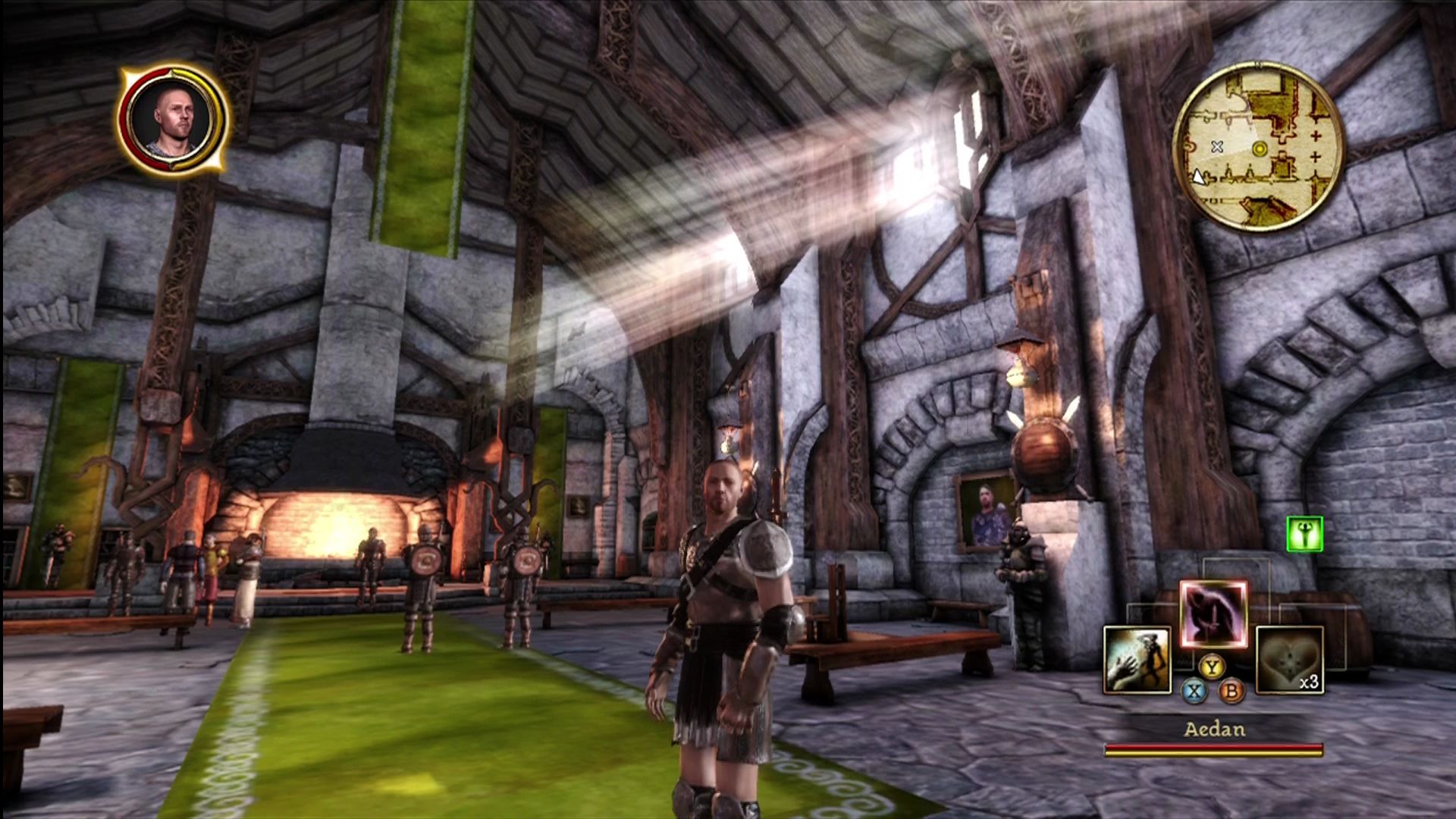
After playing for about 5–10 hours, you will realize how much the game relies on your actions to tell the story. Unlike other Bioware games, you will notice these changes right away, and sometimes a decision in the beginning can progressively make things worse or better for you throughout the game, and it will make you regret what you did, and that is brilliant. The deepest part of the game is the menu itself, in which you equip your gear, check quests, codex pages, and your map, but there isn’t much to explain other than your normal inventory menu. Thankfully, the game steers away from unnecessary stats that boggle your mind and make you want to quit playing.
Playing the game is fairly simple, and the controls are easy. You can control all four party members, which gives you a nice tactical advantage, but most of the time I just played as my own character. Just remember, when a character dies during a battle, you have to wait for all enemies in the area to be killed for them to be resurrected (unless you have a mage with that skill). I found the game very difficult on the normal setting (almost impossible), so the easy setting had to be used, and that was challenging enough. Traveling between areas is easy enough since you use a world map, but you can encounter battles in between the areas.
One of my biggest gripes about the game is that it is pretty ugly. The Xbox 360 version is the ugliest, with flat, muddy textures that look like you’re playing on the lowest settings. Why this is, I have no idea, but there are also frame rate issues and long load times every time you enter a new area. There is also some sort of collision detection issue because when you press A to attack, enemy party members will sometimes dance around the enemy before attacking, and this can kill you in tight situations. This seems to be a huge issue when many characters are against one enemy.
In other words, if you love deep stories that deal with Blights, an Archdemon, and a deceitful king, then buy this game, but try to get the PS3 or PC versions since they look better. Dragon Age is probably one of the best western-made RPGs in decades, and with so many items, skills, party members, techniques, and side quests, you are in for hundreds of hours of addictive RPG gameplay.
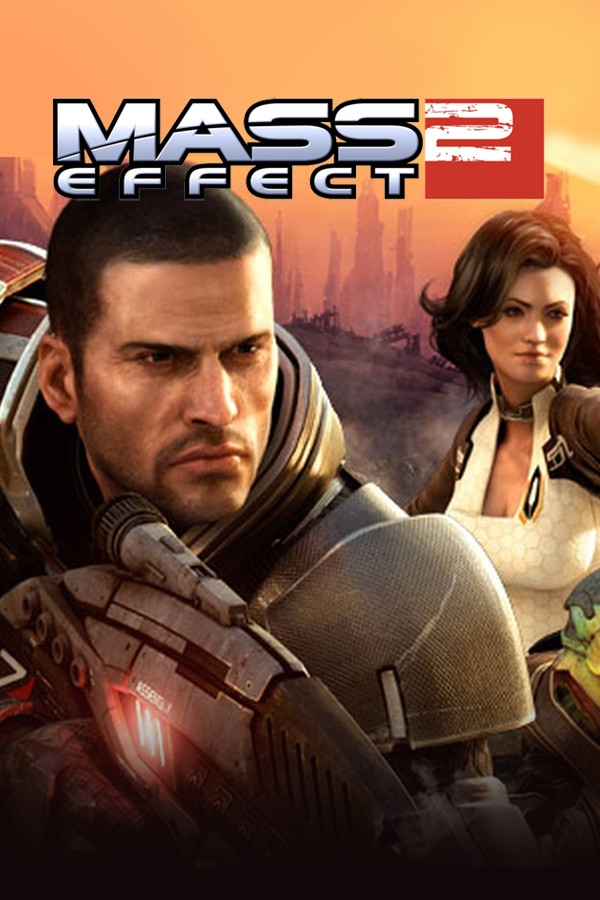
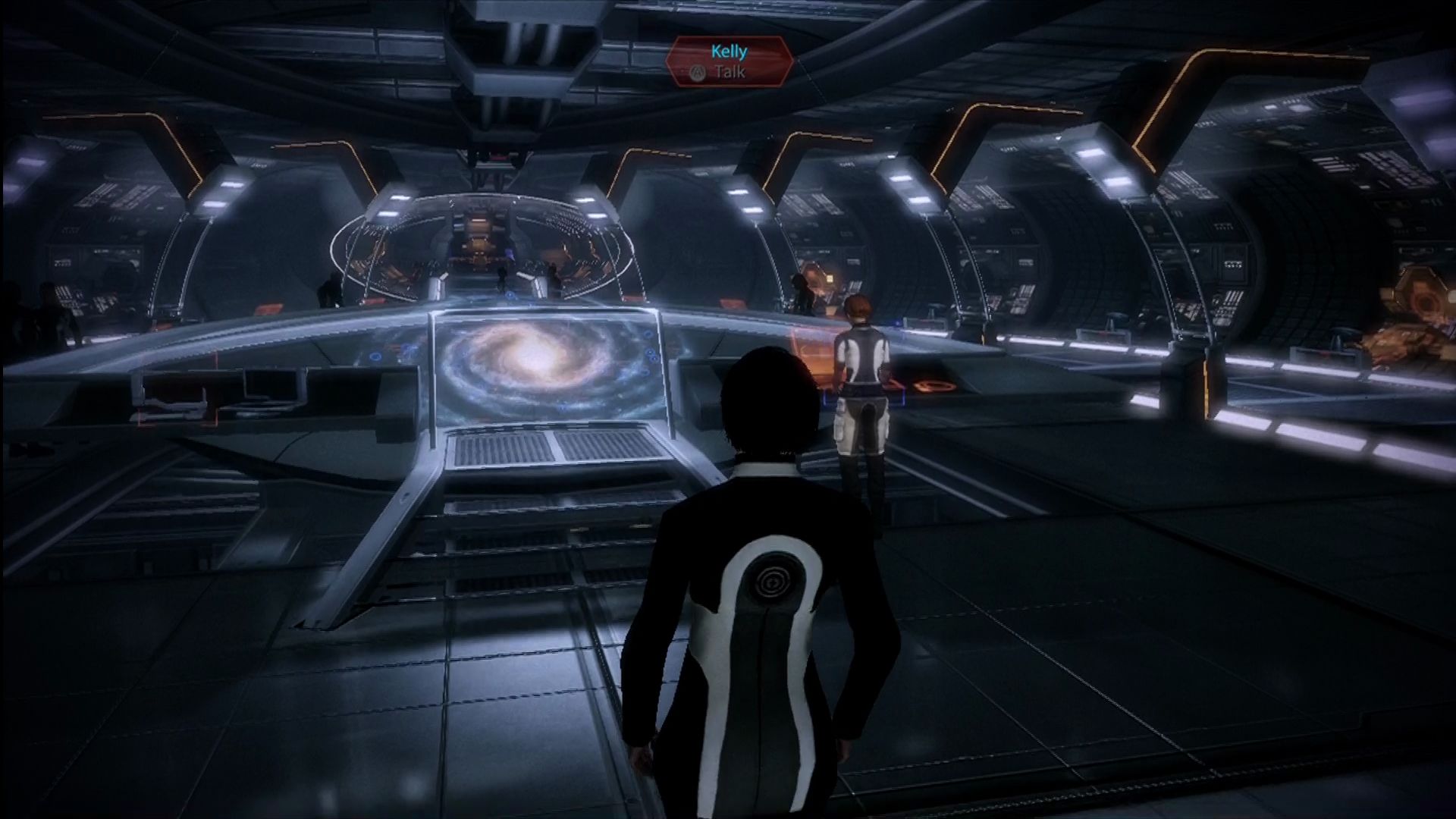
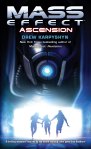
Don’t get me started; books based on video games are a lot better than movies and are a great way to tide you over until a sequel is released, and Ascension is no different. While the Mass Effect game stars Sheperd (or your character), Ascension creates new likable characters like Kahlee Anderson, Paul and Gillian Grayson, Hendel, and other characters.
The book is about a girl named Gillian who is part of the Ascension Project, which is a study on biotics in humans. Paul is part of a black ops group called Cerberus, and he takes Gillian into the lawless Terminus Systems to protect Gillian from being experimented on. Kahlee Sanders and Hendel follow to take her back, thinking Paul is trying to kill his own daughter. Without giving major plot twists away, Paul is fighting drug addiction, Kahlee uses sex as a stress reliever, and Hendel is an overprotective chief of security.
The book really sticks to the Mass Effect lore, with all the alien races present, and really uses a lot of Mass Effect terminology. I found that Drew was able to describe locales really well, so if you have played the Mass Effect game, you can get an idea of what these places might look like. While the book changes between two different people, the book just flows and has smooth transitions. If you have played Mass Effect, the book isn’t confusing at all, and you really feel like you’re back in the game.
The length of the book is perfect, running about 350 pages, so you can finish it within a week. Each chapter gives you a great dose of excitement, and I feel each chapter really closes well, so it makes it one of those “just one more chapter” type books, and I love those. When you put the book down, you’ll be thinking about what’s happening next, since the suspense in the book is astounding. What makes the book stand out is the fact that you can get inside these characters’ heads and really see what’s messing them up and making them do these things. If you loved Mass Effect, get this book, but it’s really only for fans of the game.



































 thebinarymessiah.com
Try multiplayer. A lot of fun !