A great story is usually memorable and you will talk about it for years to come. You need good characters, voice acting, and a lot of other elements to make a good story. Usually, there has to be a great ending as well as some twists and turns, but it also has to make sense. A good story is probably the hardest thing to find in the video game world, but there were a lot of great ones this year, but there can be only one.
This was the toughest category this year. With so many great stories I could only choose one. Gears of War may be considered a meat head’s game, but the story branching over the three games is full of great characters and a struggle for survival that eats at your heart. These people are fighting a genocidal race of bugs, and in the meantime, they are losing their loved ones right in front of their eyes. The delivery from the voice actors just makes you care so much about Delta Squad, but overall the ending and story in Gears 3 finish the story with a tightness that most sequels can’t really pull off.
The Best Music award goes to a game that delivers emotion, atmosphere, and tension through the game’s soundtrack. Whether it be orchestral, licensed, or anything else it must feel just right.
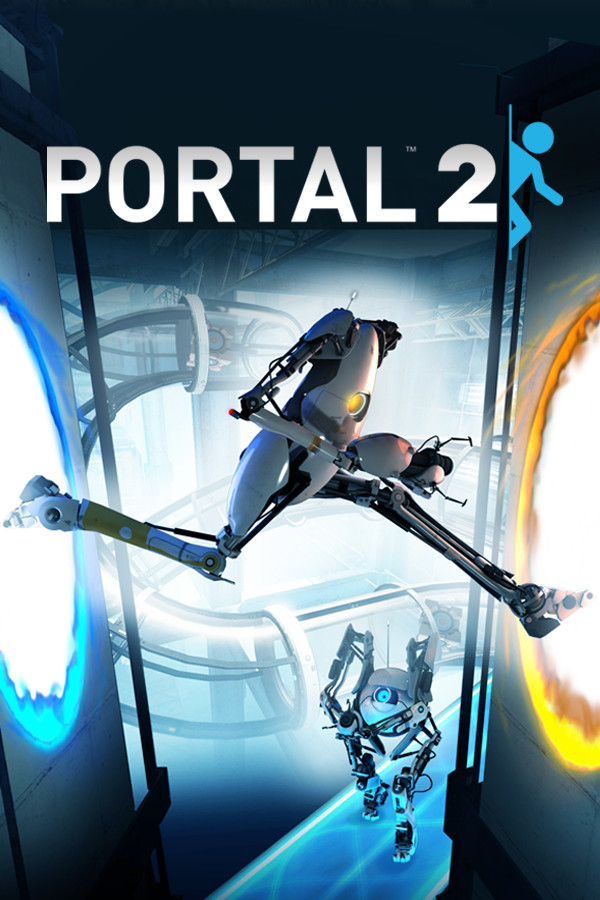
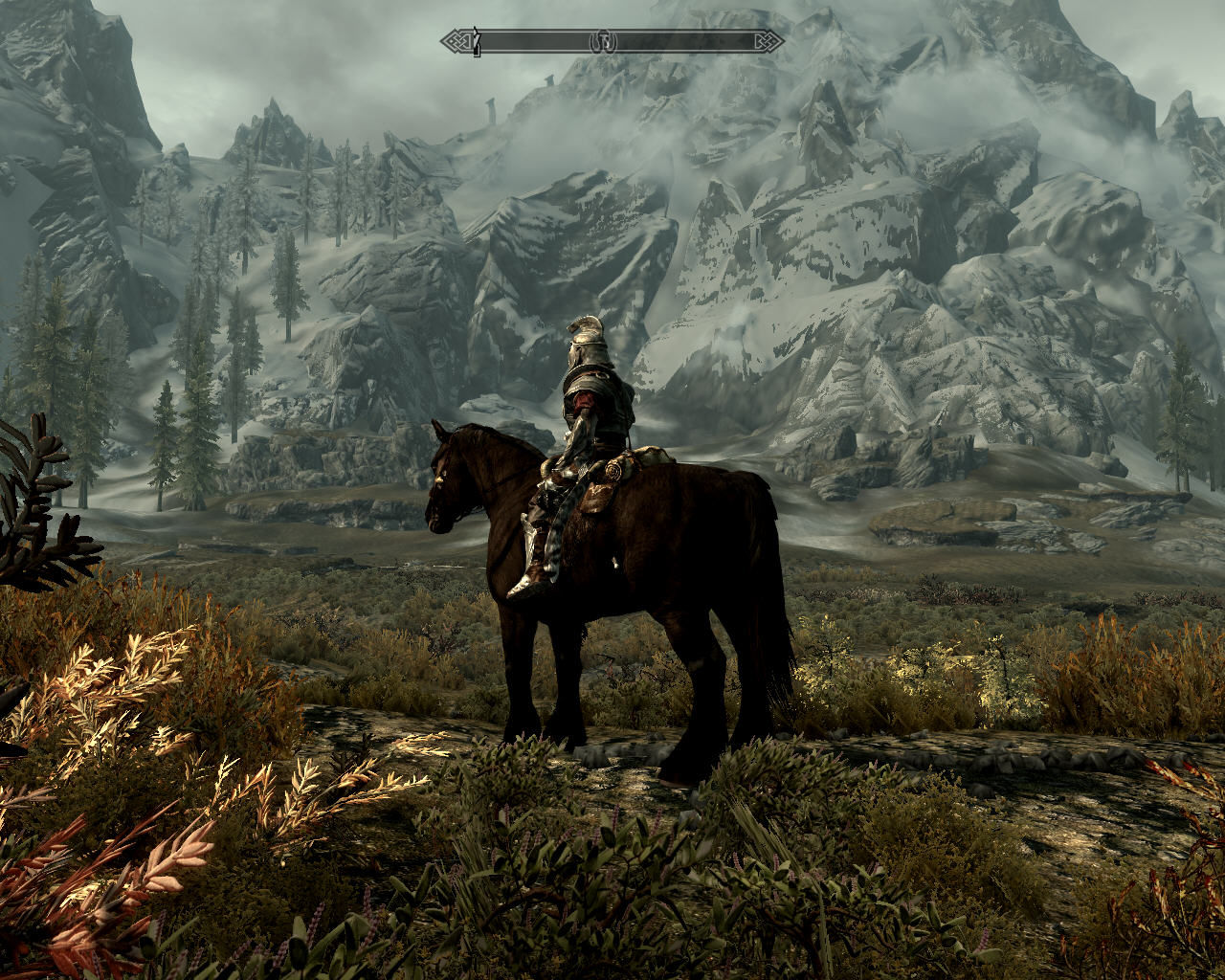
This was a tough call against Portal 2, but Skyrim came out on top thanks to composer Jeremy Soule’s amazing passion for the Elder Scrolls game. Every piece of music moves you and sucks you into the world like no other video game soundtrack can do. There are dozens of songs and each is masterfully composed and that is extremely hard to do. Every piece fits everything you do, see, hear, or interact with within Skyrim. The sweeping and dramatic theme song to the softer tones of exploring the world is perfect and nothing can match this kind of instrumental beauty.
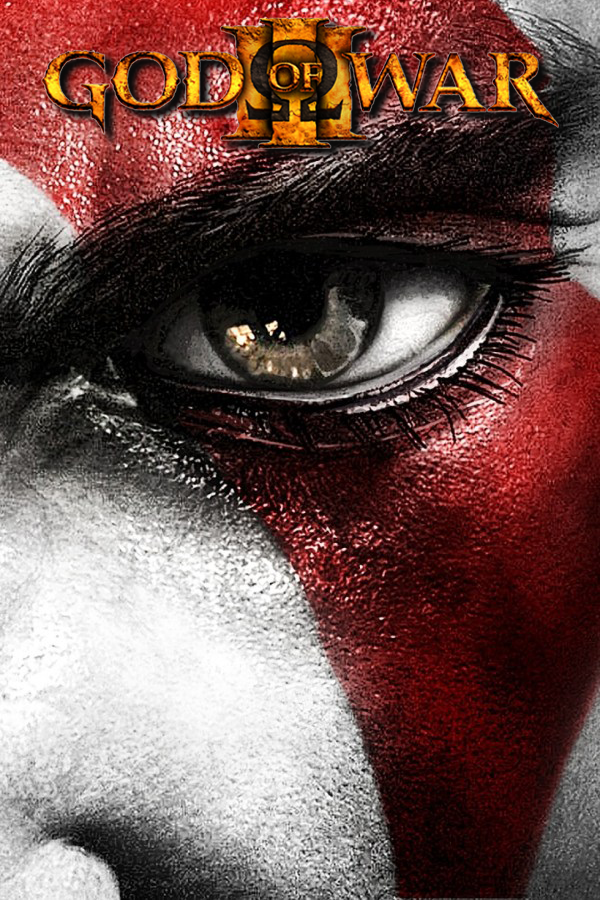
God of War III defines the genre that tells us there are no limits or boundaries and it really shows here. With superb combat, epic boss fights, and gruesome gore that would make even the strongest squirm you have to love this game. It perfects the series and really shows what the next-generation is all about.
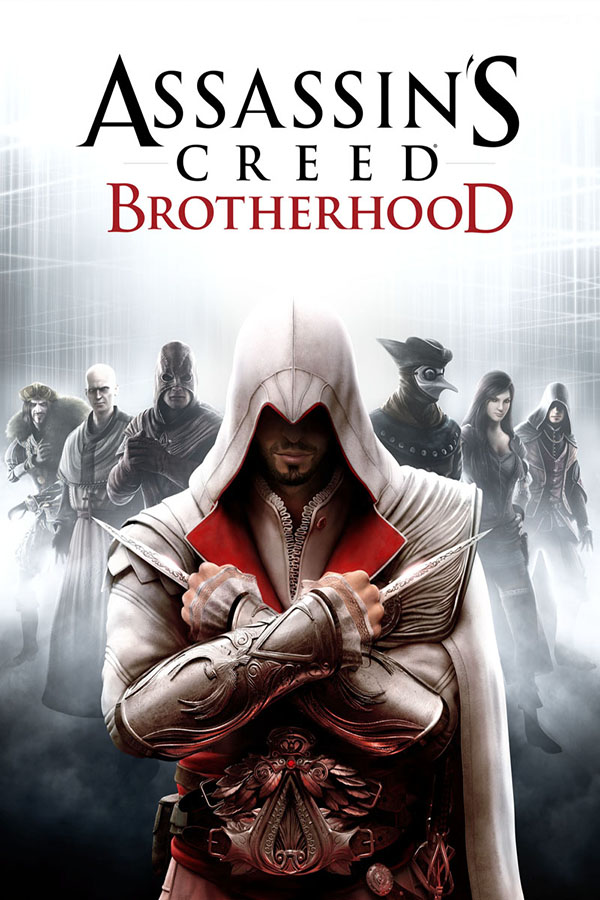
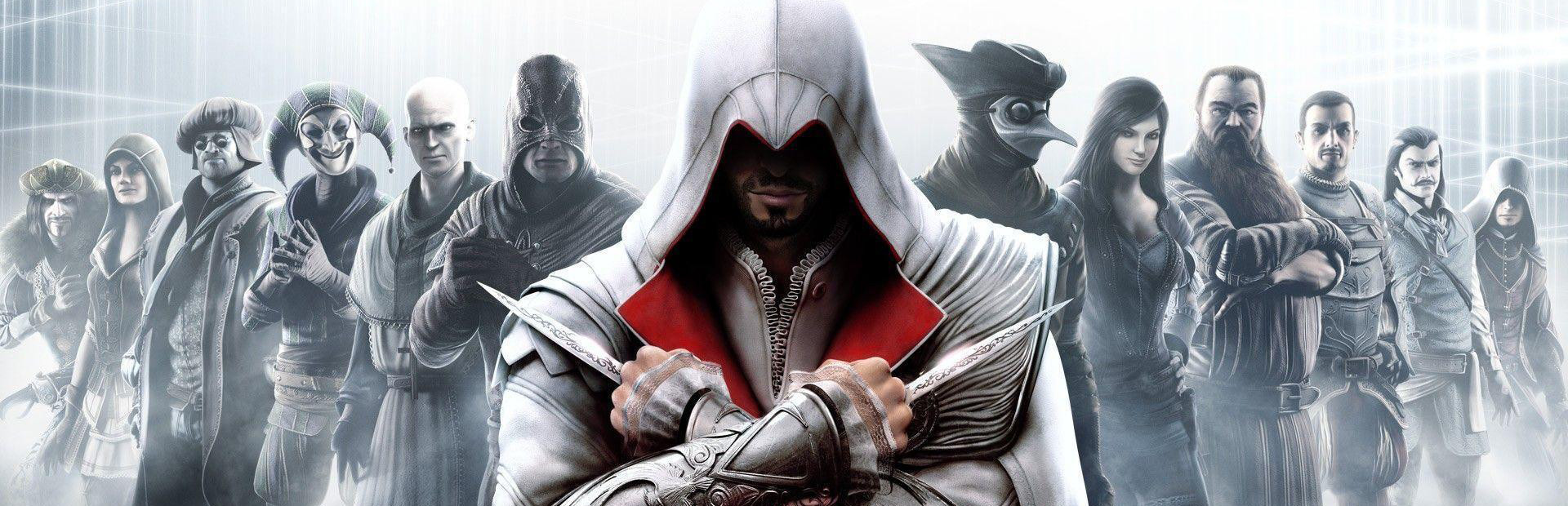
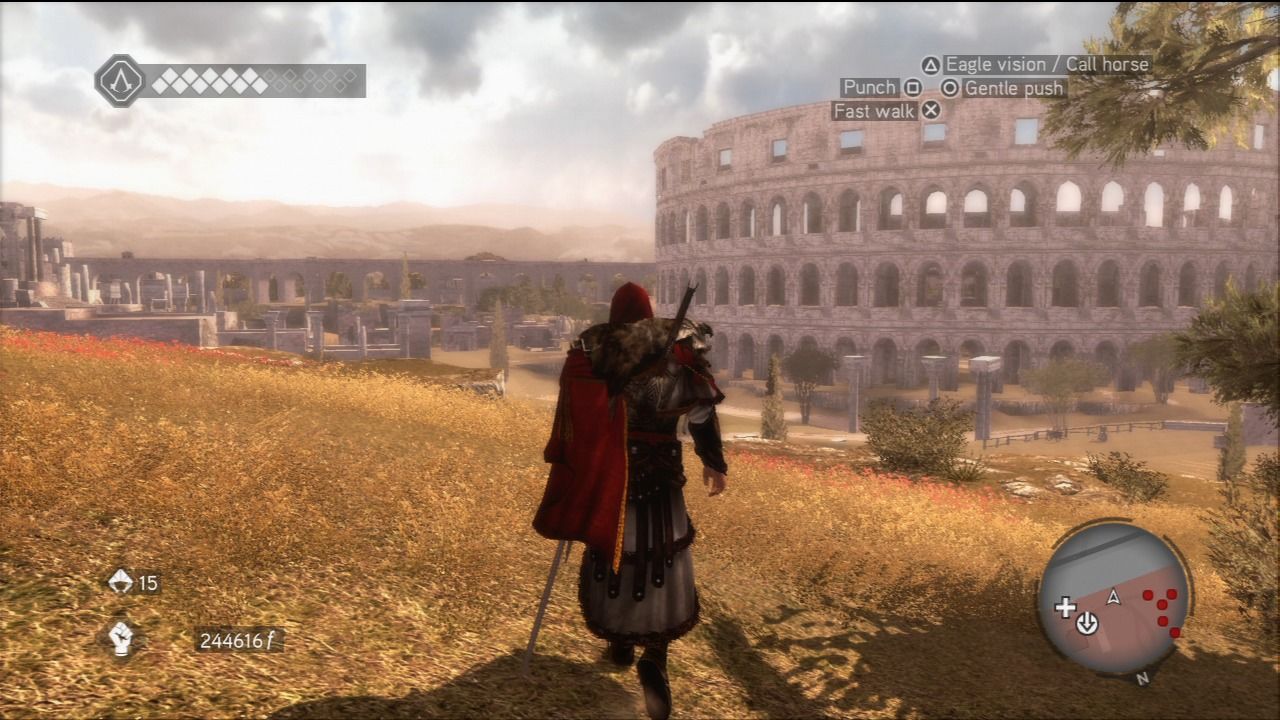
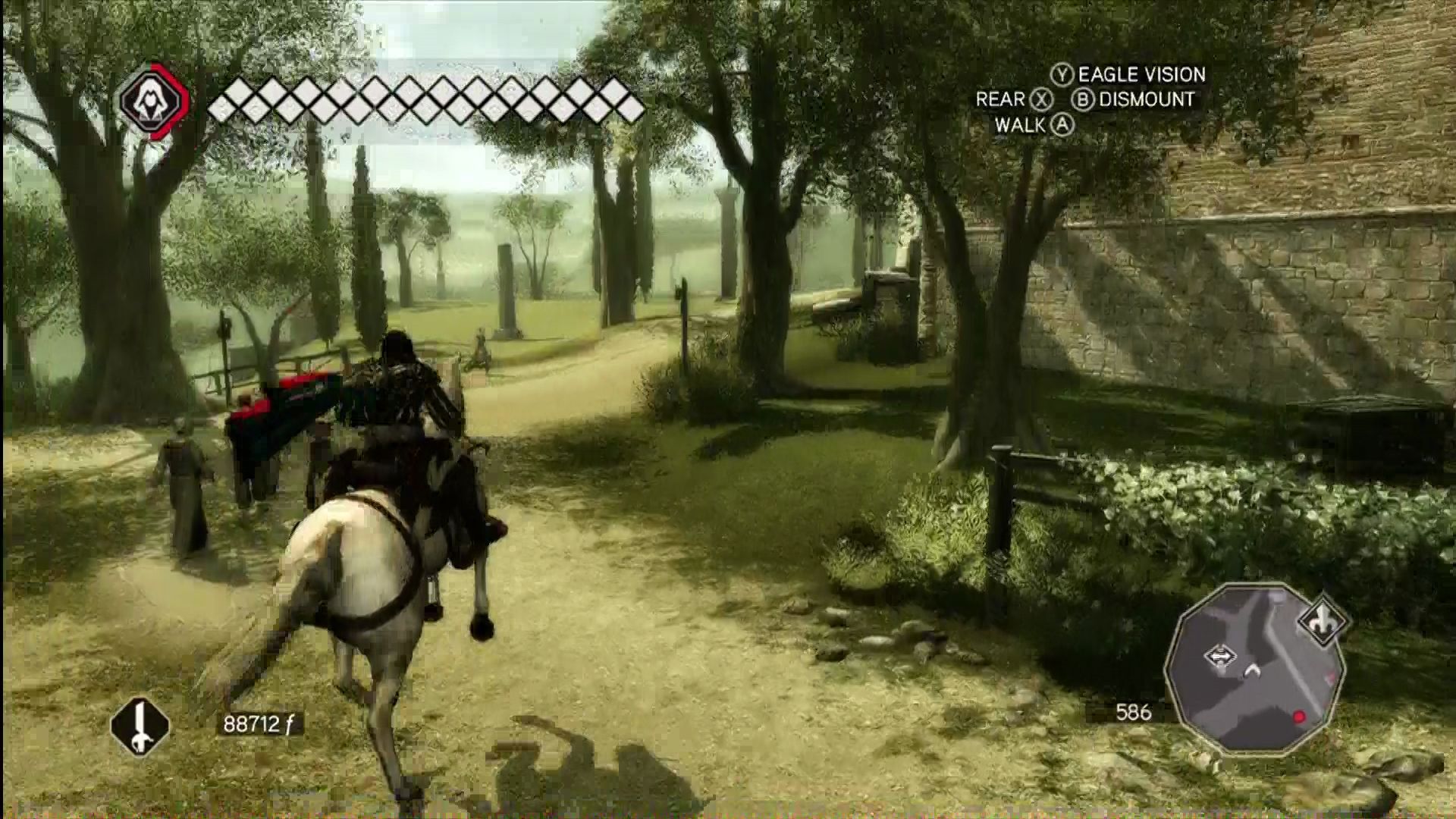
Brotherhood is one of those sequels that was thought to be just a cash cow tie-in for II, and everyone forgets about it. In fact, it was supposed to be a multiplayer-only add-on, but a few months before release, we realized it had a huge single-player experience that was bigger and better than II. This is what sequels should be like, especially if they borrow everything from their predecessors. Brotherhood isn’t a true Assassin’s Creed sequel like II was to the first one, but a new chapter in the amazing universe of 1500s Renaissance Italy. This time the game is set in Roma (Rome), and it’s huge, and there’s a lot more to this game than one skeptical fan might suspect.
The story is just as engaging, if not more complex, than II. Ezio is now older and the leader of the assassins, and he must stop the Borgia reign in Roma (since he failed to kill Rodrigo Borgia in the second game), but Rodrigo himself is only seen twice in the game and briefly. It’s all his minions and the fight against Cesare that are the main focus here. The game still has a deep political plot that ties in with real-life situations and people at the time.
Along with that, you can also play as Desmond Miles outside the Animus, and he has a bigger gameplay part with a whole section dedicated to restoring power to today’s Auditore Villa for the team’s new hideout to find the Apple of Eden and stop Abstergo and the Templars. While you only see these guys at the beginning and end of the game, you get another cliffhanger ending that will lead to the third game, as well as a great conclusion to Ezio’s story.
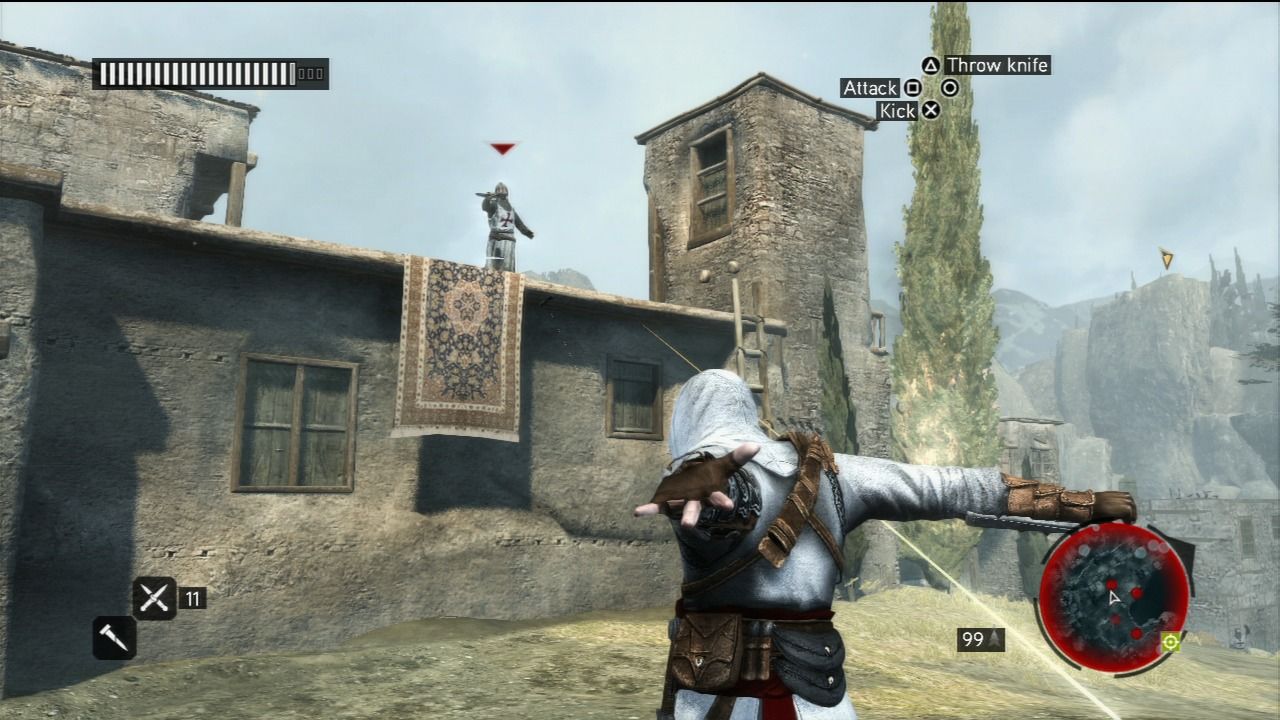
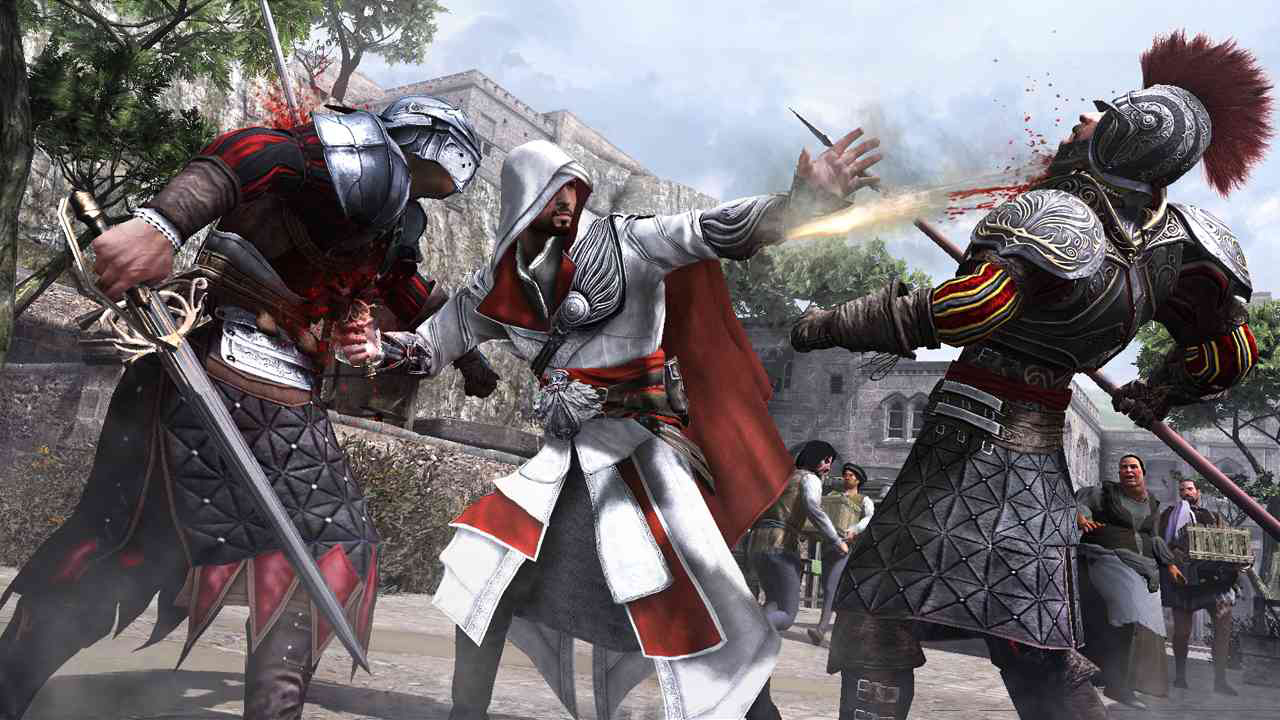
The game plays exactly like II, with no changes to gameplay except for some added stuff like a new crossbow, which is a godsend for killing stealthily from far away. It’s great to do a mission and wipe guys out with a crossbow and not get detected by those hard-to-reach guys. There aren’t any newly added weapons besides that, but combat is enhanced slightly, so it’s not such a counterfest. You can kick enemies, combo Arkham Asylum style, and even do some nice executions with the pistol. This is a nice change to combat and makes it a little more fun. You can also call in assassin recruits to help you, and this is extremely helpful, but more on that later.
Despite the main chapters, there are more side missions than you can shake a stick at. The side missions will take a good 20+ hours to complete and are tons of fun. You have the Borgia towers that have to be burned. These have to be burned down to buy closed-down stores and restore areas and landmarks. You have to enter a restricted area, kill the Borgia captain, then climb the tower and burn it down. There are quite a few, so these will keep you busy, and finding and killing each captain is different and challenging. On top of this, you can buy stables, blacksmiths, doctors, art stores, tailors, faction buildings, banks, and landmarks to restore Roma 100%. You will increase the city’s income, which will be deposited in a bank every 20 real-world minutes.
There are other side missions for each faction (thieves, courtesans, and mercenaries), as well as assassination contracts, Christina missions, finding more The Truth files (10 this time), and now Lair of Romulus missions, which have six in all and are much like Templar Lairs. After you find all six keys, you can unlock the Romulus armor, which is like Altair’s armor in the last game. You can also go to pigeon coops and play a mini-RPG that lets you send your assassin recruits out on missions based on their experience. Missions are based on difficulty, and you will see a percentage bar on how successful they will be. Send more than one to fill it higher, but if they come back, you can upgrade their armor or weapons, and when they reach level 10, you can make them full assassins. These are also helpful during missions since you can call up to three, or call them all for an arrow storm, and kill all enemies on-screen. It’s great to call an assassin on someone you can’t reach and then go in further without getting detected.
On top of all this, these missions can only be synched 100% if you complete the challenge, such as using your hidden blade and completing it in this amount of time. Don’t kill this person; only kill this person. It adds a surprisingly huge amount of depth to the game and makes playing missions (both side and main) more interesting and challenging.
Now the multiplayer is a really fun and surprising addition to the series. There is only one mode, and it’s all about a free-for-all cat and mouse hunt. You are given a target (another player out of 7), and you must use your abilities and skills to kill them while you may also be pursued. So you have to find your target and keep from getting killed yourself. The game has a Call of Duty-style perk and ability system that lets you customize load-outs as well. The game is very addictive and keeps you on your toes. You must blend and try to just act natural since NPCs also have the same looks as other players. There are many characters to play as, and each has its own unique abilities. The multiplayer will keep you hooked and make you come back to the game long after the single-player is exhausted.
With tons of new content, great new characters and a story, and an awesome multiplayer suite, Brotherhood is an example of what sequels should be like. I highly recommend this to fans of the last game and anyone who loves the variety in their games.
Collector’s Edition: For an extra $40, you get a Jack-in-the-Box with either the Plague Doctor or Harlequin (depending on what store you get it from), as well as a bonus DVD, extra maps (one exclusive to the PS3), a playable multiplayer character, an art book, and the soundtrack. This is a huge value for $40 and is a must-have for fans. The Jack-in-the-Box is made a tad cheaply with weak springs, and getting the things to close is annoying, but the figure itself is high quality.
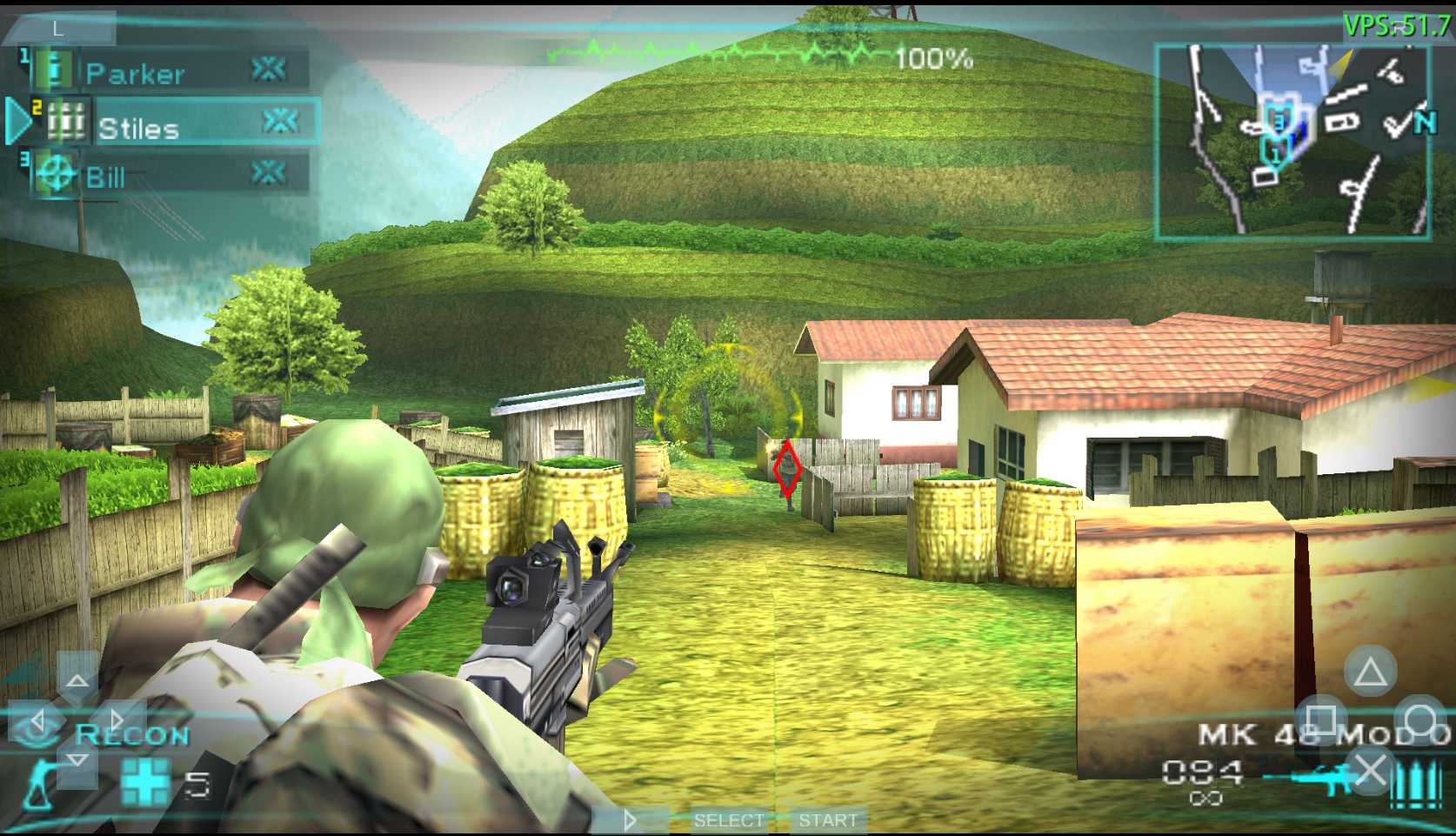
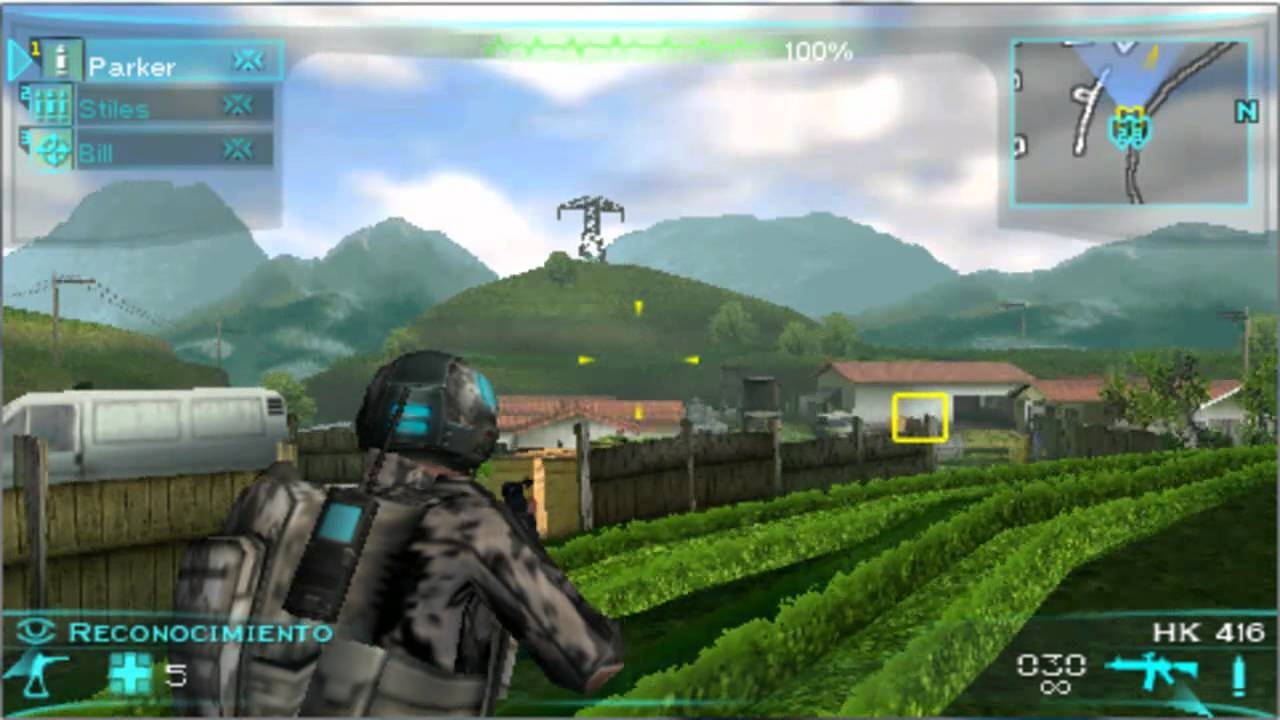
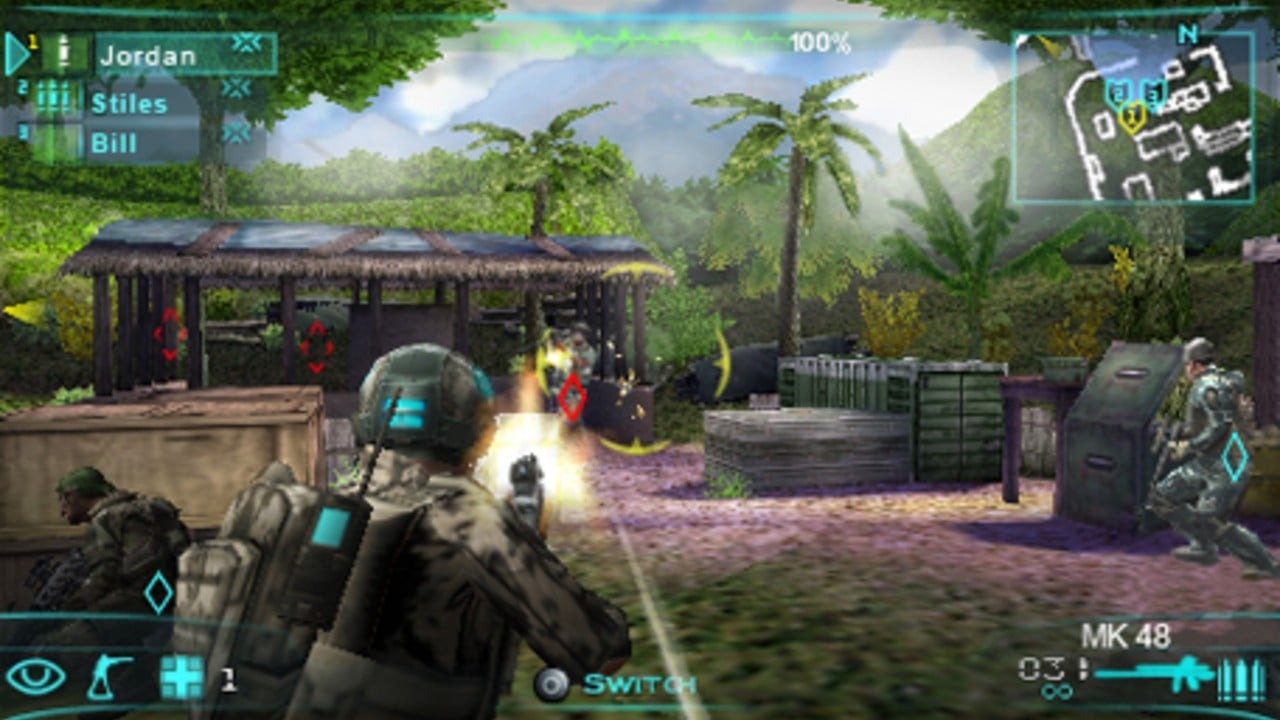
Ghost Recon has always been a great game, and Advanced Warfighter 2 was pretty decent on the PSP, but Predator is a complete disaster. To start, the controls are simply horrendous. Games like Syphon Filter and other third-person shooters have perfected controls on the PSP, so why not just borrow from them? The thing that breaks the game is the fact that you have to press X to go into aiming mode and then press X again to walk. So this makes the game a run-and-gun shooter since it gets so frustrating that you just hold L down to strafe and shoot your way through. Even using the cover system stinks, and it just feels like a crappy hack job by Advanced Warfighter.
The enemies are as dumb as dirt, and the mission layout, along with the levels, just plain stink. The problem mainly lies in the fact that the game is like a cardboard cutout of other Recon games, even visually. Buildings, fences, and bushes all look like they were copied and pasted right into the game. The characters’s mouths don’t move when they talk, the animations only consist of a few frames, and it just feels like a low-budget first-generation PSP game.
All the Warfighter elements are here, like the diamond HUD thing, the blurring of the screen when someone’s shooting, and customizing load-outs, but it just all feels half-baked, and this just doesn’t do Ghost Recon justice. Yes, there’s a co-op, but who would you drag into this horrendous game? The game isn’t worth a playthrough unless you really need to play every Ghost game ever made, but there are better ones out there.
You are the prince once again who will stop his brother from using King Salomon’s army of sand to destroy the kingdom. The story is pretty straightforward, predictable, and not very interesting, but it’s enough to keep you interested. The Prince’s banter is funny as always, but there isn’t any character development.
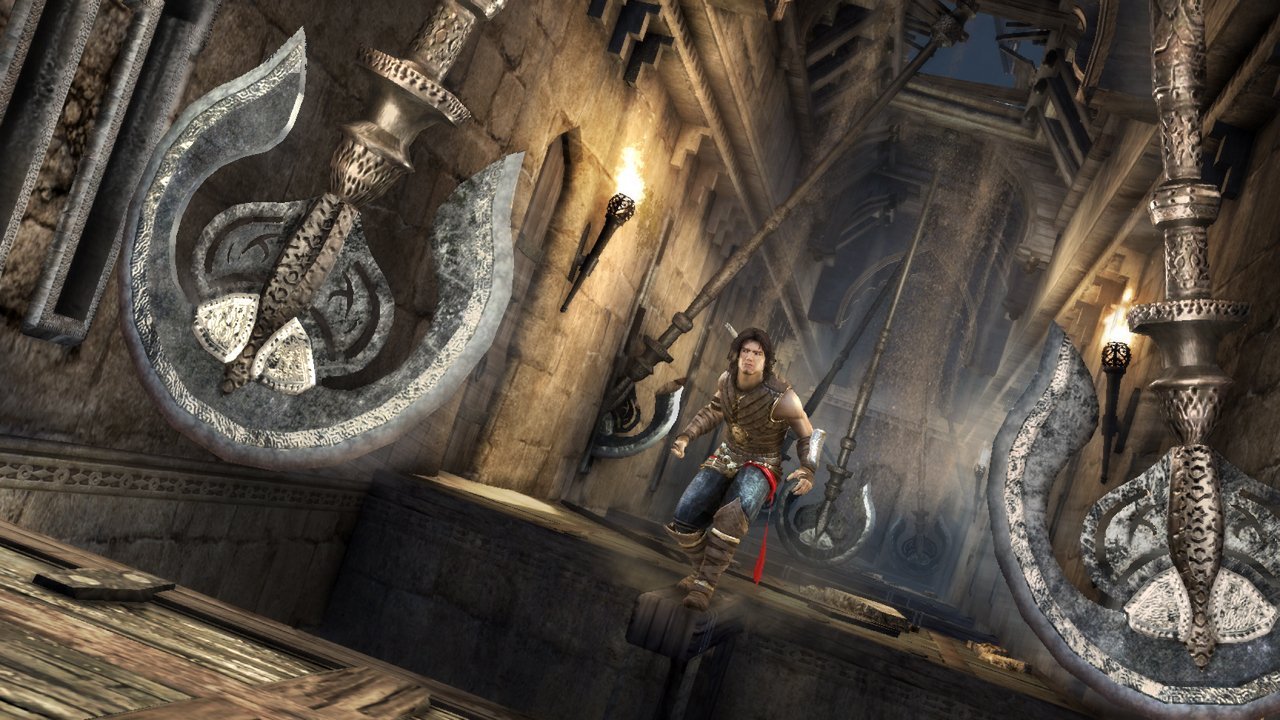
Prince of Persia has gone through a lot of changes since its original release in the 80s, and The Forgotten Sands adds some new things. First, the game’s focus has changed to elements instead of concentrating too much on time. Yes, you can rewind time if you mess up, but the focal point of the game is the ability to freeze the flow of water and use it as a wall or a pole. Let me set up a little scenario for you: Jump to a wooden beam, and then you have water spewing out ahead of you. Freeze it, jump to it, climb the wall of water, and jump back to another pole of water, but then you have two waterfalls next to each other and a wooden beam. Quickly unfreeze the water, jump in between, freeze quickly, jump back to the other waterfall, unfreeze the water to jump through the other one, and you’re done. Sounds complicated? It really isn’t, but getting your timing down is a bit tricky at first.
You can also use water to solve puzzles by freezing the water and having poles on the statue stop so the lower pieces can rotate, etc. While water is the main element, the others feel tacked on. You can jump to an enemy that’s on a ledge that’s too far away to jump, so you get this super dash move. It feels unnecessary since you only use it for this. The other “power” is the ability to bring back a piece of the environment, but this also feels tacked on since there’s no real challenge to it. It works like water since you can only bring it back one piece at a time. I wish they would have used Earth and the wind or something like that instead.
The platforming is top-notch, and every level is cleverly designed with tons of traps and obstacles to work yourself around. All the same types of traps from previous games are here, and each level never feels the same. The game slowly makes each level harder and harder, but the game always feels really easy, not to mention short. The puzzles are easier this time around, and there aren’t that many of them either, but there are a couple of head-scratchers thrown in there.
The combat is probably the worst part of the game. You get lots of enemies on screen, but they all look the same, and there aren’t even half a dozen variants. They are pretty dumb and don’t really do much, and you can quickly take them down. You get a basic attack, a shove attack, and you can jump on enemies. The combat is very shallow, and even with the powers you can upgrade, you never really use them since the game is so easy. These vary from flames to ice, wind, etc., but you only really use them if you are playing hard. Bosses are even easier since they all play the same and aren’t very interesting.
When it comes to looks, the game uses the Assassin’s Creed II engine, but for some reason it doesn’t look as good. It’s the best-looking PoP game to date, but artistically, it feels like all the others and stray away from the 2008 PoP reboot’s looks. Is this the best PoP game? No, but it is a good one. While the shallow combat breaks up the exciting platforming, you will get a good six hours of PoP fun.
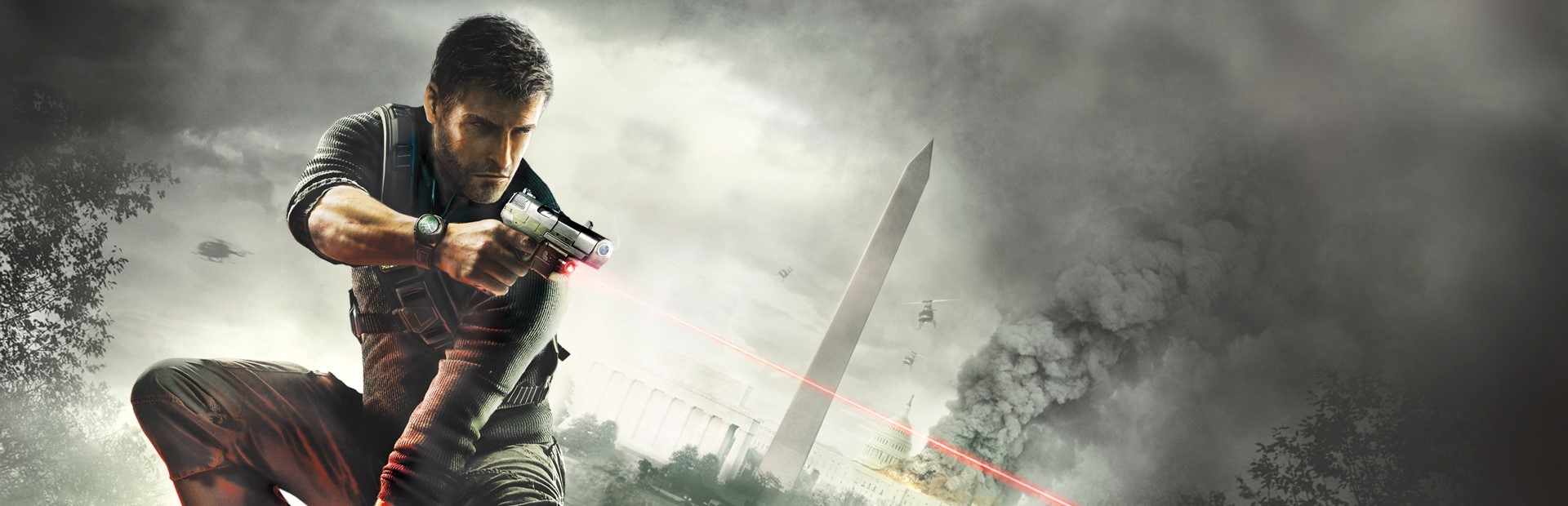
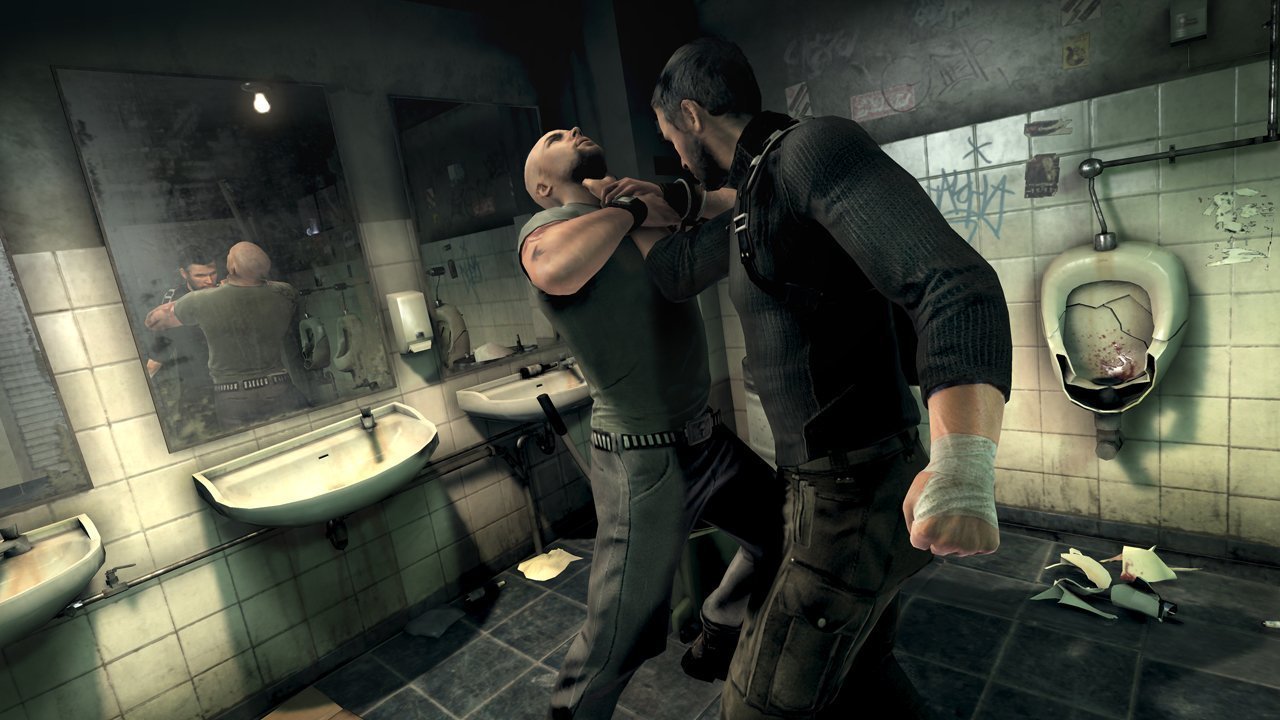
Sam Fisher is back in a more action-oriented Splinter Cell, and while this may be great for people who hated the series before, fans will be let down. Splinter Cell is known for its stealth-heavy gameplay that relies on shadows, trial and error, and patience. While Conviction still uses this, it’s quicker and feels like Splinter Cell Lite, and this isn’t really so bad.
The story is continued from the series, but only fans will really pick up on it. Sam is still trying to find his daughter after Third Echelon supposedly killed her. In the meantime, he is trying to stop a terrorist organization from setting off EMP bombs and killing the president.
To get to the meat of the game, let’s talk about stealth. Yes, you can use shadows like in previous games, but instead of some sort of meter, the screen just turns gray when you are hidden. The game’s best feature is the new cover system, which lets you jump to cover on the fly by pressing Space and aiming for a new place to hide. This can give you quick access to enemy positions, but it is a little broken. Sometimes there isn’t cover in the right spot, and it’ll force you to use your gadgets and even use headshots. This can really kill certain parts of the game and make them very difficult, especially when you have lots of enemies in the room. In previous games, you could just kill lights and sneak around in the dark, but Conviction confines you to cover. You can climb around things and hang off pipes like before, but the game mainly forces you to use cover.
The best feature by far is the mark and execute system, which lets you target certain enemies, and Sam will quickly kill these guys with headshots without giving away your position. This is great when you have multiple enemies, but you can only get a mark and execute points if you stealth kill someone. This really forces you to sneak around cover and try to kill someone up close. Certain weapons have a different amount of points you can use as well. There is also an interrogation system here, but it’s not much other than pressing C and watching Sam bash up his targets. This could have been a lot more.
The game has a weapon upgrade system, but it’s really cheap and pretty pointless. You can upgrade handguns with more powerful ammo or reflex sight to upgrade accuracy, but there are only three upgrades per weapon, and you usually stick with the same weapon throughout the whole game, so this is really wasted. You get some pretty neat gadgets, such as the sticky camera, which allows you a remote view of an area, makes noise for distraction, and even blows it up. However, the noise distraction rarely works since enemies won’t walk over and check it out, so it just feels like an irritating remote mine. You get your NV goggles late in the game, and they are the same as before, but you can see hidden lasers with them, but they just feel tacked on.
The multiplayer is what you would expect from a Splinter Cell game, but it uses the whole cover system thing, so it’s not as intense as previous games. There’s not much to talk about here, and I’m not really a multiplayer fan, so if you like Splinter Cell multiplayer, it’ll keep you busy for a while.
Conviction just feels too light and has broken stealth elements that they shouldn’t have changed. Even when you do have to shoot, the other weapons feel useless since they can’t hit anything. The story is pretty decent, and the game looks good (what you would expect from UE3). Michael Ironside does an excellent job as Sam, but it feels like Splinter Cell was cored out, and it just feels like a rush job. You still have to have patience in this game, but the elements and patience don’t really mix since this game is more like a Splinter Cell with action elements. Still, the game is worth a playthrough, and you will have a lot of fun.
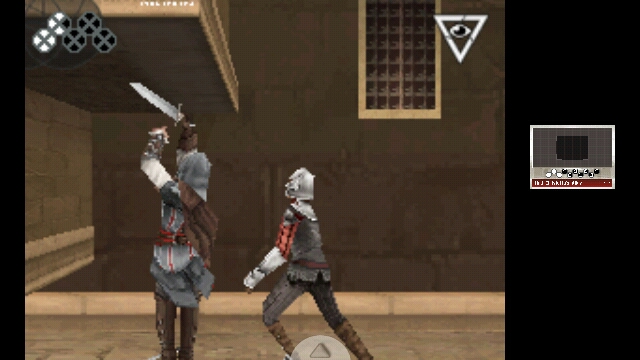
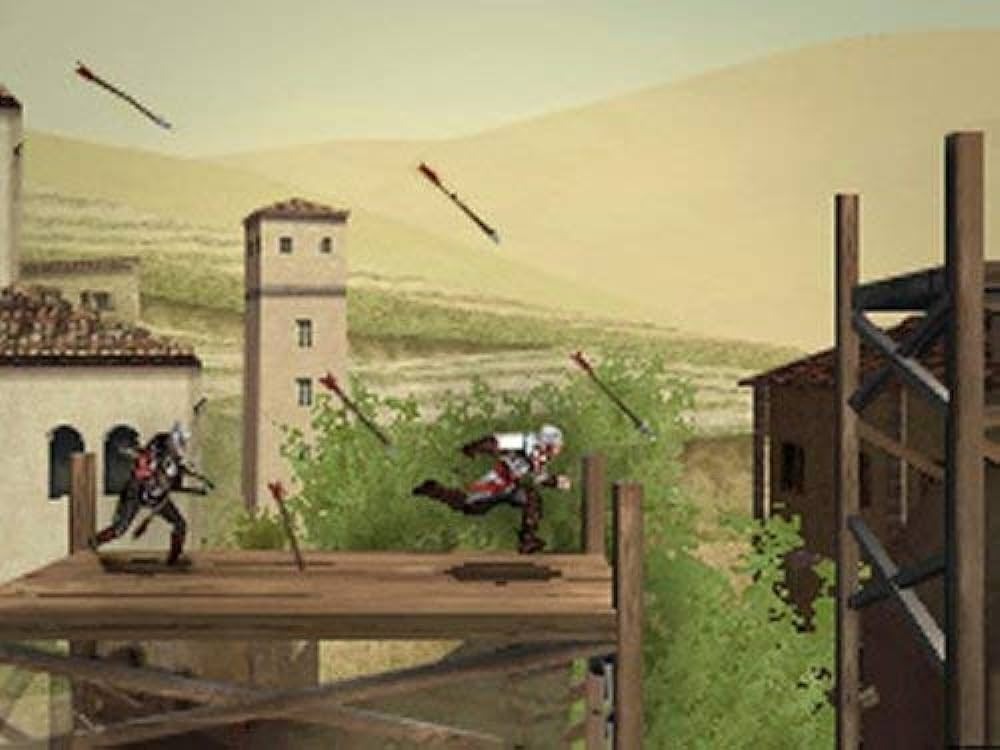
Assassin’s Creed is an amazing franchise, and no one would have thought it would ever go to portable systems, but it did. Discovery follows Ezio in a 2D side-scrolling adventure that plays out fairly well. The story doesn’t really have anything to do with the console game except follow the Templar’s plots. Ezio must help Christopher Columbus get funding for his expedition to the new world, but the Templars are foiling his plans.
The game controls fairly well, with you just moving left and right. Ezio can jump, climb walls, attack, throw knives, and even sneak his way through levels. The levels are fairly large, and some even have multiple objectives, so you must climb your way around the platforms, kill guards, and pull levers to find your destination. Wall climbing is fairly simple with the press of the B button. Like in the console game, you can pull enemies off ledges that you’re hanging on, hide in haystacks, barrels, etc. While climbing walls is easy, it’s also the most frustrating part since, during tight situations, you will try to jump on a wall and you have to press B again for Ezio to cling on. You never quite get used to this (especially if you’ve played the console game), and it can lead to cheap deaths.
Fighting is just like the console game, which is a counter-attack fest. Holding R lets Ezio block, and pressing Y at the right time will let him counter. It’s familiar with the console game, so it won’t freak you out. The best way to avoid confronting guards in these fights is to use your minimap on the bottom screen. They show up as yellow arrows, and if they get into your field of vision (the black square around you), they will see you and alert nearby guards. Throwing knives before they see you are good, as well as waiting for them to turn around so you can run up behind them and kill them, just like in the console game.
Later on, all this gets more difficult and becomes hair-tearingly difficult since you can’t always see the next jump ahead of you and you can plummet to your death far away from the next checkpoint. There are multiple kinds of guards, and you will get the harder ones thrown at you more often in the last few levels. Navigating around these guards is sometimes impossible, and you must fight them due to the level setup. While these levels are hard, all the ones before them are pretty fun, and it’s satisfying to jump up from a ledge and land on a guy without him seeing you.
While there are different kinds of objectives, you can blow through the game in about 4 hours. If you have a DSi, you can take a picture of yourself, and it will be put on a wanted poster like in the console game. Tear 10 of these down, and you get a permanent health increase. Collect orbs throughout the game and buy Animus hacks to use when playing through the game again to increase your score. This adds to the replayability for people who really dig this game. The graphics are pretty good and look nice in 3D, but there’s really no detail to them. The voice acting is good, and the game’s just overall fun to play and worth a playthrough.
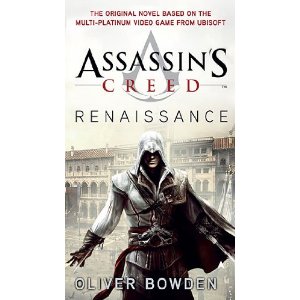
Assassin’s Creed is one of those games that is really tricky to put into book form, and it didn’t quite get pulled off right here in Oliver Bowden’s adaptation of the second game. Assassin’s Creed has two parts: One is a science fiction story where a man named Desmond Miles is captured by a secret government organization and stuck in an Animus machine to unlock the DNA of his ancestors and find the Pieces of Eden. The second part is whatever time period Desmond is throw-in, and in this case, he is Ezio Auditore de’ Firenze in 1476 Italy.
The book completely cuts out the science fiction part of the game and just concentrates on what’s going on in the Animus, but dismisses this as well. This may be great for people who don’t like the science fiction side of Assassin’s Creed, but fans will miss it. Bowden also relies too heavily on the script of the game to drive the book, and rarely do you get to be inside the minds of the characters as much as you’d like to be. He rarely delves further than the games do, and this is disappointing.
A lot of the secondary characters are built upon very well, and you never feel for them except for Ezio. You always feel the other characters are just add-ons and not really important in the story. All of this is just more evidence that Bowden relied too heavily on the script. The book does include the story pieces from the DLC Bonfire of the Vanities and Battle for Forli, so you get some of that included that wasn’t in the original game.
The bits of Italian are nice, but most readers who didn’t play the game won’t realize that this was because Animus 2.0 had bugs in it that couldn’t translate all of it into English for Desmond. There is, however, a nice dictionary at the back of the book that translates all the Italian phrases for you.
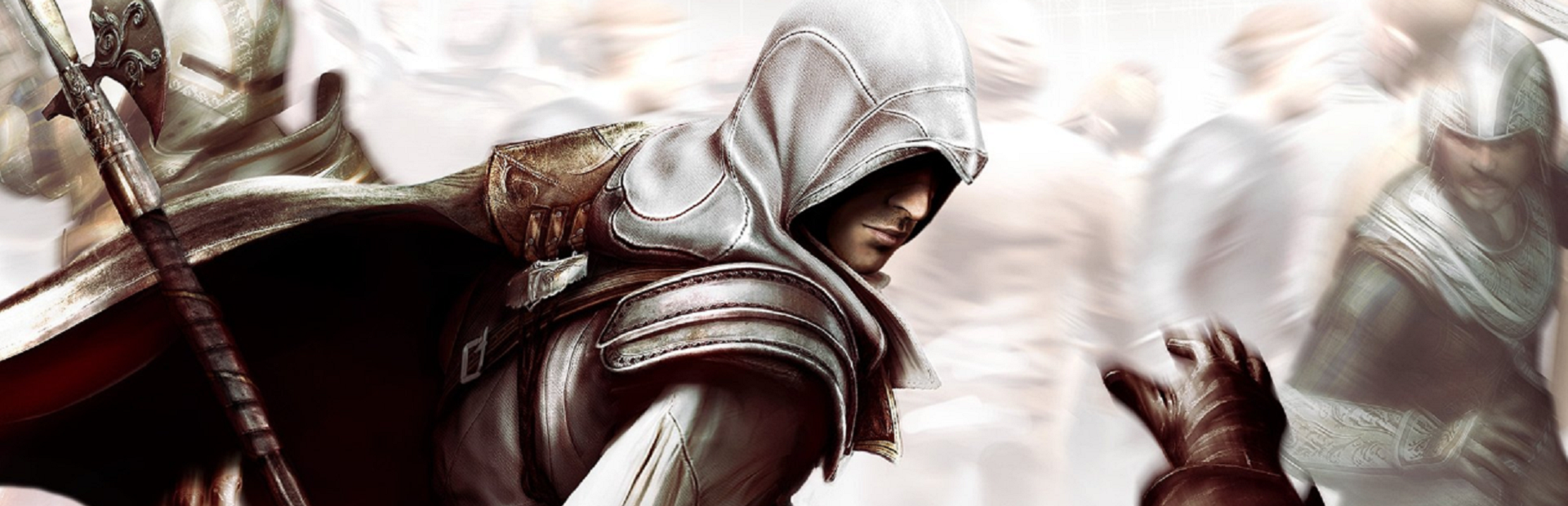
Maybe once a decade we get a truly beautiful game that really represents what games are: cinematic experiences that the player can get lost in for hours. Assassin’s Creed II is one of those rare games, and it also represents what a sequel should be. Assassin’s Creed II boasts a wonderful, enrapturing story that really grabs you both in a political, historical, and science fiction sense. Never have I seen the three mixed so well with an ending that can make your head spin for hours afterward and have you talking amongst your friends about it for days. You are not Altair, but Ezio Auditore, who is on a path of vengeance for the rival banking family that killed him. In the real world, you are still Desmond Miles trying to unlock the secrets of his assassin ancestors and figure out what the Apple of Eden is really meant to do and why everyone wants it.
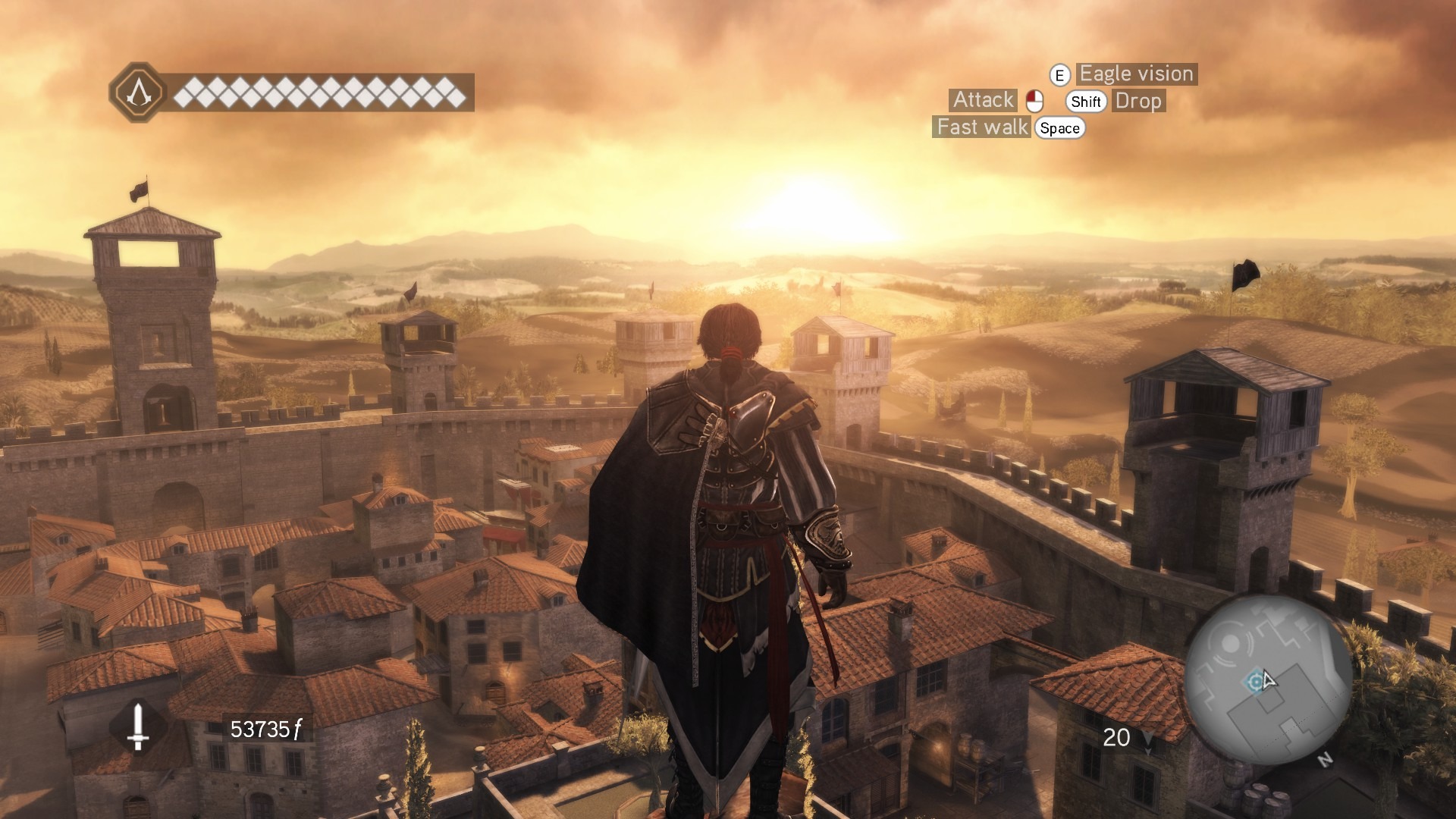
From the start, you will notice major changes from the original, and these are graphics. The game is truly one of the most beautiful of the decade, capturing the Italian Renaissance era with all of its amazing architecture, historic figures, and language, along with the social classes of the time. But before we talk more about beauty, let’s talk gameplay. As everyone recalls, the first game was very repetitive and pretty bare-bones, so expect Assassin’s Creed II to have tons of things to do. Not only are there more side missions, but there are more scripted story-driven missions, and playing Desmond isn’t so boring. You actually go to a different location with Desmond and even fight with him. Just a hint without spoiling anything. You have your Messenger, beat-up, and race events from the previous game, but gone are the “helping citizen” events. You have tons more variations, from raiding assassin tombs (interior Tomb Raider style levels) to Templar Lairs, races on horseback, assassination contracts, finding codex pages to upgrade your health, chasing down people stealing your money, chasing down messengers, solving glyph puzzles, finding statuettes, restoring your uncle’s villa, more viewpoints, and the list goes on. Yeah, there is more variety, and because there is so much to do and so many ways to do it, you really never get bored, because I never did.
You can do ten side missions, then three main missions, then fast travel back to your uncle Mario’s villa to upgrade the city to get more income for you to spend, then go find some feathers for your mother in mourning, and maybe get some Codex pages. Doesn’t that sound like enough? That’s ok. The variations in story missions never get dull with all the weapon upgrades you get. You even get to use Leonardo da Vinci’s flying machine about 2/3 of the way through the game. Want to talk about upgrades? Well, there is an economic system in play here, but don’t get too excited. It’s your simple buy stuff from merchants and upgrade your stuff type thing. You can upgrade your armor over a dozen times, buy dozens of weapons, upgrade medicine pouches, throw knives, and even poison vials. You can dye your clothes or buy paintings to increase the value of your villa. Did I mention there is every assassin weapon in this game? You have smoke bombs, dual hidden blades/punch daggers, poison blades, hidden guns, and even a passive ability to toss money on the ground to distract guards.
Fans of the original remember that the best attack was the running and jumping assassination attack. Wanted more? Well, you get more with the ability to pull guys down from hanging on a ledge, from a hiding spot, on a bench, in a crowd, jumping off something, and anyway you possibly can. You can now swim, which is a huge plus, and blending has totally changed. Instead of having a “blend” button, the previous “blend” button is now a “walk fast” button, which can be used to pickpocket people for money by just running into them. Blending now consists of using any group of pedestrians or hiring people. You can hire courtesans, thieves, or mercenaries to do your dirty work or distract guards from important posts or patrols. This allows you to walk right on by to wherever you need to be. You can blend by sitting on benches or dropping your notoriety. Your notoriety is the creed diamond that has a red bar around it. The higher it gets, the more the guards will be on your case and chase you for subtle things. Ripping down posters or bribing heralds can bring it down, but becoming anonymous first is a must.
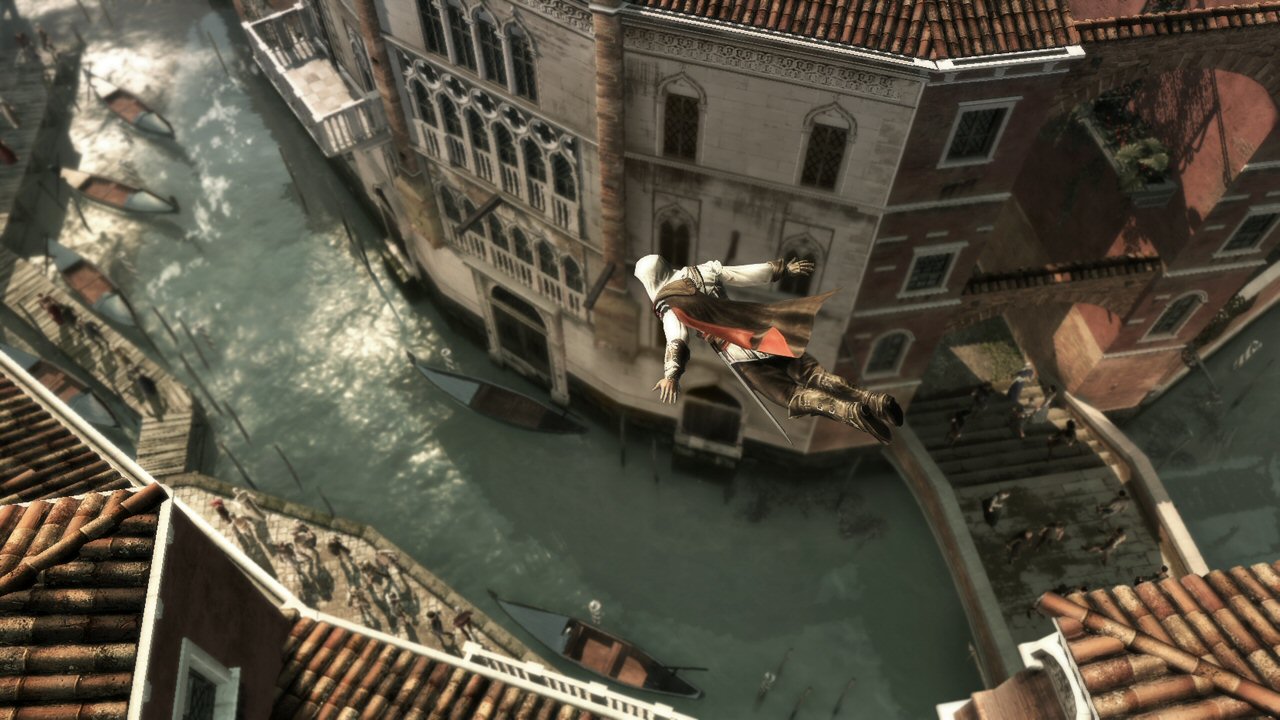
Now that we have the basic elements out of the way, let’s talk combat. The core combat system is here, but with upgrades, such as being able to counter a counter-attack, take away weapons, use your hidden blade as a weapon for instant counter-kills, and so on. The enemy AI is also better, with four enemy variants that can chase you down or kill you with their bulk and massive weapons. Free running is also slightly improved with tighter controls and better-designed levels, more climbing puzzles (viewpoints), and just more terrain overall. The game really only gets frustrating when the controls get a bit sticky and you cling too well to ledges. The world is 3x the size of Assassin’s Creed, with the towns of Forli/Venice, Firenze, the Villa, and Roma. After about ¼ through the game, you get to ride a horse-drawn wagon in a chase down a mountainside to get to Forli/Venice, which is a rich cinematic experience that the game is full of. Once you get to Venice, you can ride gondolas and swim in the water.
So with all this greatness and beauty that Assassin’s Creed II gives us, how does this soup taste? With all these ingredients, I have to say it tastes damn good. Everything works well together, and the game feels like a rich, illustrious world that doesn’t feel dead. With fluid combat, free running, plenty of stuff to do, amazing visuals, voice acting, history, and science fiction, you get anywhere from 15 to 25 hours of a wonderful game. This game will have you sitting back and savoring every moment, not just because of how amazing it looks and sounds, but because of how beautiful the game is as a whole. These games come once in a decade, and Assassin’s Creed II is it.














































 thebinarymessiah.com
Try multiplayer. A lot of fun !