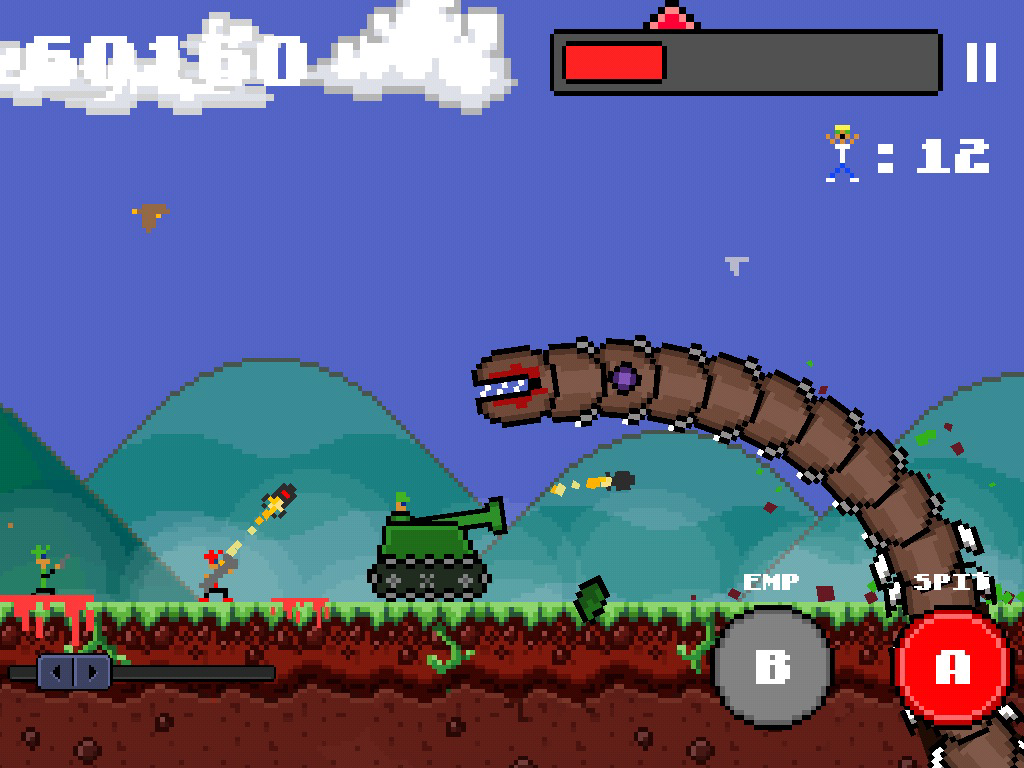
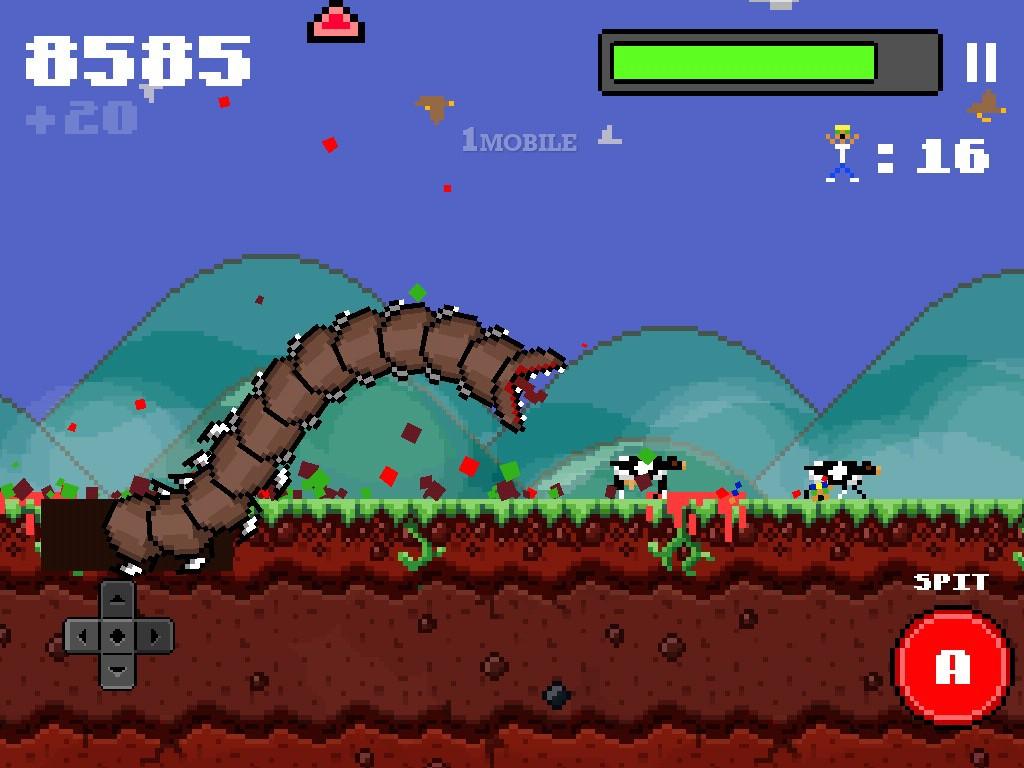
“Endless” games are really popular on phones, but they are only fun for 10–20 minutes and then tend to get boring. They are time killers to their core and aren’t really meant to be taken seriously. Super Mega Worm is probably one of the best out there in the sense that it keeps dishing out new stuff for people who keep on trucking. Unlocking new powers, and each level has a different goal to beat.
The game has classic 16-bit graphics with some gory humor thrown in for good measure. You start out by hatching from an egg underground, and you leap in and out of the ground, eating everything above it. You have to maintain eating objects, or your health bar will run down. You will eventually earn more pieces of your body to make you longer and faster (and reach people higher up in the sky). You have a boost button to give you some extra air, but it’s in the later stages that things get super fun and chaotic.
After a while, you’ll earn an EMP burst, which slows down time and kills all vehicles on the screen. You can bounce off ground vehicles to create combos by eating groups of people before burrowing underground again. The enemies get tougher to kill, but you don’t have a health bar. Instead, you have to rely on skill to eat enemies up high once they start running out on the ground. Some goals require you to survive a certain amount of time, and other times you have to eat a certain number of people.
SMW has some humor injected into the formula thanks to funny speech boxes, screams, and all the body parts flying around in a gory mess. To keep the frustration down, you keep your power-ups if you die, but it’s slow to get back up to speed. Super Mega Worm is an excellent and addictive endless game that is well worth its price point. Just don’t go into this expecting gobs of deep gameplay, story, or characters.
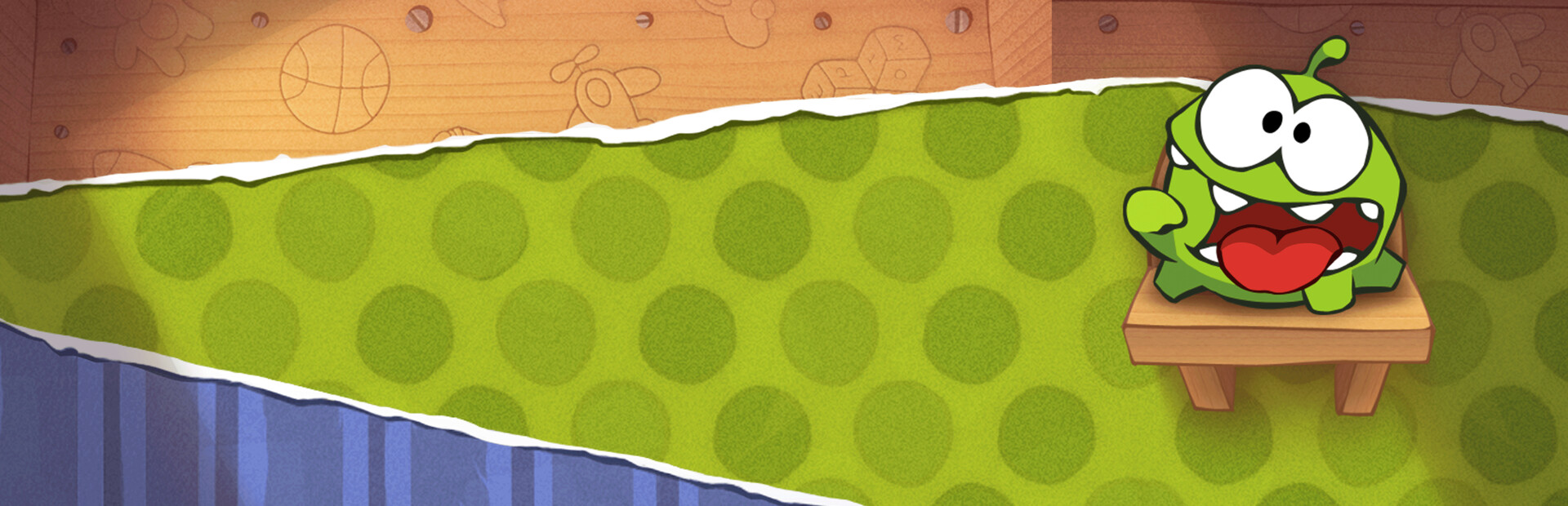
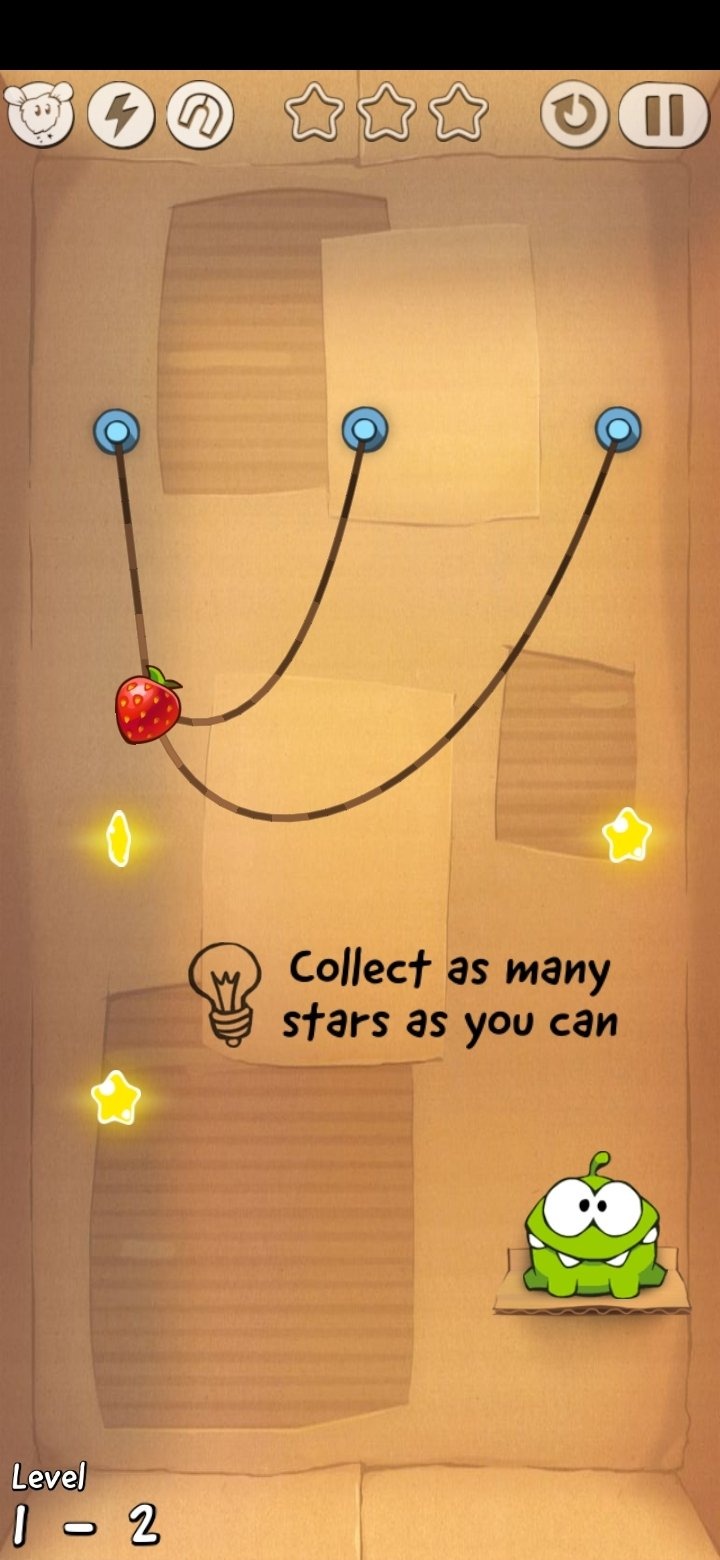
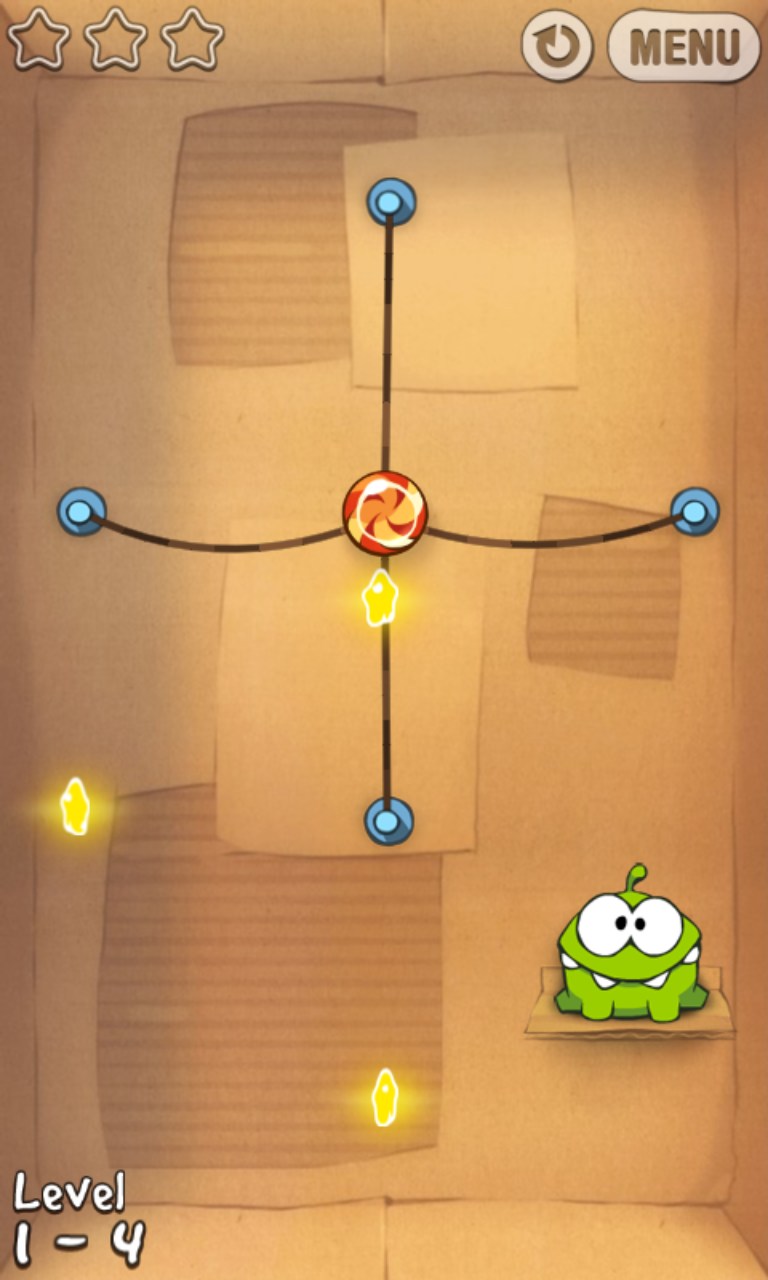
Physics games on portable devices are a dime a dozen, but the ones that truly shine have unique gameplay ideas, cute characters, or interesting ways to manipulate objects. Another thing that is mandatory for a great physics-based game is fun objects to manipulate. Cut the Rope is a very unique game in the sense that it’s based on skill rather than luck. You have to time things just right, and you actually feel like you’re manipulating the physics.
The main goal is to get a piece of candy to drop into the mouth of a little creature. To do this, you have to maneuver the candy by cutting ropes, blowing air, popping bubbles, etc. Elasticity in the ropes also comes into play, as does avoiding spiky bars and other obstacles. Some blue dots have a circumference around them, and if you get it in this area, it will attach a rope to the candy. Swiping your finger to cut ropes (sometimes having to use both fingers) is a lot of fun, as is tapping blowers to push them through the air (when they’re in a bubble).
Sometimes there may also be a spider crawling down your rope, so you have to cut it before it gets to it, so speed also comes into play. The reason why this game requires skill over luck is that it’s all about timing. Popping a bubble just in time to make it fall past an obstacle as it swings requires precise timing, so this game isn’t exactly for babies. It’s just so fun to make these candies fly, swing, and float through the air, and it’s so satisfying when you complete a complex level knowing it was all thanks to your skill and not dumb luck (Peggle?).
Cut the Rope has sharp, charming visuals that look great on the iPhone 4, and there are so many levels to play that you won’t get bored. Not only does the game have varied game elements, but it’s also very responsive and feels great to play. Cut the Rope is great for hardcore gamers (if you want to collect the three stars in each level) or casual gamers, and I think “casual” games need to have this kind of balance.
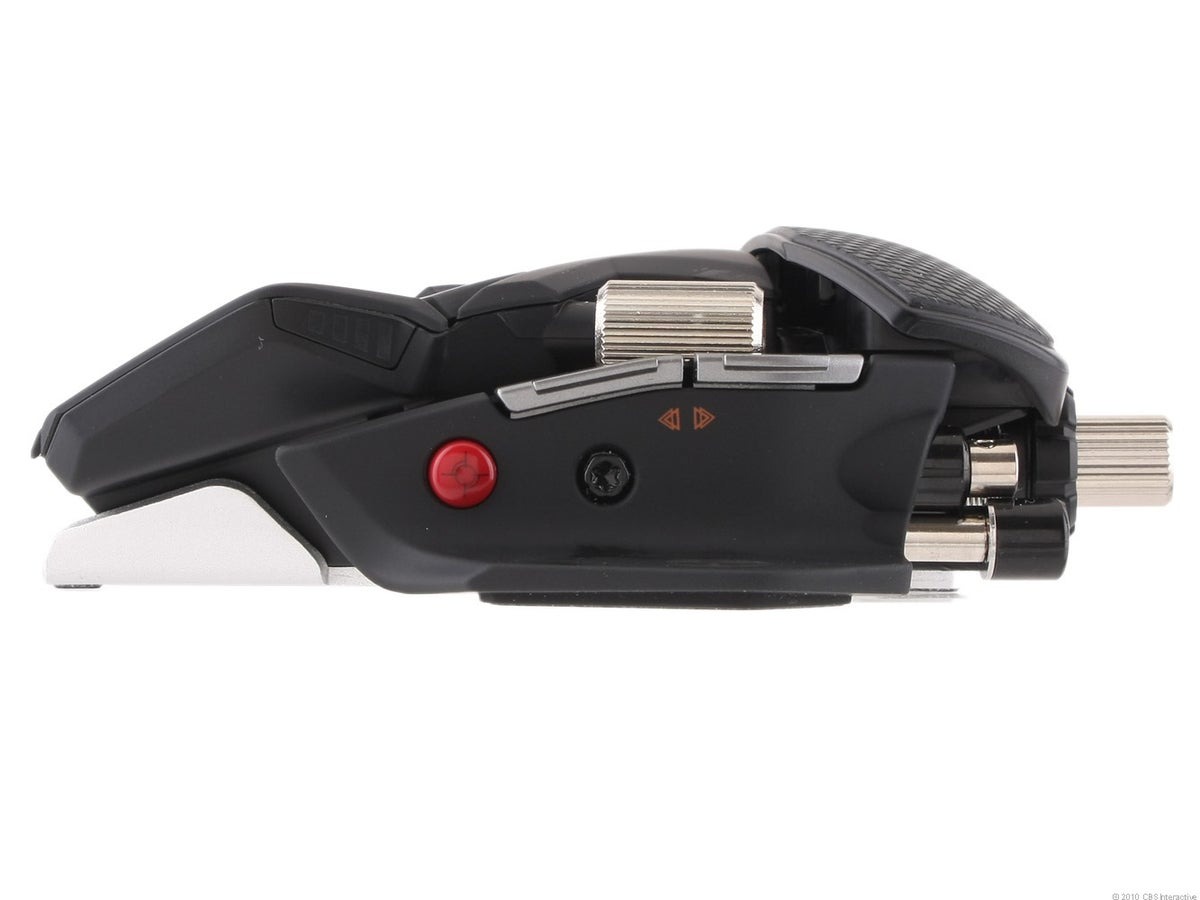
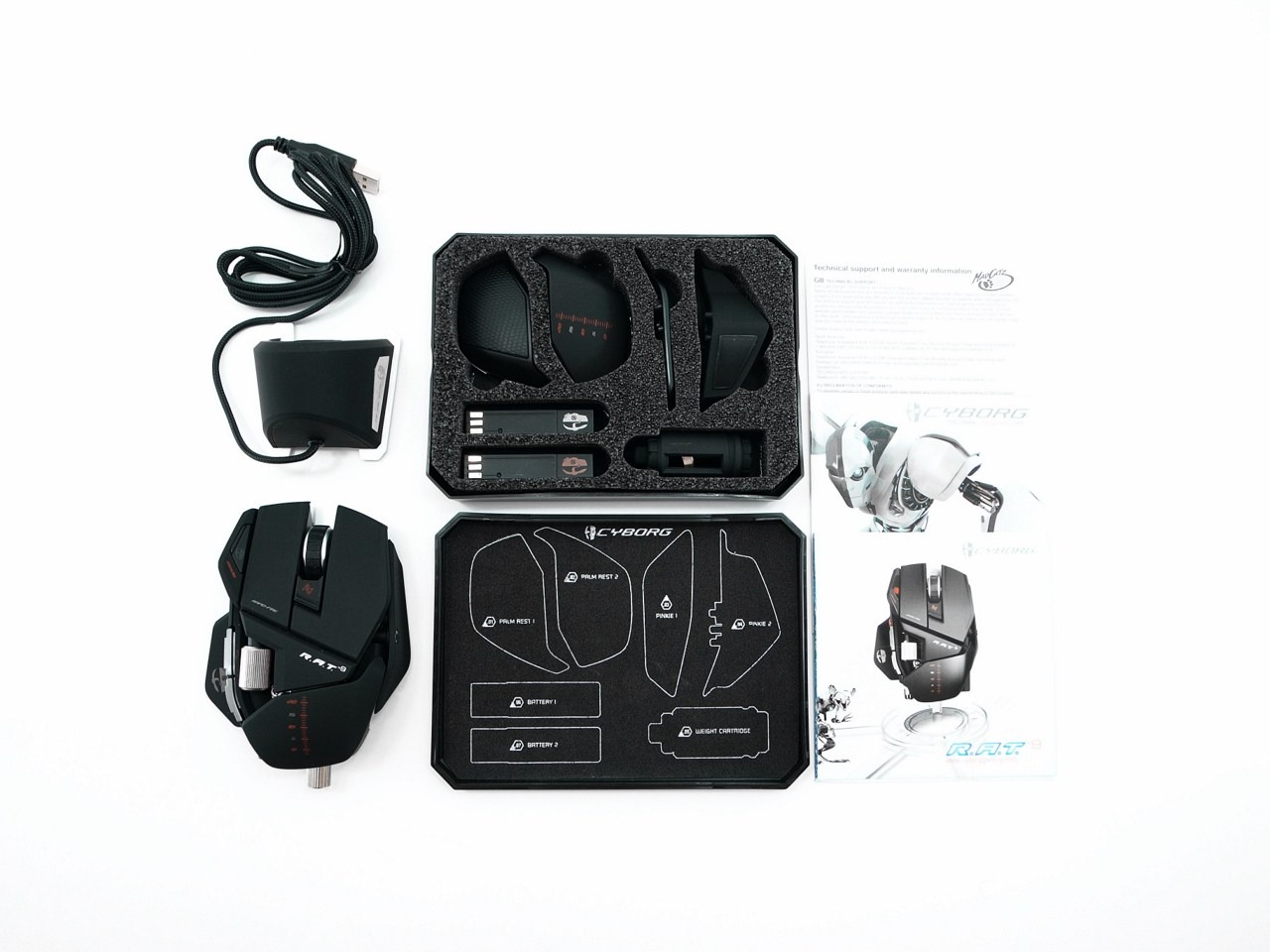
Gamers are probably the pickiest people on the planet, especially PC gamers, who want everything contorted and shaped to their needs and comfortability. Cyborg got the message and said, “Hey, how about you build your own mouse?” That’s kind of what we got here with the R.A.T. series of gaming mice, and although you may not actually build it, you can customize everything on it.
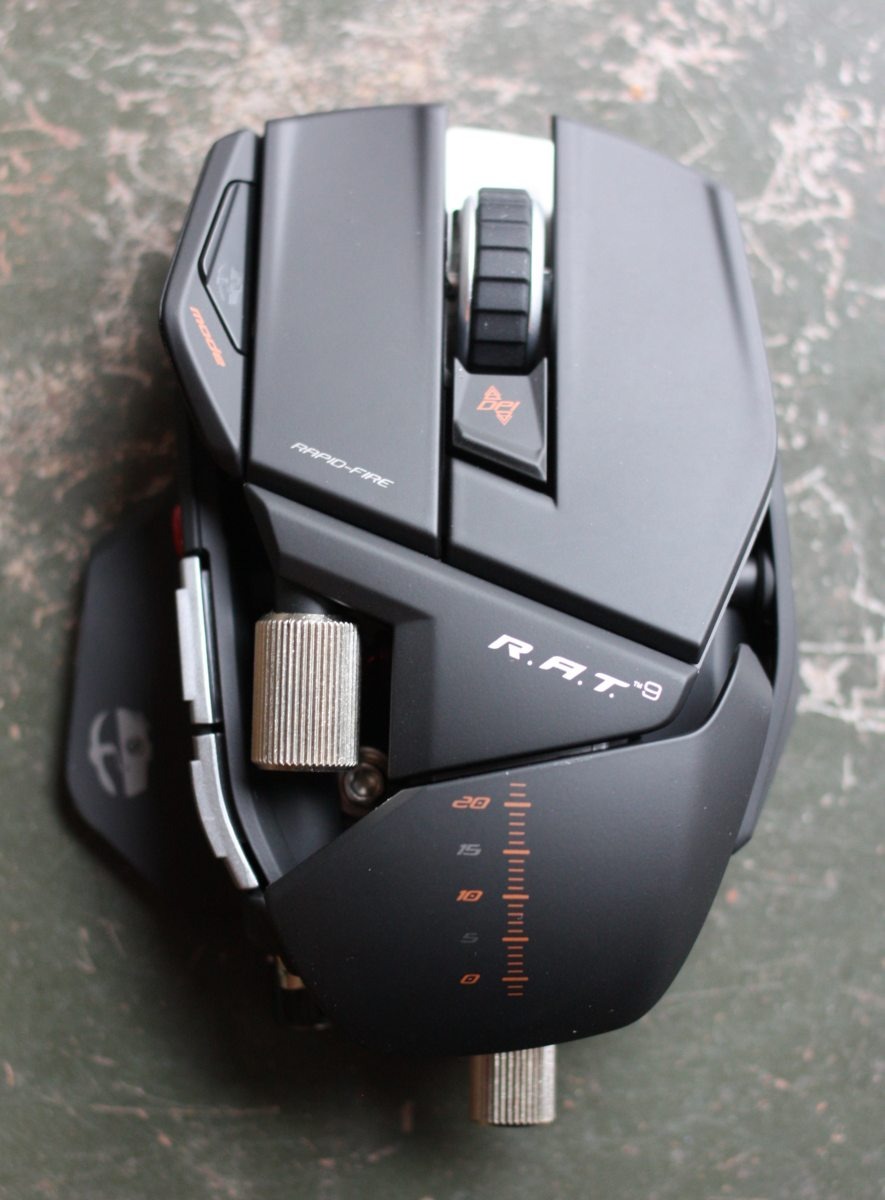
The mouse may look ugly to some and slick to others. It has a lot of sharp angles and exposed metal, so it looks kind of like a robot. There are a lot of buttons on this thing, but what’s most interesting is how well the mouse is designed despite having a tool, weights, and a lot of other things in it. You adjust everything via a tool that screws out of the back, and this lets you adjust two things. First is the thumb rest, which is where most things happen. There’s the sniper button (more on that later), a back and forward button, and a side scroll wheel (that doesn’t work in browsers, unfortunately). You can move this piece from side to side and up and down for maximum comfort. Second, you can change out the pinky rest for a textured grip one or a pinky “scoop.” This reduces pinky drag and lifts it off the table.
They could have stopped here, and those are huge issues gamers have with mice. But how about the palm rest? Sure, with an easy button press, you can adjust the length of the palm rest or swap it out for a textured one. Is the mouse too light or too heavy? Add some weights to the bottom via 1-gram discs that sit right behind the tool. The mouse is already heavy enough for most people without weights, but people who don’t like their mice flying everywhere or getting lift-off during frantic shootouts can add up to 8 grams, so it makes it pretty heavy. While the adjustability stops there, it pretty much solves every problem that PC gamers scream about.
The mouse itself is super sturdy, with nice, hard plastic that feels smooth. The bottom is an aluminum track with Teflon feet, so this baby glides like butter across any surface. It also just fits so nicely in your hand after fine-tuning that you don’t even notice it’s there half the time. Both the left and right buttons are very wide and long, so people with different lengths of fingers won’t have to contort their fingers. The middle scroll wheel is very big with thick grips, so it never slips. I found the wheel a tad too far forward compared to most mice, but after a few hours, you won’t notice.
Now for features on the mouse, there is a mode button. You can switch between three different button configuration profiles (from the software), and the LED changes colors. There is also a button to change DPI on the fly from four levels. Each level can be adjusted in the software, but there is an LED light on the side that shows which level you have selected. My favorite feature is the sniper button. Hold it down, and it slows down the DPI so you can get awesome headshots or increase accuracy for whatever reason you need. You can adjust the sensitivity in the software, but I use this all the time in games.
The mouse also comes with not one but two rechargeable batteries. They are about 3 inches long and are tiny little cartridges that slide in right next to the pinky rest, and you never even notice it. It is a bit of a pain to pull out, so some people may need to remove the pinky rest or palm rest every time to get to it. The other battery charges in the receiver, and your weighted cartridge holder sits in there as well. The battery takes about three hours to charge and lasts for about nine hours. I also noticed no lag in the mouse at all, and it is extremely responsive, so wireless mouse naysayers don’t have to worry about this.
The software is pretty standard, and it lets you program macros, shortcuts, etc. I have very few complaints about the mouse, such as not being able to move the pinky rest forward or back. I also don’t like that the side scroll wheel doesn’t work in browsers, and you can’t program it to work like that. This mouse may also be too heavy (even without weights) for people with weaker or smaller hands. The receiver is also very light; anyone with a movable laptop tray may have to tape it down. Like I mentioned above, the battery is a bit hard to get out, and I wish it would last longer than only 9 hours, but thanks to the second battery, this alleviates that otherwise major problem. The mouse also has a steep price point of $150. It’s more expensive than even some other top-tier wireless mice, but it’s worth every penny once you get it in your hand.
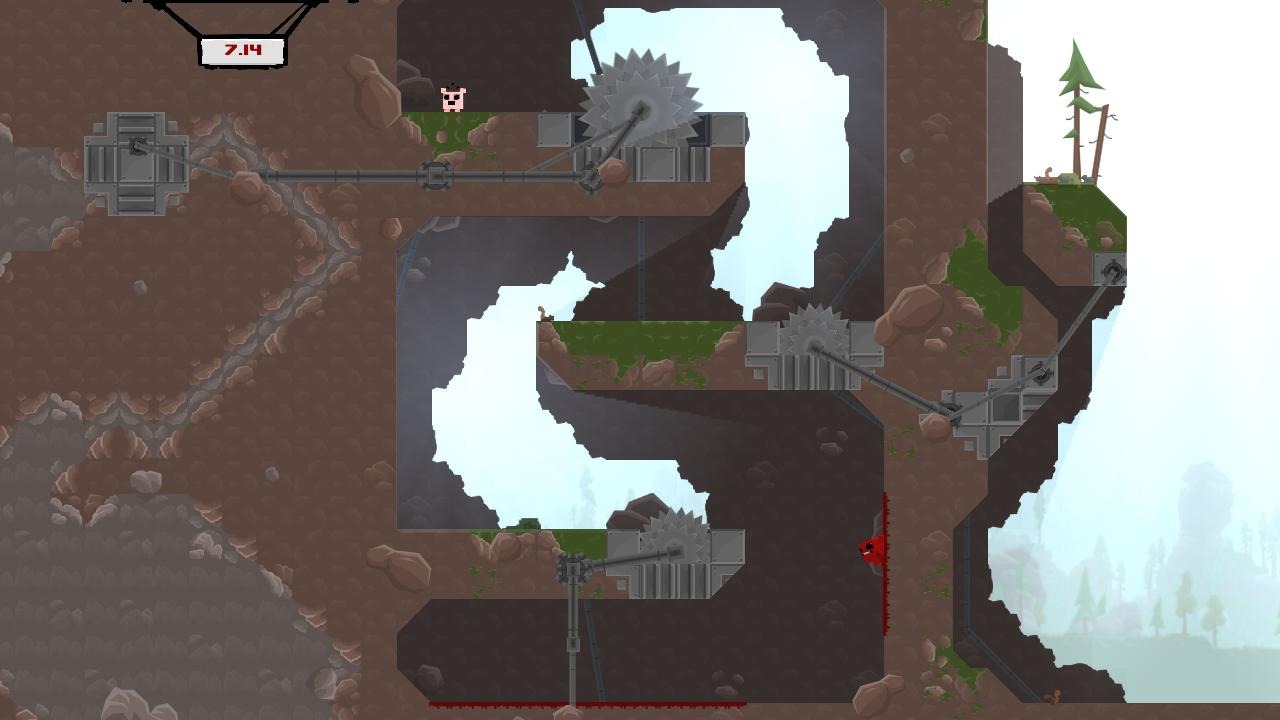
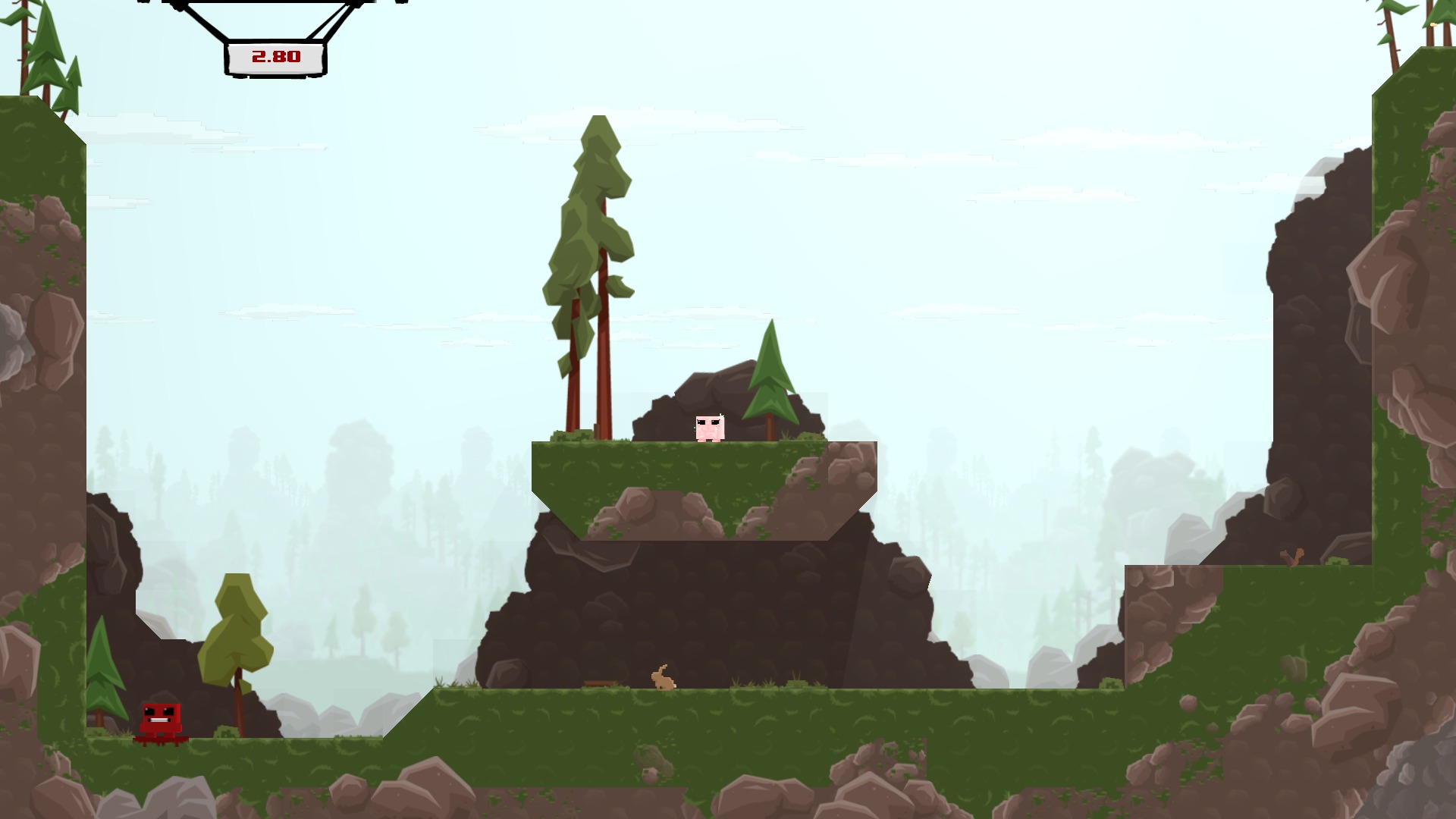
2D platformers are always compared to a 20-year-old game known as Super Mario Bros., and they have every right to. That game was flawless and literally created the 2D platforming genre. Super Meat Boy is probably the only game in recent history that comes close to that kind of pixel-perfect jumping and tight, responsive controls. SMB also has a ton of humor infused with it, and the game is a blast to play and highly addictive.
You play Super Meat Boy, who is trying to save Bandage Girl from Dr. Fetus. It’s a simple story, but it’s hilarious, and the cut scenes are drawn beautifully. The art style is very unique, and there’s so much detail infused in this game that it’s nuts. When SMB gets destroyed, he splatters his meaty goodness all over the walls, and it stays there. He makes a splooshing sound when running, and his facial animations are very funny. There are other characters you can unlock by completing warp levels, and these guys are just as detailed and have their own unique abilities.
The controls in the game are what really surprised me. They’re just absolutely perfect. They are super responsive and tight, and it feels like you’re controlling the characters with your fingers instead of buttons. Using the Games for Windows controller (or any other) is essential, but the keyboard works too. Jumping around corners and maneuvering through the game’s brutal levels can be conquered thanks to these tight controls. I’m dead serious about the game being hard because every corner and jump require extreme precision, or you will die 30+ times. Oh sure, you’ll die that many times thanks to a quick reset button that has zero loading. What’s cool is that after you beat the level, you get to see a replay of every time you died, so every SMB goes off, and you can follow them until the last one makes it. It’s awesome, unique, and makes you want to watch every replay and save them for friends to laugh at.
The warp levels bring the graphics back to 8-bit with amazing music and tend to be more challenging than the regular levels. Usually, you get to play the characters you unlock, but gameplay varies at these levels. You can also find bandages in the regular levels, but these require extra-extreme precision (if that’s possible), so this game is really for hardcore gamers only. Casual gamers will give up quickly, and there are no difficulty levels to set. From the frantic boss fights to the constant dishing out of new obstacles to overcome, the game ramps up after the first few stages, so you must stay on your toes.
With a crap ton of charming visuals, catchy music, and perfect controls, the game shines above all other 2D platformers. It wouldn’t hurt to say it’s probably the best 2D platformer in the last decade, but the brutal difficulty is very forgiving thanks to the feeling of accomplishment once you trump that level. Try beating the record time to feel even better about that victory! I highly recommend SMB to any platforming fan or even fans of the 16/8 bit eras.
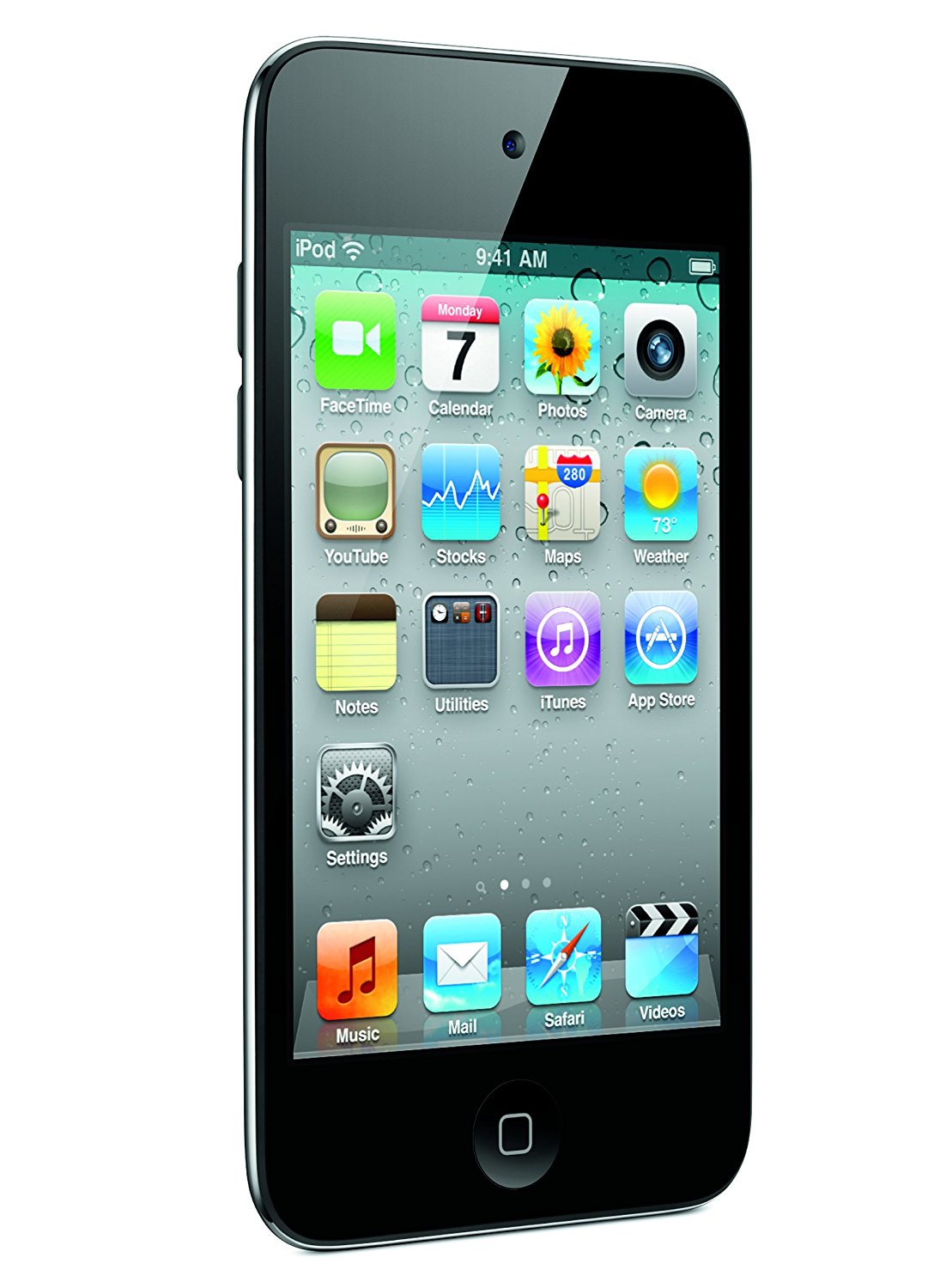
Didn’t the 3G Touch just come out last year? It did, but this new iPod reflects the next-generation hardware of the iPhone 4. With the Retina Display (more on that later) and a new 1GHz processor, it trumps the 3G in every way. The addition of two cameras and a mic brings the iPod to a whole new level for Apple.
The new model is actually a bit smaller than the 3G, but just slightly lighter despite having more parts inside. There is one camera at the front and one at the back. The touch screen also feels smoother and sleeker and seems a bit more responsive. Also, thanks to iOS 4, you can now multi-task, so pulling up a walkthrough for your game in Safari won’t require you to completely shut down your game, so this alleviates having to save constantly. You can also just hit the home button, pull up your music, watch a video, or even jump into FaceTime, then go back into another app. Multi-tasking has come quite a bit late for Apple, but at least they’re catching on.
Under the hood, the device has the same GPU as the 3G, but the processor is a whopping 1 GHz, which is unseen on a phone, let alone an MP3 player. If you just listen to music, you won’t care, but this is what allows you to multitask and swap between apps without much slowdown. It makes surfing Safari faster, and game loads are quicker. It also shares the same amount of RAM, which is a huge 256 MB. The resolution has also been doubled to 960×480, which is still lower than most high-end phone models, but for an MP3 player, this is amazing. It allows for 720p video, so HD video watching has finally come to your iPod. The Retina Display is actually how the screen displays its graphics to you. Apple’s research showed that 300 PPI is the maximum amount the retina in the eye can see from about 12 inches away, and bumping the resolution up any higher wouldn’t make a difference to your retina.
The camera is pretty decent, but you have to have a lot of light or you will get grainy pictures. The video looks great, though, so this is perfect for people who don’t have high-quality phones or cameras. Despite these features, the iPod can also play next-generation iPhone games that have higher texture resolutions, better lighting, and just overall look really close to current-generation consoles.
There aren’t too many complaints about the device except for the power button. It used to be nestled right on top of the edge of the device on the left side, so it was just an index finger away. Now it’s on the right side and nestled on the curve, so it’s a pain to get to, and you have to kind of contort your hand to get to it. Was it because the camera is on the other side? Probably, but this was a poor design choice. Overall, the 4G is an amazing device and adds a ton of new options, making it well worth a new purchase.
Ever since the entertainment industry was born, man has always loved to be scared. Despite our curiosity about death, we loathe it every day, yet we surround ourselves with it in an ironic twist. Dead Space 2 is just a dot on the timeline of horror and death in the media, and we suck it up like candy. What makes Dead Space 2 quench our curiosity for horror and push the human mind to its psychological limits? The story of Isaac Clarke aboard The Sprawl and returning to the Ishimura may hold the answers.
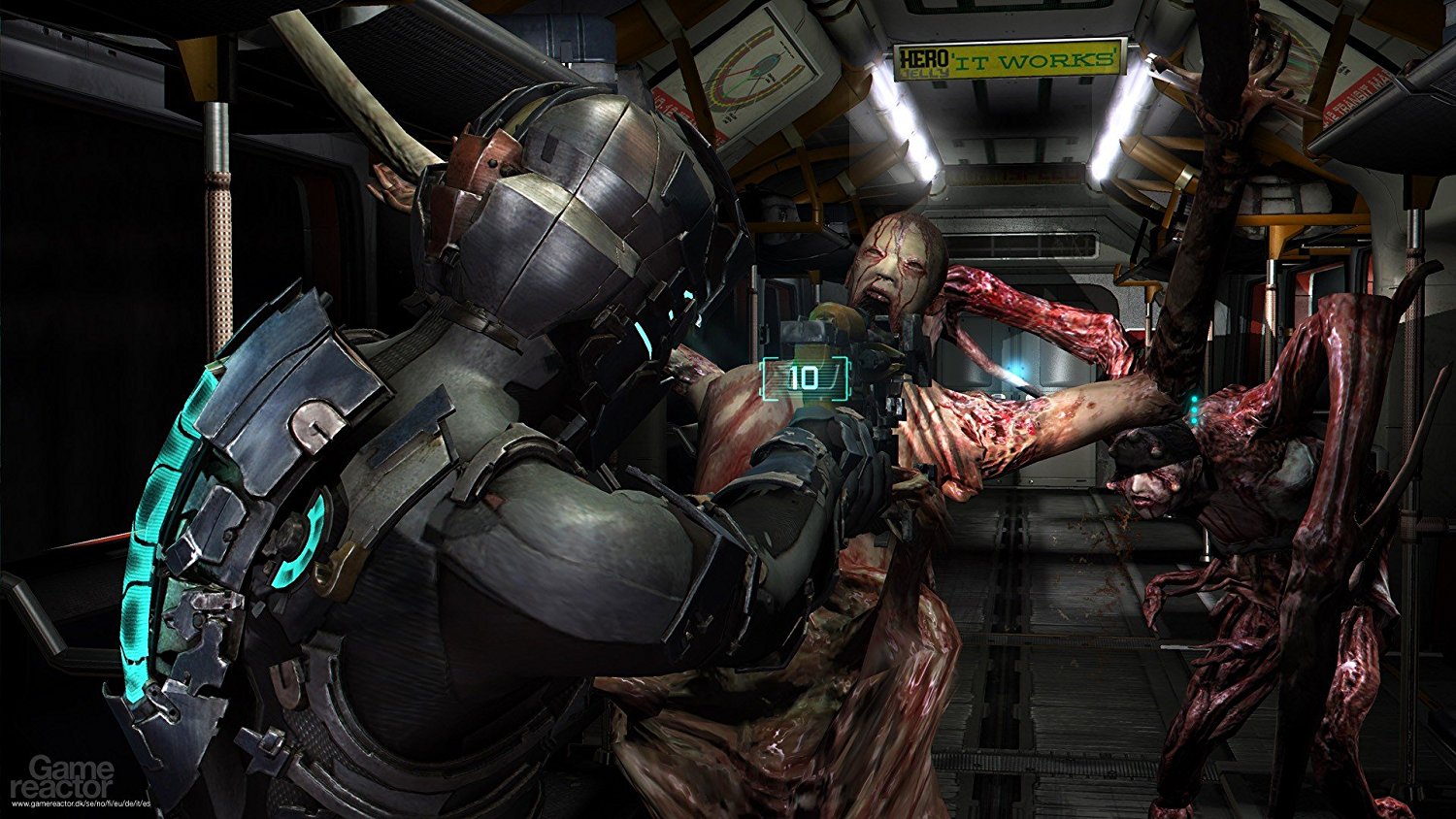
Isaac Clarke wakes up in a straight jacket and is being chased by Necromorphs once again. He has to destroy the marker, but he doesn’t know how. His journey through The Sprawl is very dangerous and gut-wrenching, but I guarantee you’ll love it. The combat is pretty much the same but feels slightly tighter and a little more responsive this time around. De-limbing Necromorphs is as satisfying as ever and proves to be pretty scary and gruesome. You can now use your telekinesis module in combat, such as throwing limbs and objects at enemies to kill them, but I rarely use this method.
There are a ton of weapons at your disposal, but upgrading them all takes a couple of playthroughs since power nodes are harder to come by, and you really need to rely on buying them. The new weapon (there’s only one, sadly) is the javelin gun, which lets you launch spears at enemies and impale them on walls. A secondary fire mode allows you to electrify the spear to shock nearby enemies or do extra damage. It seems a little overpowered, but it works well on larger enemies.
Speaking of new Necromorphs, there are a few great ones. The Stalkers are really great enemies because they hide, peek around corners, and rush you. Using the force gun or the javelin gun and using alt-fire are great ways to stop these guys, or just planting mines. The pack is screaming evil-morphed children that rush you into, well, packs. The force gun is the best way around these guys, or the flamethrower. Another new enemy is crawlers, which are morphed infants that cry like babies and whose bodies can explode. Using the force gun or flamethrower works great here too.
Despite the combat being the same, the pacing is great, and the atmosphere is extremely haunting, especially during the first few chapters. The storytelling is deeper thanks to Isaac actually talking and interacting with the characters. The ending is excellent, but the game runs out of steam after the first few chapters and just becomes a hallway grinding shooting fest. This isn’t to say that’s bad because the varied environments are nice to see, but I would have liked more scripted moments.
Some other key elements have changed, such as zero-gravity gameplay. Instead of jumping from fixed point to point, you can now move around freely, and the sections are much longer and more involved. Sometimes a whole chapter will be in zero gravity, and this includes being out in deep space. I really liked this change, which is probably one of the biggest in the game.
I really feel as if the story mode was well planned out, but the middle of the game is pretty straightforward and keeps the game from getting a higher score. The game is also a lot harder and pretty relentless in doling out enemies at you without stopping. You really need to stay on your toes this time around, and strategy is key to figuring out which weapons work in which situations. So, with the first few chapters and last few being the best, the rest of the game is just mainly atmosphere, but it’s paced well, and that matters a lot.
The multiplayer suite is unusual, but only addictive for a little while. This isn’t like Call of Duty or Halo, where you’ll be coming back for dozens of hours at a time. It plays a lot like the single-player game where you blast away Necromorphs, but humans control those too, and they keep respawning until the objectives are met. You can collect health packs, ammo, etc., but Necromorphs are pretty relentless. There are four types you can play as, and each has its own unique abilities. Ganging up on humans is the best strategy, but sometimes the whole ordeal feels unbalanced since this is a tricky way of doing multiplayer for a game that wasn’t designed for that. The multiplayer is thrilling after a while, but once you play all the maps and classes for a few hours, you’ll be done.
Collector’s Edition: If you want to dish out an extra $20, you get a nice plasma cutter replica that lights up and is built rather nicely. You also get a pointless comic panel, the Zealot force gun and armor, plus the soundtrack. It’s a nice package for $20, and the PS3 version gets Dead Space: Extraction (originally a Wii exclusive) that’s compatible with the Move (but you can use a controller!). Even gamers who aren’t hardcore fans will love this.
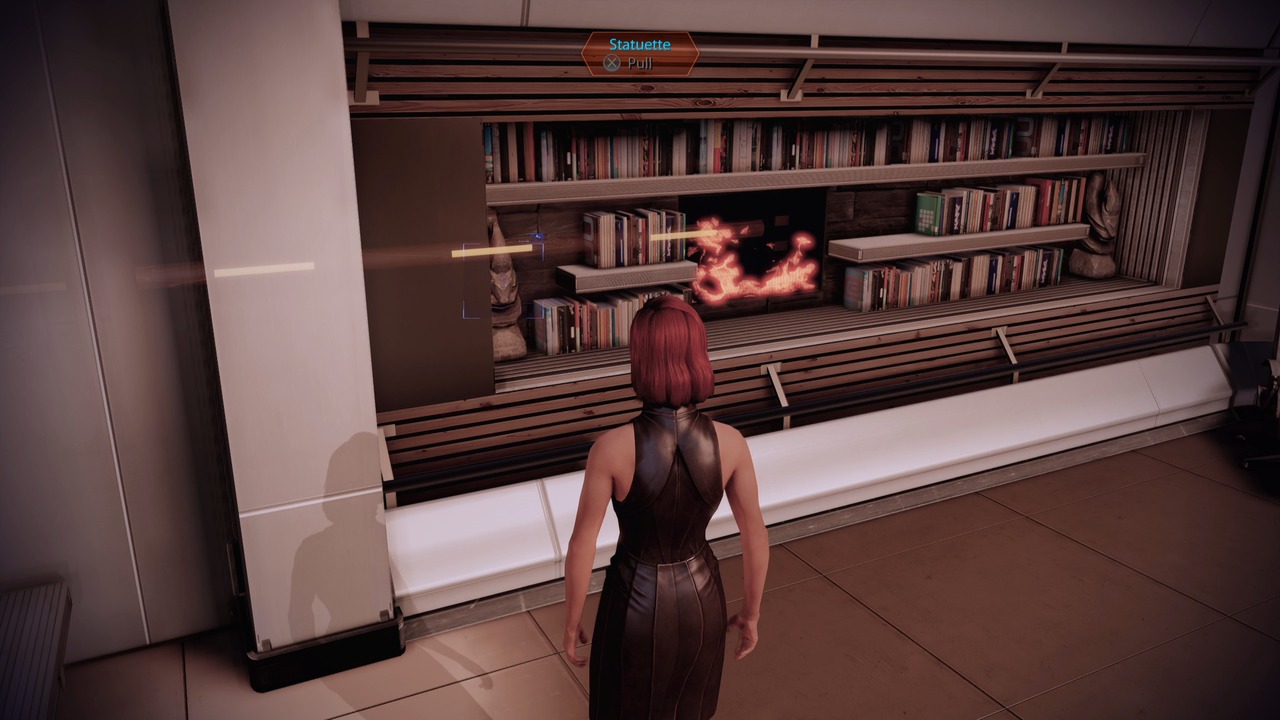
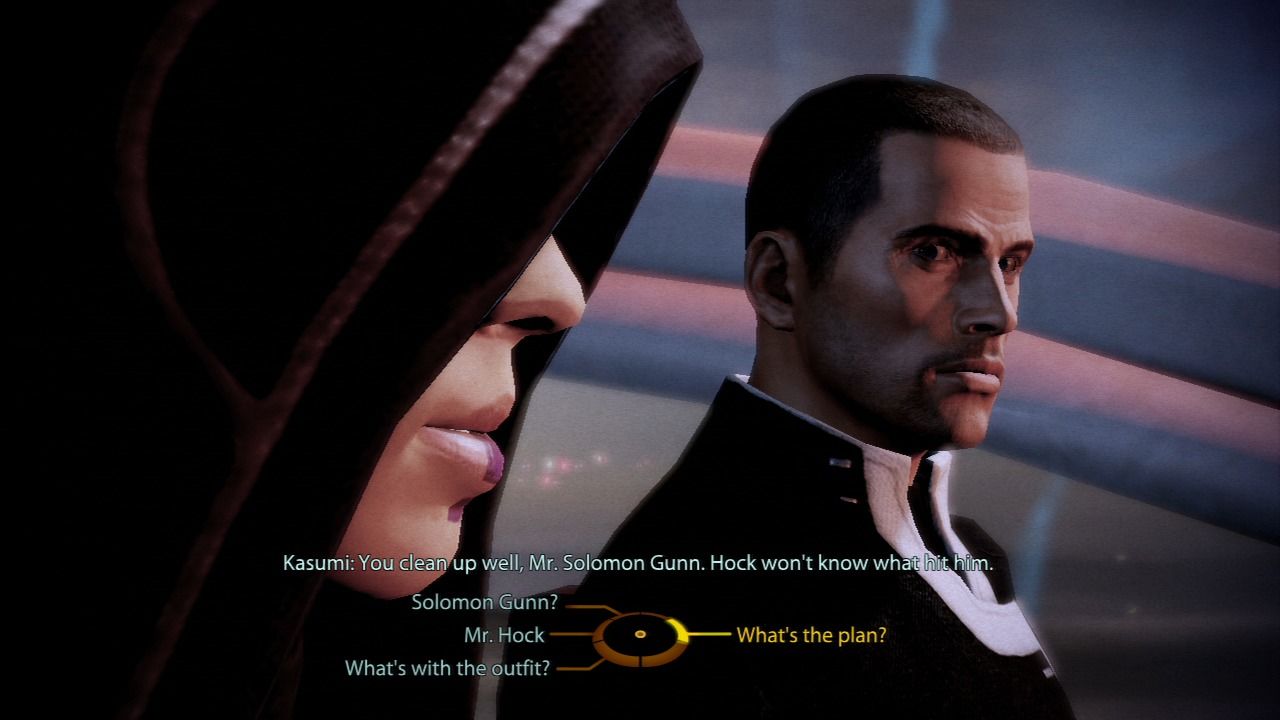
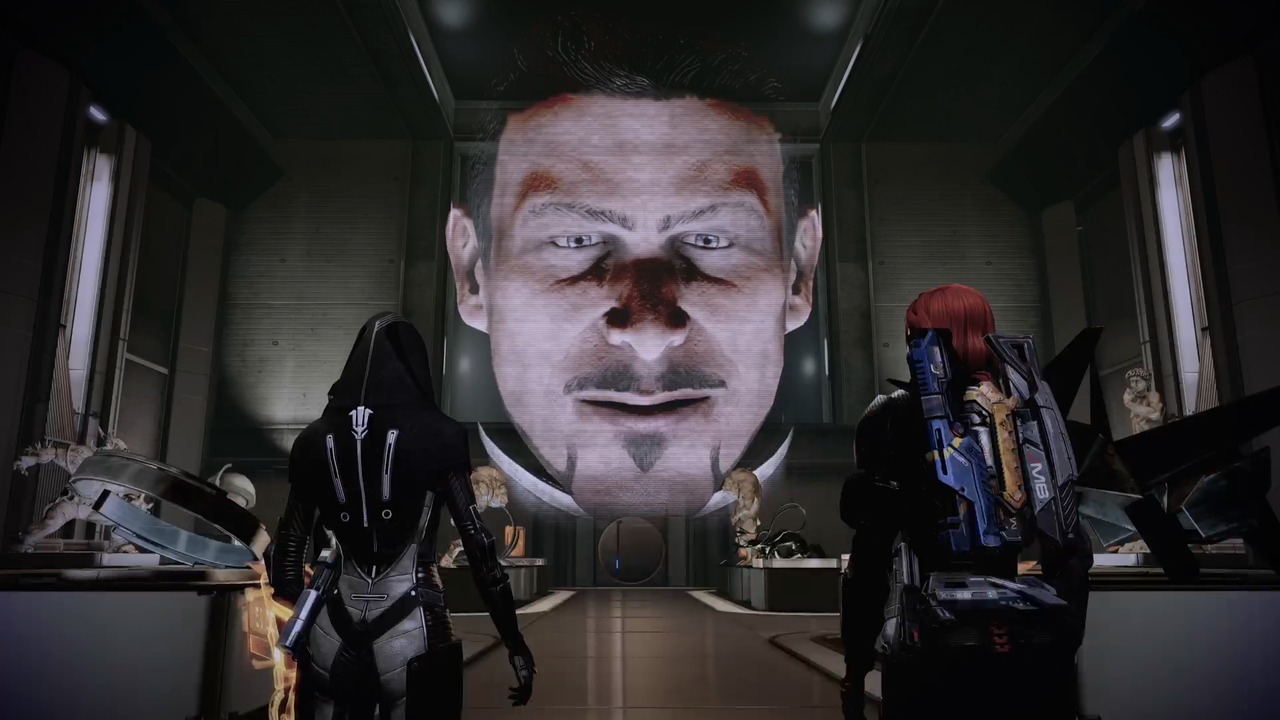
Mass Effect 2 has a slew of great DLC, but Kasumi’s Stolen Memory is probably the shortest of them all. The DLC has two short parts to it. The first is you trying to find Kasumi, which doesn’t really make you feel so much, and the second is sneaking into Hock’s safe to find Kasumi’s stolen gray box, but it all seems pointless in the end.
There’s a good boss fight at the end, and it gets pretty intense, plus you can pick up a new weapon as well as some other things like credits, salvaged parts, etc. It’s your typical standard ME2 affair, and there are no gameplay changes, of course. Kasumi is a great character, and her stealth abilities really shine in combat, and she can get you out of trouble in a pinch. She’s a very mysterious character and has a lot of sarcasm to her, so she’s great to listen to and has an interesting past.
I would have liked to see more than just a little infiltration mission since there’s so much potential with her, and hopefully we’ll see her in Mass Effect 3. The whole DLC can be beaten in just one sitting, so you might feel like your $4 was wasted, so this isn’t the ME2 DLC available. It’s great for hardcore ME fans, but casual players of the game should pick this one up.
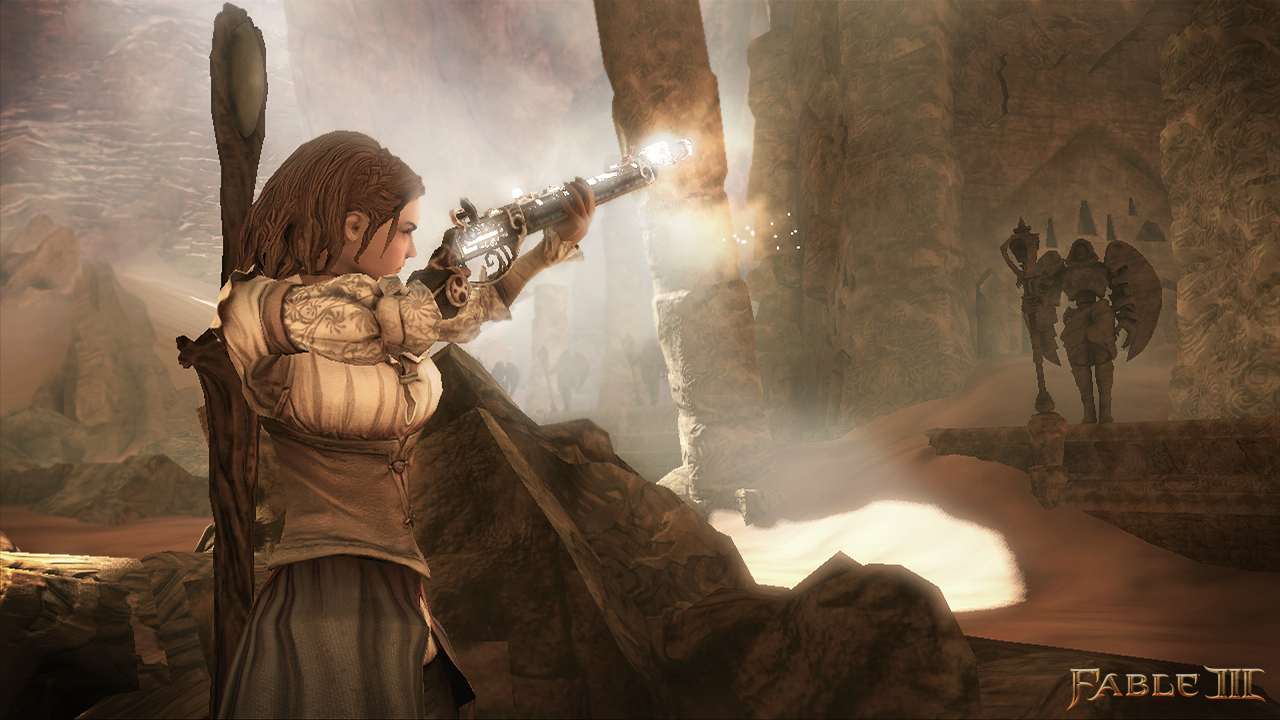
Oh, Peter Molyneux, you’re such a tease. You always make these simple ideas seem so grand and innovative, yet when we play with them, they don’t seem so. Why does Mr. Molyneux do this? No one may ever know, but it’s probably best for him to keep striving to make his games better, but Fable III isn’t an amazing game at all; it’s just a good game.
Let’s start with the story. Fable II had an awesome and memorable story, but Fable III tends to fall on a mediocre and typical one. You have to gather allies throughout the land of Albion to rise against your evil brother, but really, there’s a stronger force at hand (I won’t say for spoilers). The whole story is generic, the characters aren’t too memorable (except Reaver!), and following a nameless hero is getting old. Other than that, it’s decent and has a couple of twists, but it just treads on without doing much new to the series.
Secondly, the combat that Lionhead keeps changing with every game is very simple, yet there’s a uniqueness to it. Each attack is mapped to one button: firearm, melee, and magic. It’s a mixed bag as to which you should use since magic is the deepest of the three. You can equip a different magic gauntlet to each hand and mix attacks, and there are 15 combinations in total. Holding down B will allow you to charge it for an area attack, but they made this weird control scheme where you have to press the analog stick toward the enemy to make anything go that way. This is annoying when using your gun because while you reload, you are walking toward your enemy, so you have to stop pressing forward while you reload. There are some pretty gruesome fatality kills, but otherwise, combat is a bit awkward and simple. On another note, the enemies just swarm on you and don’t really do much else and can lead to cheap deaths (mainly the Balverines), and there isn’t a huge variety of them. Hobbes, humans, Balverines, wolves (early on only), Hollow Men, pretty much every enemy from Fable II, and not many new additions.
As you kill things or do things in the game, you can turn them good or evil, and each weapon has three different criteria to make it a truly heroic or evil weapon. This will also make it more powerful, but leveling up 50 legendary weapons? Fable III is full of unnecessary mundane things that only the hardest of hardcores will ever complete. The whole good and evil are used well here during the second half of the game when you become ruler. You decide the fate of people, cities, and other things to add money to your treasury (why you do this will spoil the story). It does make you feel powerful and is probably the best part of the story.
The game features something very unique, and that’s your central hub. You can press the start button anytime, and you will go to a hub with your map and everything else you need, such as changing weapons, clothing, makeup, the Xbox LIVE Marketplace, the Xbox LIVE co-op, the achievement wall, your treasury, etc. It’s very intuitive and unique (and there’s no loading!). On the map, you can fast travel to any city, and all gnomes, keys, and quests are marked so you can keep track of them. You can also buy real estate on the map instead of wandering around everywhere and doing it on foot.
Secondly, Fable is all about exploring, and there is more exploring than there are main quests. There are a ton of side quests, such as finding 50 gnomes, keys, and 30 Aurorian flowers. These are for opening silver chests and just getting achievements, but you will need the strategy guide or some online guide because, boy, it is frustrating to find these things. You can find dive spots, dig spots, and books as well, but it seems endless and doesn’t really pay off achievement-wise (except for the books).
Another (almost) useless thing that has stuck around is relationships and expressions. Peter insists that these things are unique and innovative, but they really don’t do anything except make it feel like something from The Sims. Expressions can be used to raise the level of like or hate. Go high enough, and you can propose to someone. You can also have sex with people and catch STDs, but this only feels like it’s for laughs more than anything useful. Another feature Molyneux pushed was the hand-holding idea. This is not as great as he claims and is useless (and in disguise) as an AI pathfinding replacer. You only really use it to guide people around during certain quests, so don’t get too excited about this.
Lastly, the game features a new way to acquire levels, expressions, jobs, and other items through The Road to Rule. As you complete sections of the game, you can purchase chests using guild seals that you get from defeating enemies or completing quests. This is an interesting way of upgrading, but you wouldn’t miss it if it were gone. Secondly, the same goes for those stupid jobs that you can do to make money. After you try each one, you’ll be done because it’s mundane, and you don’t earn as much gold after you buy up a lot of property.
Overall, Fable III tries too hard instead of starting anew. The game looks the same as Fable II, and in turn, it looks outdated with muddy textures and some low-resolution models, and the only thing that looks good are far-off vistas. The game also has a lot of British humor and may not suit everyone, but the voice acting is pretty good. With only a few side quests being memorable, a generic story, and some useless, overhyped features, Fable III is disappointing, but not as much as you’d think. If you liked Fable II, you’ll love this, but haters will still hate it.
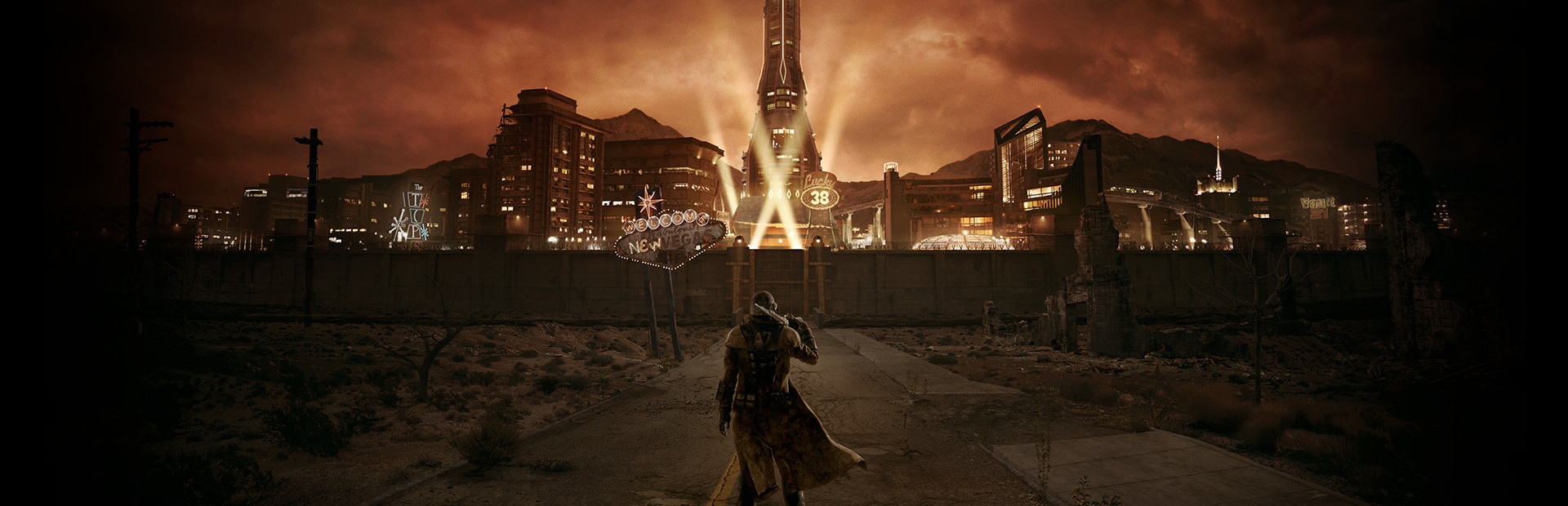
Fallout 3 was a phenomenon like no other. With such care and time spent on a license that completely reimagines it, it is daunting, but Bethesda pulled it off. With its haunting and eerie atmosphere, huge selection of lore-friendly weapons, excellent story, dialog, and character design, Fallout 3 became an instant classic of the last decade. New Vegas continues this tradition, but Obsidian (the original developers of Fallout 1 and 2) is on one board and has changed the game slightly, which will either piss fans off or please them.
New Vegas starts out with you being buried alive after being shot. You are a courier, but a robot named Victor digs you out, and Doc Mitchell patches you together. As you come to him, he talks to you as you select your character design and special, just like in Fallout 3. While it’s not as memorable as Fallout 3’s baby scene during this setup, it works just fine. As you step out into the Mojave Wasteland, your eyes adjust to the light, and you’re set loose in Goodsprings, which is New Vegas’s equivalent of Megaton. You meet Sunny Smiles, and she shows you the ropes of the shooting part of the game, and from there you’re on your own.
The first thing you will notice is that the engine has had a slight upgrade, but not by much. The game still uses the Oblivion engine from Fallout 3, so it’s obvious Obsidian is playing it kind of safe. The game is also full of desert wasteland, and Obsidian did the impossible by making a desert feel fun to play in and not deserted, empty, and boring to look at. Of course, like in Fallout 3, you headed toward the DC Metro area. In New Vegas, you’re heading to the Vegas Strip to meet Mr. House, who can help you figure out what exactly happened to you.
In the meantime, there are rival factions battling it out, mainly the New California Republic and the Caesar’s Legion. The NCR wants to order in the Mojave and wants to take over the Strip, but Caesar’s Legion wants to enslave everyone. There are other smaller factions that you must decide what to do with, and each one has tons of missions that will ultimately determine how easy the end of the game is. Speaking of missions, that’s one thing you will notice. There are tons and tons of them, but the game is missing the epic set pieces that Fallout 3 had. Instead, it’s just quest after quest, but they are all designed brilliantly, and no one is ever the same.
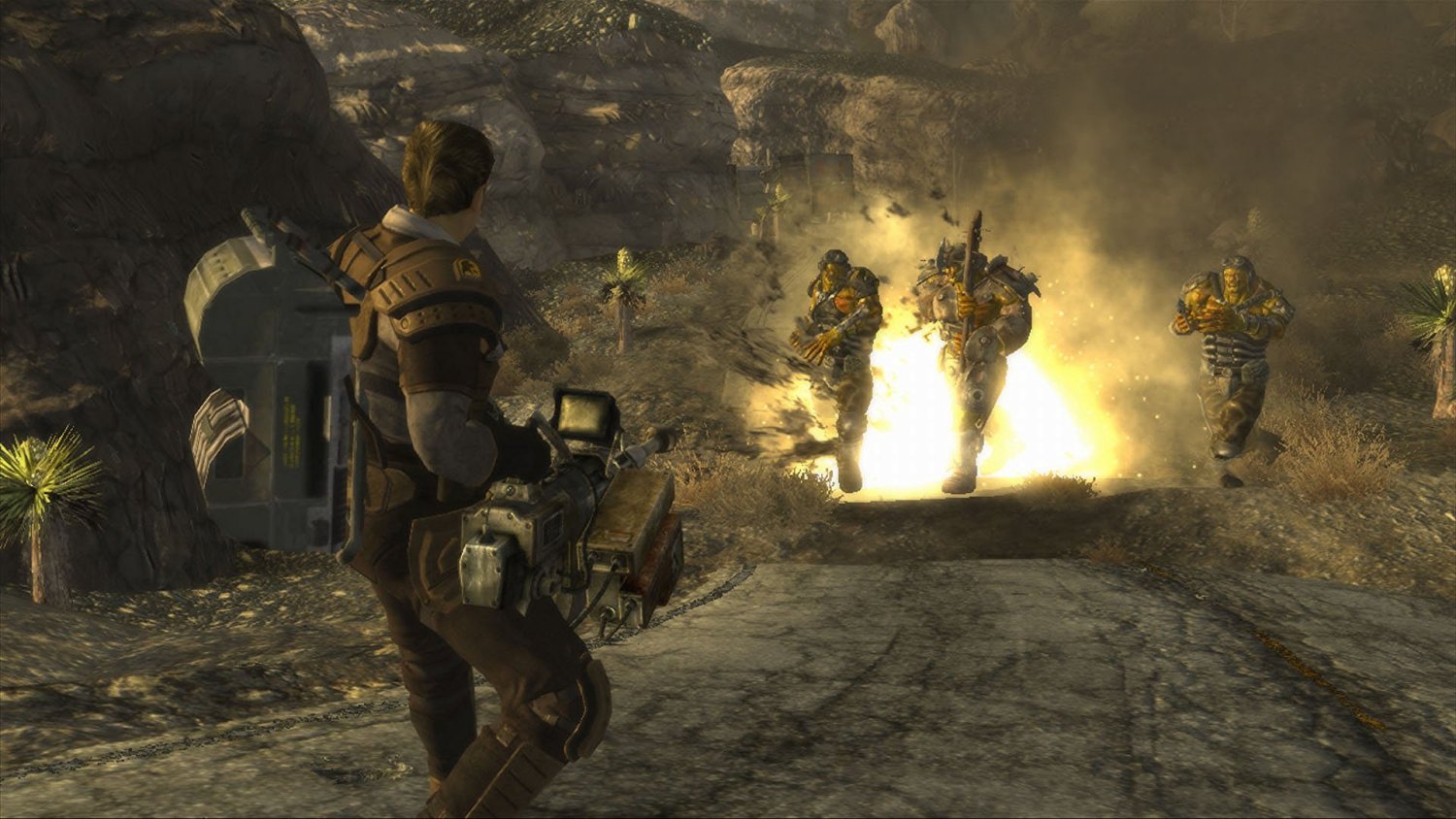
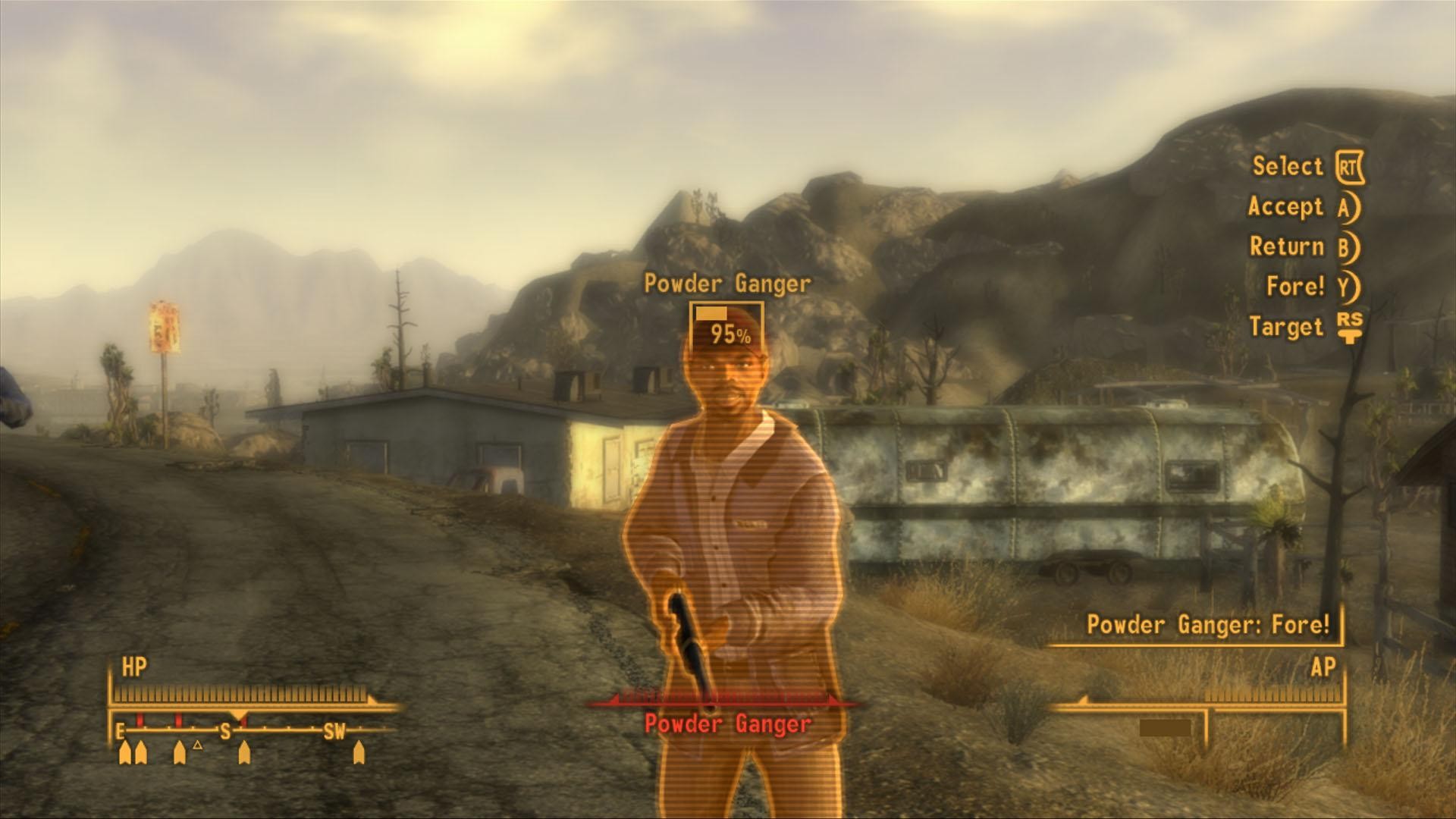
New Vegas still has the VATS (Vault-Tec Automated Targeting System) system, but nothing about it has been changing. There is a new first-person iron sights view, so with this, you will rarely use VATS now. This helps make the action faster and speeds things along. Everything else from Fallout 3 is here, but a major addition is modding your weapons. You can find or buy things like clip extenders, silencers, and scopes to add to your weapons. Additionally, you can also break down ammo and create new ones, as well as make aid items from items found throughout the wasteland and cook them. These new additions are minimal, and some people may not even use them, but that’s ok. There are a ton of new weapons and enemies, and everything you expected from Fallout 3 is here.
New Vegas also has amazing dialog, characters, and quests, and there is a ton of it. There are quite a few companions to have to tag along with, and there seems to be an infinite amount of spoken dialog. Player choices still play a huge role in the game, so don’t think those are gone. The biggest feat for New Vegas is that it, yet again, portrays a believable, enrapturing world and feels every part as amazing as the Capital Wasteland. There are a lot of Easter eggs and tidbits for fans of the classic 90’s Fallout games too. New Vegas is just an amazing and engrossing game that you can’t get yourself sucked out of. The addition of gambling is a good example of something that can be done at any casino and can be a lot of fun.
The game does have a few flaws, such as the copious amount of bugs, the characters looking ugly still, and the fact that it feels kind of dated. While the engine is solid and works for this game, it just needs a huge overhaul for Fallout 4, but die-hard fans will appreciate the familiarity. On a side note (that doesn’t affect the score), the game has a huge moderator community. Within the first week of being out, there were over 1,000 mods. While most of them are junk, there are some amazing mods that you must have that will make you not want to play the game without them. Character mods to make them look better, sexier, clothing add-ons, quests, weapons, you name it. I can’t play the game without these amazing mods, but for people who don’t care, New Vegas is a great game.
On an end note, New Vegas really sticks true to the RPG genre with tons of perks, a level 30 cap, and somehow makes item sorting fun. Pulling up your Pip-Boy to check your map, fast-traveling to discovered locations, or finding little-hidden gems and secrets in the nooks and crannies of the world is satisfying. Before you know it, 8+ hours will pass, and you’ll go to bed with a smile on your face, knowing that the Mojave Wasteland is safe with you around. Or is it?
Collector’s Edition: If you want to pony up another $30, you can get a beautiful and well-put-together special edition. The biggest attraction is the real poker chips from each faction of the game, plus the 200 platinum chips. The playing cards are beautifully drawn, and each card features a character on the back with a bio. The quality is amazing. You also get the comic book and making-of DVD. Is it worth it? Hell yes.
The Xbox 360 has probably struggled the most hardware-wise since its launch in November of 2005. With extreme overheating issues, loud disc trays, and high-pitched disc spin-ups, it’s been rough. After the new Xbox Elite came out, we fixed some issues with a smaller 45-nanometer processor for slightly faster load times and less heat. It featured a bigger 250GB HDD and more solid hardware, but it was still having overheating and RROD (Red Ring of Death) issues. Now that the Xbox 360 S is out, it fixes all these issues with grace.
The console has a new slick gloss finish design with stylish air vents, and the whole concave thing is out the window. All the buttons are touch panel buttons and release an awesome “ding” tone when touched. The tray is quieter, the HDD is now built inside, and there is a much smaller power supply and brick. This is all noticed right out of the box, which makes it worth another purchase. The biggest addition is probably the built-in Wi-Fi as well as a Kinect port. The Xbox memory unit slot has been removed since you can now back up saves on a flash drive, but people who have items saved on one will be out of luck here.
The console also has built-in HDMI and can support up to 1080p, but other than these new features, nothing else is really new. The console also can’t technically RROD anymore due to there being no red LEDs. The console’s plastic casing does feel a bit cheaper and less sturdy than the other consoles, but being 10x lighter really makes up for it. I highly recommend upgrading to the 360 S if you really hate your old console or if it’s about to bite the dust. Trading in your old console could make up the difference and make it well worth the purchase.























































 thebinarymessiah.com
ORC is probably the worst game in the entire series. It's objectively awful. Being bad isn't different. Different is Outbreak…