What makes music in a game good? Something that fits the style of game, setting, and something that isn’t repetitive, annoying, or something we’ve heard in a million other games. Music is probably one of the most important parts of the game but easily overlooked by most gamers.
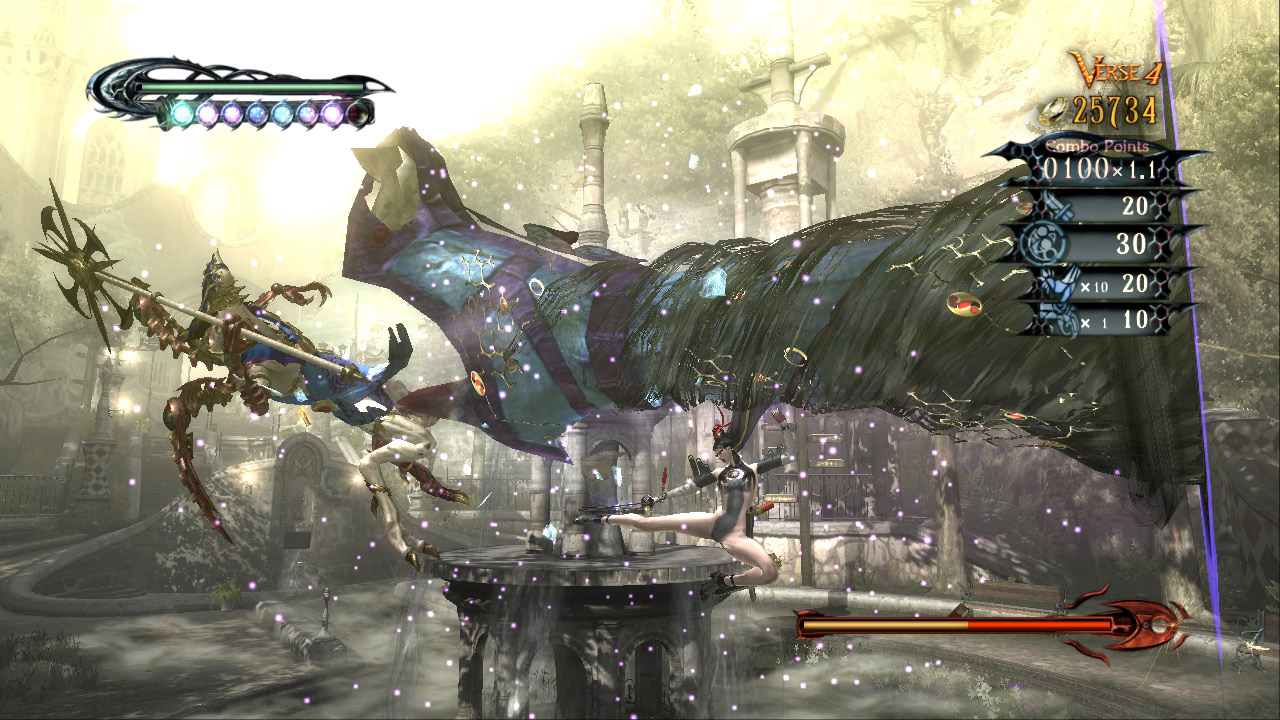
Bayonetta’s music isn’t only angelic and beautiful, but it’s so catchy that you just want to hear it again and again, and it really fits Bayonetta and her style. You just get goosebumps when seeing Bayonetta fight with style on the screen along with this angelic music. While there isn’t a huge variety what does play is amazing and is memorable.
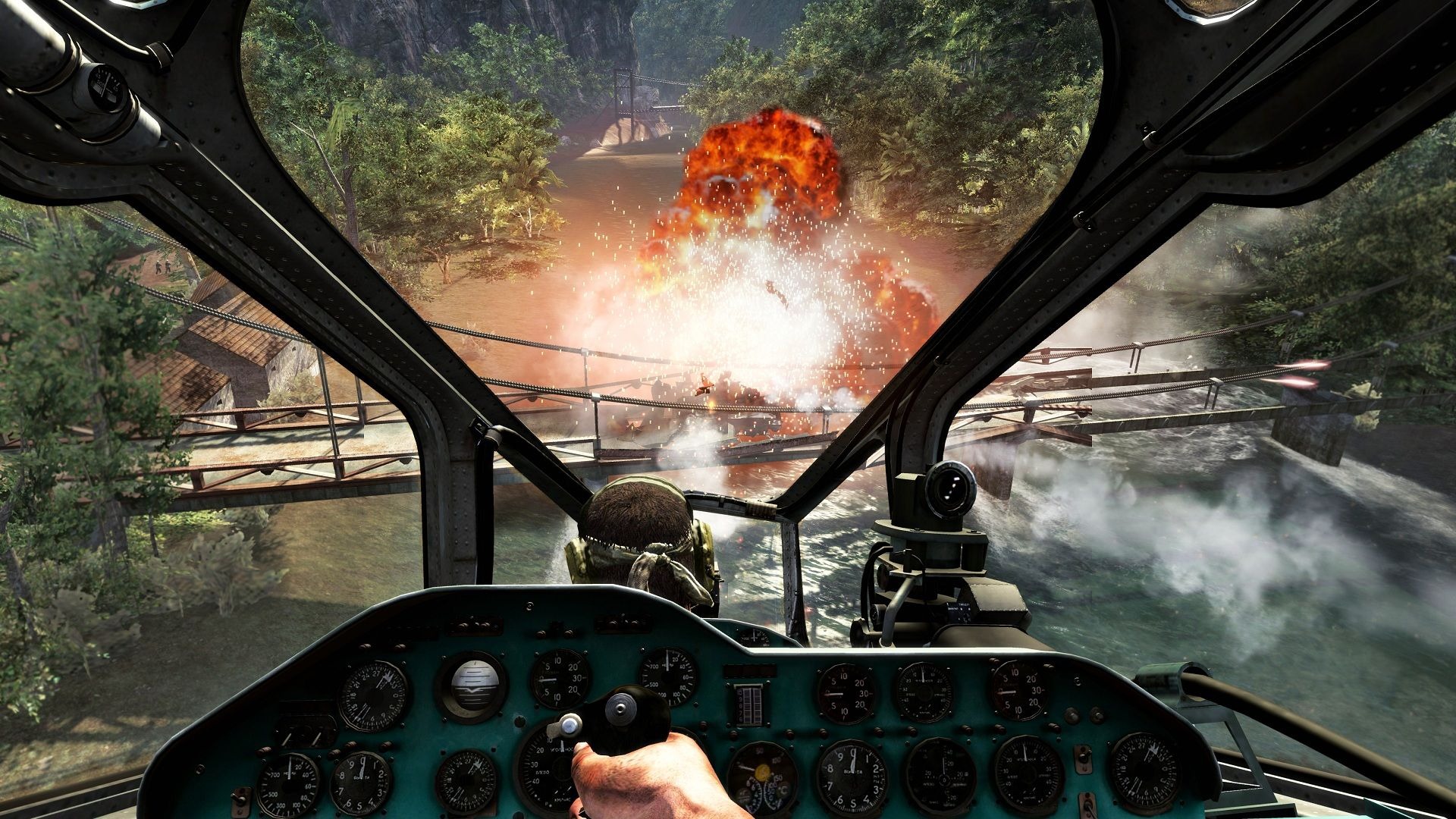
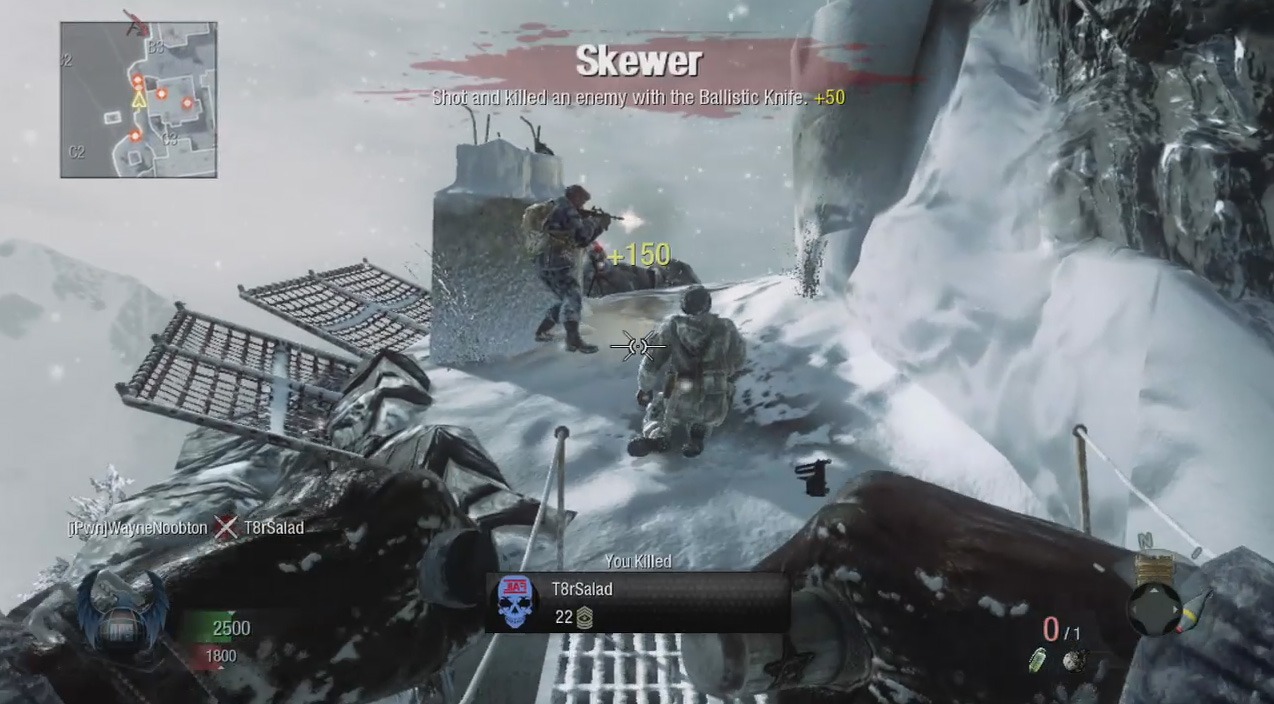
Military shooters tend to take the most flak because they tend to be the same, linear, sometimes boring, with questionable multiplayer, but when Modern Warfare came out four years ago, it really shook the ground, and shooters have been copying it ever since. Black Ops also has something that surprised me, and this was a solid, memorable single-player experience. Blasphemy right? Wrong! The game has lots of varied environments, tons of epic moments, and a few vehicle sections are thrown in, as well as the best helicopter-based missions in any game ever. The game also doesn’t start out as a regular shooter, with Alex Mason (Red Faction: Guerrilla, anyone?) strapped in a chair and a disguised voice yelling at him to remember numbers. The whole story only makes sense at the end, reveals a lot of plot twists, is beautifully crafted, and shows developer Treyarch isn’t the weak link in the CoD series.
The game has a lot of new weapons that are true to the Cold War/Vietnam era, and even the art style shows. The game is beautiful, with great sound, voice acting, and the actual plot mentioned above. The game has memorable characters that you get attached to through the 7-8-hour campaign (yes, it’s also a tad longer than most campaigns in shooters) and even memorable moments themselves. The storming of the Vorkuta prison in Russia and many other levels are memorable. Of course, the game has some issues that Treyarch is known for, such as not knowing what to do, poor directions, respawning enemies, and a few glitches here and there. Despite that, the campaign is solid and well worth the wait and the money, but of course, it’s multiplayer that most people will keep coming back for.
And, oh boy, is the multiplayer sweet. With new maps, a whole new approach to customization, and even the new Wager matches, Black Ops multiplayer is probably the best in the series and the best FPS multiplayer ever made. The game has the same overall playstyle as Modern Warfare 2, but instead of receiving fixed unlocks, the game adopted a currency system, and you can buy everything from perks to weapons to visual add-ons—you name it. This is a great approach to changing up the game and making it more about what you want. On top of this, the Wager matches are ingenious, with players betting on a match, and the top three get some money and the rest lose their bet.
There is One in the Chamber, which gives you one bullet and a knife. If you kill someone, you get a bullet but run out, and you are left with your knife. This is a great and intense mode because it does not shoot first and aim later like the regular models. Gun Game has you start out as a pea shooter, then you move up in tiers of guns with each kill. Not every gun is good because a sniper rifle vs. a machine gun won’t be very easy. The next mode is Sticks and Stones, which gives you a crossbow, a tomahawk, and a ballistic knife. Hitting a player with a Tomahawk resets their score to zero, and the most points are awarded for crossbow kills. Sharpshooter has your weapon switch every 45 seconds, and it’s random, but every player has the same weapon. These are fun and amazing modes that never get old.
On top of that is the zombie mode that Treyarch made a cult hit in World at War. You play as Nixon, Kennedy, and two other characters, along with surviving the three maps and the hilarious political banter the characters speak (Nixon when spending points to remove a barrier: This is taxing me like the Democrats). Players, but fight off hordes of zombies in multi-tiered maps, and points are awarded for barricading windows and shooting the zombies. Points can be spent to buy weapons and ammo and unlock new parts of the map. It’s intense, and trying to survive rounds gets heated (most won’t survive after round 10 and past round 5 alone). With four players playing cooperatively, it’s a great departure from the seriousness of the rest of the game.
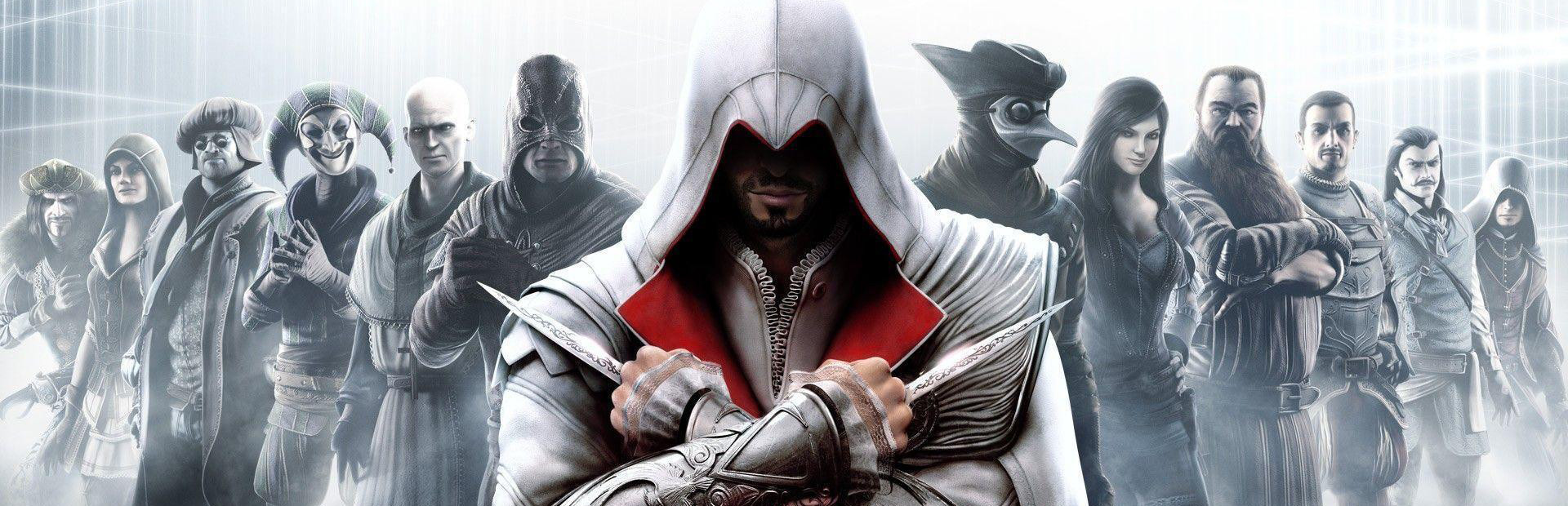
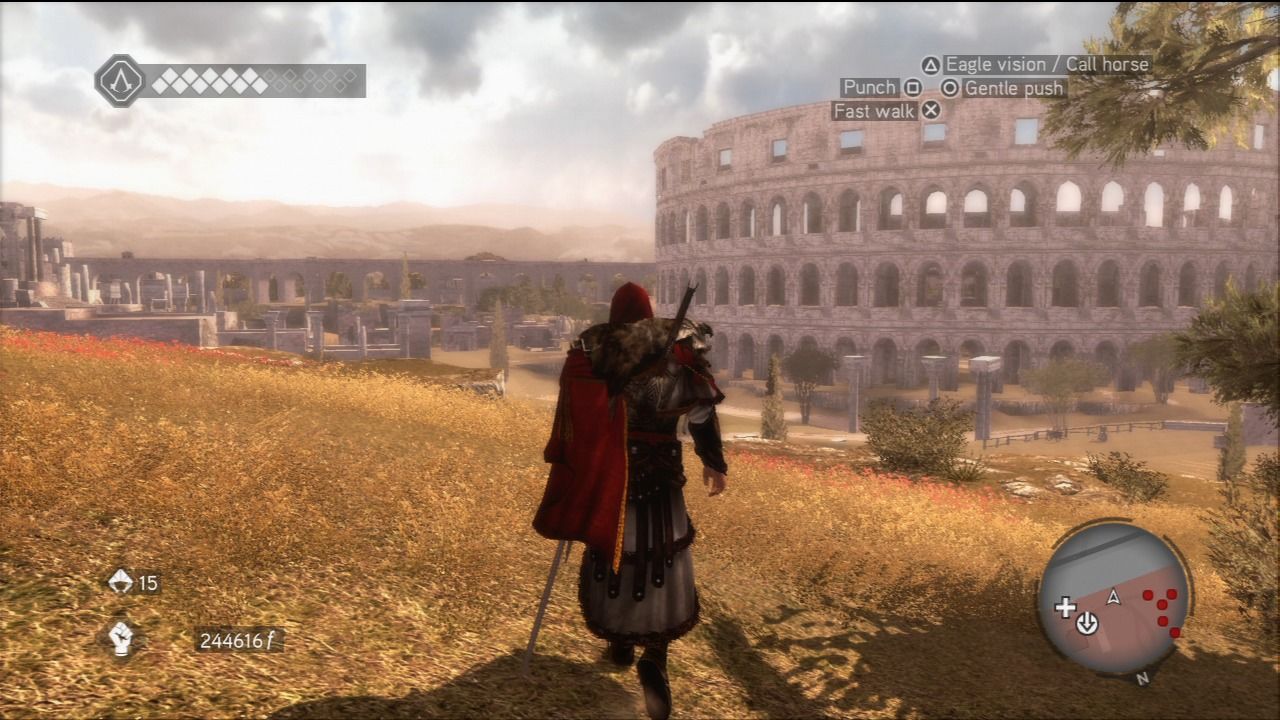
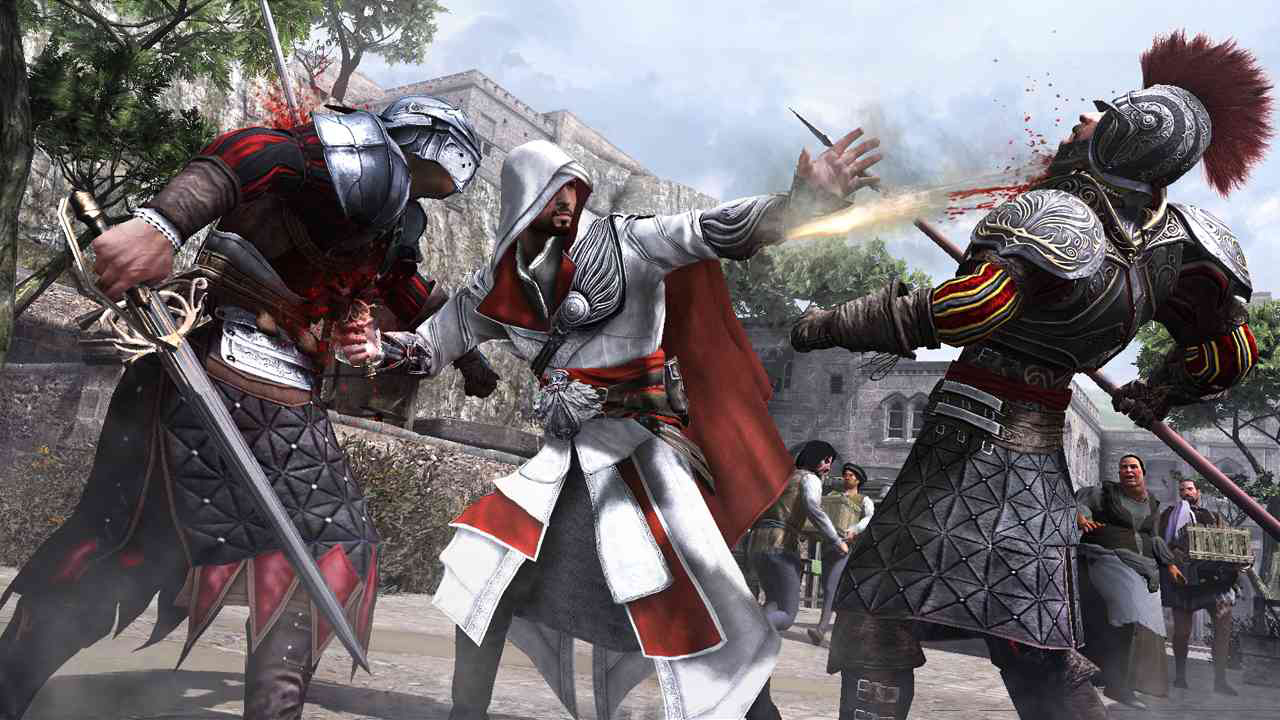
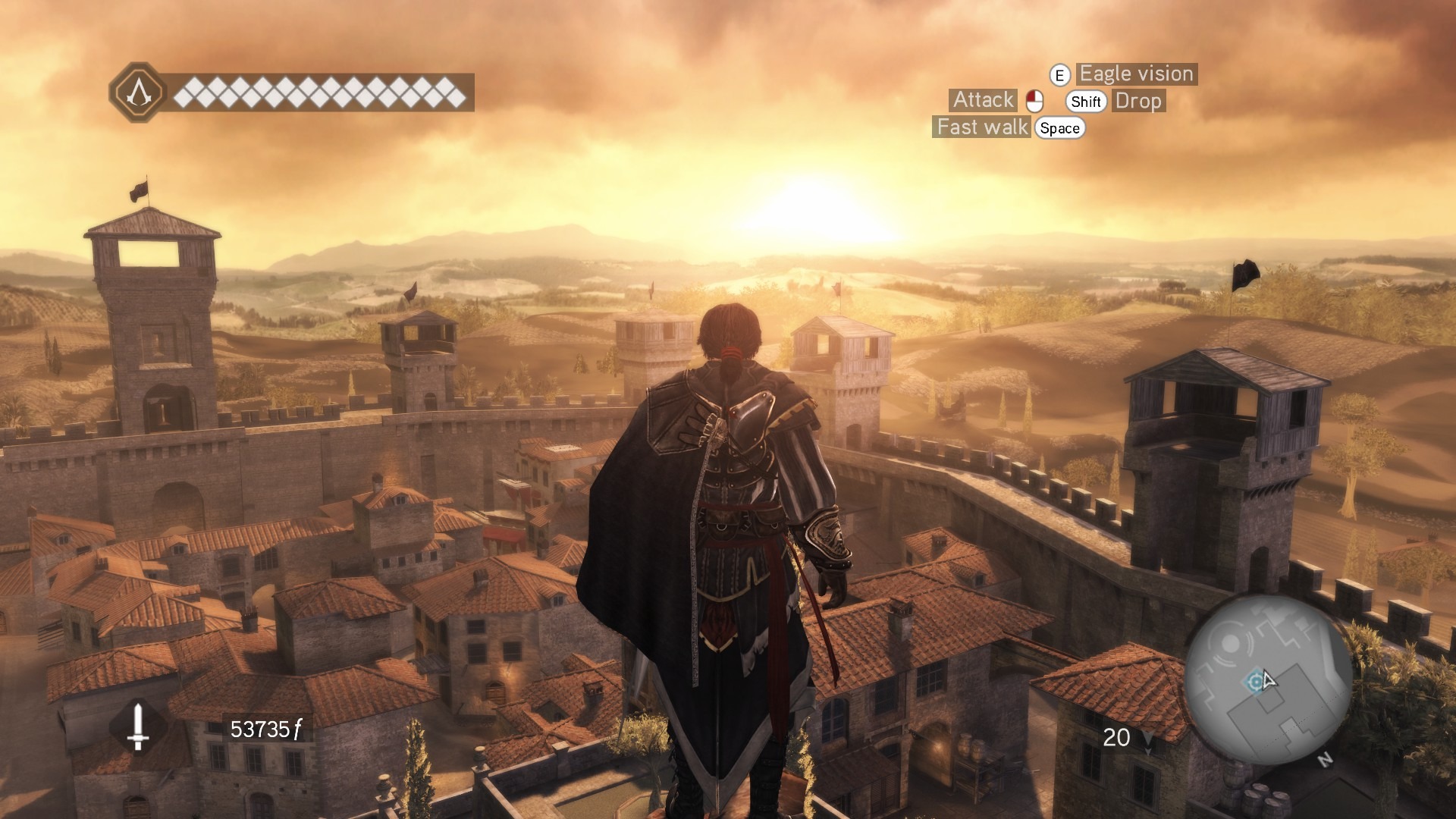
Brotherhood is one of those sequels that was thought to be just a cash cow tie-in for II, and everyone forgets about it. In fact, it was supposed to be a multiplayer-only add-on, but a few months before release, we realized it had a huge single-player experience that was bigger and better than II. This is what sequels should be like, especially if they borrow everything from their predecessors. Brotherhood isn’t a true Assassin’s Creed sequel like II was to the first one, but a new chapter in the amazing universe of 1500s Renaissance Italy. This time the game is set in Roma (Rome), and it’s huge, and there’s a lot more to this game than one skeptical fan might suspect.
The story is just as engaging, if not more complex, than II. Ezio is now older and the leader of the assassins, and he must stop the Borgia reign in Roma (since he failed to kill Rodrigo Borgia in the second game), but Rodrigo himself is only seen twice in the game and briefly. It’s all his minions and the fight against Cesare that are the main focus here. The game still has a deep political plot that ties in with real-life situations and people at the time.
Along with that, you can also play as Desmond Miles outside the Animus, and he has a bigger gameplay part with a whole section dedicated to restoring power to today’s Auditore Villa for the team’s new hideout to find the Apple of Eden and stop Abstergo and the Templars. While you only see these guys at the beginning and end of the game, you get another cliffhanger ending that will lead to the third game, as well as a great conclusion to Ezio’s story.
The game plays exactly like II, with no changes to gameplay except for some added stuff like a new crossbow, which is a godsend for killing stealthily from far away. It’s great to do a mission and wipe guys out with a crossbow and not get detected by those hard-to-reach guys. There aren’t any newly added weapons besides that, but combat is enhanced slightly, so it’s not such a counterfest. You can kick enemies, combo Arkham Asylum style, and even do some nice executions with the pistol. This is a nice change to combat and makes it a little more fun. You can also call in assassin recruits to help you, and this is extremely helpful, but more on that later.
Despite the main chapters, there are more side missions than you can shake a stick at. The side missions will take a good 20+ hours to complete and are tons of fun. You have the Borgia towers that have to be burned. These have to be burned down to buy closed-down stores and restore areas and landmarks. You have to enter a restricted area, kill the Borgia captain, then climb the tower and burn it down. There are quite a few, so these will keep you busy, and finding and killing each captain is different and challenging. On top of this, you can buy stables, blacksmiths, doctors, art stores, tailors, faction buildings, banks, and landmarks to restore Roma 100%. You will increase the city’s income, which will be deposited in a bank every 20 real-world minutes.
There are other side missions for each faction (thieves, courtesans, and mercenaries), as well as assassination contracts, Christina missions, finding more The Truth files (10 this time), and now Lair of Romulus missions, which have six in all and are much like Templar Lairs. After you find all six keys, you can unlock the Romulus armor, which is like Altair’s armor in the last game. You can also go to pigeon coops and play a mini-RPG that lets you send your assassin recruits out on missions based on their experience. Missions are based on difficulty, and you will see a percentage bar on how successful they will be. Send more than one to fill it higher, but if they come back, you can upgrade their armor or weapons, and when they reach level 10, you can make them full assassins. These are also helpful during missions since you can call up to three, or call them all for an arrow storm, and kill all enemies on-screen. It’s great to call an assassin on someone you can’t reach and then go in further without getting detected.
On top of all this, these missions can only be synched 100% if you complete the challenge, such as using your hidden blade and completing it in this amount of time. Don’t kill this person; only kill this person. It adds a surprisingly huge amount of depth to the game and makes playing missions (both side and main) more interesting and challenging.
Now the multiplayer is a really fun and surprising addition to the series. There is only one mode, and it’s all about a free-for-all cat and mouse hunt. You are given a target (another player out of 7), and you must use your abilities and skills to kill them while you may also be pursued. So you have to find your target and keep from getting killed yourself. The game has a Call of Duty-style perk and ability system that lets you customize load-outs as well. The game is very addictive and keeps you on your toes. You must blend and try to just act natural since NPCs also have the same looks as other players. There are many characters to play as, and each has its own unique abilities. The multiplayer will keep you hooked and make you come back to the game long after the single-player is exhausted.
With tons of new content, great new characters and a story, and an awesome multiplayer suite, Brotherhood is an example of what sequels should be like. I highly recommend this to fans of the last game and anyone who loves the variety in their games.
Collector’s Edition: For an extra $40, you get a Jack-in-the-Box with either the Plague Doctor or Harlequin (depending on what store you get it from), as well as a bonus DVD, extra maps (one exclusive to the PS3), a playable multiplayer character, an art book, and the soundtrack. This is a huge value for $40 and is a must-have for fans. The Jack-in-the-Box is made a tad cheaply with weak springs, and getting the things to close is annoying, but the figure itself is high quality.
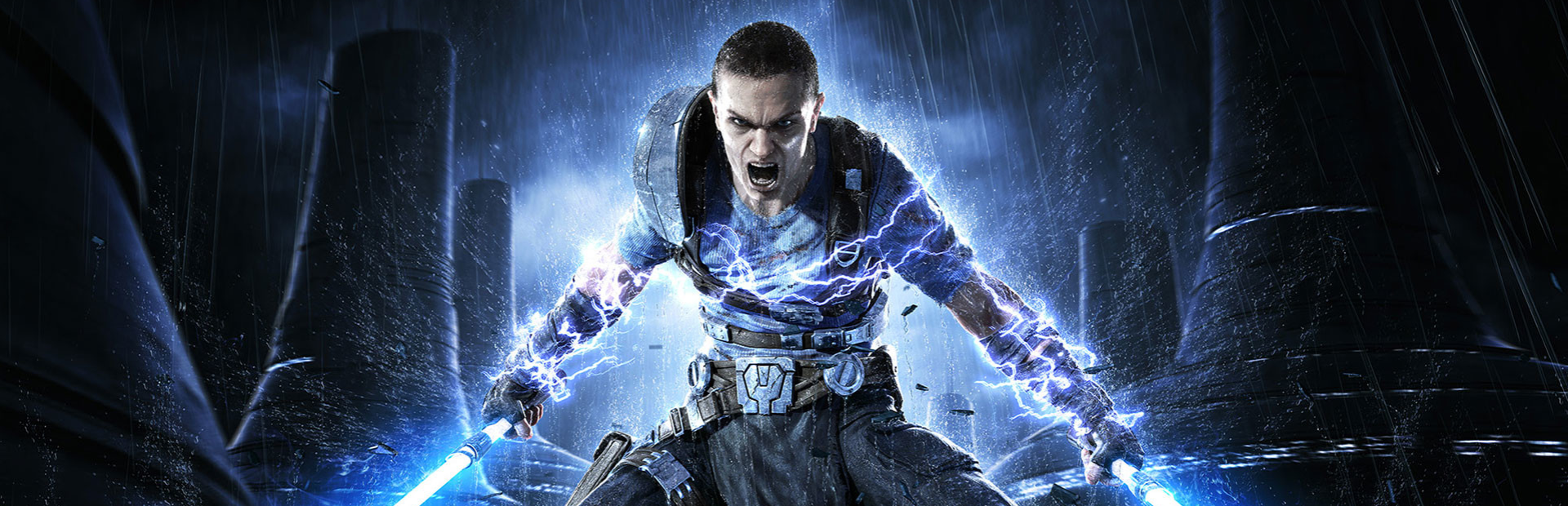
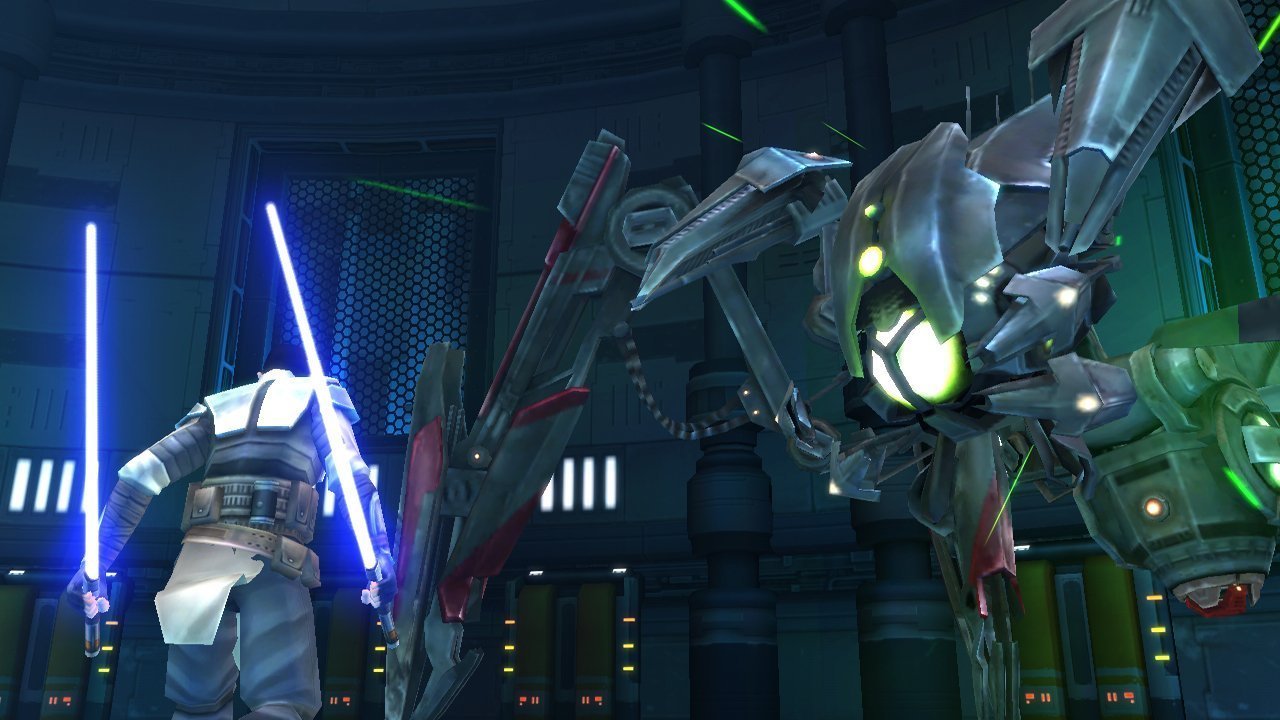
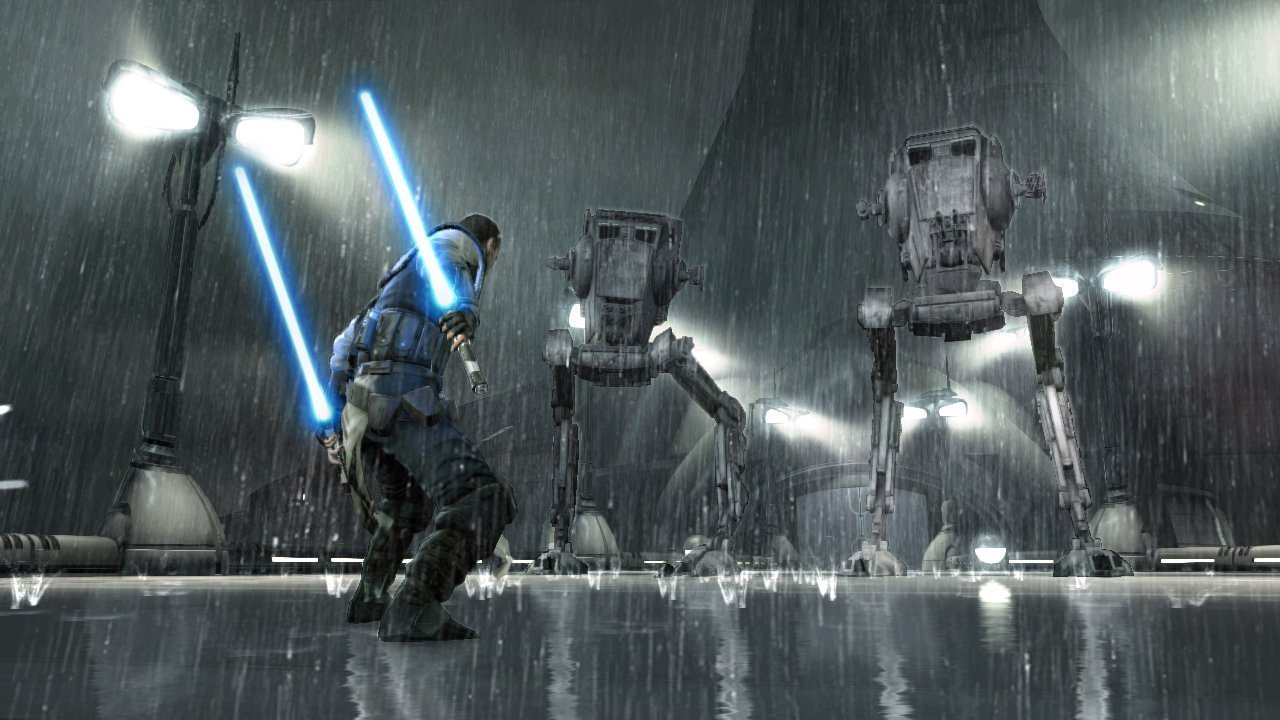
A lot of games wind up getting overhyped and overall pissing off the entire gaming community, especially if it’s a game with a huge and strong backbone of fans. Star Wars has always been this way, whether it’s books, movies, games, or cartoons; there has been a huge following with the Star Wars universe, and this is one such game to be buried under the overhype train. LucasArts promised a huge sequel that would make the first game seem like a pile of doo, but it’s only slightly better. Sure, the mechanics are tighter, and the fat has been cut away, but we’re just left with the bones because they somehow fed the meat to the dog.
The developers even had to come up with some absurd way to resurrect Starkiller by having Vader clone him. He’s possessed with memories of his former self and wants to find Juno Eclipse, his lover from the first game. The story is really bare and is really one-dimensional, and only in the last cutscene does it get interesting at all, and this is so lame and cliche that it makes you want to smash your computer in frustration. We’re at the end of 2010, and LucasArts can’t hire writers who can write better than this! You could probably write the entire plot on a napkin. Oh, wait.
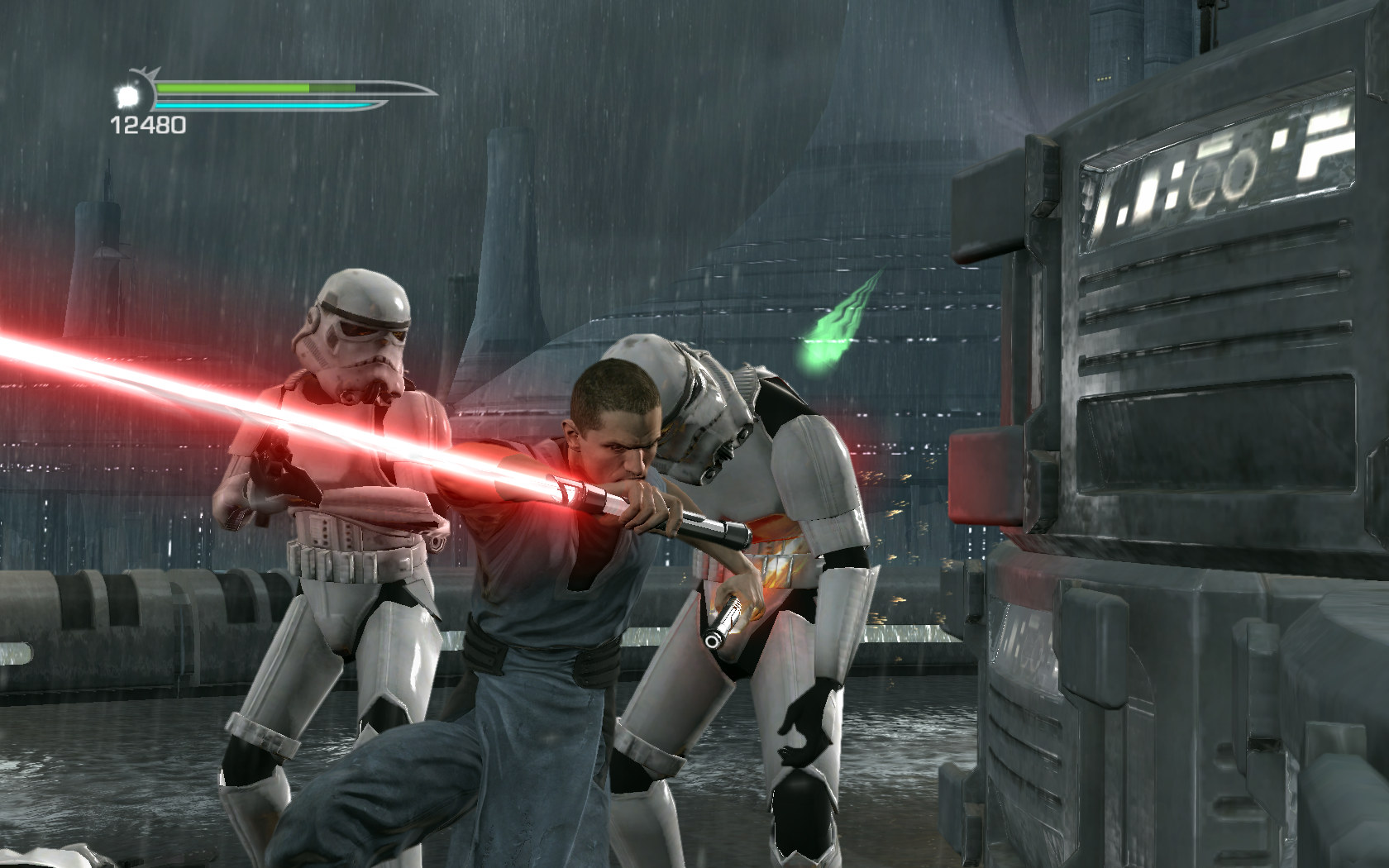
Other than that, the combat is fast but still flawed. While Starkiller is dual-wielding here, he still feels stiff to control and a bit chaotic. You have all your powers from the original game, so you’re not trying to find them again. You can use lighting, pushing, mind tricks, tossing crap around, and charges and upgrades of these Force powers, but you’ll mainly stick with Force lightning. I never used the mind trick and only used push when the game called for it. The enemy variety is even less than the original, with your usual Storm Trooper grunts and some bigger guys that are taken down with QTEs, but these are repeated dozens upon dozens of times and get very boring.
Other than that, the actual fighting is okay if only Starkiller could move more than two inches when swinging his sabers around. Mashing X will only kill people next to Starkiller, so you have to stop and move next to the enemy, then start mashing away. That’s why you end up using lightning so much since storm troopers are easy to kill. The combat animations can’t be interrupted, and when he gets stunned during a fall, you’re still vulnerable—and even vulnerable during some QTEs! What’s up with that? Even allowing you to change your saber crystals for stat effects doesn’t really do anything, and you’ll forget it’s there once you discover it.
The game doesn’t have many epic moments, and the only good one is the second level facing off against a giant creature, and it’s completely God of War-style and hugely epic. The only other memorable moments are the few free-fall sections, and that’s all. The game lacks any moments that are memorable, and this is a huge kick in the teeth for a game with such potential. The game is just really repetitive, highly unbalanced, and just isn’t what it could be. The game looks pretty good in some spots, but it could look a lot better. Unleashed II just feels like it’s half done, and even the short length helps this along. There are challenges and extras, but after spending 5–6 hours with this game, you’ll just uninstall it and forget it, just like the last game. If there is ever a Force Unleashed III, please take your time and make it what it should be!
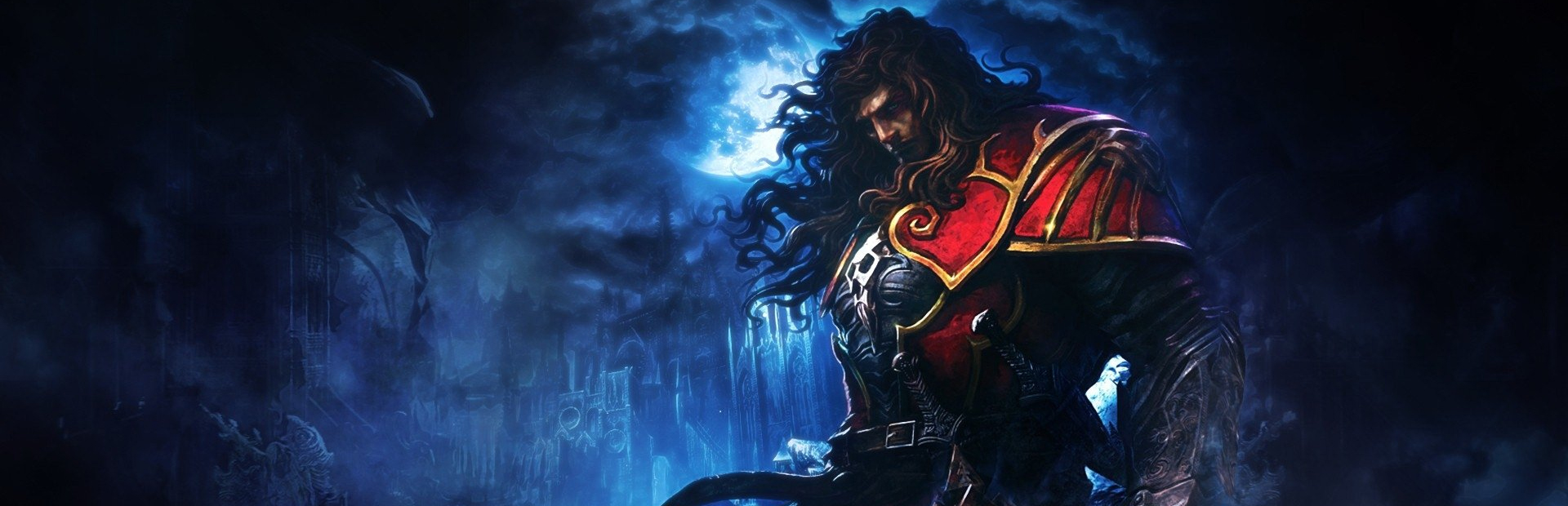
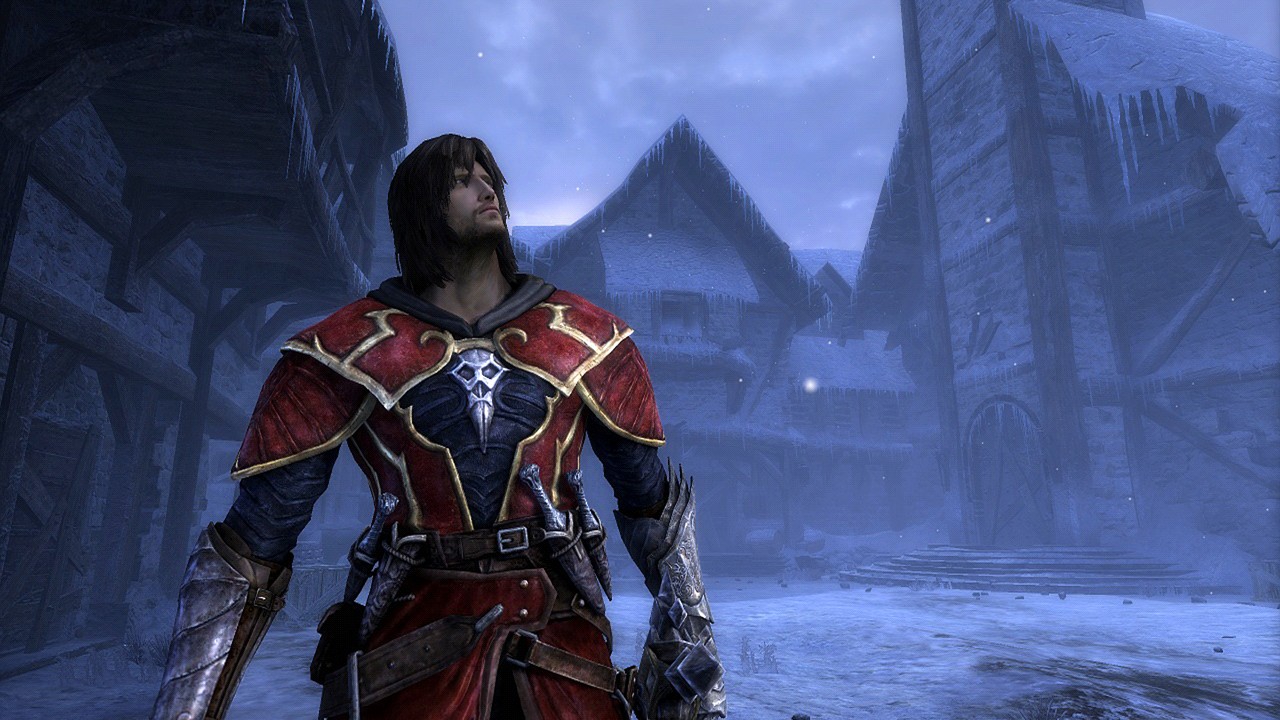
Castlevania and 3D have not mixed well, and everyone since Castlevania 3D for N64 has been a total failure. When Lords of Shadow was announced, everyone expected another terrible 3D iteration that no one wanted. Lo and behold, the game finally redeems itself and becomes one of the best action/adventure games of this generation and one of the best Castlevania games ever made.
You play Gabriel Belmont, who is trying to find a way to bring his love, Marie, back, and while fighting alongside the Brotherhood, he must defeat everyone in his path to get to her. He must reunite three pieces of a mask, and each piece is held by a lord of shadow: the Lycanthropes, the Vampires, and Death himself.
The game is voiced very well and even has some well-known actors like Patrick Stewart narrating the game and voicing Zobek. The game does borrow elements from other games, such as God of War’s combat and Uncharted’s platforming, but LoS crafts them in its own unique way. The part about combat that sticks out the most is using light and dark energy to defeat enemies and bosses and solve puzzles. You have both meters, and they are both used separately. Light magic is a form of healing that will replenish your life gauge as you whip hit after hit until your meter runs down. Dark energy allows you to make more devastating attacks. Switching between these two on the fly is key to beating the game and staying alive.
There is an array of moves you can buy with points, but there are also separate sets of moves for both energies. You can earn points by killing enemies or solving puzzles. Puzzles have a way to reveal the solution, but at the cost of not earning points. I was able to solve every puzzle without revealing a solution, but it’s there for the less cerebral. Combat is swift, tight, and fluid, and Gabriel swings the series’ iconic whip around with ease and flash. Counterattacks can build up your focus meter quickly, which will give off mass amounts of orbs you can absorb for energy. You can even bring down large enemies and use them as mounts for as long as you like to complete climbing puzzles or just wail away at enemies.
The game also has an array of objects you can use as weapons, such as fairies, holy water, daggers, and a crystal that summons a screen-wiping demon. Each of these powers can be infused with light or dark energy, and reading the game’s huge bestiary can tell you what the creatures are weak against. Regular fairies can distract enemies, and while infused with light energy, they become bombs. Holy water can do a number on certain enemies, but infused with light magic, it can create a shield around you as well.
The game has a lot of platforming, and it’s solid, but it does have its share of minor quirks, like Gabriel not jumping at the end of a ledge and just hanging off or dying. Using your whip like a grappling hook works, but most of the time you’ll forget to press X and jump away from the wall to get to different ledges and avoid traps since this isn’t used very often. Platforming even works well in the Shadow of the Colossus Esque massive boss battles.
The game is also fairly difficult. It copies the series’ difficulty with lots of twitch reactions, constant dodging, counterattacking, and blocking. You can’t just wail on an enemy and expect to take a lot of damage. A few hits from a boss, and you die, even if you’ve leveled your health bar all the way up. You get a few hits, dodge, wait for the right moment, and repeat. Each boss has a unique set of predictable moves, but it’s up to your skills and quick reflexes to stay alive, so predictability won’t help you here like other games can.
The game features a huge number of enemies, probably the largest variety seen in an action/adventure title. The game has a good 30+ enemies, and each is unique and requires a different tactic to defeat. Not only this, but the environments vary often, and not one level is the same. The game is also beautiful and probably one of the best-looking games to date, with a gorgeous art style. The camera angles are chosen perfectly, and each shot is a masterpiece to take in. Sleeking castles, forests, and even a massive indoor library look amazing.
The game also has many secrets and will take a couple of playthroughs to find them all, such as gems to upgrade your meters, scrolls, and other items, to get a 100% completion rate. There is artwork to buy and different difficulties to beat, and even just enjoying the game a second time is well worth it. This game is just completely different from your standard Castlevania games and is probably going to be the new standard for the series. You really have to come into this game not expecting typical Castlevania stuff and really expecting something totally different. With an imminent sequel, LoS is one of my favorite games of this generation.
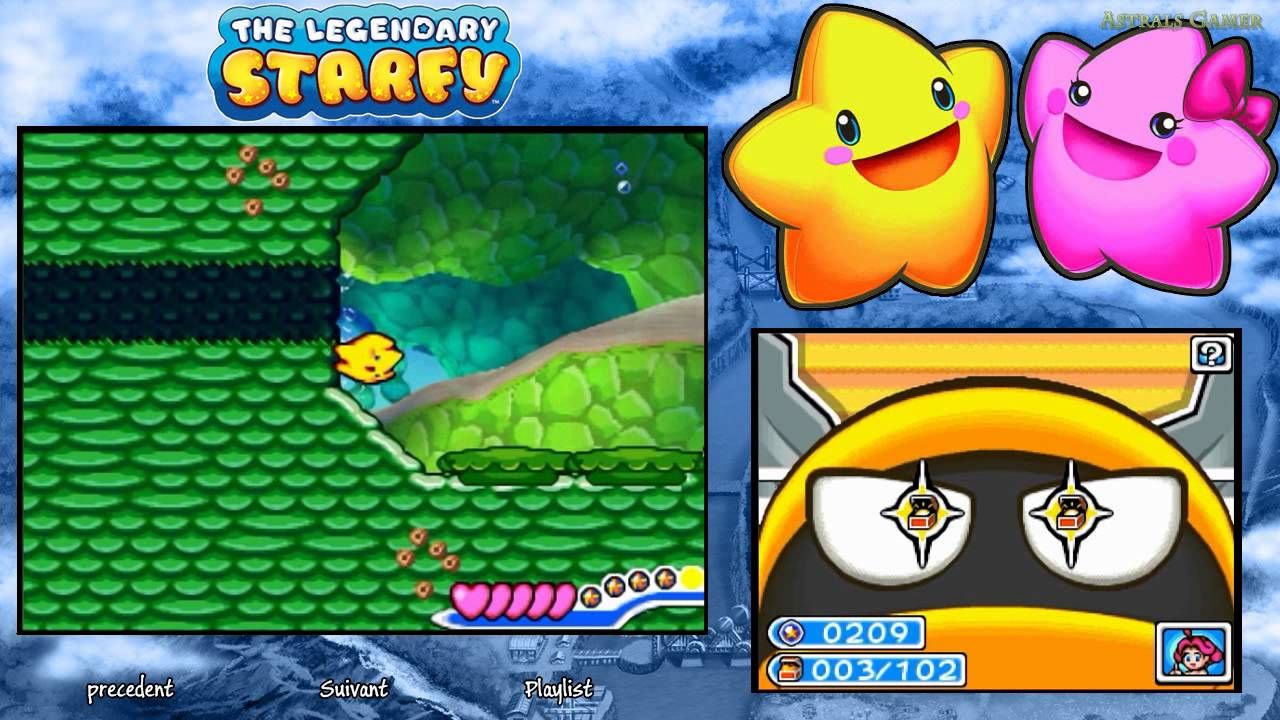
The Legendary Starfy is actually the fifth game in the series, but the first game seen here in the States. You play as Starfy, who finds a little rabbit who lost his memory and must find crystal shards that will restore his memory. Yeah, it’s not too great, but this game is clearly aimed toward little kids.
The game has tight controls and is easy to grasp, with Starfy mostly swimming underwater, but he’s really slow on land. The goal of the game is just to navigate screen to screen, collect little stars (currency in the game), and watch cutscenes until the end. It gets very boring after the second chapter, and most older, more experienced gamers will turn it off. The game is just way too easy with enemies that don’t attack you. Yeah, you have to run into them to get hurt. Navigating the levels for treasure chests and stars is probably the only incentive to go through this game, but the items you can buy are pretty lame.
Try dressing up a star. It looks pretty bad and obviously only appeals to small children or simple-minded people. Even the boss fights are easy and can be killed in just a few hits, not to mention a save before a door, then a save when you go through it, then no save until the end of the level. Yeah, that makes no sense, but kids won’t really notice or care. Plus, you can save it in the start menu! Do we really need this many saves?! Well, you can find different abilities to help Starfy that are attached to the touchscreen, such as Moe’s ability to sense treasure, a mermaid’s ability to give you level info as you go, and you can transform into a fire-breathing dino, but it’s not as fun as you would think.
There are four different mini-games that are boring and pretty lame even with other people, but little kids will enjoy them, I guess. There is even a little talk show thing that Moe does, but it’s as strange and lame as can be, so I don’t even think kids will get this. Overall, the game has a nice art style, looks really cute, and has crisp, clean visuals, but the underlying game is just for casual DS players and kids. I wouldn’t recommend this to anyone remotely more than the most casual of casual players or kids.
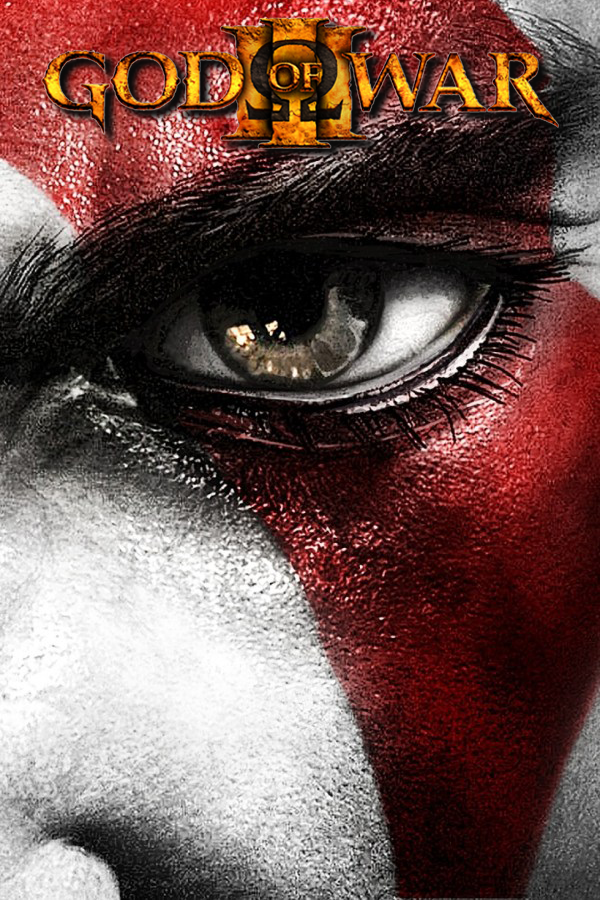
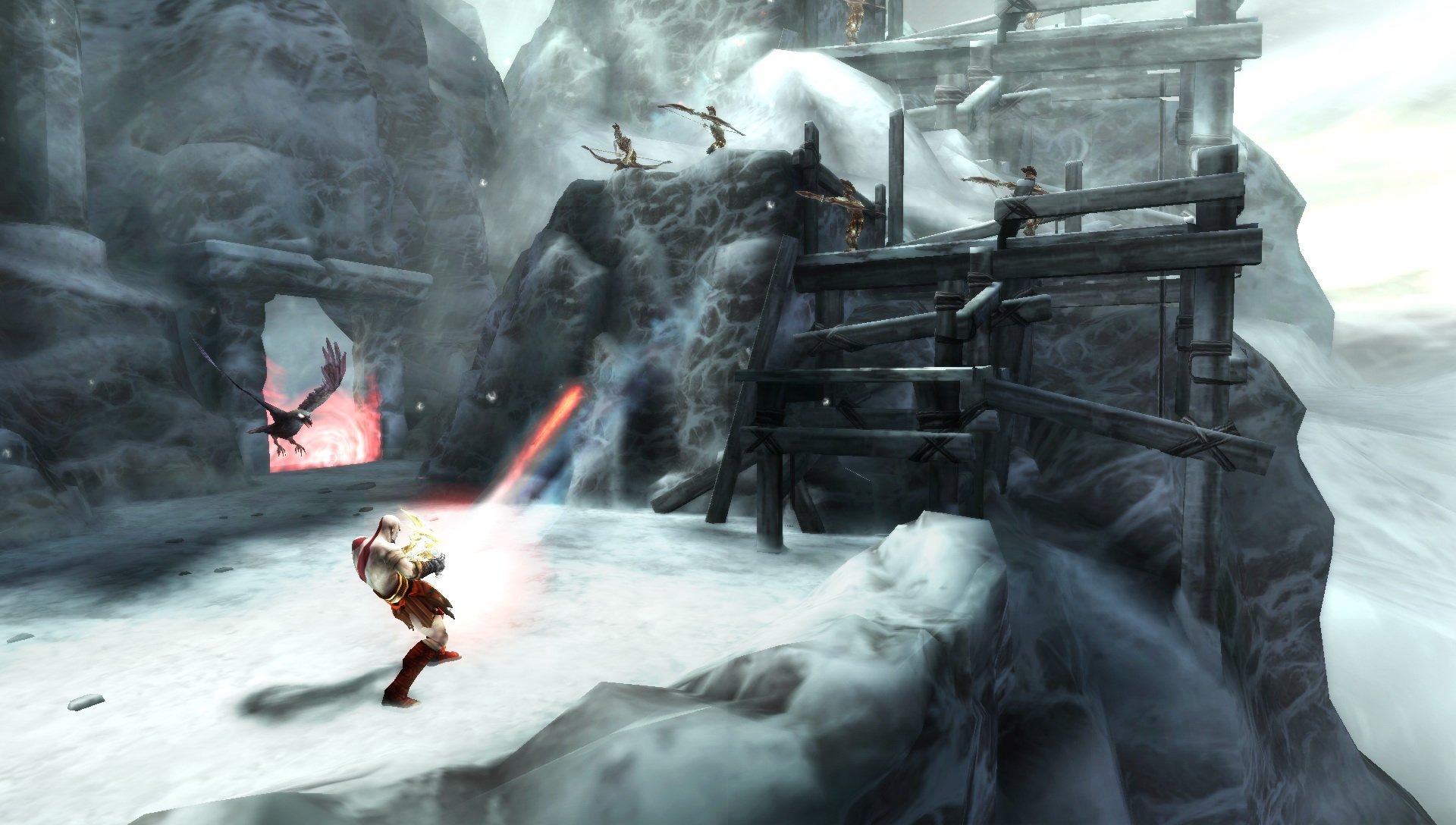
God of War is just one of those games no one gets tired of, and each game brings new and excellent ideas to the table, and this has to do with the fact that each game has a new director. Ghost of Sparta borrows a lot of what God of War III did, tweaks it, and adds things to it as well. I honestly think Sparta is the best example of how to do a portable game well and bring a console experience in without cramping the game’s style. Sparta is probably the most complete console copy on a portable to date, and there is nothing like it out there.
The game is set between the first two and is a side story about Kratos following a haunting vision. The vision of finding his long-lost brother, Deimos, and trying to cleanse yet another horrible memory. Along the way, you battle through Atlantis and other new locales for the game, but the style isn’t anything new. The locales in the game are pretty dark this time around, and they really focus on the whole dark aspect of the game.
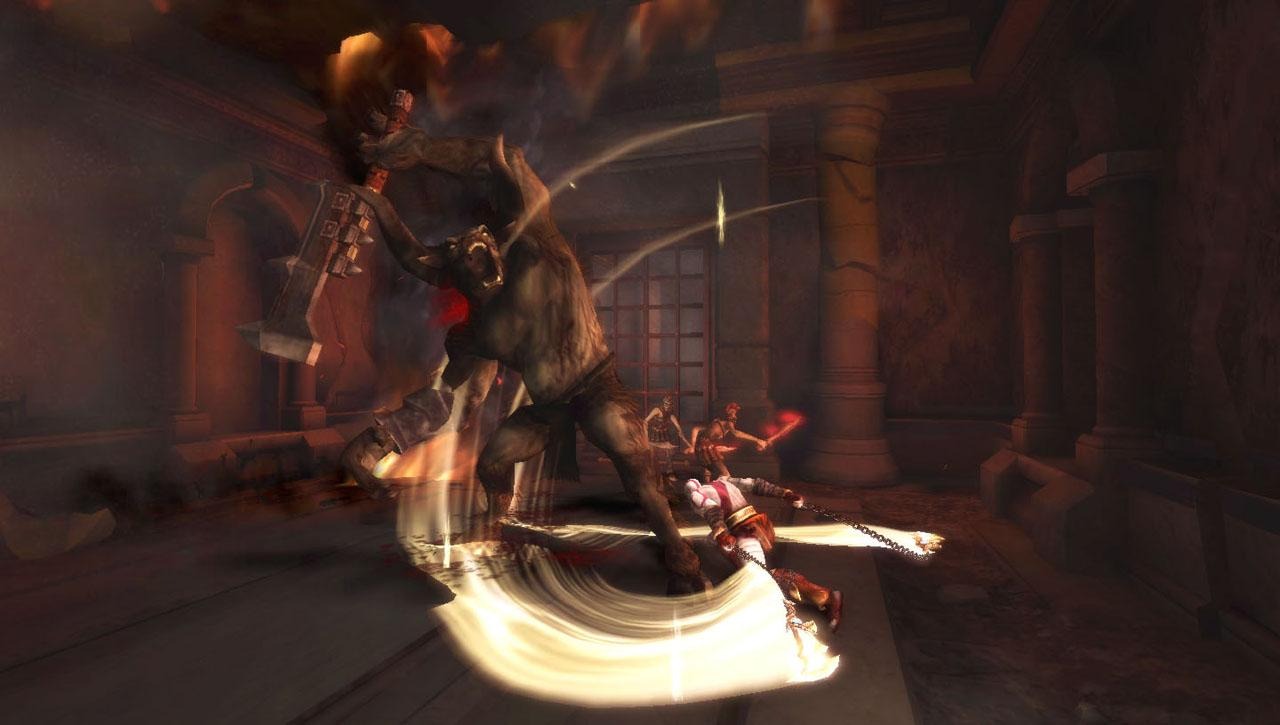
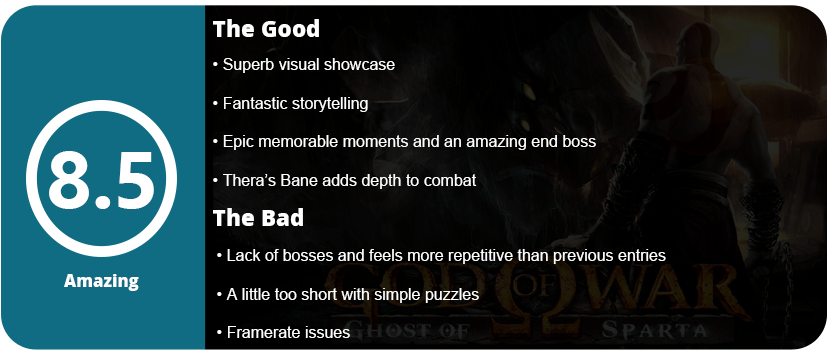
The core of God of War is combat, and the Ghost of Sparta trumps the Chains of Olympus by a mile. Borrowing the recharging meter from III, you get to infuse your blades with Thera’s Bane, and this adds a whole new layer to the combat. Holding down R allows you to set your blades on fire and make them more powerful, but you have to time it and use it wisely. This is also used for breaking down armor on foes that can’t be hit normally, environmental puzzles, etc. Thera’s Bane is really fun to use, and there’s a lot of complexity that goes along with it that adds another layer of depth to the standard combat in the series.
There are new magical items, but they’re not as exciting as one might expect. I never really used them as often as I’d liked to, but they come in handy in the later levels. The game also borrows the Hyperion Charge, which rams enemies to the ground and lets you wail on them. I also never really found much use for it and never used it through the entire game except when introduced, so it feels like there’s some filler in here, but it’s great for people who have a different play style. A whole new weapon is introduced, and this is the Arms of Sparta. These are Kratos’ spear and shield, and it’s good for close-up combat and using the spear for far-off enemies, but it’s not a favorite, is no good, mid- to long-range, and doesn’t have the reach of the Blades. I never really used this except for when it was required during puzzles or exploration.
Sparta has a really good story behind it, and it doesn’t disappoint with its epic interactive story elements, such as one scene where he fights his own past in a brutal way you would expect in a God of War game. The game also opens up with a classic gigantic boss battle with a Scylla, but it’s not as memorable as the console games or even Chains of Olympus. Speaking of bosses, that game lacks hardly any, with only maybe four in this six-hour adventure. The ending boss is probably one of the best in the series, with an awesome co-op battle that has never been down before. The game’s ending is well worth it, and you’ll be pleased with how the whole story rolls out.
In technical terms, this is the best-looking PSP or handheld game ever made hands-down. I don’t think any other developer can make a PSP game look better than one of the best-looking PS2 games ever made. Yes, it looks better than God of War II, and it’s just full of lush detail and is bursting at the seams with effects. If you thought Chains of Olympus looked amazing, this trumps it by a long shot. Water drips off every ledge, the backgrounds are fully animated, and the game has a high poly count and highly detailed textures with even bump mapping! It’s just something to truly behold, and I doubt we’ll see another PSP game look this good. Of course, the game also comes with frame rate issues and never really goes above 30 FPS and sometimes drops down below 15, but that could just be my old PSP hardware.
The game also has its usual treasures, but adds the Temple of Zeus and lets you unlock videos, costumes, art, etc. by spending orbs you earn during the Challenge of the Gods. You can also create your own challenges, and this lets you keep playing this epic game without having to tread through the story again (which I know I will be doing again).
Other than that, though, the game is lacking something. It’s not as well-paced as other games in the series, and the lack of bosses hampers the experience a bit. The game mainly focuses on balanced combat, in which you get a variety of foes and must take each battle in a different way since some foes are weak to something and some aren’t. As well as focusing on exploration, and there really aren’t any puzzles to think of except very simple ones we’ve seen a dozen times in the series. The game is also just too straightforward and feels more repetitive than the other games, and that’s a bit disappointing considering the reputation of the series. However, the game is amazing, and I am not quite sick of seeing what Kratos has in store for us. Is this the last God of War game since III marked the end of the trilogy? Probably not, since this is Sony’s major staple for its consoles. Ghost of Sparta achieves many things and will become an all-time classic.
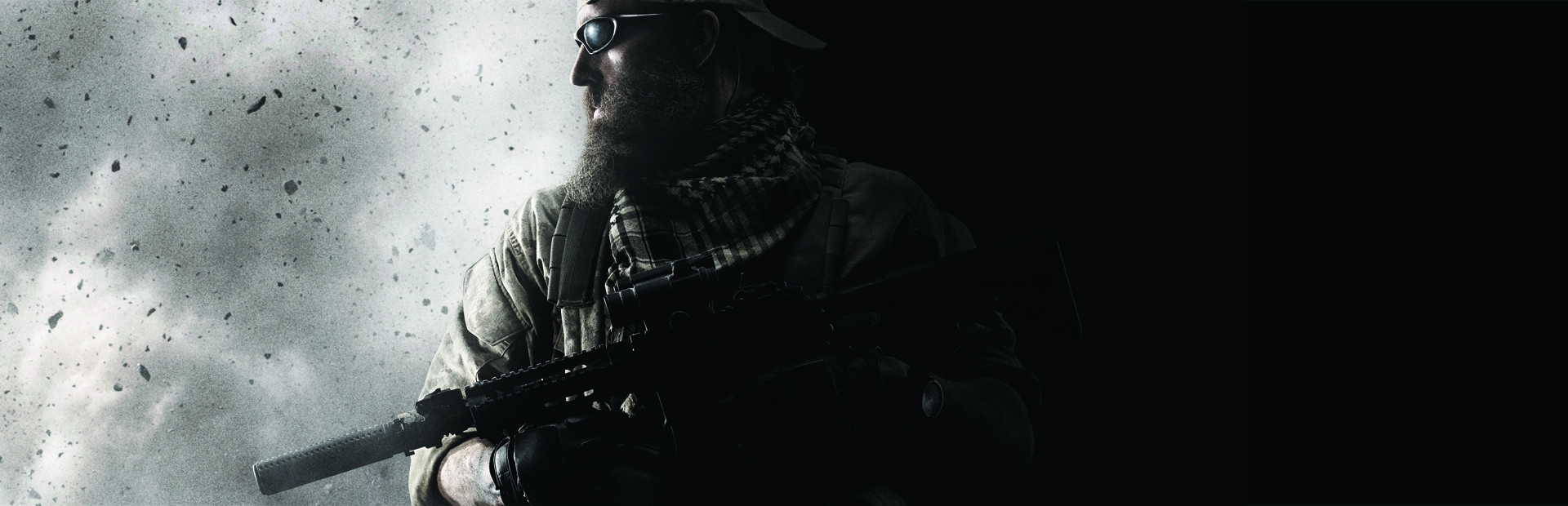
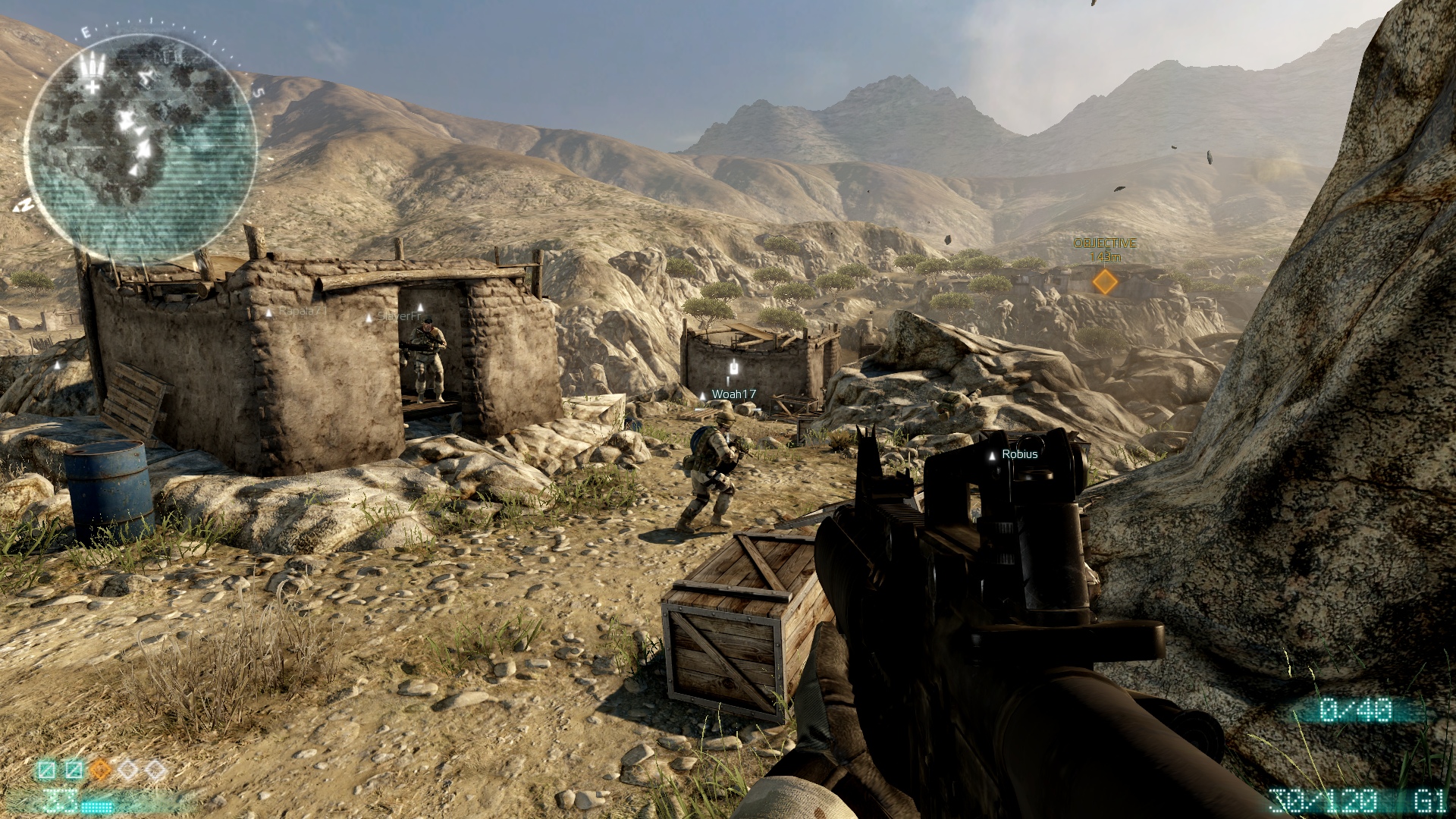
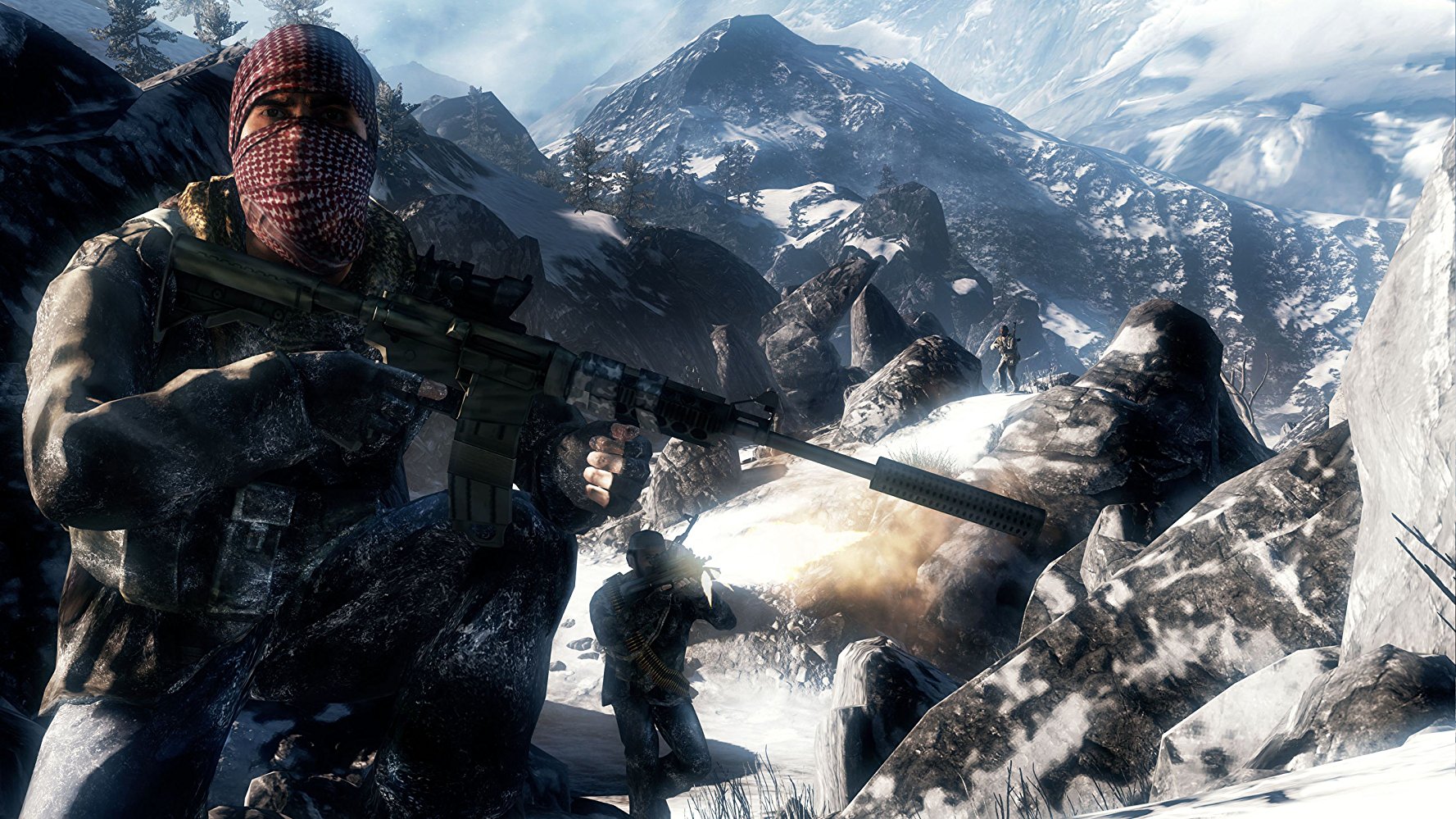
All the great World War II shooters are going away from that genre since it’s been beaten to death. Medal of Honor went the way for Call of Duty and was adapted to modern warfare, which works for this series. The single-player campaign is nothing really special, but it does showcase the realism of war and really makes you feel like a helpless nobody warrior in the middle of a Taliban shootout. It does this better than Modern Warfare, but not the multiplayer.
The single-player campaign has you playing as four different parties: a regular soldier, a Navy SEAL, a pilot, and a Tier 1 operative. Like most war games, you never get attached to the characters, but you do care for them enough towards the end. The game’s pacing is pretty good with you moving from night to day levels, and there is even an ATV level (why choose the loudest vehicle to do a night raid?), and the flying levels are pretty fun but extremely linear and limited in control. You can actually move the helicopter, but instead, just aim and shoot. There are some great moments, like the Tier 1 sniping sections and cinematic arts, but these are far and few. Most of the game consists of moving from cover to cover and shooting everything in sight. Sound familiar? Sure! Is it still fun? Why not! You seem to always be equipped with the right weapons, and ammo is unlimited since you can just ask your fellow teammates. I never had to pick up a weapon off the ground, but it’s there for variety.
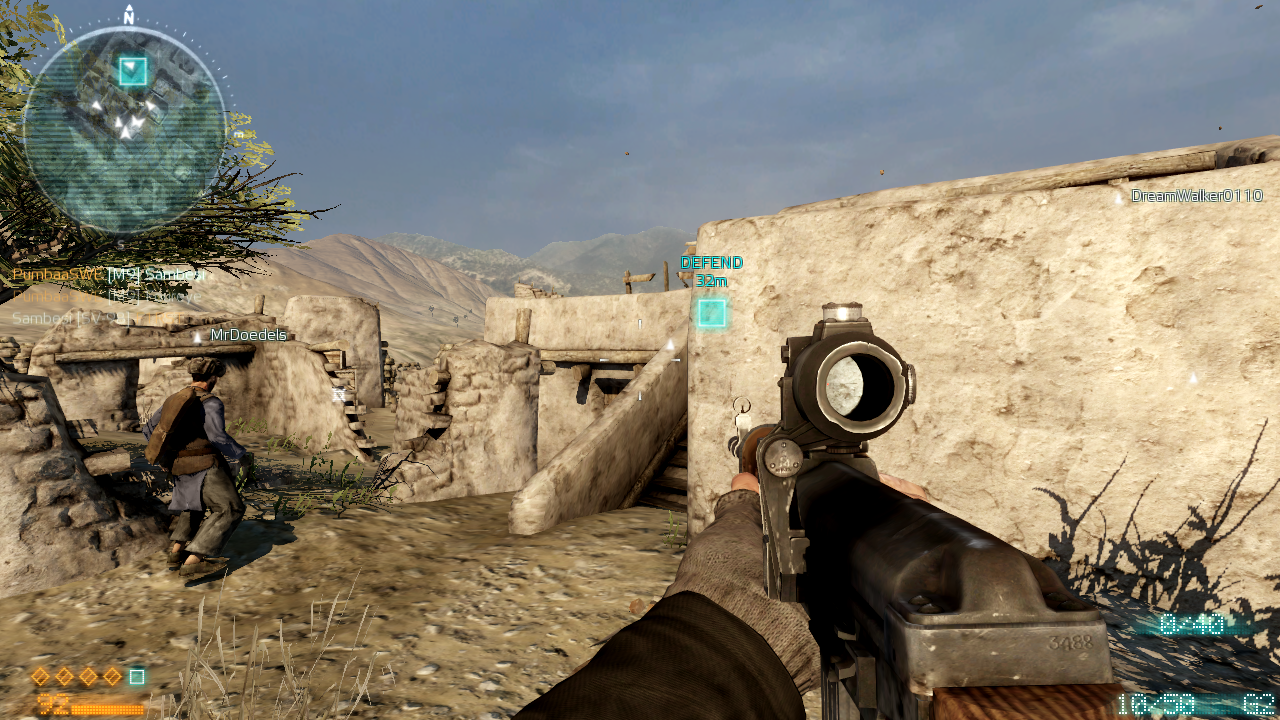
My favorite moment in the game has you playing as army soldier Adams, and you and your squad are stuck on a hill inside a tiny little mud shack, and the Taliban are raining down on you from the mountain. You hear military chatter an awful lot, but it sounds more authentic and not just silly babble. Your team slowly runs dry on ammo, and after the cinematic music plays, almost all hope is lost to the helicopters! During this sequence, it seems it never ends, but the surrounding chatter makes the whole experience more intense and authentic to real-life battle warfare. But the whole game isn’t like this. There are a lot of moments that seem more like the rest of the shooters, so the pacing is off a bit, but it doesn’t fall apart.
You’ll mainly come back for multiplayer, which is your standard military shooter affair. There are only three classes, a few maps, and that’s pretty much it. It’s fun since DICE (Battlefield: Bad Company) makes it, but it’s no Modern Warfare. You have your usual three classes of ranger, sniper, and specialist, so everyone is pretty much the same person. It basically shoots whatever moves it makes and racks up a score. There is an objective-based type of game mode, but it’s essentially the same.
The game also does one of the weirdest things, and that uses two different game engines. The single-player uses an outdated version of the Unreal Engine, and it’s obvious that it looks outdated due to low-resolution textures and some low models. It uses the Airborne engine, which was a poor move on Danger Close’s part. The multiplayer uses the Frostbite engine that’s used in Bad Company 2, and it looks great! Why the weird design choices? I don’t know, but I hope MoH2 changes its engine. Is the game worth a purchase? Not really, but maybe a weekend rental. After about five or six hours of multiplayer, you’ll be bored and probably just switch back to a better shooter. If you get bored, you can go into Tier 1, which disables everything and times you. Yes, health restores slowly; no ammo refills, no reticle, nothing. So enjoy the super-hard mode.
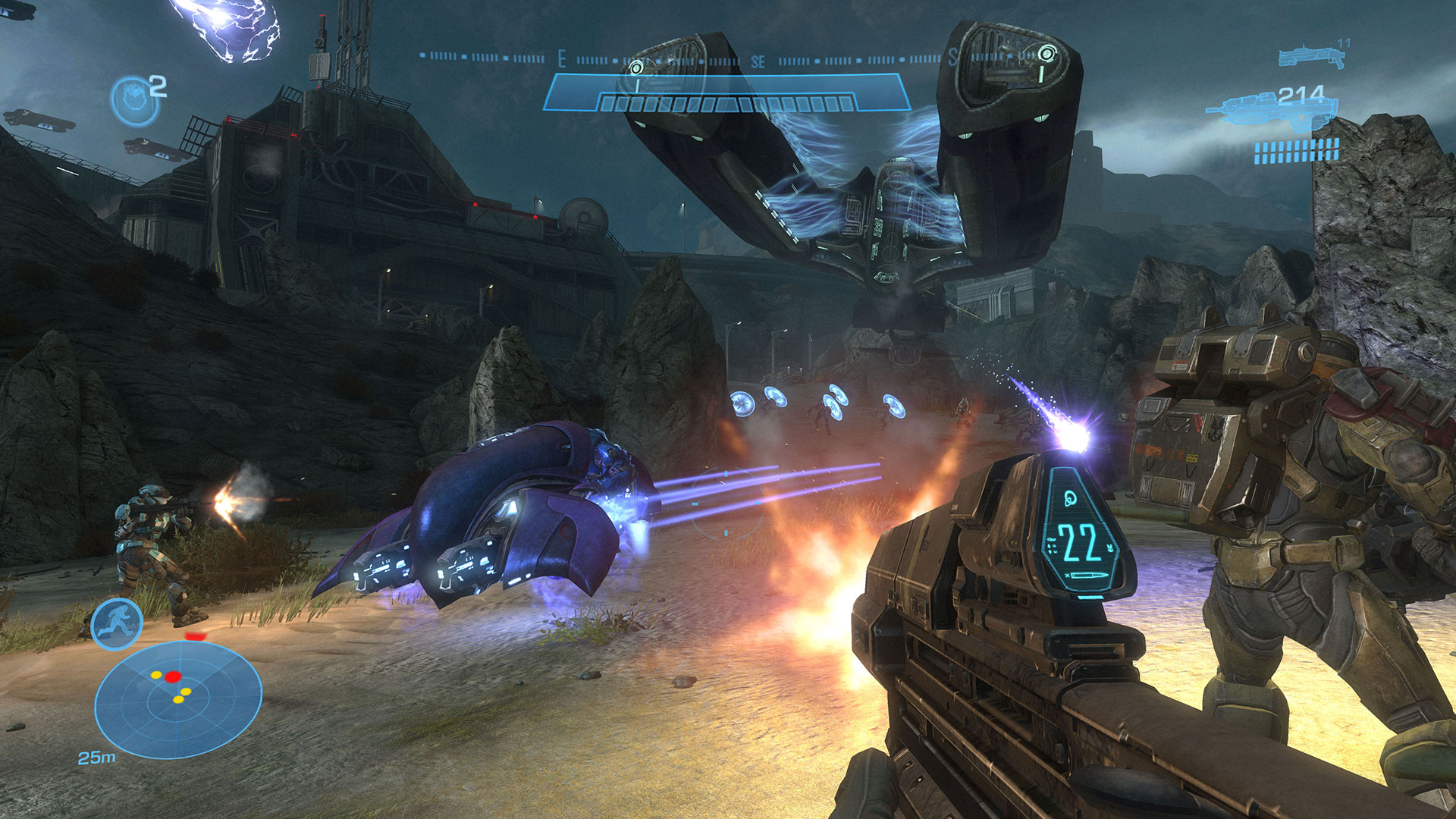
Halo. That word is loved and hated by many, but Halo did help define the FPS genre and FPS multiplayer for consoles. If it weren’t for Halo, we wouldn’t have to regenerate health or have solid FPS multiplayer, but Reach perfects the Halo multiplayer in many ways, but before we get there, let’s dive into the single-player campaign.
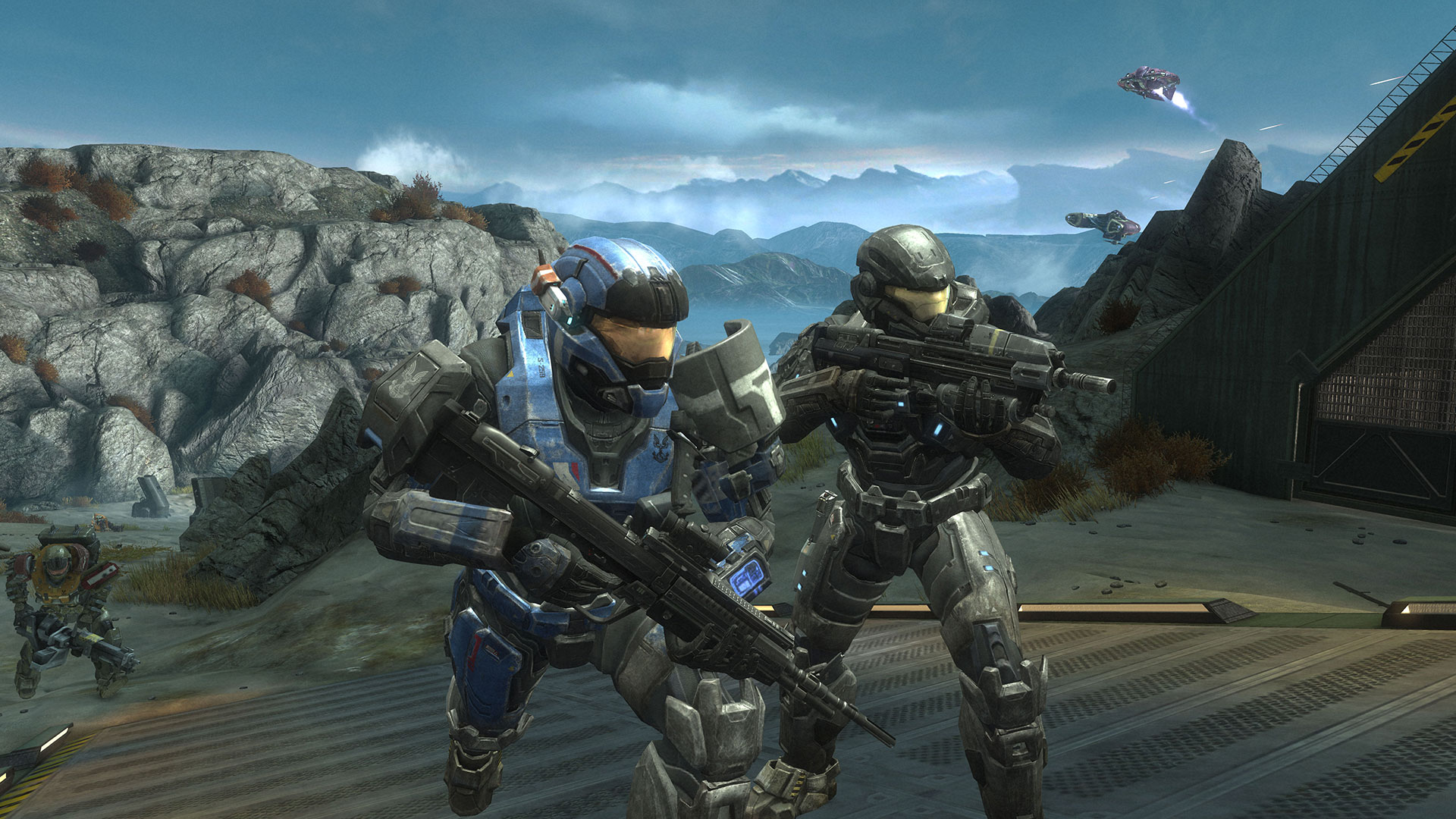
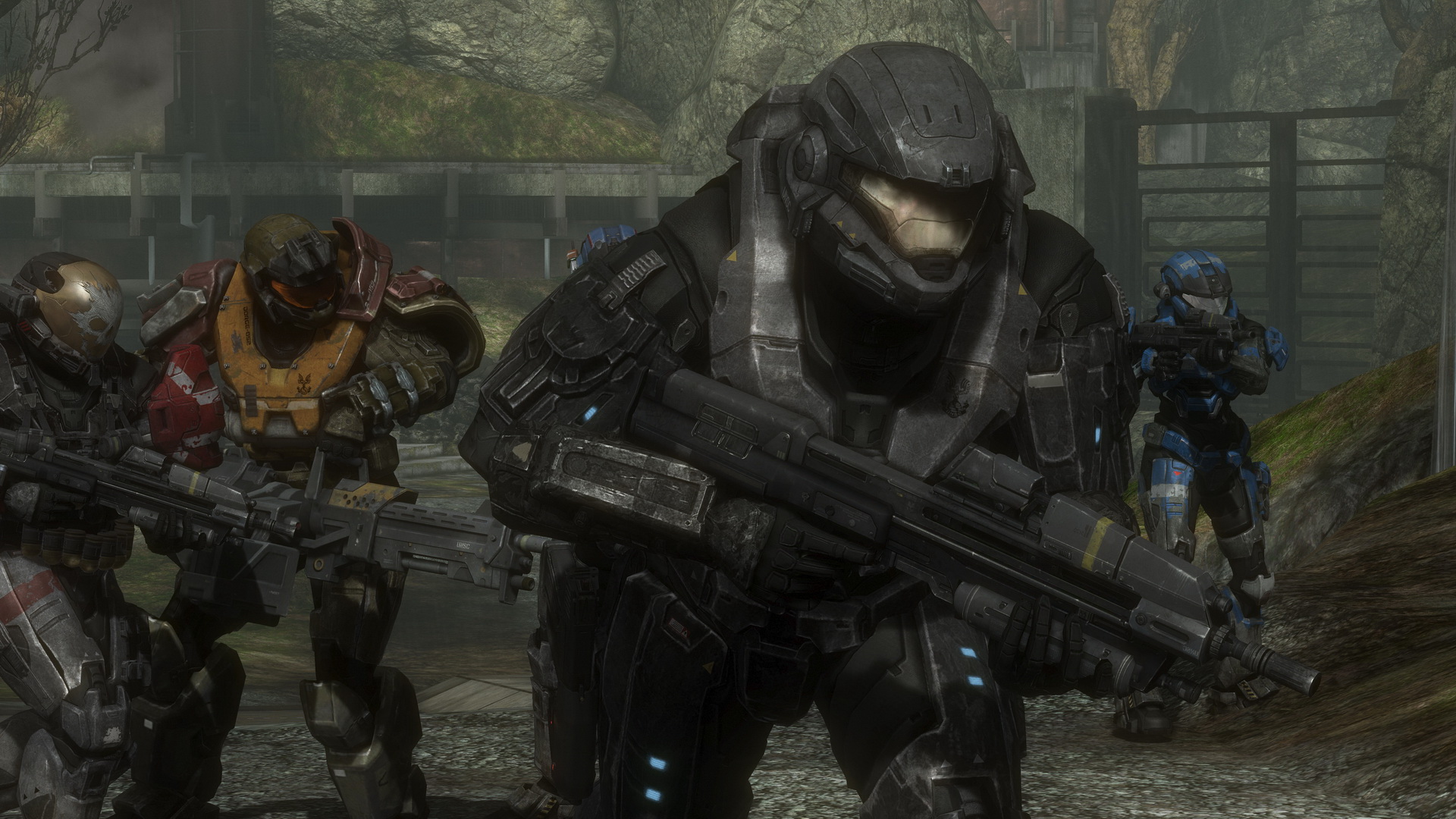
Reach has you playing as the generic Noble 6, who is part of other numbered Noble team members. You can create your character this time around and swap out different armor parts, but you have to advance your rank and earn credits through multiplayer and playing the campaign. This is more of a gimmick and doesn’t do anything other than add filler to the already-bloated series. After the disappointing ODST, we get another campaign with more nobodies instead of a master chief. The game is set before the first one, so you are experiencing the first contact with the Covenant. You are just hopping around Reach trying to save the planet only to realize you can’t, and then you have to use desperate measures to save the human race, but the story doesn’t get interesting until the final cutscene (surprised?) and it’s a shocker.
The game is pretty much another recycling of the same Covenant aliens with better graphics. The same grunts, elites, brutes, and even vehicles—you name it. Is it ever exciting? Maybe in the very beginning because it’s been a while since the last Halo, but after the first couple of chapters, you just want the game to end already. The game just adds everything we’ve seen since 2001 and even takes away dual-wielding, which is good or bad depending on how you look at it. There are maybe one or two new weapons and vehicles, but everything’s been recycled so much I can’t tell! They couldn’t even add an iron sight option since the left trigger is no longer used for a second weapon. C’mon!
Other than that, the mission structure is the same. Kill this wave, press this button, defend this place, backtrack, and re-kill Covenant that suddenly appeared again. It goes on for ten chapters! There are a couple of space flight missions that are kind of fun, but it’s not enough to keep you from yawning at the rehashed crap. Sure, the campaign is solid and challenging, but it’s not as spectacular as, say, Halo 2. At least the flood is absent, which is a godsend!
But after slogging through the campaign, you’re going to come back for multiplayer, right? Right. Which is the best the series has, with tons of modes and playlists, all the modes we’ve grown to love, and a mix of favorite maps from past Halo campaigns? I’m not a Halo multiplayer vet, so I can’t tell you every tiny change, but I know enough that saving every match, sharing with friends, picking through their highlights, and so on is a lot of fun, and the Forge mode has been re-done to be a little more intuitive, but it’s still no LittleBigPlanet, or say, TimeSplitters. The new daily challenges are the biggest incentive to come back since they advance your rank. They change daily and are a lot of fun to aim for, but the only thing you can do is unlock stuff in the armory with this, and that’s not too exciting on its own, but it’s better than nothing.
Reach is also the best-looking game, but it still doesn’t look up to par, and this is sad for Microsoft’s flagship series. The game looks good technically, but artistically, it’s kind of bland. But there are a lot more open environments and not too many indoor ones, so there’s a lot more to look at this time around. All the same, sounds are recycled as well, so you know what to expect in that department. With a so-so story, characters you can’t get attached to, and a great multiplayer suite, maybe Reach should have been multiplayer only? Sure, no one would miss the campaign, but it’s there. If you want to play through it again, go online and play it co-op, even if you have to, or try the hardest difficulty. Actually, scratch that, it’s almost impossible.
DJ Max is probably the best rhythm game on the PSP, but that isn’t saying much since there aren’t too many on the system. The game has been well-known for its great song selection and addictive rhythm gameplay, but after so many iterations of the same thing, people were longing for some changes, and thankfully, Portable 3 adds something new. While it may not be enough, the game tightens some of the sloppy menus and other minor issues with the long-running series.
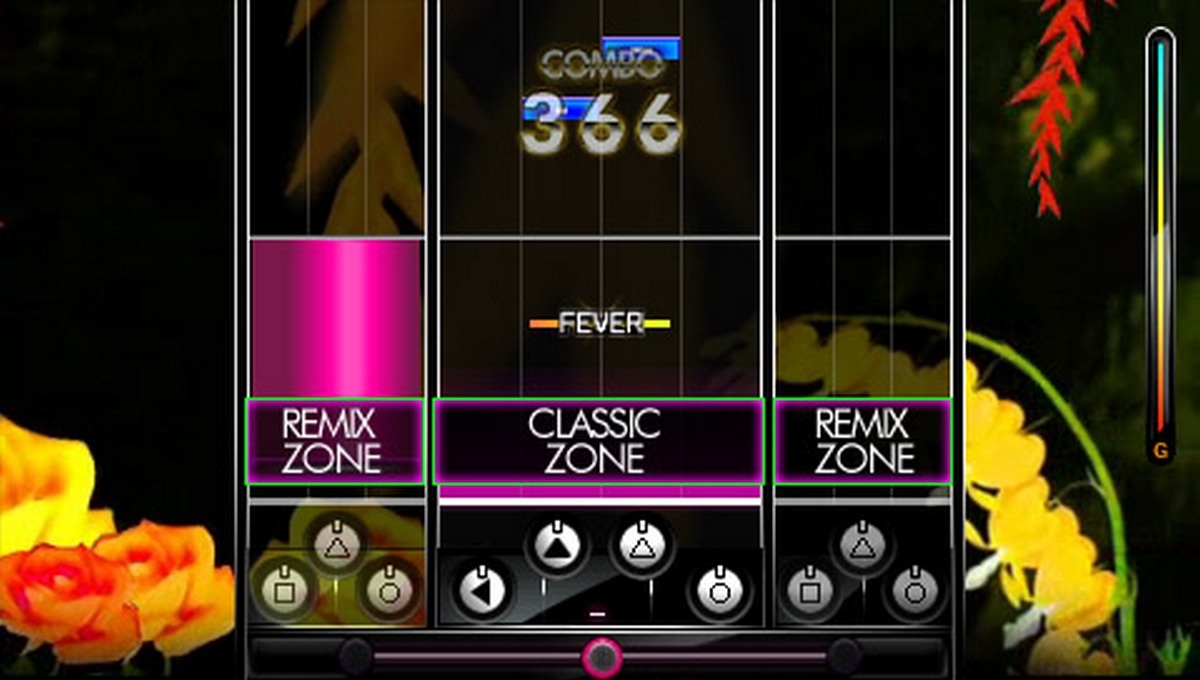
The new model has 3.2 and 4.2 tracks. You use the analog nub on the new sidebar that has purple streams running down it. You play the middle bar as usual, but when a purple stream runs down the side, you move the analog nub accordingly. It remixes the songs, adds a new layer of depth and fun to the game, and makes it even more addictive.
If you aren’t familiar with the series, you press the corresponding button (depending on difficulty) to see the track icons running down the screen. You are scored on timing, and a percentage will pop up after each hit, telling you how accurate that note was. You will see a little meter filling up in the middle of the screen, and when it’s full, you activate your fever mode to double your multiplier. In Portable 3, you can stack these up by getting your meter up again fast enough to add on top of the multiplier. Once you finish, you are scored, and as you level up, you unlock new gear and collectibles.
Portable 3 also lets the unlocking come much quicker, and there’s more to unlock. There are more characters, gear, notes, wallpapers, videos, etc., and it’s all great. Of course, if you get bored with the arcade mode, you can unlock missions, and these have certain parameters, such as getting a certain score, hitting a certain multiplier, or breaking under a certain number of times.
DJ Max 3 is well worth the purchase for series fans and newcomers alike. There’s enough content to unlock to keep you very busy, and replaying the excellent song roster is very enjoyable. I hope to see further changes in DJMP4 because this series has lots more potential.














































 thebinarymessiah.com
ORC is probably the worst game in the entire series. It's objectively awful. Being bad isn't different. Different is Outbreak…