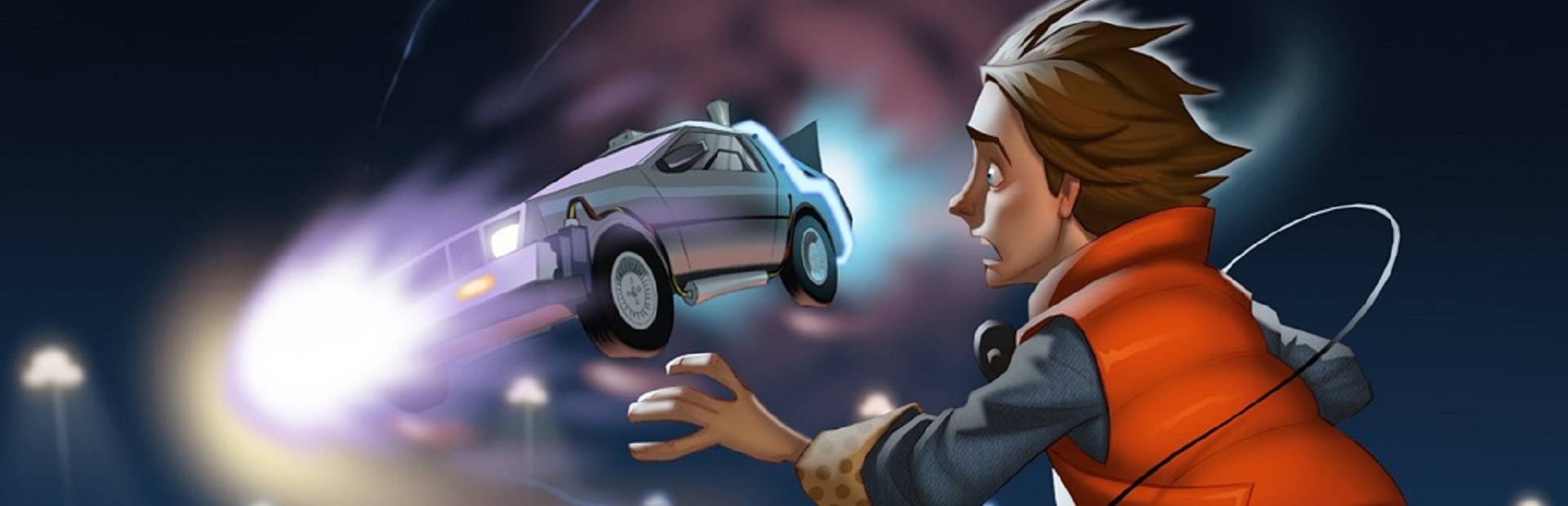
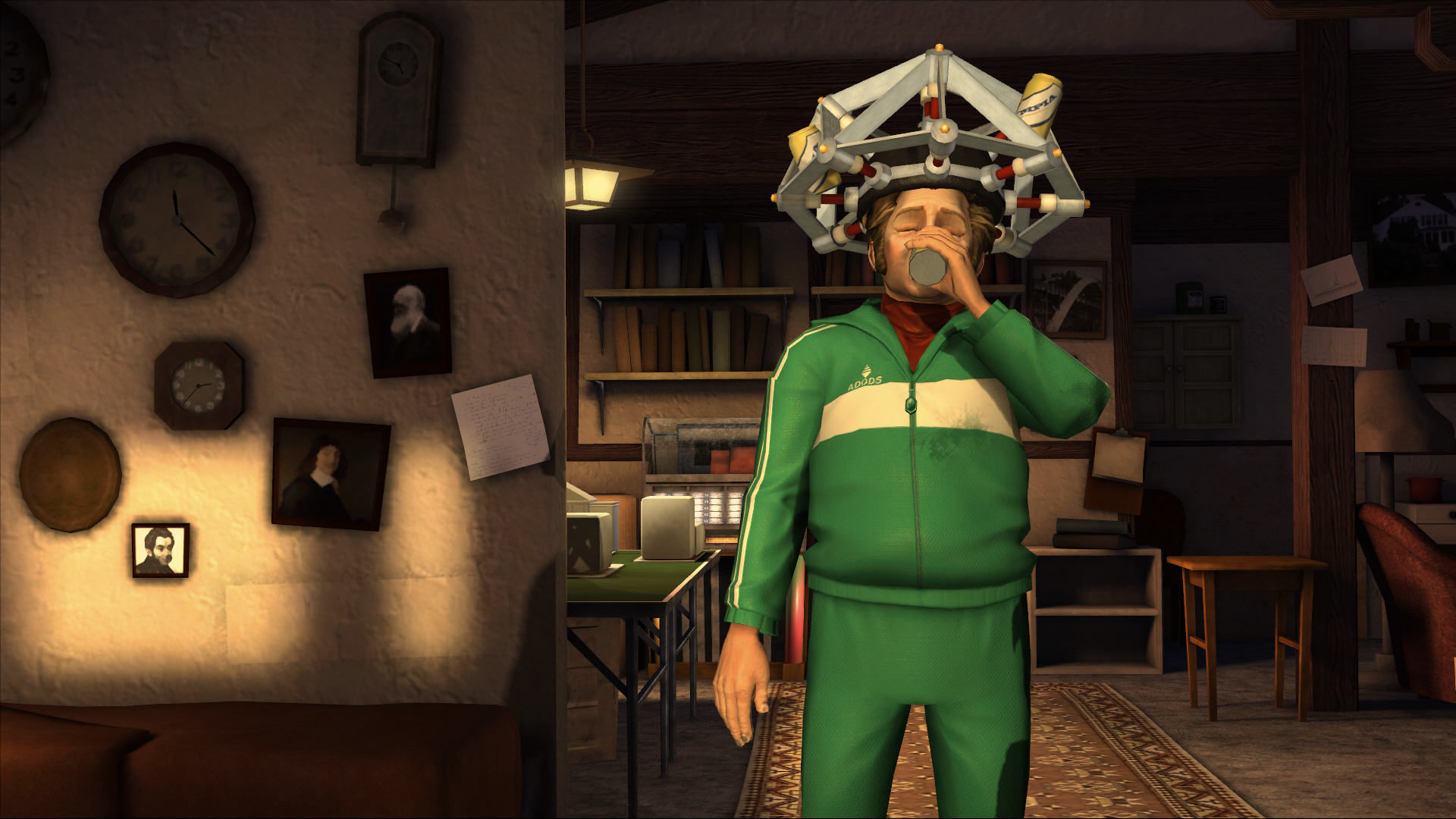
Back to the Future hasn’t really done well when it comes to games. There were a couple of bad games in the 8 and 16-bit eras, but Telltale Games finally picked up the license and injected its excellent adventure formula into the beloved series. You play Marty McFly, who has to go back in time and save Doc Brown from his own deadly fate. He gets a message from Doc to save him, and Marty must find out how to do it with the help of young Emmet Brown.
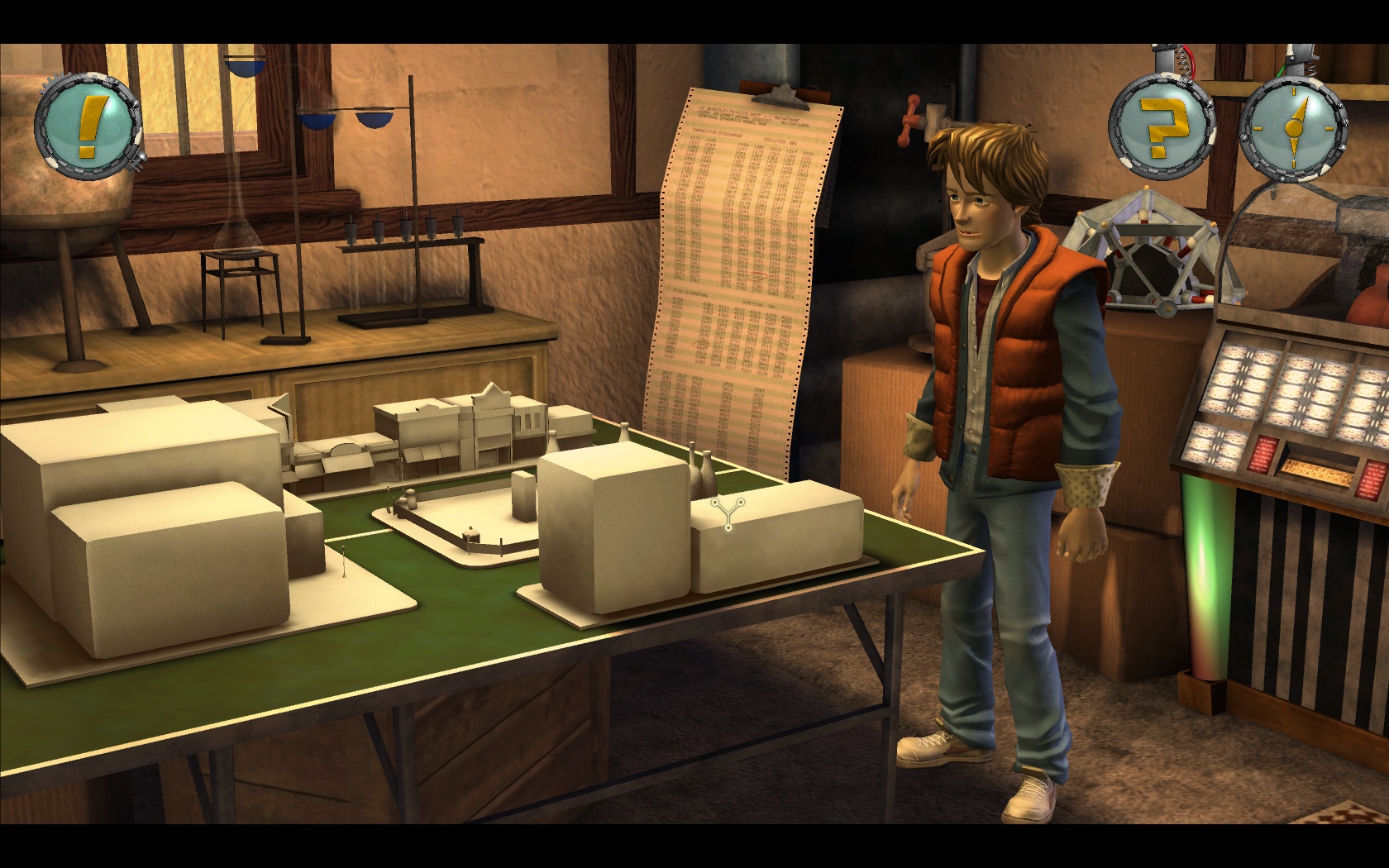
The story is original but uses the BthF license very nicely. The voice actors sound almost spot on, and everything from the DeLorean to Doc’s dog Einstein and even Marty’s relatives is voiced well and resembles their live-action selves. It’s great to explore the BthF universe with the same clever writing and storytelling. There is a simple adventure game interface where you click around on objects and listen to Marty explain them, but the puzzles are more involved than just slider puzzles or matching symbols. The puzzles are broader and story-driven, and that’s what Telltale is famous for in their Sam & Max games.
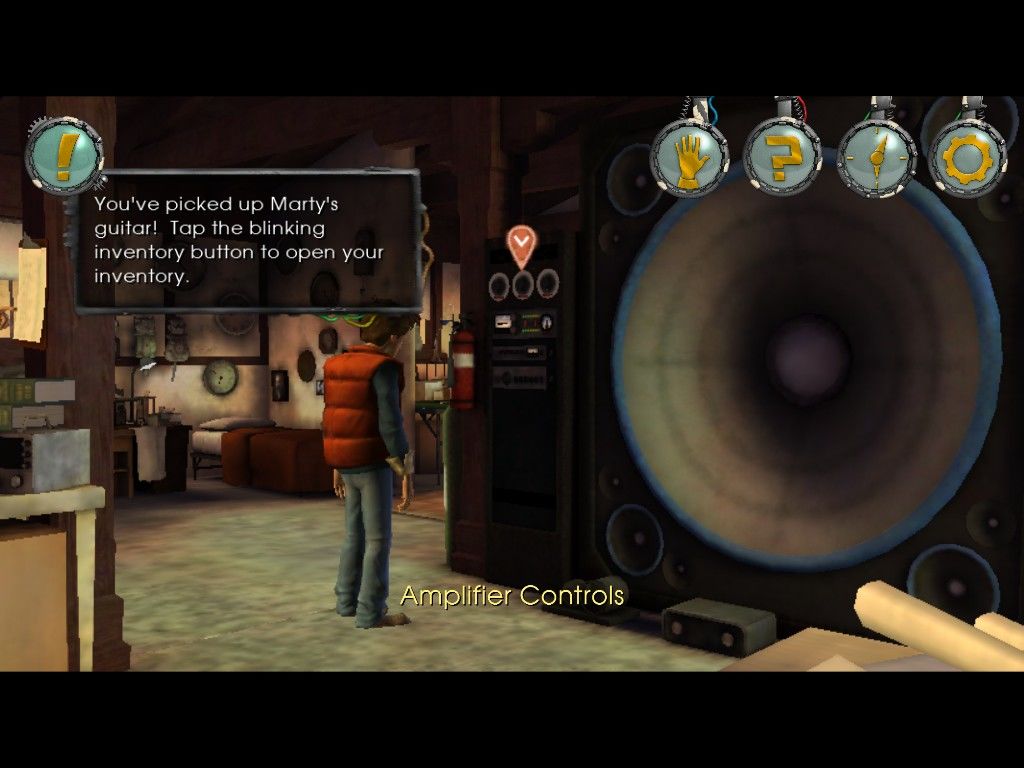
You can have items in your inventory, but you don’t just wander around and use them for every pixel in the game. It’s usually pretty obvious to use your recorder to record young Doc’s mumblings so old Doc can solve them. You aren’t overburdened with a ton of items that you have to constantly use a million times on everything, so it’s straightforward and simple, but you do have to think a bit. One great feature to resolve pixel hunting is a button that will show every icon you can interact with. This saves time and frustration, so you’re not wandering around and missing that one item that’s almost off-screen.
While the interface and interaction are smooth and simple, the game is very short, and it’s still lacking some gameplay depth. I would like more cerebral puzzles, but Telltale is more about the story than anything else. The game doesn’t get super exciting until the last 30 minutes of the last two sequences. You can beat the game in one to two sittings (about 3 hours), so for $25, the game is highly overpriced and not worth the money unless you’re a die-hard BthF fan. I would wait for the full season to come out and not spend a ton of money on each episode. Also, the graphics are pretty horrible considering the nice art style. Telltale really needs to upgrade their 8-year-old engine to something more modern.
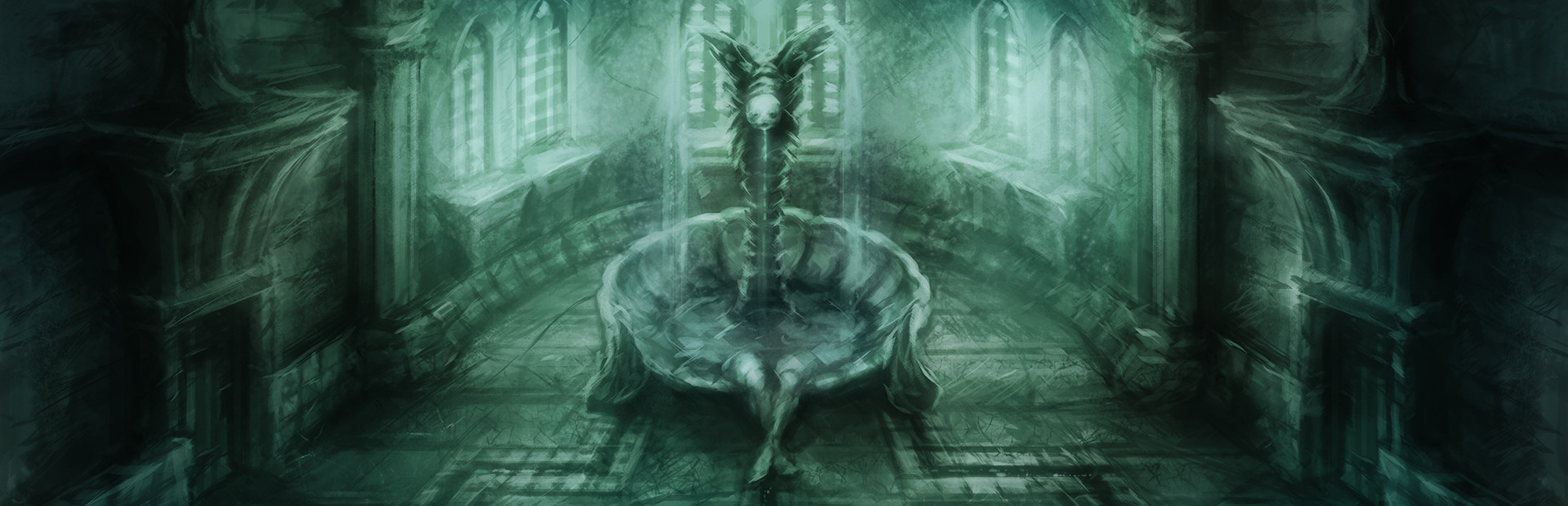
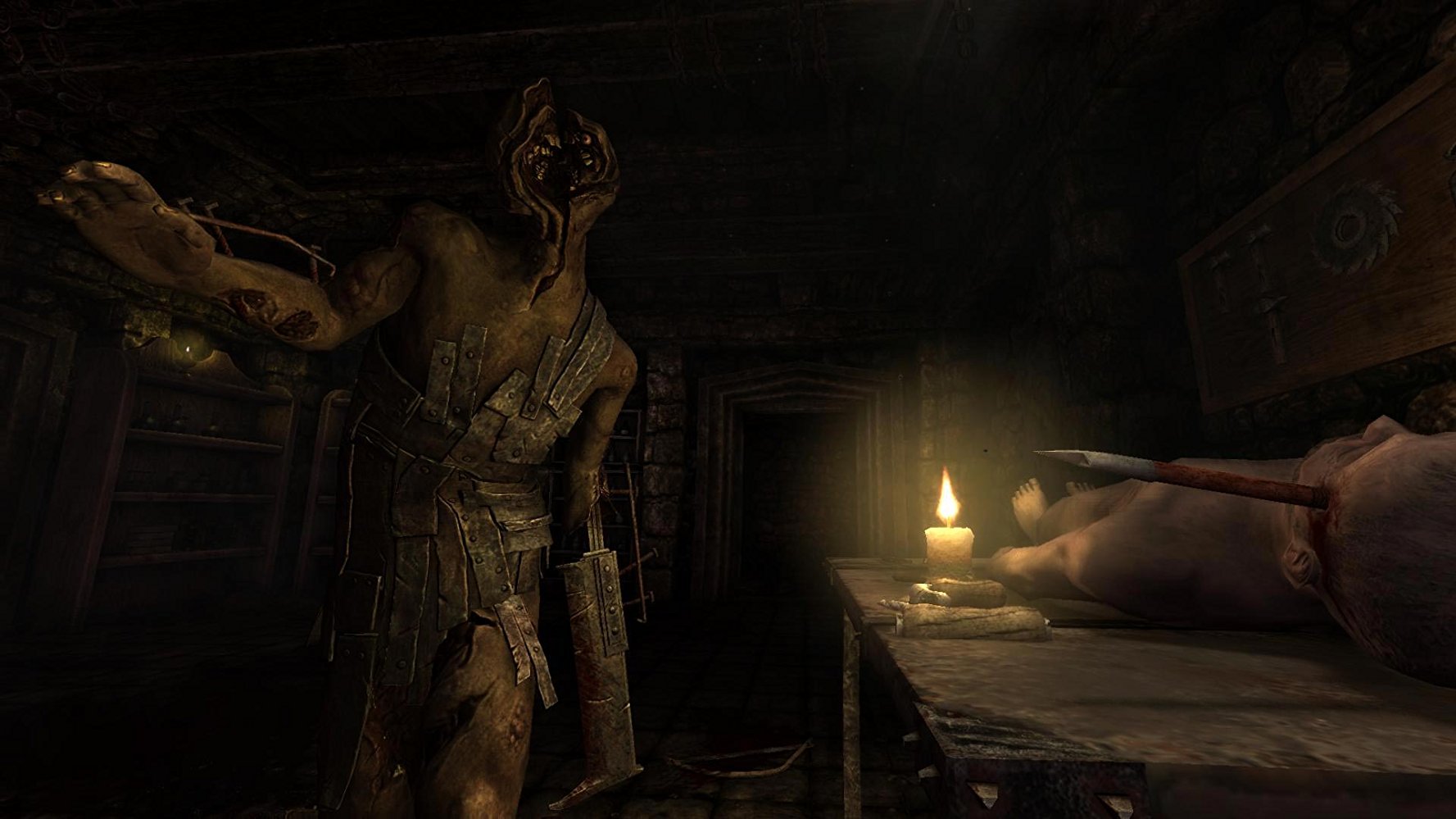
The survival horror genre is probably the fastest-dying of them all, but it’s games like Amnesia that really get the spotlight when they hit it home on the scare factor. Amnesia stays true to the genre, and this is due to the fact that there’s no combat whatsoever. Zero, zilch, nada, you can’t fight. If you see a creature, you have to hide or run, and this is what adds to the tension. If you can fight, you can just kill it, but if you can’t, then you have to really think about what to do, which can make you not want to continue.
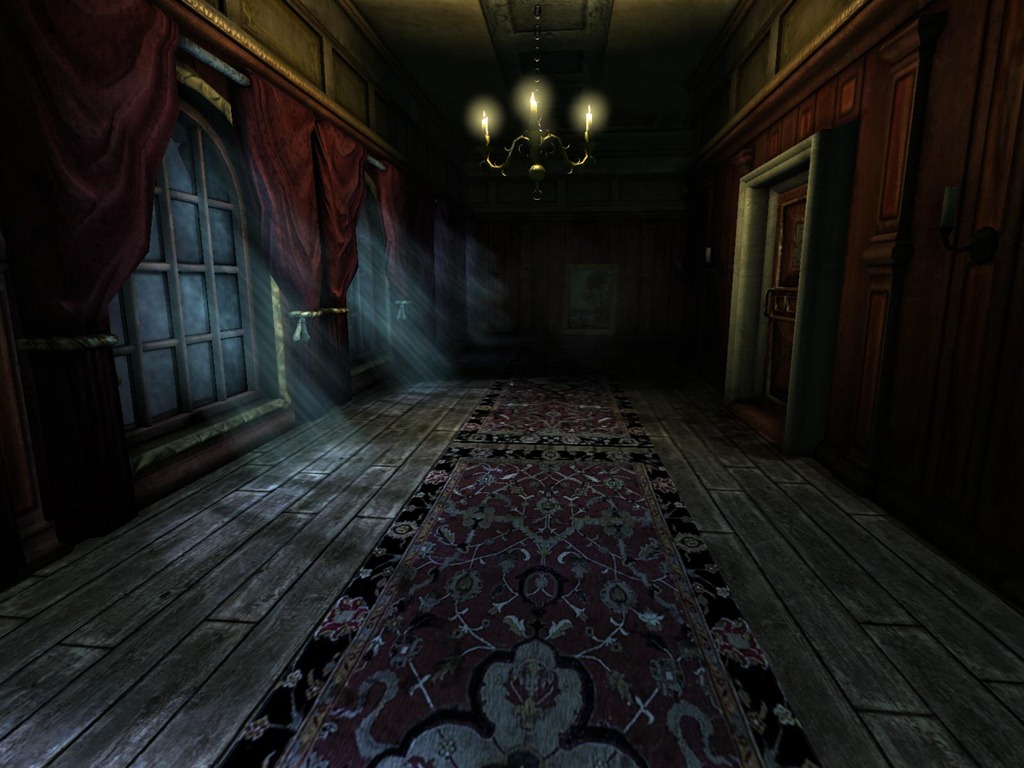
Amnesia may be a first-person adventure game, but your only weapon is light and against your own insanity, not creatures. Staying in the light is key, and oil for your lantern is as precious as 9mm ammo in Silent Hill. It’s scarce, and you try to savor every drop or just use tinderboxes as an alternative. You can light candles, lamps, or any source of light to guide your way to preserve oil or if you run out. Daniel can see in the dark somewhat, but it’s hard to solve puzzles like this.
As your sanity slowly drains, you will hallucinate, walk slower, the screen will distort, and creatures will hear you. Seeing traumatic scenes can do this too, as can looking at creatures for too long. You will also lose sanity if you don’t progress or solve puzzles, so it keeps you on your toes, but don’t worry, I only encountered a couple of times where Daniel went totally insane and lost it. You’ll more likely go insane from fright before he ever does.
And that’s the thing about amnesia: it frightens you with atmosphere, pacing, and tension from the environment instead of zombies popping out. The music and ambiance are haunting, and they make you paranoid throughout the whole game. One scene had me in a room where I was picking up a letter, and suddenly something started bashing down the door. I literally jumped and tried to find a place to hide. A wardrobe! I grabbed each door and swung them open and hid, and as I peeked through the crack, Daniel started freaking out, so I had to not look. I heard the creature breathing, moaning, and moving around, and I was afraid it would start bashing down the wardrobe! It soon turned away, and I could continue hunting for puzzle solutions, but was I ever so scared?
The haunting story doesn’t help either, with you just waking up in a castle and not knowing who you are. You read letters along the way, trying to discover some orb and stop the shadow from consuming you. I can’t go into more detail because it will spoil the story, but it’s very creepy and disturbing and was well put together.
The second part of the game is the puzzles. These vary from object hunting to physics and pathfinding. I have to admit that Frictional has always been known for obscure puzzles, and some of the time I didn’t know what to do and was completely clueless. You rarely get hints, and this can lead to frustrating backtracking and pixel hunting, so an FAQ needs to be handy. Other than that, the puzzles were clever and really stuck to the story, and they all felt necessary.
Amnesia is a horror classic and is even better than Frictional’s Penumbra series. This game will scare the pants off of you; it even clocks in at a nice 6–8 hours and has three different endings to see. I really hope for a sequel or another game similar because Frictional found the survival horror sweet spot.
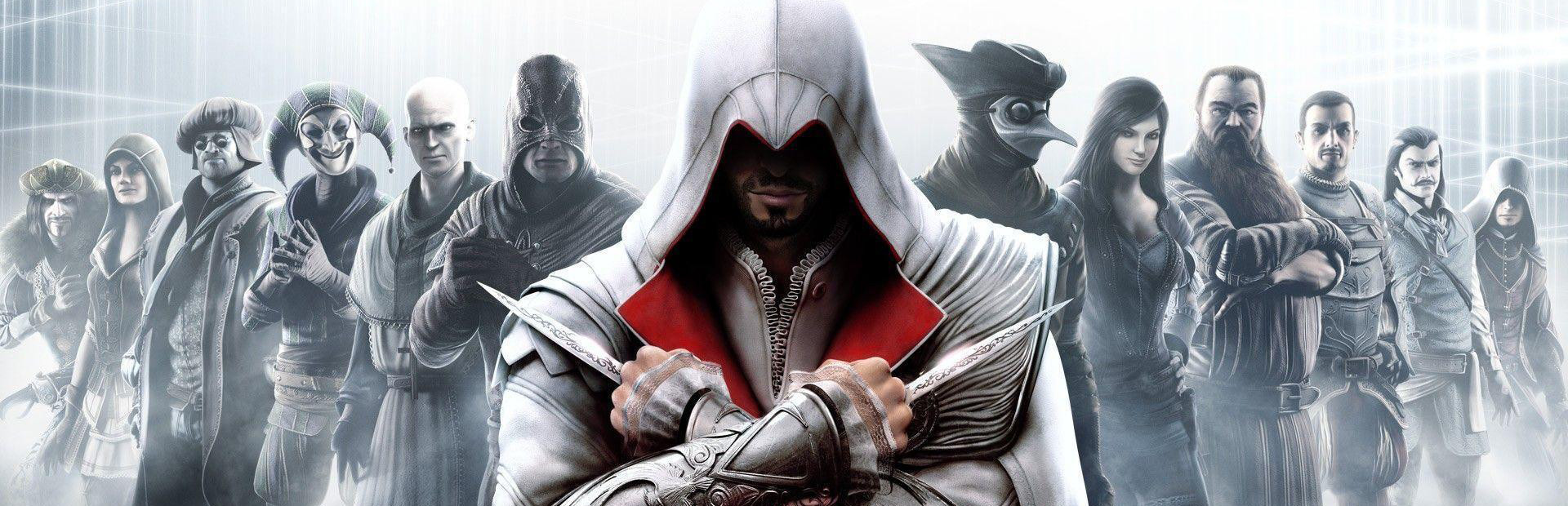
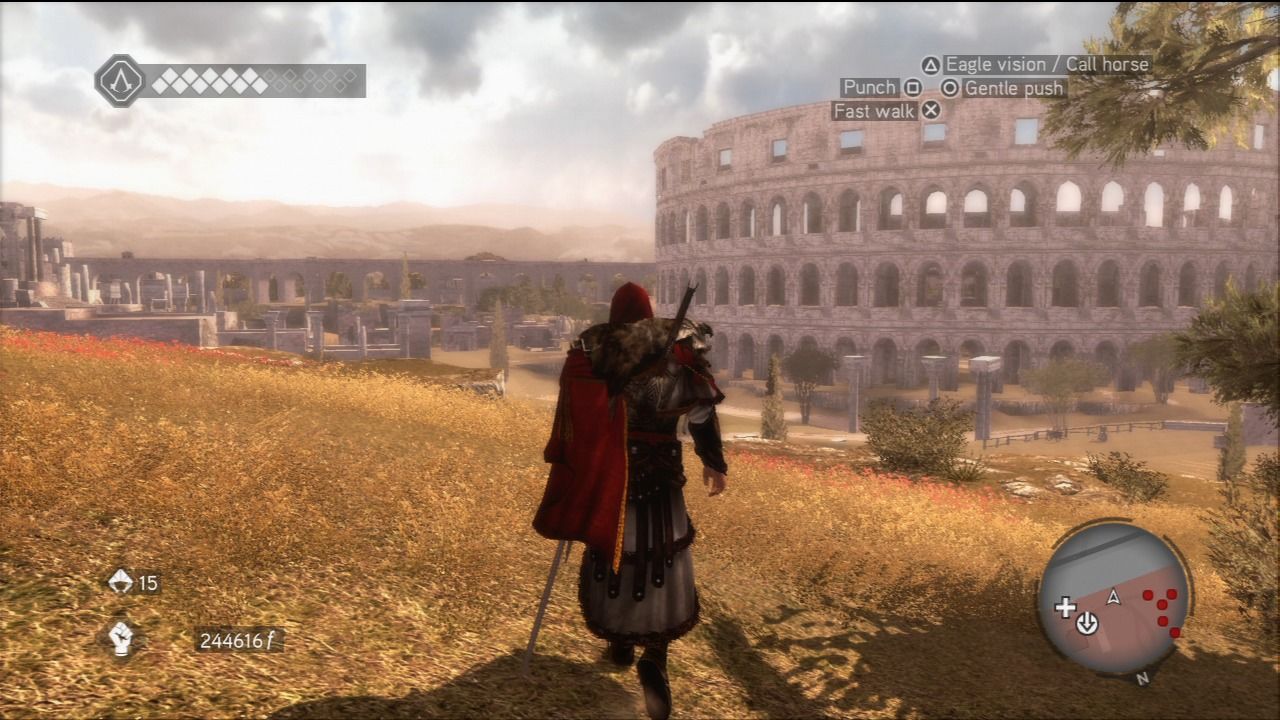
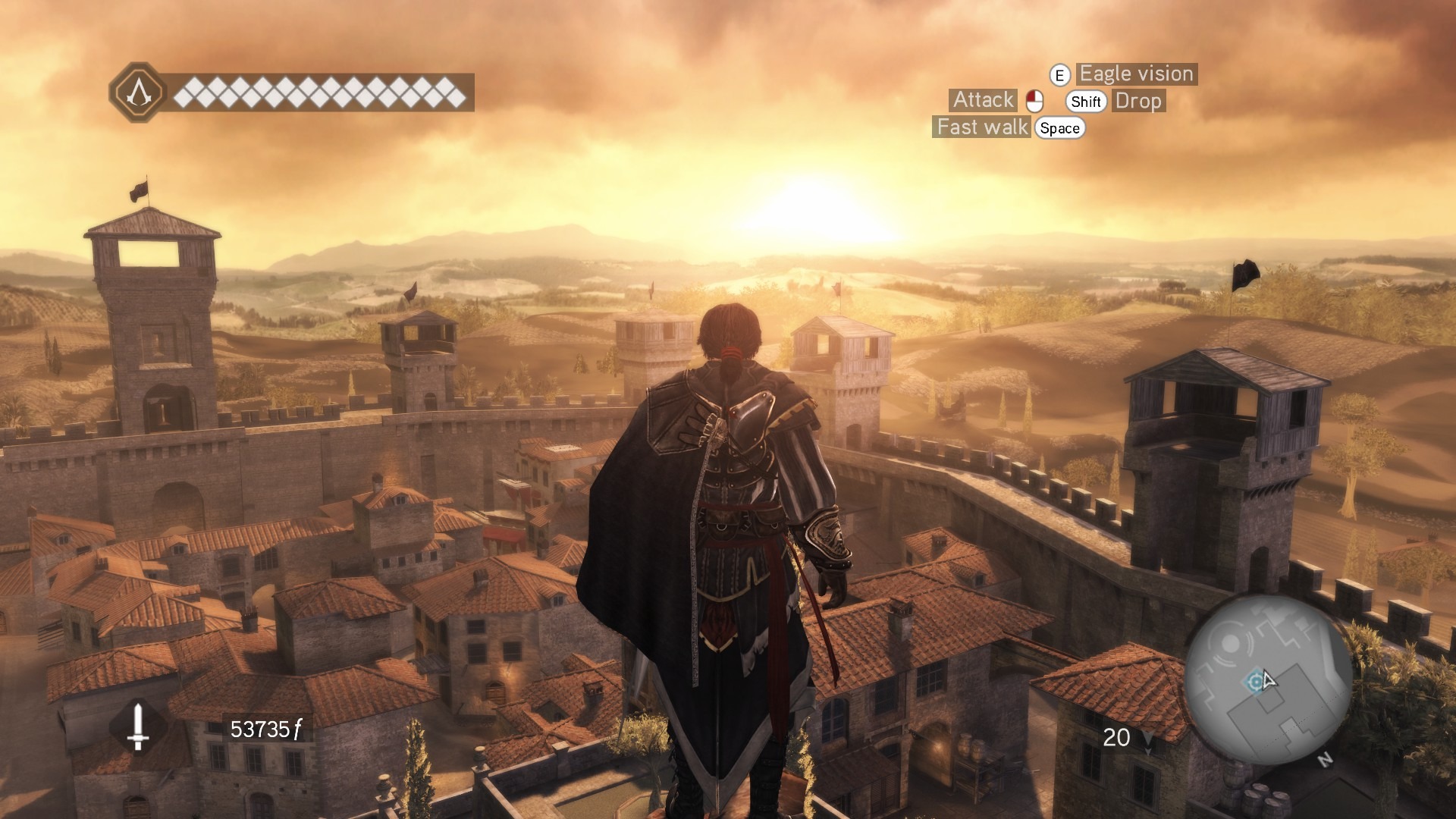
Brotherhood is one of those sequels that was thought to be just a cash cow tie-in for II, and everyone forgets about it. In fact, it was supposed to be a multiplayer-only add-on, but a few months before release, we realized it had a huge single-player experience that was bigger and better than II. This is what sequels should be like, especially if they borrow everything from their predecessors. Brotherhood isn’t a true Assassin’s Creed sequel like II was to the first one, but a new chapter in the amazing universe of 1500s Renaissance Italy. This time the game is set in Roma (Rome), and it’s huge, and there’s a lot more to this game than one skeptical fan might suspect.
The story is just as engaging, if not more complex, than II. Ezio is now older and the leader of the assassins, and he must stop the Borgia reign in Roma (since he failed to kill Rodrigo Borgia in the second game), but Rodrigo himself is only seen twice in the game and briefly. It’s all his minions and the fight against Cesare that are the main focus here. The game still has a deep political plot that ties in with real-life situations and people at the time.
Along with that, you can also play as Desmond Miles outside the Animus, and he has a bigger gameplay part with a whole section dedicated to restoring power to today’s Auditore Villa for the team’s new hideout to find the Apple of Eden and stop Abstergo and the Templars. While you only see these guys at the beginning and end of the game, you get another cliffhanger ending that will lead to the third game, as well as a great conclusion to Ezio’s story.
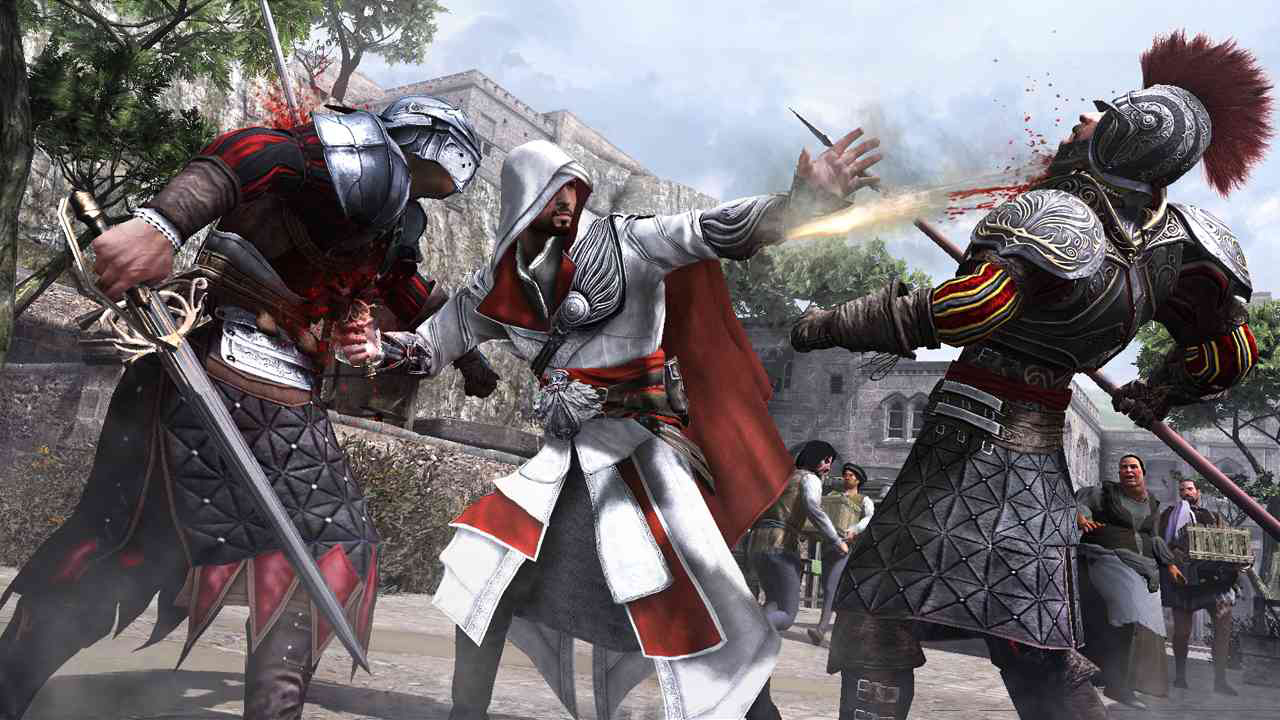
The game plays exactly like II, with no changes to gameplay except for some added stuff like a new crossbow, which is a godsend for killing stealthily from far away. It’s great to do a mission and wipe guys out with a crossbow and not get detected by those hard-to-reach guys. There aren’t any newly added weapons besides that, but combat is enhanced slightly, so it’s not such a counterfest. You can kick enemies, combo Arkham Asylum style, and even do some nice executions with the pistol. This is a nice change to combat and makes it a little more fun. You can also call in assassin recruits to help you, and this is extremely helpful, but more on that later.
Despite the main chapters, there are more side missions than you can shake a stick at. The side missions will take a good 20+ hours to complete and are tons of fun. You have the Borgia towers that have to be burned. These have to be burned down to buy closed-down stores and restore areas and landmarks. You have to enter a restricted area, kill the Borgia captain, then climb the tower and burn it down. There are quite a few, so these will keep you busy, and finding and killing each captain is different and challenging. On top of this, you can buy stables, blacksmiths, doctors, art stores, tailors, faction buildings, banks, and landmarks to restore Roma 100%. You will increase the city’s income, which will be deposited in a bank every 20 real-world minutes.
There are other side missions for each faction (thieves, courtesans, and mercenaries), as well as assassination contracts, Christina missions, finding more The Truth files (10 this time), and now Lair of Romulus missions, which have six in all and are much like Templar Lairs. After you find all six keys, you can unlock the Romulus armor, which is like Altair’s armor in the last game. You can also go to pigeon coops and play a mini-RPG that lets you send your assassin recruits out on missions based on their experience. Missions are based on difficulty, and you will see a percentage bar on how successful they will be. Send more than one to fill it higher, but if they come back, you can upgrade their armor or weapons, and when they reach level 10, you can make them full assassins. These are also helpful during missions since you can call up to three, or call them all for an arrow storm, and kill all enemies on-screen. It’s great to call an assassin on someone you can’t reach and then go in further without getting detected.
On top of all this, these missions can only be synched 100% if you complete the challenge, such as using your hidden blade and completing it in this amount of time. Don’t kill this person; only kill this person. It adds a surprisingly huge amount of depth to the game and makes playing missions (both side and main) more interesting and challenging.
Now the multiplayer is a really fun and surprising addition to the series. There is only one mode, and it’s all about a free-for-all cat and mouse hunt. You are given a target (another player out of 7), and you must use your abilities and skills to kill them while you may also be pursued. So you have to find your target and keep from getting killed yourself. The game has a Call of Duty-style perk and ability system that lets you customize load-outs as well. The game is very addictive and keeps you on your toes. You must blend and try to just act natural since NPCs also have the same looks as other players. There are many characters to play as, and each has its own unique abilities. The multiplayer will keep you hooked and make you come back to the game long after the single-player is exhausted.
With tons of new content, great new characters and a story, and an awesome multiplayer suite, Brotherhood is an example of what sequels should be like. I highly recommend this to fans of the last game and anyone who loves the variety in their games.
Collector’s Edition: For an extra $40, you get a Jack-in-the-Box with either the Plague Doctor or Harlequin (depending on what store you get it from), as well as a bonus DVD, extra maps (one exclusive to the PS3), a playable multiplayer character, an art book, and the soundtrack. This is a huge value for $40 and is a must-have for fans. The Jack-in-the-Box is made a tad cheaply with weak springs, and getting the things to close is annoying, but the figure itself is high quality.
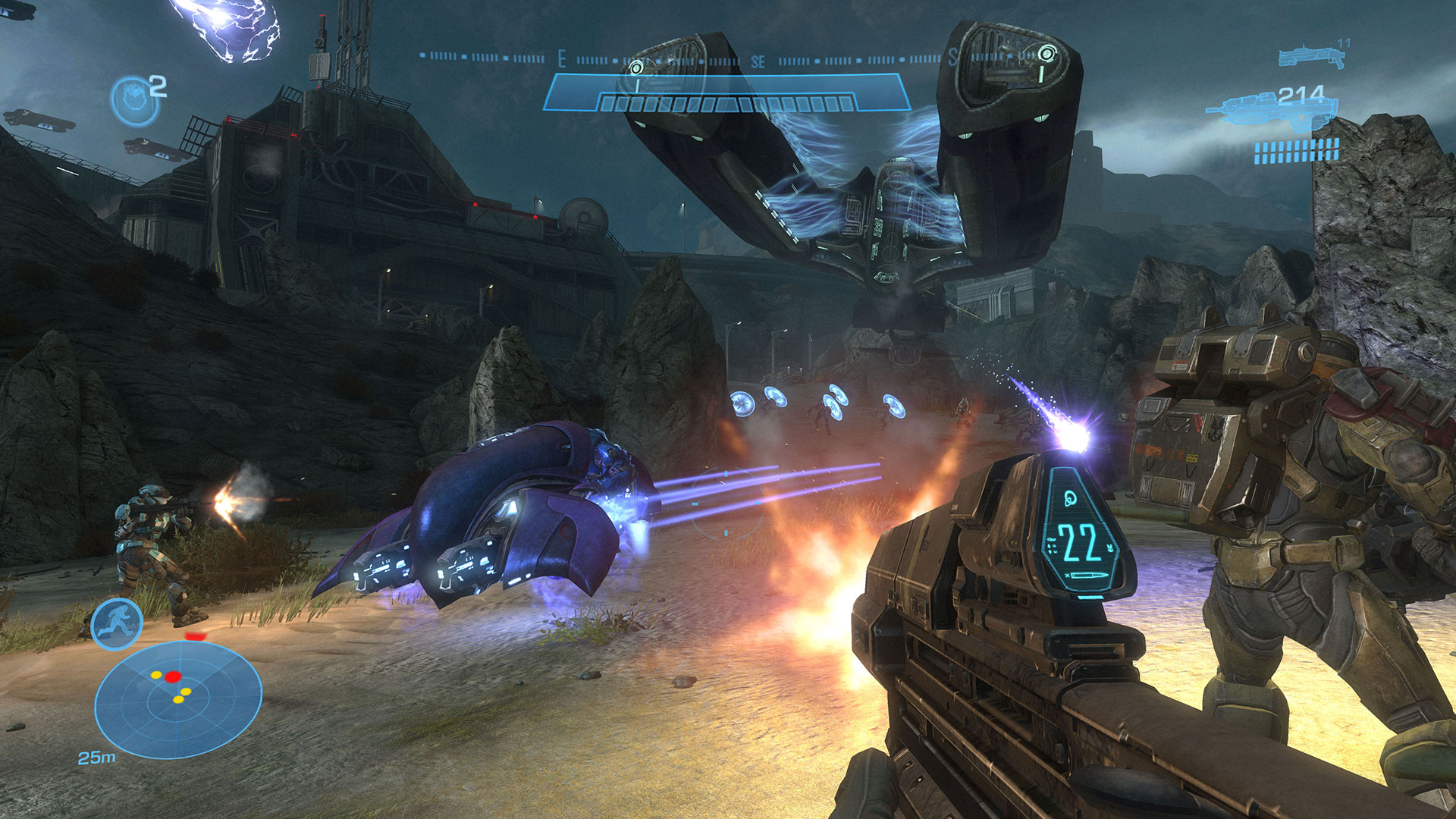
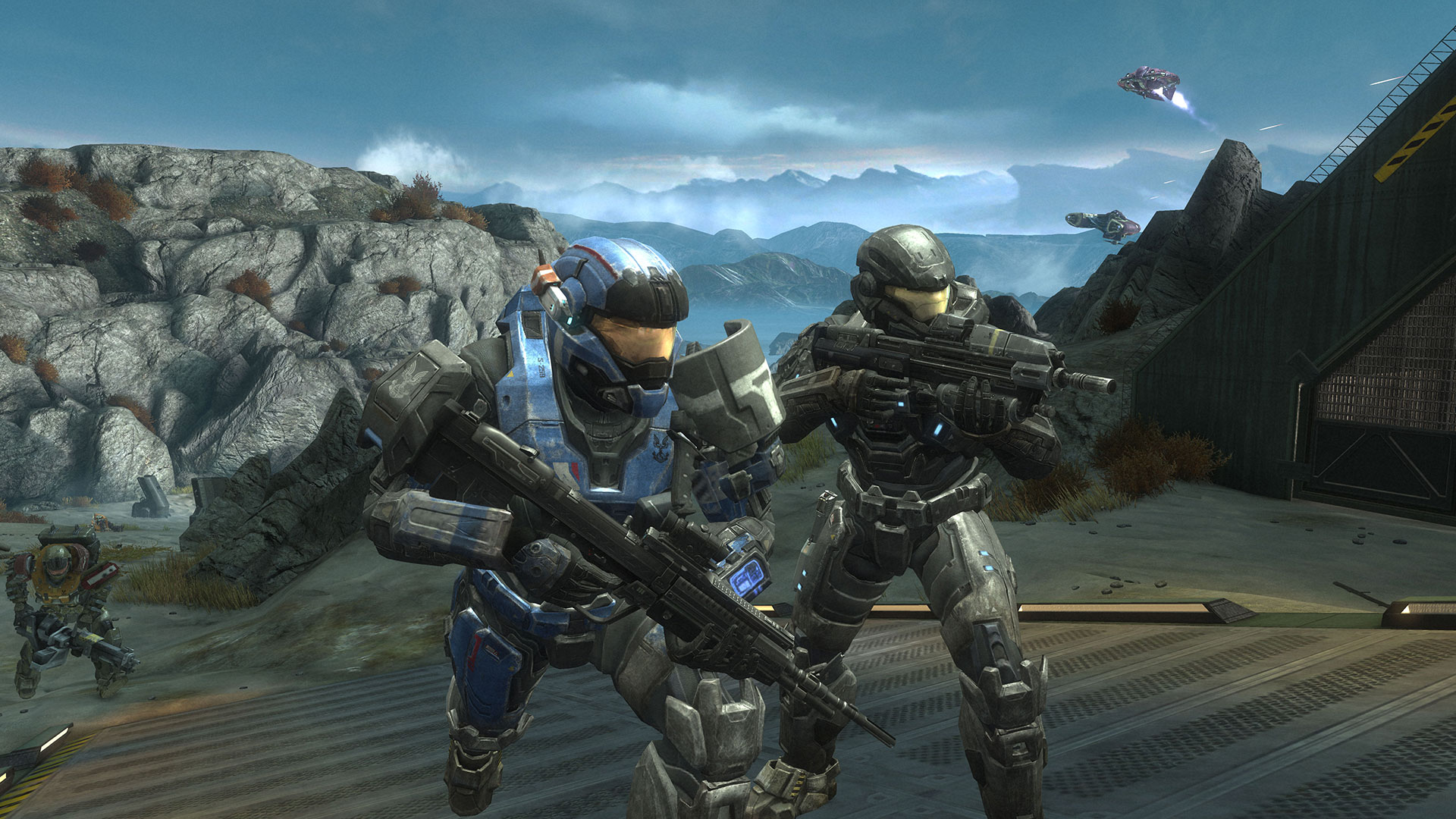
Halo. That word is loved and hated by many, but Halo did help define the FPS genre and FPS multiplayer for consoles. If it weren’t for Halo, we wouldn’t have to regenerate health or have solid FPS multiplayer, but Reach perfects the Halo multiplayer in many ways, but before we get there, let’s dive into the single-player campaign.
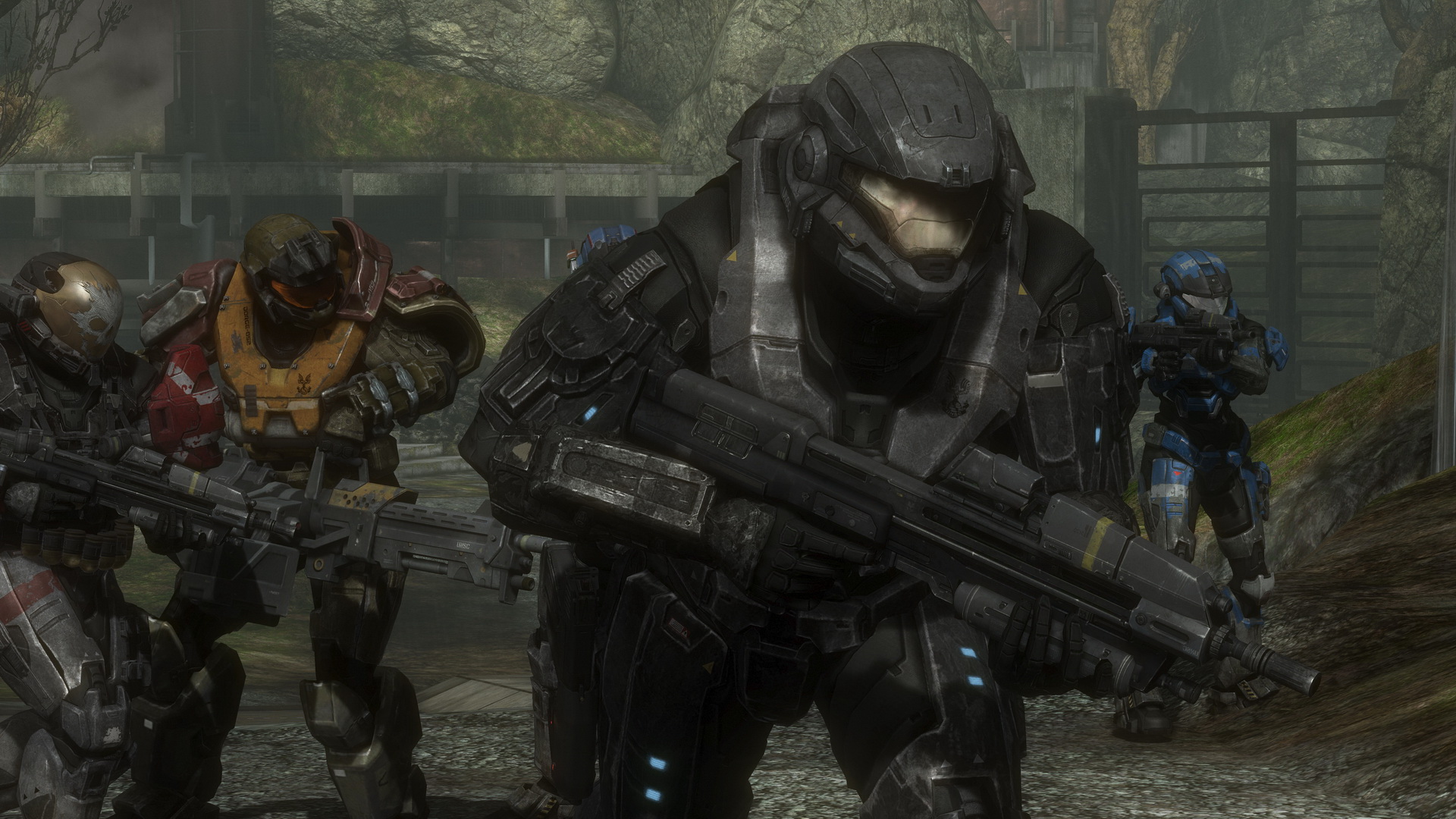
Reach has you playing as the generic Noble 6, who is part of other numbered Noble team members. You can create your character this time around and swap out different armor parts, but you have to advance your rank and earn credits through multiplayer and playing the campaign. This is more of a gimmick and doesn’t do anything other than add filler to the already-bloated series. After the disappointing ODST, we get another campaign with more nobodies instead of a master chief. The game is set before the first one, so you are experiencing the first contact with the Covenant. You are just hopping around Reach trying to save the planet only to realize you can’t, and then you have to use desperate measures to save the human race, but the story doesn’t get interesting until the final cutscene (surprised?) and it’s a shocker.
The game is pretty much another recycling of the same Covenant aliens with better graphics. The same grunts, elites, brutes, and even vehicles—you name it. Is it ever exciting? Maybe in the very beginning because it’s been a while since the last Halo, but after the first couple of chapters, you just want the game to end already. The game just adds everything we’ve seen since 2001 and even takes away dual-wielding, which is good or bad depending on how you look at it. There are maybe one or two new weapons and vehicles, but everything’s been recycled so much I can’t tell! They couldn’t even add an iron sight option since the left trigger is no longer used for a second weapon. C’mon!
Other than that, the mission structure is the same. Kill this wave, press this button, defend this place, backtrack, and re-kill Covenant that suddenly appeared again. It goes on for ten chapters! There are a couple of space flight missions that are kind of fun, but it’s not enough to keep you from yawning at the rehashed crap. Sure, the campaign is solid and challenging, but it’s not as spectacular as, say, Halo 2. At least the flood is absent, which is a godsend!
But after slogging through the campaign, you’re going to come back for multiplayer, right? Right. Which is the best the series has, with tons of modes and playlists, all the modes we’ve grown to love, and a mix of favorite maps from past Halo campaigns? I’m not a Halo multiplayer vet, so I can’t tell you every tiny change, but I know enough that saving every match, sharing with friends, picking through their highlights, and so on is a lot of fun, and the Forge mode has been re-done to be a little more intuitive, but it’s still no LittleBigPlanet, or say, TimeSplitters. The new daily challenges are the biggest incentive to come back since they advance your rank. They change daily and are a lot of fun to aim for, but the only thing you can do is unlock stuff in the armory with this, and that’s not too exciting on its own, but it’s better than nothing.
Reach is also the best-looking game, but it still doesn’t look up to par, and this is sad for Microsoft’s flagship series. The game looks good technically, but artistically, it’s kind of bland. But there are a lot more open environments and not too many indoor ones, so there’s a lot more to look at this time around. All the same, sounds are recycled as well, so you know what to expect in that department. With a so-so story, characters you can’t get attached to, and a great multiplayer suite, maybe Reach should have been multiplayer only? Sure, no one would miss the campaign, but it’s there. If you want to play through it again, go online and play it co-op, even if you have to, or try the hardest difficulty. Actually, scratch that, it’s almost impossible.
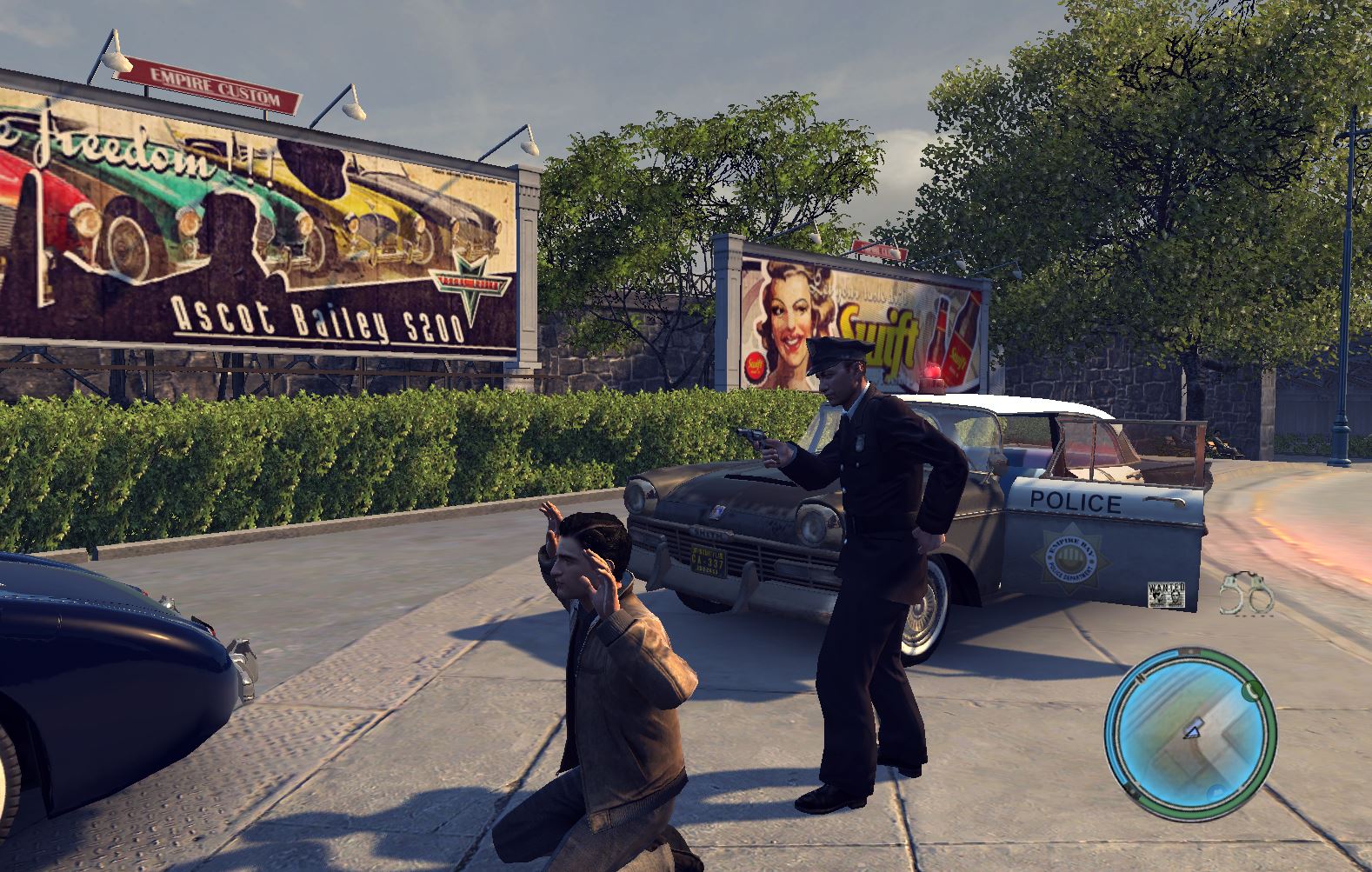
The original Mafia may not have been the best shooter in the world, but it gave us a great narrative and likable characters, and Mafia II tops this. You play as Vito Scaletta, whose parents migrated from Italy to New York, and you follow him through his ups and downs in the Mafia. The game’s narrative is amazing, with lots of plot twists and excellent character development. The game isn’t just mind-numbing shooting, but it’s delicately spread out with menial tasks and interactive narrative bits that really keep you hooked.
For example, you start out during WWII in Italy, helping the rebels. This is completely unexpected and is a nice touch to delivering the background of Vito. Another bit I cannot explain (due to huge spoilers), but let’s say you do some gross tasks and some hand-to-hand combat in a place you don’t want to ever end up. You will actually go through 3–4 chapters with no shooting at all, and this makes you savor the shooting bits because they get thrown in a lot in the last few chapters.
The shooting has tight cover mechanics, and the 50’s-era weapons pack a punch and really feel powerful. Knowing a guy out with a shotgun or even popping a guy in the head with a.44 Magnum just feels right. I never experienced issues during firefights with controls, and this is great, so the shooting part is pretty much perfect.
Of course, you have a huge open world, but I guess the biggest flaw of the game is that it’s only used as a “portal” to mission objectives. You don’t go around and get missions from people a la Grand Theft Auto, but maybe this is a good thing and keeps you sticking with the story. Each chapter has you waking up in your apartment, and you have to complete missions as told, and they are varied and never get old. Driving around town feels right, and the cars handle really well. There’s a large variety of them, and driving down the road listening to 50’s-era tunes just feels so authentic. If you aren’t careful and follow the speed limit (there’s a speed limiter button), cops will try to pull you over. If you want, you will have to either change your plates or your clothes.
You can pull into body shops and change the color of your car, repair them, change rims, tune them up, and store them in your garage, or just go sell them at the junkyard. You can buy threads, guns, and food, and it really feels authentic and doesn’t pull too far away from the main game. One thing that you can collect that will completely surprise people are Playboy centerfolds. Yes, fully nude centerfolds, and while finding them may be a pain since they are well hidden, it’s well worth it. These are 50’s Playboys, and they are interesting finds. You can also collect artwork and read about cars in the Carcyclopedia.
The game looks really good with well-animated characters, excellent lighting, and highly detailed textures, but up close, some of the characters look a little lacking in the texture quality department. The game sounds great too, and it’s just all the little details that make the game that much more authentic for its time setting. People arguing in the streets, cops pulling other people over—it’s just really great to see all this detail. However, the 2K Czech could do a lot more with Mafia III, and I’d like to see side missions, a bigger world, and more little extras.
Overall, Mafia II is an excellent game with wonderful characters that you truly care about; the voice acting is top-notch, and everything just feels almost perfect. The game needs more extras and a little something to stray away from the main game, but what’s here works and is solid with excellent shooting mechanics, driving mechanics, controls, and just enough content to keep you going. There isn’t really any incentive to play through this again at all unless you really need those Playboy centerfolds.
Collector’s Edition: If you want to shell out the extra $20, you get a nice poster of ads in the game, the soundtrack, a steel case, the Made Man DLC pack, and a color art book. Is it worth $20? Probably not for most, but hardcore collectors will like this a lot. Most people should just pass, but what is provided is worth it.
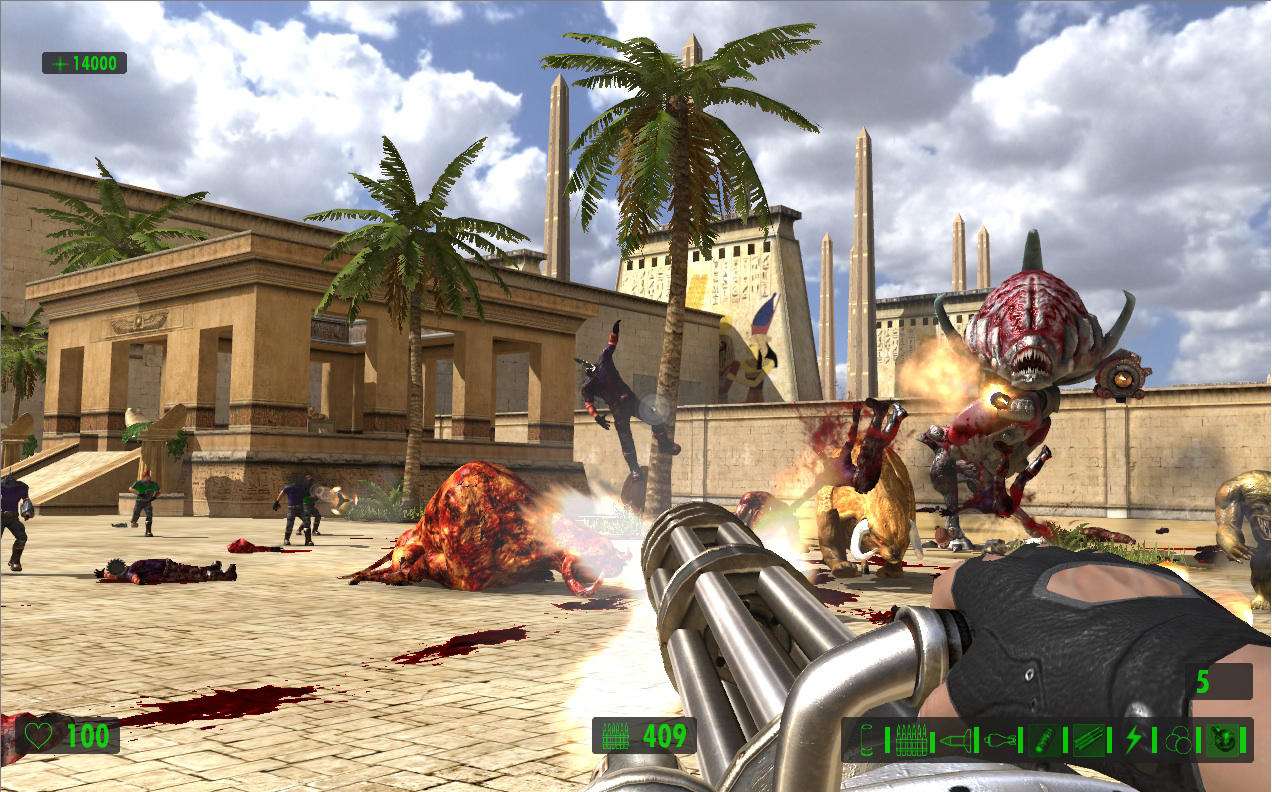
I could never get into Serious Sam, mainly because I didn’t have the (at that time) powerhouse of a computer to run this strange FPS. Serious Sam was in vain of other first-generation FPS games like Doom, Duke Nukem, and Quake. Serious Sam infused strange humor, and that’s what set it apart from the more serious shooters. The HD version is just a prettied-up version of the second game, and it still stands that only fans will enjoy this.
There is no real story attached, but you pay as Sam, who runs around shooting weird, yet interesting, foes with super powerful weapons. Weapons range from your standard array of FPS weapons, such as a flamethrower, rocket launcher, double revolver, shotgun, etc. The foes can be pretty funny, with headless kamikazes that scream, skeleton horses, and just weird, indescribable beings. On top of this, the levels are pretty open and the HD graphics look nice, but it’s not enough to save the ancient gameplay.
We’re so used to amazing cinematic gameplay that just runs and gun shooters seem boring. Not only this, but the weapon selection is a pain because there’s no radial menu of any type or even category. They aren’t even numbered! You can never remember which weapon is which number, so you try to find the right weapon while backing away from enemies, which leads to frustrating deaths. Also, the game is plagued with irritating hidden secrets that are nearly impossible to find. The game is also very hard unless you play on the easiest setting, and your guns never feel quite powerful enough.
While there is a nice variety of environments, they seem static, stale, and lifeless. I would have liked to see more detail, like animals running around, birds flying, and just the extra stuff you see in modern games. I don’t want just an old game with better graphics. Why bother unless you modernize it a little more? Because that’s who’s going to play it. People who are used to modern shooters. I really wish Serious Sam would evolve into a modern shooter, because I can guarantee it would be amazing.
There are a few neat things, like being able to record your game, but unfortunately, no one’s playing online. I would have liked to see some making-of videos, a history of Serious Sam, or something like that. I understand fans of the original will dig this, but the people who evolved along with the genre just can’t get it.
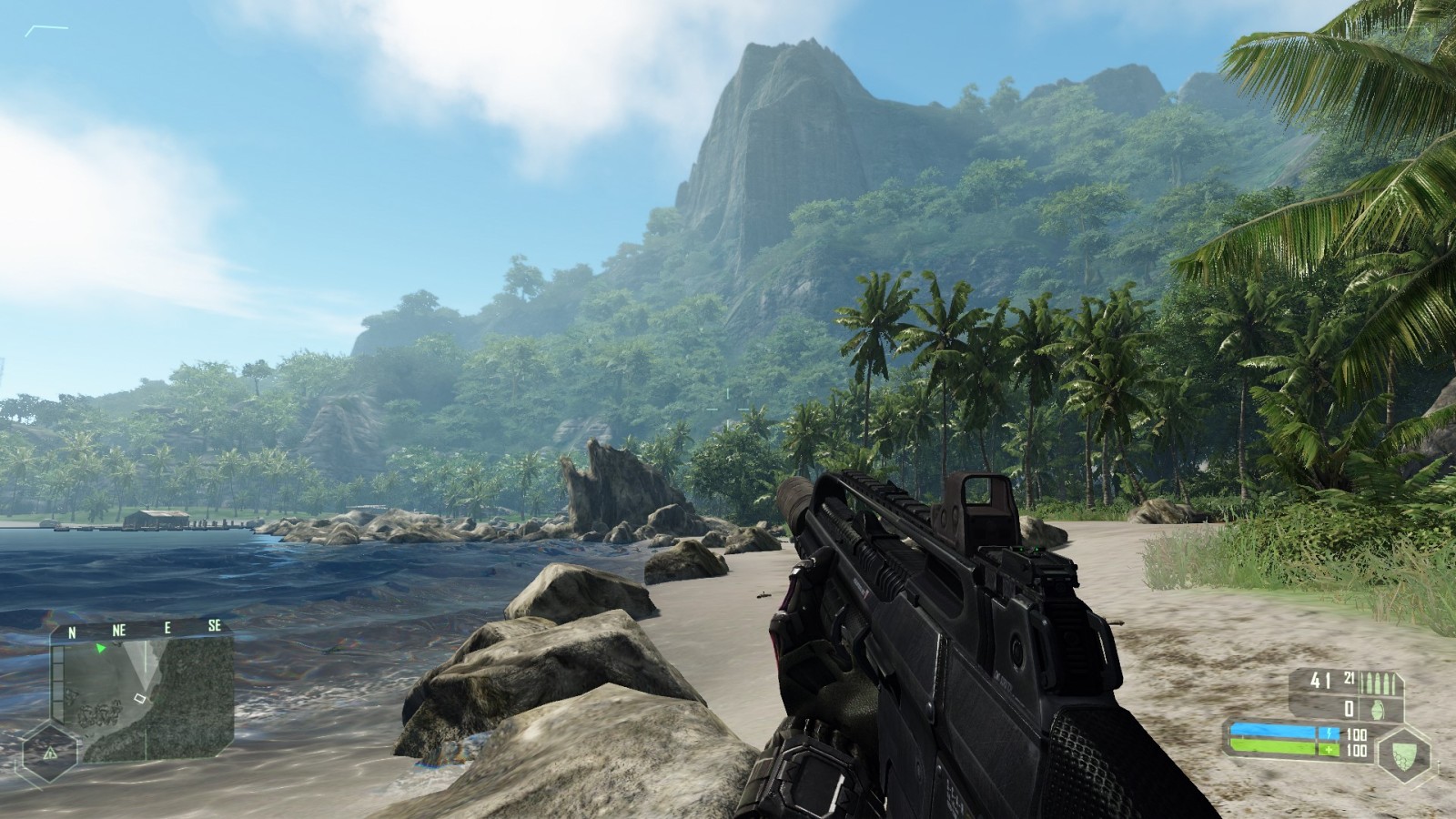
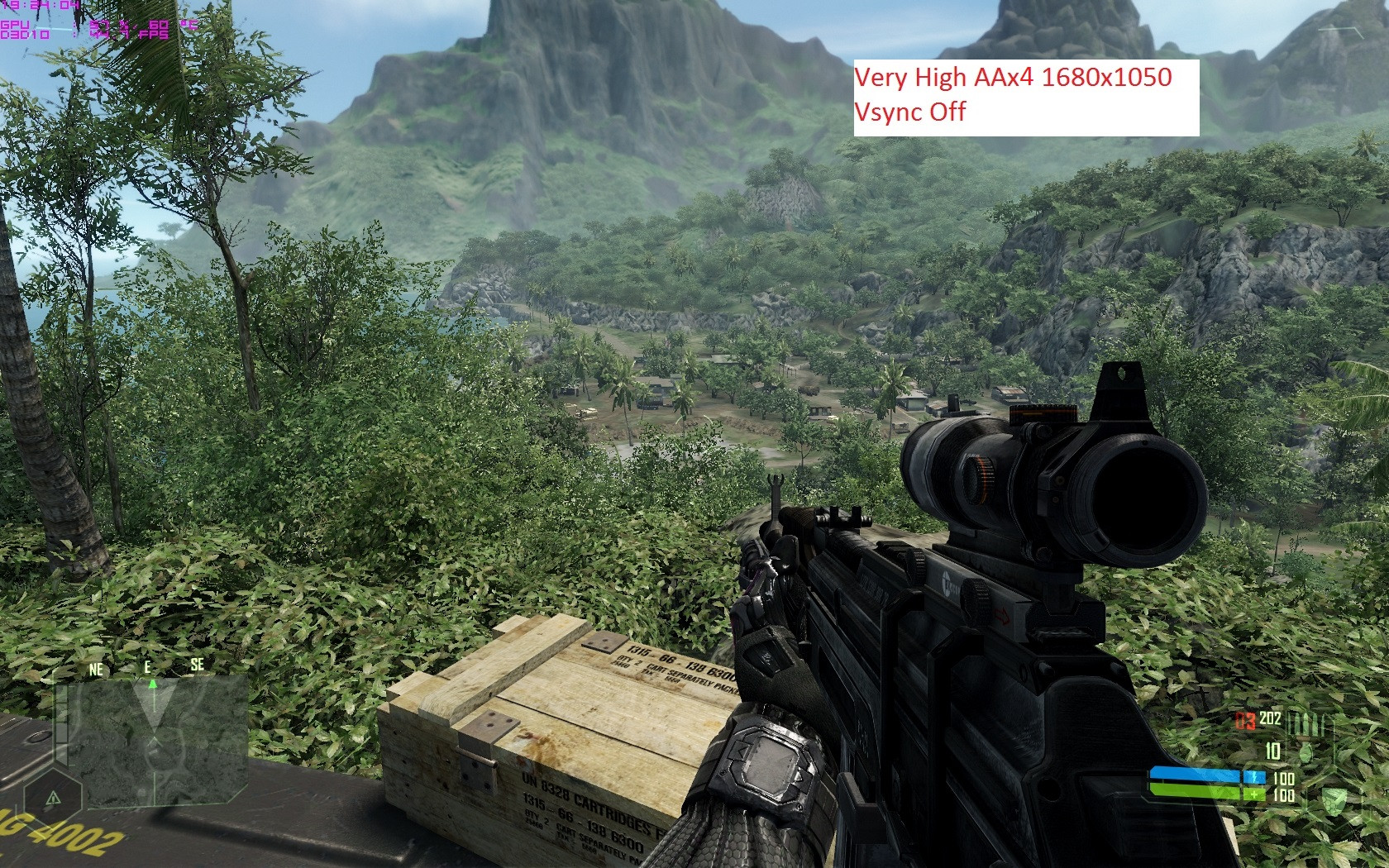
The biggest hype behind Crysis was its looks. Very few people have the hardware to run the game like it should be: all settings are very high and using DirectX 10, and I am one of the lucky few to have the hardware setup to do so. While most people can run this on ultra settings, you won’t find too many who can run it above 30 FPS. My setup was able to handle most of the game at above 20 FPS, but it did dip into the single digits every once in a while. With that aside, Crysis is just stunning, even three years later. Every texture is high resolution, and even when looking at something up close, you can see all the detail in that texture and not just a blurry or pixelated mess. All the lighting is gorgeous, and the physics seem almost real, thanks to the super-advanced Crytek engine and DirectX 10. Everything in the game just looks amazing: every blade of grass sways, trees crumble under fire, and leaves on palm trees shear off when fired at. Throughout the whole game, you will never get sick of looking at this tropical technical feat.
Now a game can look as good as it wants, but it’s no use if the game doesn’t play well and has a good story?. You play as a Special Forces agent called Nomad and are sent in with a team to investigate an island that the Koreans have occupied. It gets interesting right from the beginning and stays interesting throughout.
Thankfully, Crysis is a solid shooter with some elements that other FPS games have never used before, and the biggest thing is the Nano Suit. This thing lets you choose between four different modes to help you out on the battlefield. Stealth turns you invisible for a certain amount of time. The faster you move, the more energy it depletes. Armor is pretty self-explanatory, and speed gives you a super boost that lets you dash dozens of yards in a matter of seconds, for a few seconds. Lastly, strength lets you throw enemies and melee them to make them fly, as well as extra height when jumping. All these are crucial to surviving in this hard and wide-open game.
Yeah, that’s right. It’s not linear. Surprised? Well, with so many linear FPS games out there (cough, Halo cough), it’s a nice change. The island is huge and wide open, and you can take different approaches to each situation. Most of the time, you have to infiltrate Korean KPA camps, and using stealth along with silenced weapons is a good start. Or you can go in guns blazing. If you prefer the backdoor approach, maybe you can get there by truck or swim across the lake and take them all by surprise. The multi-approach system is useful, but stealth may not always be the best choice, and sometimes you don’t get one.
That brings me to the next element of customizing your weapons on the fly. Have a sub-machine gun and can get an accurate shot? Attach a silencer and a sniper scope, set it to single shot, and pop off some guys before charging in. Once inside, attach a red dot sight, add an ACOG scope to the top, and even a grenade launcher. Being able to change one weapon to another on the fly is just awesome and really does help in every situation. This breaks the monotony of trying to find a gun for specific situations.
The game’s pacing takes a turn halfway through the game when you start fighting aliens. Of course, this makes the game more interesting, is almost like two games in one, and takes a more linear turn. Instead of infiltrating KPA camps, you fight alongside squadmates against aliens. This is fun, and I wish shooters would do stuff like this more often. It breaks up the monotony of the open jungle and kicks things up a notch.
Every element in the game works, but of course, everything could be better, and that’s why Crysis 2 is coming out. My biggest gripe with the game is the difficulty. Even on easy, the game is brutal and seems unfair at times, such as vehicles blowing up really fast, having 30+ guys come after you, and not being able to use stealth to get into a camp. This can drive you nuts, but the story is good enough for you to keep coming back for more. If you have PC power, Crysis is a must-have.
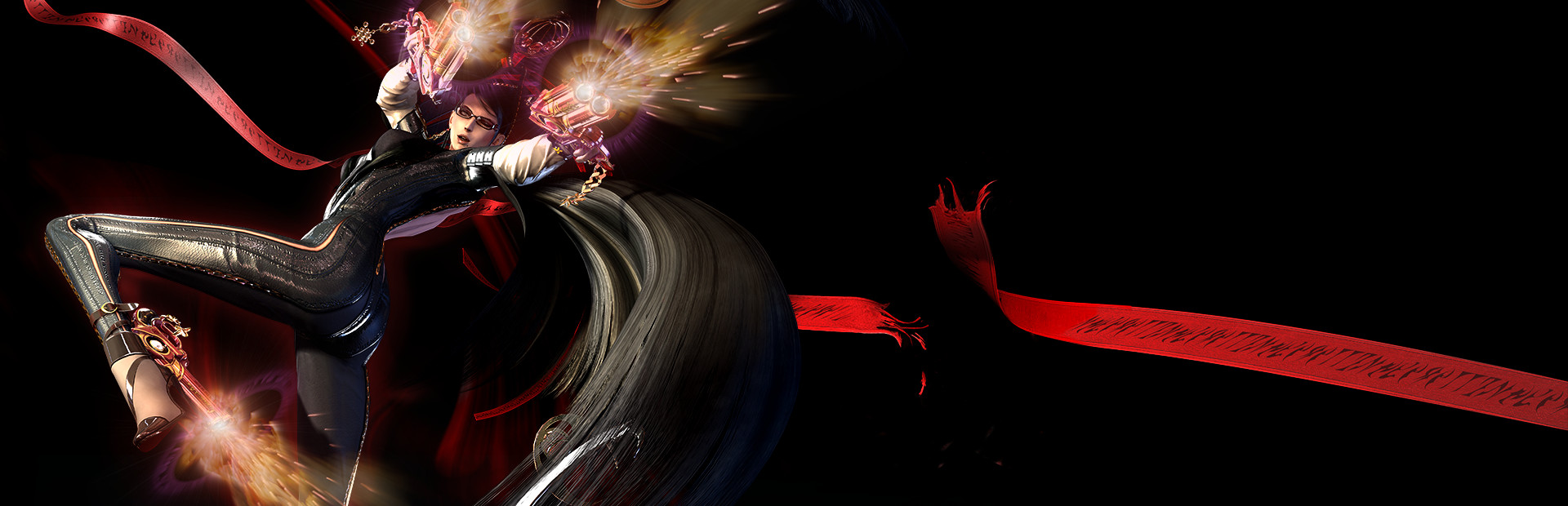
When you think of sexy and video games, they usually don’t mix. There have been a lot of attempts at using sex to sell video games, and while some were successful, such as Dead or Alive, BloodRayne, and Tomb Raider, others weren’t, such as Red Ninja, Cy Girls, and Rumble Roses. Where does this put Bayonetta? On top as queen and as one of (if not THE most) stylish, sexy, and witty female protagonists ever created in any media period.
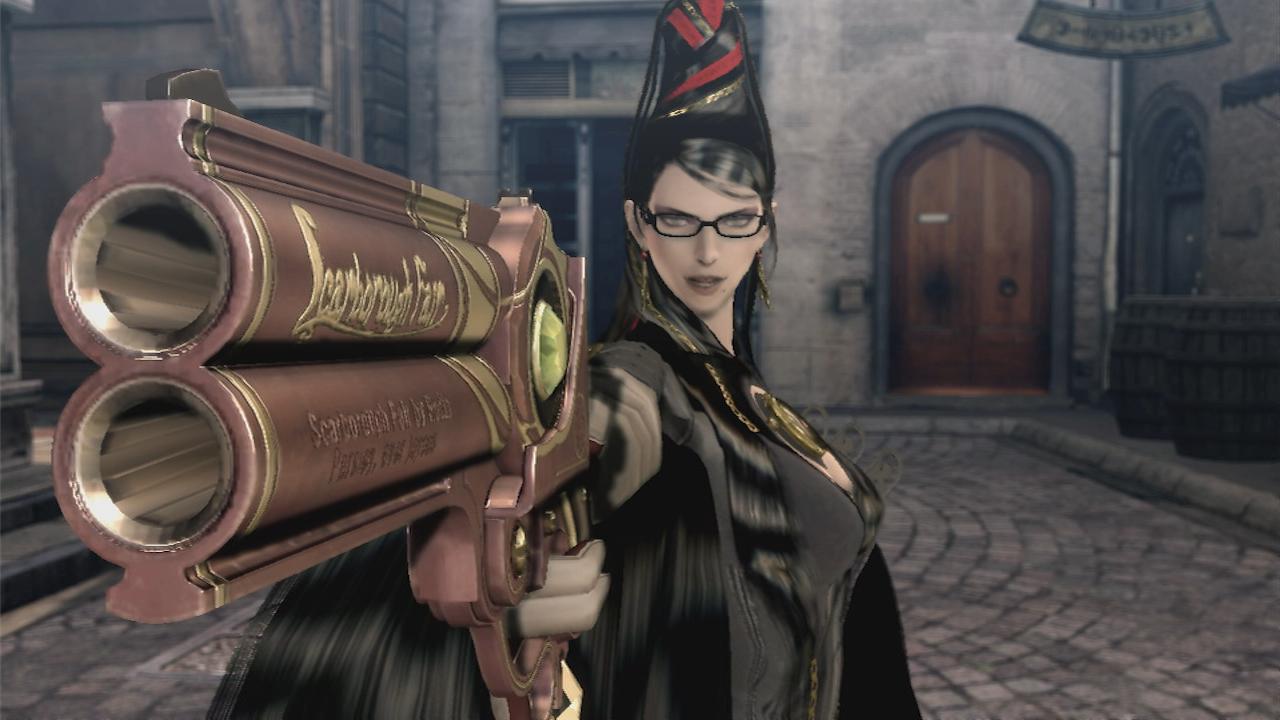
Being a good and bad Umbra witch trying to unlock her past. Bayonetta has witty dialogue and a super-sexy British accent. I can’t describe just how shocking Bayonetta is in terms of design. She is scantily clad in leather with proportionate breasts and has beautifully styled hair and glasses that look good. She just makes your heart throb when you see her, and no other female game character has done that for me. The cinematics in the game are very outlandish, outrageous, and just “I can’t believe they did that.” The game is developed by the lead designers of Devil May Cry and Resident Evil, so if you are a Devil May Cry fan, you know what to expect.
My last note on the design of Bayonetta’s sexiness is just how they incorporate it all into the gameplay, from items to moves to summoning demons. One cut scene I can recall has Bayonetta sweating on a plane, and Luka watches the bead of sweat drip down her breast and drop right off her nipple. All while the camera is zoomed in on this at a side angle. Necessary? Yes. Why? Because that is just what Bayonetta is all about. Nonstop action with sex thrown in.
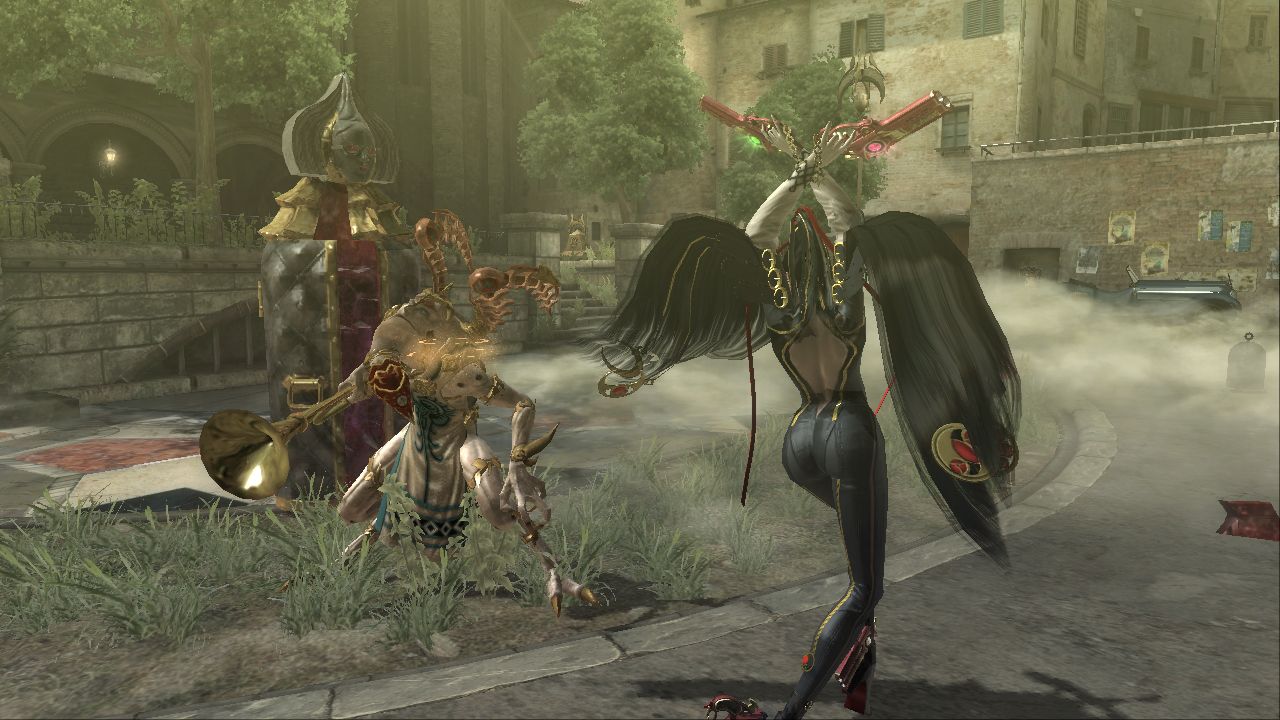
Getting down to gameplay, you fight the good-bad angels by summoning the Creator to merge all three realms: Purgatorio, Paradiso, and the human realm. All these creatures are amazingly designed, and there are a good 30 or so of them. Bayonetta fights with both her feet and hands. You can equip a normal weapon on her hands and either the shotgun or handgun on her feet. Using the Y button, she uses her hands, and B is her feet. The combos are deep and almost endless since you can hold buttons down to charge weapons or use X to just use the handgun. Using witch time is a unique element that you must use at all times since time slows down for a few seconds if you evade at the right time, and this is key to defeating certain enemies and bosses since some can’t be beaten without it. This is also incorporated into puzzles, but they usually aren’t all that hard to figure out.
Unlocking weapons requires you to find pieces of LPs of angel hymns and bring them back to Rolin in the Gates of Hell bar. Here, you can also buy items, accessories, alternative weapon designs, and more. All items (like in Devil May Cry) give you either health, witch power, or extra life, and you get the idea. Each comes in a small or large form and costs a good amount of halos (the game’s currency). There are only four different weapons: a whip, a sword, guns, and Beowulf-type claws. Thankfully, you can have two different load-outs and switch between them on the fly.
Anyways, when you finish a batch of angels, you will be scored based on your combo style, time, and damage taken, and this affects your overall level score. If anyone is a Devil May Cry fan, you will know this scoring system is brutal and impossible to score perfectly on every level. This is also Bayonetta’s biggest flaw since a lot of the game is hair-tearing, controller throwing, and frustration-inducing ulcers, especially when it comes to boss fights. There are five different medals you can get. Pure platinum, platinum, gold, silver, and bronze. Pure platinum consists of you getting the biggest combo style and killing all enemies in the shortest amount of time with no damage at all. Platinum consists of the same, except you can take a little damage, and so on and so forth. You are then ranked at the end of the level by these medals plus how many items you used and overall damage was taken plus time and combo style. If you do poorly (like I managed), you can get a stone award. Even on normal, I did my best and thought I was smokin’, but I still managed to get stone awards at the end of every level.
On another note, the bosses are fun and out of this world. They are ugly and big, and you just want to kill them. Each one is unique, and one even has you riding around on a piece of debris in the ocean fighting a 200-foot sea creature. Epic? Sure, it is, and every second of the game is. Each boss and each fight consist of a little damage-inducing, button-mashing mini-game using Bayonetta’s demons or torture attacks. For the larger enemies, Bayonetta’s hair turns into demons, and if you didn’t know, her clothes are also part of her hair. She goes into a sexy pose, and her clothes are stripped except for the hair swirling around her sweet spots. You can pulverize the enemy. Smaller enemies have torture attacks that are gruesome, sometimes sexy, and satisfying. This can be done by getting your Witch Power meter all the way up, but take a hit and it goes down. There is no magic in the game, and you won’t even remember since all the elements work well.
On a side note, the gameplay is changed up in almost every level, which leads to epic motorcycle riding levels, jumping across cars in traffic, shooting down enemies on a rocket flying through the air, and a whole lot more. There is even an arcade shooter in between levels that earns you points you can use to get items or exchange for halos. The game is chock-full of neat elements that have never been used in any game before (if so, they are perfected here). If you want stylish, over-the-top, sexy action, then look no further than Bayonetta.
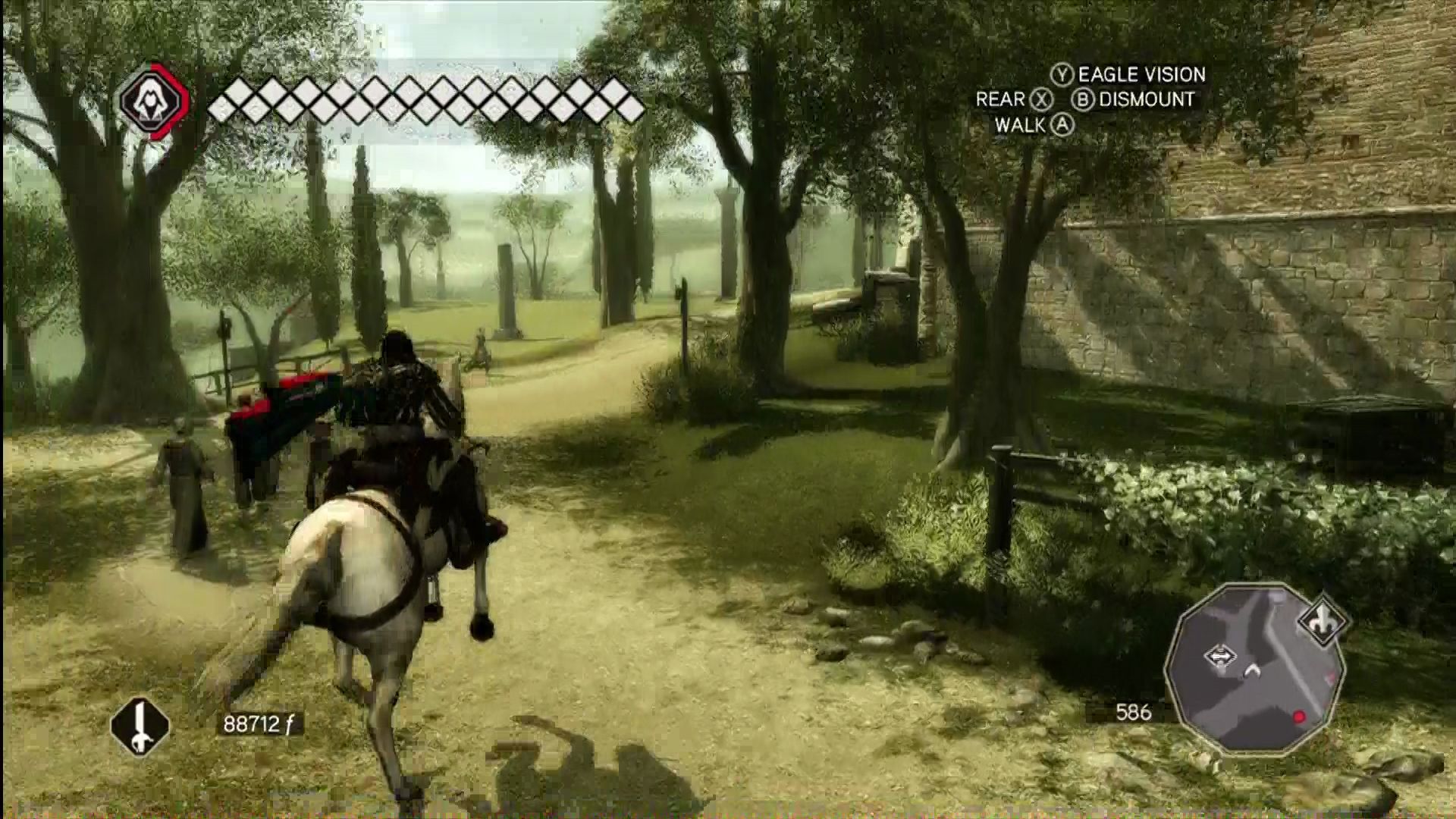
Maybe once a decade we get a truly beautiful game that really represents what games are: cinematic experiences that the player can get lost in for hours. Assassin’s Creed II is one of those rare games, and it also represents what a sequel should be. Assassin’s Creed II boasts a wonderful, enrapturing story that really grabs you both in a political, historical, and science fiction sense. Never have I seen the three mixed so well with an ending that can make your head spin for hours afterward and have you talking amongst your friends about it for days. You are not Altair, but Ezio Auditore, who is on a path of vengeance for the rival banking family that killed him. In the real world, you are still Desmond Miles trying to unlock the secrets of his assassin ancestors and figure out what the Apple of Eden is really meant to do and why everyone wants it.
From the start, you will notice major changes from the original, and these are graphics. The game is truly one of the most beautiful of the decade, capturing the Italian Renaissance era with all of its amazing architecture, historic figures, and language, along with the social classes of the time. But before we talk more about beauty, let’s talk gameplay. As everyone recalls, the first game was very repetitive and pretty bare-bones, so expect Assassin’s Creed II to have tons of things to do. Not only are there more side missions, but there are more scripted story-driven missions, and playing Desmond isn’t so boring. You actually go to a different location with Desmond and even fight with him. Just a hint without spoiling anything. You have your Messenger, beat-up, and race events from the previous game, but gone are the “helping citizen” events. You have tons more variations, from raiding assassin tombs (interior Tomb Raider style levels) to Templar Lairs, races on horseback, assassination contracts, finding codex pages to upgrade your health, chasing down people stealing your money, chasing down messengers, solving glyph puzzles, finding statuettes, restoring your uncle’s villa, more viewpoints, and the list goes on. Yeah, there is more variety, and because there is so much to do and so many ways to do it, you really never get bored, because I never did.
You can do ten side missions, then three main missions, then fast travel back to your uncle Mario’s villa to upgrade the city to get more income for you to spend, then go find some feathers for your mother in mourning, and maybe get some Codex pages. Doesn’t that sound like enough? That’s ok. The variations in story missions never get dull with all the weapon upgrades you get. You even get to use Leonardo da Vinci’s flying machine about 2/3 of the way through the game. Want to talk about upgrades? Well, there is an economic system in play here, but don’t get too excited. It’s your simple buy stuff from merchants and upgrade your stuff type thing. You can upgrade your armor over a dozen times, buy dozens of weapons, upgrade medicine pouches, throw knives, and even poison vials. You can dye your clothes or buy paintings to increase the value of your villa. Did I mention there is every assassin weapon in this game? You have smoke bombs, dual hidden blades/punch daggers, poison blades, hidden guns, and even a passive ability to toss money on the ground to distract guards.
Fans of the original remember that the best attack was the running and jumping assassination attack. Wanted more? Well, you get more with the ability to pull guys down from hanging on a ledge, from a hiding spot, on a bench, in a crowd, jumping off something, and anyway you possibly can. You can now swim, which is a huge plus, and blending has totally changed. Instead of having a “blend” button, the previous “blend” button is now a “walk fast” button, which can be used to pickpocket people for money by just running into them. Blending now consists of using any group of pedestrians or hiring people. You can hire courtesans, thieves, or mercenaries to do your dirty work or distract guards from important posts or patrols. This allows you to walk right on by to wherever you need to be. You can blend by sitting on benches or dropping your notoriety. Your notoriety is the creed diamond that has a red bar around it. The higher it gets, the more the guards will be on your case and chase you for subtle things. Ripping down posters or bribing heralds can bring it down, but becoming anonymous first is a must.
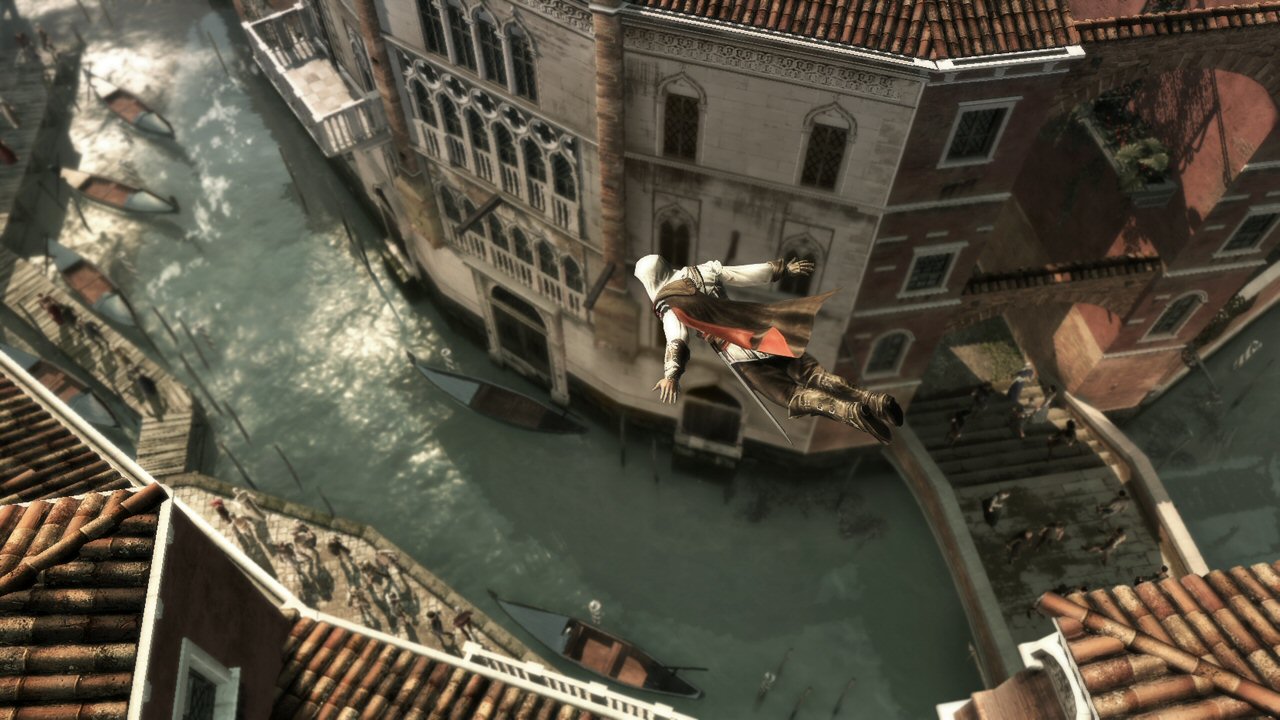
Now that we have the basic elements out of the way, let’s talk combat. The core combat system is here, but with upgrades, such as being able to counter a counter-attack, take away weapons, use your hidden blade as a weapon for instant counter-kills, and so on. The enemy AI is also better, with four enemy variants that can chase you down or kill you with their bulk and massive weapons. Free running is also slightly improved with tighter controls and better-designed levels, more climbing puzzles (viewpoints), and just more terrain overall. The game really only gets frustrating when the controls get a bit sticky and you cling too well to ledges. The world is 3x the size of Assassin’s Creed, with the towns of Forli/Venice, Firenze, the Villa, and Roma. After about ¼ through the game, you get to ride a horse-drawn wagon in a chase down a mountainside to get to Forli/Venice, which is a rich cinematic experience that the game is full of. Once you get to Venice, you can ride gondolas and swim in the water.
So with all this greatness and beauty that Assassin’s Creed II gives us, how does this soup taste? With all these ingredients, I have to say it tastes damn good. Everything works well together, and the game feels like a rich, illustrious world that doesn’t feel dead. With fluid combat, free running, plenty of stuff to do, amazing visuals, voice acting, history, and science fiction, you get anywhere from 15 to 25 hours of a wonderful game. This game will have you sitting back and savoring every moment, not just because of how amazing it looks and sounds, but because of how beautiful the game is as a whole. These games come once in a decade, and Assassin’s Creed II is it.
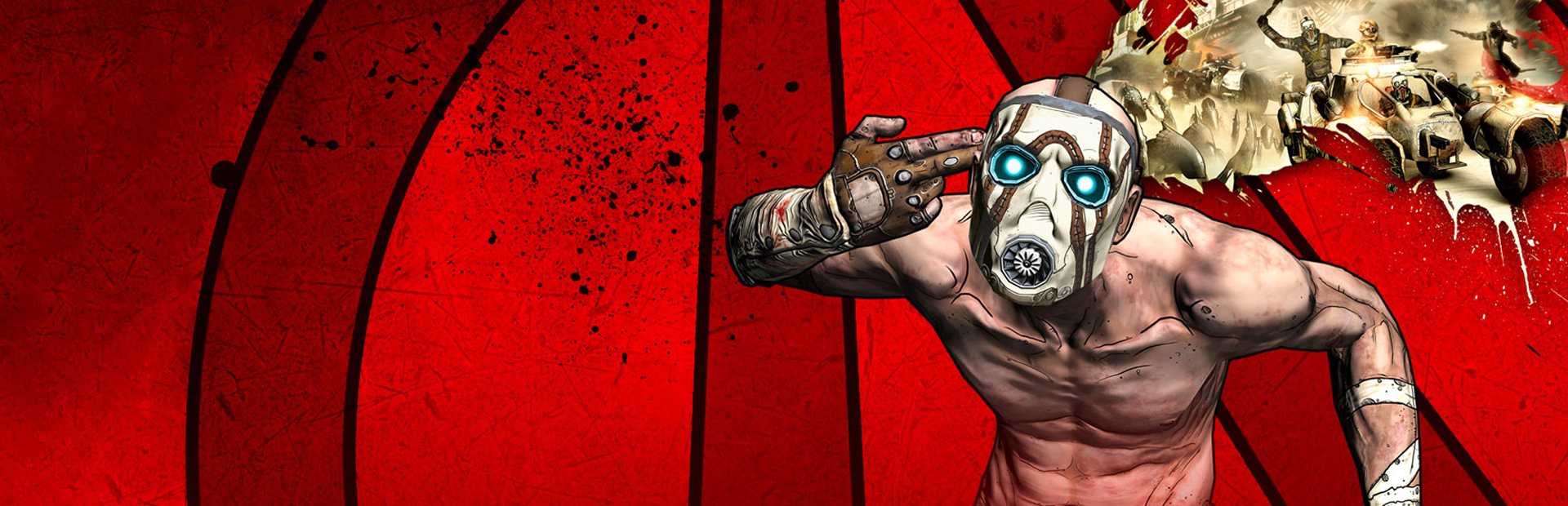
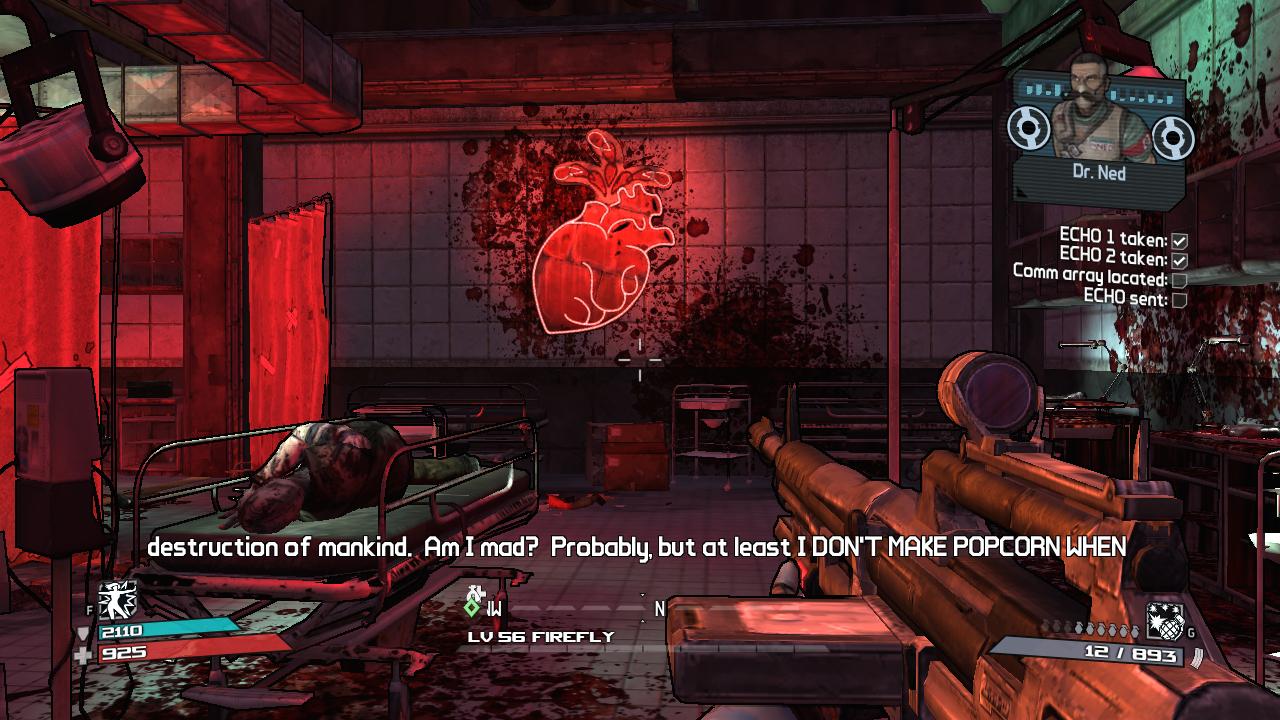
The newest RPG hybrid is probably FPS hybrids, and since these are so new, Borderlands can be considered one of the first to perfect them. While Fallout 3 holds the crown, let’s just say Borderlands is the prince. If you have had a hard time grasping FPS/RPG hybrids, then let me put it simply for you. Like in traditional RPGs, you have elemental attacks. In Borderlands, you have these, and they consist of corrosion, explosives, fire, and lightning. Some guns can be fused with elemental powers, i.e., a lightning combat rifle will deplete enemies with shields faster than just a normal rifle. A shotgun with corrosive powers can kill creatures faster than a gun with lightning powers.
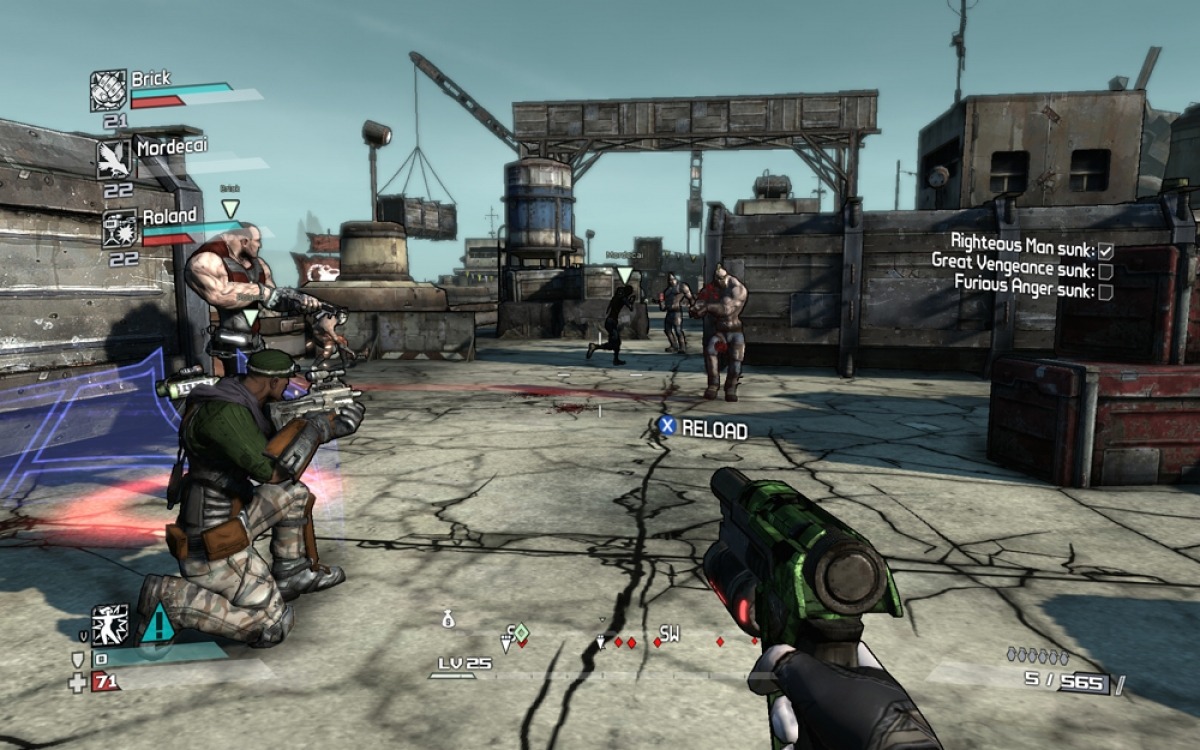
Another element that you should be familiar with is statistics. Just like TRPGs, Borderlands has damage and hit accuracy on weapons. You get shields that have certain aspects, such as when they deplete, they send a wave of corrosive acid, or they recharge faster or give you a health boost, etc. You also get grenade mods, which change the way your grenades act, just like guns. There are also specific class mods that can increase some of your stats even further. Additionally, each character has a specific ability they can use, and you can equip special spheres that add attributes to this ability. Sound like a TRPG so far? What about enemies? They too have levels and shields, and the damage you deal with them will bounce off of them in a series of numbers, along with the experience you get once they are killed.
There are a lot of little tidbits, such as the money system; you can purchase items or upgrades at vending machines; saving claptrap robots can give you more storage space; there are healing items; when you kill an enemy, you can loot them; and you can also loot the dungeons you enter or the open world. See, it still sounds like a TRPG. What makes it different? Just add guns, a vehicle you can drive and shoot from, and a fast travel system. The way to play in all this fun is to co-op. More players + harder enemies=better loot. There is good math in my book.
This sounds fine and dandy, like nothing can go wrong, but Borderlands has its issues. While the gameplay is actually pretty flawless, with lots of guns such as rocket launchers, combat rifles, SMGs, revolvers, etc. The content is very thin. There isn’t much to do but run around the barren wasteland, completing the 150+ side missions and 50+ story missions. There is hardly a story or any dialog. You’re just running around trying to find this vault with some special treasure. All the loot is the same, and even the storage bins you find them in get boring to see after a while. While the game has a pretty neat cartoony graphics style, everything is brown and boring, which puts the neat art style to waste.
The difficulty isn’t something to complain about since it increases as you level up. Each area has to load separately, and the load times are longer than they should be. Most of the side missions vary from scavenger hunts to killing people, looting, and more killing, but the core gameplay is really shallow, and the stuff it’s wrapped around is flawless. This game is really meant for people who just want a straightforward shooter with some more depth and a twist. While it does feel more arcadey than Fallout 3 and more pick-up-and play it just doesn’t have that charm and amazing feeling to it. Borderlands is executed well but just needs more filling to make it superb. However, the game is highly addictive, and even though you know you’re doing the same thing over and over again, you never get tired of it. The game has a level 50 cap and can be completed 100% in less than 20 hours, so Borderlands is a great purchase for any shooter fan.

















































 thebinarymessiah.com
ORC is probably the worst game in the entire series. It's objectively awful. Being bad isn't different. Different is Outbreak…