Once again Microsoft has pretty much merged Xbox and PC together into one seamless ecosystem. The Xbox Series X is a mid-range PC with every game having been ported to PC by now. This year was probably the strongest for Microsoft in a long time. While Xbox exclusives are absolutely zero for just that platform the ecosystem as a whole was very strong.
While this is not on Xbox, the PC is the only way to play here and you need a mouse and keyboard to play this game. It’s wholly unique to that control scheme. Not only that, but this is one of the best FMV video games ever made and one of the funniest. With multiple playthroughs you’re bound to find something new that you missed.
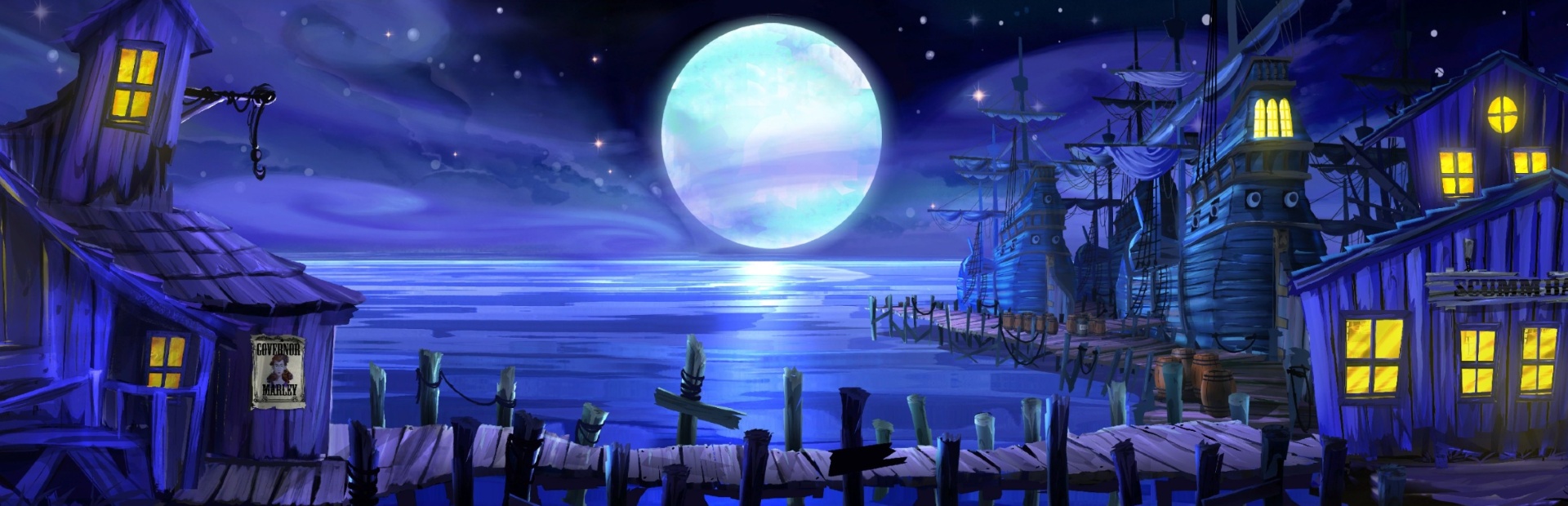
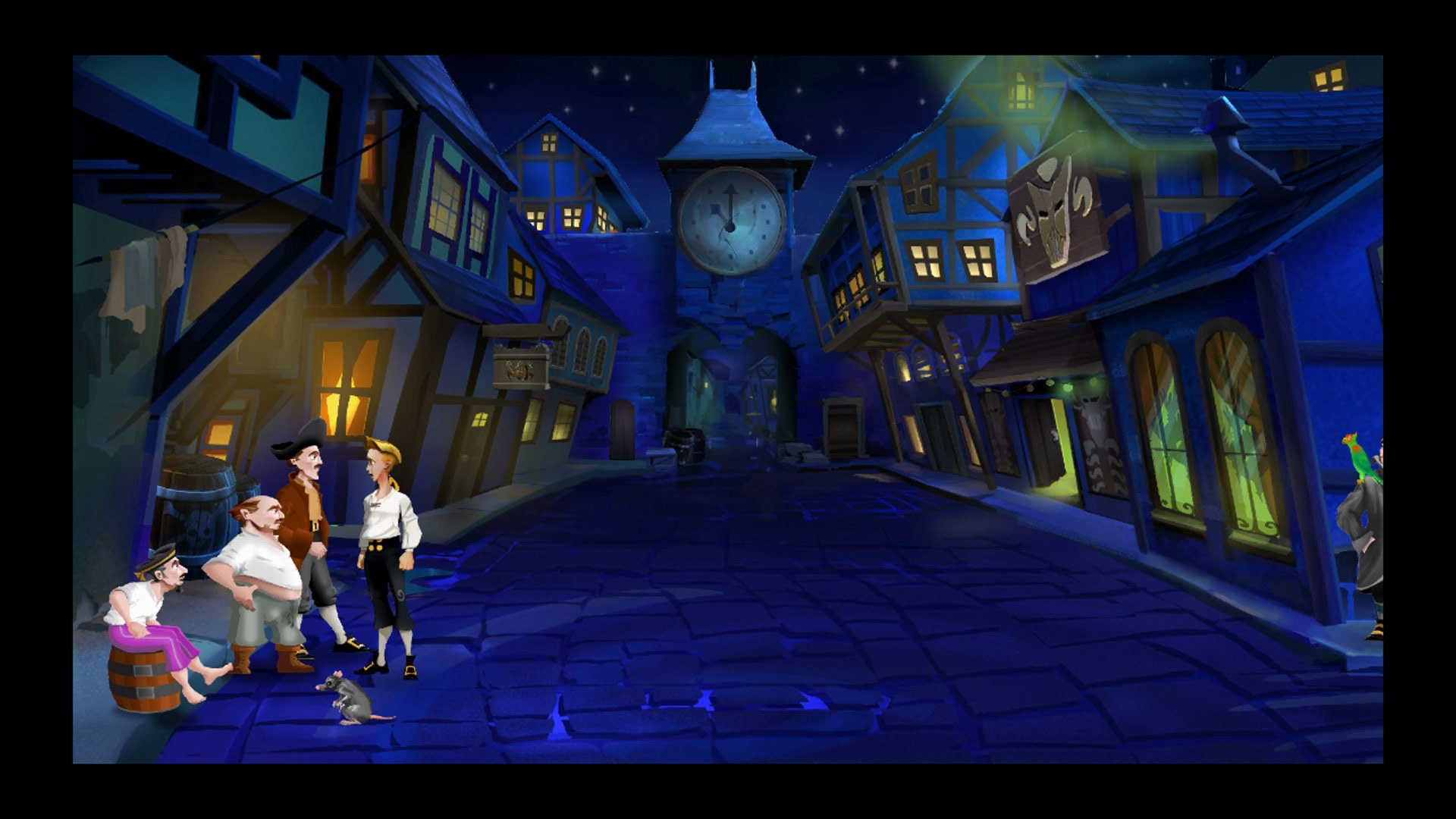
LucasArts’ SCUMM engine games hold a great fanbase for those who grew up in the 80s computer gaming scene. They were bright and colorful. revolutionary for their time in terms of gameplay and art. They were also later updated with voice acting, which was some of the first of its kind. While the games were short (running around 6 hours per game), they were memorable and had a special sense of humor that was considered top-notch. The series got a much-anticipated remake, starting with the first game. While not much was really added, the entire game was redrawn from scratch with all new lines of dialog recorded by the original cast.
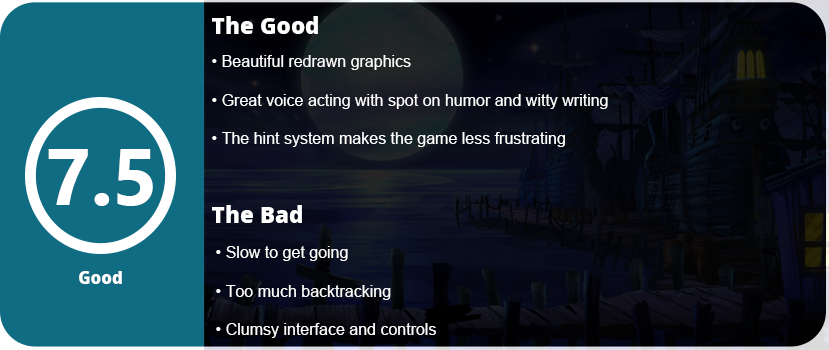
The game definitely plays like an old point-and-click adventure of yore. Clumsy controls (which were never really fixed), slow pace, obtuse object hunting, and no puzzles That’s not to say the game is bad. While it doesn’t feel as modern as The Longest Journey or even David Cage’s games with quick-time events and button pressing, that’s part of the charm. Thankfully, the game has a hint system that slowly gives you more specific hints, including full-on arrows pointing to the exact spot you need to be. This was really helpful and a must-have for first-time players or those who aren’t familiar with this era of adventure games.
The game has two main areas. The first one consists of some small areas, a town, and a large overhead map to get to these areas. Most of the game is spent gathering items and figuring out where and how to use them. You have multiple commands, such as talk to, push, pull, look at, use, open, and close. These are used by pulling up an action command menu, and then you have your inventory. To use these commands, you need to pull up the command menu and then the inventory. This is cumbersome and took a while to figure out. You control Guybrush by clicking around on the ground, but his walk cycle is pretty slow. There’s a lot of backtracking in this game, and this slowed the progress a bit. One thing I didn’t like was the insult for sword fighting. You have to lose to pirates to learn their insults and comebacks. You need to learn enough to defeat the first “boss”. There was a lot of trial and error doing this, and it got really frustrating.
The stars of the show are the characters and the writing. The salesman Stan, for example, is hilarious. Using overexaggerated arm waving and an obnoxious coat to look like a sleazy salesman. The pirate LeChuck doesn’t get much on-screen time, but neither do most of the characters. The main character, Guybrush, is who you will get to know the most. There is an optional dialog for most characters to get to know their personalities more than their backstories. There just isn’t enough time to get to know them more. So, it makes up for funny writing and witty humor, which the game does solidly.
I liked the visuals in this game. The hand-drawn art is beautiful and still captures the classic LucasArts look. Some of the animations feel a bit stiff still, but again, that all adds to the charm. The voice acting is awesome, and there are some funny uses of items and small tidbits of humor thrown in that did make me chuckle. I have to say that this game won’t hold everyone’s attention. It is slow to build up and takes a while to get going. A lot of people might feel lost clicking on everything and not realize what order to do things in, but the hint system makes this game much more enjoyable. I highly recommend this classic remake, but it won’t be to everyone’s taste.
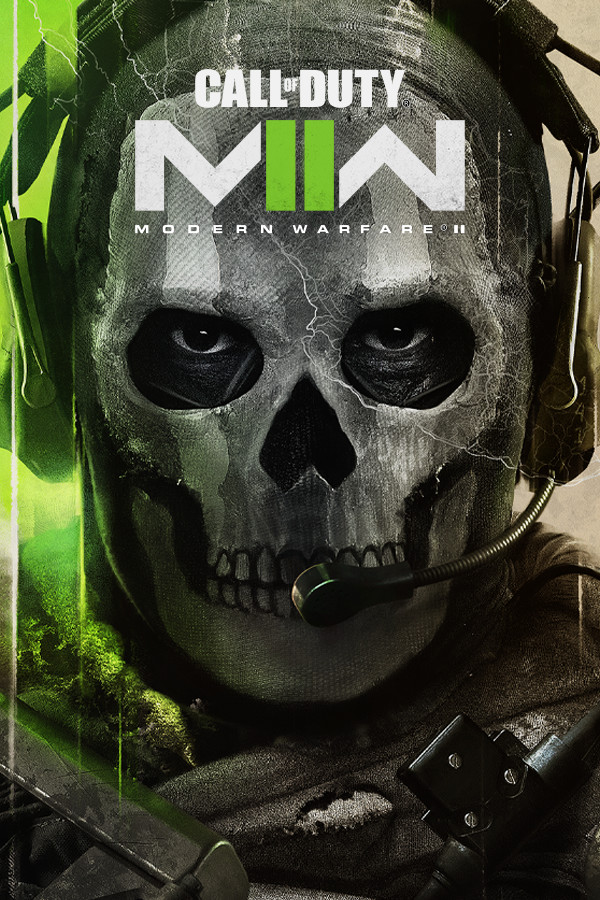
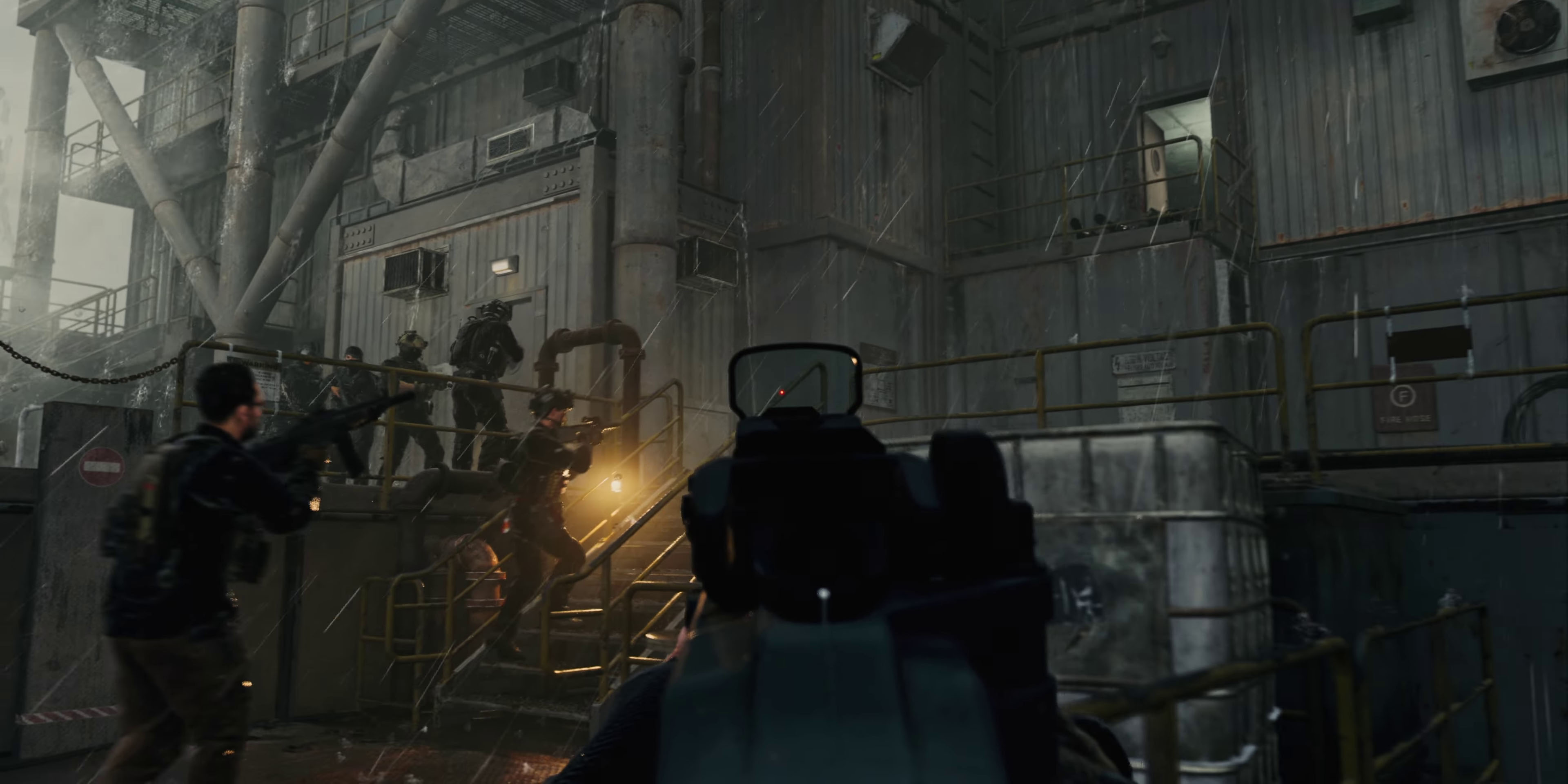
Here we are again. At least Activision let three go between releases this time, and it’s been paying off. I had high expectations for Modern Warfare II‘s campaign, as 2019’s was pretty damn good. A lot of elements carry over, such as the fantastic acting, fun on-screen characters, and bombastic mission design, but there are a couple of new things thrown in borrowed from Black Ops: Cold War and tweaked slightly. You play as various well-known Modern Warfare characters such as Soap McTavish and Ghost, with Captain Price returning as well as some characters from 2009’s Modern Warfare 2. If you hadn’t guessed, this is a prequel to that game and a direct sequel to Call of Duty 4. Starting to see a pattern here? 2019’s Modern Warfare was a prequel to Call of Duty 4. My guess is that Modern Warfare III will be a prequel to Modern Warfare 3. Why are we doing this? Why is there a Call of Duty multiverse?
Sadly, the campaign isn’t as good as 2019’s and still doesn’t teach any lessons. It’s a fast-paced, rapid-fire campaign that doesn’t focus on its strongest points. The story is interesting enough thanks to the fantastic acting, and the on-screen characters are interesting and fun to watch, and I wanted more of them. Instead, we’re rushed through a bare-bones campaign full of the same stuff we’ve seen before. On-rails vehicle missions, stealth missions that don’t require you to really use stealth, some weird puzzle with a missile laptop that isn’t really a puzzle because Infinity Ward thinks every player is dumb Yeah, the game treats you like you’re stupid and does everything for you. I really wish this would stop. Stop being scared of challenging us. Sure, the gunplay is, bar none, some of the best out there. The weapons feel great, and the animations and various minute things like ADS time, scope switching, and all that jazz feel tweaked and more responsive than ever. It’s a blast to shoot things and use various weapons.
The only new thing here is screwed up, which is the worst part of the game. The final act has you crafting items and sneaking through a city to escape the enemy. Yeah, crafting in Call of Duty I never thought I’d see the day. It’s poorly implemented because the level design is terrible. I constantly got turned around and went in circles, causing me to restart numerous times. You have no way to deal with enemies until you find a sharp object, which is towards the end of the first objective. You can craft smoke bombs, pry tools (which are essential to finding a gun and better weapons), and various small traps, but finding these items is a chore. I had to go into every single house and search everywhere just to get enough parts to make a single item.
Getting caught required numerous restarts, which seriously halted the game. It’s later introduced in an even worse situation in which you are in a single office with no weapons and have to scrounge for a sharp object and make items while also being on a timer to disarm a bomb with that same laptop puzzle thing. It’s stupid and not fun. The thing is, there are only two enemies in the room. Why would I need to craft all of these objects? Find two glass shards under the tables and duct tape them out. In fact, you can just stay under here and disarm the bomb without being seen. What were they thinking?
The campaign is about 5–6 hours long, and it ended on a cliffhanger leading to 2009’s Modern Warfare 2. So after this, go play the remastered campaign of that, I guess. I was left wanting more of what there was less of and wanting less of what I got. The beat of the game is well done. I felt entertained enough by the story and characters to keep going, but those horrible stealth sections really slowed the game up, and it makes me not want to play the campaign again. 2019’s campaign is worth replaying. It’s fun and varied.
The visuals are fantastic. While only a small step up from 2019’s engine, it looks amazing and is a well-optimized engine that can run on lower-end hardware. While there’s no ray tracing right now, I can’t wait to try it out. It’s one of the best-looking games out there and is a treat to look at.
The Multiplayer
This is where I was most excited. I actually really like Call of Duty‘s multiplayer suite. After 2019, the game just perfected it. It’s addictive and fun, and the customization options are pretty large. However, this year’s game is a grind. I didn’t think 2019 was really bad, but I feel like without a Battle Pass, you will be grinding a lot here. The biggest complaint is the new UI. It sucks. There are no more notifications (the green dots) on what you have unlocked. I have to quit a match search so I have time to go in and figure out what I unlocked. The armory itself is a bit confusing. I wish they would have just ported the 2019 UI over. It was perfectly fine.
Even the menu where you pick the match type is confusing. It feels like a mobile UI shoved onto a console. With that out of the way, the game plays pretty much the same. Movement is a bit more refined, guns feel even better than before, and there are more of them and a larger variety. You still get your five main classes and can customize your own, which, by the way, is a confusing mess thanks to that terrible new UI. New perks like strong arm, which lets you see the trajectory of a thrown item. There are now perk packages that let you select two base perks and a bonus perk. I found this really felt better than picking separate perks, as it forced you to mix things up.
The maps themselves are the star of the show, and there are some good ones here. I feel like these are way better than the Cold War‘s maps, but not quite as good as 2019’s. Still, there were only one or two maps I didn’t care for, but they weren’t terrible. The same modes and playlists return, but my favorite is always team deathmatch. I do play a few other modes occasionally, but TDM never gets old. I didn’t really get into Warzone 2.0 or any of the 32v32 maps, as I prefer smaller battles in this game.
With that said, Modern Warfare II doesn’t take the series in new directions but provides more of what made 2019 work, and that’s fine. The campaign isn’t as good, but the new characters bring a lot of life to the series, and they are fun to watch on screen. Sadly, the stealth missions bring the entire campaign down and hurt the replay value. After the short campaign is over, it’s on to the multiplayer that we’ve grown to love, and if you liked 2019’s, you will like what’s here. A new perk and field upgrade system tweaked controls and animations, and all new maps are pretty good. I just wish the UI wasn’t so awful.
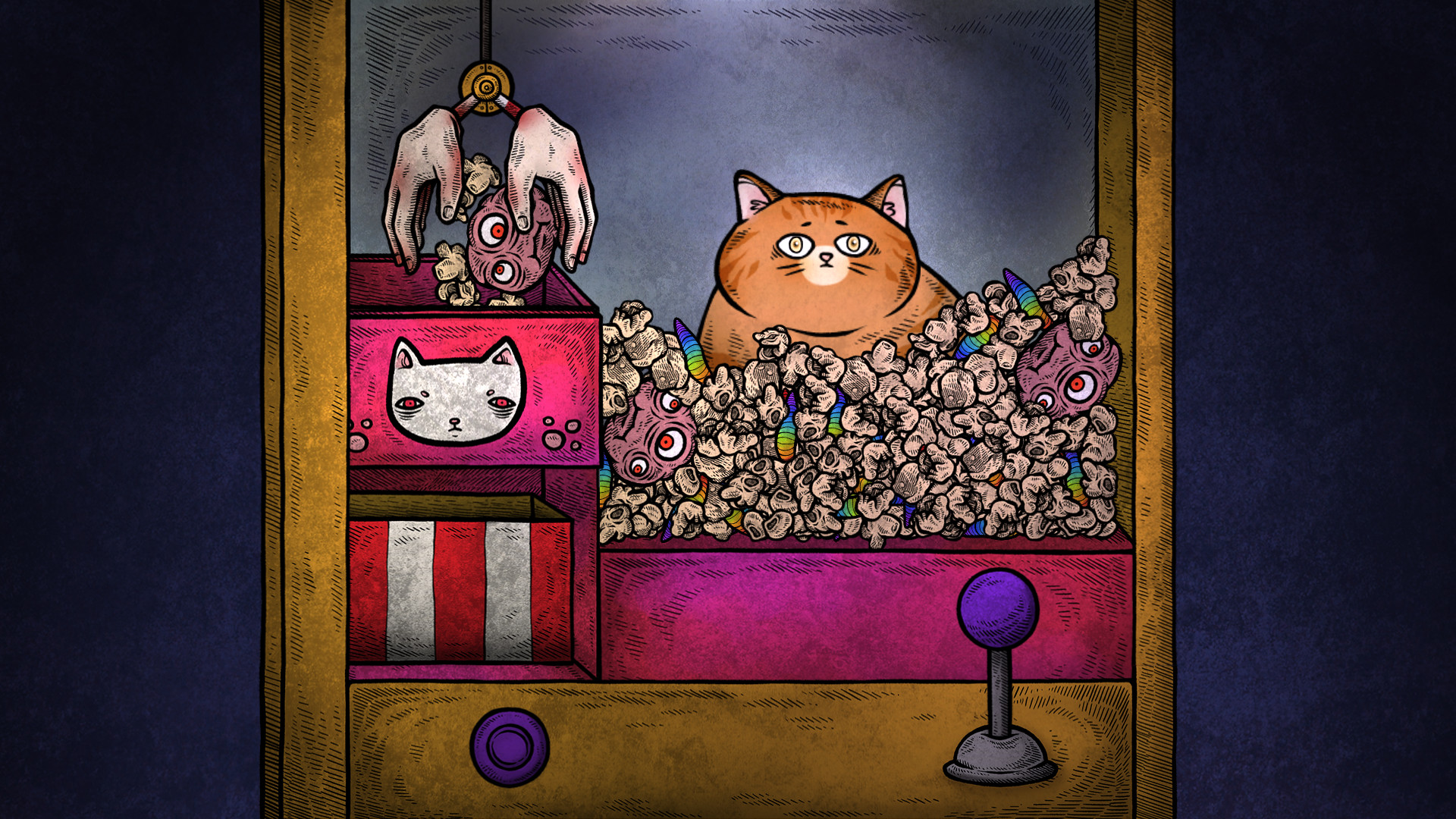
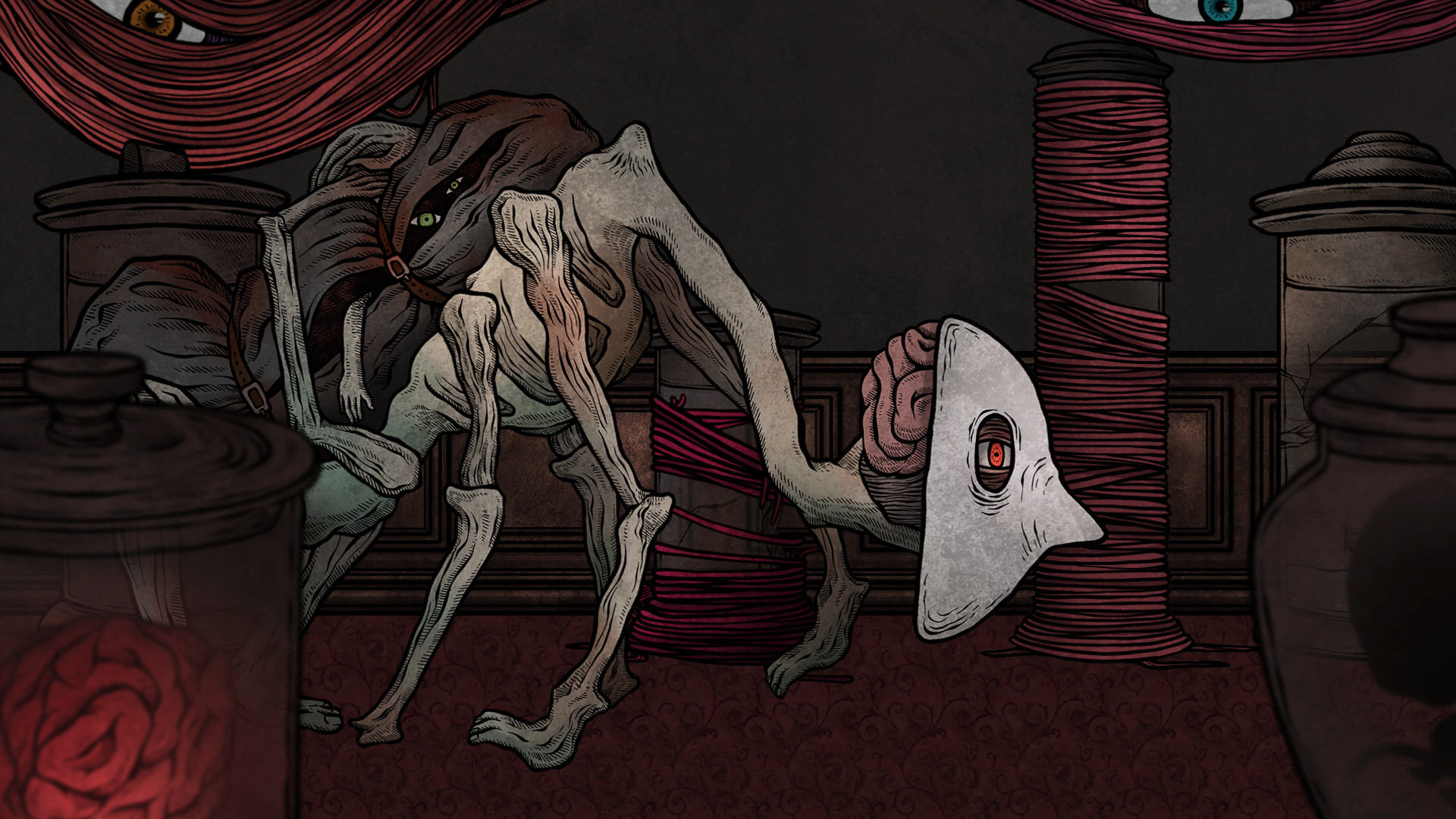
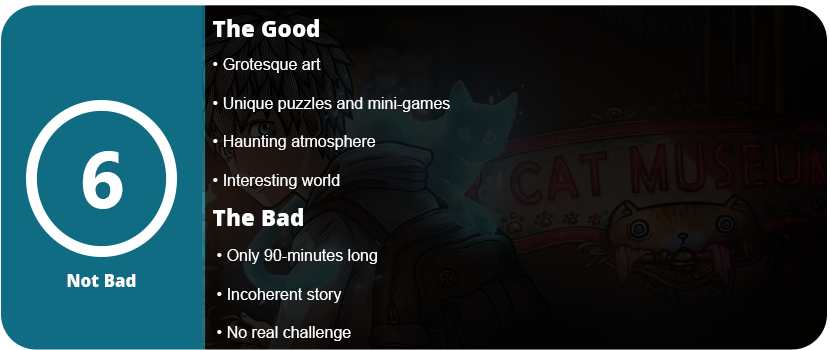
I love short point-and-click games, but they are hit-and-miss. For these games that are less than two hours, it takes a lot of talent to pull off a good story, something to get attached to, and fun gameplay. Cat Museum nails almost all of this except the story and something to get attached to. The mini-game and puzzle-driven gameplay are more entertaining than pixel hunting, but there’s also the fantastic art direction and grotesque nature of the whole game.
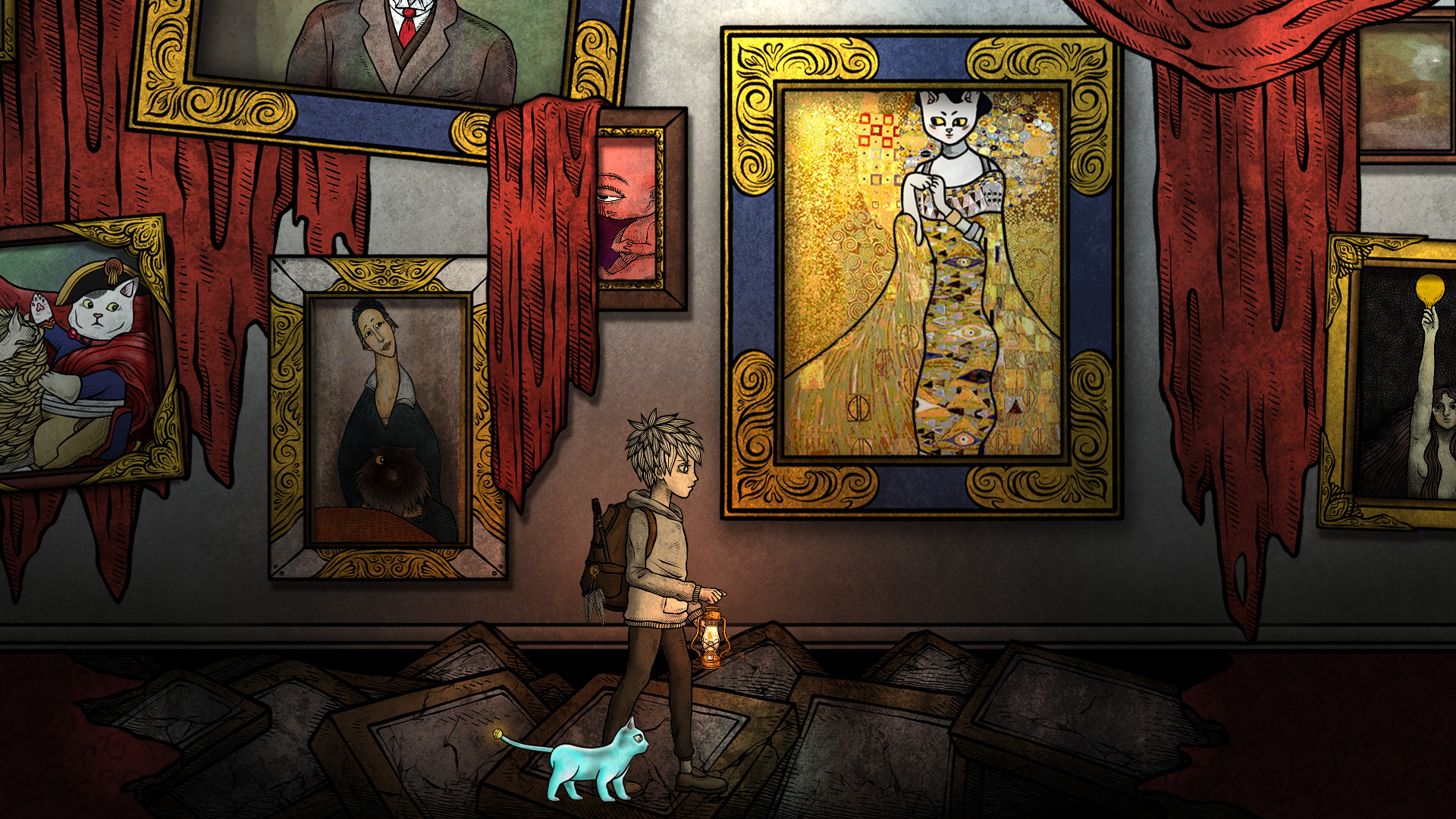
The story just doesn’t make any sense. It’s told in abstract story panels. I only gathered that you’re possibly dreaming, and your dream is of a cat museum full of monsters and creatures that need help. You’re searching for special eggs, and that’s all I could gather. It doesn’t make a lick of sense. The game isn’t confusing or anything like that, which is nice. Clicking around moves the boy, and you will see eye icons for things to look at and hand icons for interaction. These hand icons advance the game, and each interaction is unique and different. Jigsaw puzzles, slider puzzles, timing mini-games, and just weird things like pushing and pulling things to reveal hints It’s hard to get stuck in this game as there’s always one object in each room to interact with, which will reveal a hint or advance the story.
The best part about this game is the insane art style. There are lots of grotesque characters, guts, bodily fluids, and crazy monster designs right out of a child’s nightmare. However, it’s still colorful and full of life. I really liked the atmosphere and world of Cat Museum, but at a 90-minute runtime, the game doesn’t allow any type of world-building or anything of that nature. Dialogue is cut down to a couple of lines per character, and none of it is meaningful. There are a couple of scenes where you need to run and hide from a monster chasing you, but it’s just at the end of the same room, so there’s no challenge there either.
There’s not much to say about a 90-minute game. For a few dollars, this is an interesting art exhibit, but not much more. I appreciate the unique puzzles and mini-games, but the monster designs are so cool that I wanted to spend more time in this world and learn more about it. What’s here is a short and crazy ride full of weird art and nothing more.
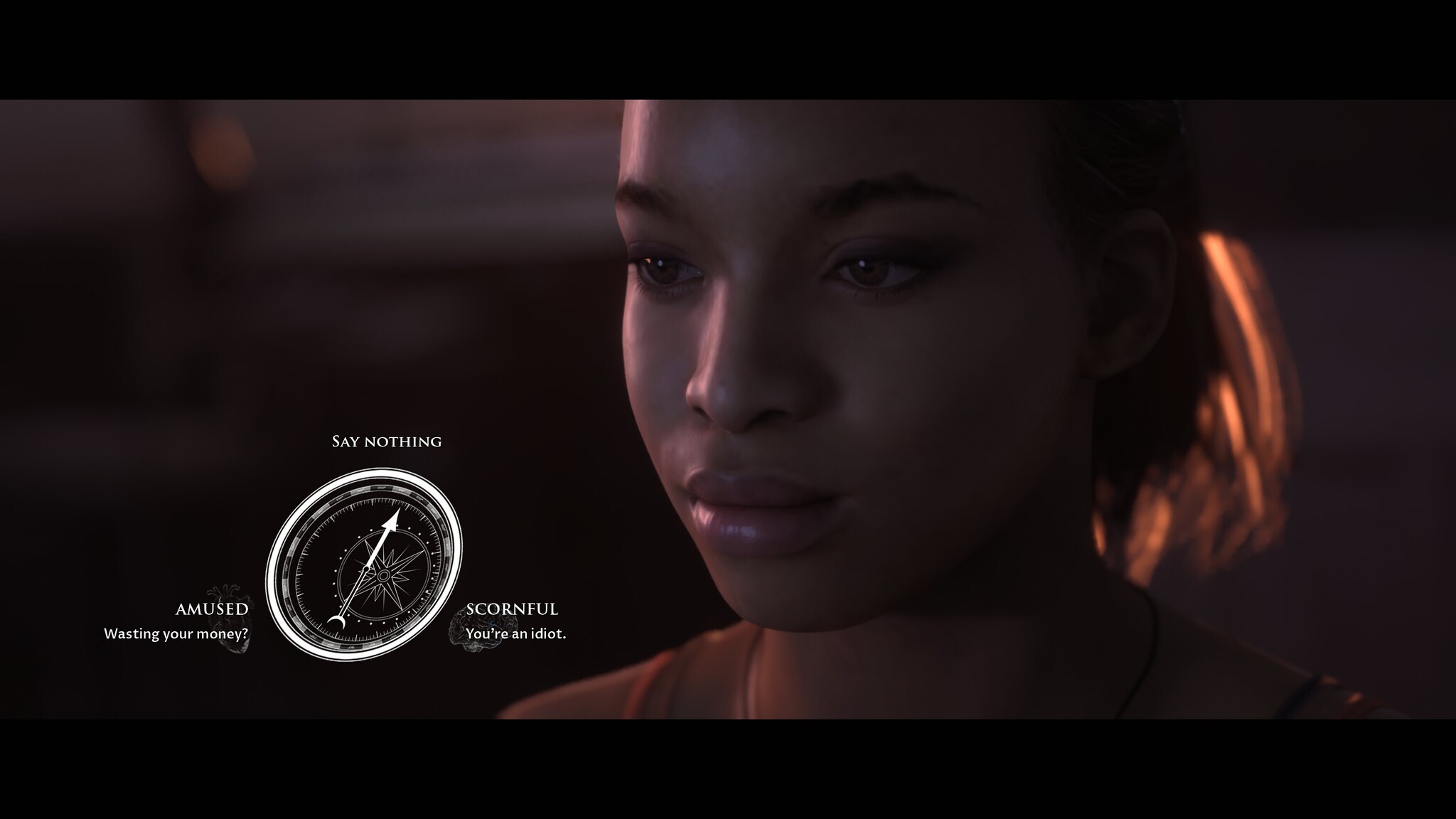
Supermassive Games once again excels in its strengths and doesn’t learn from its weaknesses or mistakes. Man of Medan was a great start to a horror series, and Little Hopecould have learned a lot from the fumblings of the past game but didn’t learn a single thing. You play as a crew of five this time who end up in a bus crash on their way to a school field trip to the Northeast town of Little Hope. A ghost town.
The game starts out very strong. You are in the 70s stuck in the middle of a dysfunctional family. The prologue quickly introduces what the series is good at. Death. You then end up in a bus crash and are stuck in a rural town in the Northeast in the middle of nowhere. I was excited about this one. It has a great Silent Hill feel to it. Endless fog, creatures creeping around in the distance, and a ghost mystery. Sadly, the game quickly devolves into walking around what seems like random houses, forest paths, and buildings. The same issues plague this game such as the lives of the characters dwindling down to succeeding in QTE events. The traits between characters that are strengthened or weakened through dialogue choices will determine how hard these QTEs will be. You can also explore and find secrets and a few hidden weapons to make these scenes easier as well.
The game feels less cohesive than Man of Medan. The story itself doesn’t feel as exciting or interesting as the previous game either. The story just never seems to go anywhere and doesn’t make any sense until the very end which is really annoying. I kept hoping that there would be a twist or something, but the story just drags out as it has nothing to really tell. The characters themselves are more compelling than in the previous game and I felt a little more attached to them, but they are still walking stereotypes and cliches. The facial animations are slightly improved, but the voice acting can still be spotty.
There is still no gameplay here. Outside of the walking scenes and looking for secrets and QTEs this is just an interactive four-hour movie. We still get cuts to The Curator who can give you occasional hints and I’m sad that his backstory isn’t told and we still no nothing about this character. That seems to just be a running theme with this series. We just get characters thrown into some B-grade horror mystery for four hours with nothing else to show for it. There’s nothing memorable about this series or insanely interesting. The monster designs are still well down. Supermassive still does a great job slowly revealing these monsters as there are only a few of them. However, it’s not enough to make up for the lack of everything else.
The game is visually impressive. It looks fantastic on PS5 and PC, but is also poorly optimized on PC with insane slowdown and requires way too high of a setup for what it is. The textures, models, and lighting are top-notch, but the janky animations just bring it down some. The game still suffers from mannequin-like facial animations sometimes. Overall, it’s a very impressive game visually.
In the end, Little Hopedoes little to advance the series and instead sets it back a bit further. With a less than compelling story, stereotypical characters with no depth, wonky facial animations, and spotty voice acting, plus the lack of gameplay makes this a four-hour B-grade horror movie that’s interactive. You won’t miss much by skipping this one as there is no overarching story over the entire Dark Pictures Anthology.
Until Dawn was a visually impressive game. It was also very atmospheric and had some memorable scenes. Supermassive Games has a talent for world-building and giving you the fine details. The downside is that Until Dawndidn’t have any memorable characters. They were B-grade actors with stereotypical college student personalities and they never stood out. The same is present for Man of Medan. This is an ongoing horror series full of short stories with the overarching narrative being kept together by The Narrator. He gives you hints and a couple of tips to help keep everyone alive in the game.
Man of Medan is also visually impressive. Great textures, detailed character models, impressive lighting effects, and great camera work. The game suffers from Supermassive’s previous weaknesses. Forgettable stereotypical characters that you see in B-grade horror movies. The acting is spotty and all over the place and includes facial animations. Sometimes it looks great and other times they look like stiff mannequins. You play as four college-age people who take a boat trip to go scuba diving to find an unmarked airplane that was downed during World War II. Things take a turn for the worse when they get kidnapped and brought onto a World War II ship to look for Manchurian Gold. They meet supernatural beings and must escape. Your job is to keep them alive.
While the overall tale is interesting and I really wanted to know what happened to this ship and the things going on, the game is so short that the characters get zero back stories and it’s just jump scare after chase scene after QTE event. You keep the characters alive by mainly being successful with QTE events. These are when the characters’ lives are in danger. If you played any cinematic adventure game in the last 20 years you know what to expect. There are various ways you can make the game easier or more difficult by walking around and searching for objects. This is the only gameplay here. Walking around small hallways and looking at objects. If you see a sparkle it means you can interact with it. Picking up objects and turning them overlooks cool and the objects are insanely detailed, but it doesn’t add anything to the experience. You can easily just go straight to the end of every scene.
That’s another problem with this game and these types of games as a whole. There’s almost no gameplay. Most gameplay is just an excuse to keep the player engaged. Thankfully Man of Medan never gets dull and is always moving at a good pace. When creepy stuff happens it’s done very well. I was wigged out by some of the creatures on screen. Supermassive’s camera work is superb here. I felt like I was playing a movie which is more than I can say for most games. The only excitement in the game is the quick decisions needed before timers run out. You can get premonitions from finding pictures hidden around that show 3-second clips of what might happen in the future. Sometimes these helped and sometimes I realized what was happening too late. I managed to only lose one character and it was at the very end of the game. I have to say that the whole bearing and trait system makes no sense to me. During conversations, you can pick one of two answers and this will unlock traits or increase others. It’s never explained well. Finding certain objects and adding to bearings, but I have no idea what this does. Again, there’s no explanation.
Overall, Man of Medan is an interesting first outing into this new series and I look forward to seeing more. While I don’t doubt Supermassive can supply an entertaining ride, the characters need to be more interesting, the facial animations need more work, and the bearing and trait system needs more explanation. The 4-5 hour runtime is over before you know it
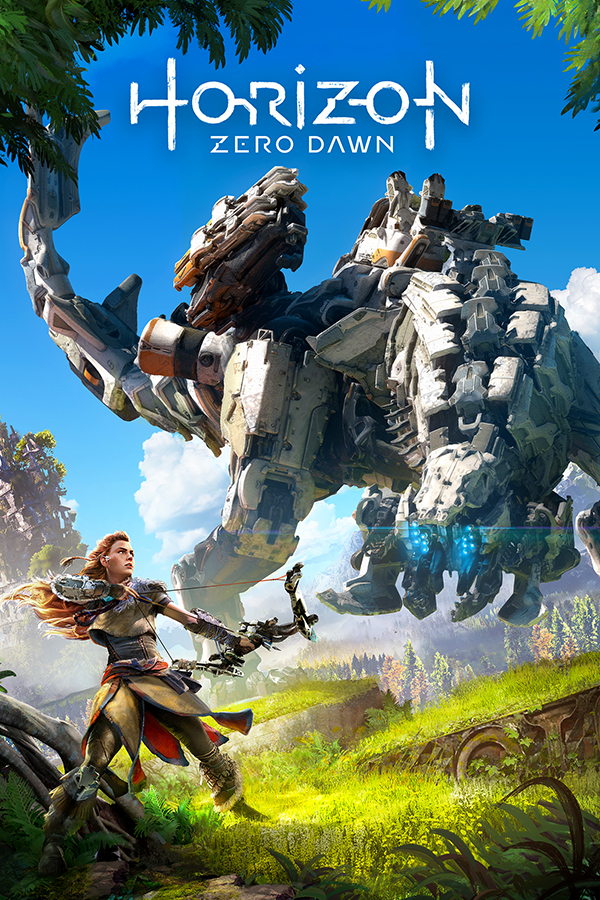
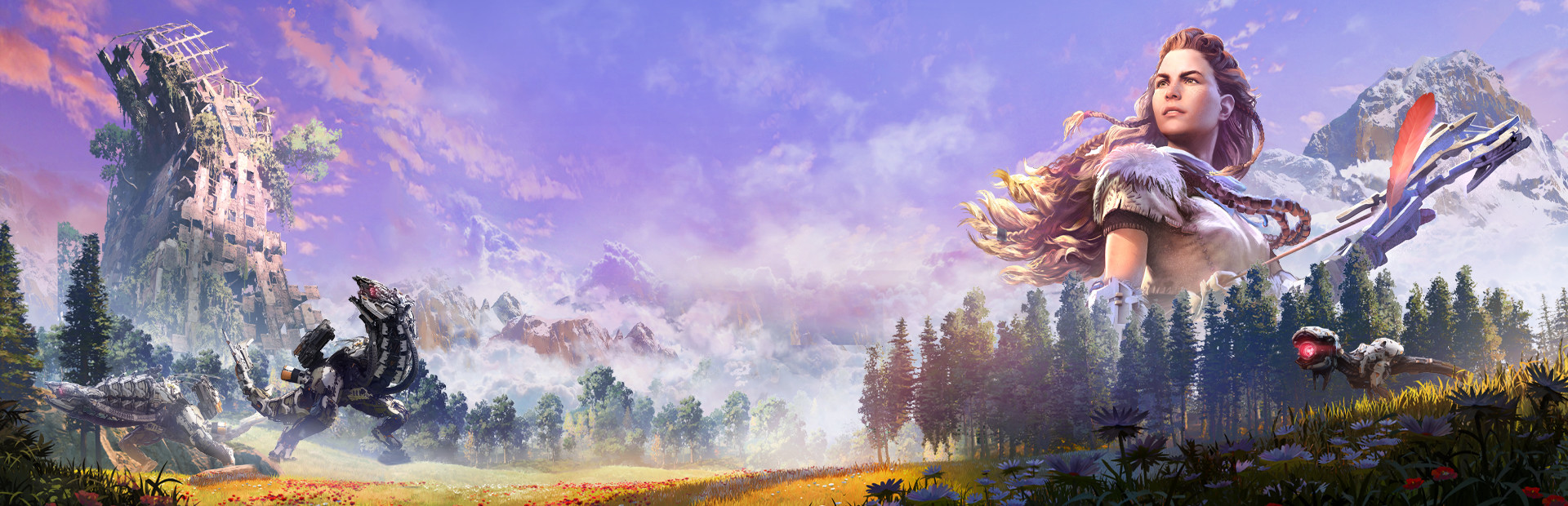
Horizon: Zero Dawn is a game I have struggled to finish for five years now. It’s not that it’s a bad game or a boring one; it just has a lot of promise in the beginning third of the game, and you quickly learn it has shown everything it has to offer by then. I got frustrated with the game more often than I wanted to. I found the game to be bloated with too many activities and very little reward for them. However, it’s the game’s less-than-stellar combat that has made me continue to turn the game off many times over the last five years.
I even repurchased the game on PC and thought the higher fidelity would get me to finish the game. I even tried it on the Steam Deck, but it wasn’t until I bought my PS5 and wanted to dive into Forbidden West that I finally completed the game. I did complete most of the side quests and explore the world for various collectibles, but in the end, the in-game economy is so small and restricted that there’s no reward worth the effort. You can buy the strongest weapons and armor about 1/3 of the time through the game, and you can’t find more powerful weapons or acquire them. The same goes for armor. There are merchants spread throughout the game, but they mostly offer stuff you can craft, so it’s imperative that you buy and save for the most powerful stuff early on.
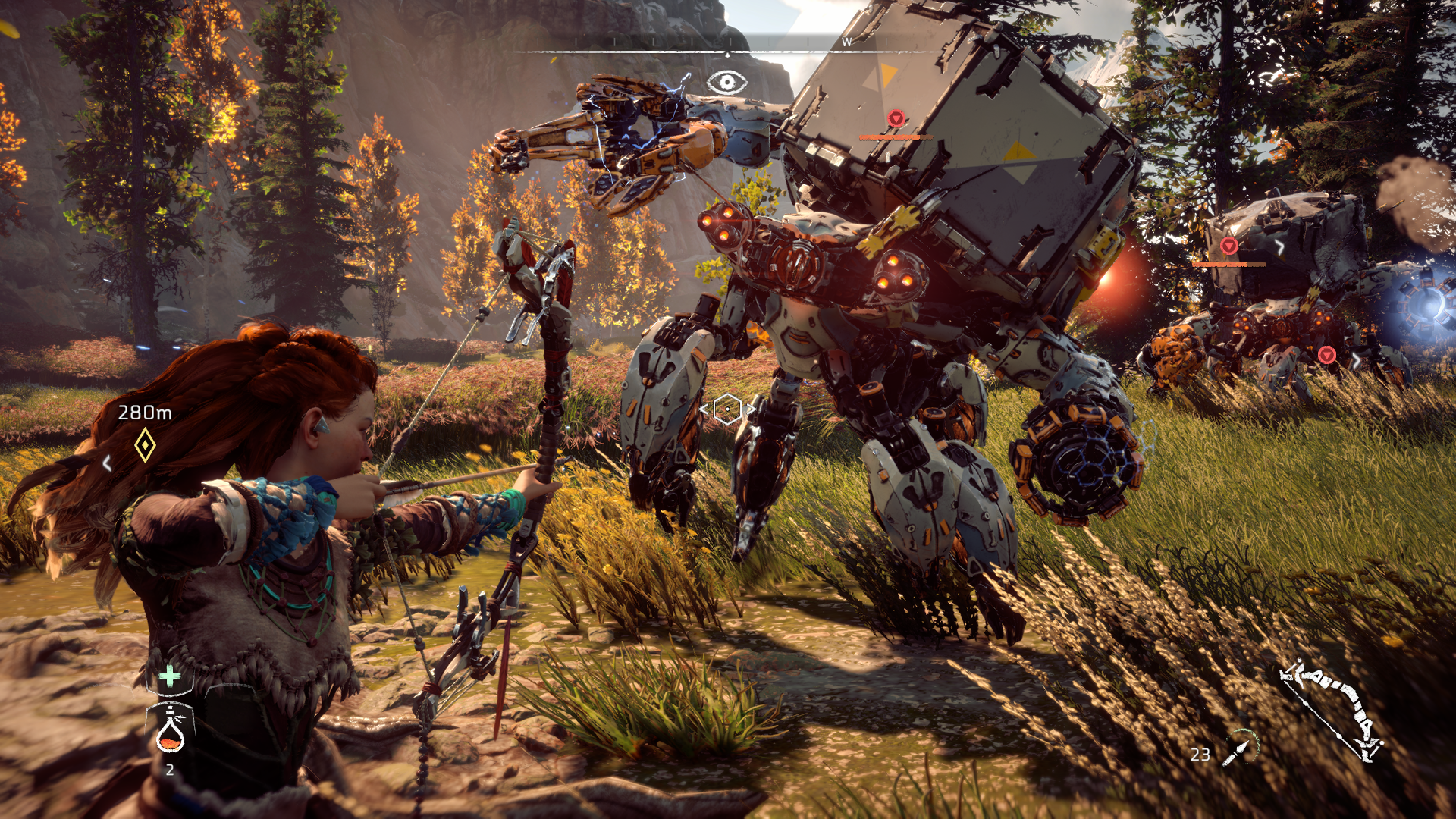
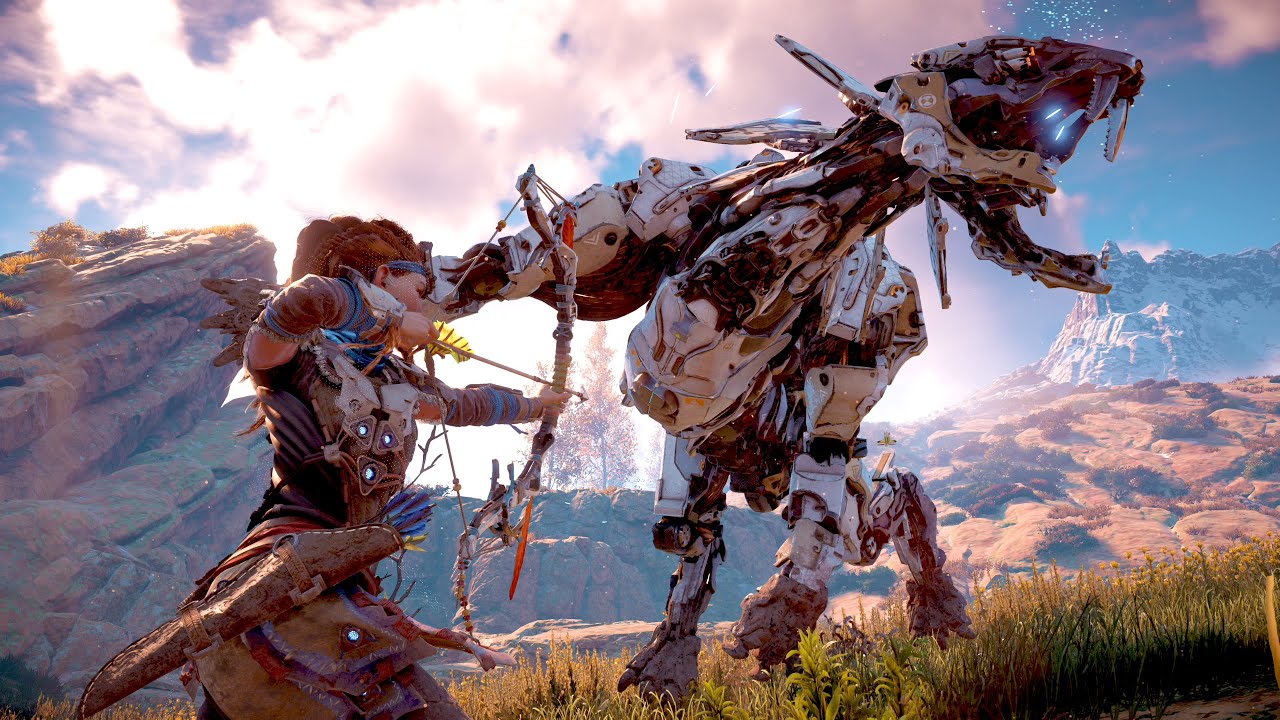
I saw all of this because the combat, while interesting, is frustrating and fairly uninteresting. The entire game’s premise focuses on these machines that made humanity go extinct. While I don’t want to discuss too much of the story as it will spoil it (the story is really good), I will say that the entire idea of weak points breaks the combat. You can use your Focus, which is a device Aloy has on her ear that can scan the world, and this will show breakable weak points on machines. Each weak point might have different elemental weaknesses. It’s essential to break these down to attack the machine and kill it faster. Otherwise, you will only chip your health away. While this sounds fine on paper, the execution is poorly done. A lot of the game wants to focus on stealth by sneaking around tall grass and using your tripcaster to shoot out trip lines for machines to walk across. Early on, this is fine, as single wires can take down enemies. Later on, the bigger ones won’t fall for this, and the entire tripcaster weapon becomes useless. The ropcaster is used to tie down machines, but it is useless against humans. There is a sling that throws out bombs, and then a heavy bow and a bow for elemental arrows. That is it. The only difference in price for each weapon is how many augmentation slots you get, so much power, and the different elemental ammo types it can use.
The flaw stems from combat being too chaotic to accurately break down weak points. When multiple machines are coming at you, the instinct is to just throw everything you have at them. Forget melee attacks, as these only work against smaller machines that are maybe twice your size. Attacking massive Deathbringers up close will result in instant death. The bigger the machine, the more you have to roll, dodge around, shoot elemental arrows, and really have the ammo for that weakness. The second big flaw comes into play with the crafting system. You have to either buy or craft everything, and it’s imperative that you have plenty of material on hand or you are left hanging. You can’t ever hold more than what you can craft, and crafting bigger ammo pouches doesn’t help much. You always feel like nothing is enough. Health upgrades with each level up aren’t enough; the skill tree takes way too long to get to more useless skills, and it always feels like it’s not enough. You can’t upgrade your base power, as weapons rely on augmentations to make them more powerful. It just never feels like what you do is good enough and can’t get better, no matter how much you level up. I was always dying easily, guzzling health potions, and relying on cheap exploits to get through tougher battles.
It’s sad that the combat is so flawed, as the rest of the game is fine. The open world is beautiful, and I had fun climbing mountains Tomb Raider-style and wanted to explore more, but there’s no reward for any of this. In combat, you can control smaller machines, and you learn to control new ones by finding cauldrons throughout the game. Think tombs in Tomb Raider. These require taking down bosses to learn a new ability, but I never needed to ride an animal once. It felt pointless, and the reward wasn’t justified. Why would I go through all this trouble for a new skill I will never use? Side quests in this game are fine for the most part. The other big flaw in the game is the lifeless and boring characters. Sylens and Aloy are the only characters I had any interest in outside of discovering the mystery of what caused the human apocalypse. Most of the side characters feel like mannequins, and the voice acting is spotty for them.
Some other gripes are with the healing system. You have to run around picking up every little flower you see to keep filling your medicine pouch. This is a health system separate from potions. However, if you want to keep potions stocked, you need to hunt animals, which is really tedious and gets old fast. The same five animals are spread throughout the game, and you need different meat types to make potions. Some pouch upgrades require animal skins, which require hunting multiple times before they drop one. It’s a very tedious system, and there’s no relief. After the 100,000 flowers I picked up, I wanted to scream. The medicine pouch is annoying because combat is flawed. If I didn’t have to guzzle health items so often and actually felt like I was getting stronger, it wouldn’t be an issue. Each system feeds off of itself, and it brings the whole game down quite a bit.
The visuals are actually quite impressive. While the base PS4 model is pretty rough, the game looks great on PS4 Pro and even better on PC and PS5. The character models look a bit plastic-like, but overall, the entire game just looks good and colorful. I didn’t run into any slowdowns or glitches at all. It runs really solid; however, the game isn’t well optimized on PC. It requires more powerful hardware than is really needed.
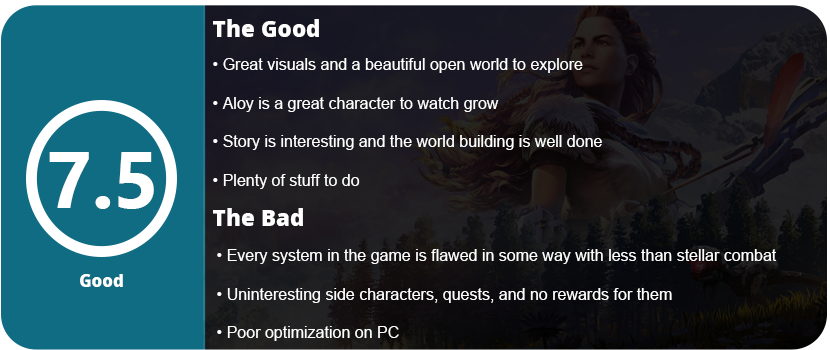
Overall, Horizon: Zero Dawn has a fantastic story, and world-building is done well, but the game has many systems that feed off of each other, and each one is severely flawed. Combat is hectic and requires breaking machine parts to take them down, and that type of precise combat isn’t fun here. Stealth is flawed as it requires trial and error, and you don’t get powerful enough weapons to ever feel like you can get any job done right. The weapons are mostly uninteresting, and the skill tree is a grind. Side quests and NPCs are a bore, and there are no worthwhile rewards for getting collectibles and doing said side quests. It sounds like I hated this game, but I didn’t. The story and world are interesting enough to keep playing, and Aloy is a great character herself. I just felt like the first third of the game builds everything up too much, and you’re let down when you realize that’s all.
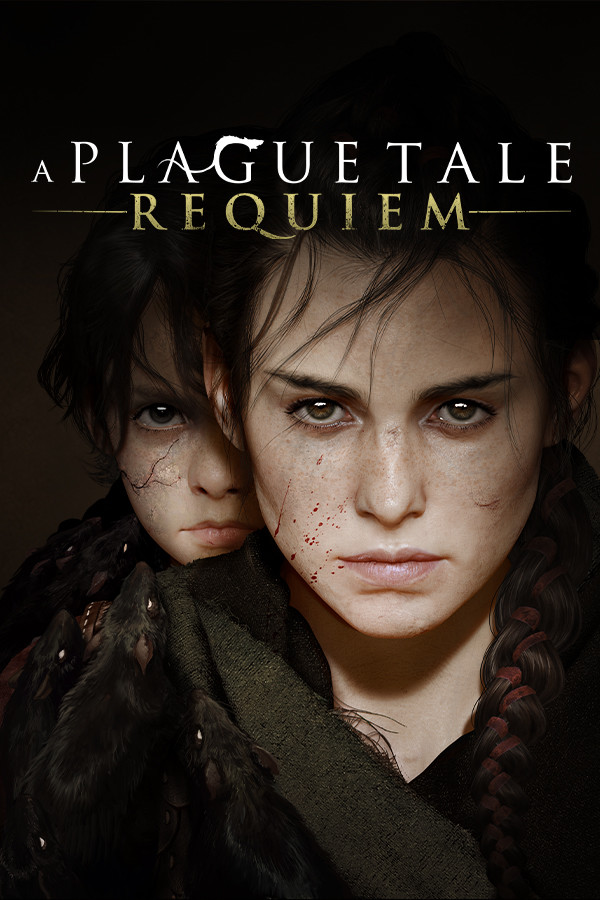
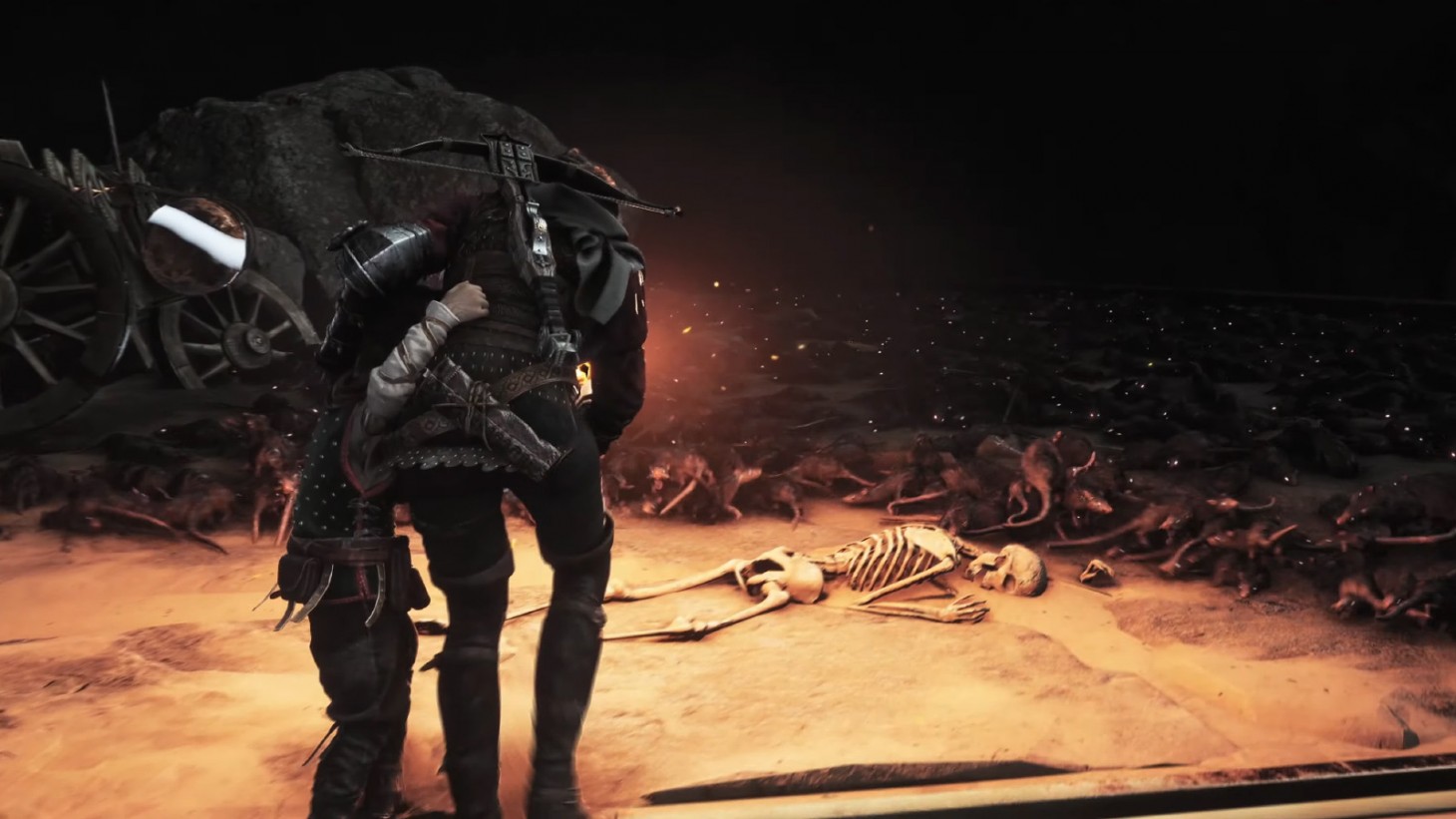
A Plague Tale: Innocence was a massive surprise hit for me. I didn’t expect much from it coming from an unknown indie studio. It seemed pretty, and that’s about it. I was shocked at the fantastic acting, gripping story, well-designed enemy encounters, and unique combat system. Requiem does what sequels normally do. Improve in some areas and step backward in others. While it’s not as shockingly impressive as the first game, it does deliver an even better story with insanely good acting and a couple of new characters. Amelia, Hugo, Beatrice, and Lucas are still trying to cure Hugo’s macula and stop the plague from spreading further. A lot more details arise, and we learn the true origin of Macula and Hugo’s fate.
The first third of the game takes place in the new town that Amelia and co. have settled down in. One thing I love about this series is that there’s one thing that always lingers in your mind when playing. Lose all hope. Hope is something that doesn’t exist in this world. Amelia and Hugo are constantly betrayed in this game, and it isn’t always apparent. You might think they finally settled down in a nice town or met nice people who would keep them safe and love them, but nope. Not in the world of A Plague Tale. There’s constant dread, pain, and death, and it’s wonderfully portrayed thanks to the amazing acting on screen. I do want to mention that while the acting is amazing, the facial animations are really lacking, including lip-syncing being stiff. That’s a minor complaint, but overall the story is awesome and it has a satisfying ending.
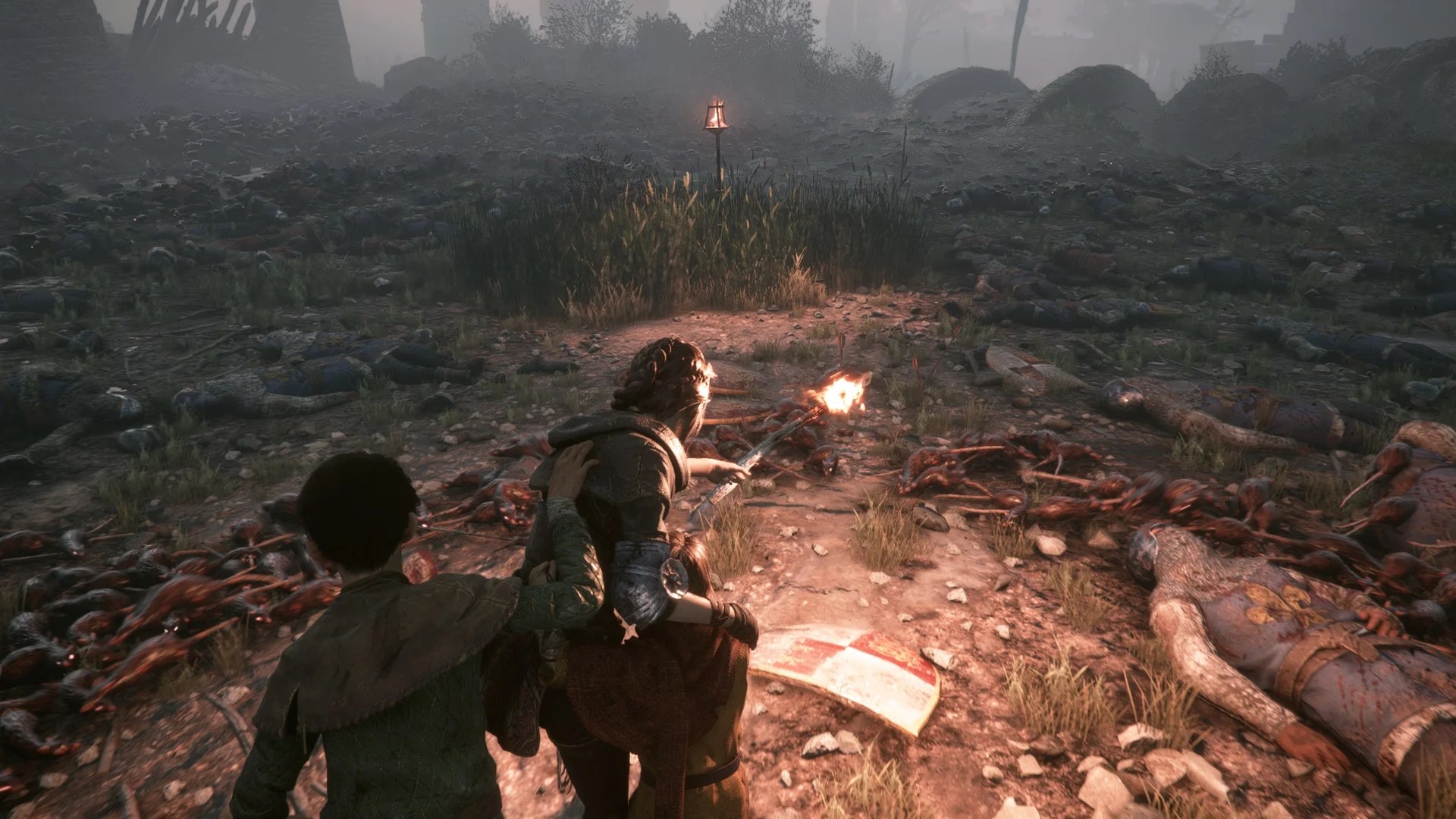
That’s the game’s strongest point outside of its amazing visual presentation. The first game was well-loved for its well-crafted enemy encounters. Each area felt like a puzzle, and it was the perfect difficulty. Not too hard, but not so easy that you would just run straight through. I always felt like I could figure out where to go and how to get around each enemy. It was so good that I played that game twice. Requiem adds a lot of new layers to the slingshot and alchemy, which makes it a bit overcomplicated. There are more elements added in, such as being able to hold pots and a crossbow. The crossbow is obtained shortly after the halfway point, but you can add four different alchemic elements. Tar, fire, and rat-attracting crystals This can make fumbling around to change your weapon and add the right alchemical property cumbersome on the fly. The tar can be used in pots to slow down enemies, but it can also be set on fire with the slingshot fire. So this requires switching to the pot, and then tar, and then switching to the slingshot and equipping fire. I died a lot trying to fumble around and figure out what to do on the fly. This becomes infuriating during open combat events in which I had to restart one section nearly two dozen times because I ran out of materials and had to figure out how to preserve everything in the right order.
Guards come in more variety this time. There are helmeted guards who can’t be killed with the slingshot. These need to be avoided or taken out from behind, which causes a lot of noise, and the animation is very long. You will, more than likely, always be seen. You get to hold disposable knives that are used to get you out in a pinch. There are guards with shields now that require being blinded with powder, which is another element to flip through. Fire is still a big gameplay element here, and you have rat sections that are also mixed with guards. I found these sections with rats more fun in this game because I could be more creative. You can put the guard’s flames out with the powder and watch the rats. Then there are puzzle sections with just the rats, and these were the most fun. I really enjoyed these sections, but there aren’t enough of them. Thankfully, combat in the game is spread pretty far apart, with entire chapters of just storytelling thrown in between to give you a break.
It’s a shame the combat went from perfectly balanced to overly difficult and cumbersome. The puzzle sections use the new elements as well. There are now different types of fire, from haystacks that only last a few seconds to fire bolts that stick to wood objects. You have unique partner abilities, such as Arnaud’s shield that bolts can stick to and Sophia’s crystal that can refract light. These are new changes I really liked and fit in. You can throw tar on flames to increase their brightness for a bit and spread light out more to solve puzzles and reach extra chests. This was the stuff I really enjoyed. Flipping through all these items and alchemy stuff during combat was just too much and hurt the already perfect flow from the previous game.
The last thing I want to touch on is the upgrade system. It’s been simplified and almost seems pointless now. You need tools and parts to upgrade, but they’re so rare and hard to come by that I barely upgraded a single skill to the max by the end of the game, and this is a 15-hour game. It takes a new game plus to continue maxing out your skills, which can really help if you can get to them, but it takes so long that I never relied on these. Even if you found every hidden chest, you wouldn’t be able to upgrade much.
With that said, the pacing of the game is all over the place. Going from entire chapters of combat to entire chapters of walking around and letting the story play out. An hour or two would go by with no combat or puzzles, or you would get an entire hour of puzzle-solving with 10 minutes of combat. I also didn’t care for the open combat sections. This combat system isn’t designed for running around and taking enemies out in droves. The first game did this well by just letting you slingshot enemies. You now have to run around and fumble with the weapons and elements to decide which enemy needs what thing to take it down. It’s incredibly frustrating.
The game looks fantastic, at least. This is the first “next-gen” game, I think, that’s been released so far. It’s not on previous-generation consoles, and sure as hell, it wouldn’t run on them. My 3080ti struggled at 1440p with maxed-out settings with DLSS turned on. It did dip down into the 40s at times. While it’s not perfectly optimized, anyone outside of an RTX GPU won’t have a great time running this game. It really is a next-generation-looking game. I can’t stress enough how amazing the game looks. Beautiful vistas, lots of color, and tons of dark visuals as well. It’s a sight to behold.
With all that said, Requiem does a lot of good in the story and visuals department but falters when it comes to combat and pacing. I enjoyed the puzzles and sections where you had to get through rats, but the open combat is infuriating, and fumbling through all the elements
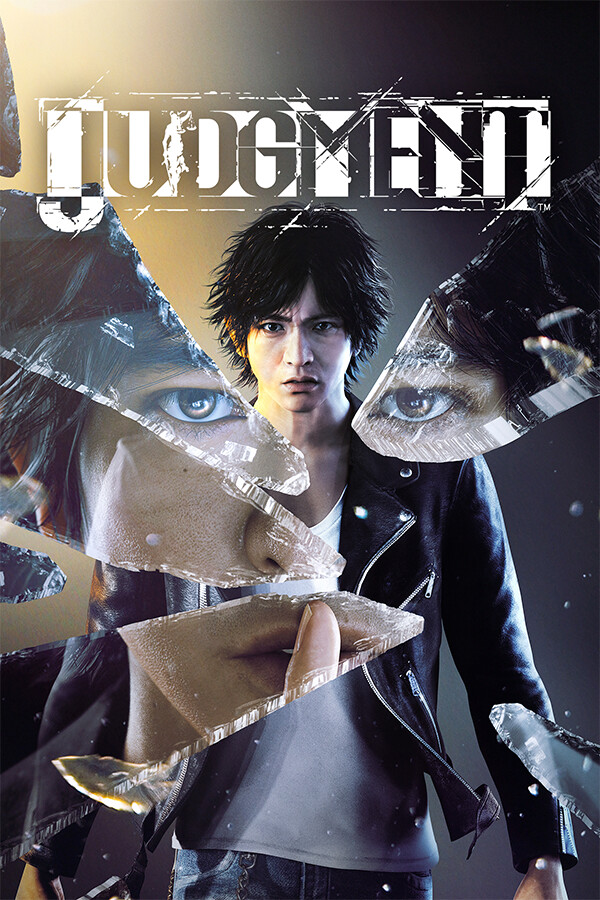
The Yakuza series had massive success with its spinoff, Like a Dragon. While it had flaws, it was entertaining and had great characters and a detailed story. The entire Yakuza franchise excels in the storytelling and character development departments. Judgment is no different. You play as the lawyer turned detective Tavo Kagami, trying to rid himself of his demons and upturn a bunch of corrupt politicians. An Alzheimer’s cure and a murder mystery are at the center of this. The story is well constructed and kept me on the edge of my seat at every turn. The entire story has chapters ending on cliffhangers like addictive binge-worthy TV shows. I always wanted to know what was going to come next. At many points, it felt like Yagami and co. were backed into a corner, and I didn’t see any way out, only for the story to twist and turn in crazy ways.
I don’t want to say too much about the story, as any small detail can spoil it. Just know that this is the strongest point of the game and what makes it worth sticking through the 30-plus-hour game. The second reason is the characters. There are many, and they are well-acted and have great backstories. They are slowly introduced throughout the game, and by the end, I either loved them or hated them. Tavo himself is a well-rounded character who’s stubborn and unwilling to back down from anything. I really liked the personalities of each character. They were unique and interesting, and they all stood out in their own way. For such a large cast, this is usually hard to pull off or not done well enough.
Judgment_20190619220949
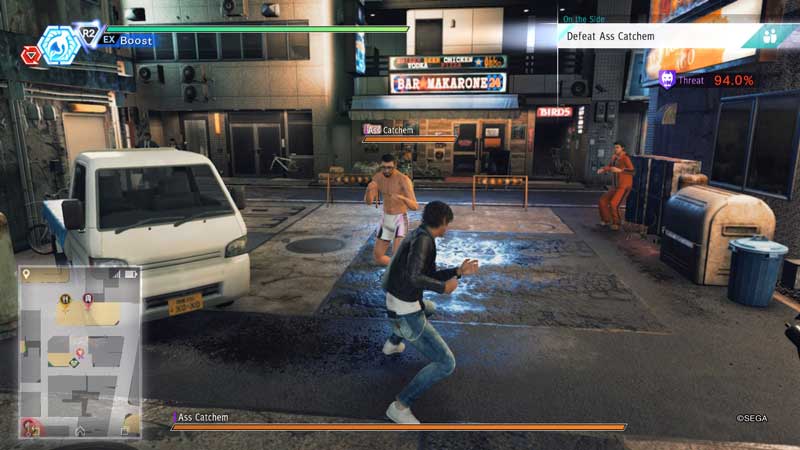
As for the gameplay, this is where Judgment falters, and the entire Yakuza series lacks here in every entry in some way. You get to run around in this open map called Kamarucho. I don’t want to say open world because it’s just a small city that can be run across in about 2–3 minutes. It’s a city full of crime and underground misdeeds. What’s the point of the open city? I don’t really know. Mostly for side quests, but I always found these to be underwhelming and repetitive in the Yakuza series. There are a few types. First off, there are actual side cases that net you more SP and cash. That’s about it. They are mostly uninteresting and don’t advance the story or characters at all. There are friend events spread throughout that net you skills that can be unlocked, SP, and cash. These are the two main types of side quests you can partake in, and I did finish most side cases just for the SP and cash. You really need cash to buy healing items and stay stocked up.
There are taxis spread throughout to help with fast travel. With such a small area, you would think it’s pointless, but it’s great to avoid fights on the streets. These are randomly occurring, and you can usually run from them. I felt it hindered progress, and after the third chapter, it didn’t net enough SP to be worth bothering with. Eventually, you will be wanted by street gangs, and your threat level will increase unless you stop a boss-type enemy. This never goes away and will always go back to 100%, so I just ignored them. There are also side activities that are mostly used for dating. That’s another side quest that I didn’t find interesting. You can meet girls through friend events or side cases and later date them by presenting presents. Side mini-games like batting, darts, and gambling can be fun to an extent, but when are mini-games like this ever fun to go back to? It’s just filler content, and for achievement hunters, really. It doesn’t advance the story or add to it in any way; I just felt like all of these side activities and missions were chores to complete.
Let’s get into combat. It’s flawed, for sure. While it looks cool and is easy to understand, it suffers from unresponsive controls and animations that don’t interrupt when you input a command. I always felt like my button presses were delayed. There are two fighting stances. Tiger for one-to-one fights and Crane for multiple enemies. You can pick up objects and hit people with them, and there’s a special EX finishing move that you can perform, which is key to winning tougher fights. You also have an EX boost, which unlocks more powerful combos and increases your defense. Again, a key thing to use to win fights I just felt like no matter what I did, I couldn’t master the system. There is a block and dodge button, but it seems that the enemies are magnetized to you because no matter how much I dodge or run away, they always follow me and connect their attacks. It makes boss fights especially infuriating. While I had plenty of items I could use at my disposal to help, I wish I could rely more on my skills, but the fighting system just doesn’t allow it.
There are other small annoyances, such as mortal wounds. These lockout parts of your health bar, and the only thing in the game that can fix this are med-kits, which are rare and cost a lot of money. There’s only one person that can heal you, and they’re sold underground in a sewer. Of course, you have to go through the animation of opening the sewer, sliding down a ladder, running down the sewer, and then the same thing going back up. Just cut all of this out! I also found the game way too long. It’s padded with a ton of fights throughout the main story, and I wish a lot of this was cut out. There are easily 10 hours of fights just in the main story. Nothing breaks this up, however. There are repetitive detective events like searching for objects in first-person, chase scenes, and tailing people. My god, do these get old quickly? Tailing missions are never fun in games, and these are dragged out for sometimes over five minutes. You can hide behind objects, and that’s about it. Just don’t fill out the suspicion meter. All of these mini-games are just incredibly repetitive and could have been cut out.
The game at least looks decent. It’s a PS4 port, so some parts look rough. There are some textures that look like PS3-era stuff, but at least the facial animations and character models are really good. There’s lots of detail everywhere, but don’t expect this to push your hardware to its limits. It mostly looks very realistic and sterile, with not much in the way of artistic flair. It looks like a modern-day Japanese city.
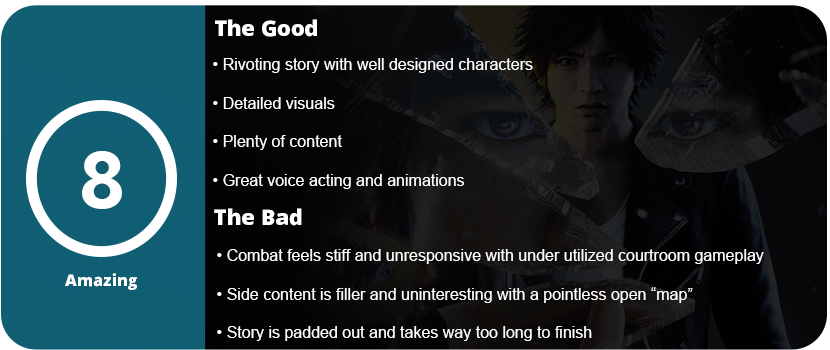
Overall, Judgment excels in storytelling and character development but falters in gameplay. The fighting is stiff and unresponsive, the mini-games are repetitive and pad out the hours, and I felt the detective work in the courtroom was a missed opportunity. The open city is an excuse to throw side cases and missions at you that are meaningless and just pad gameplay. Random city fights are annoying and get in the way of progress, and the visuals aren’t much of an upgrade. What’
Scorn is a game that’s been in the making for a long time, despite my only knowledge of it being shown at E3 earlier this year. I’ve been hyped for this game since and stayed up until 3 a.m. on launch day to play it. The gameplay videos were misleading. It looked like a very atmospheric and macabre FPS; however, nothing was said about the heavy puzzles, short length, or complete lack of story or context.
The opening is similar to God of War. The menu is in real-time, and when you start a new game, you awaken from the main menu. I didn’t suspect anything during the first hour of the game. I expected the game to open up slowly and thought the slow pace, long hallways, and lack of any story, voice acting, or context were just the beginning. Sadly, this is the entire game. There are five main acts in the game, and each one is just a giant level full of puzzles, backtracking, and terrible combat. Combat isn’t actually introduced until Act 3, but I digress.
The game doesn’t start out well, with an incredibly frustrating slider puzzle. You must move pods around a wall, and I had to look up how to try and solve it right away. The first act took an hour to complete because of all the backtracking and trying to explore the level and see what parts of this puzzle I should tackle first. This quickly takes your focus away from the fantastic art design, infrastructure, and alien mystery of the game. I was running around pulling switches, pushing carts, and sliding puzzles for an entire hour. There was no reward to this except an incredibly disturbing and gory-cut scene of a poor creature pleading for help only to be sacrificed to progress to the next level. I thought during the E3 videos that this was what Scorn was full of. Incredibly gory scenes, but there were only a few of them spread throughout.
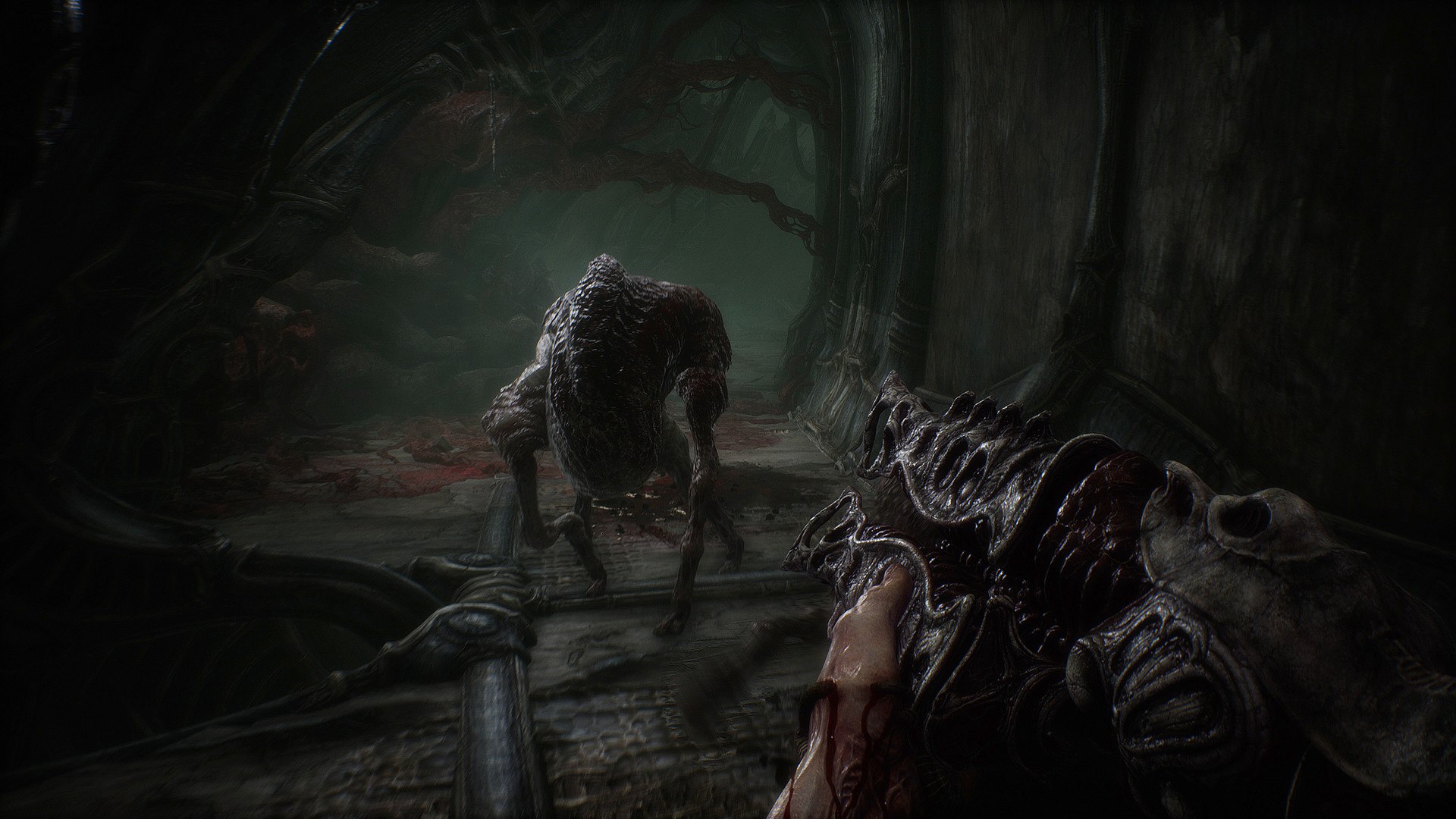
As you progress on to Act 3 to pick up your first weapon, you realize that this is all the game is. Puzzle after puzzle, endless rooms and hallways, no exploration, no side quests, nothing. The first weapon is some sort of jabber thing that gives you two hits before it needs to charge. This is where combat falls apart. The enemies are fine. There are three or four different kinds, ranging from weak two-hitters to massive dog-like ones that need projectile fire. The combat is just so slow. You need to aim, jab the creatures, then run away and let them recharge just to turn around and do it again. It’s clunky, I died way more than I wanted to, and health is way too scarce for this type of combat. Later on, you get a pistol and then a shotgun, but ammo is so scarce for them that I often just had to run from enemies. You eventually have to take everyone out, as there is a lot of backtracking needed to find keys, go back and insert them into the correct spot, then go back and do something else.
Reloading is really slow, and you’re vulnerable. If you thought Killzone’s reloading animations were long, this is worse. There’s no jump button, no crouch, but there is a sprint button. You can just run away, turn around, shoot, and hope your shots don’t miss. If you’re caught with an unloaded weapon, you’re dead. Normally, this would be forgivable, but there’s no reward for doing anything. The occasional gory torture scene doesn’t cut it, and they are short and spread very far apart. I actually enjoyed the smaller puzzles more than the large level-size main puzzle, but some were just way too complicated and difficult. I frequently got lost in maze-like hallways, and Act 4 was excruciatingly difficult due to all the enemies around and scarce ammo. I had to strategize what ammo to use on what enemy.
There is a final boss fight, which was more annoying than frustrating, and I did find several bugs in which I couldn’t activate switches, and my game crashed my whole PC once. Checkpoints are unfairly spread apart, and you are forced to restart entire sections and go through the same animations and small scenes just to die again. Even the ending didn’t save this game at all. There’s no satisfying conclusion. I kept telling myself, Okay, this is the moment! This is it! We’re going to see why you’re in this alien world trying to survive!” Only to get nothing. The game pretty much just ends without spoiling it.
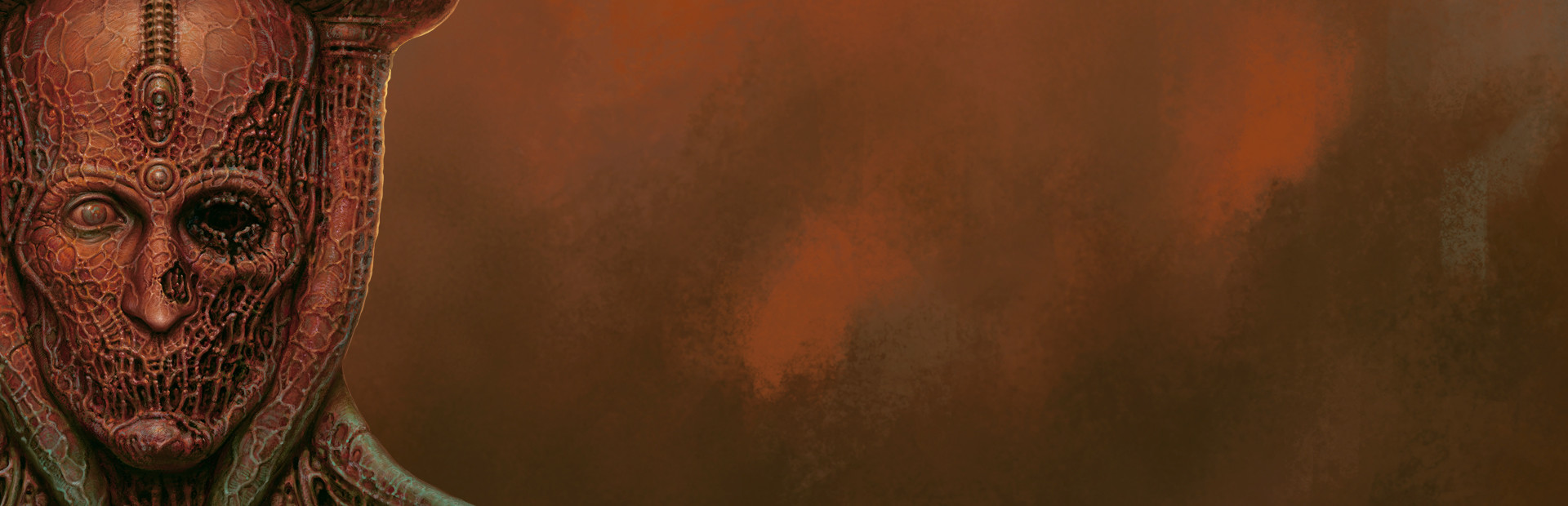
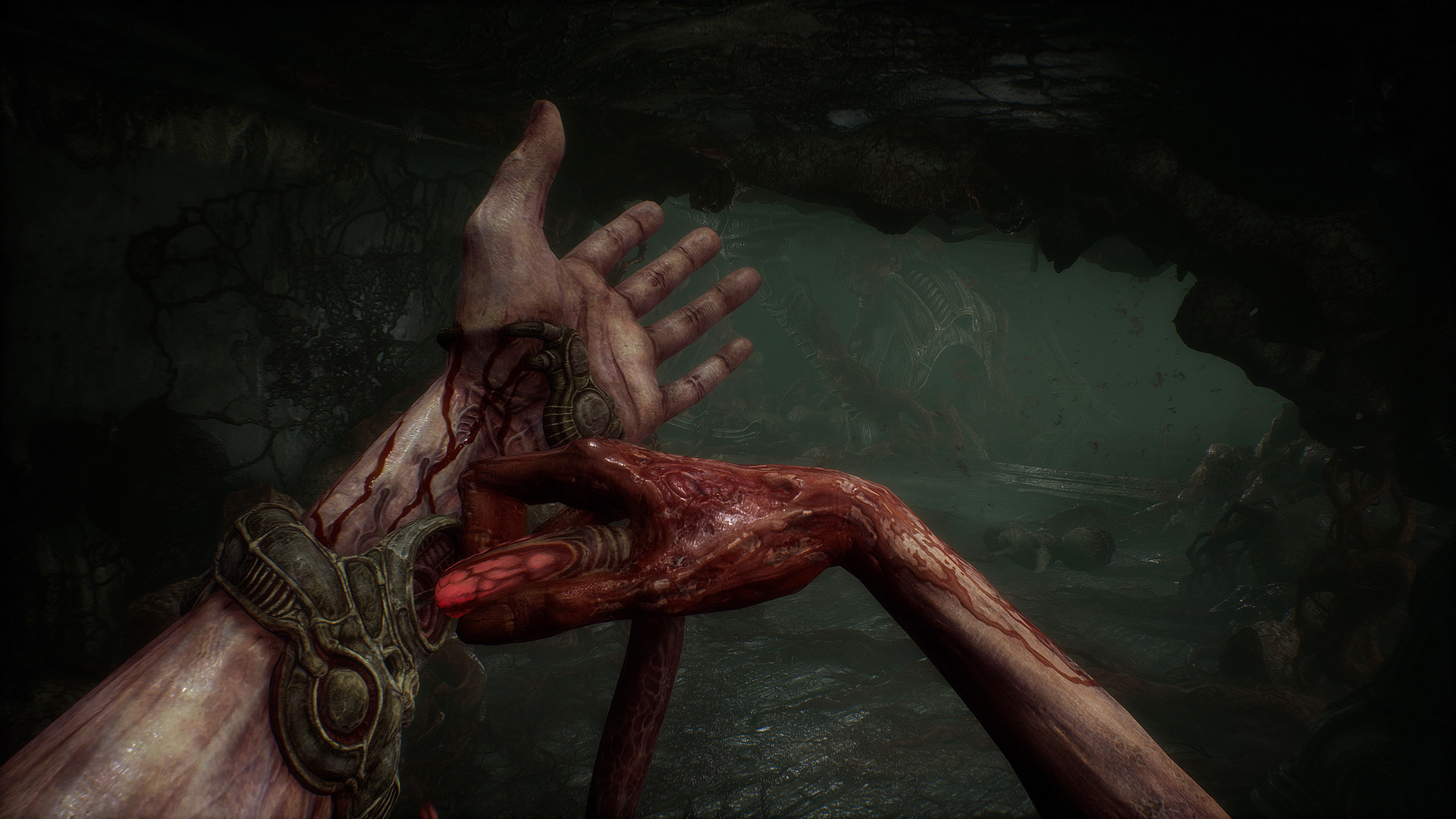
I did enjoy seeing this game, though. Playing it again is another story. The game has some of the best art design, technical visuals, and sound design I’ve ever seen. The late H.R. Giger (Alien)-inspired architecture is fascinating to look at, and I wanted to stop and look at every new thing I came across. This game is a work of art, and I feel if they either went all-out with the combat Quake style or cut it out completely, it would have helped this game immensely. The combat doesn’t add anything to the game at all. It just hinders puzzle-solving and backtracking and makes the game take longer to finish.
Overall, Scorn is a pretty big disappointment with many shortcomings. The complete lack of story or context, awful and sluggish combat, scarce gory scenes, and maze-like levels hinder the game at every turn. The game’s only saving grace is the amazing sound and art design. It’s a visual masterpiece. The game’s short length is in its favor because of these issues.
















































 thebinarymessiah.com
Try multiplayer. A lot of fun !