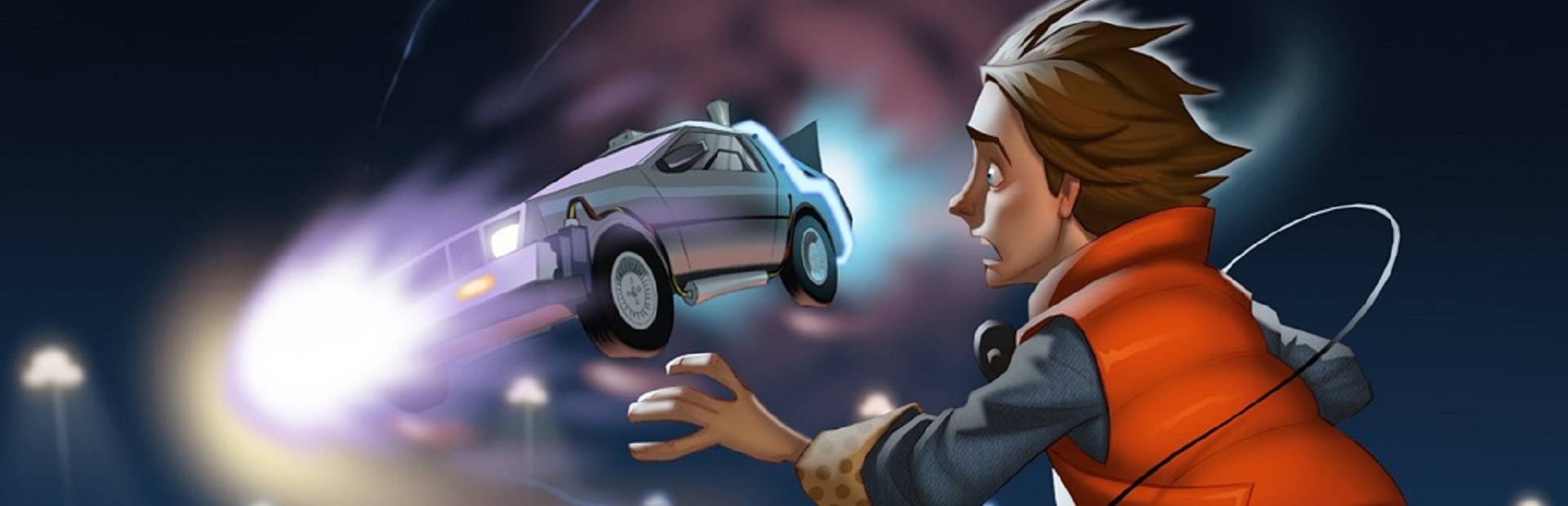
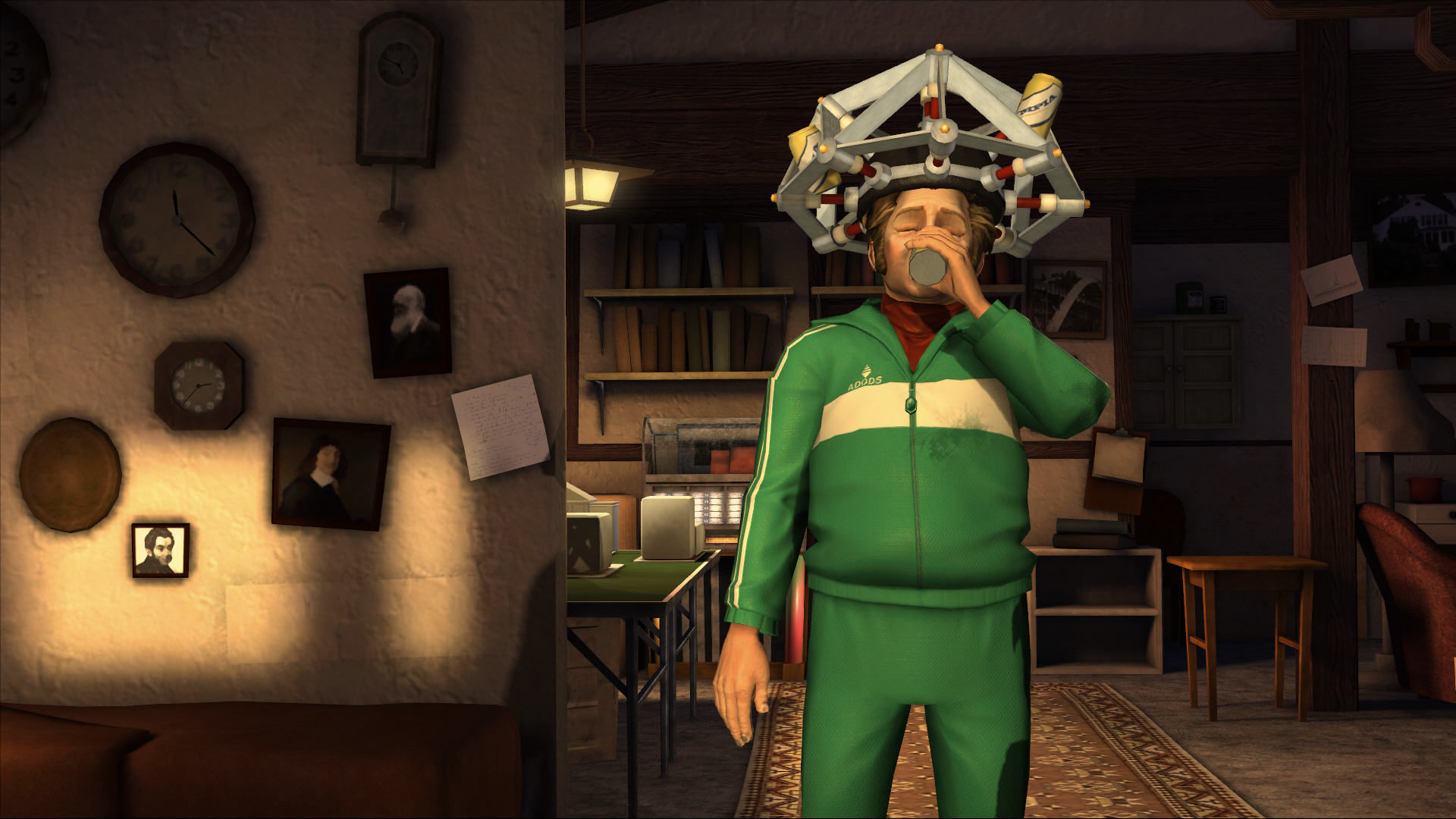
Back to the Future hasn’t really done well when it comes to games. There were a couple of bad games in the 8 and 16-bit eras, but Telltale Games finally picked up the license and injected its excellent adventure formula into the beloved series. You play Marty McFly, who has to go back in time and save Doc Brown from his own deadly fate. He gets a message from Doc to save him, and Marty must find out how to do it with the help of young Emmet Brown.
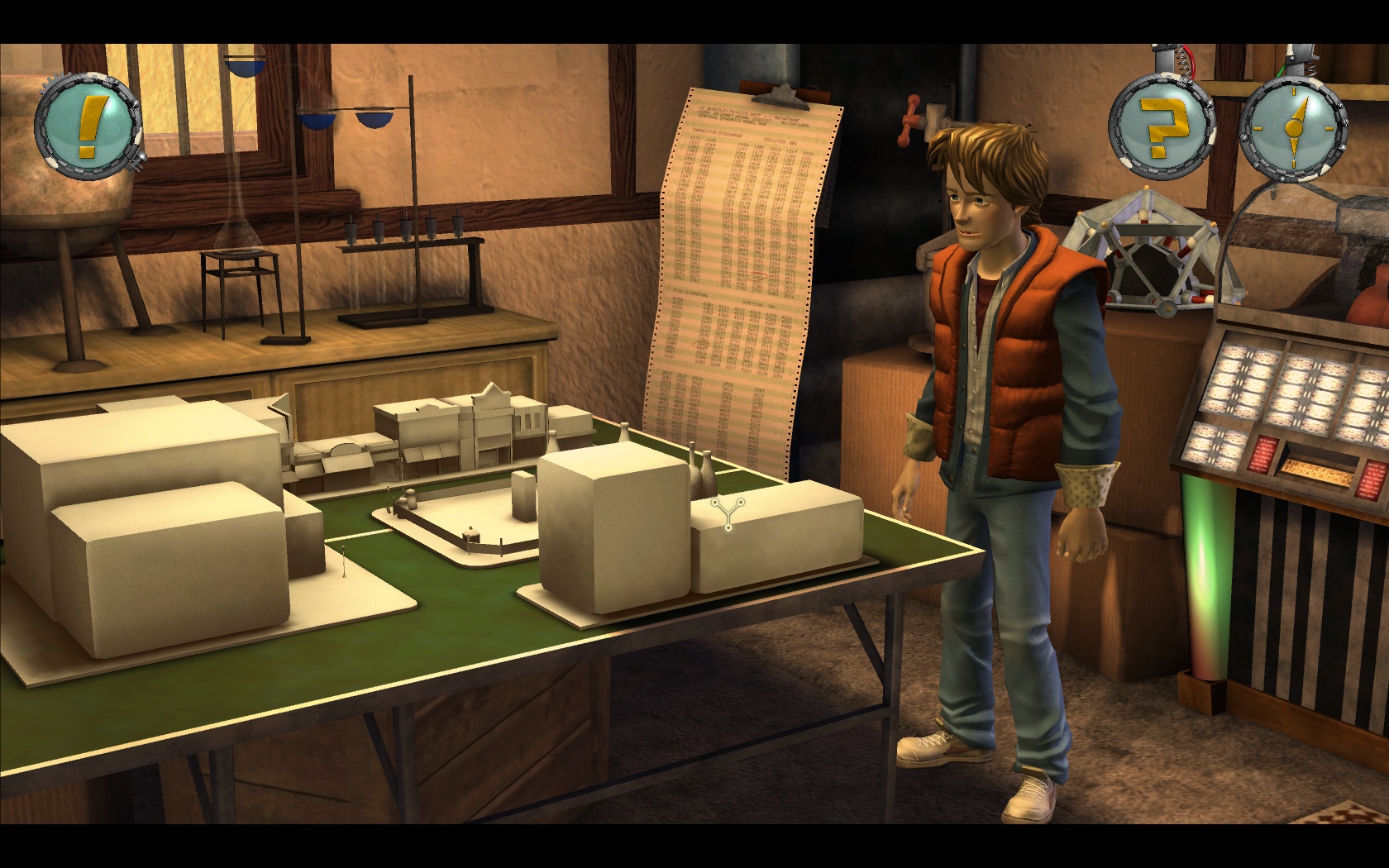
The story is original but uses the BthF license very nicely. The voice actors sound almost spot on, and everything from the DeLorean to Doc’s dog Einstein and even Marty’s relatives is voiced well and resembles their live-action selves. It’s great to explore the BthF universe with the same clever writing and storytelling. There is a simple adventure game interface where you click around on objects and listen to Marty explain them, but the puzzles are more involved than just slider puzzles or matching symbols. The puzzles are broader and story-driven, and that’s what Telltale is famous for in their Sam & Max games.
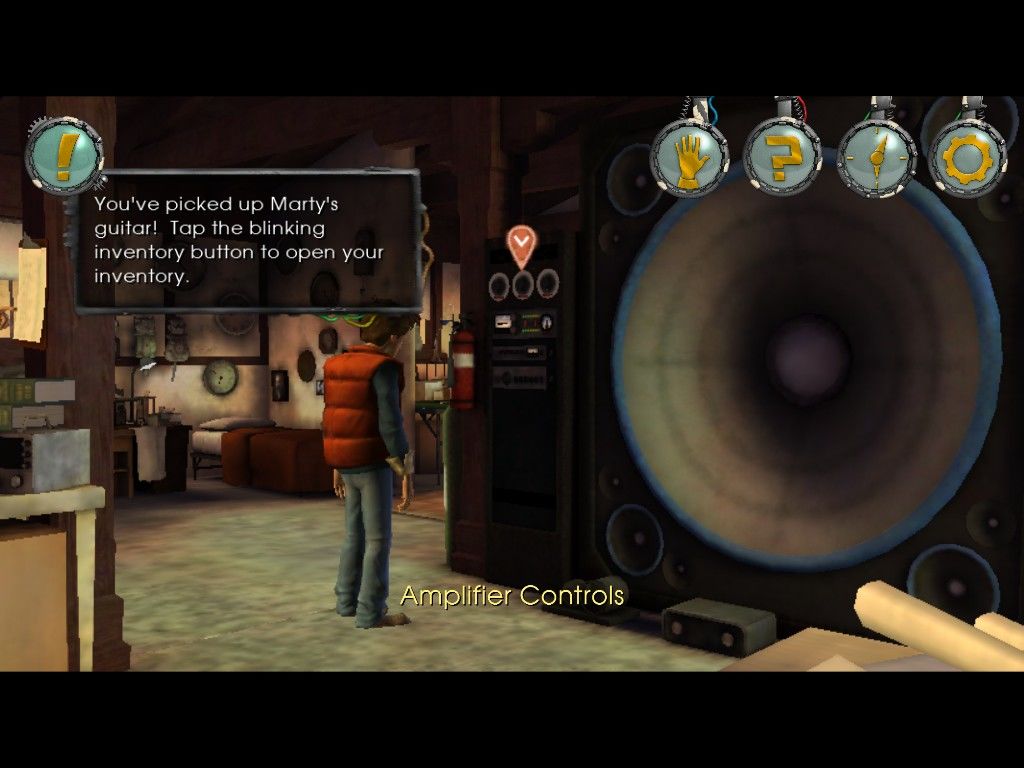
You can have items in your inventory, but you don’t just wander around and use them for every pixel in the game. It’s usually pretty obvious to use your recorder to record young Doc’s mumblings so old Doc can solve them. You aren’t overburdened with a ton of items that you have to constantly use a million times on everything, so it’s straightforward and simple, but you do have to think a bit. One great feature to resolve pixel hunting is a button that will show every icon you can interact with. This saves time and frustration, so you’re not wandering around and missing that one item that’s almost off-screen.
While the interface and interaction are smooth and simple, the game is very short, and it’s still lacking some gameplay depth. I would like more cerebral puzzles, but Telltale is more about the story than anything else. The game doesn’t get super exciting until the last 30 minutes of the last two sequences. You can beat the game in one to two sittings (about 3 hours), so for $25, the game is highly overpriced and not worth the money unless you’re a die-hard BthF fan. I would wait for the full season to come out and not spend a ton of money on each episode. Also, the graphics are pretty horrible considering the nice art style. Telltale really needs to upgrade their 8-year-old engine to something more modern.
Ever since the entertainment industry was born, man has always loved to be scared. Despite our curiosity about death, we loathe it every day, yet we surround ourselves with it in an ironic twist. Dead Space 2 is just a dot on the timeline of horror and death in the media, and we suck it up like candy. What makes Dead Space 2 quench our curiosity for horror and push the human mind to its psychological limits? The story of Isaac Clarke aboard The Sprawl and returning to the Ishimura may hold the answers.
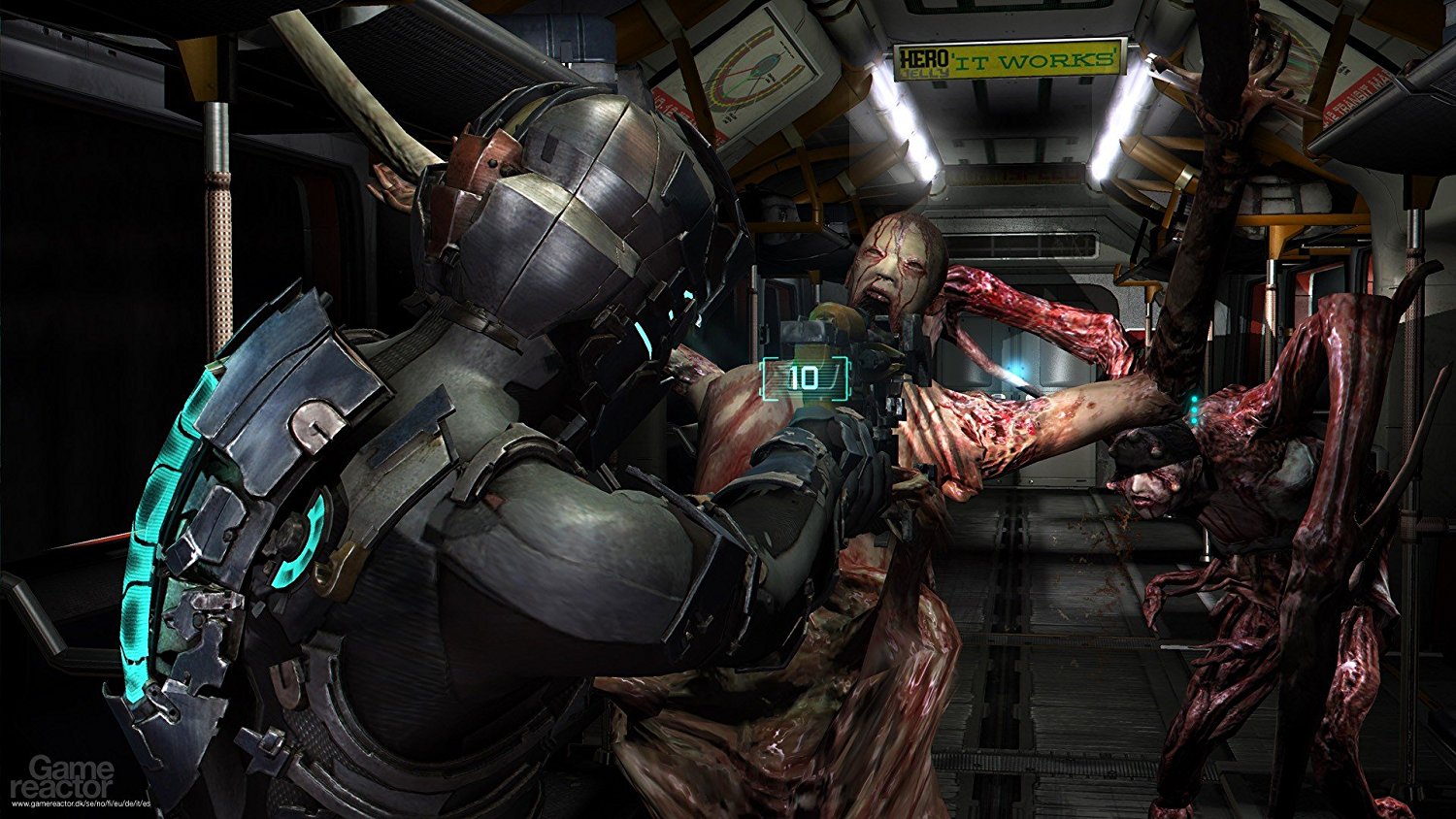
Isaac Clarke wakes up in a straight jacket and is being chased by Necromorphs once again. He has to destroy the marker, but he doesn’t know how. His journey through The Sprawl is very dangerous and gut-wrenching, but I guarantee you’ll love it. The combat is pretty much the same but feels slightly tighter and a little more responsive this time around. De-limbing Necromorphs is as satisfying as ever and proves to be pretty scary and gruesome. You can now use your telekinesis module in combat, such as throwing limbs and objects at enemies to kill them, but I rarely use this method.
There are a ton of weapons at your disposal, but upgrading them all takes a couple of playthroughs since power nodes are harder to come by, and you really need to rely on buying them. The new weapon (there’s only one, sadly) is the javelin gun, which lets you launch spears at enemies and impale them on walls. A secondary fire mode allows you to electrify the spear to shock nearby enemies or do extra damage. It seems a little overpowered, but it works well on larger enemies.
Speaking of new Necromorphs, there are a few great ones. The Stalkers are really great enemies because they hide, peek around corners, and rush you. Using the force gun or the javelin gun and using alt-fire are great ways to stop these guys, or just planting mines. The pack is screaming evil-morphed children that rush you into, well, packs. The force gun is the best way around these guys, or the flamethrower. Another new enemy is crawlers, which are morphed infants that cry like babies and whose bodies can explode. Using the force gun or flamethrower works great here too.
Despite the combat being the same, the pacing is great, and the atmosphere is extremely haunting, especially during the first few chapters. The storytelling is deeper thanks to Isaac actually talking and interacting with the characters. The ending is excellent, but the game runs out of steam after the first few chapters and just becomes a hallway grinding shooting fest. This isn’t to say that’s bad because the varied environments are nice to see, but I would have liked more scripted moments.
Some other key elements have changed, such as zero-gravity gameplay. Instead of jumping from fixed point to point, you can now move around freely, and the sections are much longer and more involved. Sometimes a whole chapter will be in zero gravity, and this includes being out in deep space. I really liked this change, which is probably one of the biggest in the game.
I really feel as if the story mode was well planned out, but the middle of the game is pretty straightforward and keeps the game from getting a higher score. The game is also a lot harder and pretty relentless in doling out enemies at you without stopping. You really need to stay on your toes this time around, and strategy is key to figuring out which weapons work in which situations. So, with the first few chapters and last few being the best, the rest of the game is just mainly atmosphere, but it’s paced well, and that matters a lot.
The multiplayer suite is unusual, but only addictive for a little while. This isn’t like Call of Duty or Halo, where you’ll be coming back for dozens of hours at a time. It plays a lot like the single-player game where you blast away Necromorphs, but humans control those too, and they keep respawning until the objectives are met. You can collect health packs, ammo, etc., but Necromorphs are pretty relentless. There are four types you can play as, and each has its own unique abilities. Ganging up on humans is the best strategy, but sometimes the whole ordeal feels unbalanced since this is a tricky way of doing multiplayer for a game that wasn’t designed for that. The multiplayer is thrilling after a while, but once you play all the maps and classes for a few hours, you’ll be done.
Collector’s Edition: If you want to dish out an extra $20, you get a nice plasma cutter replica that lights up and is built rather nicely. You also get a pointless comic panel, the Zealot force gun and armor, plus the soundtrack. It’s a nice package for $20, and the PS3 version gets Dead Space: Extraction (originally a Wii exclusive) that’s compatible with the Move (but you can use a controller!). Even gamers who aren’t hardcore fans will love this.
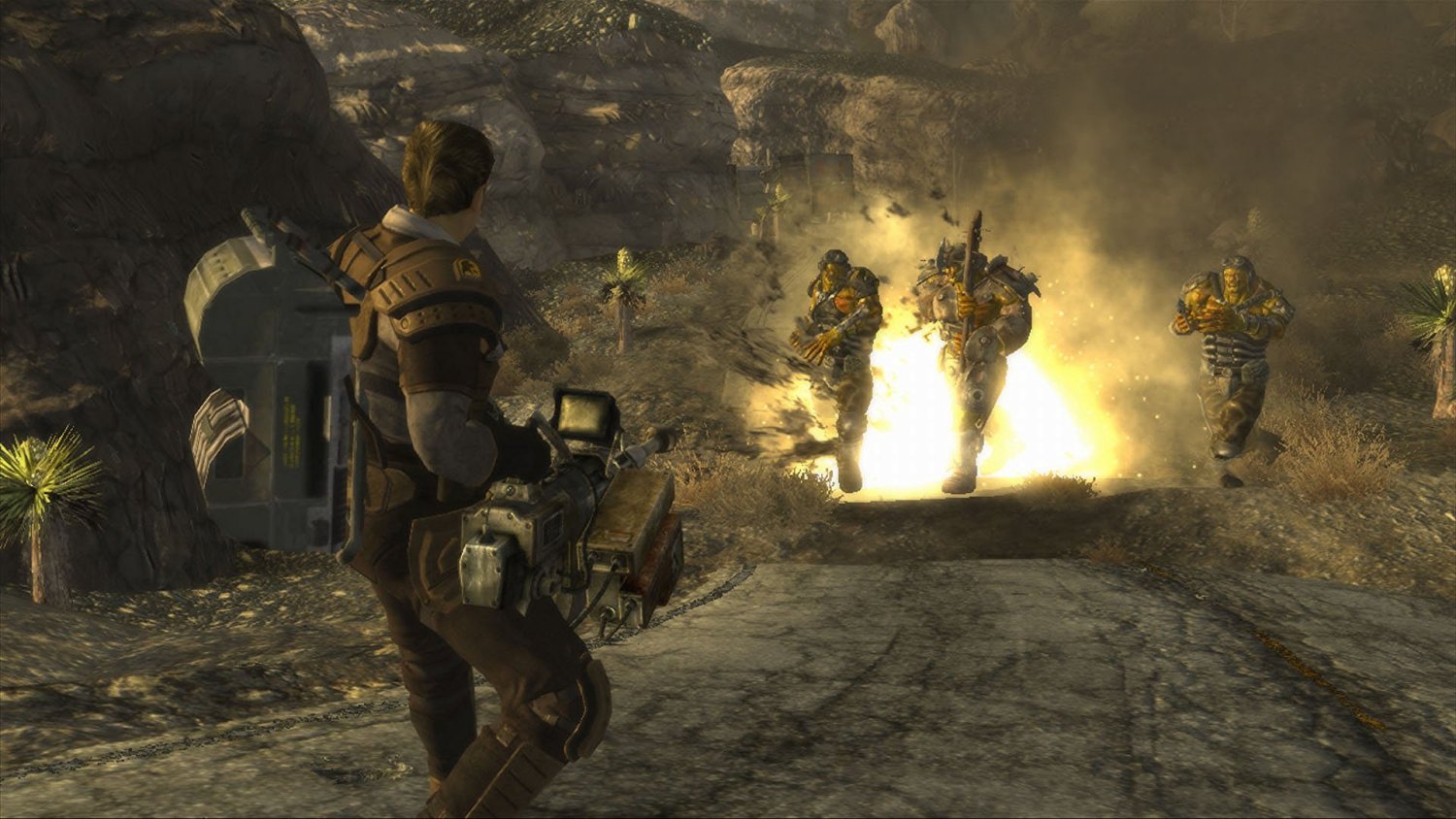
Fallout 3 was a phenomenon like no other. With such care and time spent on a license that completely reimagines it, it is daunting, but Bethesda pulled it off. With its haunting and eerie atmosphere, huge selection of lore-friendly weapons, excellent story, dialog, and character design, Fallout 3 became an instant classic of the last decade. New Vegas continues this tradition, but Obsidian (the original developers of Fallout 1 and 2) is on one board and has changed the game slightly, which will either piss fans off or please them.
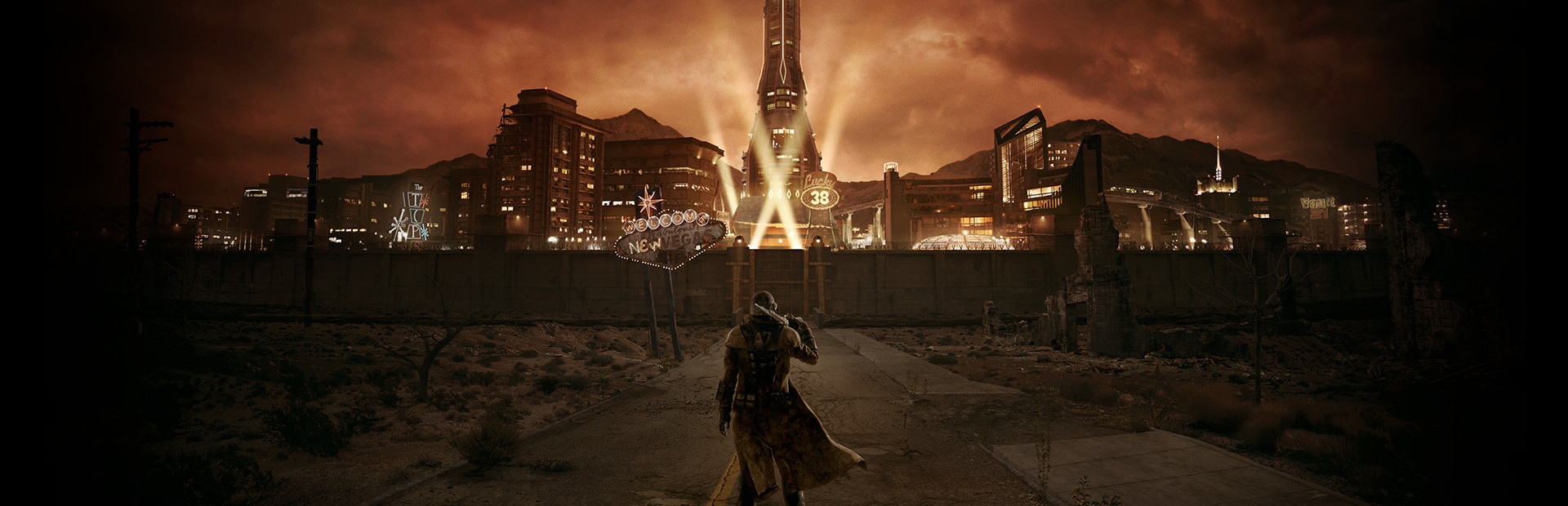
New Vegas starts out with you being buried alive after being shot. You are a courier, but a robot named Victor digs you out, and Doc Mitchell patches you together. As you come to him, he talks to you as you select your character design and special, just like in Fallout 3. While it’s not as memorable as Fallout 3’s baby scene during this setup, it works just fine. As you step out into the Mojave Wasteland, your eyes adjust to the light, and you’re set loose in Goodsprings, which is New Vegas’s equivalent of Megaton. You meet Sunny Smiles, and she shows you the ropes of the shooting part of the game, and from there you’re on your own.
The first thing you will notice is that the engine has had a slight upgrade, but not by much. The game still uses the Oblivion engine from Fallout 3, so it’s obvious Obsidian is playing it kind of safe. The game is also full of desert wasteland, and Obsidian did the impossible by making a desert feel fun to play in and not deserted, empty, and boring to look at. Of course, like in Fallout 3, you headed toward the DC Metro area. In New Vegas, you’re heading to the Vegas Strip to meet Mr. House, who can help you figure out what exactly happened to you.
In the meantime, there are rival factions battling it out, mainly the New California Republic and the Caesar’s Legion. The NCR wants to order in the Mojave and wants to take over the Strip, but Caesar’s Legion wants to enslave everyone. There are other smaller factions that you must decide what to do with, and each one has tons of missions that will ultimately determine how easy the end of the game is. Speaking of missions, that’s one thing you will notice. There are tons and tons of them, but the game is missing the epic set pieces that Fallout 3 had. Instead, it’s just quest after quest, but they are all designed brilliantly, and no one is ever the same.
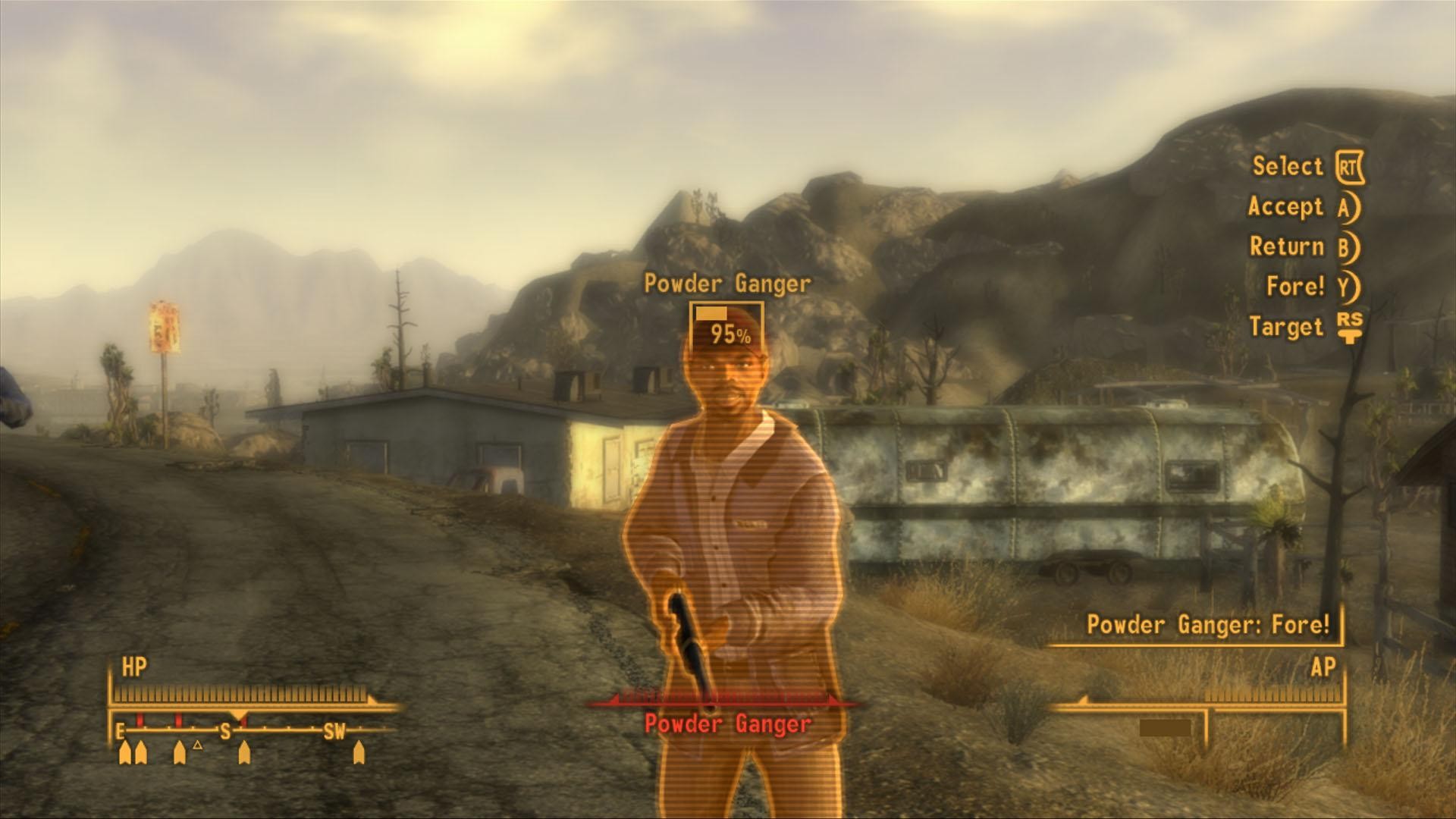
New Vegas still has the VATS (Vault-Tec Automated Targeting System) system, but nothing about it has been changing. There is a new first-person iron sights view, so with this, you will rarely use VATS now. This helps make the action faster and speeds things along. Everything else from Fallout 3 is here, but a major addition is modding your weapons. You can find or buy things like clip extenders, silencers, and scopes to add to your weapons. Additionally, you can also break down ammo and create new ones, as well as make aid items from items found throughout the wasteland and cook them. These new additions are minimal, and some people may not even use them, but that’s ok. There are a ton of new weapons and enemies, and everything you expected from Fallout 3 is here.
New Vegas also has amazing dialog, characters, and quests, and there is a ton of it. There are quite a few companions to have to tag along with, and there seems to be an infinite amount of spoken dialog. Player choices still play a huge role in the game, so don’t think those are gone. The biggest feat for New Vegas is that it, yet again, portrays a believable, enrapturing world and feels every part as amazing as the Capital Wasteland. There are a lot of Easter eggs and tidbits for fans of the classic 90’s Fallout games too. New Vegas is just an amazing and engrossing game that you can’t get yourself sucked out of. The addition of gambling is a good example of something that can be done at any casino and can be a lot of fun.
The game does have a few flaws, such as the copious amount of bugs, the characters looking ugly still, and the fact that it feels kind of dated. While the engine is solid and works for this game, it just needs a huge overhaul for Fallout 4, but die-hard fans will appreciate the familiarity. On a side note (that doesn’t affect the score), the game has a huge moderator community. Within the first week of being out, there were over 1,000 mods. While most of them are junk, there are some amazing mods that you must have that will make you not want to play the game without them. Character mods to make them look better, sexier, clothing add-ons, quests, weapons, you name it. I can’t play the game without these amazing mods, but for people who don’t care, New Vegas is a great game.
On an end note, New Vegas really sticks true to the RPG genre with tons of perks, a level 30 cap, and somehow makes item sorting fun. Pulling up your Pip-Boy to check your map, fast-traveling to discovered locations, or finding little-hidden gems and secrets in the nooks and crannies of the world is satisfying. Before you know it, 8+ hours will pass, and you’ll go to bed with a smile on your face, knowing that the Mojave Wasteland is safe with you around. Or is it?
Collector’s Edition: If you want to pony up another $30, you can get a beautiful and well-put-together special edition. The biggest attraction is the real poker chips from each faction of the game, plus the 200 platinum chips. The playing cards are beautifully drawn, and each card features a character on the back with a bio. The quality is amazing. You also get the comic book and making-of DVD. Is it worth it? Hell yes.
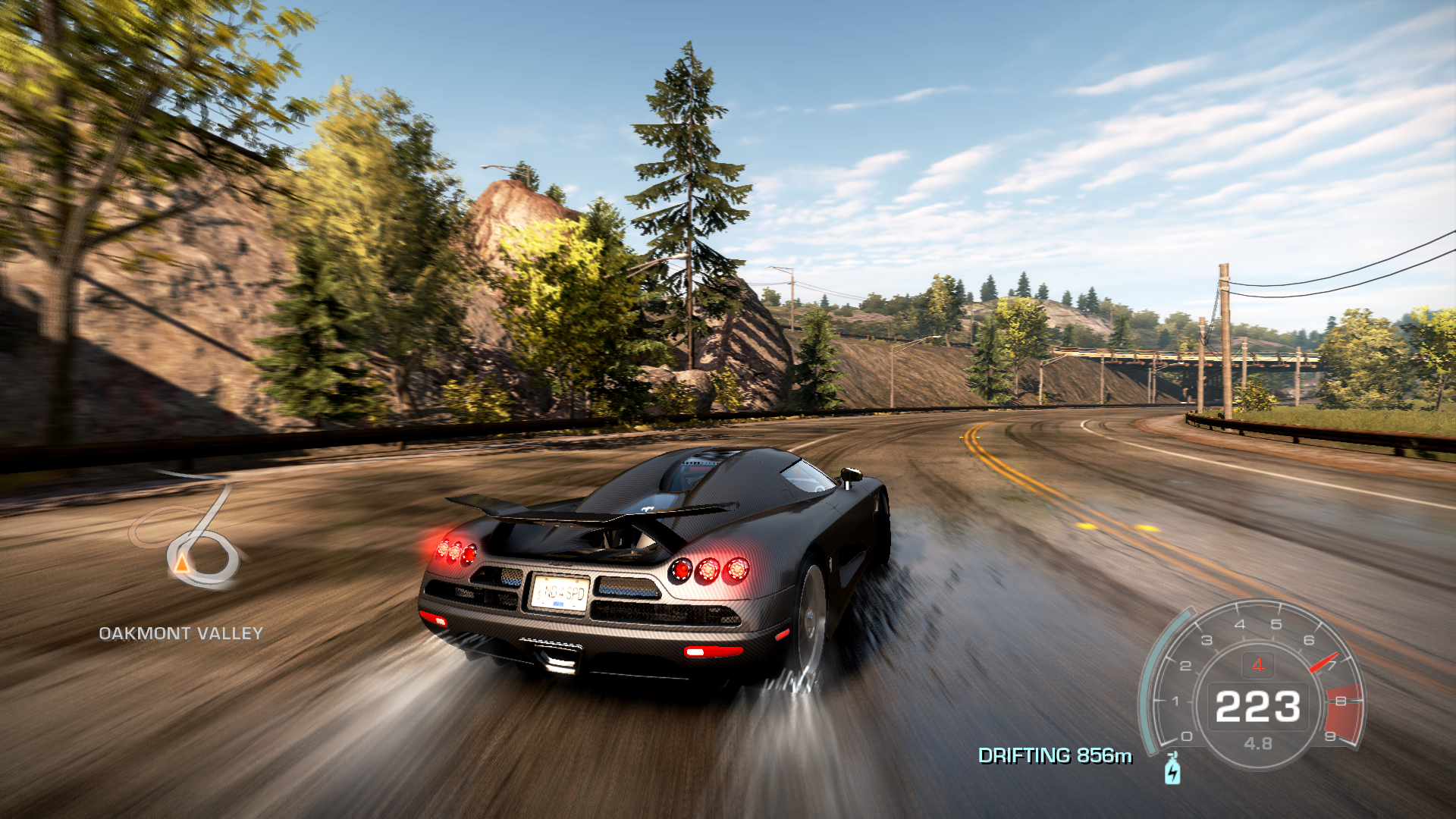
The Need for Speed series has been seriously confused and hurtful since Most Wanted. While Shift was a simulator, the other ones in between have been either subpar or bad. Hot Pursuit revives the classic entry with the Burnout team behind the wheels, and this feels more like Burnout than Need for Speed, however. Using the Paradise engine, Criterion did a good job making the game both look pretty and giving us a Burnout feel with real-world cars. These are slick cars, ranging from Mustangs to Maseratis.
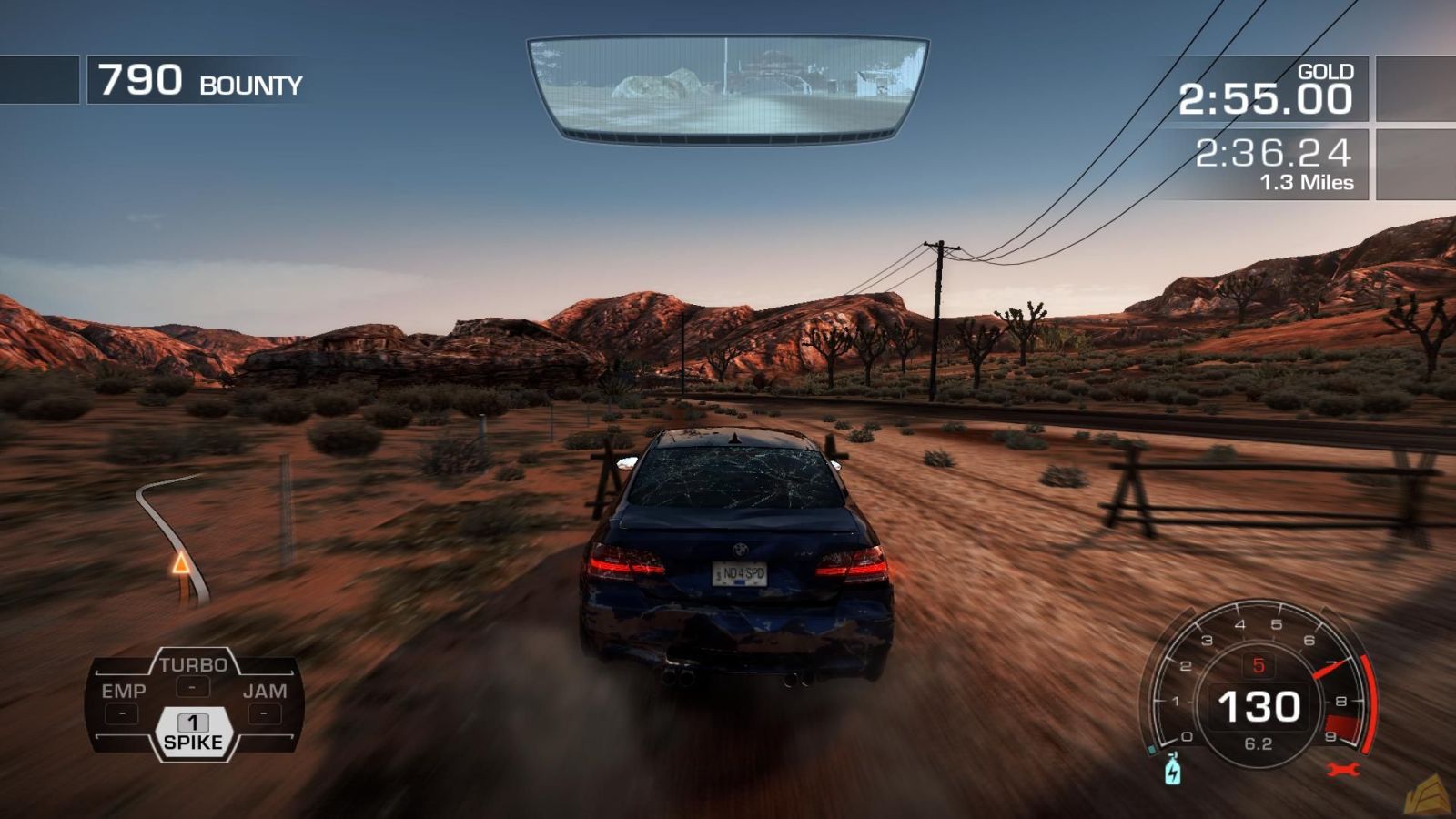
As the name would suggest, it’s about cops versus racers, and each opponent gets a set of four weapons. Cops get an EMP, helicopter, spike strip, and road block. Each is pretty self-explanatory, but this feels like a glorified version of Burnout’s Road Rage mode. Racers get the same, but instead of a helicopter and roadblock, they get a jammer and turbo, which is an extra boost for NOS. Now you can earn turbo by doing crazy stuff as well.
The world map is also classic Burnout style, with each icon labeled for a racer or cop, and there are previews, time trials, and special events for each side. There is also Autolog, which is a social networking type of setup. Your friend’s best scores will be posted, and you can post screenshots and videos of your races. If a friend beats your score, you can jump right into that race and try to beat it. While the single-player is fun, it’s the online stuff that makes the game shine with all the weapons. The single-player feels predictable and stale compared to multiplayer because it feels like this game was made with multiplayer in mind. You earn a bounty and have to hit certain goals in single-player, but it’s nothing we haven’t seen in racing games already.
Once you race, everything feels fine, but the steering tends to suffer drastically depending on the road conditions and the car. Despite awesome damage modeling, the cars all feel pretty much the same, and the sense of speed is so fast that you don’t notice speed differences. This also concludes the repetition because once you unlock all weapons, it’s just the same events over and over again, and some people may never even finish the single-player due to this. The game can also look pretty good at times, but in other ways, it doesn’t.
The chaos comes from the fact that in multiplayer, you never know what anyone is going to do. You can see a roadblock ahead and get your shot lined up to dodge it, but just then someone deploys a spike strip right in your face and you hit both, losing a crap ton of health. You can take off again and try to shake off a helicopter, but then get hit by an EMP. It’s the same with racers, but this can also feel a bit unbalanced since racers’ biggest weapon is the jammer, so cops can’t use their weapons for a few seconds. It all depends on the players’ skills and how they race.
Despite the repetition and lack of weapons, the game works, but also notice all the Burnout references. There’s hardly any need for speed in this game, despite the real-world cards and the Hot Pursuit title. This is just a weird mix-up of game identities, but it’s probably better to have a burnout feeling than an old, crappy NFS game rehashed. Criterion already had the engine built for something like this, so I expect to see a sequel in the near future. I do recommend this to Burnout fans more than NFS, however, but old-school Hot Pursuit fans will dig this completely.
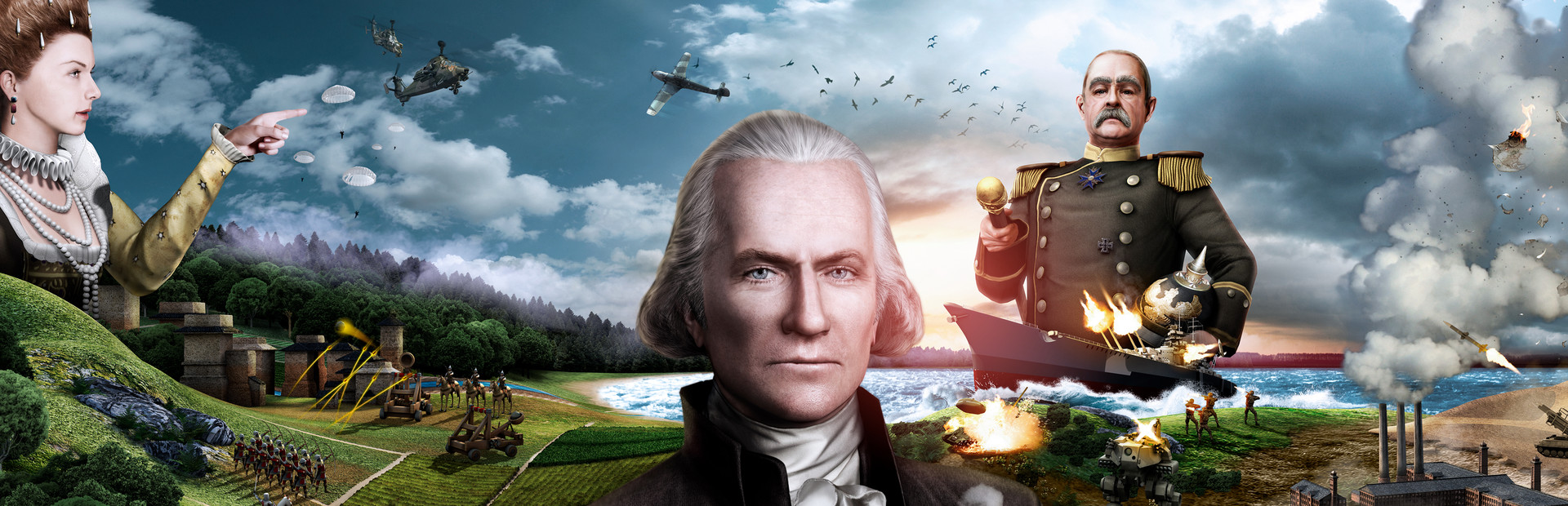
After playing my first game of Civ 5, I realized how much of a greedy jerk George Washington was. 500 gold, all my resources, one city, and open borders for just one silk resource?! He’s just begging to get wiped out, but I keep my cool and press on as the most advanced civilization for the next 150 turns. I built many great wonders, such as the Great Wall, the Great Lighthouse, the Colosseum, the Taj Mahal, and even the Hanging Gardens. Of course, it takes about 100 turns to create most of these, but it keeps my people happy and sets us into a golden age.
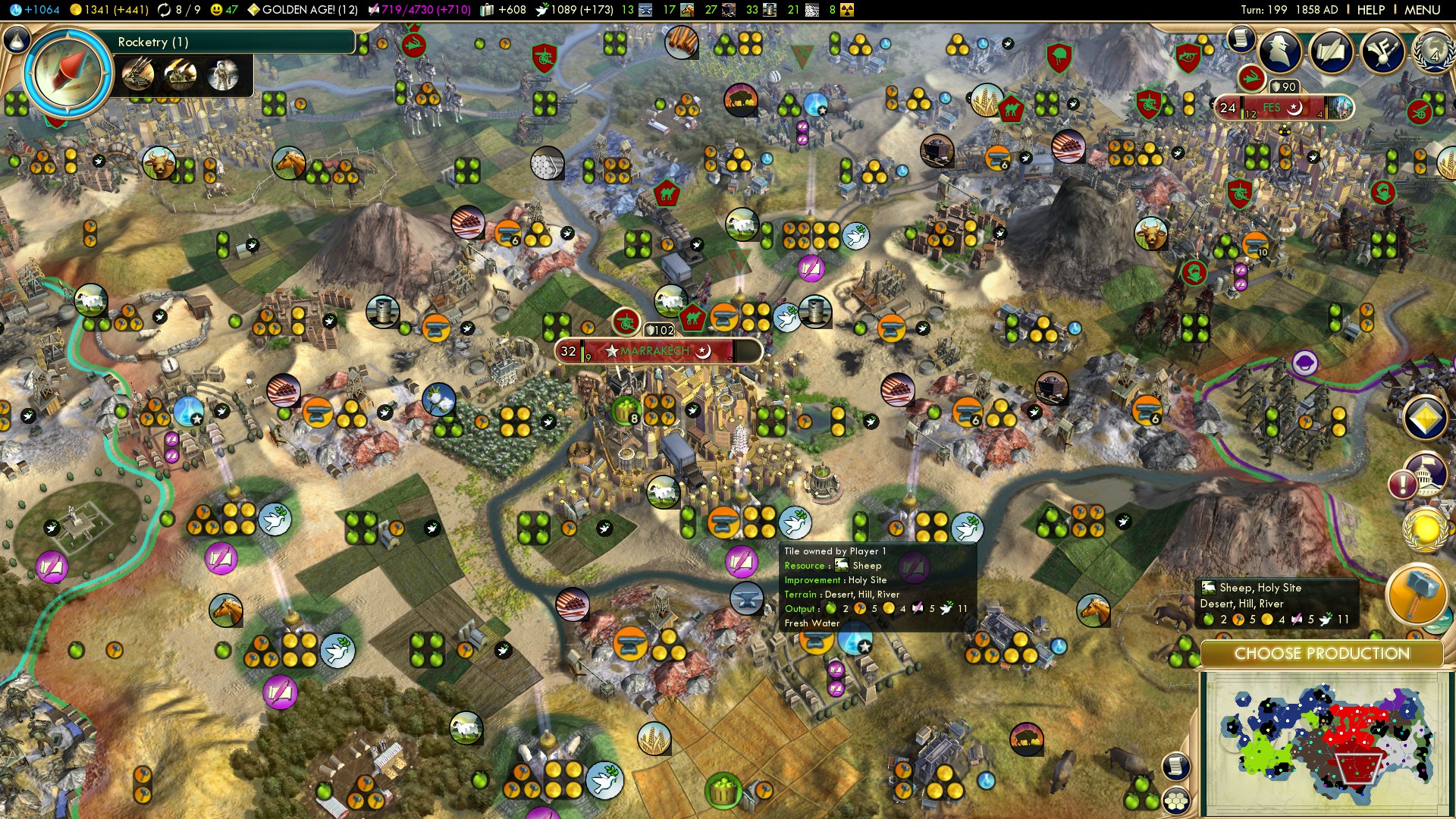
This is just the beginning of Civ 5 and its deep turn-based strategy gameplay, yet it’s so simple to grasp, and that’s the beauty of it. Civ 5 may seem like an overwhelming beast when you first play it (mainly for newcomers), but you learn as you play. After my 50th turn, I already had the hang of 90% of the game and just learned little things from there on out. You start out by picking the leader of a country, but each one has special attributes like a better economy, military, or even science. You establish your main capital city, and from there you learn new sciences, produce buildings, great wonders, workers, or different military units. Different tiles on the map may have icons for mining, farming, etc., and you can deploy workers here. Connect these to your capital, and your income will increase.
Of course, after a while, you must expand your empire, or people will get unhappy and may even rebel in the city due to overpopulation or not having enough entertainment, food, or other resources. Keeping your people happy is just part of the struggle to create a great civilization. Other cities may want to ally with you by having you gift units, give them gold, or vow to protect them. Connect your cities with roads, and voila, you have more income. Or you can just wipe them out and either annex the city (which requires building a courthouse before you can use it) or use it as a puppet city and just collect the income, but don’t control what they do. There’s also the option to just raze cities and let everything burn!
Yes, Civ 5 lets you play as you please; sadism or masochism is all up to you. You can be friends with all your neighbors and just run out to 2050 and be the first and most advanced civilization. Or you can do what I did and get tired of the other leaders and build an army to take over. After having a rapidly advancing civilization over Washington, I decided to open my borders to him, but he was still guarded because he didn’t like my huge army. Sure, I made my people suffer a tad from the high upkeep of this vast army, but it was well worth it. I started attacking his capital, and this declared war. After a few turns, he offered a peace treaty for 10 turns, so I accepted, and during this break, I got every unit I had and surrounded his capital. After the treaty was over, I attacked and quickly took over his entire empire. It was easy thanks to my advancement in military technology, so I was way ahead of him. Musketmen versus spearmen doesn’t exactly equal fairness. He offered peace treaties, but I swiftly turned them down, and he eventually declared defeat.
But…just…one…more…turn! Even though I technically beat the map, I kept on conquering and even stole over his allied city before defeat. I bought tiles with lots of resources to quickly build up my empire and expand my borders. Turn after turn, I swept up all resources, hoarded my gold, and built massive structures to be the greatest of all time.
That’s how every game plays out, and with the great AI, stunning visuals, and excellent little tidbits like social policies, which act like perks, and the fact that not every map will play the same way twice, While you can’t stack units anymore, it really makes for a better strategy and makes things a bit simpler, so you’re not just concentrating completely on your army. There are so many little things to this game; you just have to play it to realize what’s here. With a great in-game user-made map, scenario, and other item download section, excellent multiplayer, and countless hours of endless ways to play maps, you will never get bored. Tactics must be changed for each leader, each map, and each opponent. The only real issues I had were the fact that not every leader is balanced and that a game can take days to finish, plus some changes may turn hardcore fans off. So, the question begs the answer: Can your civilization stand the test of time?
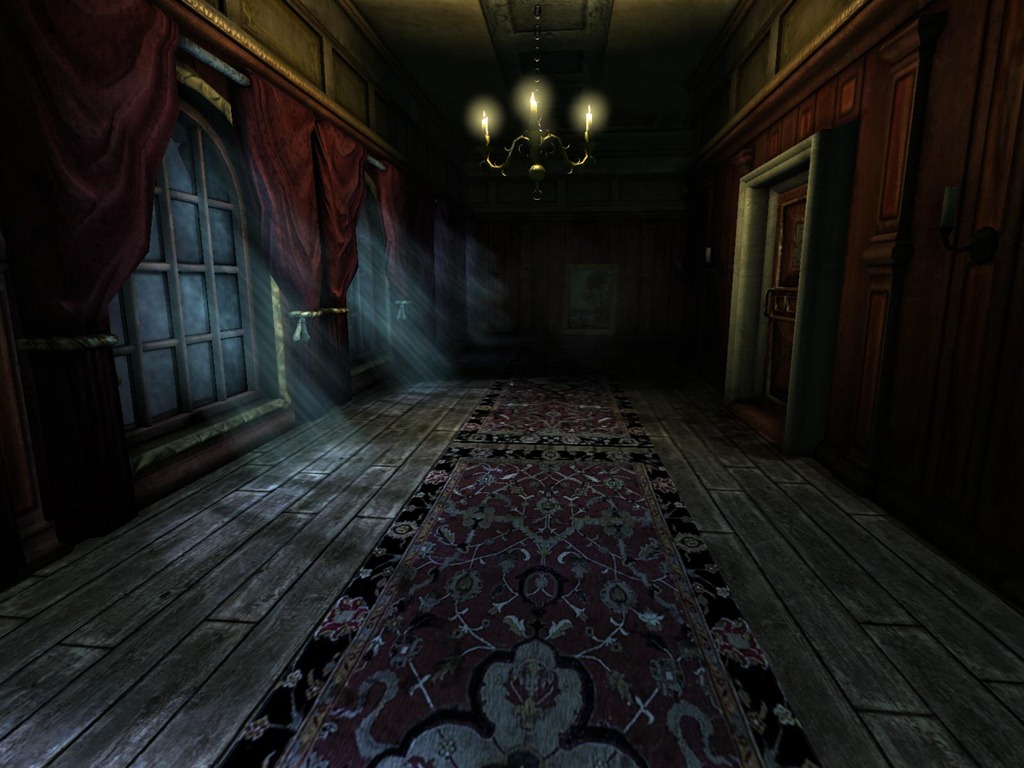
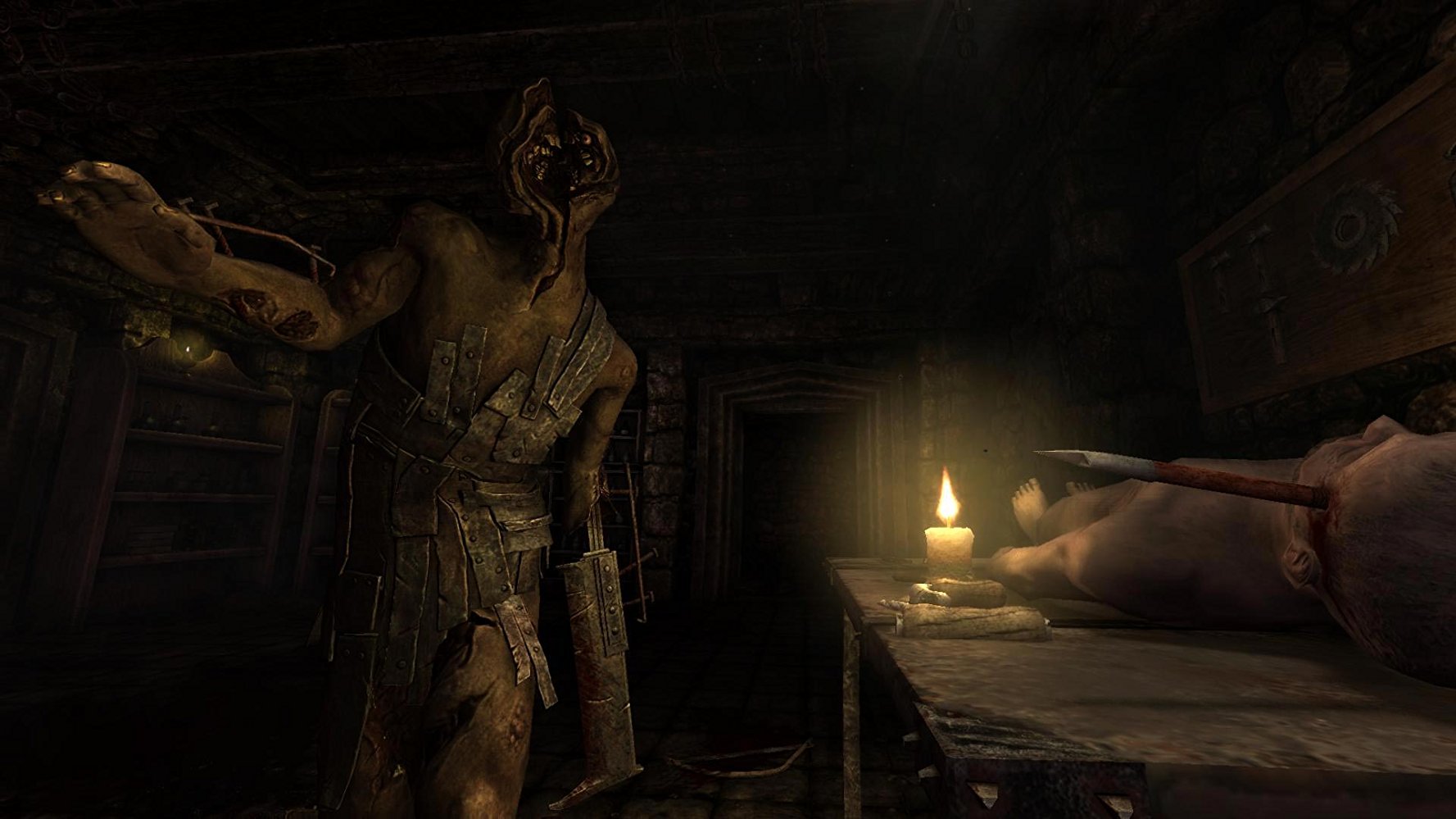
The survival horror genre is probably the fastest-dying of them all, but it’s games like Amnesia that really get the spotlight when they hit it home on the scare factor. Amnesia stays true to the genre, and this is due to the fact that there’s no combat whatsoever. Zero, zilch, nada, you can’t fight. If you see a creature, you have to hide or run, and this is what adds to the tension. If you can fight, you can just kill it, but if you can’t, then you have to really think about what to do, which can make you not want to continue.
Amnesia may be a first-person adventure game, but your only weapon is light and against your own insanity, not creatures. Staying in the light is key, and oil for your lantern is as precious as 9mm ammo in Silent Hill. It’s scarce, and you try to savor every drop or just use tinderboxes as an alternative. You can light candles, lamps, or any source of light to guide your way to preserve oil or if you run out. Daniel can see in the dark somewhat, but it’s hard to solve puzzles like this.
As your sanity slowly drains, you will hallucinate, walk slower, the screen will distort, and creatures will hear you. Seeing traumatic scenes can do this too, as can looking at creatures for too long. You will also lose sanity if you don’t progress or solve puzzles, so it keeps you on your toes, but don’t worry, I only encountered a couple of times where Daniel went totally insane and lost it. You’ll more likely go insane from fright before he ever does.
And that’s the thing about amnesia: it frightens you with atmosphere, pacing, and tension from the environment instead of zombies popping out. The music and ambiance are haunting, and they make you paranoid throughout the whole game. One scene had me in a room where I was picking up a letter, and suddenly something started bashing down the door. I literally jumped and tried to find a place to hide. A wardrobe! I grabbed each door and swung them open and hid, and as I peeked through the crack, Daniel started freaking out, so I had to not look. I heard the creature breathing, moaning, and moving around, and I was afraid it would start bashing down the wardrobe! It soon turned away, and I could continue hunting for puzzle solutions, but was I ever so scared?
The haunting story doesn’t help either, with you just waking up in a castle and not knowing who you are. You read letters along the way, trying to discover some orb and stop the shadow from consuming you. I can’t go into more detail because it will spoil the story, but it’s very creepy and disturbing and was well put together.
The second part of the game is the puzzles. These vary from object hunting to physics and pathfinding. I have to admit that Frictional has always been known for obscure puzzles, and some of the time I didn’t know what to do and was completely clueless. You rarely get hints, and this can lead to frustrating backtracking and pixel hunting, so an FAQ needs to be handy. Other than that, the puzzles were clever and really stuck to the story, and they all felt necessary.
Amnesia is a horror classic and is even better than Frictional’s Penumbra series. This game will scare the pants off of you; it even clocks in at a nice 6–8 hours and has three different endings to see. I really hope for a sequel or another game similar because Frictional found the survival horror sweet spot.
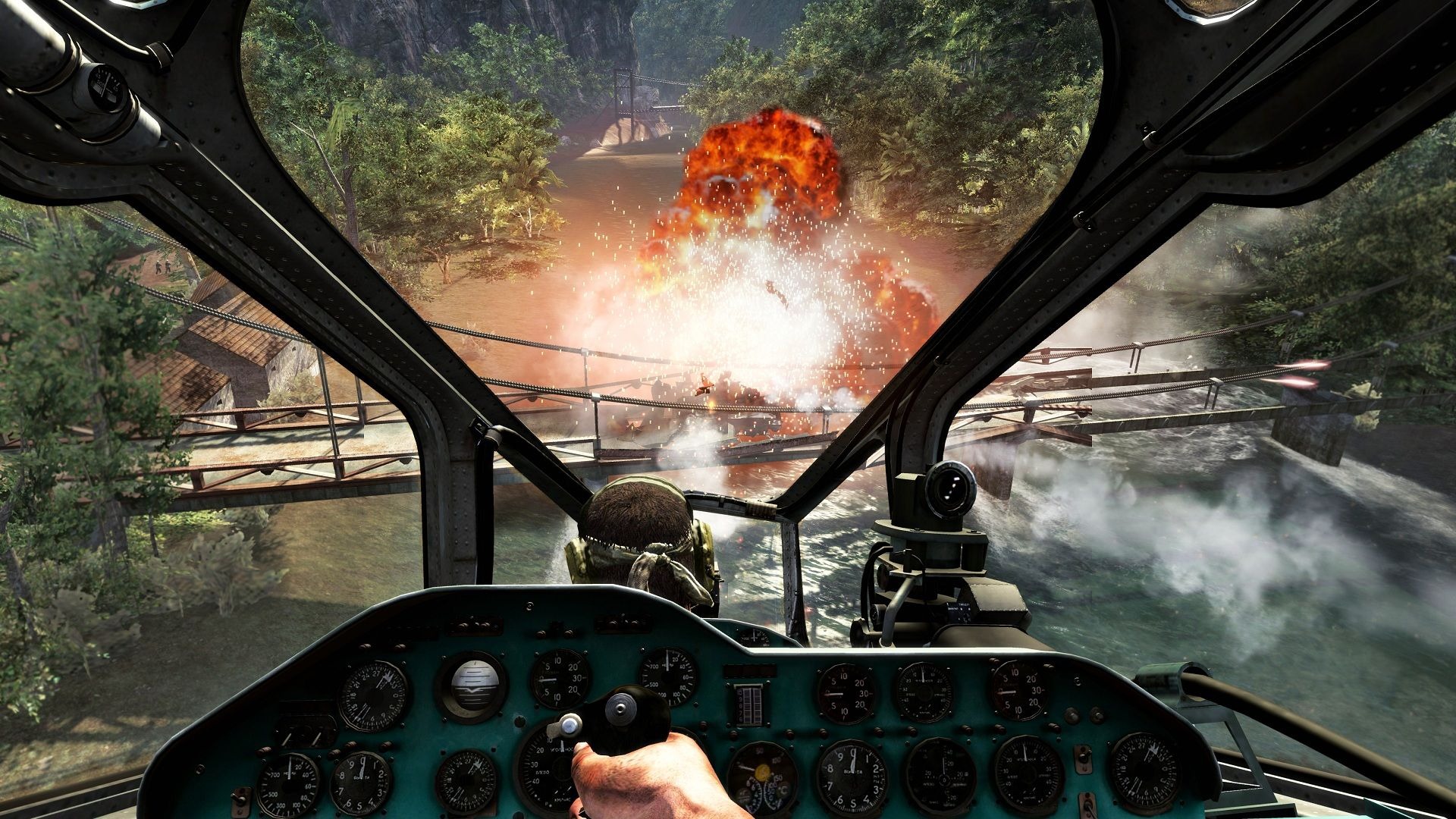
Military shooters tend to take the most flak because they tend to be the same, linear, sometimes boring, with questionable multiplayer, but when Modern Warfare came out four years ago, it really shook the ground, and shooters have been copying it ever since. Black Ops also has something that surprised me, and this was a solid, memorable single-player experience. Blasphemy right? Wrong! The game has lots of varied environments, tons of epic moments, and a few vehicle sections are thrown in, as well as the best helicopter-based missions in any game ever. The game also doesn’t start out as a regular shooter, with Alex Mason (Red Faction: Guerrilla, anyone?) strapped in a chair and a disguised voice yelling at him to remember numbers. The whole story only makes sense at the end, reveals a lot of plot twists, is beautifully crafted, and shows developer Treyarch isn’t the weak link in the CoD series.
The game has a lot of new weapons that are true to the Cold War/Vietnam era, and even the art style shows. The game is beautiful, with great sound, voice acting, and the actual plot mentioned above. The game has memorable characters that you get attached to through the 7-8-hour campaign (yes, it’s also a tad longer than most campaigns in shooters) and even memorable moments themselves. The storming of the Vorkuta prison in Russia and many other levels are memorable. Of course, the game has some issues that Treyarch is known for, such as not knowing what to do, poor directions, respawning enemies, and a few glitches here and there. Despite that, the campaign is solid and well worth the wait and the money, but of course, it’s multiplayer that most people will keep coming back for.
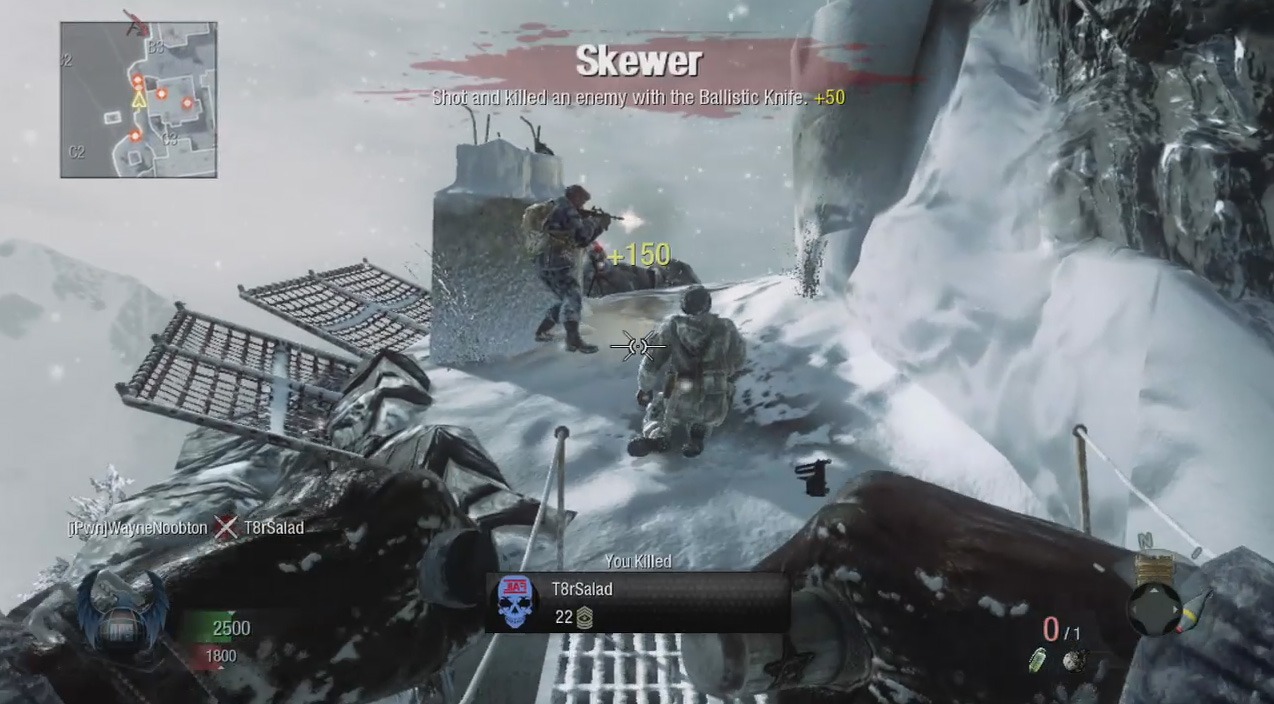
And, oh boy, is the multiplayer sweet. With new maps, a whole new approach to customization, and even the new Wager matches, Black Ops multiplayer is probably the best in the series and the best FPS multiplayer ever made. The game has the same overall playstyle as Modern Warfare 2, but instead of receiving fixed unlocks, the game adopted a currency system, and you can buy everything from perks to weapons to visual add-ons—you name it. This is a great approach to changing up the game and making it more about what you want. On top of this, the Wager matches are ingenious, with players betting on a match, and the top three get some money and the rest lose their bet.
There is One in the Chamber, which gives you one bullet and a knife. If you kill someone, you get a bullet but run out, and you are left with your knife. This is a great and intense mode because it does not shoot first and aim later like the regular models. Gun Game has you start out as a pea shooter, then you move up in tiers of guns with each kill. Not every gun is good because a sniper rifle vs. a machine gun won’t be very easy. The next mode is Sticks and Stones, which gives you a crossbow, a tomahawk, and a ballistic knife. Hitting a player with a Tomahawk resets their score to zero, and the most points are awarded for crossbow kills. Sharpshooter has your weapon switch every 45 seconds, and it’s random, but every player has the same weapon. These are fun and amazing modes that never get old.
On top of that is the zombie mode that Treyarch made a cult hit in World at War. You play as Nixon, Kennedy, and two other characters, along with surviving the three maps and the hilarious political banter the characters speak (Nixon when spending points to remove a barrier: This is taxing me like the Democrats). Players, but fight off hordes of zombies in multi-tiered maps, and points are awarded for barricading windows and shooting the zombies. Points can be spent to buy weapons and ammo and unlock new parts of the map. It’s intense, and trying to survive rounds gets heated (most won’t survive after round 10 and past round 5 alone). With four players playing cooperatively, it’s a great departure from the seriousness of the rest of the game.
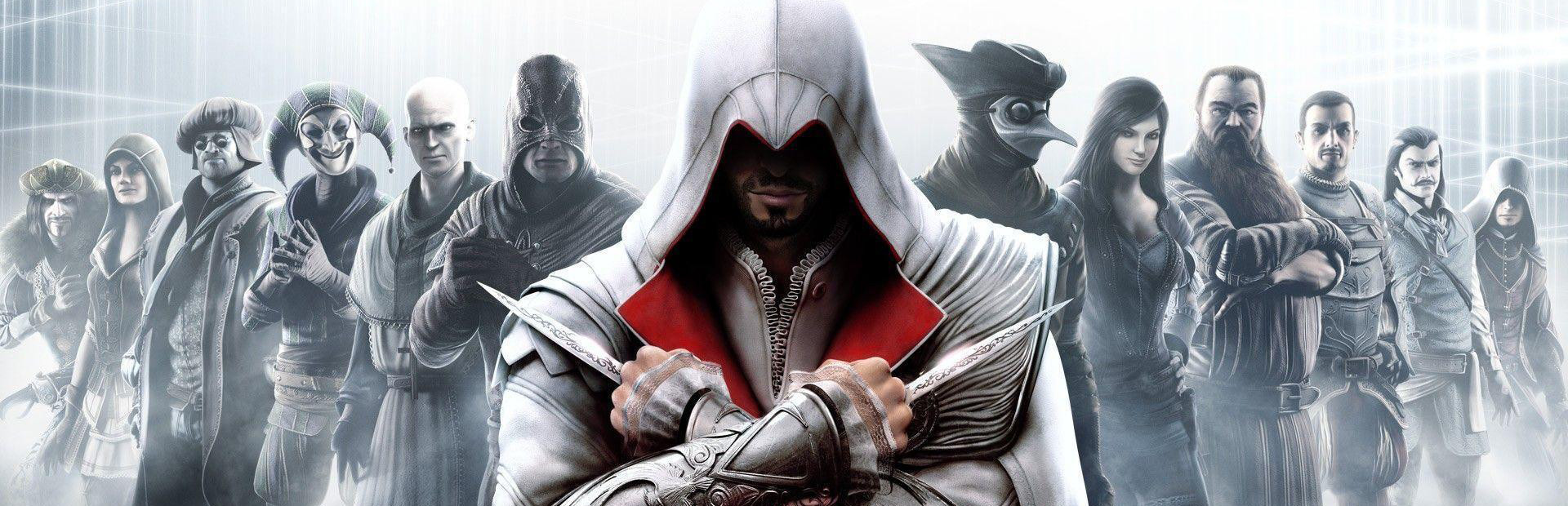
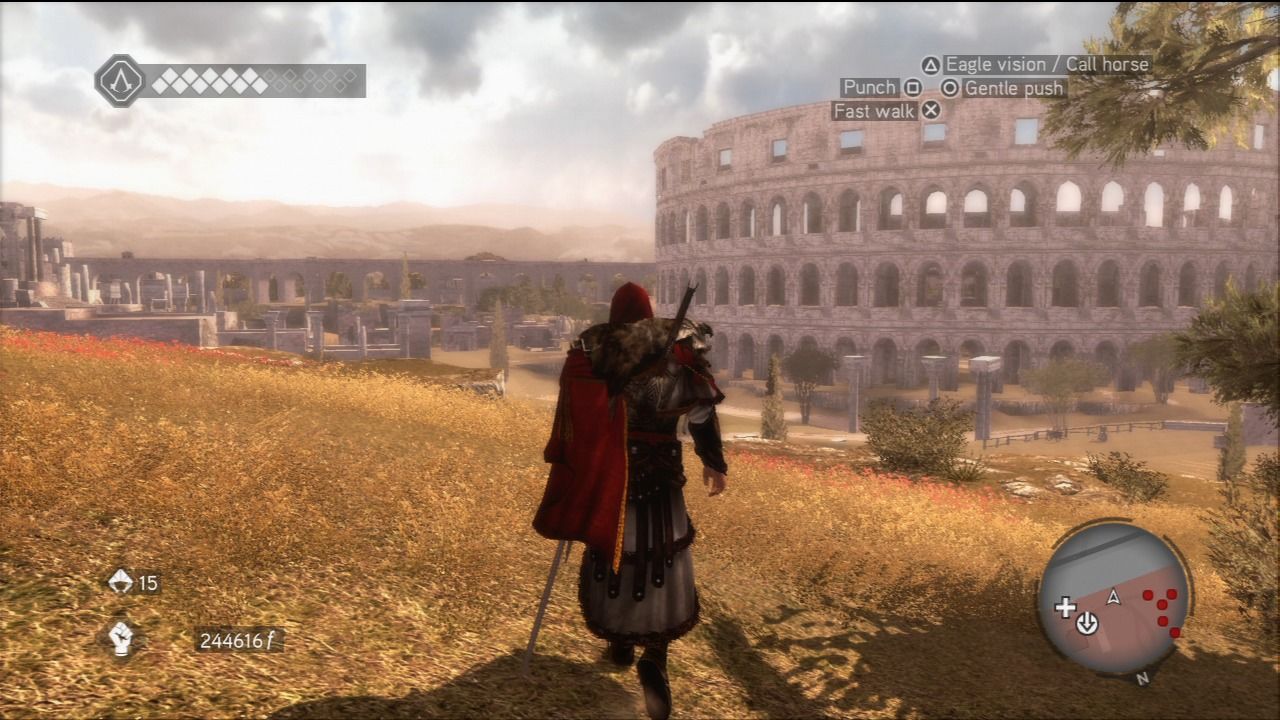
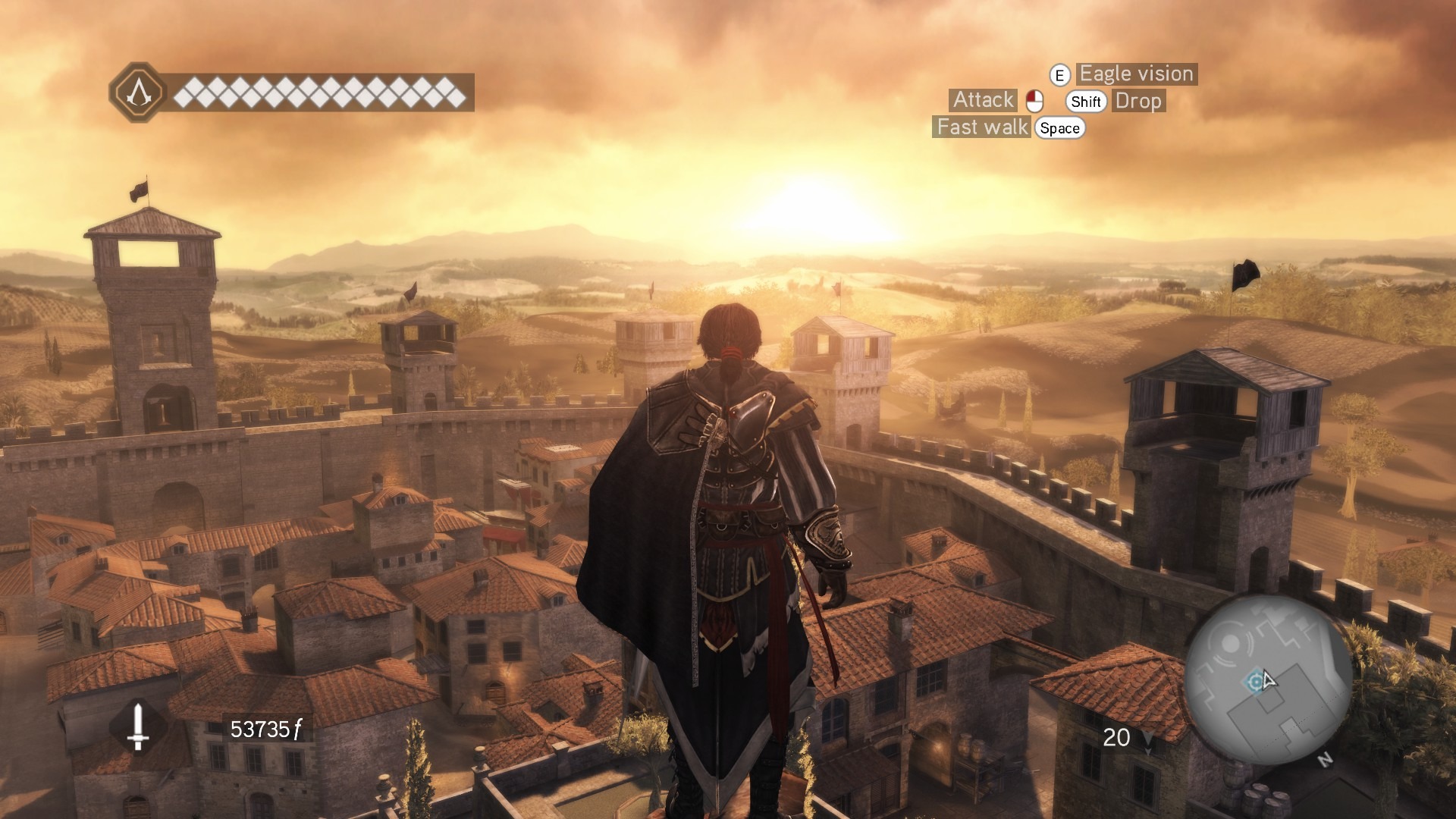
Brotherhood is one of those sequels that was thought to be just a cash cow tie-in for II, and everyone forgets about it. In fact, it was supposed to be a multiplayer-only add-on, but a few months before release, we realized it had a huge single-player experience that was bigger and better than II. This is what sequels should be like, especially if they borrow everything from their predecessors. Brotherhood isn’t a true Assassin’s Creed sequel like II was to the first one, but a new chapter in the amazing universe of 1500s Renaissance Italy. This time the game is set in Roma (Rome), and it’s huge, and there’s a lot more to this game than one skeptical fan might suspect.
The story is just as engaging, if not more complex, than II. Ezio is now older and the leader of the assassins, and he must stop the Borgia reign in Roma (since he failed to kill Rodrigo Borgia in the second game), but Rodrigo himself is only seen twice in the game and briefly. It’s all his minions and the fight against Cesare that are the main focus here. The game still has a deep political plot that ties in with real-life situations and people at the time.
Along with that, you can also play as Desmond Miles outside the Animus, and he has a bigger gameplay part with a whole section dedicated to restoring power to today’s Auditore Villa for the team’s new hideout to find the Apple of Eden and stop Abstergo and the Templars. While you only see these guys at the beginning and end of the game, you get another cliffhanger ending that will lead to the third game, as well as a great conclusion to Ezio’s story.
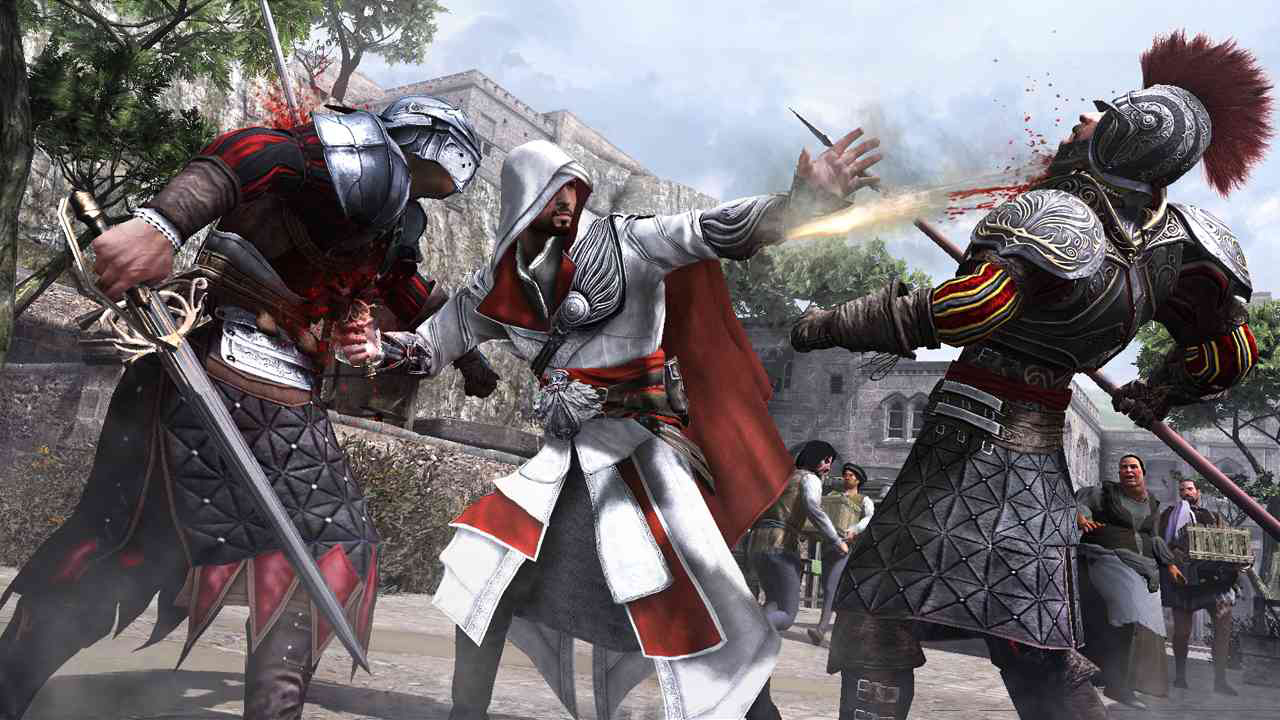
The game plays exactly like II, with no changes to gameplay except for some added stuff like a new crossbow, which is a godsend for killing stealthily from far away. It’s great to do a mission and wipe guys out with a crossbow and not get detected by those hard-to-reach guys. There aren’t any newly added weapons besides that, but combat is enhanced slightly, so it’s not such a counterfest. You can kick enemies, combo Arkham Asylum style, and even do some nice executions with the pistol. This is a nice change to combat and makes it a little more fun. You can also call in assassin recruits to help you, and this is extremely helpful, but more on that later.
Despite the main chapters, there are more side missions than you can shake a stick at. The side missions will take a good 20+ hours to complete and are tons of fun. You have the Borgia towers that have to be burned. These have to be burned down to buy closed-down stores and restore areas and landmarks. You have to enter a restricted area, kill the Borgia captain, then climb the tower and burn it down. There are quite a few, so these will keep you busy, and finding and killing each captain is different and challenging. On top of this, you can buy stables, blacksmiths, doctors, art stores, tailors, faction buildings, banks, and landmarks to restore Roma 100%. You will increase the city’s income, which will be deposited in a bank every 20 real-world minutes.
There are other side missions for each faction (thieves, courtesans, and mercenaries), as well as assassination contracts, Christina missions, finding more The Truth files (10 this time), and now Lair of Romulus missions, which have six in all and are much like Templar Lairs. After you find all six keys, you can unlock the Romulus armor, which is like Altair’s armor in the last game. You can also go to pigeon coops and play a mini-RPG that lets you send your assassin recruits out on missions based on their experience. Missions are based on difficulty, and you will see a percentage bar on how successful they will be. Send more than one to fill it higher, but if they come back, you can upgrade their armor or weapons, and when they reach level 10, you can make them full assassins. These are also helpful during missions since you can call up to three, or call them all for an arrow storm, and kill all enemies on-screen. It’s great to call an assassin on someone you can’t reach and then go in further without getting detected.
On top of all this, these missions can only be synched 100% if you complete the challenge, such as using your hidden blade and completing it in this amount of time. Don’t kill this person; only kill this person. It adds a surprisingly huge amount of depth to the game and makes playing missions (both side and main) more interesting and challenging.
Now the multiplayer is a really fun and surprising addition to the series. There is only one mode, and it’s all about a free-for-all cat and mouse hunt. You are given a target (another player out of 7), and you must use your abilities and skills to kill them while you may also be pursued. So you have to find your target and keep from getting killed yourself. The game has a Call of Duty-style perk and ability system that lets you customize load-outs as well. The game is very addictive and keeps you on your toes. You must blend and try to just act natural since NPCs also have the same looks as other players. There are many characters to play as, and each has its own unique abilities. The multiplayer will keep you hooked and make you come back to the game long after the single-player is exhausted.
With tons of new content, great new characters and a story, and an awesome multiplayer suite, Brotherhood is an example of what sequels should be like. I highly recommend this to fans of the last game and anyone who loves the variety in their games.
Collector’s Edition: For an extra $40, you get a Jack-in-the-Box with either the Plague Doctor or Harlequin (depending on what store you get it from), as well as a bonus DVD, extra maps (one exclusive to the PS3), a playable multiplayer character, an art book, and the soundtrack. This is a huge value for $40 and is a must-have for fans. The Jack-in-the-Box is made a tad cheaply with weak springs, and getting the things to close is annoying, but the figure itself is high quality.
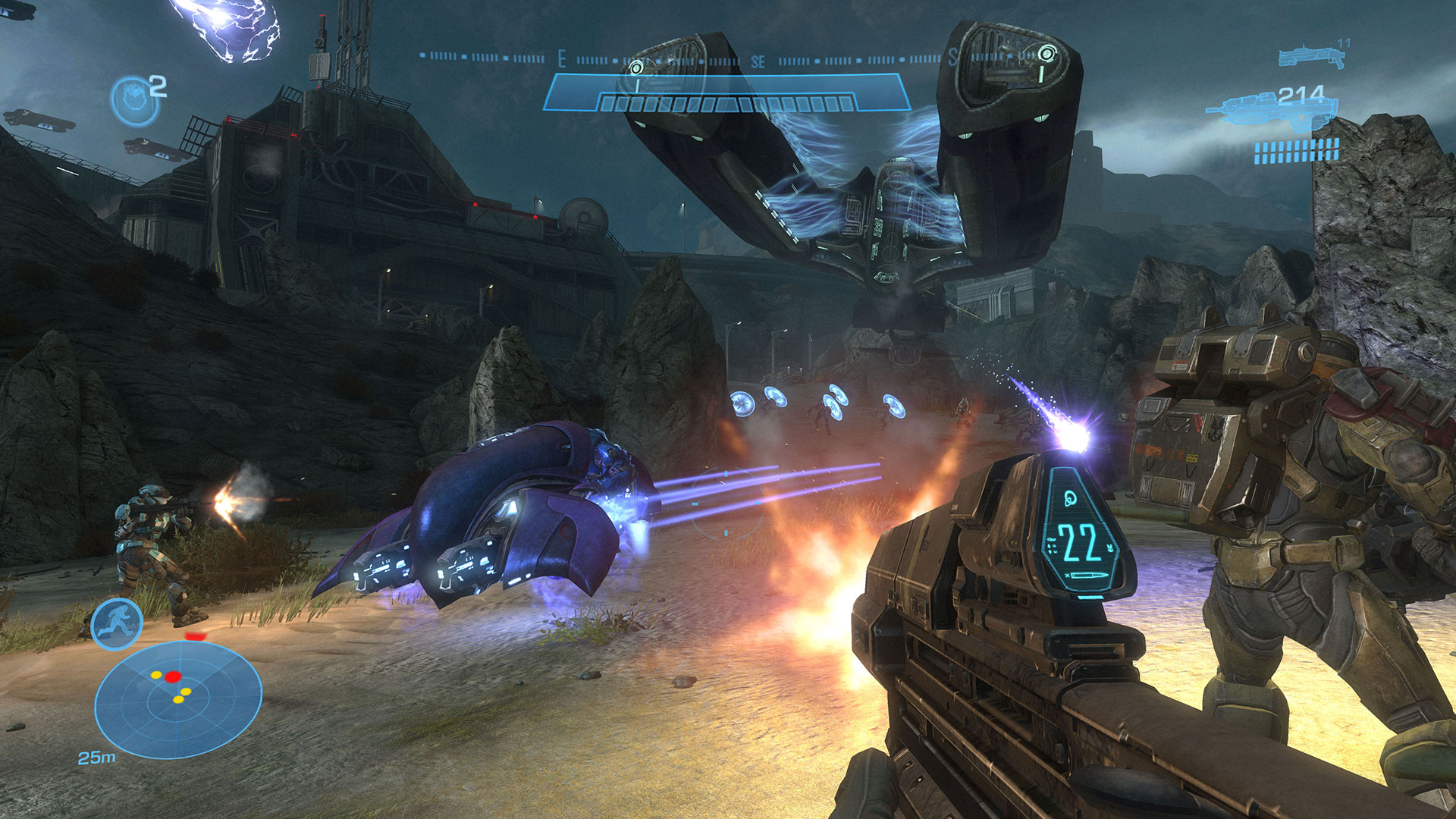
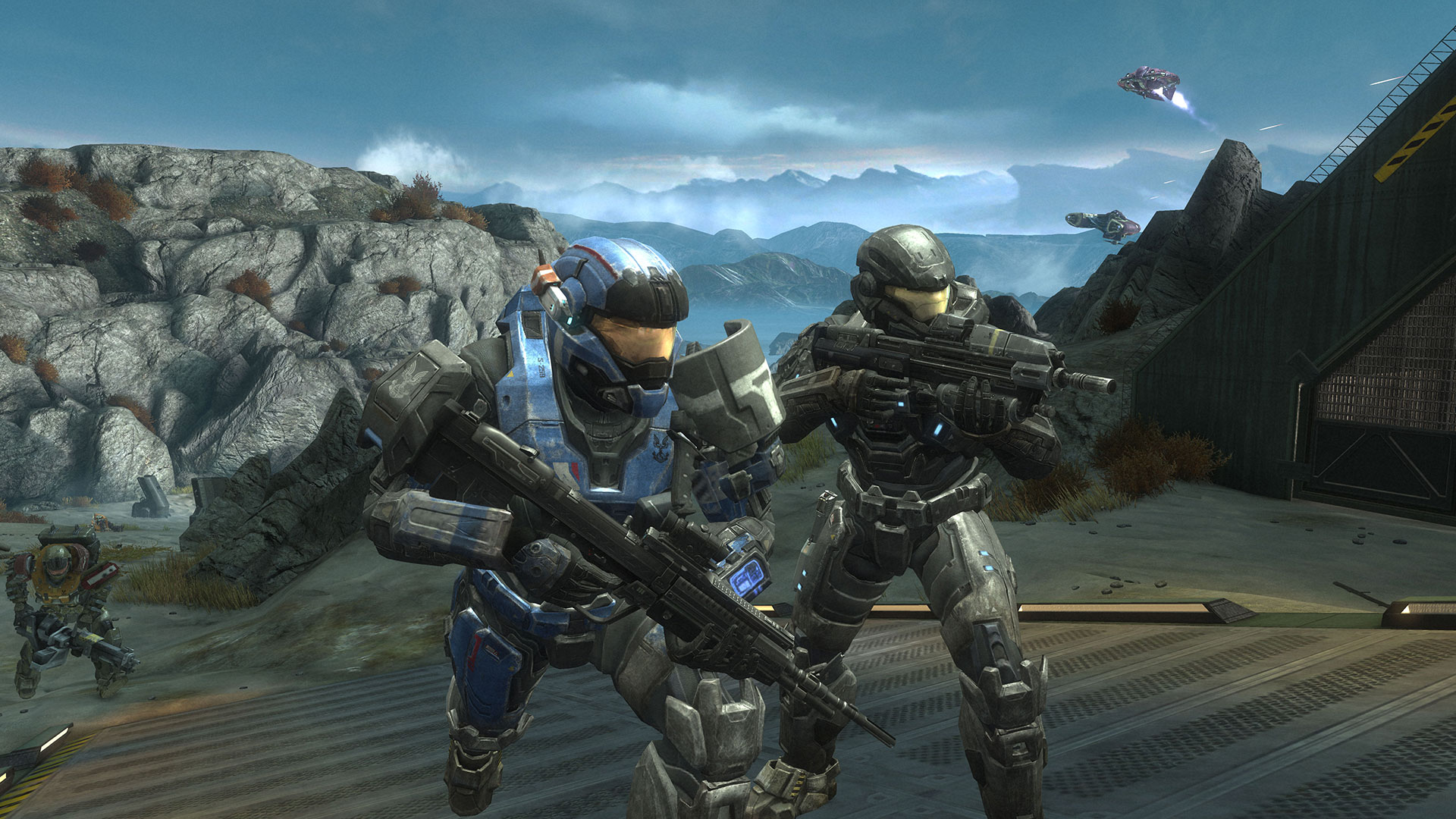
Halo. That word is loved and hated by many, but Halo did help define the FPS genre and FPS multiplayer for consoles. If it weren’t for Halo, we wouldn’t have to regenerate health or have solid FPS multiplayer, but Reach perfects the Halo multiplayer in many ways, but before we get there, let’s dive into the single-player campaign.
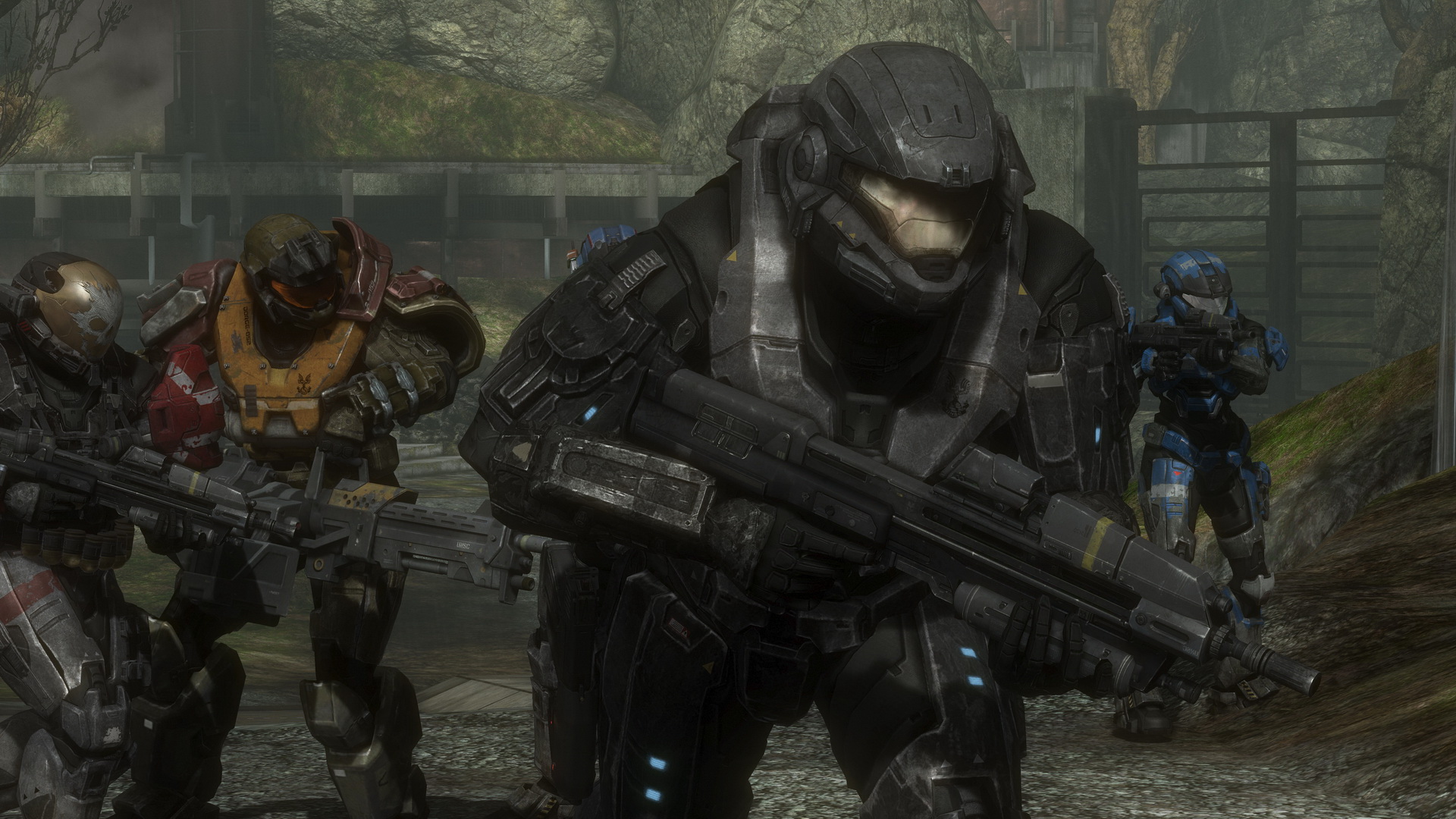
Reach has you playing as the generic Noble 6, who is part of other numbered Noble team members. You can create your character this time around and swap out different armor parts, but you have to advance your rank and earn credits through multiplayer and playing the campaign. This is more of a gimmick and doesn’t do anything other than add filler to the already-bloated series. After the disappointing ODST, we get another campaign with more nobodies instead of a master chief. The game is set before the first one, so you are experiencing the first contact with the Covenant. You are just hopping around Reach trying to save the planet only to realize you can’t, and then you have to use desperate measures to save the human race, but the story doesn’t get interesting until the final cutscene (surprised?) and it’s a shocker.
The game is pretty much another recycling of the same Covenant aliens with better graphics. The same grunts, elites, brutes, and even vehicles—you name it. Is it ever exciting? Maybe in the very beginning because it’s been a while since the last Halo, but after the first couple of chapters, you just want the game to end already. The game just adds everything we’ve seen since 2001 and even takes away dual-wielding, which is good or bad depending on how you look at it. There are maybe one or two new weapons and vehicles, but everything’s been recycled so much I can’t tell! They couldn’t even add an iron sight option since the left trigger is no longer used for a second weapon. C’mon!
Other than that, the mission structure is the same. Kill this wave, press this button, defend this place, backtrack, and re-kill Covenant that suddenly appeared again. It goes on for ten chapters! There are a couple of space flight missions that are kind of fun, but it’s not enough to keep you from yawning at the rehashed crap. Sure, the campaign is solid and challenging, but it’s not as spectacular as, say, Halo 2. At least the flood is absent, which is a godsend!
But after slogging through the campaign, you’re going to come back for multiplayer, right? Right. Which is the best the series has, with tons of modes and playlists, all the modes we’ve grown to love, and a mix of favorite maps from past Halo campaigns? I’m not a Halo multiplayer vet, so I can’t tell you every tiny change, but I know enough that saving every match, sharing with friends, picking through their highlights, and so on is a lot of fun, and the Forge mode has been re-done to be a little more intuitive, but it’s still no LittleBigPlanet, or say, TimeSplitters. The new daily challenges are the biggest incentive to come back since they advance your rank. They change daily and are a lot of fun to aim for, but the only thing you can do is unlock stuff in the armory with this, and that’s not too exciting on its own, but it’s better than nothing.
Reach is also the best-looking game, but it still doesn’t look up to par, and this is sad for Microsoft’s flagship series. The game looks good technically, but artistically, it’s kind of bland. But there are a lot more open environments and not too many indoor ones, so there’s a lot more to look at this time around. All the same, sounds are recycled as well, so you know what to expect in that department. With a so-so story, characters you can’t get attached to, and a great multiplayer suite, maybe Reach should have been multiplayer only? Sure, no one would miss the campaign, but it’s there. If you want to play through it again, go online and play it co-op, even if you have to, or try the hardest difficulty. Actually, scratch that, it’s almost impossible.
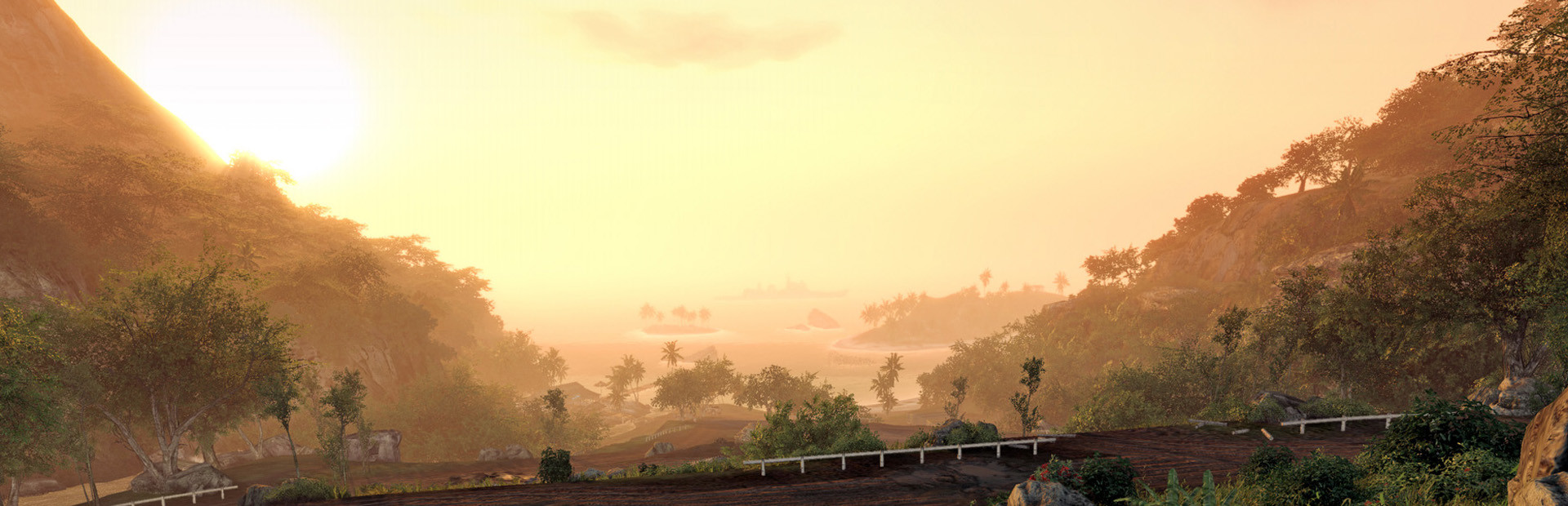
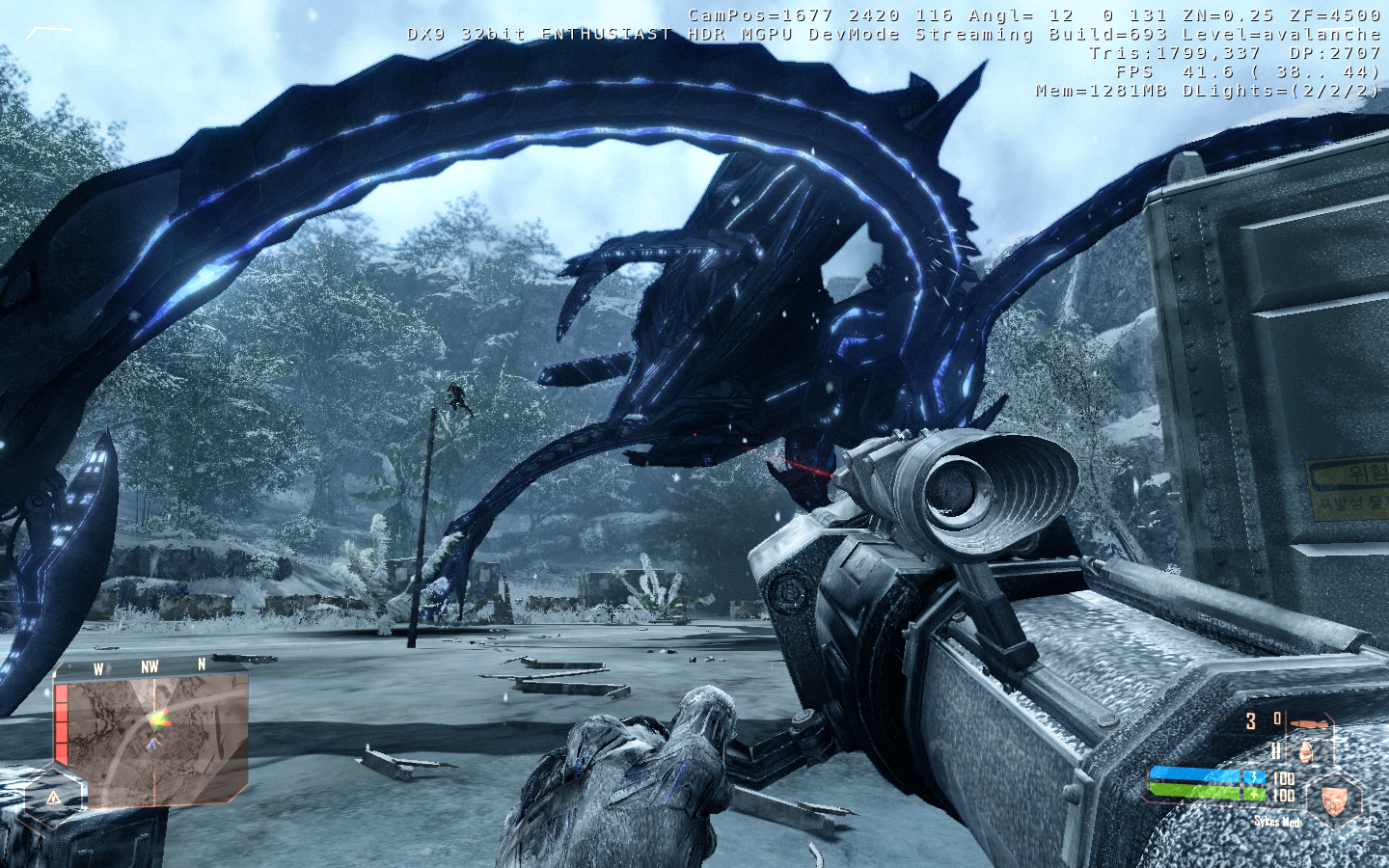
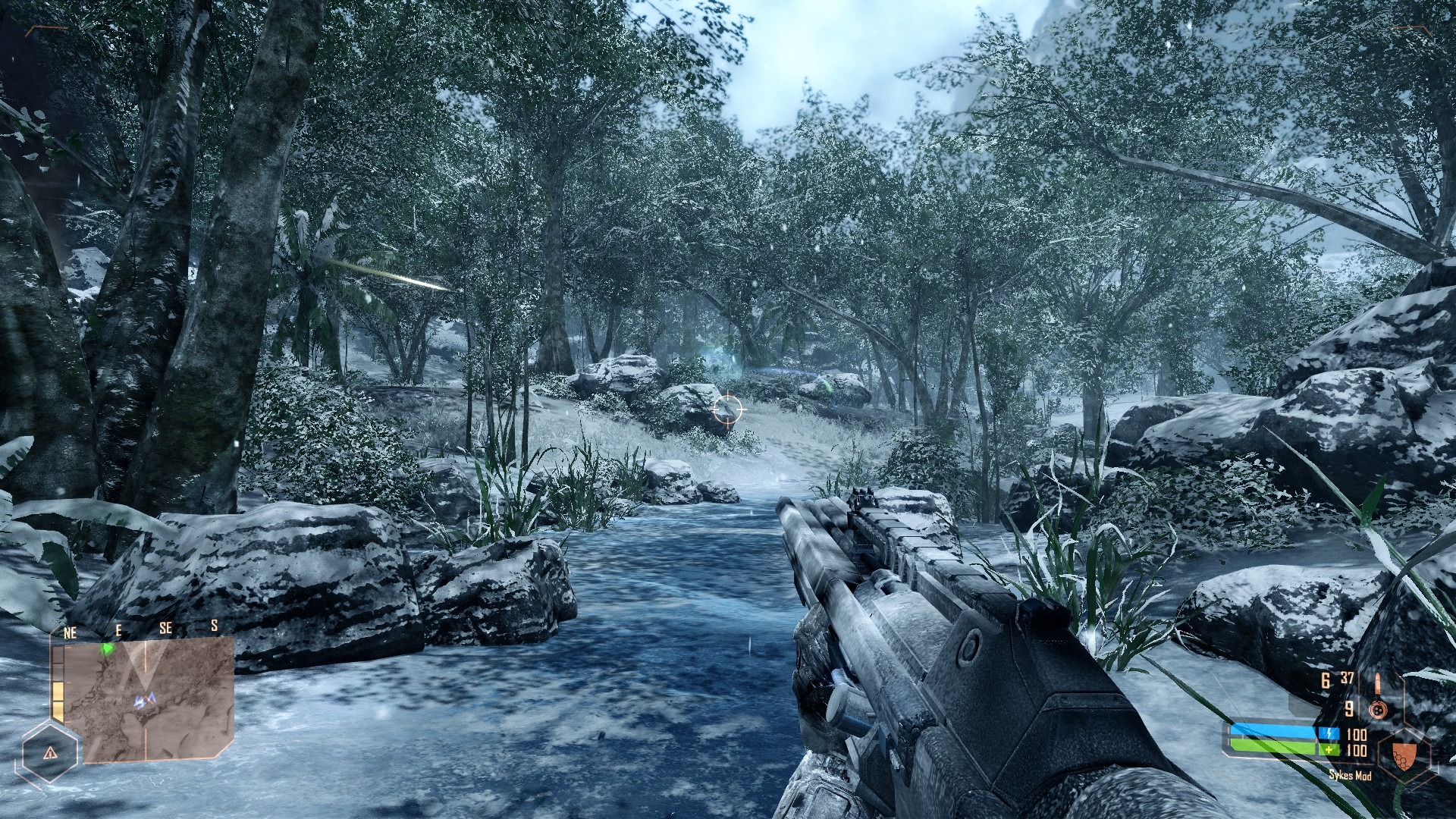
The original Crysis was a technical phenomenon with a lot of great elements that worked, and Warhead is the exact same game with a different setting. This is both good and bad, but more positive than anything. You play Psycho, one of the special forces soldiers who were sent in with the original game’s Nomad. This is his story and what happened to him while separated from Nomad. While the core story of Crysis wasn’t too interesting, there is a better mix between the open world and corridors. The game still gives you the option to choose to approach each objective by sneaking, sniping, driving, or guns blazing.
The game has a variety of objectives, such as a train ride and killing the larger aliens, which can be pretty fun. There aren’t any new weapons, and everything is pretty much the same. If you’re looking for Crysis 2.5 with this, you’re going to be disappointed. While the game plays exactly like the first, there are more cinematic moments, such as running from a giant alien, and towards the end, the game gets really epic. There are more aliens involved this time around instead of just mostly KPA soldiers. I still would have liked to see different alien types and maybe make the game a bit more scripted since the game is so short.
The game still looks the same, with no graphical improvements at all. You still need an ultra-powerful machine to run this on the highest settings with DirectX 10. Even my monster computer struggles to keep the FPS at a non-choppy rate during large firefights. The game is also more forgiving this time around, as I only died maybe a dozen times during the whole campaign. The mass of enemies is easier to take on since the game seems to feel more balanced, and the close quarter’s environments seem to be designed for this too.
While I wish there would have been new weapons, new enemies, and totally new locales, it works with the game’s story. Warhead will really make Crysis fans happy, add an extra 4–5 hours, and give you more of a backstory to what happened to the strange psycho.
















































 thebinarymessiah.com
Try multiplayer. A lot of fun !