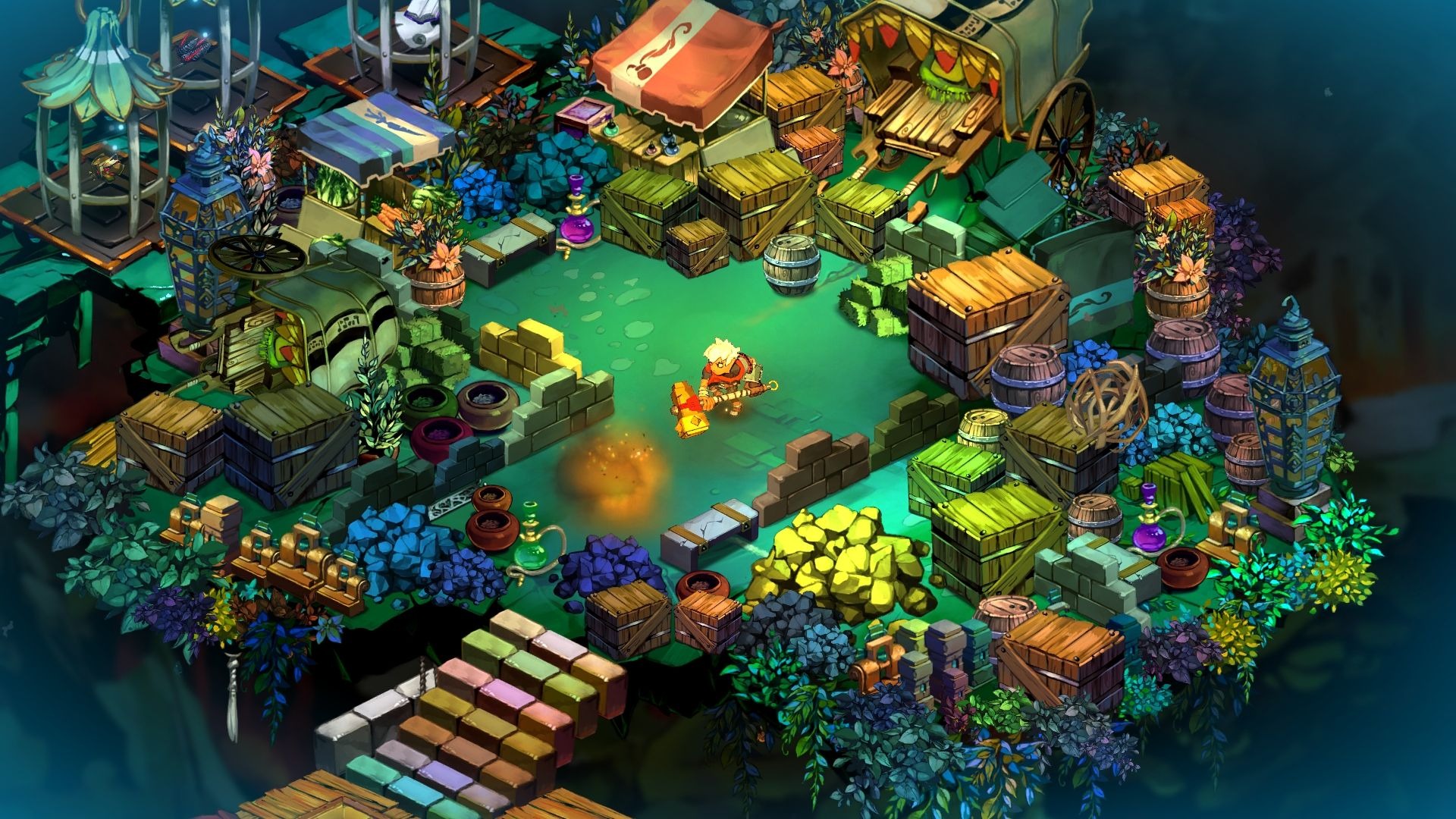
One thing that Bastion does differently from most games is its strong and unique narrative. A man narrates the boy’s every step and action in Bastion, and this is a very interesting way of telling a story. It’s like you’re playing an interactive storybook, especially since it looks like one too. You are trying to re-build The Bastion, which is a safe spot to run from The Calamity, and throughout the story, you find out what this is and why this boy is trying to find these shards to build this thing. Rucks (the narrator) guides you through the story as it unfolds, so you don’t know anything until it actually happens, like a storybook, but it’s happening while you’re doing it.
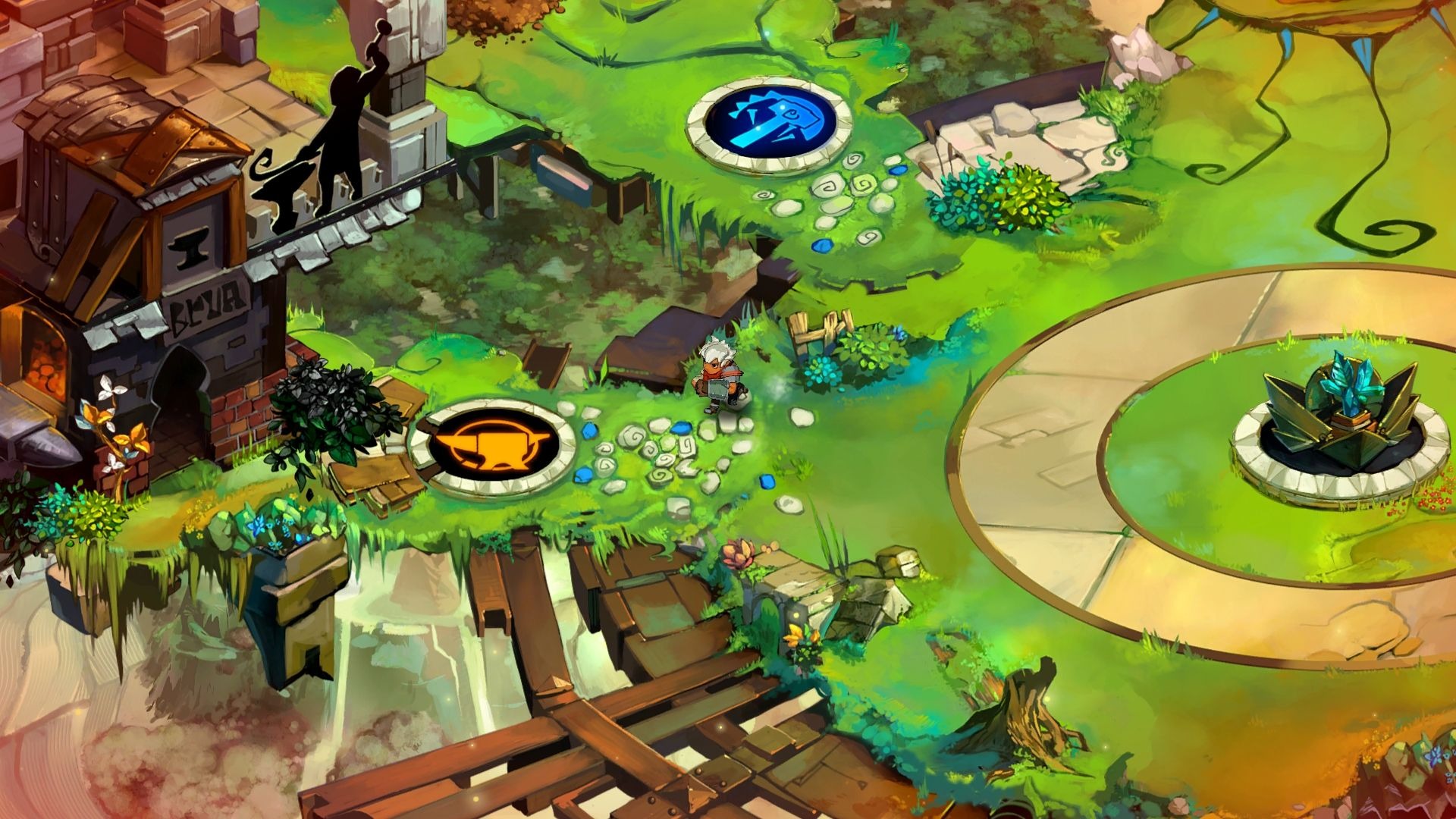
With the excellent narrative aside, the combat is top-notch and responsive. You can use a regular attack, a special attack, a block, or a projectile weapon. There are plenty of weapons, and you can upgrade them to add different attributes and bonuses. As you progress through the game, you unlock six different areas, which include an arsenal to swap weapons, a forge to upgrade your weapons, a shop to buy upgrades and special powers, a shrine to make the game harder, and an “achievement” area where you can meet requirements for extra shards (in-game currency). The customization and upgrades are deep and will keep you busy for a long while thanks to the proving grounds, which are unique challenges for each weapon. If you meet certain criteria, you get prizes based on your performance. These are not easy by any means, and a few were almost impossible to beat for me.
Combat is very responsive and challenging. The enemies are quick and smart and vary from stationary, fast-moving, slow-moving, heavily armored, etc. I should probably say that the balance is perfect, and you slowly get introduced to tougher enemies as the game progresses. You really have to use a combo of everything to stay alive because you will gulp health tonics constantly if you don’t use block and dodge a lot, so stay on your feet. The action gets hectic, and you start realizing this game is for hardcore action fans and not the casual gaming crowd that the visuals might seem to cater to.
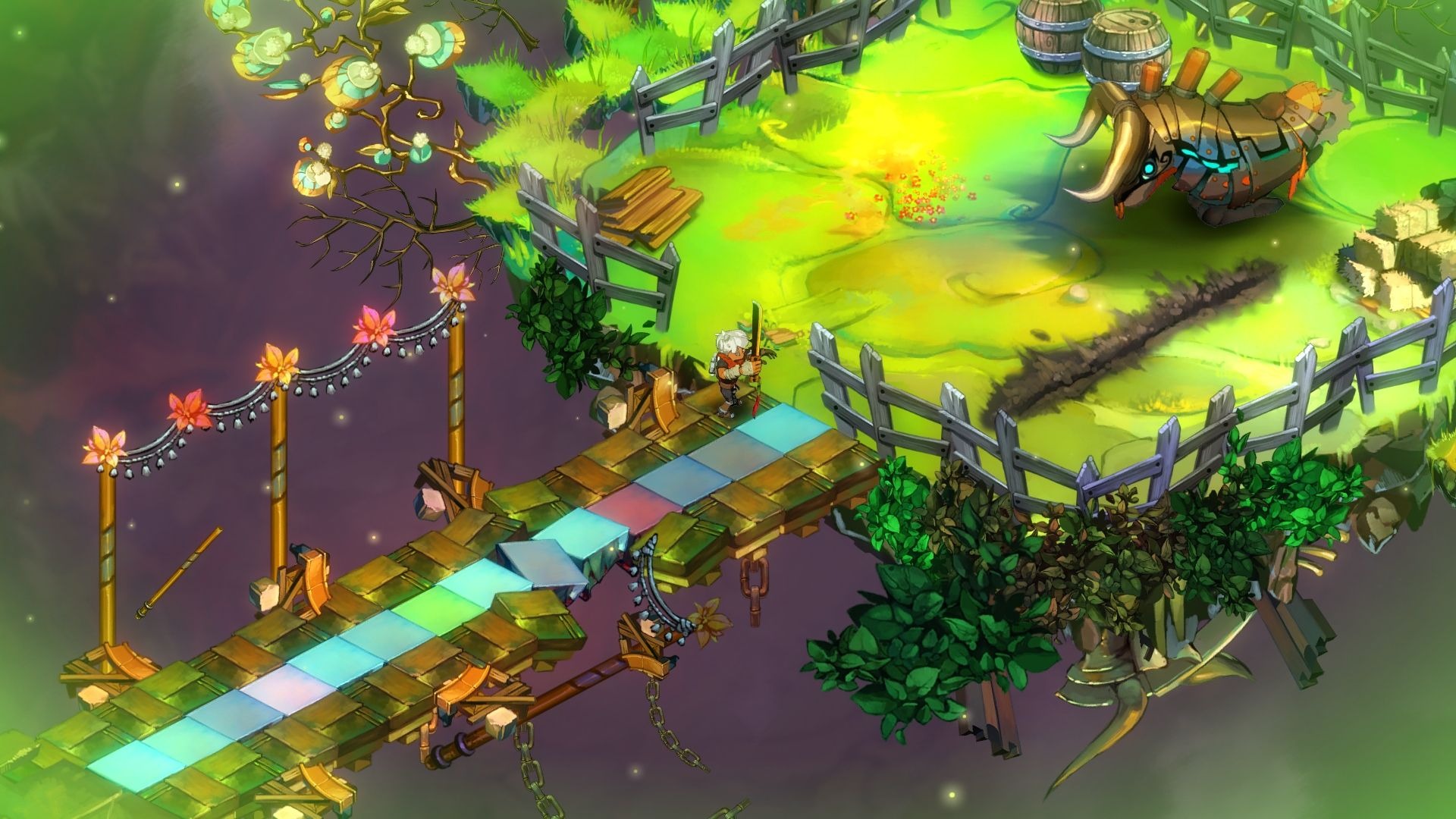
There are a lot of levels, and the length varies from 5 minutes to 15, but one thing I can’t get over is the visuals. As you run through the levels, the walkways appear under you and seem to float in the air. The levels vary so much that not a single one looks the same. The hand-drawn visuals are just gorgeous, plus you can’t forget about the amazing soundtrack, which is something you stick on your MP3 player and listen to. This feels like a high-budget game, but only an indie game can deliver something on this side of creativity and originality. Bastion is a unique game, and nothing is quite like it in terms of narrative and visual delivery. Every action fan should own this because it’s $15 well spent.
It really is games like Game Dev Story that truly prove graphics, sound, and pizzazz aren’t everything because GDS is just highly addictive, tongue-in-cheek, and very entertaining. What makes a game-developing simulator fun? Developing games isn’t really fun to begin with, so the game should be as fun as eating stale bread. Kairosoft is a genius, and there’s a lot to be had here.
You start out with a little bit of cash, four employees, and only being able to develop on PC. You hire employees by paying for different job ads. The higher the job and price, the better-skilled people will come into your office. Once you get your four people, you pick a game system (new systems are released regularly but cost tons of money to buy licenses for). The game really tries to emulate the game industry by putting out consoles by three different companies: Intendro, Sonny, and Micro. The game goes by in weeks, months, and years, so certain events trigger at different times.
Once you pick your genre (rated by popularity from A to C), then you pick the type of game. Make sure the two match; otherwise, you will get poor sales. Once you pick the two (you can unlock more by training employees or hiring very skilled ones), you have to choose someone to design the game. Each employee has four types of ratings, ranging from program, scenario, graphics, and sound. The scenario is what you want people designing the game to start with. Once you choose this, they will start pumping icons into a few of the four categories to make your game good: fun, creativity, graphics, and sound. When you start out, your games won’t be very good, but after a few years, they will be.
Once this is all done, and depending on the type of quality you chose for your game (the higher the quality, the more money it costs), your percentage ticker will start climbing. Depending on how skilled your developers are, your four areas will increase. When the game is 40% done, you will be asked to choose someone to boost the graphics. You can use the people you have or hire someone else to do it, and this can cost lots of money if you choose someone with a high graphics rating. When the game is 80% done, you will be asked to boost the sound, and the same applies. Once the game is done, you will start the debugging process, which can add lots of research data (use this to level up employees) and doesn’t really impact you negatively if you have a lot of bugs.
After the game is done, you will be asked to name it, ship it, and then critics will rate your game. When you start out, the game will score low and probably won’t start getting high reviews until your 10th year or so. If you get a score of 31 or higher, it goes into the hall of fame, and you can develop sequels. Once the game ships, your first week of sales will come in, and depending on its chart placement, you will get good sales or not. After a while, the sales drop off, and then it’s off the market. Then you repeat the process. Keep on top of the most popular console to boost sales, as well as choose good advertising methods because you need to keep your popularity up with every age demographic. Every 5 years, the numbers will move down, and you will lose fans if you don’t keep up.
When you start leveling up employees, the games get better and sales go up with high levels of in-game design. During points of the year, you will get to go to Gamedex and accumulate fans to boost sales, as well as the awards show at the end of the year to earn extra prize money. After a while, you will start earning millions of dollars and be able to hire more people and move into bigger offices. Eventually, you can fire people with low skills and start moving higher-skilled people in, and then your scores start going to 9’s and 10’s.
The beauty of the game is the climb to a successful company, and your ability to do checks and balances determines if you fail or not. Starting out is a struggle, but it’s just so addictive and feels true to the game industry. The game may not be much to look at with simulated 8-bit graphics and sound, but I just played this for hours and hours and couldn’t put it down because you keep developing one more game and trying to balance your company out to make big bucks, get the latest systems, have the most fans, hype up your games, and try to win a game of the year. If you love simple simulations like these, you will love Game Dev Story because there’s nothing quite like it.
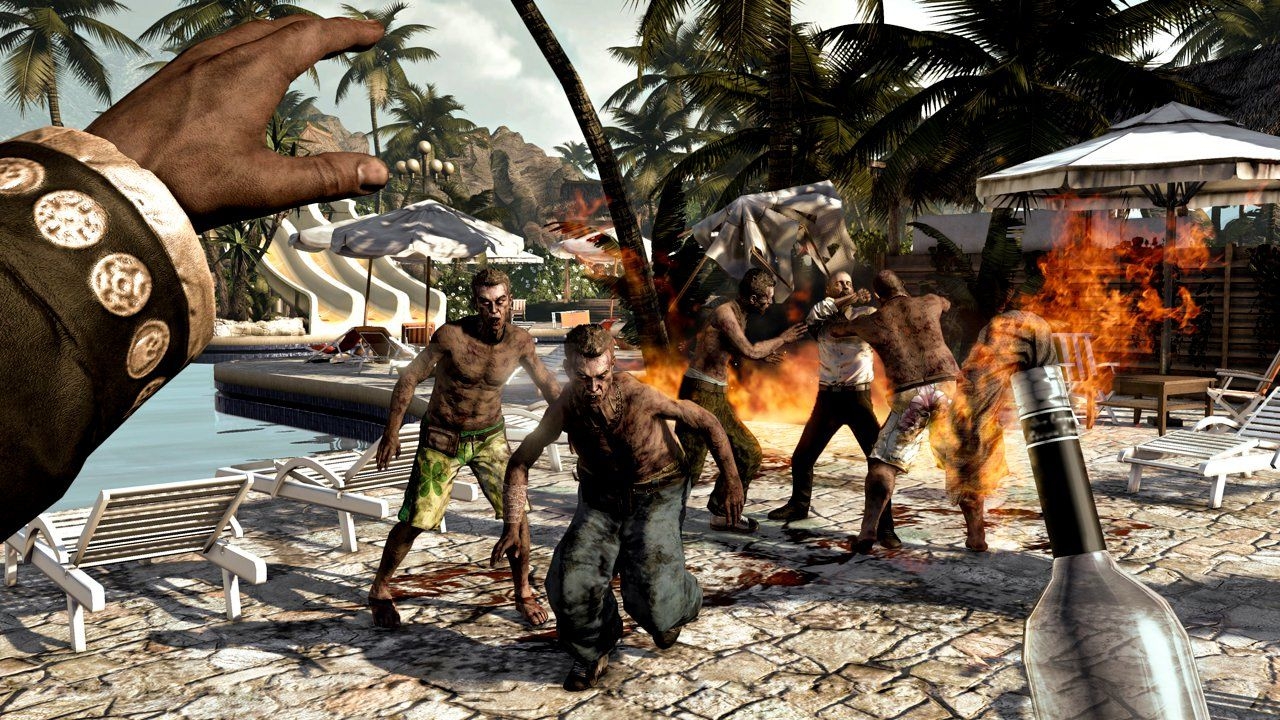
There seems to be no end in sight to zombie games, but the good ones are far and few between. With Left 4 Dead and Dead Rising being the staples, Dead Island puts itself on the map as the true zombie simulator. It holds true to that statement with realistic combat, atmosphere, and a terrifying story (albeit it doesn’t get really interesting until towards the end). You can pick one of four characters who each specialize in a certain weapon (sharp objects, blunt objects, throwing objects, and guns). You follow the four heroes through the story of the resort island Banoi, which has been struck with some sort of biological weapon or disease. No one really knows. You must help the survivors get off the island, but things don’t go according to plan.
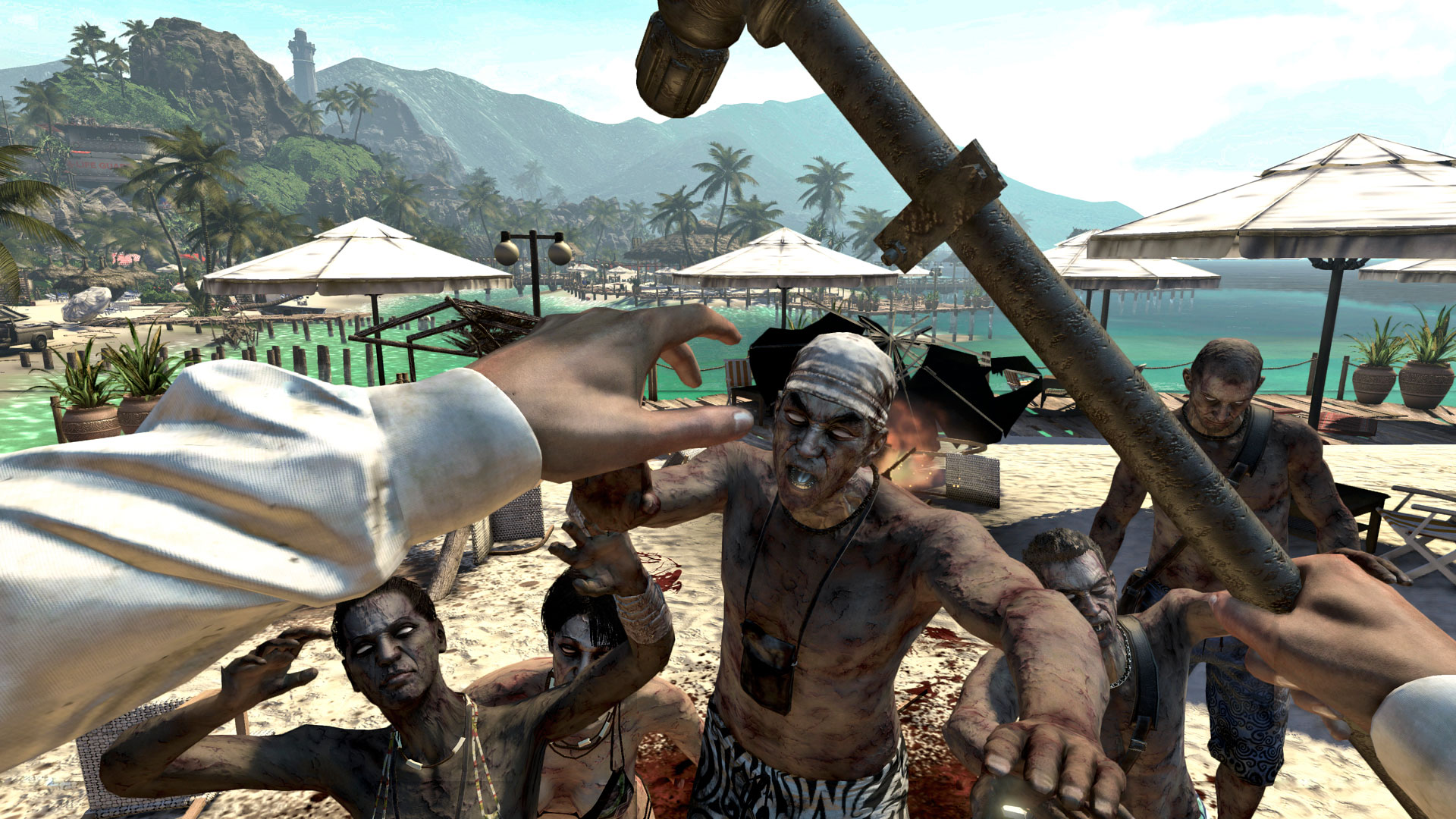
I would like to say that Dead Island feels like Fallout meets Left 4 Dead, with a little bit of Dead Rising thrown in. The combat is superb, if a tad unwieldy, because it features an analog-type combat system. The game is in the first person, so the last melee game in the first person you probably played was Oblivion. You can move the weapon around via the right analog stick, pull back, and push forward, bringing out a full swing. It feels awesome because each weapon feels different, and the game has a great dismemberment engine, so when you aim for that part, it will most likely come off. Even the shooting in the game is solid, and that’s a one-two punch that most games can’t get right.
There are RPG elements thrown in, so when you complete missions or kill zombies, you’re earning experience. You get one point per level to use in one of three categories: fury, combat, or health. Fury is a model that you can activate to do ultra-damage to enemies and earn 10x the amount of experience when doing so. There are a lot of ways to upgrade, and you won’t get them all in one play-through. Thankfully, the game levels up with you, so you won’t run into areas that require level grinding to get past. A lot of the quests are mixed with escort missions, fetch quests, and zombie-killing quests. There are undead people to kill as well, but most of them have guns, so watch out.
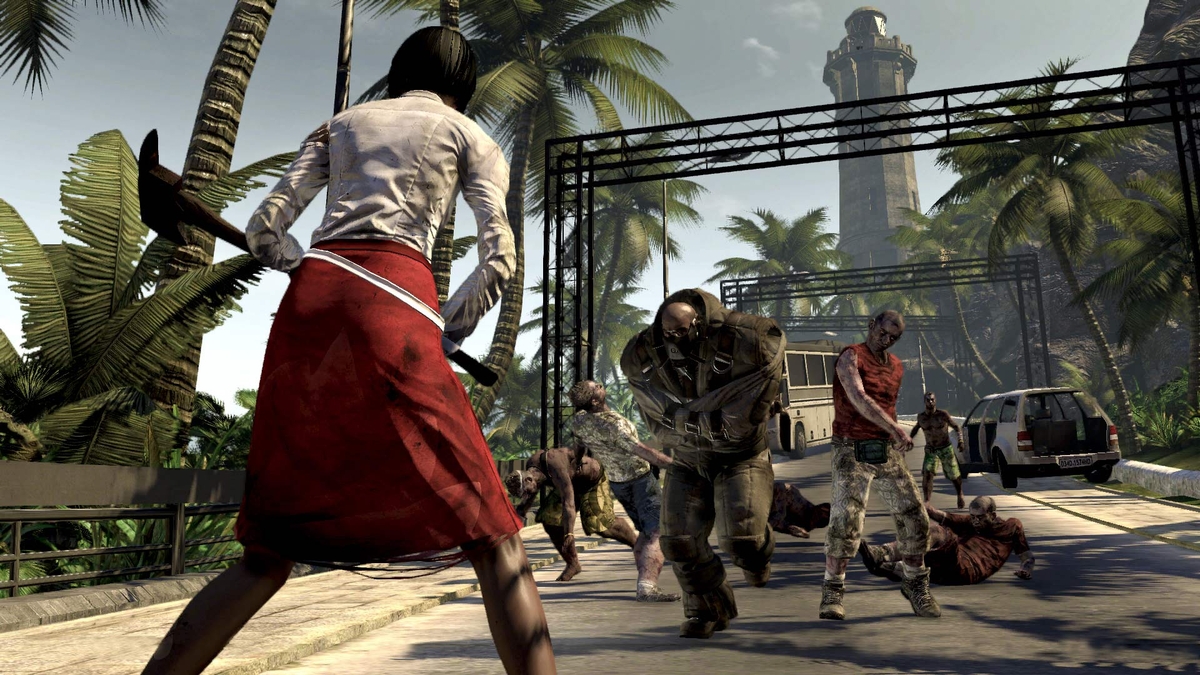
The atmosphere of the game is amazing and just really creepy. There are zombies everywhere, in all shapes and sizes. The two most common are Walkers and Infected. Infected people cannot be avoided since they run at you faster than you can even run. There are floaters, thugs (these guys are almost impossible to take down when you first start), suiciders (they explode), and the rare butchers. Each zombie is freaking creepy, and there is a huge variety of them since they change with each area you change into. The game is nonlinear, with huge open areas to explore at your leisure. Like in Fallout, you can collect stuff from pretty much anything and use it to make mods, of which there are dozens. Some of these are awesome, like attaching a saw blade to a bat, turning swords into shock weapons, making guns shoot fiery bullets, etc. These are mostly found by completing missions, so try to get all the side missions you can.
You can drive in the game, which feels just fine and is a blast to run over zombies; this is required in some missions, and it is best to travel long distances across the island. Also, the areas vary from the beach to the jungle, the city of Moresby, and the prison. There is a huge variety of everything, from weapons to zombies to environments, so you never really get bored with the game. While that’s the core of the game, you just always want to wander off and find people in distress (hey, you are immune to zombie bites!) and just try every weapon out there as well as upgrade them at the workbenches. Of course, weapons break and need to be repaired, which costs money, and you can sell stuff, trade, and even pick the money up out in the zombie wilderness.
The game is also very hard most of the time since it was designed for a four-player co-op. There is a drop-in-out co-op online, which is a blast, and there are plenty of people playing. A lot of the time, missions are just so hard because you get too many zombies thrown at you for just one person. If you die, you just wait 7 seconds and respawn, but you lose a lot of money as a penalty. The more money you have, the more you will lose. This is a great idea, but healing is a problem since medkits are rare and food only heals you so much and you can’t store it.
The only problems with the game are that people with high-end PCs are jipped unless they go edit the config file themselves to push the graphics further. There are a lot of glitches, and the combat is awesome, but controlling it is a bit off and finicky. I mentioned that the difficulty is all over the place, so expect some frustrating sections where you will die over a dozen times. While the story is good, the characters are boring, not likeable, and just feel pretty generic overall, so this took a big hit for me more than anything. Overall, Dead Island is my favorite zombie game so far, and fans shouldn’t miss it.
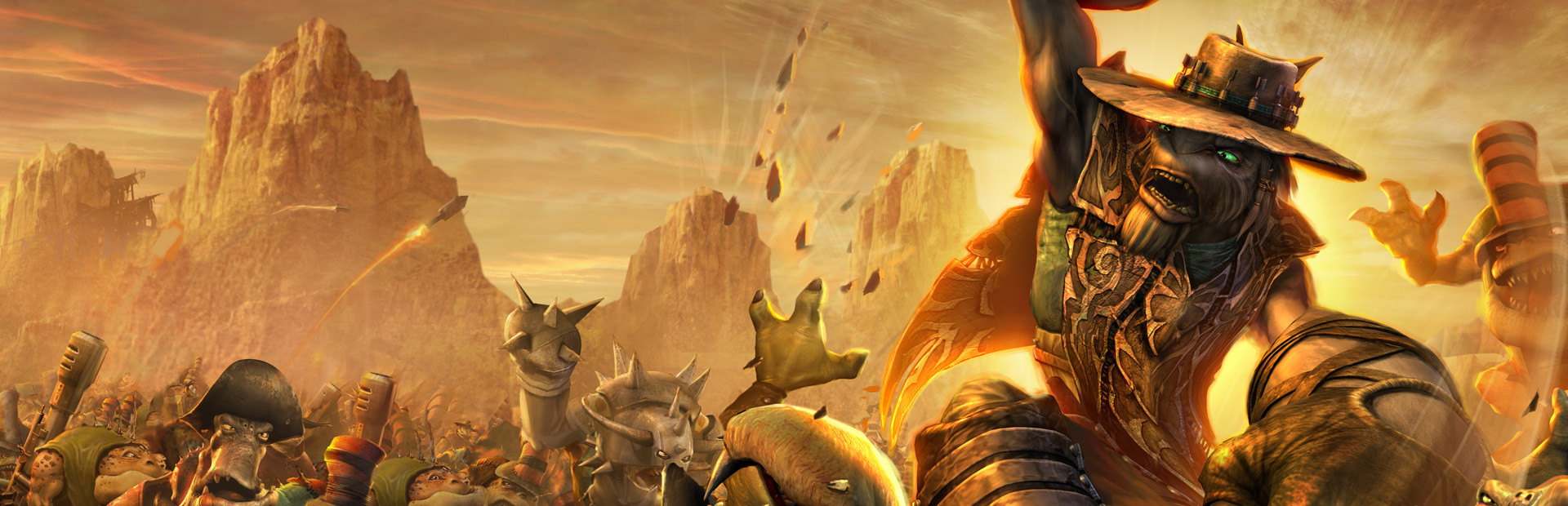
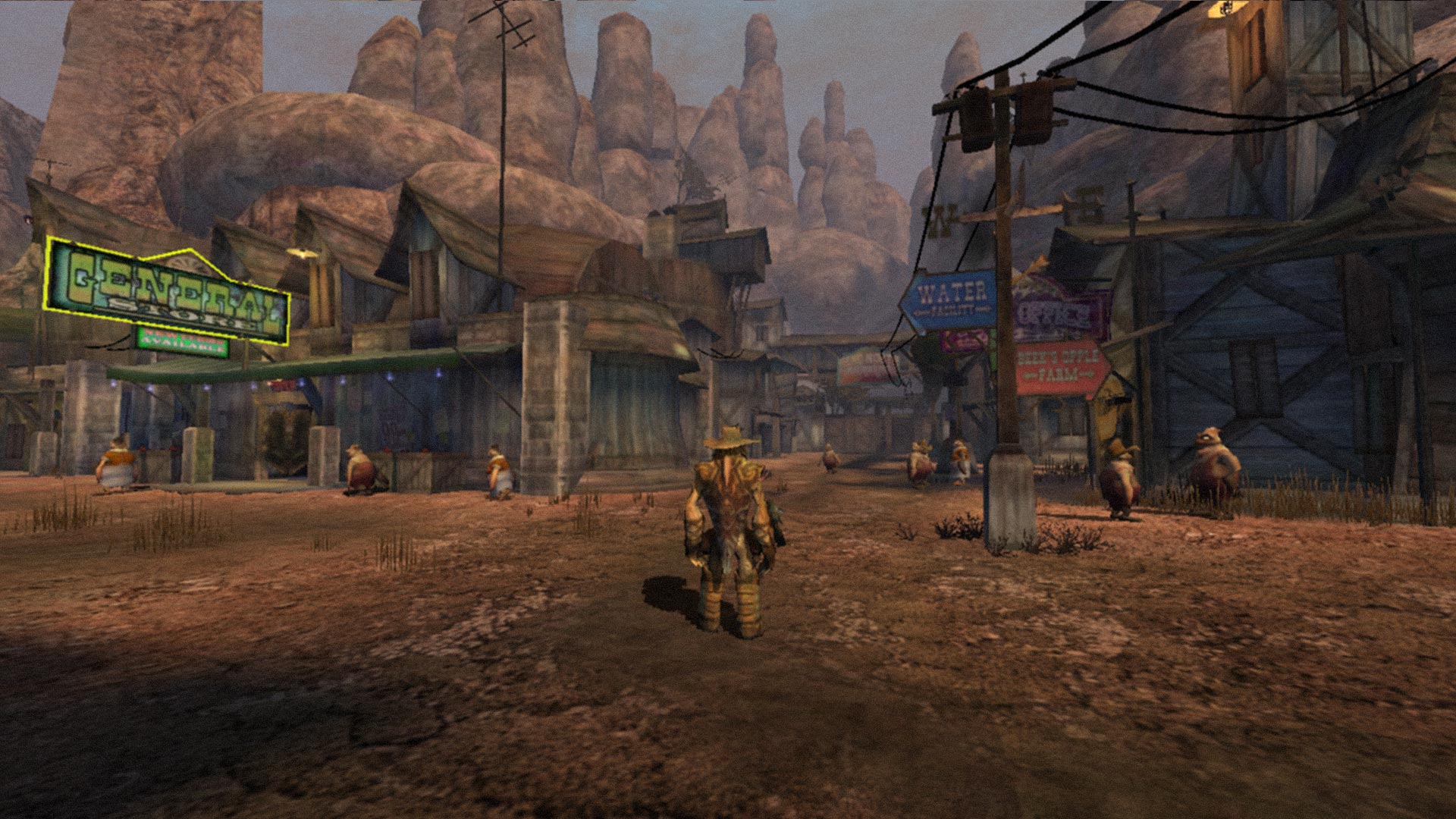
While the Oddworld series may have been dead for years now, the last creation from Lorne Lanning is a great opus. While the series hasn’t been perfect gameplay-wise, it instills great characters, humor, and a unique art style that can be recognized from the series. Stranger’s Wrath was a cult classic Xbox hit but saw poor sales (as did most of the Oddworld games) due to its quirky style. You play as a bounty hunter named Stranger, trying to collect enough Mulah (money) to get a mysterious surgery performed. The story doesn’t get interesting at all until the end, but there are two key plot twists that really throw you for a loop and make the story worthwhile.
The game is split up into two parts. The first half of the game has you finding 12 different wanted bad buys and wandering around the linear world to find them. The thing that made Stranger’s Wrath so unique was its shooting mechanic. Unlike most shooters, Wrath has you shooting critters as your ammo, and you even have to gather them in the wild. A few ranges from Zap Flies have unlimited ammo and can be charged. Boombats are explosive, Thud Slugs are like shotgun shells, and so on. Each critter will eventually be upgraded in the game, but this is a unique approach to shooters that has never been done since.
Most of the time, you can try to sneak your way around and bounty up bad guys, but the stealth mechanics are pretty broken. You can hide in tall grass and lure the bad guys to you, then wrap them up to get them alive (for more bounty), or just run and gun and kill them all, but you get less bounty. While the shooting may be unique, it doesn’t really know what it wants to do. There’s ammo for stealth, but it’s not good enough for run-and-gun action. Finding ammo in crates helps, but you will constantly try to decide which ammo type is best suited for the situation. You can equip any two at the same time for combos, but you can’t shoot them at the same time. I would have liked to see some sort of combo element implemented with that.
The second part of the game lets you have more powerful melee attacks and is all about running and shooting, really. You get the upgraded ammo types, so this is possible, but the game’s difficulty is ruthless, and you will die a lot. Thankfully, the game has a quick save feature, so this alleviates it a little bit. I just felt that this game should have stuck to either a platformer or a shooter because switching from first to third constantly can be a bit disjointing, and even jumping around and climbing is difficult because it feels like all the physics in the game are very floaty.
The second part of the game lets you have more powerful melee attacks and is all about running and shooting, really. You get the upgraded ammo types, so this is possible, but the game’s difficulty is ruthless, and you will die a lot. Thankfully, the game has a quick save feature, so this alleviates it a little bit. I just felt that this game should have stuck to either a platformer or a shooter because switching from first to third constantly can be a bit disjointing, and even jumping around and climbing is difficult because it feels like all the physics in the game are very floaty.
Overall, the shooting mechanic is very unique but works against itself, and the game doesn’t know if it’s a third-person platformer, stealth game, or run-and-gun first-person shooter. If it stuck to just one, the game would be better, but it is a cult classic and shouldn’t be missed if you never owned an Xbox.
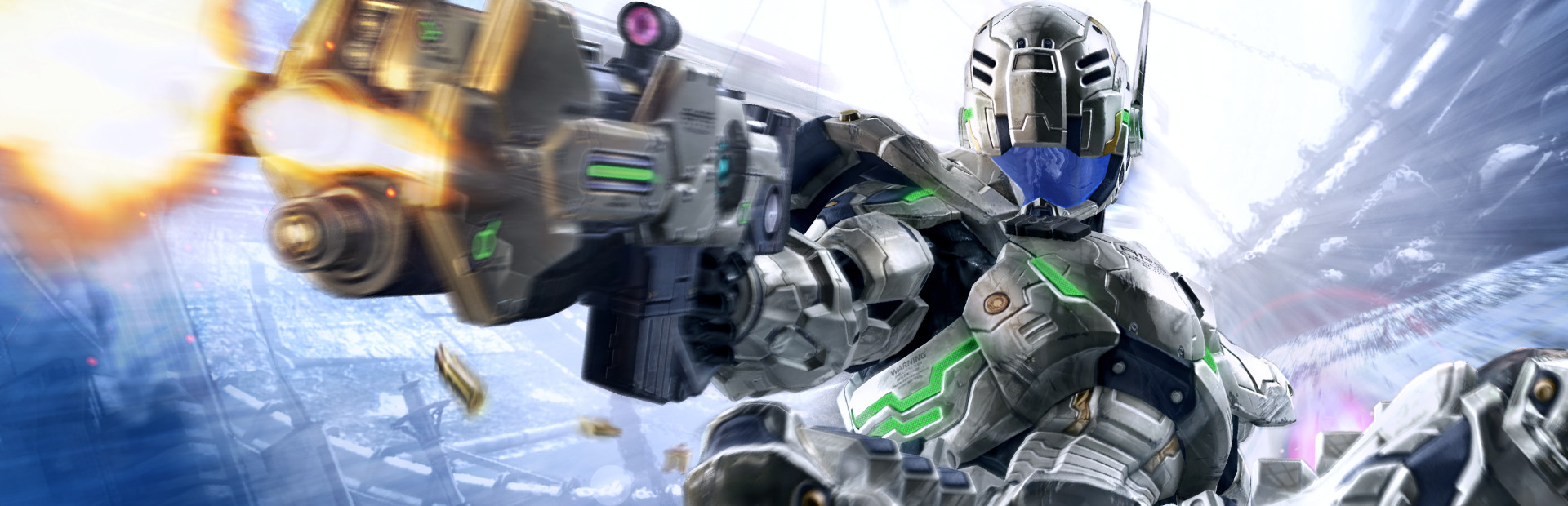
Japanese developers have a lot to learn from Western developers, but Vanquish shows that they are slowly catching on. Vanquish is infused with Western shooter’s big explosions and lots of shooting fused with Japanese fast-paced action and quick controls. Vanquish is a third-person shooter on speed thanks to the ARS suit. Sam Gideon can slide around at super speeds on the ground as well as slow down time during dodges. This allows for very hectic gameplay against robots of all sizes and shapes.
The plot is paper-thin and only advances at the very end of the game since the middle has absolutely nothing to do with the plot because you’re just dealing with in-the-moment problems, but the overarching story is a pretty standard affair with Russia trying to take over the world with a giant microwave emitter that destroys San Francisco. It’s nothing to get excited about, so just pop in Vanquish and expect fast shooting. The shooting is great thanks to using weapons that can be upgraded throughout the game with droppable upgrades. Everything is done on the battlefield, so there are no menus to fiddle with. I wish more shooters would use this idea so it doesn’t draw you away from the action. You get a loadout of three weapons and two different grenades. EMP grenades stun robots and incendiary blow them up. Different weapons range from your standard assortment of shotguns, heavy and light machine guns, rocket launchers, sniper rifles, etc., but there are a few originals, such as the disk launcher, the LFE gun that shoots huge blobs of purple energy, and the laser rocket launcher.
Thanks to the ARS suit, it allows for what would normally be an impossible amount of enemies to kill in a standard shooter, but being able to slide around at fast speeds and slow downtime isn’t the key to staying alive. If you get shot too much, your suit will automatically slow down time and burn up your energy meter. This allows you to kill any immediate danger and get to cover, but if you continue to get shot, you will die. The energy meter determines all your special abilities, and if you overheat, you have to wait for it to cool down. I found this a little annoying, especially when you start dying and you can’t shut off the use of the auto-slowdown, which will actually cause you to die during boss fights since you can’t slide away after it’s burned up.
The best part of the game is the boss fights since you have to shoot weak points, and sometimes this will trigger cinematic QTEs (Quick Time Events), but the biggest fallback for Vanquish is the repetition. Sure, there is some different gameplay stuff thrown in, like firefights on rail carts and turret sections, but I felt the game never truly took advantage of the whole ARS suit system. This is where the typical Japanese game’s generic atmosphere and aesthetics bring Vanquish down for me. While everything is responsive and sharp, it all feels generic, with weapons feeling like they don’t pack a punch and just feel like pop guns. There’s a good variety of enemies in here, but they are all just robots, and you can pretty much use the same tactic on all of them. Boss fights to recycle after Act 2, and the environments all look the same after Act 1.
The game looks good, but it is also generic-looking thanks to the typical Japanese art style of sterile whitewashed environments and copy-and-paste feeling levels. The characters are the usual stereotypical, cheesy voice-acted, empty-feeling people that you can’t really get attached to or don’t make much sense to. I want to get attached to the characters, but they just feel too cheesy and stereotypical and are completely forgettable. So why should you play Vanquish? The fast-paced action is undeniably addictive, and 6 hours is just enough to not get too sick of the game without wanting it to just end. On a side note, the ending credits are probably the most original I have ever seen in my 19 years of gaming. The developer’s faces are on asteroids, and you shoot them as their names pop up. The more important guys are harder to shoot, and the lead designer ends everything with a final boss fight. Kudos to Platinum for making credits more interesting than scrolling text.
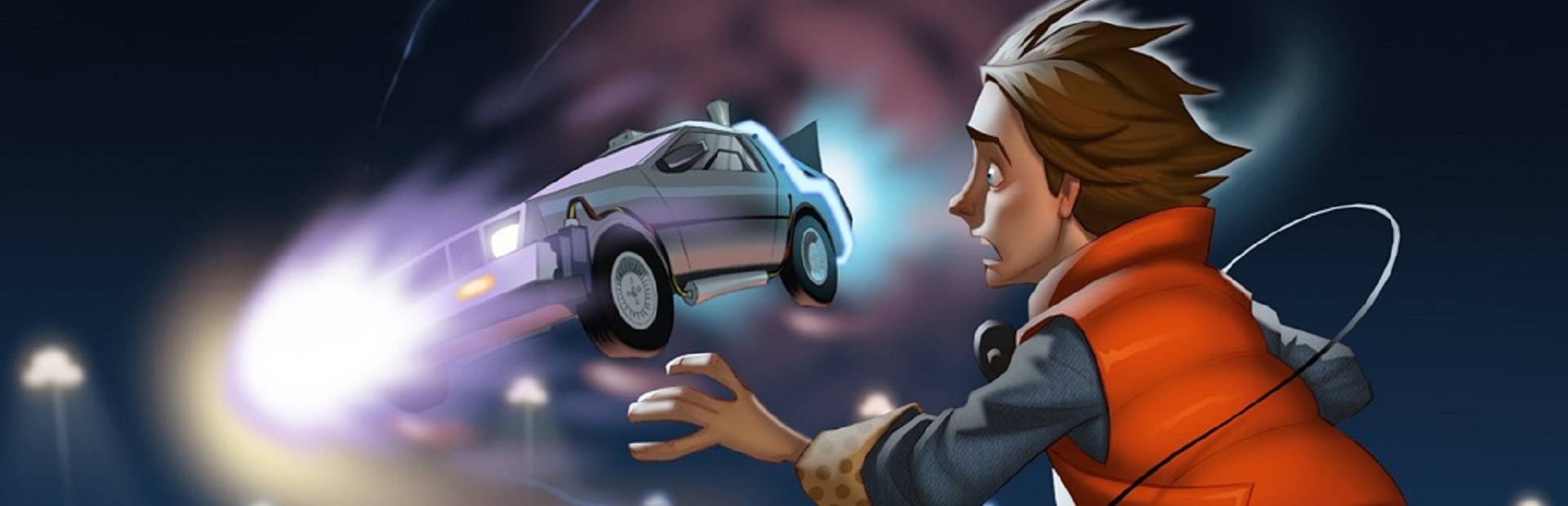
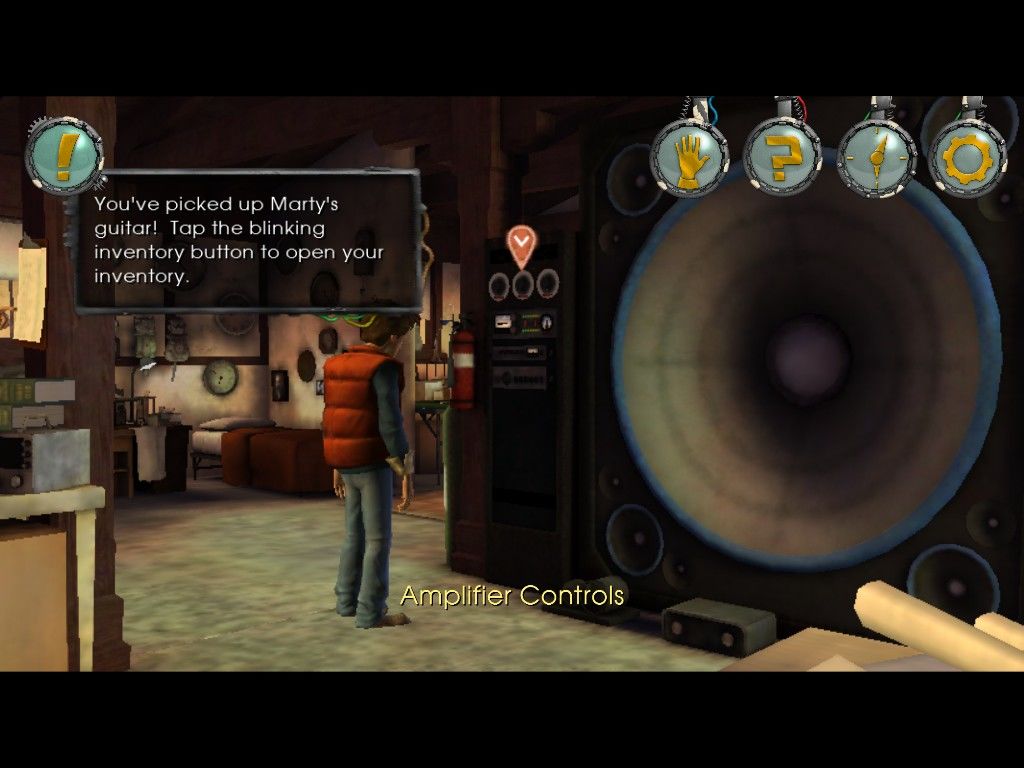
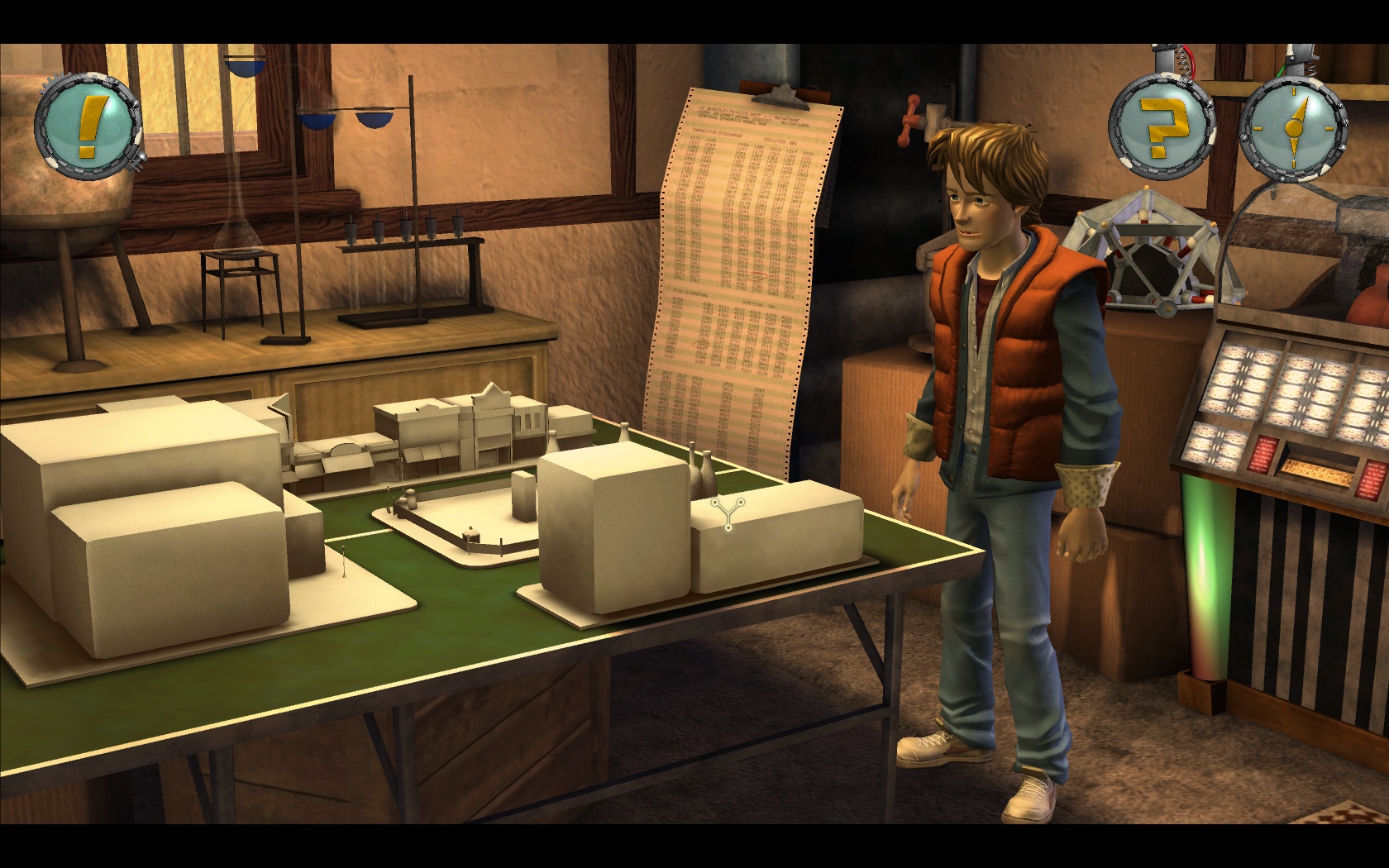
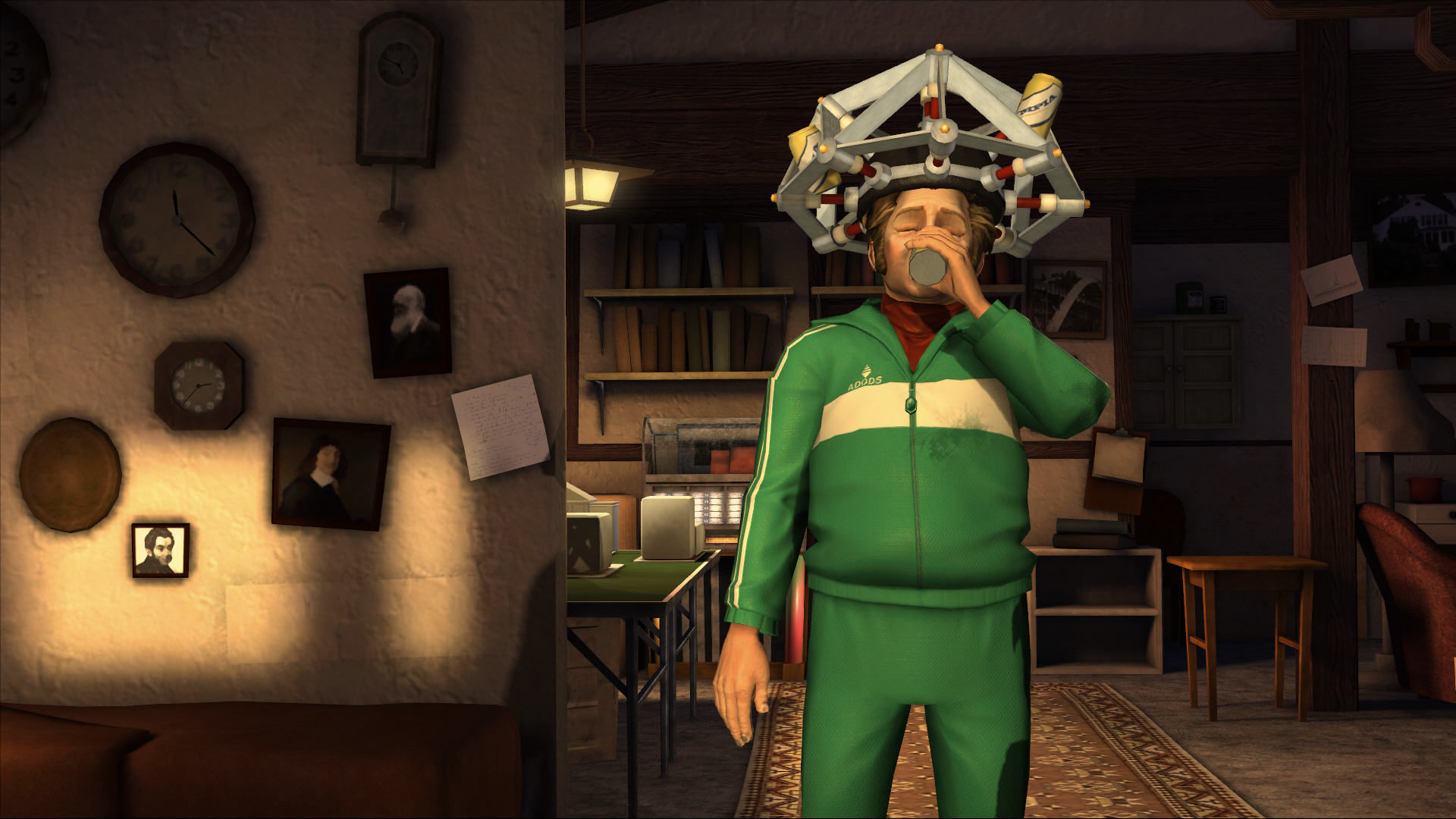
Back to the Future hasn’t really done well when it comes to games. There were a couple of bad games in the 8 and 16-bit eras, but Telltale Games finally picked up the license and injected its excellent adventure formula into the beloved series. You play Marty McFly, who has to go back in time and save Doc Brown from his own deadly fate. He gets a message from Doc to save him, and Marty must find out how to do it with the help of young Emmet Brown.
The story is original but uses the BthF license very nicely. The voice actors sound almost spot on, and everything from the DeLorean to Doc’s dog Einstein and even Marty’s relatives is voiced well and resembles their live-action selves. It’s great to explore the BthF universe with the same clever writing and storytelling. There is a simple adventure game interface where you click around on objects and listen to Marty explain them, but the puzzles are more involved than just slider puzzles or matching symbols. The puzzles are broader and story-driven, and that’s what Telltale is famous for in their Sam & Max games.
You can have items in your inventory, but you don’t just wander around and use them for every pixel in the game. It’s usually pretty obvious to use your recorder to record young Doc’s mumblings so old Doc can solve them. You aren’t overburdened with a ton of items that you have to constantly use a million times on everything, so it’s straightforward and simple, but you do have to think a bit. One great feature to resolve pixel hunting is a button that will show every icon you can interact with. This saves time and frustration, so you’re not wandering around and missing that one item that’s almost off-screen.
While the interface and interaction are smooth and simple, the game is very short, and it’s still lacking some gameplay depth. I would like more cerebral puzzles, but Telltale is more about the story than anything else. The game doesn’t get super exciting until the last 30 minutes of the last two sequences. You can beat the game in one to two sittings (about 3 hours), so for $25, the game is highly overpriced and not worth the money unless you’re a die-hard BthF fan. I would wait for the full season to come out and not spend a ton of money on each episode. Also, the graphics are pretty horrible considering the nice art style. Telltale really needs to upgrade their 8-year-old engine to something more modern.
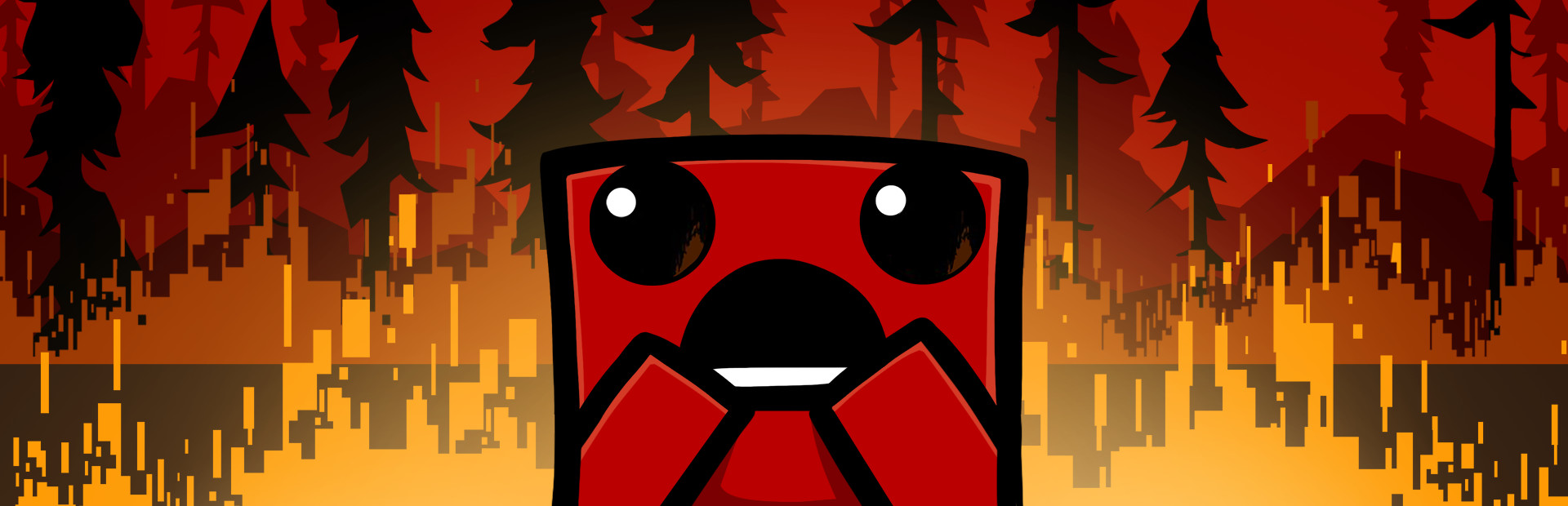
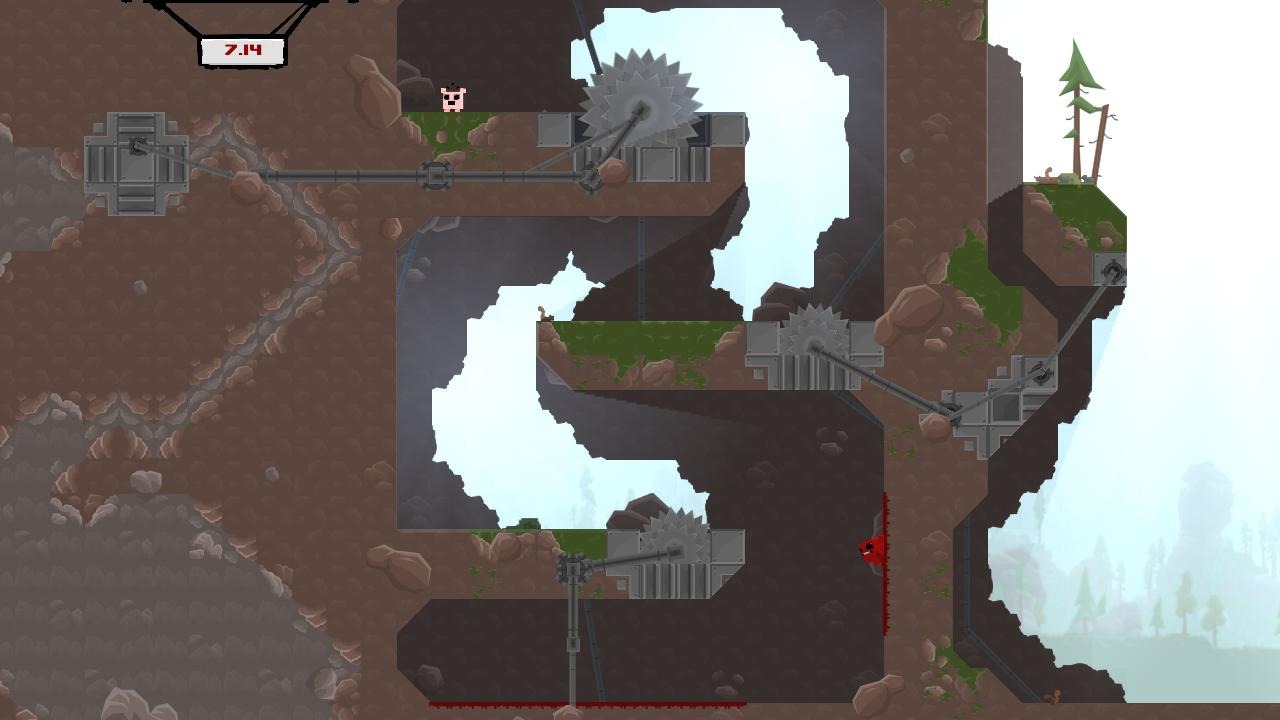
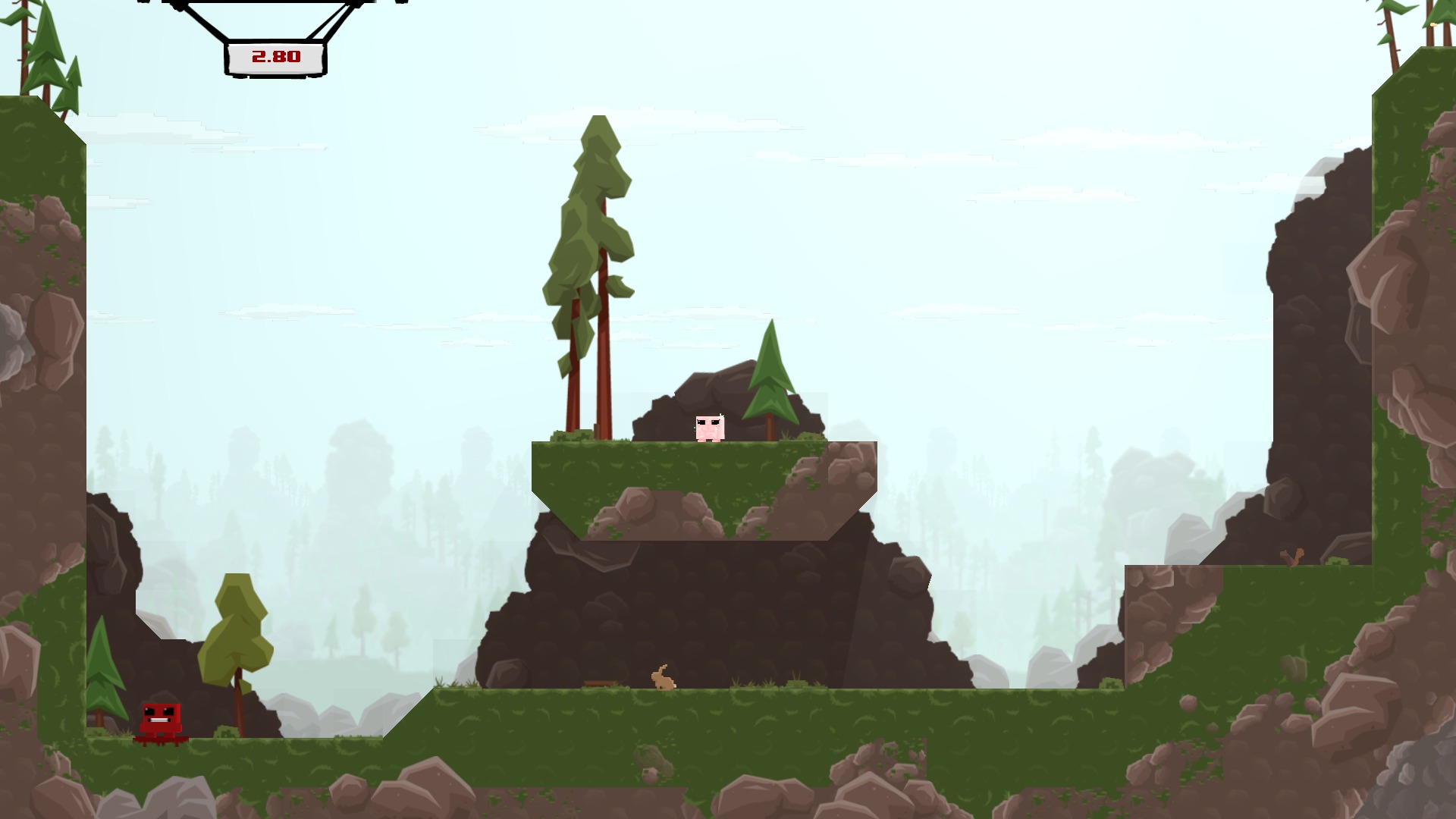
2D platformers are always compared to a 20-year-old game known as Super Mario Bros., and they have every right to. That game was flawless and literally created the 2D platforming genre. Super Meat Boy is probably the only game in recent history that comes close to that kind of pixel-perfect jumping and tight, responsive controls. SMB also has a ton of humor infused with it, and the game is a blast to play and highly addictive.
You play Super Meat Boy, who is trying to save Bandage Girl from Dr. Fetus. It’s a simple story, but it’s hilarious, and the cut scenes are drawn beautifully. The art style is very unique, and there’s so much detail infused in this game that it’s nuts. When SMB gets destroyed, he splatters his meaty goodness all over the walls, and it stays there. He makes a splooshing sound when running, and his facial animations are very funny. There are other characters you can unlock by completing warp levels, and these guys are just as detailed and have their own unique abilities.
The controls in the game are what really surprised me. They’re just absolutely perfect. They are super responsive and tight, and it feels like you’re controlling the characters with your fingers instead of buttons. Using the Games for Windows controller (or any other) is essential, but the keyboard works too. Jumping around corners and maneuvering through the game’s brutal levels can be conquered thanks to these tight controls. I’m dead serious about the game being hard because every corner and jump require extreme precision, or you will die 30+ times. Oh sure, you’ll die that many times thanks to a quick reset button that has zero loading. What’s cool is that after you beat the level, you get to see a replay of every time you died, so every SMB goes off, and you can follow them until the last one makes it. It’s awesome, unique, and makes you want to watch every replay and save them for friends to laugh at.
The warp levels bring the graphics back to 8-bit with amazing music and tend to be more challenging than the regular levels. Usually, you get to play the characters you unlock, but gameplay varies at these levels. You can also find bandages in the regular levels, but these require extra-extreme precision (if that’s possible), so this game is really for hardcore gamers only. Casual gamers will give up quickly, and there are no difficulty levels to set. From the frantic boss fights to the constant dishing out of new obstacles to overcome, the game ramps up after the first few stages, so you must stay on your toes.
With a crap ton of charming visuals, catchy music, and perfect controls, the game shines above all other 2D platformers. It wouldn’t hurt to say it’s probably the best 2D platformer in the last decade, but the brutal difficulty is very forgiving thanks to the feeling of accomplishment once you trump that level. Try beating the record time to feel even better about that victory! I highly recommend SMB to any platforming fan or even fans of the 16/8 bit eras.
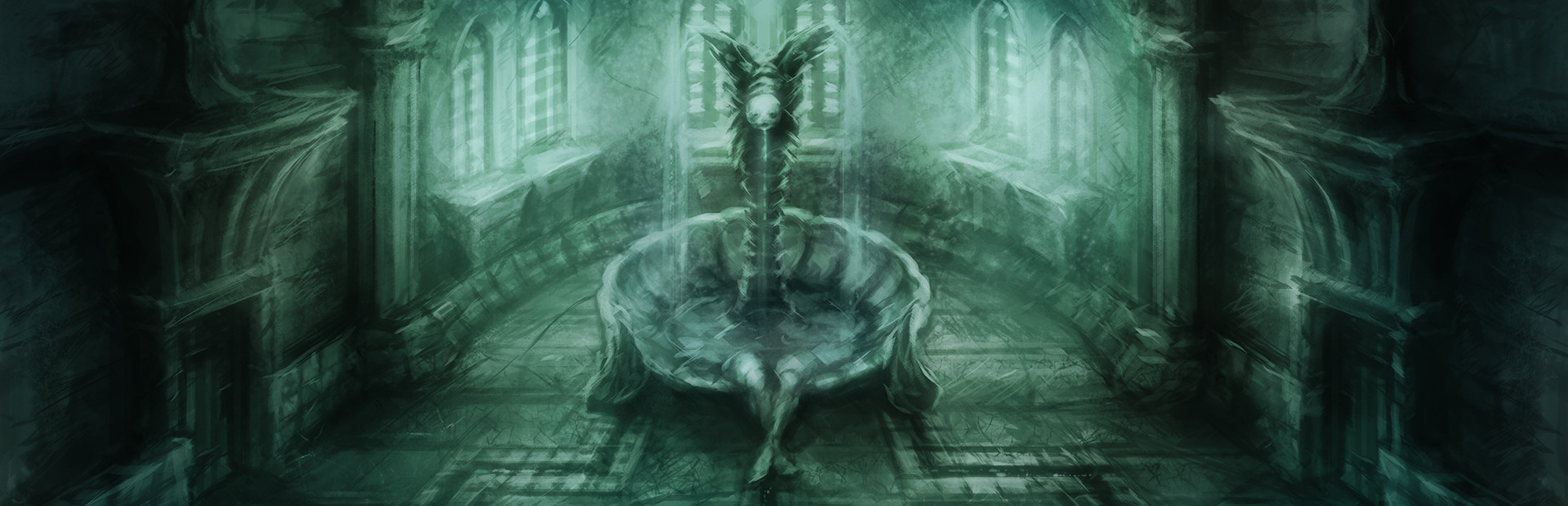
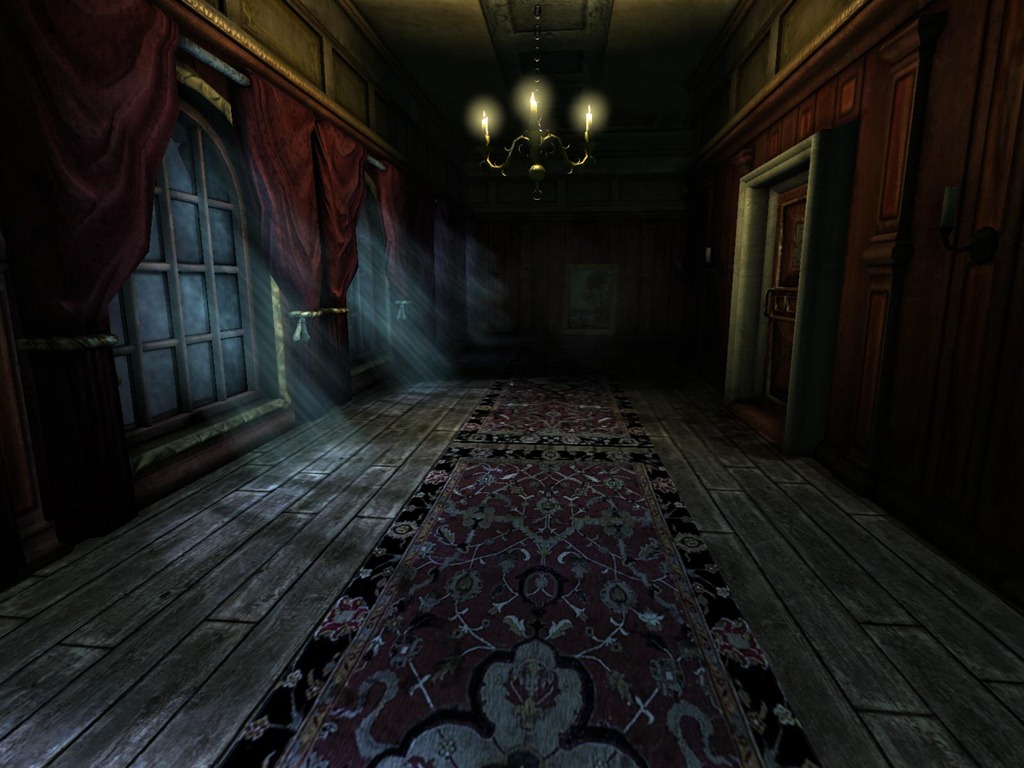
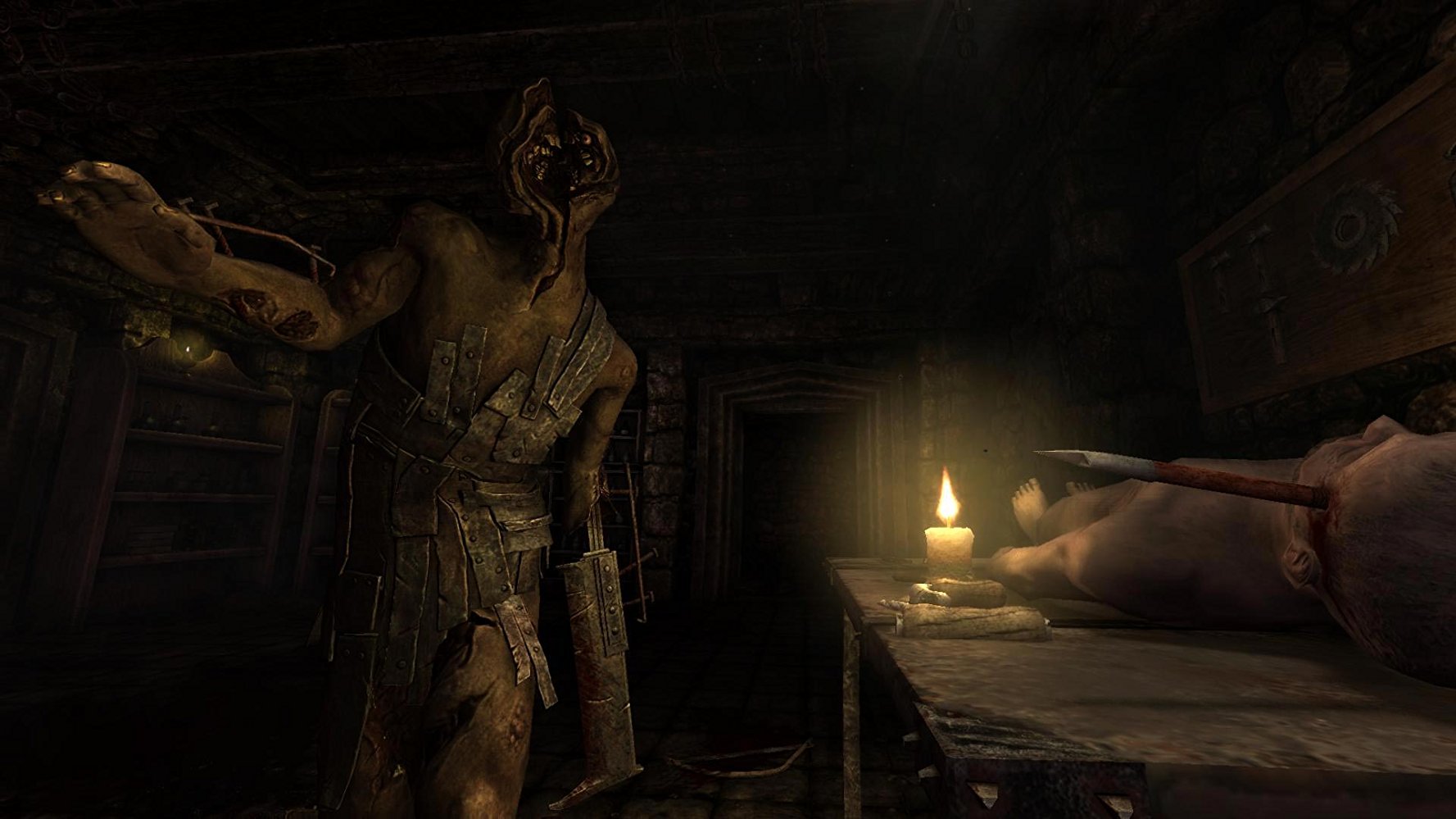
The survival horror genre is probably the fastest-dying of them all, but it’s games like Amnesia that really get the spotlight when they hit it home on the scare factor. Amnesia stays true to the genre, and this is due to the fact that there’s no combat whatsoever. Zero, zilch, nada, you can’t fight. If you see a creature, you have to hide or run, and this is what adds to the tension. If you can fight, you can just kill it, but if you can’t, then you have to really think about what to do, which can make you not want to continue.
Amnesia may be a first-person adventure game, but your only weapon is light and against your own insanity, not creatures. Staying in the light is key, and oil for your lantern is as precious as 9mm ammo in Silent Hill. It’s scarce, and you try to savor every drop or just use tinderboxes as an alternative. You can light candles, lamps, or any source of light to guide your way to preserve oil or if you run out. Daniel can see in the dark somewhat, but it’s hard to solve puzzles like this.
As your sanity slowly drains, you will hallucinate, walk slower, the screen will distort, and creatures will hear you. Seeing traumatic scenes can do this too, as can looking at creatures for too long. You will also lose sanity if you don’t progress or solve puzzles, so it keeps you on your toes, but don’t worry, I only encountered a couple of times where Daniel went totally insane and lost it. You’ll more likely go insane from fright before he ever does.
And that’s the thing about amnesia: it frightens you with atmosphere, pacing, and tension from the environment instead of zombies popping out. The music and ambiance are haunting, and they make you paranoid throughout the whole game. One scene had me in a room where I was picking up a letter, and suddenly something started bashing down the door. I literally jumped and tried to find a place to hide. A wardrobe! I grabbed each door and swung them open and hid, and as I peeked through the crack, Daniel started freaking out, so I had to not look. I heard the creature breathing, moaning, and moving around, and I was afraid it would start bashing down the wardrobe! It soon turned away, and I could continue hunting for puzzle solutions, but was I ever so scared?
The haunting story doesn’t help either, with you just waking up in a castle and not knowing who you are. You read letters along the way, trying to discover some orb and stop the shadow from consuming you. I can’t go into more detail because it will spoil the story, but it’s very creepy and disturbing and was well put together.
The second part of the game is the puzzles. These vary from object hunting to physics and pathfinding. I have to admit that Frictional has always been known for obscure puzzles, and some of the time I didn’t know what to do and was completely clueless. You rarely get hints, and this can lead to frustrating backtracking and pixel hunting, so an FAQ needs to be handy. Other than that, the puzzles were clever and really stuck to the story, and they all felt necessary.
Amnesia is a horror classic and is even better than Frictional’s Penumbra series. This game will scare the pants off of you; it even clocks in at a nice 6–8 hours and has three different endings to see. I really hope for a sequel or another game similar because Frictional found the survival horror sweet spot.
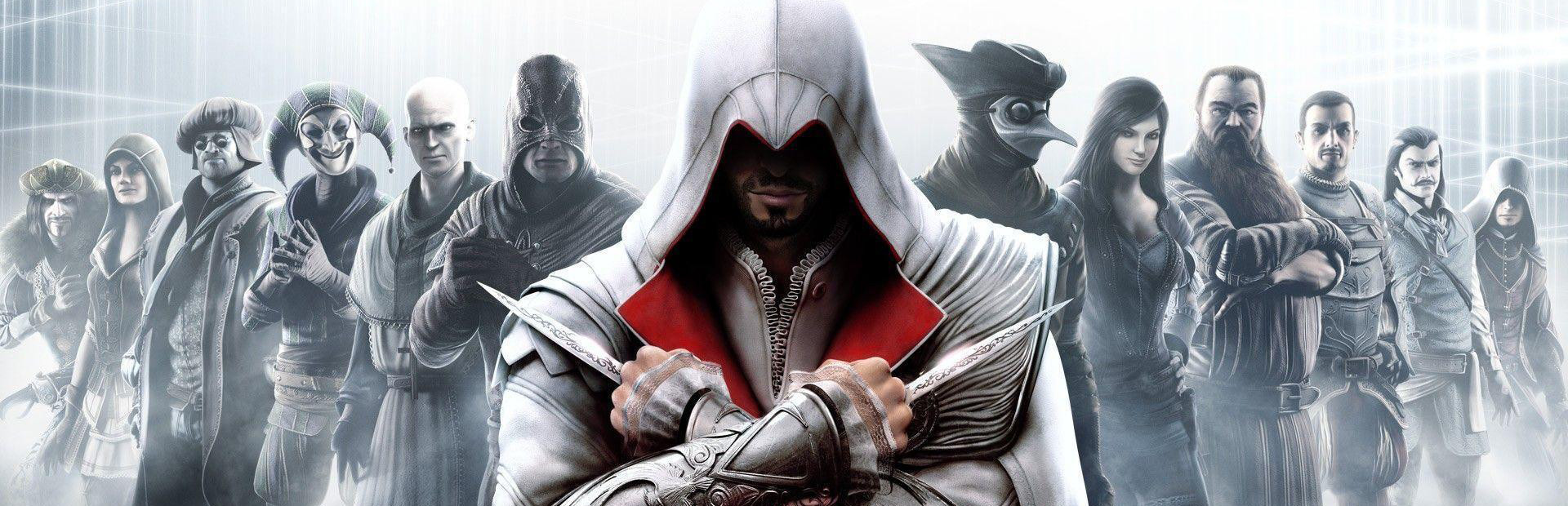
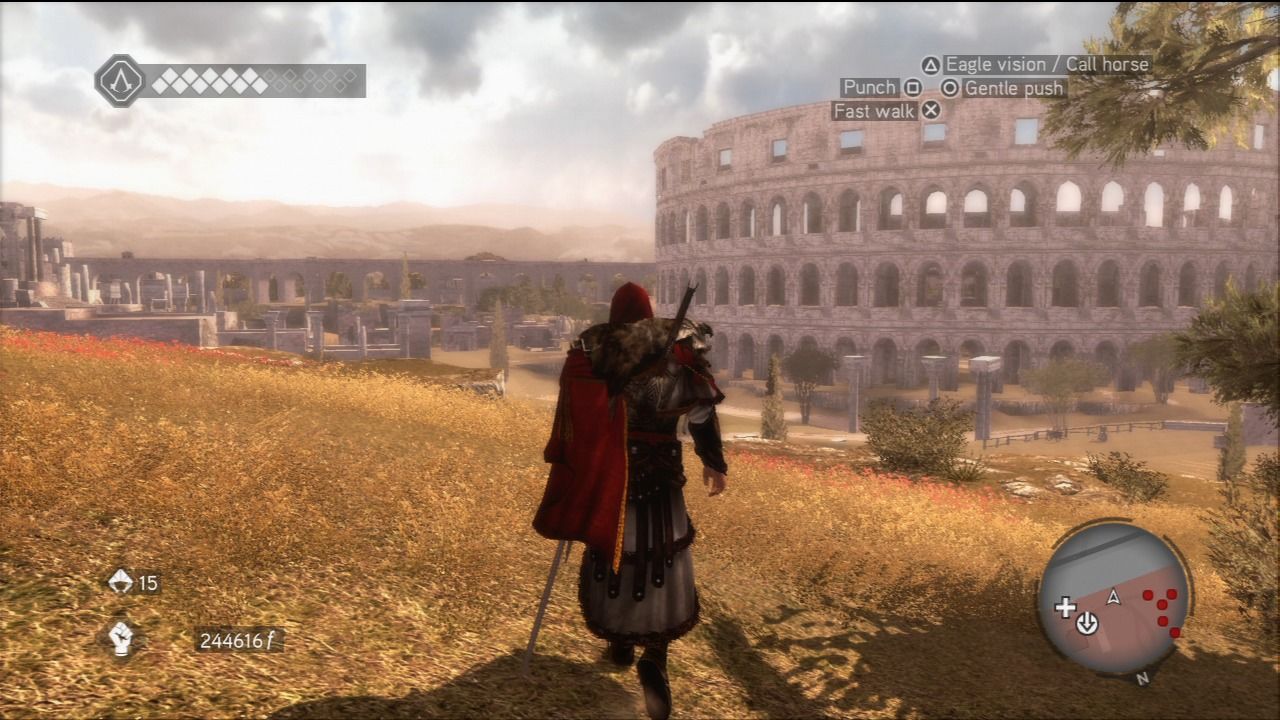
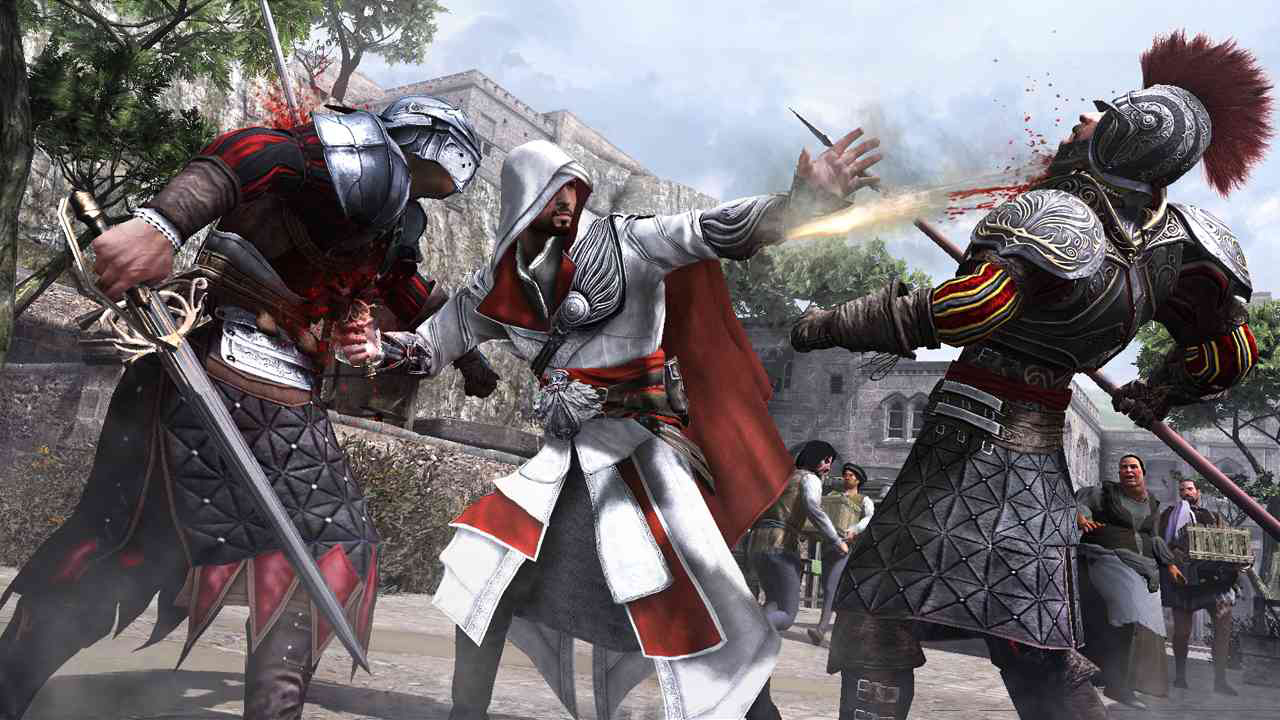
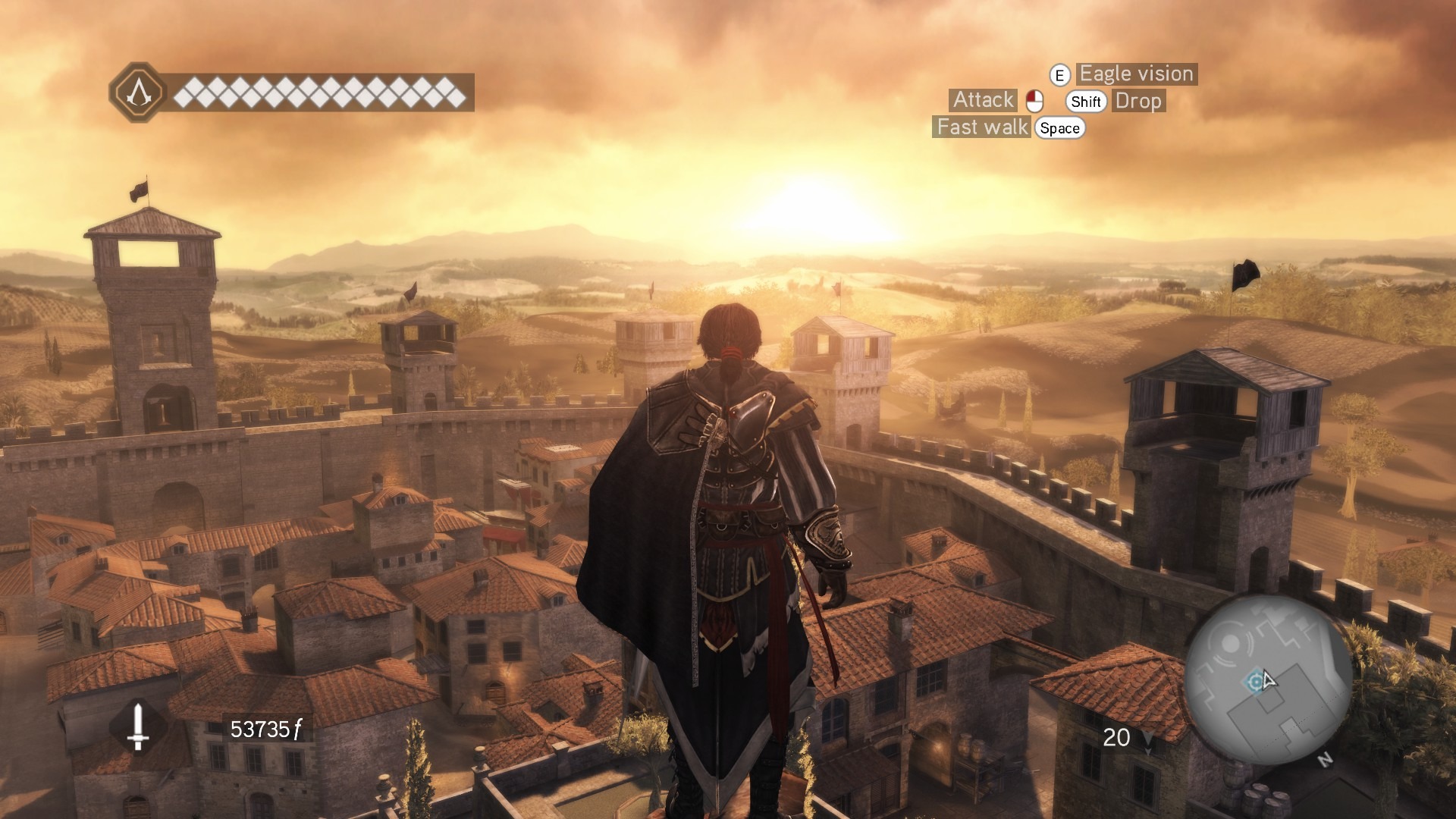
Brotherhood is one of those sequels that was thought to be just a cash cow tie-in for II, and everyone forgets about it. In fact, it was supposed to be a multiplayer-only add-on, but a few months before release, we realized it had a huge single-player experience that was bigger and better than II. This is what sequels should be like, especially if they borrow everything from their predecessors. Brotherhood isn’t a true Assassin’s Creed sequel like II was to the first one, but a new chapter in the amazing universe of 1500s Renaissance Italy. This time the game is set in Roma (Rome), and it’s huge, and there’s a lot more to this game than one skeptical fan might suspect.
The story is just as engaging, if not more complex, than II. Ezio is now older and the leader of the assassins, and he must stop the Borgia reign in Roma (since he failed to kill Rodrigo Borgia in the second game), but Rodrigo himself is only seen twice in the game and briefly. It’s all his minions and the fight against Cesare that are the main focus here. The game still has a deep political plot that ties in with real-life situations and people at the time.
Along with that, you can also play as Desmond Miles outside the Animus, and he has a bigger gameplay part with a whole section dedicated to restoring power to today’s Auditore Villa for the team’s new hideout to find the Apple of Eden and stop Abstergo and the Templars. While you only see these guys at the beginning and end of the game, you get another cliffhanger ending that will lead to the third game, as well as a great conclusion to Ezio’s story.
The game plays exactly like II, with no changes to gameplay except for some added stuff like a new crossbow, which is a godsend for killing stealthily from far away. It’s great to do a mission and wipe guys out with a crossbow and not get detected by those hard-to-reach guys. There aren’t any newly added weapons besides that, but combat is enhanced slightly, so it’s not such a counterfest. You can kick enemies, combo Arkham Asylum style, and even do some nice executions with the pistol. This is a nice change to combat and makes it a little more fun. You can also call in assassin recruits to help you, and this is extremely helpful, but more on that later.
Despite the main chapters, there are more side missions than you can shake a stick at. The side missions will take a good 20+ hours to complete and are tons of fun. You have the Borgia towers that have to be burned. These have to be burned down to buy closed-down stores and restore areas and landmarks. You have to enter a restricted area, kill the Borgia captain, then climb the tower and burn it down. There are quite a few, so these will keep you busy, and finding and killing each captain is different and challenging. On top of this, you can buy stables, blacksmiths, doctors, art stores, tailors, faction buildings, banks, and landmarks to restore Roma 100%. You will increase the city’s income, which will be deposited in a bank every 20 real-world minutes.
There are other side missions for each faction (thieves, courtesans, and mercenaries), as well as assassination contracts, Christina missions, finding more The Truth files (10 this time), and now Lair of Romulus missions, which have six in all and are much like Templar Lairs. After you find all six keys, you can unlock the Romulus armor, which is like Altair’s armor in the last game. You can also go to pigeon coops and play a mini-RPG that lets you send your assassin recruits out on missions based on their experience. Missions are based on difficulty, and you will see a percentage bar on how successful they will be. Send more than one to fill it higher, but if they come back, you can upgrade their armor or weapons, and when they reach level 10, you can make them full assassins. These are also helpful during missions since you can call up to three, or call them all for an arrow storm, and kill all enemies on-screen. It’s great to call an assassin on someone you can’t reach and then go in further without getting detected.
On top of all this, these missions can only be synched 100% if you complete the challenge, such as using your hidden blade and completing it in this amount of time. Don’t kill this person; only kill this person. It adds a surprisingly huge amount of depth to the game and makes playing missions (both side and main) more interesting and challenging.
Now the multiplayer is a really fun and surprising addition to the series. There is only one mode, and it’s all about a free-for-all cat and mouse hunt. You are given a target (another player out of 7), and you must use your abilities and skills to kill them while you may also be pursued. So you have to find your target and keep from getting killed yourself. The game has a Call of Duty-style perk and ability system that lets you customize load-outs as well. The game is very addictive and keeps you on your toes. You must blend and try to just act natural since NPCs also have the same looks as other players. There are many characters to play as, and each has its own unique abilities. The multiplayer will keep you hooked and make you come back to the game long after the single-player is exhausted.
With tons of new content, great new characters and a story, and an awesome multiplayer suite, Brotherhood is an example of what sequels should be like. I highly recommend this to fans of the last game and anyone who loves the variety in their games.
Collector’s Edition: For an extra $40, you get a Jack-in-the-Box with either the Plague Doctor or Harlequin (depending on what store you get it from), as well as a bonus DVD, extra maps (one exclusive to the PS3), a playable multiplayer character, an art book, and the soundtrack. This is a huge value for $40 and is a must-have for fans. The Jack-in-the-Box is made a tad cheaply with weak springs, and getting the things to close is annoying, but the figure itself is high quality.
The original Mafia may not have been the best shooter in the world, but it gave us a great narrative and likable characters, and Mafia II tops this. You play as Vito Scaletta, whose parents migrated from Italy to New York, and you follow him through his ups and downs in the Mafia. The game’s narrative is amazing, with lots of plot twists and excellent character development. The game isn’t just mind-numbing shooting, but it’s delicately spread out with menial tasks and interactive narrative bits that really keep you hooked.
For example, you start out during WWII in Italy, helping the rebels. This is completely unexpected and is a nice touch to delivering the background of Vito. Another bit I cannot explain (due to huge spoilers), but let’s say you do some gross tasks and some hand-to-hand combat in a place you don’t want to ever end up. You will actually go through 3–4 chapters with no shooting at all, and this makes you savor the shooting bits because they get thrown in a lot in the last few chapters.
The shooting has tight cover mechanics, and the 50’s-era weapons pack a punch and really feel powerful. Knowing a guy out with a shotgun or even popping a guy in the head with a.44 Magnum just feels right. I never experienced issues during firefights with controls, and this is great, so the shooting part is pretty much perfect.
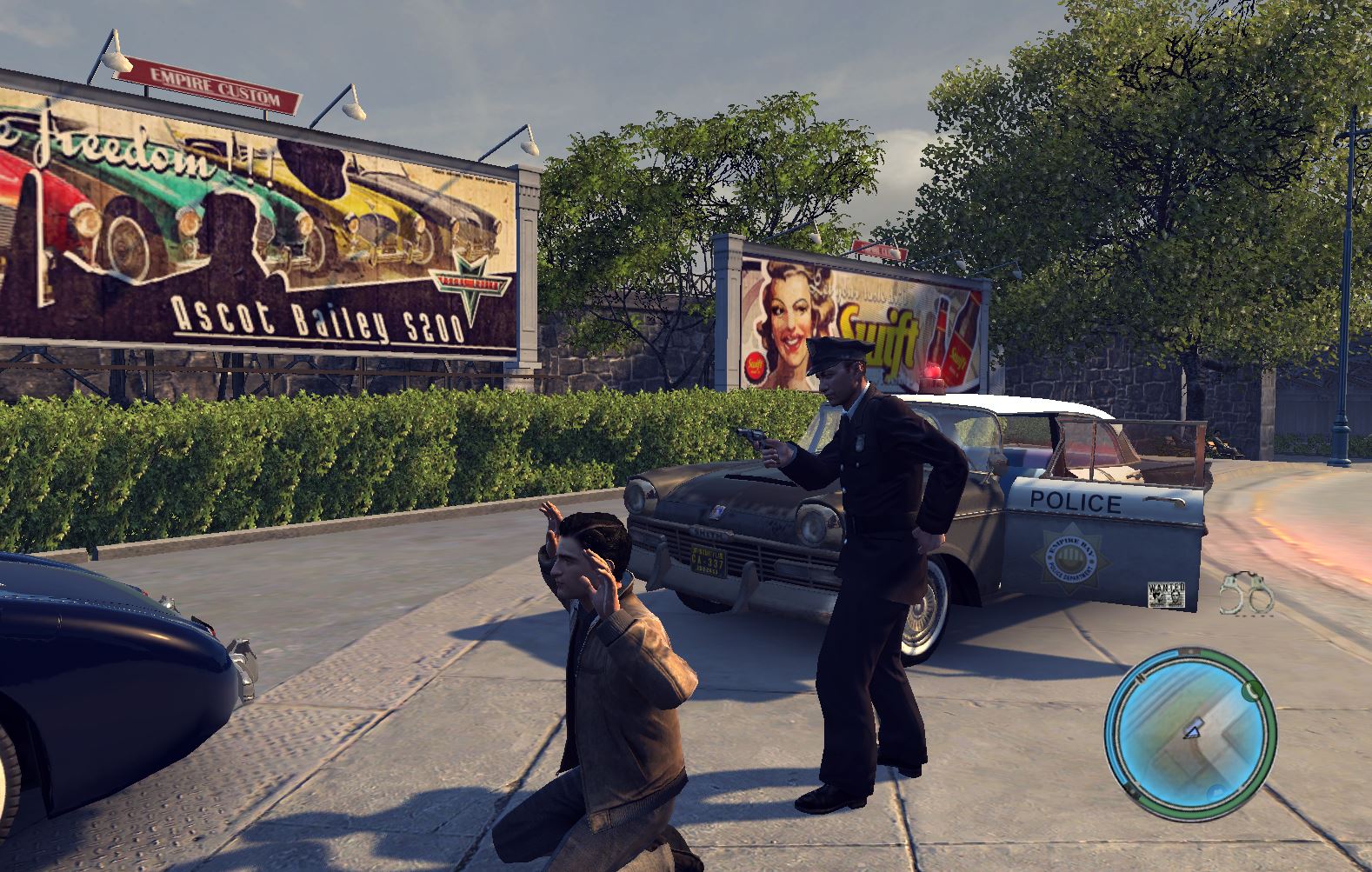
Of course, you have a huge open world, but I guess the biggest flaw of the game is that it’s only used as a “portal” to mission objectives. You don’t go around and get missions from people a la Grand Theft Auto, but maybe this is a good thing and keeps you sticking with the story. Each chapter has you waking up in your apartment, and you have to complete missions as told, and they are varied and never get old. Driving around town feels right, and the cars handle really well. There’s a large variety of them, and driving down the road listening to 50’s-era tunes just feels so authentic. If you aren’t careful and follow the speed limit (there’s a speed limiter button), cops will try to pull you over. If you want, you will have to either change your plates or your clothes.
You can pull into body shops and change the color of your car, repair them, change rims, tune them up, and store them in your garage, or just go sell them at the junkyard. You can buy threads, guns, and food, and it really feels authentic and doesn’t pull too far away from the main game. One thing that you can collect that will completely surprise people are Playboy centerfolds. Yes, fully nude centerfolds, and while finding them may be a pain since they are well hidden, it’s well worth it. These are 50’s Playboys, and they are interesting finds. You can also collect artwork and read about cars in the Carcyclopedia.
The game looks really good with well-animated characters, excellent lighting, and highly detailed textures, but up close, some of the characters look a little lacking in the texture quality department. The game sounds great too, and it’s just all the little details that make the game that much more authentic for its time setting. People arguing in the streets, cops pulling other people over—it’s just really great to see all this detail. However, the 2K Czech could do a lot more with Mafia III, and I’d like to see side missions, a bigger world, and more little extras.
Overall, Mafia II is an excellent game with wonderful characters that you truly care about; the voice acting is top-notch, and everything just feels almost perfect. The game needs more extras and a little something to stray away from the main game, but what’s here works and is solid with excellent shooting mechanics, driving mechanics, controls, and just enough content to keep you going. There isn’t really any incentive to play through this again at all unless you really need those Playboy centerfolds.
Collector’s Edition: If you want to shell out the extra $20, you get a nice poster of ads in the game, the soundtrack, a steel case, the Made Man DLC pack, and a color art book. Is it worth $20? Probably not for most, but hardcore collectors will like this a lot. Most people should just pass, but what is provided is worth it.





















































 thebinarymessiah.com
Super, thank you