The band rhythm genre was one of the shortest-lived I have ever seen. Starting with Guitar Hero and quickly being killed off with games like Rock Band 3, Guitar Hero: Warriors of Rock, and DJ Hero 2. There were a ton of them, but because of the constant yearly releases, the public got sick of them quickly, and now the genre is pretty much dead. Harmonix decided to go back to its roots and release another controller-based rhythm game like Amplitude for PS2. Before you insult the game, read on.
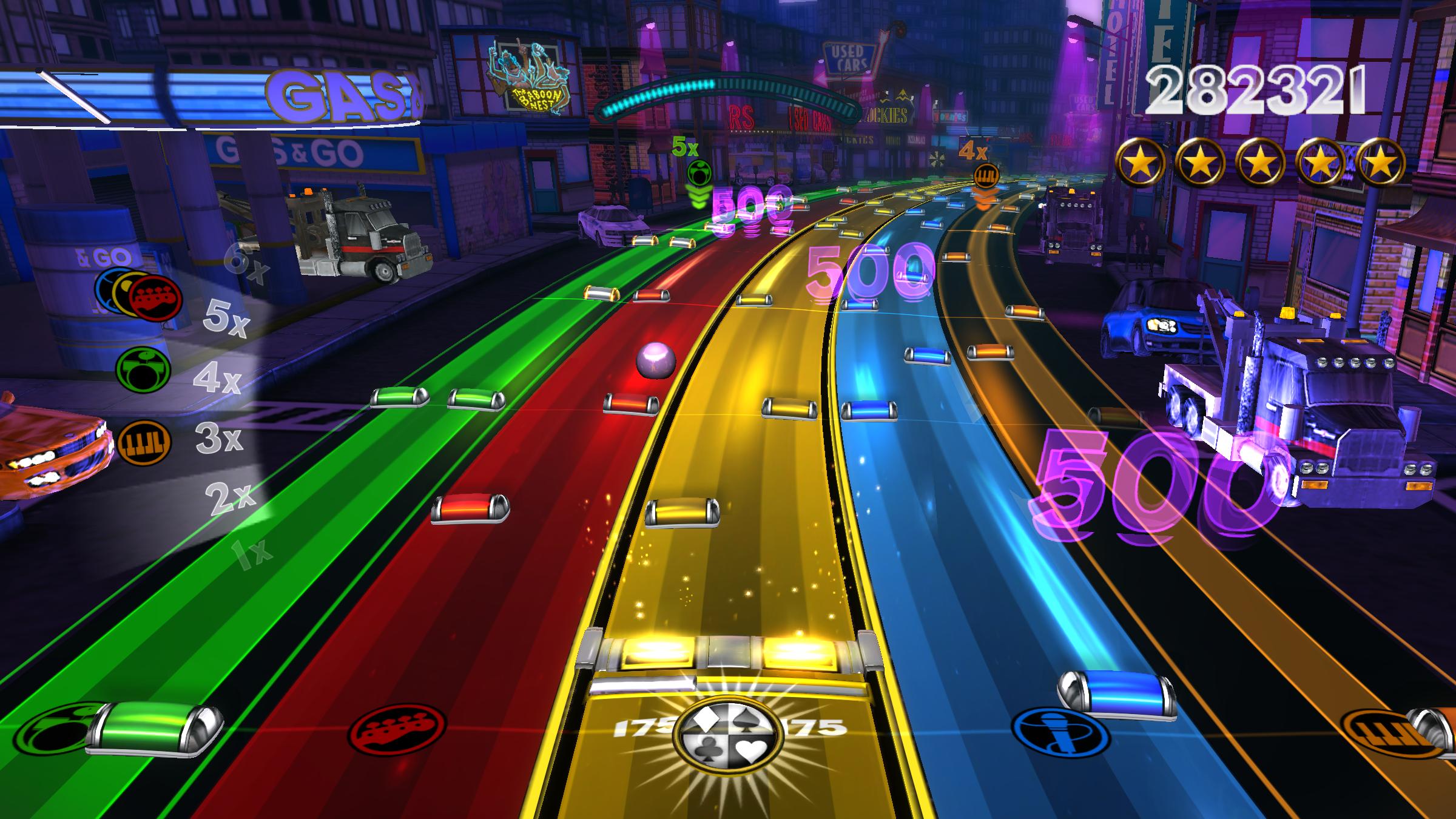
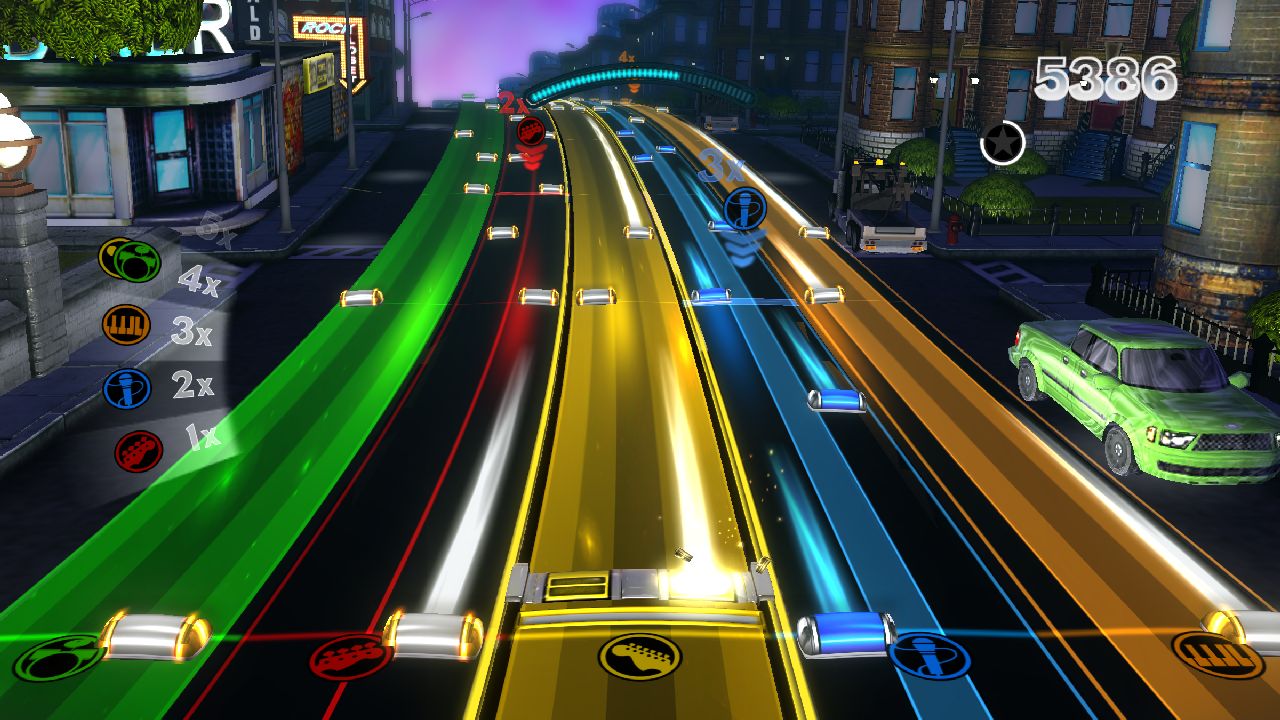
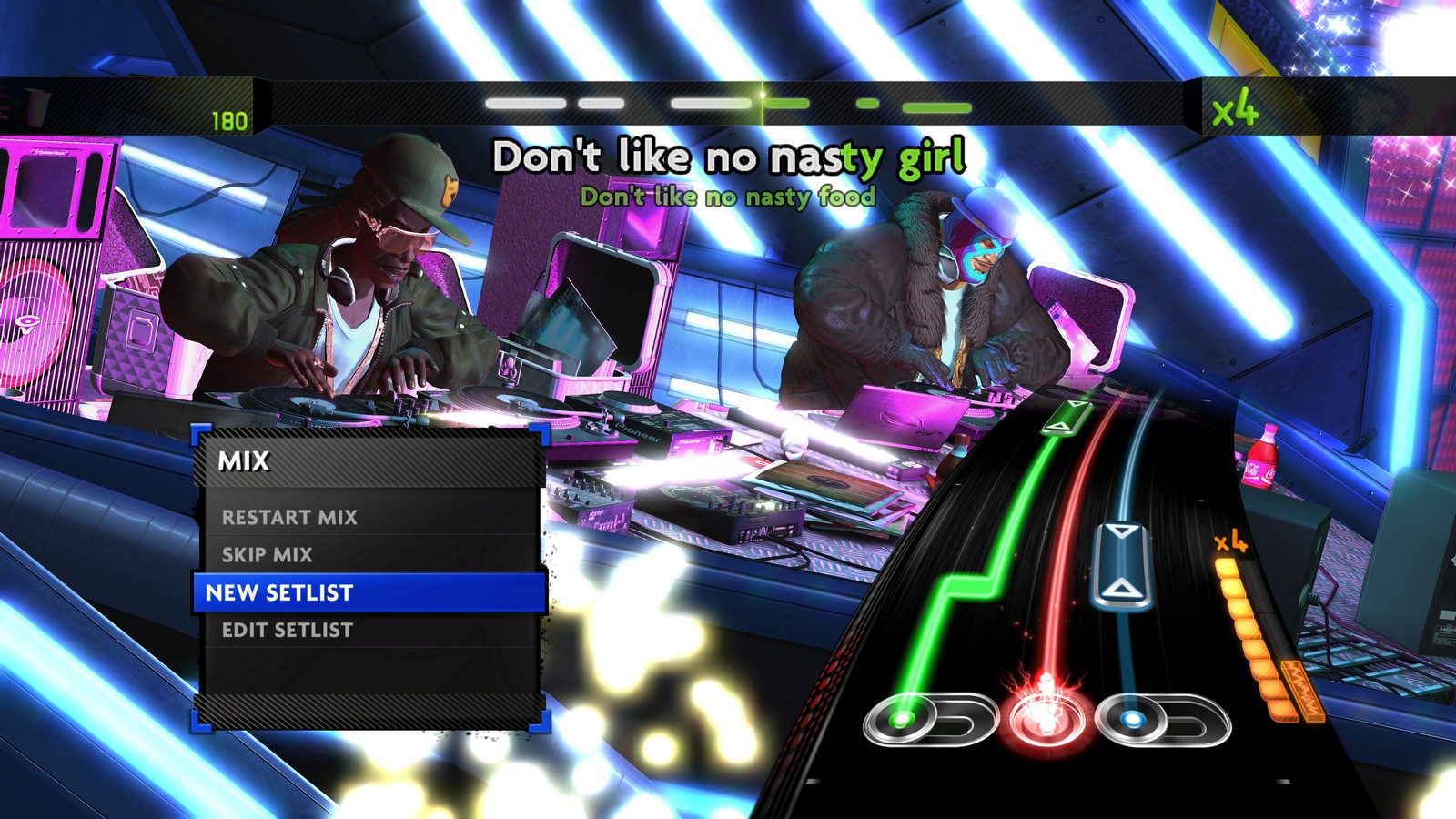
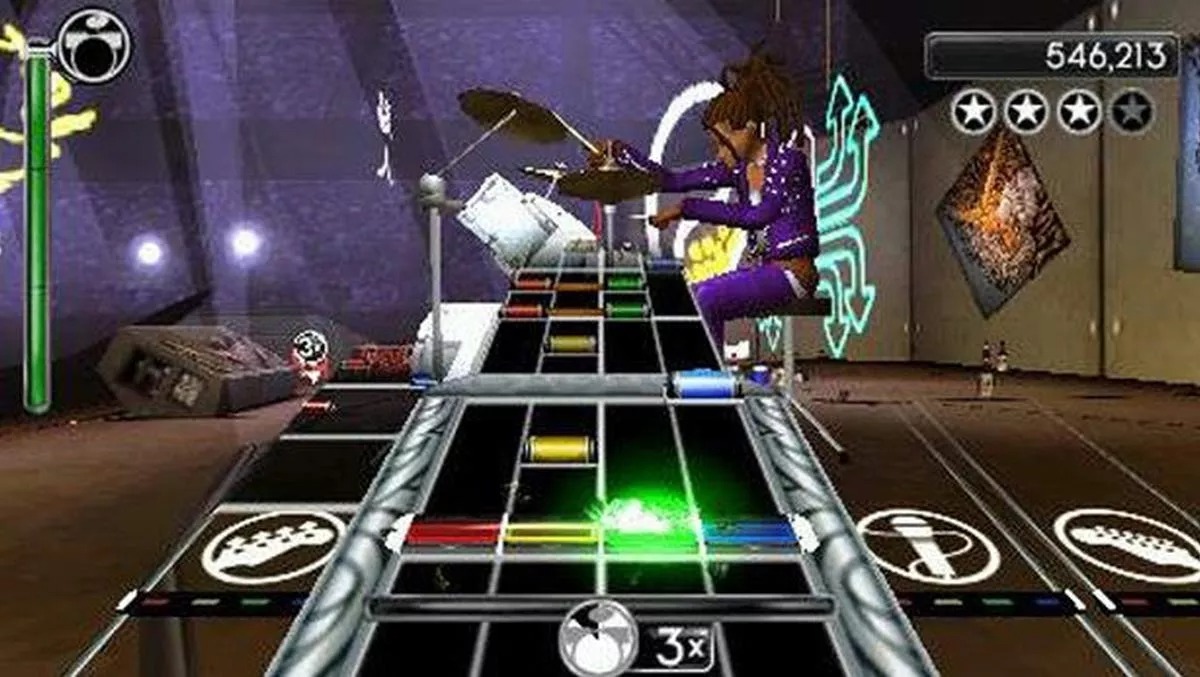
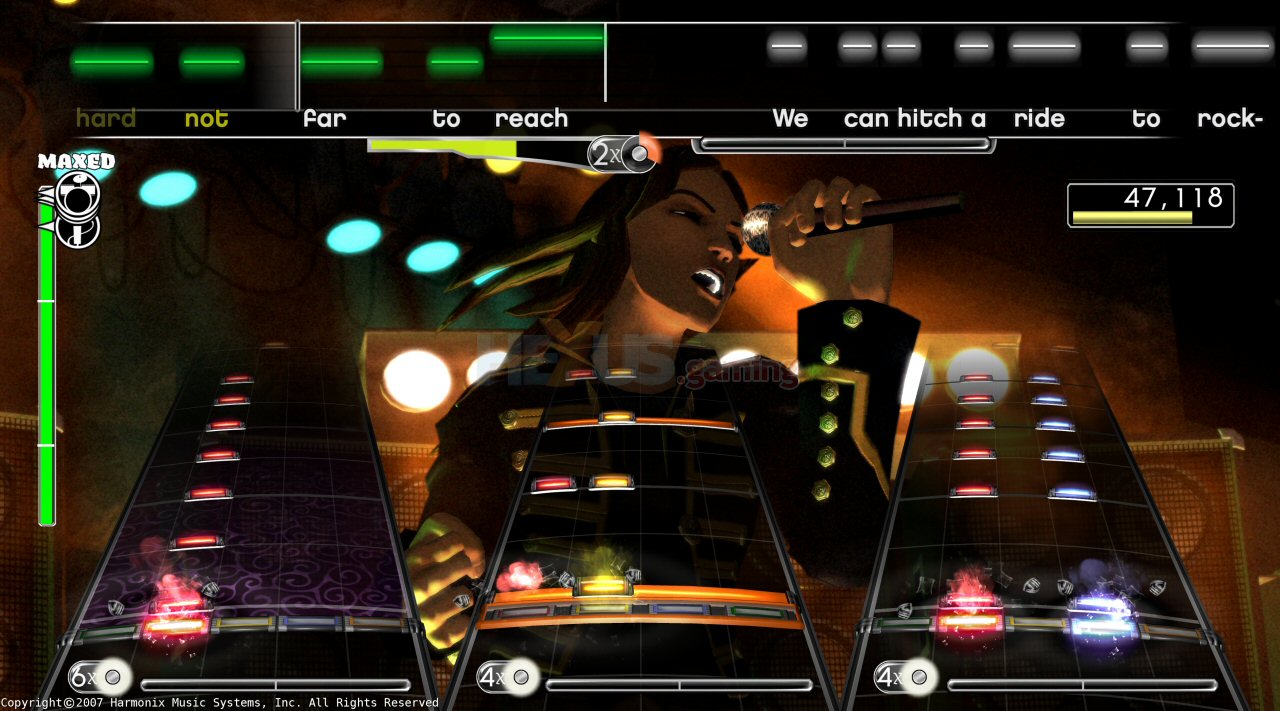
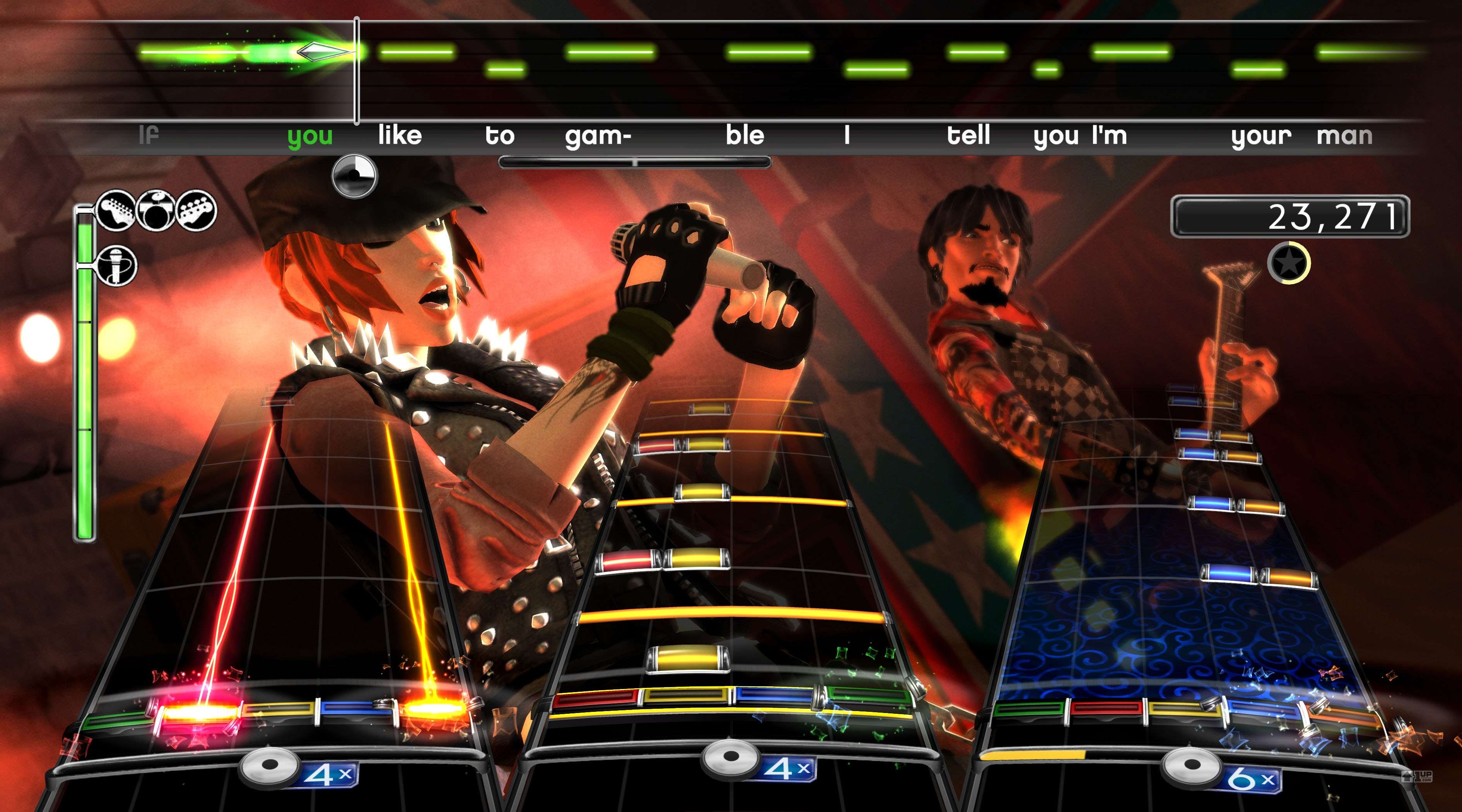
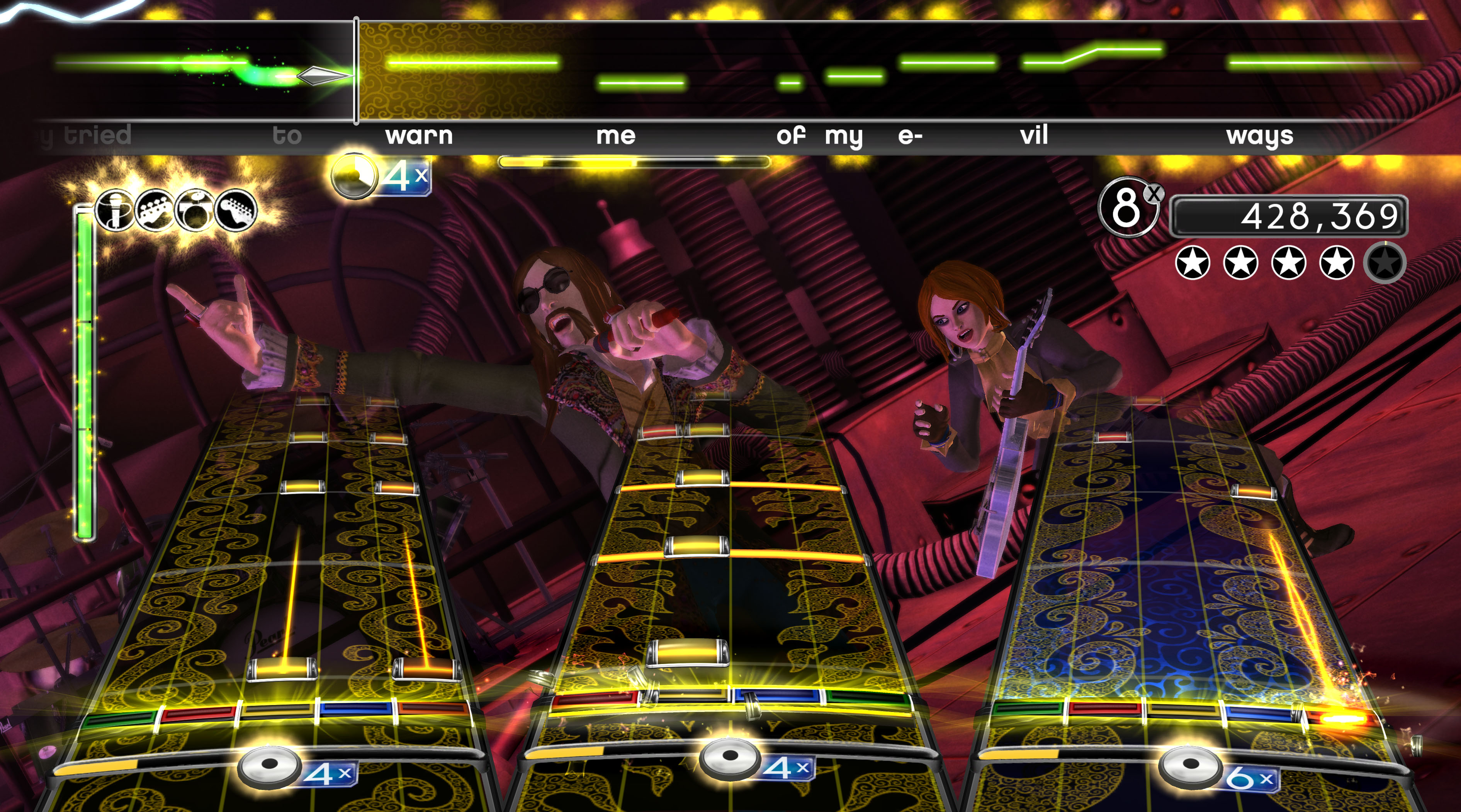
Blitz is just as addictive as the other games in the series, but in a different way. You play all the instruments at the same time, but this is a very important thing that you need to remember: This game is about scores and not hitting every note. You only use two buttons on the controller to hit each note on the left and right sides of the track. You play like you normally would in a Rock Band game, but just with two notes. Don’t sit there thinking this is easy. The game can get downright hard, mainly because you have to constantly keep your score multiplier up. As you play along, you will pass gates that will turn the multiplier wheel. It will stop at the lowest-set number. Make sure you switch between tracks and get those multipliers for each one! If you play close to perfect, you can raise each track by four with plenty of room left before the gate.
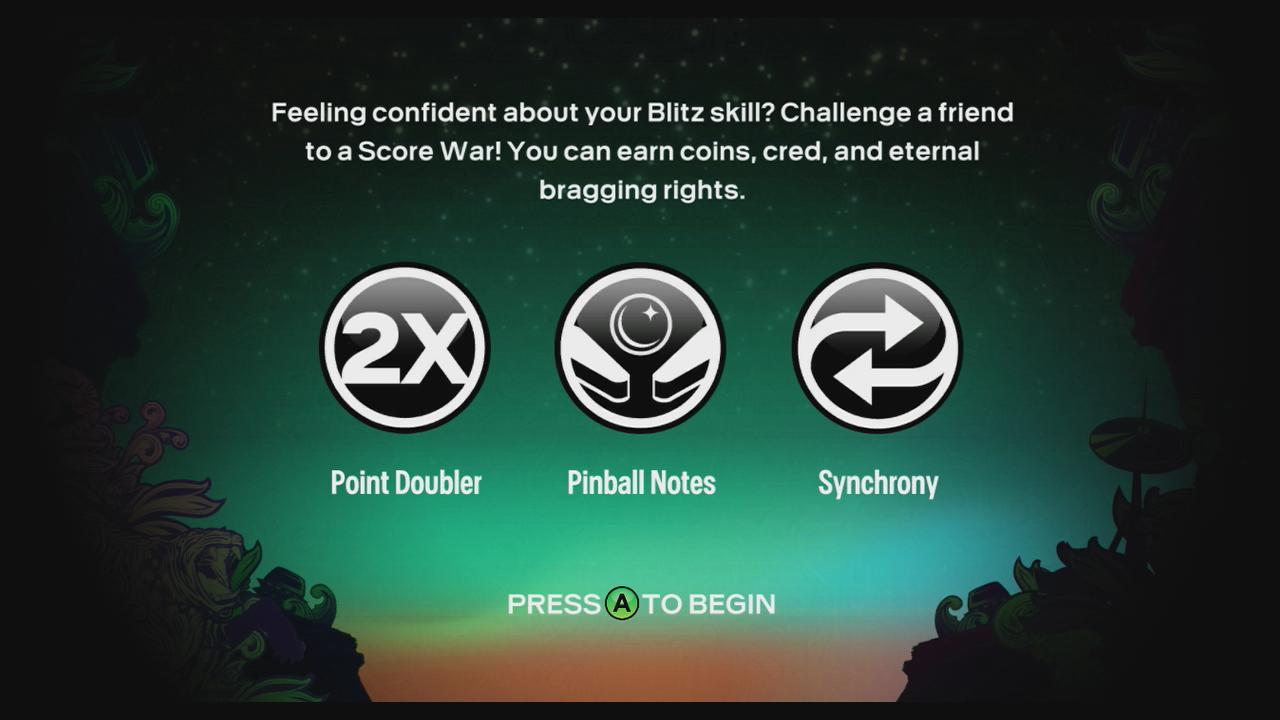
This sounds hard and stupid, but the game is so much fun! It also helps that you can use power-ups that you unlock by raising your cred. Using the power-ups costs coins that are earned based on your score. There are a lot of fun power-ups, such as a rocket that will shoot ahead and destroy some notes. Certain instruments can have double points, bombs, flames that spread around and increase your score, a 2x multiplier, and the list goes on. You will find yourself trying out different power-ups and using your favorites. I also love how you can use your entire Rock Band library. You can also download any Rock Band song from the store, and it will work with this game! This, of course, increases replayability quite a bit.
Blitz incorporates Facebook integration for co-op play and most multiplayer stuff. This is both good and bad. It’s good for people who use Facebook, but bad for people who don’t or who are paranoid about their internet security. I didn’t have a problem with this, but I know some people will. One issue I did find annoying is that there is only one stage the game plays through. Sure, it changes a bit as you go along, but I would have liked to have seen more. Other than that, there really isn’t much wrong with this game.
In the end, this game is about taste. Some people may think just hitting two buttons is stupid, but if you sit down and play for a while, you will realize how ridiculously addictive this game can be. The game keeps your adrenaline up by constantly having to switch between tracks and keeping your multiplier up. If you are a huge Rock Band fan, then give this a whirl, but due to the small list of songs the game comes with, newcomers will find the game less appealing. You should really only play this if you have a large Rock Band library.
The Rhythm/Music genre has always been about great music, and whether your rocking out, dancing, or singing you are meant to have a great time, but the game also has to have responsive controls. If the game can’t also be read without thinking your game is broken. Making a good rhythm game is hard since the genre is so bloated these days. The game also has to have good sturdy hardware that’s responsive.
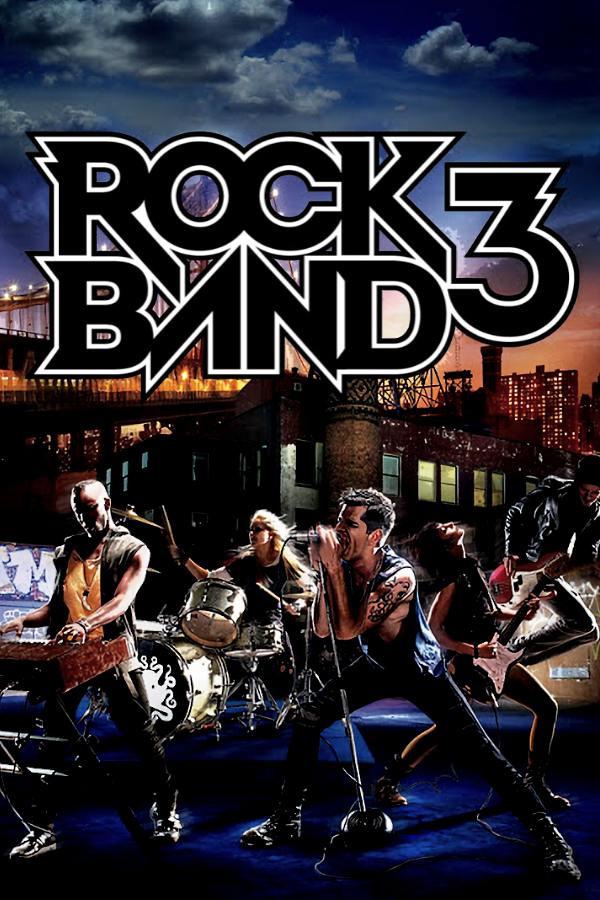
Rock Band 3
Rock Band isn’t a unique or original game anymore so why does it win for the second year in a row? The new peripherals and the fact that it actually teaches you how to play music now. With the addition of the new keytar and being able to play with a real guitar? That’s ingenious, and while the gameplay hasn’t changed much that addition of excellent hardware makes it a winner.
Multiplayer really defines most genres these days and is usually what keeps people coming back to games. A good multiplayer game usually consists of leaderboards, stat tracking, a reward system, and lots of maps, customization options, and just super fun addictive gameplay.
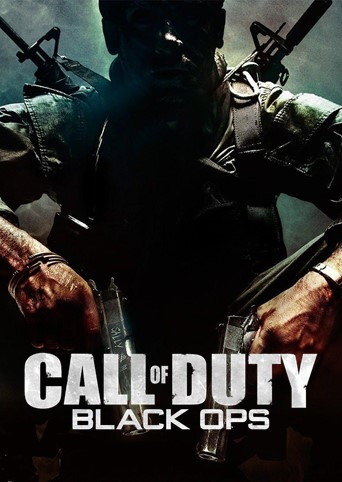
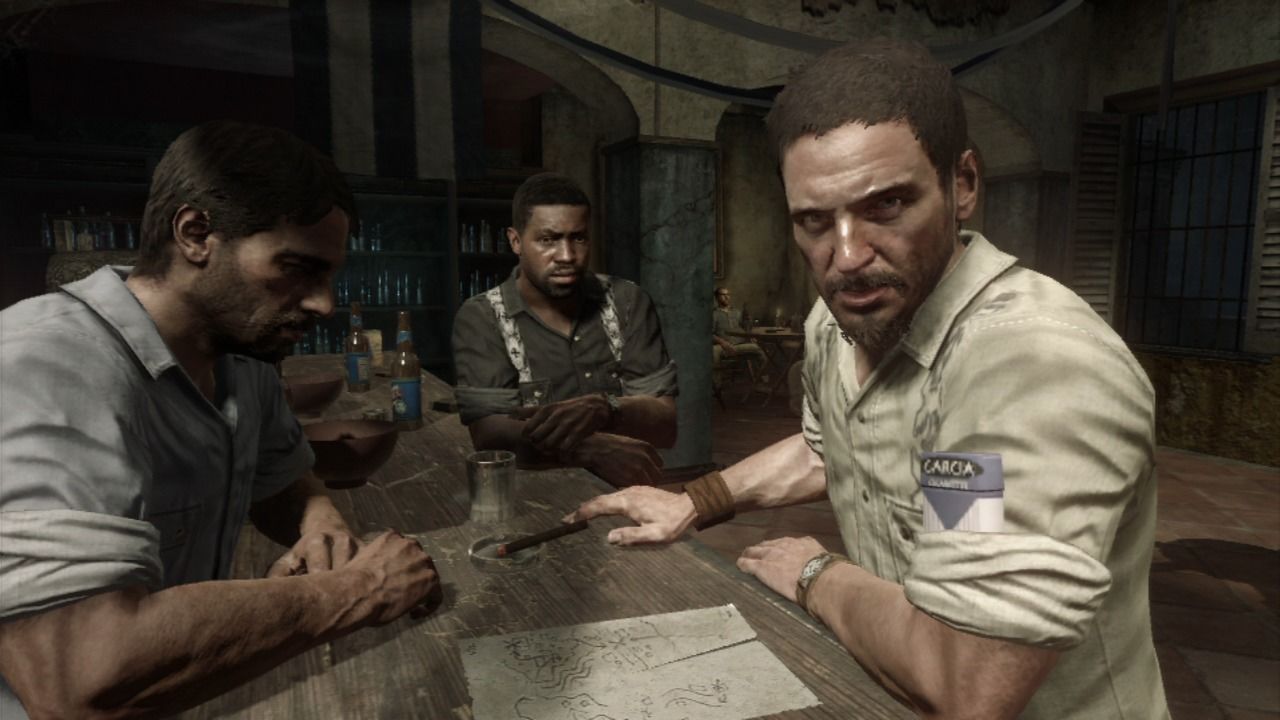
Modern Warfare redefined the FPS multiplayer scene and Black Ops perfects it with Wager matches, tons of customization options, perks, ranks, and well-made maps. Nothing can really hold a light to Black Ops, and to me is probably one of the best FPS multiplayer games of the decade.
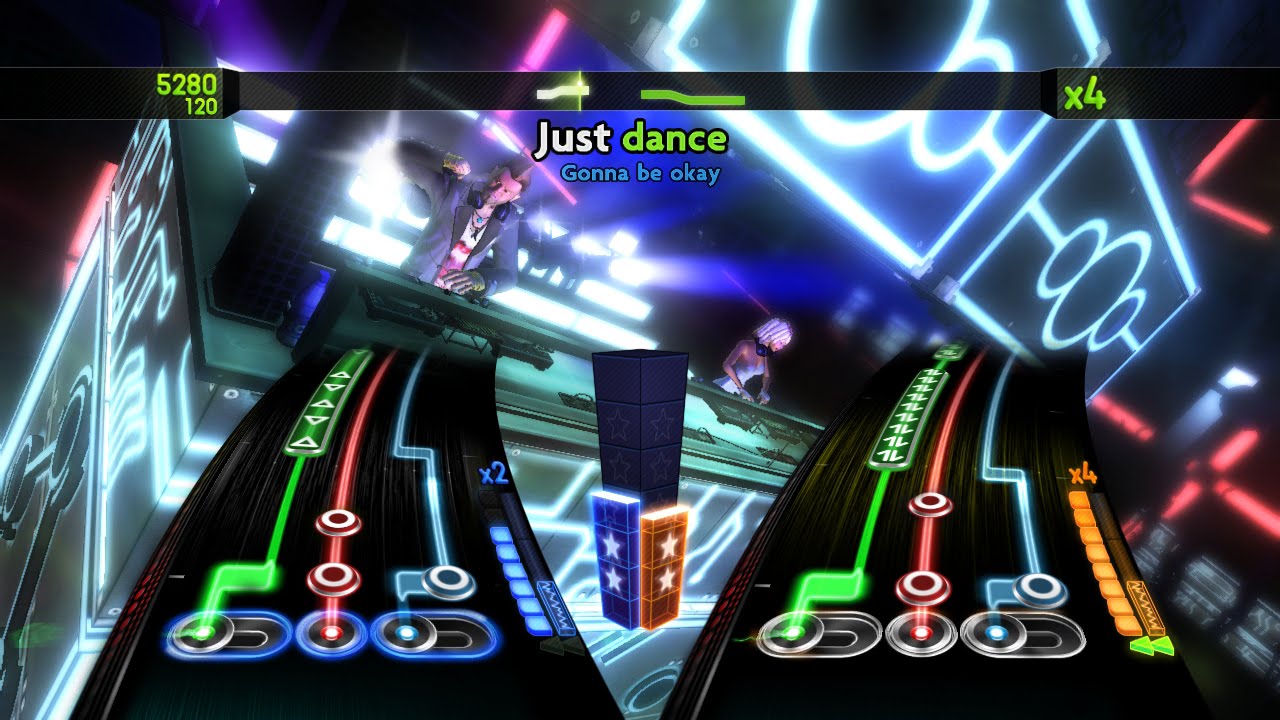
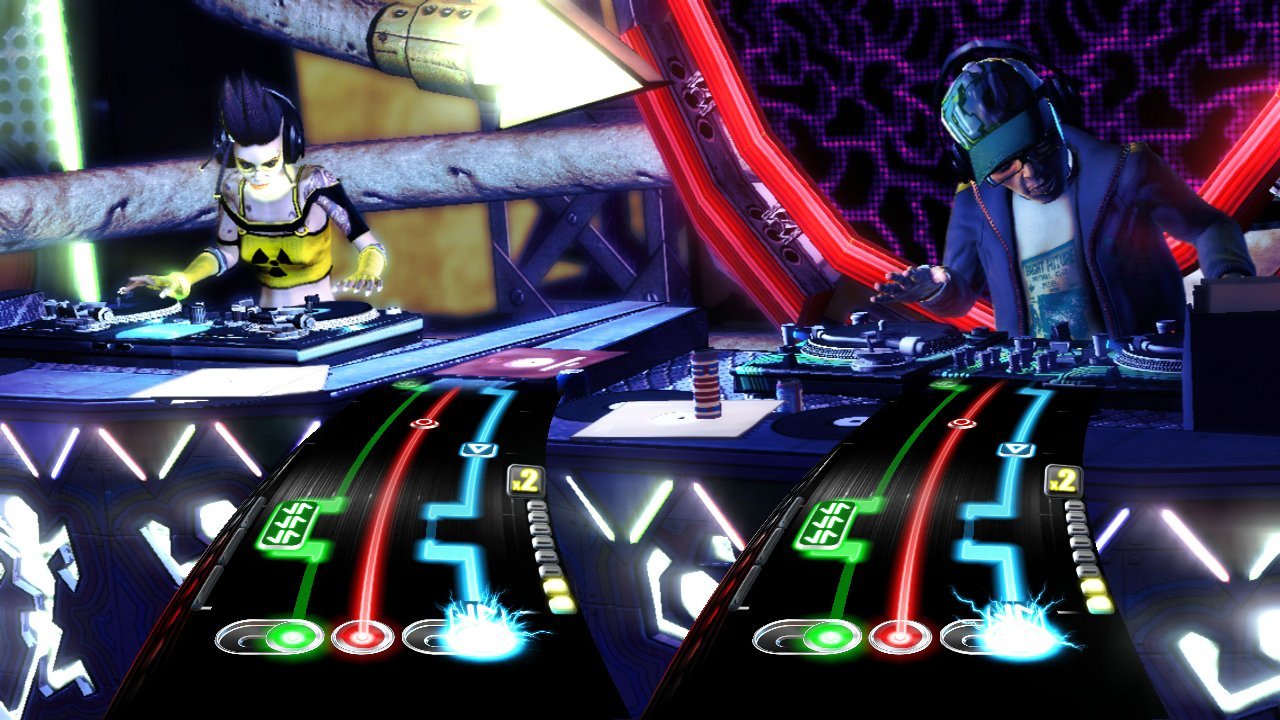
Rhythm games are pretty much mainstream these days. The days of the rare Guitar Hero are long gone, and everyone and their mom plays Rock Band, but DJ Hero was a spark and a light to revive this, and while it didn’t, it does offer a different and new approach to rhythm games. Like the title says, you use your turntable like a DJ and scratch, crossfade, and freestyle your way to the top. There are a lot of songs, and the game requires some hefty skills to master.
Like Guitar Hero, you must use both hands in unison to hit colored notes at the right time to score points. The notes are presented on a record on-screen that is in a semi-circle, and when you see jagged notes, you press the button down while turning the record. Sometimes you’ll have arrows that are up or down, so just scratch quickly in that direction. The left or right notes will always have a line going down, and when they move to the left or right (which looks kind of like a bracket or a quick 90-degree bend), you move your crossfader in that direction. This can be tricky, especially in the higher difficulties, since sometimes you’ll have to scratch and crossfade at the same time, but over time you’ll nail it. You can do some mixing with the effects knob, but this seemed pretty useless. When the red line gets larger, you can press the red button freely and select one of your effect noises, but this just seemed stupid, and I never really used it.
If you nail highlighted areas, you can use Star Power, and your button on the turntable will turn red. When you activate this, the game will crossfade for you, but the fatal flaw here is that if it ends in the middle of a fade and your slider isn’t in the right position, it’ll kill your multiplier, so you have to babysit it anyway. One last feature is the ability to rewind the track a little bit to add to your score, but this isn’t as neat as you think. While the elements are nailed down, there are still a few issues.
There’s no real way to express your creativity since freestyle is so restricted. There’s no freestyle zone where you can scratch and crossfade at will. While the song selection is large, a lot of the mixes are repetitive and grate on your nerves after a while. It feels more like quantity than quality here. You have big names like Eminem, Jay-Z, Grand Master Flash, Run DMC, and some other rock groups mixed in, but only a select few are worth playing multiple times.
The game’s pretty customizable with lots of characters, skins, tables, stages, and all that good stuff, so it makes you really want to try for five stars. Other than that, the only thing is multiplayer, which allows you to use a guitar controller on songs with rock bits. The game looks like any of the recent Guitar Hero games, but the price of admission is pretty high. As of this review, the price has dropped almost double, but upon release, it was $130, and that’s pretty steep. I recommend DJ Hero even to people who don’t like rap music because there’s a lot of fun and skills to be honed here.
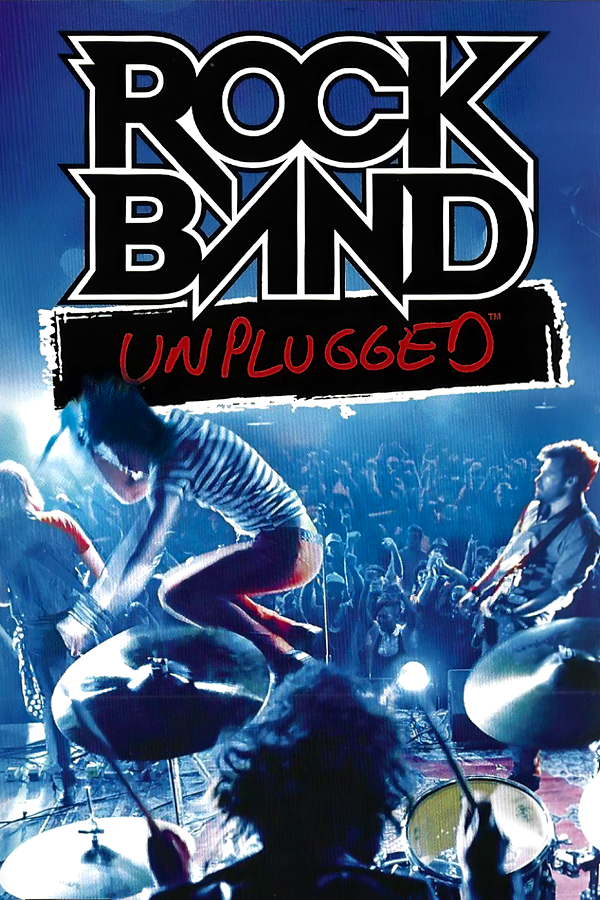
When Rock Band was released back in 2005, it kicked off a whole new era of rhythm games in your home. With Guitar Hero still using only the guitar controller, Rock Band introduced drums and mics to the genre. This brought a whole new meaning to the music genre and spawned many copycats, but none could do it better than Rock Band. Now that Rock Band has hit the portable scene, you just beg to wonder what quality the game has, and how could a game using instruments become so wonderfully executed with four buttons? Well, Unplugged is not a disaster, and the following paragraphs shall prove this to you.
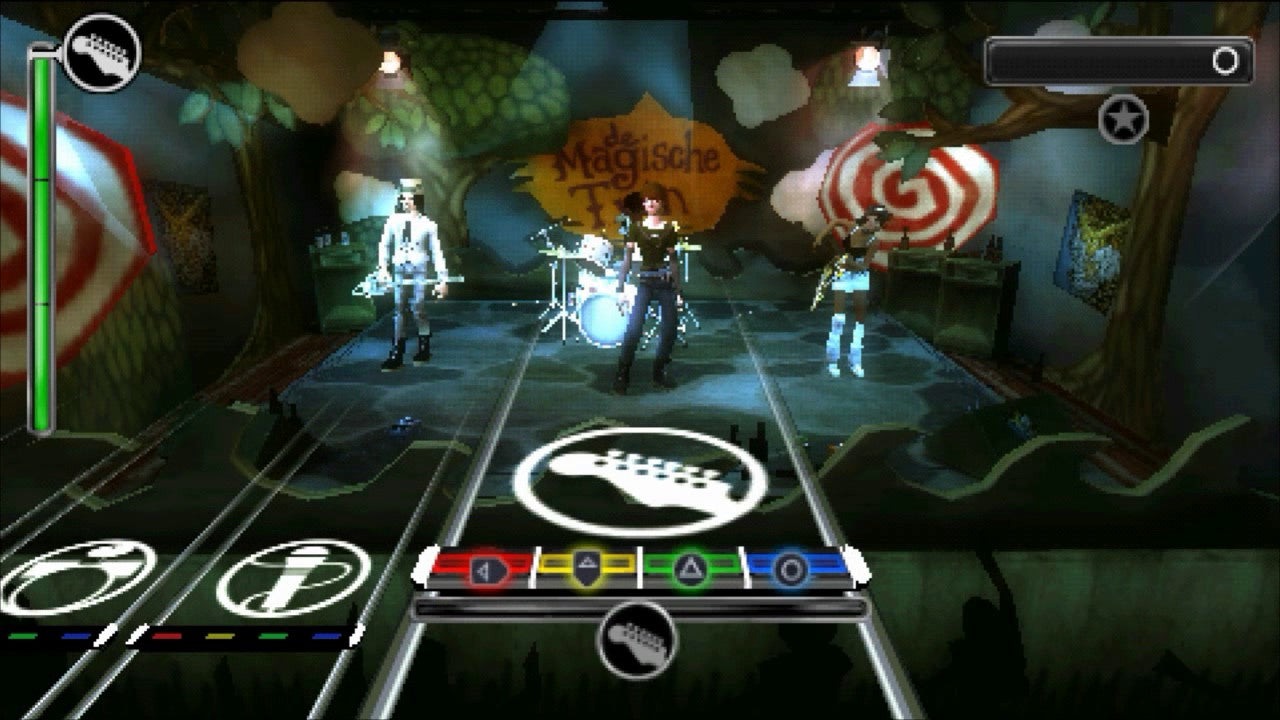
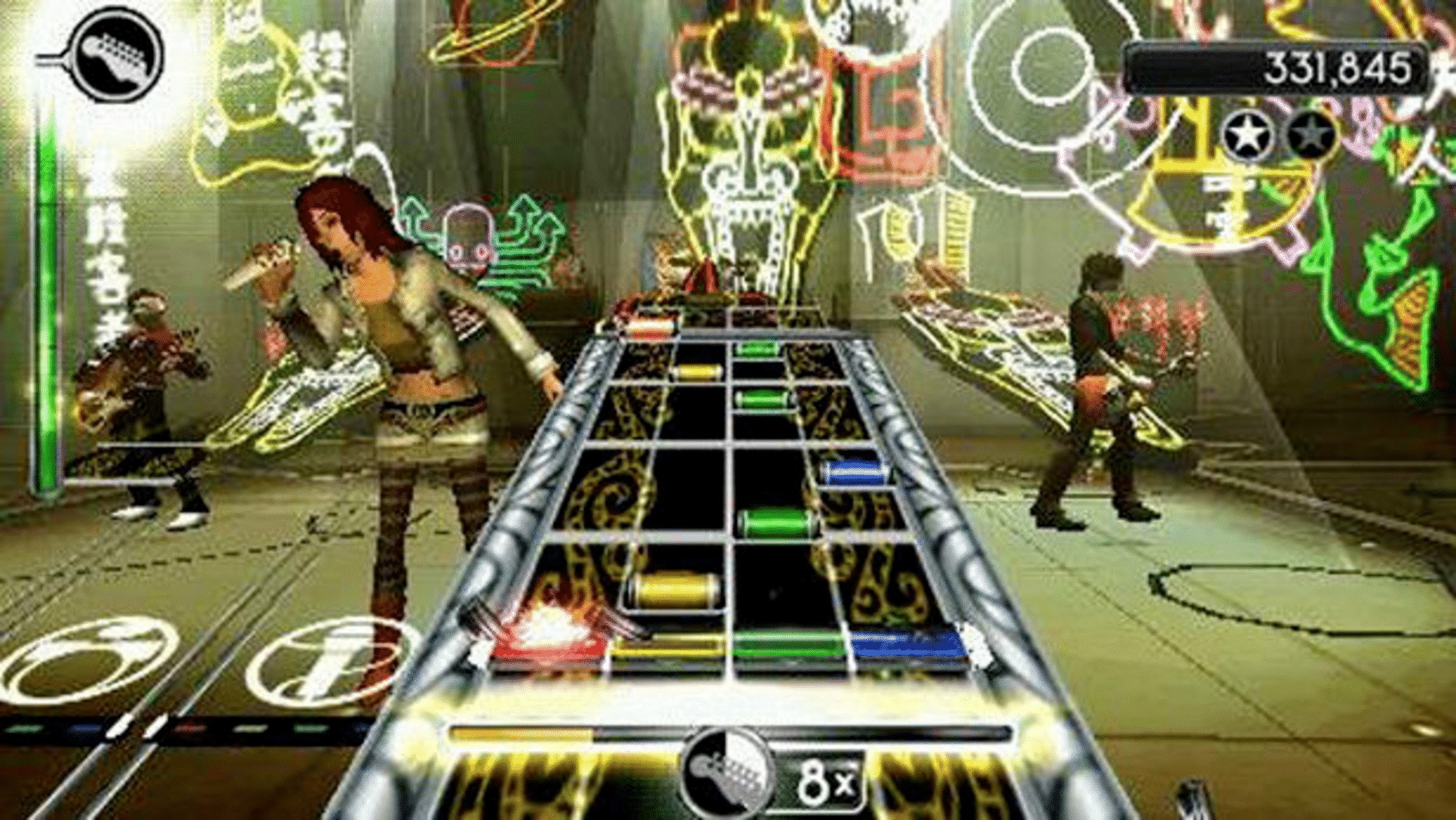
In short, Unplugged does some things really well with the gameplay but somehow manages to turn around and make the game not fun at the same time. Hold on to your desk, handrail, and controller because you have to play all instruments at the same time. Yes: bass, guitar, drums, and mic all at the same time. I know Backbone is a bunch of jerks, but it’s not as difficult as you might think. You see all four tracks on-screen (yes, singing is now a regular track), and when one starts coming down, you play the phrase, then switch to the next phrase using L or R. Phrases are silver borders around a certain amount of notes (each difficulty makes you play more in a phrase). If you play well enough, you’ll get to go to the next phase, but be fast! If you don’t switch right away, the phrase box will move up the track, and you must play all the darkened notes until you get there. In the meantime, other tracks are coming down around you, bringing down your crowd meter, and this last point is what makes the game not so fun.
When you’re actually playing the game, you use the left D-pad (red), up D-pad (yellow), triangle (green), and circle (blue) (DJ Max Portable vets will already have this down pat). As you can see, there is no orange present since the game only uses four buttons, but don’t let this misguide you into thinking the game is easy because it is far from that. To make the game a tad easier on recognizing what buttons to hit together, the orange bar that was used for the kick pedal on the drums now ties notes that are apart from each other. This helps identify when to hit two notes simultaneously and thus makes it a bit easier when all these little notes are whizzing by. Overdrive (or Star Power) is still the same and can be activated with the X button, but having to perfectly play every phrase can make gaining Overdrive a little hard.
One other thing that really makes playing this game somewhat annoying is the fact that instruments drop out if you leave the track alone for too long. I don’t mean drop out as in failing (you can save the tracks by using overdrive), but in an audio sense. This is supposed to be an audio aid or cue to go to that instrument and play the phrase, but it just makes the song sound really bad.
One major disappointment is that Unplugged does not have any multiplayer whatsoever. Yes, I know, I know—it’s alright; you can stop crying now. I am clueless as to why this decision was made because multiplayer is what really made Rock Band shine, and there’s no excuse not to have it in the PSP version. Besides the missing multiplayer, the game is really vanilla in models, as it includes only your Band World Tour, Quickplay, and Training; oh, and Options if you really like that. One request that Unplugged finally responded to was the ability to customize everyone in your band instead of just the musician you are currently playing.
The customization is actually really shallow compared to the console versions of the game since you can’t choose clothing categories (Goth, Punk, Metal, etc.), but only a few clothes for your torso, bottoms, and shoes. There aren’t as many accessories or even hair and makeup items, but this is OK since the game doesn’t look that great anyway (more on this later). When you start your band, you can name it, pick a logo (yeah, you can’t even make one!), name your musicians, and pick from some generic clothing, hair, makeup, and your set. I see that Backbone had the whole “portability” thing in mind, so you can whip up a band and go, but some people actually see customization (like myself) as the main part of the game and can really bring the game to life with your creations.
Once you start a band and enter the world tour, you’ll be in familiar territory. You have mystery setlists, make a setlist, and various sponsored setlists that have various amounts of tracks. You can select your difficulty (easy through expert), but not your instrument, and I really wish Backbone would have kept the game the way it was before with just one instrument track.
When you are actually playing a song, you are rated on how well you did with up to five stars and a score multiplier. Landing notes will increase this multiplier up to 8x (if you activate Overdrive) until you miss a note, when it goes back down to zero. Once the song is over, you see your percentage of notes hit for each instrument along with how many phrases you played, attempted, or failed. Eventually, you’ll unlock managers you can hire to change attributes of your play style that will earn you more cash and fans or get you gigs you couldn’t do otherwise. You unlock songs by earning a certain amount of cash, fans, and stars. In the beginning, this can be difficult since you have to get almost perfect scores on every song to start unlocking more gigs.
Sometimes before you start a gig, a screen will come up and ask you if you want to gamble with your gig (in a sense). By getting 4 stars or more, you can get quadruple the cash or nothing at all. If you get 5 stars, we’ll double your fans and all that. It’s fun and all, but we’ve seen this before, guys! The World Tour seems to be the meat of the game, and it’s nothing new or original—just the same old stuff we’ve seen from previous entries in the series—and this is a bit disappointing since it makes you feel like you’re just playing a rushed port.
There is also downloadable content available (as I write this) for people looking for more than what’s on the disc. Currently, there are 10 songs available (assuming this is an experiment by EA) for $1.99 each on the PlayStation Store. They are great songs (Disturbed-Inside the Fire, Paramore-Crushcrushcrush), so this is a great way to keep Unplugged alive and kicking. Since this is a band game, how does it sound? Very good, actually, as the songs are MP3 quality thanks to the UMD’s 1.8GB storage capacity and the PSP’s memory size. There are 41 songs on the disc, featuring The Jackson 5, Lacuna Coil, Pearl Jam, Bon Jovi, Boston, Tenacious D, The Police, and a ton more. Most of these songs (again another disappointment) are from previous Rock Band games, but these seem to be the best of them and almost feel like “Rock Band: Greatest Hits.”.
However, when it comes to the actual ambiance, the game fails. Crowd noise sounds like static, and the menu noises sound muffled and very monotone—almost like you were playing DS (Ha! Take that Nintendo!). and really makes the experience kind of dull, aside from the music. If you want to talk about graphics, you should cover your eyes and run away because the game looks kind of ugly. The characters don’t have realistic animations like the console versions, detailed textures, or nice lighting effects. Everything looks flat, plain, and really dull. The characters use the same retarded animation over and over again, and it makes you wonder if the game is really a third-party creation. I realize the PSP has limited hardware, but c’mon, they can do more than that; Kratos was able to!
While the menus look nice and crisp and remind you of Rock Band 2, I still wish there was more to the graphics and sound of the game. This is a real disappointment for me, but what saves the graphics department is that you don’t really look at the characters. Your main focus is on the tracks and the notes, which look crisp and clear. Rock Band: Unplugged is a great departure for the series on the portable scene. With 41 songs on disc, great controls, downloadable songs, and an extensive World Tour mode, there are a lot of reasons to come back to Unplugged again and again.
Don’t let the bad sides, such as mediocre graphics, poor ambiance, awkward gameplay, and the wee bit shallow selection of modes, bother you. Unplugged is probably the best portable rhythm game ever made, and it doesn’t even need a guitar hand grip.
Rock Band stole the show from Guitar Hero as the best rhythm game and broke the boundaries with the drum peripheral and the excellent multiplayer to really make you feel like you’re in a band. I’m not going to explain how Rock Band is played since most people have already played it, so I’m mainly going to focus on improvements and updates.
Well, everything here that you loved about the first game is still here, but improved. I’m going to start with the hardware, which is actually much better than the original, and the most noticeable are the drums. The first game’s drums were poorly designed, with pieces constantly coming apart and a lot of plastic parts. Rock Band 2’s drums have a metal cover on top of the kick pedal; it’s bigger; the drums are quieter thanks to the pads being a softer material than just rubber; the base of the drums actually stays together since there is a whole locking mechanism on them, so moving your set won’t make the base come apart. Other than that, everything on the drums is the same; there are, however, three extra-colored plugs for the cymbal attachments (which are very poorly designed and not recommended), along with the drumsticks being a couple of inches longer. The best part about the drums is that they are wireless, and the batteries last forever. With three AA batteries, I only changed them once in a five-month period, and I played a lot.
On the guitar, it is also now wireless, with a wood-type texture on the next (instead of that ugly plastic), and the buttons are a little further apart so you can feel which button you’re hitting. For some reason, the bottom buttons are still the same, and I still find them useless. The microphone is a little bit lighter, but otherwise, I found no difference between this and the original. While all the hardware is well designed, it’s also more solid, stable, and responsive.
On to the game now. When you start the game, you’ll notice a nicer menu, more modes, and a longer World Tour. The first mode you’ll want to try is the training mode (if you haven’t played Rock Band before), but there is also the new drum trainer mode. You can work on your rhythm or just hit along to your own songs via the Xbox Guide, which I found fun and great. I know a lot of people tap things to their favorite songs, so now you really can while choosing several different drum set sound schemes. When you pop into the World Tour, you’ll notice there’s a venue in almost every city in the world, it seems. I bought this game in February, and it’s now June, and I still haven’t finished the World Tour (and I play several setlists every day).
While the fan, setlist, and star systems are still intact with a new manager element added, You can hire new managers that gain you extra fans, cash, or something along those lines. While there are 25–30 cities in the game, there are at least 2-3 songs plus 3-5 setlists in each city. By the time I got around to unlocking the hidden cities (including the endless setlist, which is an 84-song marathon), I had thirty million fans and over 2,500 stars. Yes, that is a lot of playing, and the World Tour is actually almost impossible to beat. The best part about Rock Band is the multiplayer, and Rock Band 2 adds some greatness to it with a few new modes.
There is now the long-awaited Band World Tour, so you can take your whole band through the World Tour and complete it that way. While the other modes are still here (Tug of War, Band Duel, Co-Op), nothing else has changed. There are some other cool modes, such as “Never Fail” and “Break Neck Speed.” These are cool modifiers for people who are really bored. On to customization: there are more items, including the new Thrifty section, but everything else is the same. The graphics are exactly the same, and customizing hasn’t changed. You can create a band logo, but it’s not any deeper than you’re familiar with. Now my favorite feature about the game is that you can import songs from Rock Band 1 into the game (for a $5 fee, of course), but this is well worth it.
When you’re done with that, head to the store, which has 500+ songs available to download in every genre imaginable. After you get bored with the songs on the disc, buy some songs! Rock Band 2 is such a great rhythm game; it’s solid, smooth, fun, heavy with songs, and has lots of quality.















































 thebinarymessiah.com
Yeah, it's pretty damn awful. Notoriously one of the worst games on the PSP. A 4 was actually being generous.…