Graphics are great when it comes to textures, resolutions, and lighting but what about the art itself? Some games are living breathing pieces of art and are one of a kind. Sometimes a game may be inferior technically but surpass in style and better art. This year was more geared toward technical showcases, but there were a few artsy games that popped up.
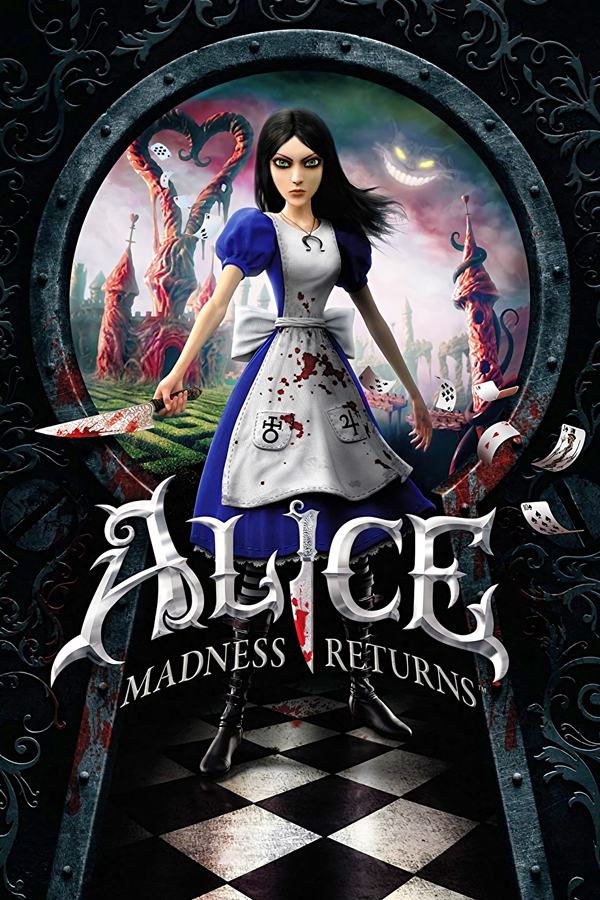
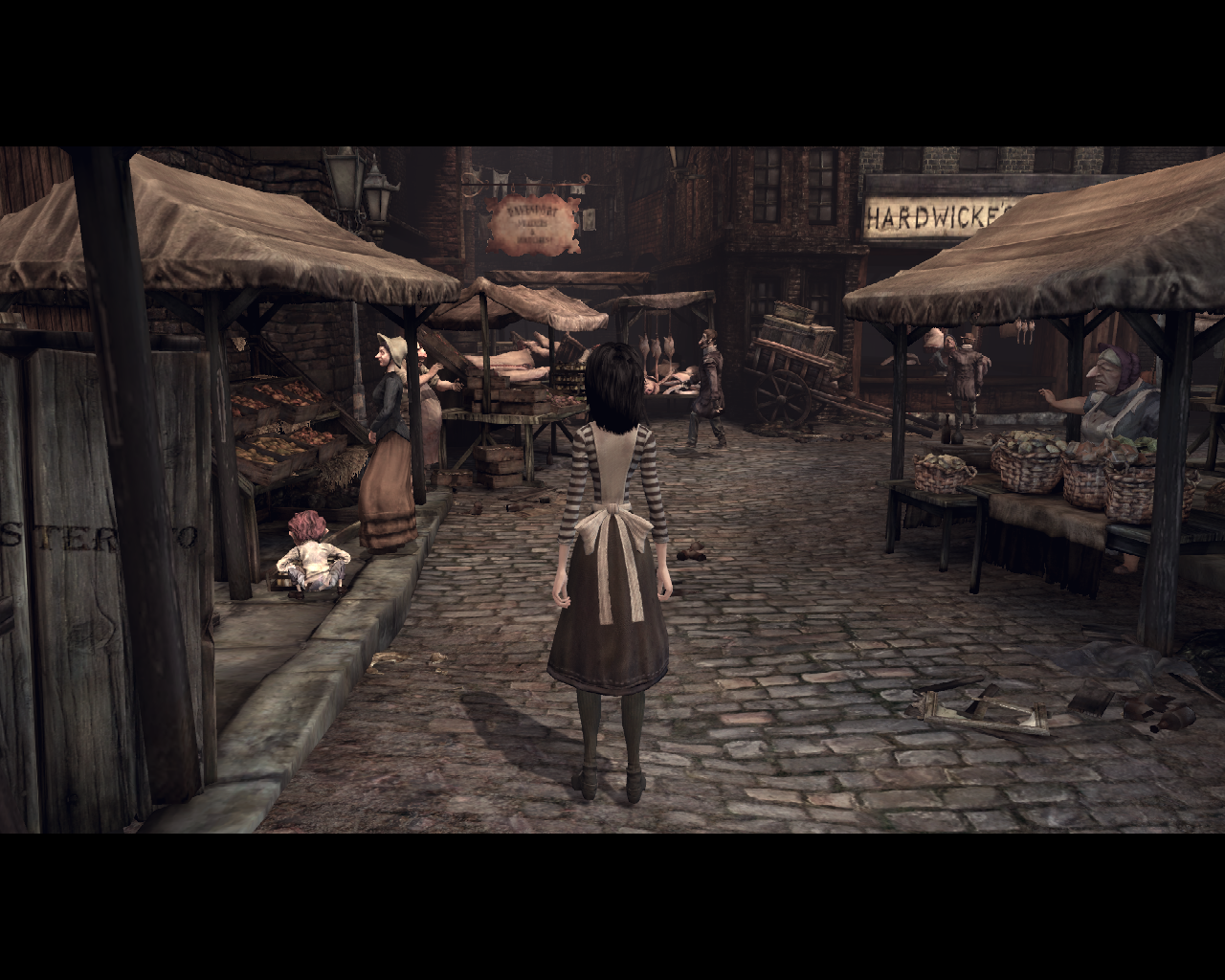
Alice won over everything else because it is just oozing with art and substance from American McGee’s crazy mind. It brings out the darkness in Alice in Wonderland and every single speck on the screen has something unique about it. It has been a long time since something like this has come out where you want to hang every screenshot on your wall. Alice truly deserves this award hands down, but all I can say is you have to play it to understand why.
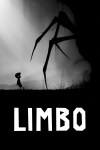
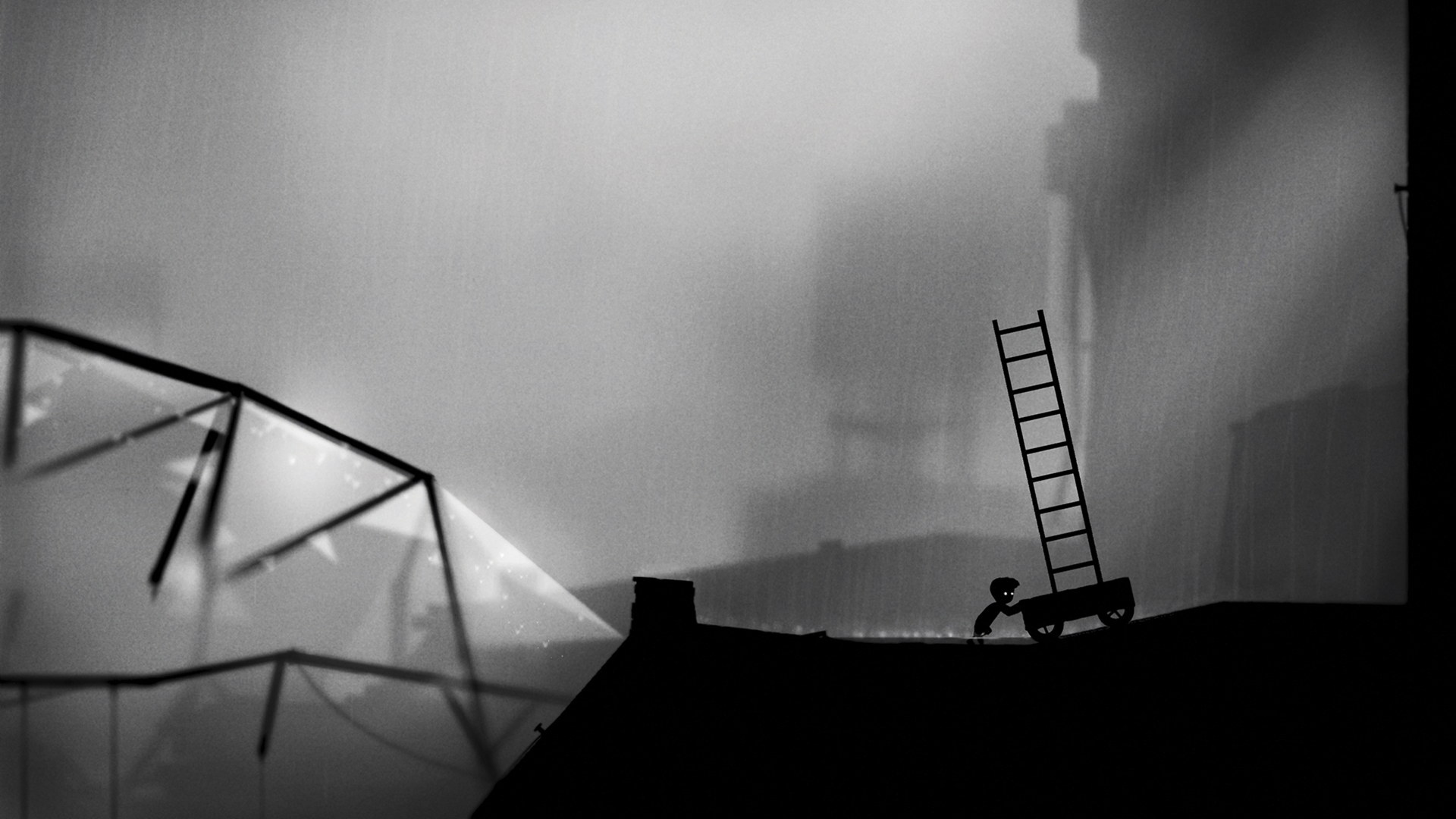
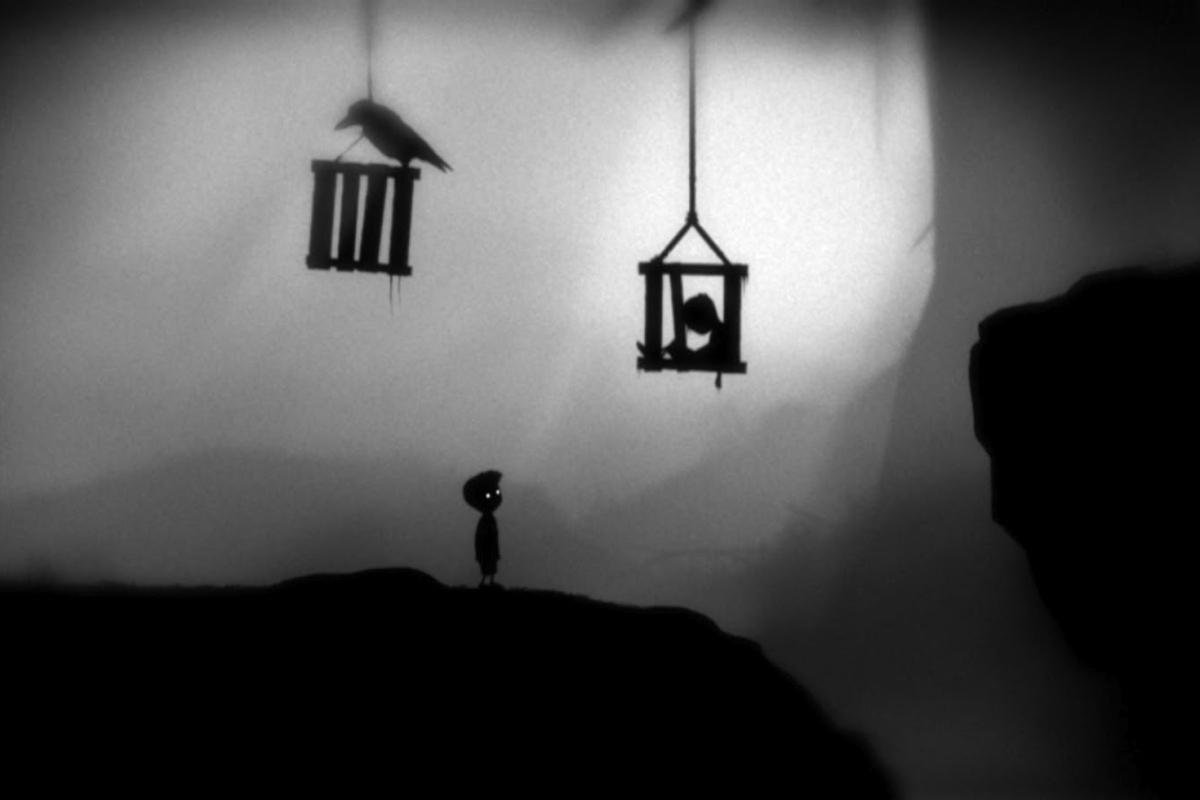
Leave it to an indie game to be clever, atmospheric, and do things that AAA titles wouldn’t dare do. Limbo starts out with just a simple message: Find your sister. No voice acting, no characters—just a black-and-white 2D platformer and a nameless little boy. This can be risky because why would you care about it with none of those elements? You won’t need to, because the game makes you care for the boy through your actions. He can be dismembered and killed in every way possible via deadly and horrific obstacles and traps like getting caught in a saw blade, getting hung, or being impaled by a giant spider leg. You cringe at every death because this is a little boy and not some nameless soldier or thug.
Limbo offers tons of atmosphere thanks to the great ambiance and visual cues that make you just wander through the whole game. The puzzles start with simple ones that deal with gravity, pushing stuff around, and pulling switches and levers. Later on, you have to manipulate gravity, and these puzzles get pretty complicated, but the game also gets darker and more dangerous as you go on. Limbo approaches typical platforming elements like bosses, enemies, and puzzles differently. Enemies are few and far between, but there is such a unique way to eliminate them that you wish there was more of it.
This short, 3-hour game feels like a sample because you really want more. The sudden and seemingly unsatisfying ending is made purposefully to just make up your own ending in your head. Yeah, this isn’t for the narrow-minded, but keep in mind that the game is juicy and gives you tidbits along the dark journey to make you feel satisfied at the end. Limbo delivers a lot more creativity and atmosphere than a lot of top-budget titles because it uses subtly over the explosion and big scares. My only issues are that some of the puzzles are pretty obscure, and the game can be very difficult in spots that will frustrate you to no end.
I also didn’t like such an abrupt ending that didn’t solve anything for you. However, this is a case-by-case basis for whether you like this sort of thing or not. The game has a lot of variety, but I wish there were some more of the unique scripted events that made Limbo feel really fun and intense.
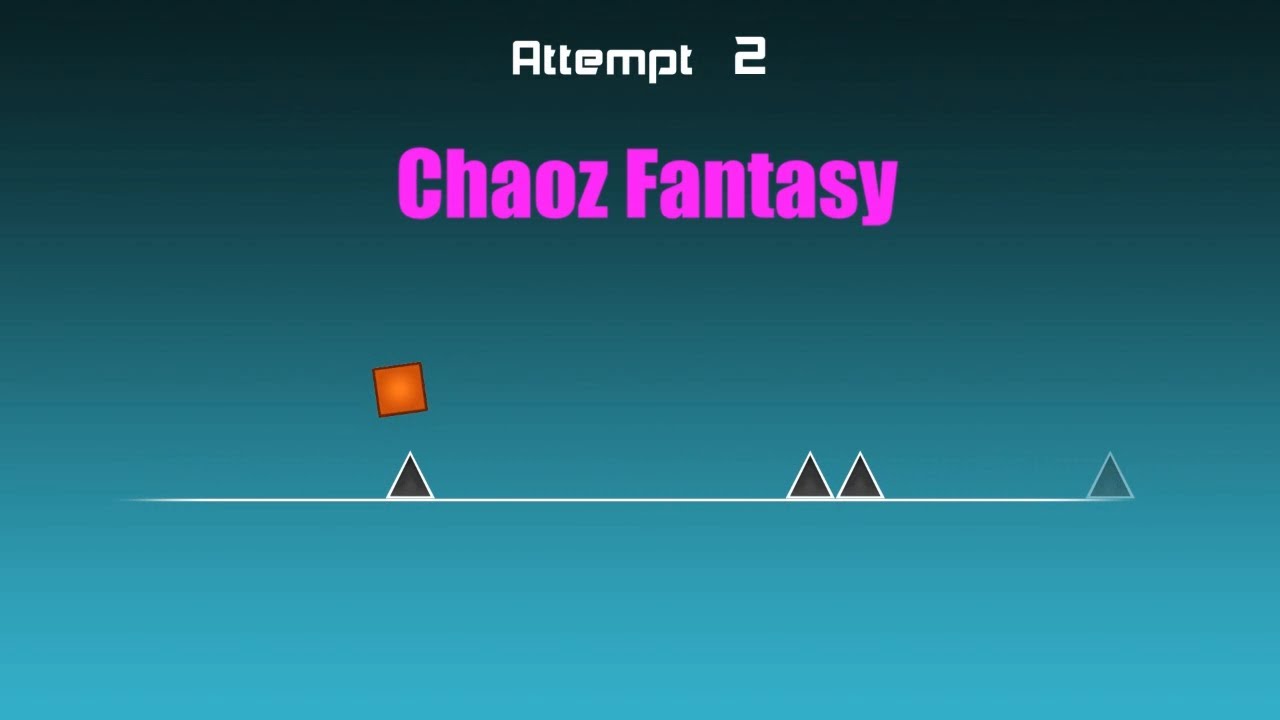
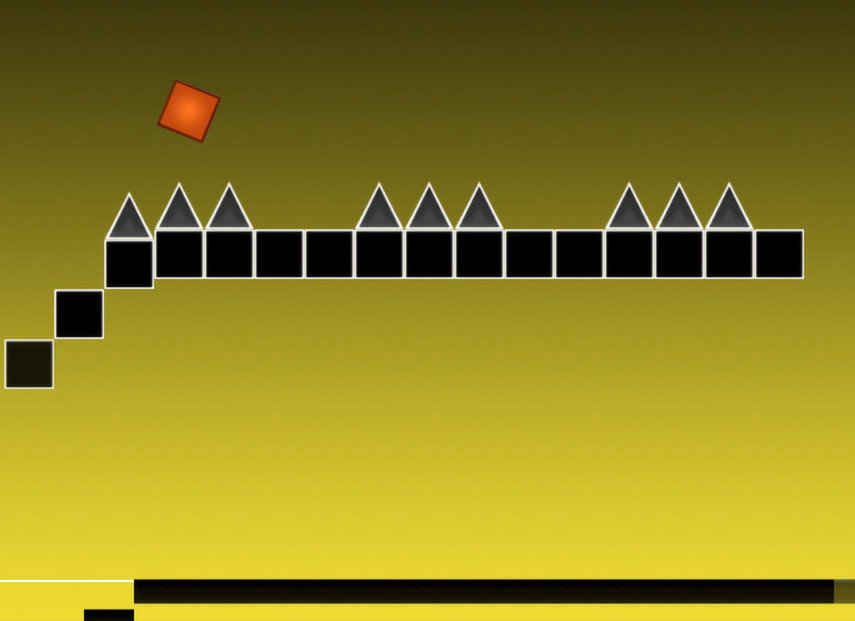
Remember those super-hard games from the 8/16-bit era? Well, it’s come back to haunt with this little game that is so simple in design yet so hard in execution. You guide an orange block over spikes and pits to the end of the level. All you do is tap to jump and hold to do quick jumps. It sounds simple, but the levels are brutally hard because they require precise skill and focus. There is a practice mode that lets you drop the flag with a touch of a button, and when you die, you respawn there instead of at the beginning of the level.
Of course, you can delete these flags if you spawn one in the wrong area, but man, this game is almost impossible! The game has a nice soundtrack that flows with your jumping, but most people will hate this game due to its high difficulty level. All I have to say is that hardcore platformer fans will die for this game and love it. All I wish is that there was an easy mode or something, but there’s a lot of great game here for a buck.
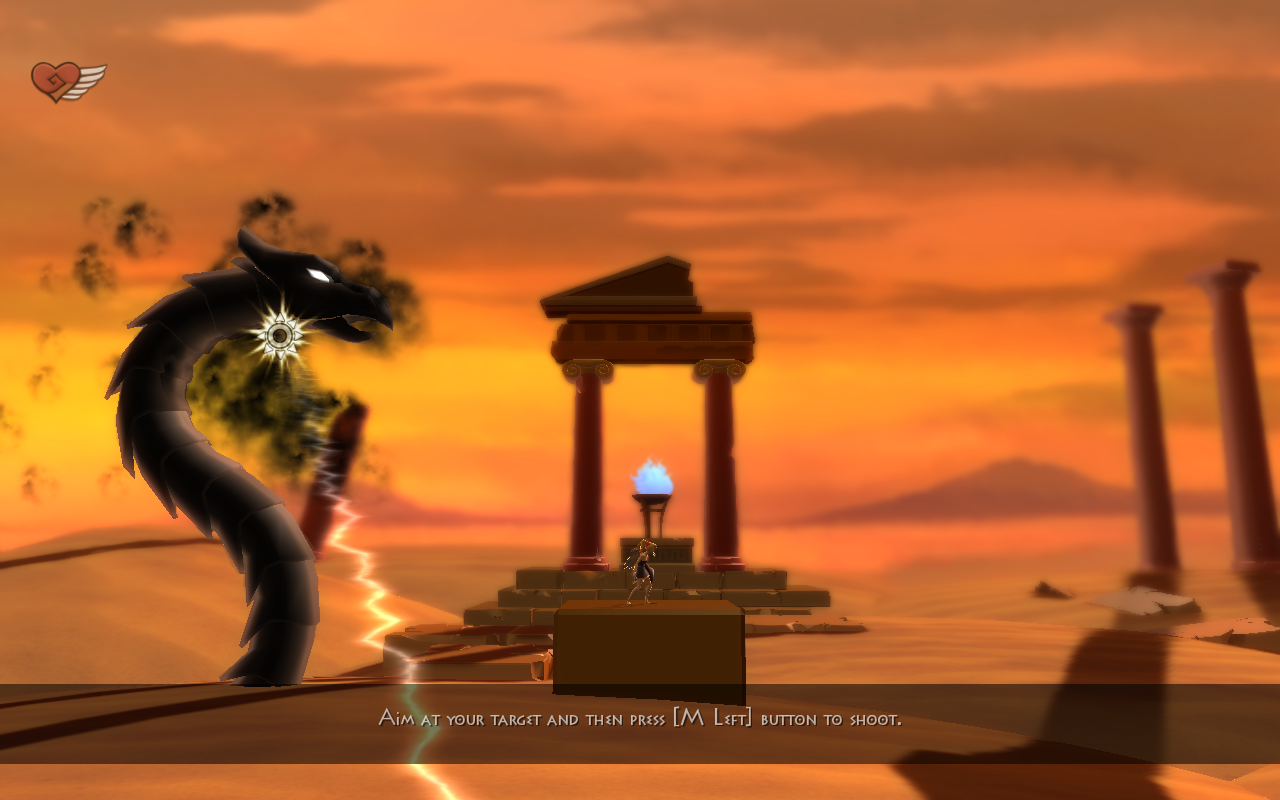
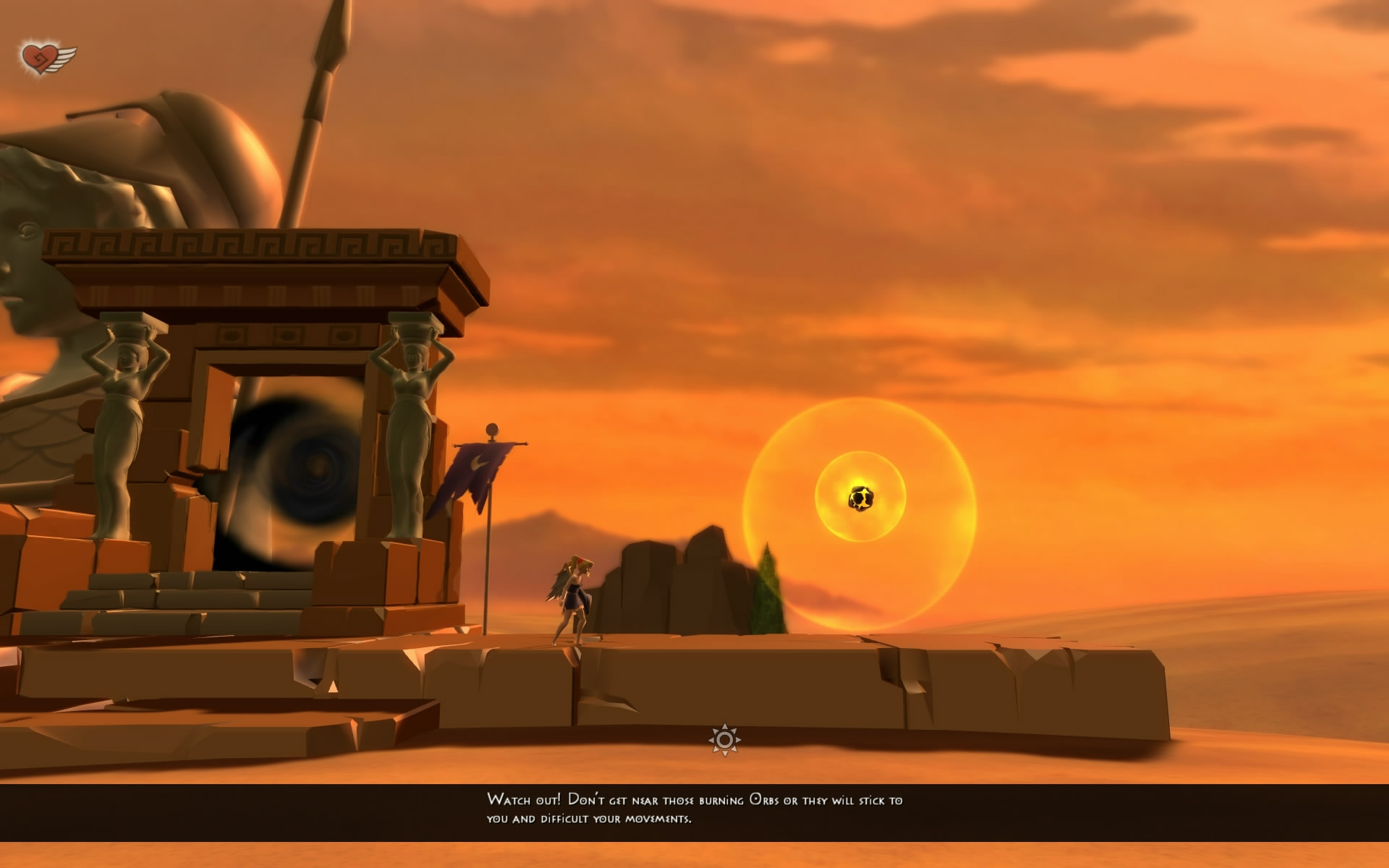
You are Nyx, who is a winged goddess that falls in love with Icarus, but the sun-god Helios releases rage upon the gods and burns the earth into a fiery apocalypse, but you insist on defying the gods to save Icarus. While the story isn’t very deep, there is one there, and you do want to see what happens to Icarus at the end. Not very often will you run into “cut scenes” that have just some text across the screen and gibberish being spoken. This is an indie game after all, so you are probably coming for the unique gameplay.
While originally designed for the Wii, it works well on a mouse and keyboard. You control Nyx’s power with your mouse and hers with the keyboard. You can jump up to five times and also glide for about 8 seconds, and these are keys to gameplay. Jumping around is the main part of the game, and you must time everything carefully. The game is not a breeze, and even the platforming is tricky thanks to the game’s ability to make you multitask. With the mouse, you can move certain blocks around, shoot lightning, move fireballs, and pull around pillars. There is a lot to the gameplay, so you have to really play it to understand how deep it is. You have to be able to move Nyx around while also manipulating the environment with the mouse, or you will never get anywhere.
While the unique combo works well, it does get very difficult at points. The first couple of levels are novel and neat, but then the game quickly feels repetitive and tiresome until you start learning new powers later on in the game. While the gameplay is unique and deep, it’s really the same thing over and over again. Jump around 50 platforms and move this block or pillar around. Each level looks the same, and the art style has a Greek mythology theme to it, but the textures are flat, and no visual upgrades were given for the PC version. I also felt the physics was a little floaty because everything moved like there was little gravity.
The checkpoints are a little unfair because they are put in weird spots. Instead of sticking them right before a really hard section, you have to go through an easy section to get back to where you died. There are also only a couple of boss fights, and they are fairly easy due to the better accuracy of a mouse over the Wiimote. Overall, NyxQuest is a fun little indie game that really challenges your multitasking skills.
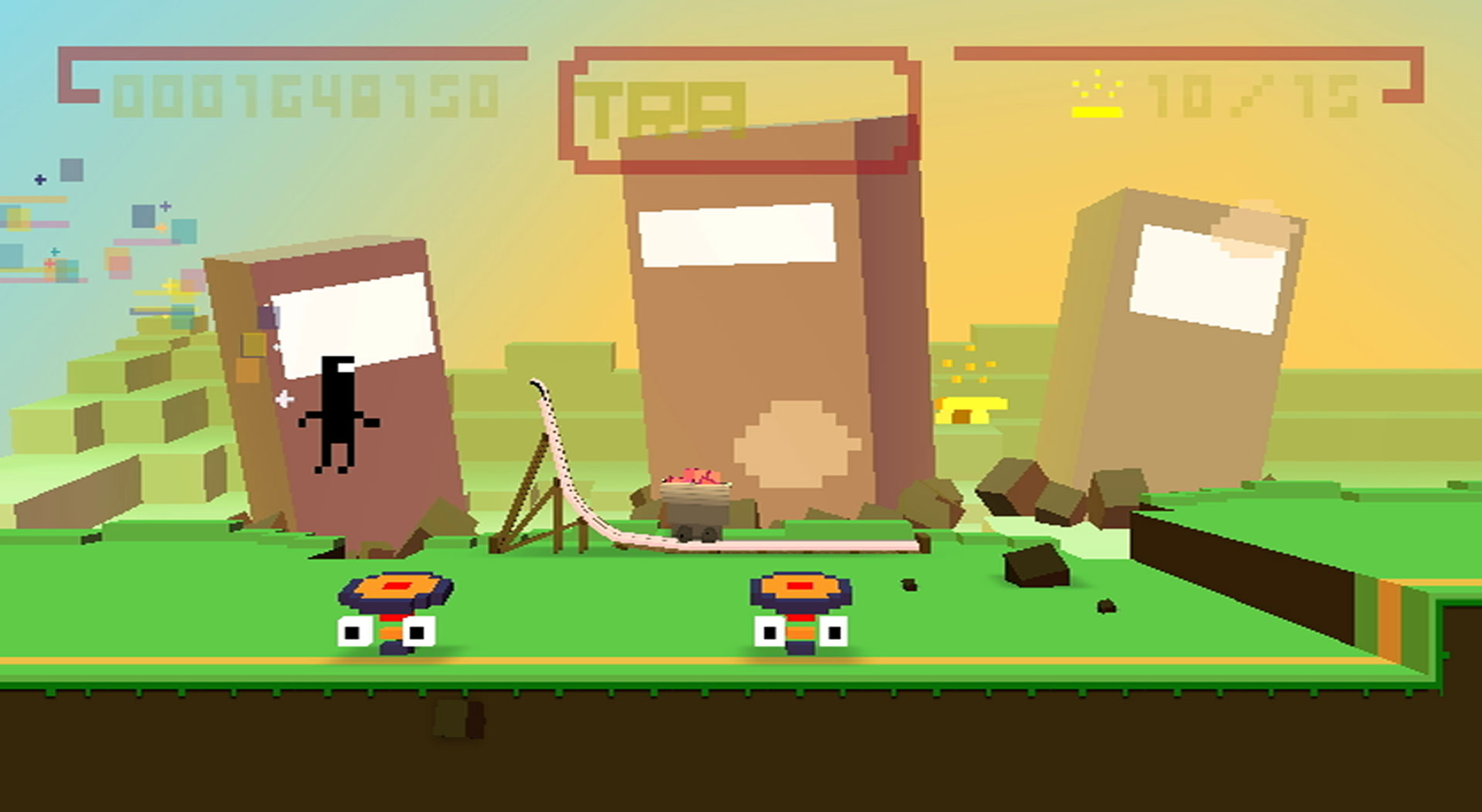
Rhythm games may not be all the rage anymore, but the unique ones really stick out. You can’t pick your own songs; there are no fancy instruments; it’s just you and the controller/keyboard jumping to make a good techno beat. The idea of the game is to get through each of the three worlds through 12 levels each while jumping, kicking, and sliding your way through each level. If you get hit just once, you reset back to the very beginning. While on the early levels, this is fine; the later ones take up to 4 minutes or more to complete, so getting reset is so frustrating.
Obstacles range from blocks you have to jump over to low-hanging objects to slide under, stairs that require quick taps, and even some stops to fool you, like a bouncing cube that you slide under and jump over. There are spring pads and other obstacles to block your path, but precise timing will be required to get all the gold blocks to get to the bonus stages, which are 8-bit variations of the 16-bit/3D levels. It’s very unique, charming, extremely addictive, and fun. I am currently stuck on 1-11 and have been for weeks, but I keep going at it because I just want to play every level.
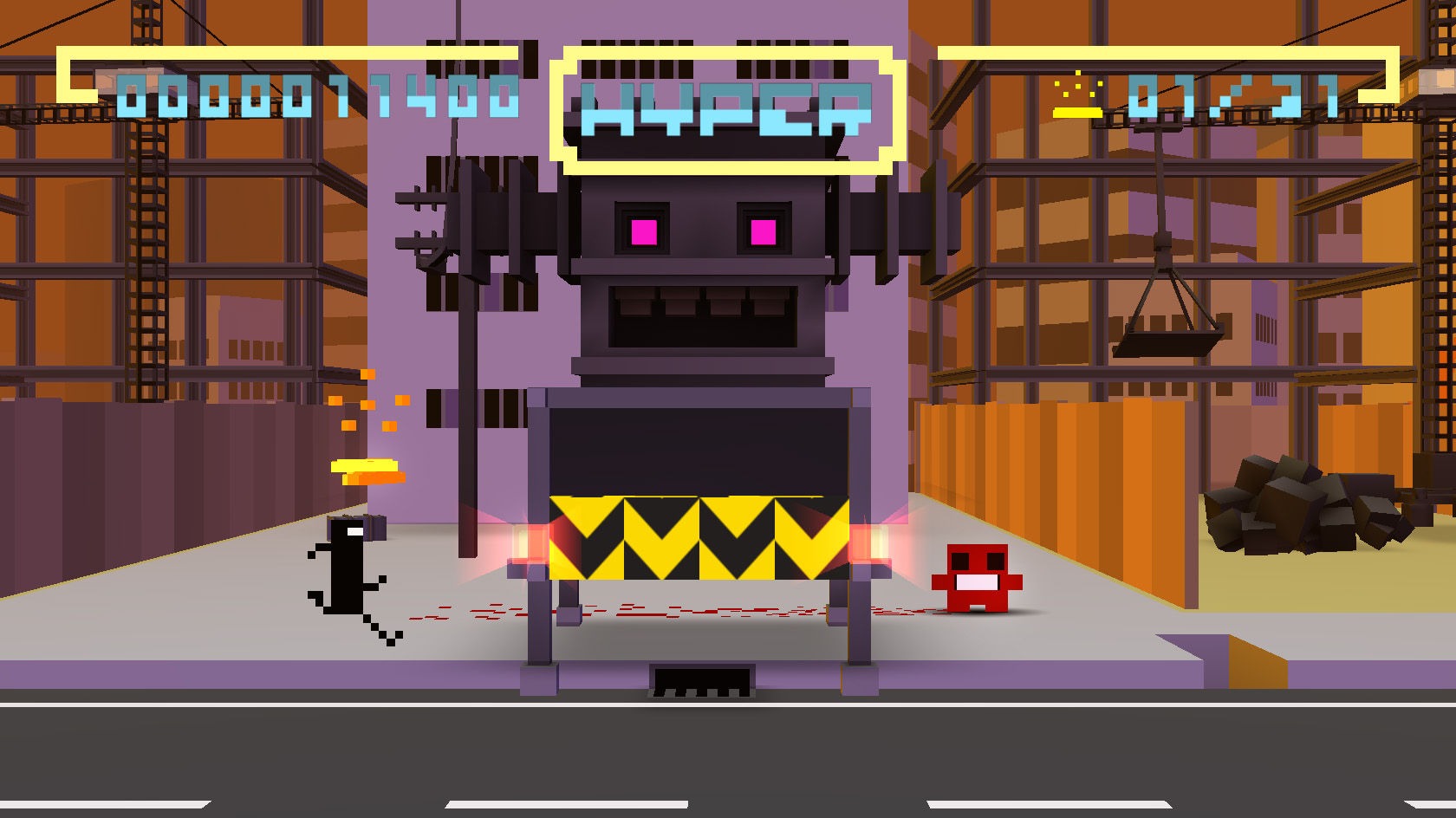
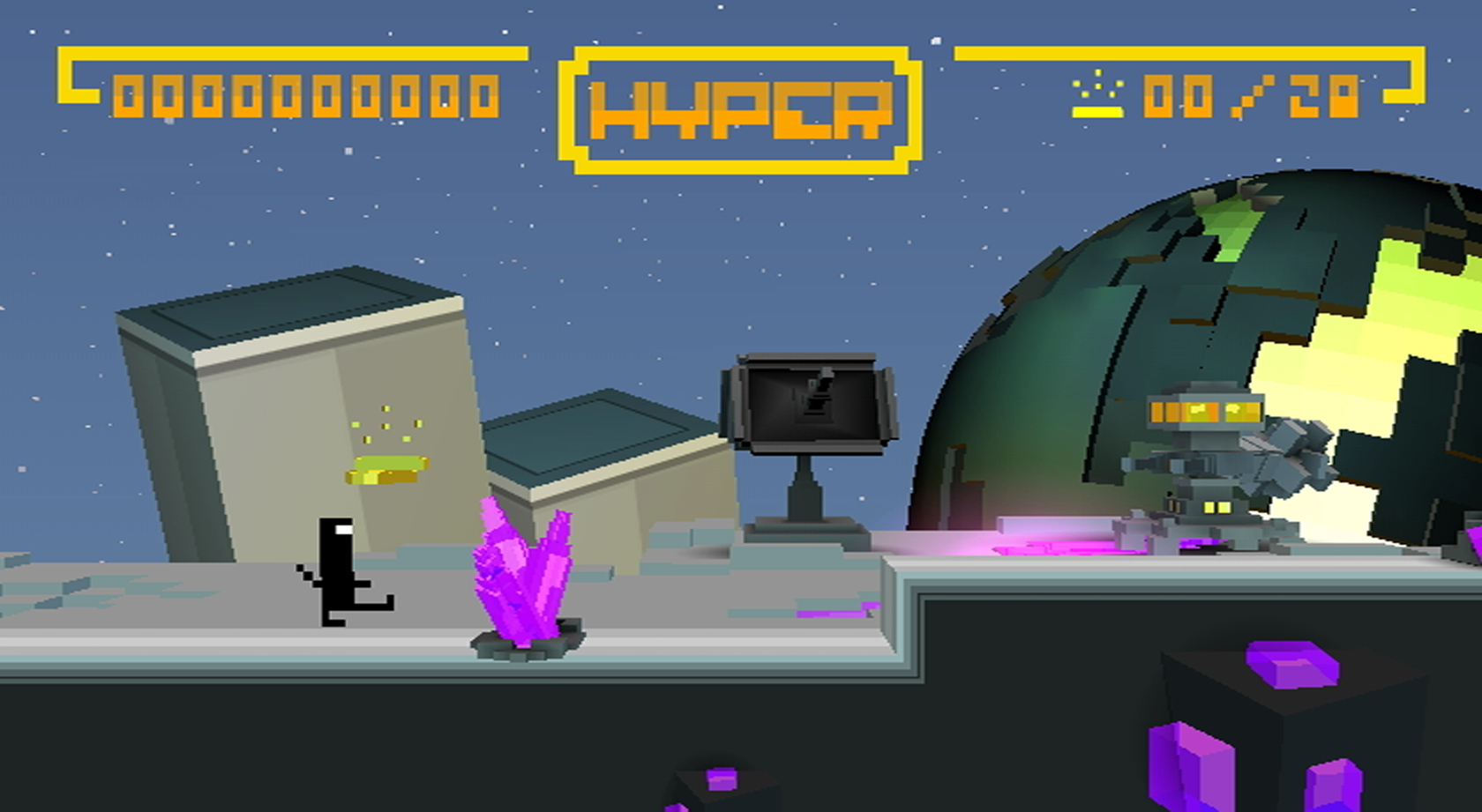
The music is pretty good and full of life, despite it being the same track through each level. During parts of the level, you will pick up a giant plus sign that will add tracks to the beat and also add to the visuals. BIT.Trip is really a game for casual players and hardcore platformers who miss the days of the 16/8 bit era. The game has a brilliant level design that adds a lot of challenges while still being manageable. I haven’t really played a 2D platformer this addictive in years.
The visuals are stunning, with wonderful 16-bit to 3D translation, and the game has a wide color palette that sticks to the 16-bit and 8-bit eras. Everything is made of blocks, but it has built-in 3D and can really be a mind-trip sometimes, especially when you first start playing. Don’t let the hard levels keep you from playing, because being able to play the later levels is rewarding and challenging. I highly recommend this game to any 2D platformer or even for someone just looking for a fun arcade game.
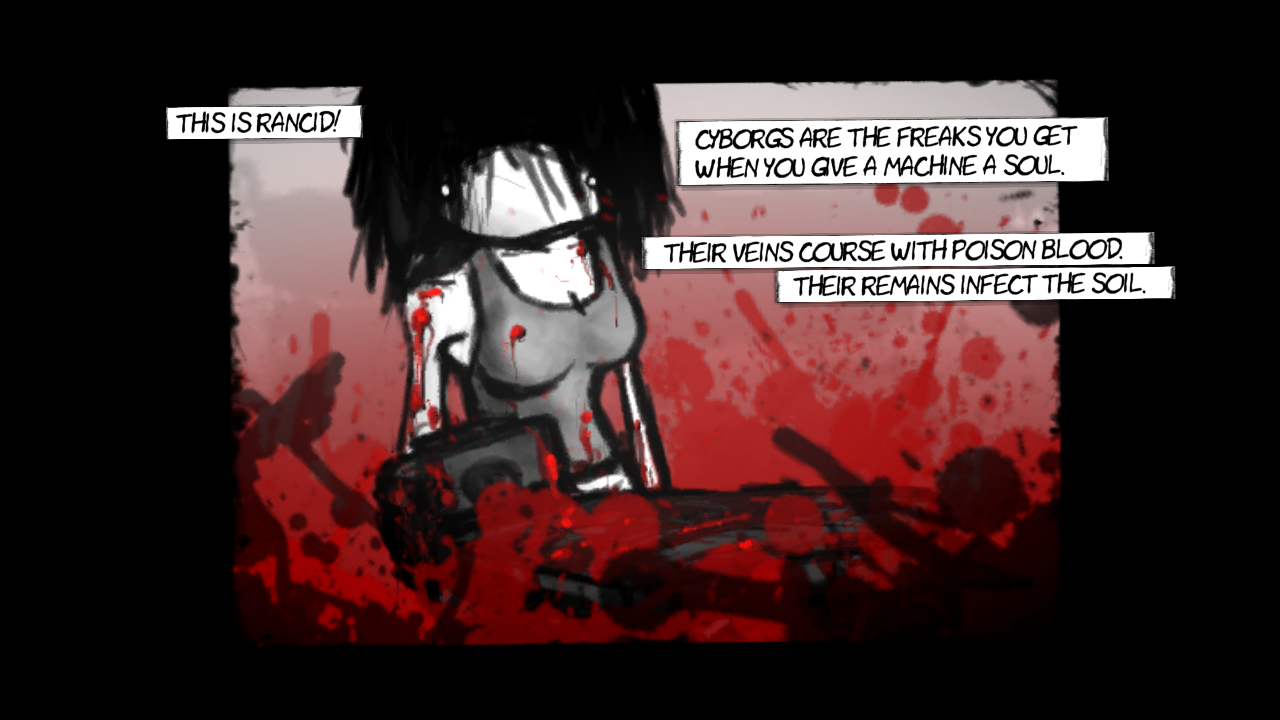
The Dishwasher is a strange name, but the story of Yuki is actually pretty sad and engaging. Yuki dies in the hands of the dishwasher and is hallucinating. You play flashbacks of her in an asylum, trying to find her killer, but then again, she’s hallucinating and kills the wrong person. She crash-landed on the moon, trying to find the person making her hallucinate and find out why this is all happening to her. There’s a lot of detail in the story, so explaining too much will spoil spoilers. Just know that the story is excellent and very engaging.
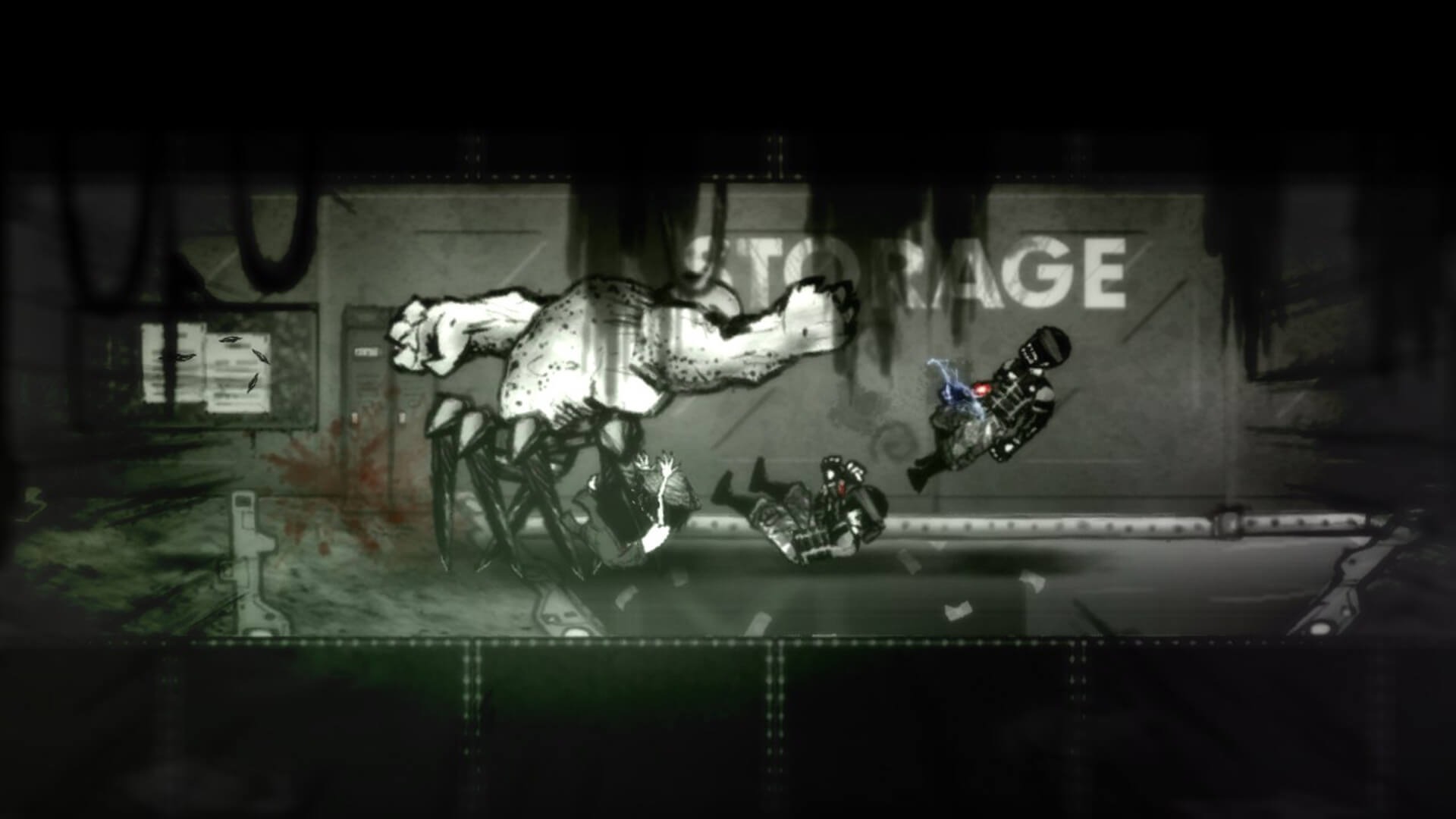
The game is all about combat, which is superfluid, fast, and fun thanks to smooth and responsive controls. You will find different weapons like Cloud’s sword, a hypodermic needle, kamas, as well as a mini-gun arm attachment. You can use the right stick to use the blood dash to go through enemies and dodge them, but everything is just so fast and fun that you just forget the controller is in your hands. You can hit enemies with a light and heavy attack as well as a unique attack with B, such as a grab, needle jab, or chainsaw attack, depending on your weapon. After you damage an enemy enough, they will have buttons flash under them. Hit it and see a brutal execution move that just looks awesome. The game is very punchy, heavy-hitting, and powerful, thanks to the excellent combat system.
You can equip beads that add attributes to Yuki, and you can also use magic skulls that do massive damage to enemies. I just can’t really describe how excellent the combat is until you actually play it. It’s like trying to explain how good Devil May Cry’s combat is. There’s just no way, unless you actually play it. Boss fights are also fun and unique, but some can be brutally difficult to beat. Dodging and twitch reactions are key to staying alive in the game, so this is no walk in the park. The game will just take your breath away with how fast-paced it is, but I guarantee your fingers will ache after a couple of levels.
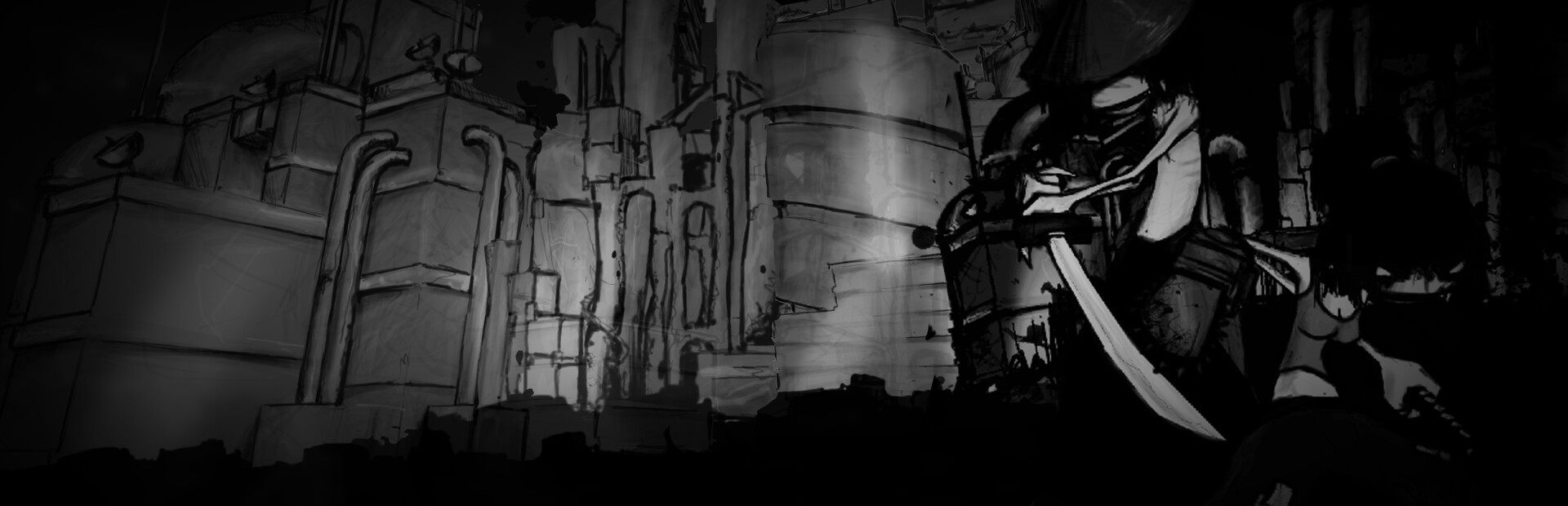
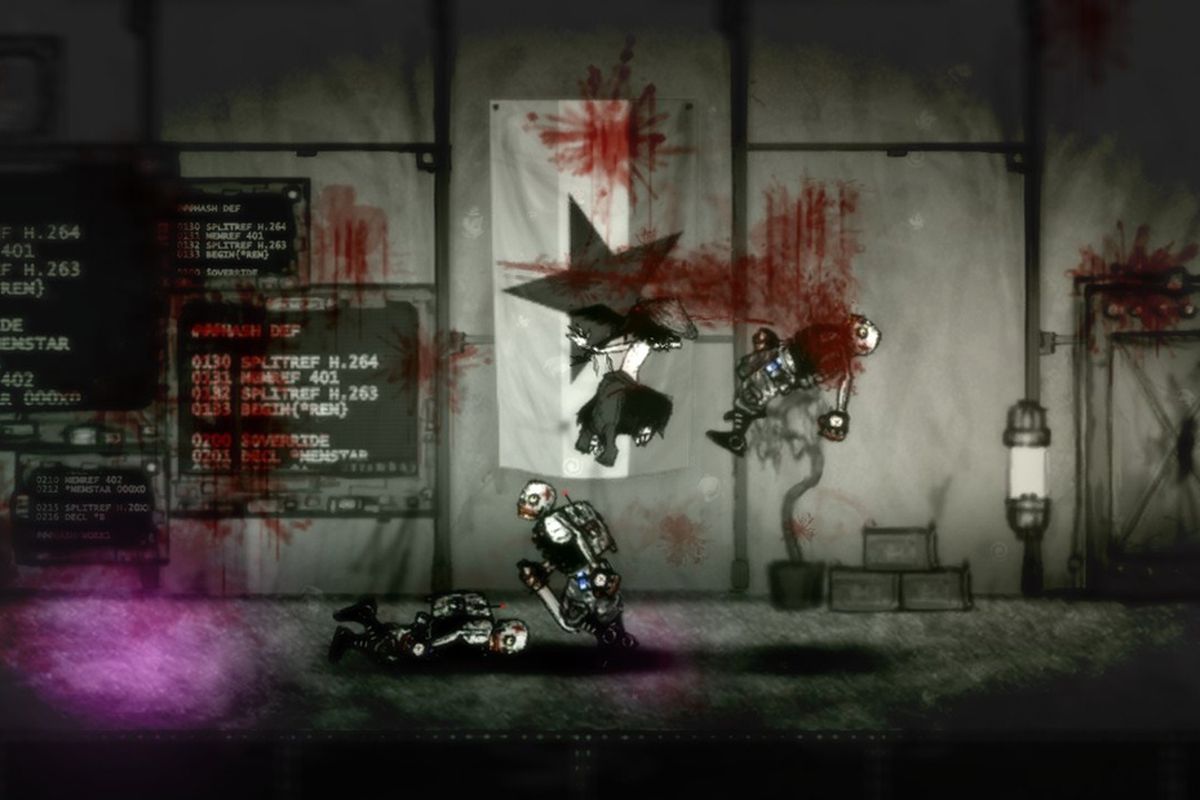
The art style is just awesome, with a very messy, dark, and smeary style. It looks like you can’t tell what’s going on, but it was done in such a way that you can make everything out just fine. I love how dark and brutal the art is, so it just helps portray how helpless Yuki is. I didn’t really find much wrong with the game except for the brutal difficulty. The enemy variety is pretty high, and there are plenty of boss fights. After you finish Yuki’s story, you can even go back and play the dishwasher’s side, so it’s like two games in one. This is probably one of the best XBLA games I have ever played, and it should not be passed up.
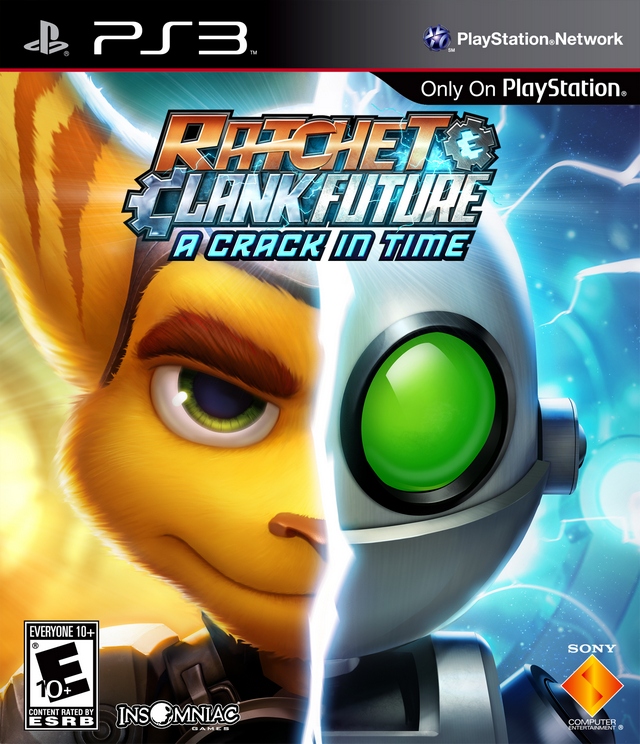
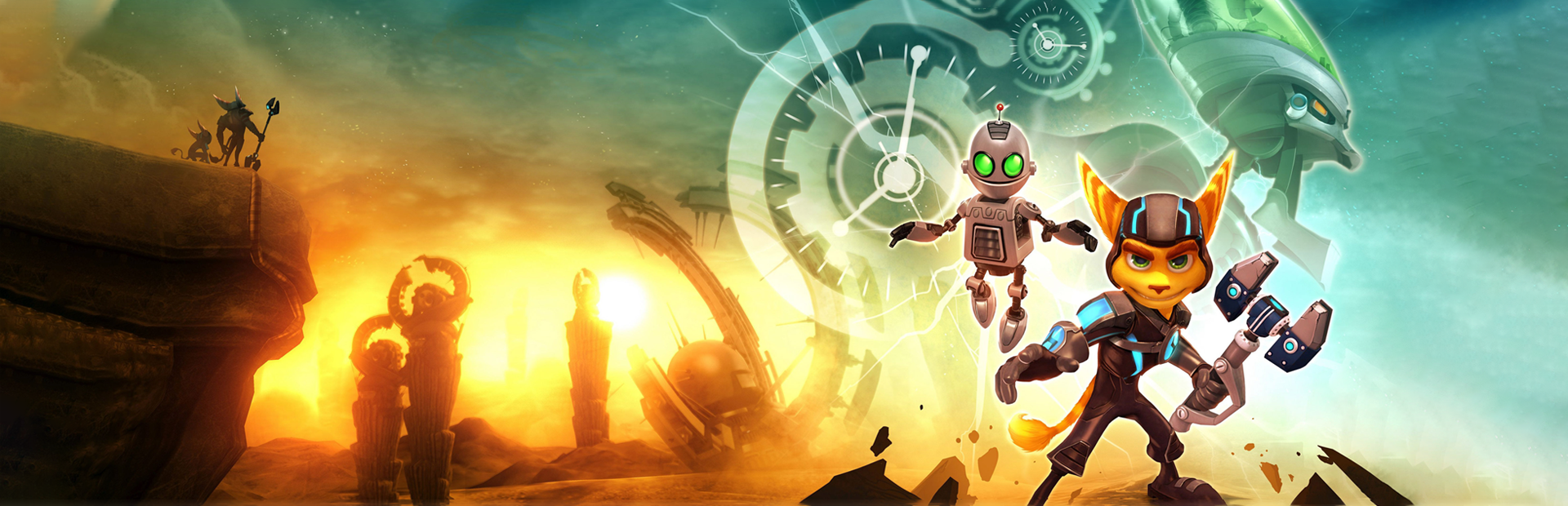
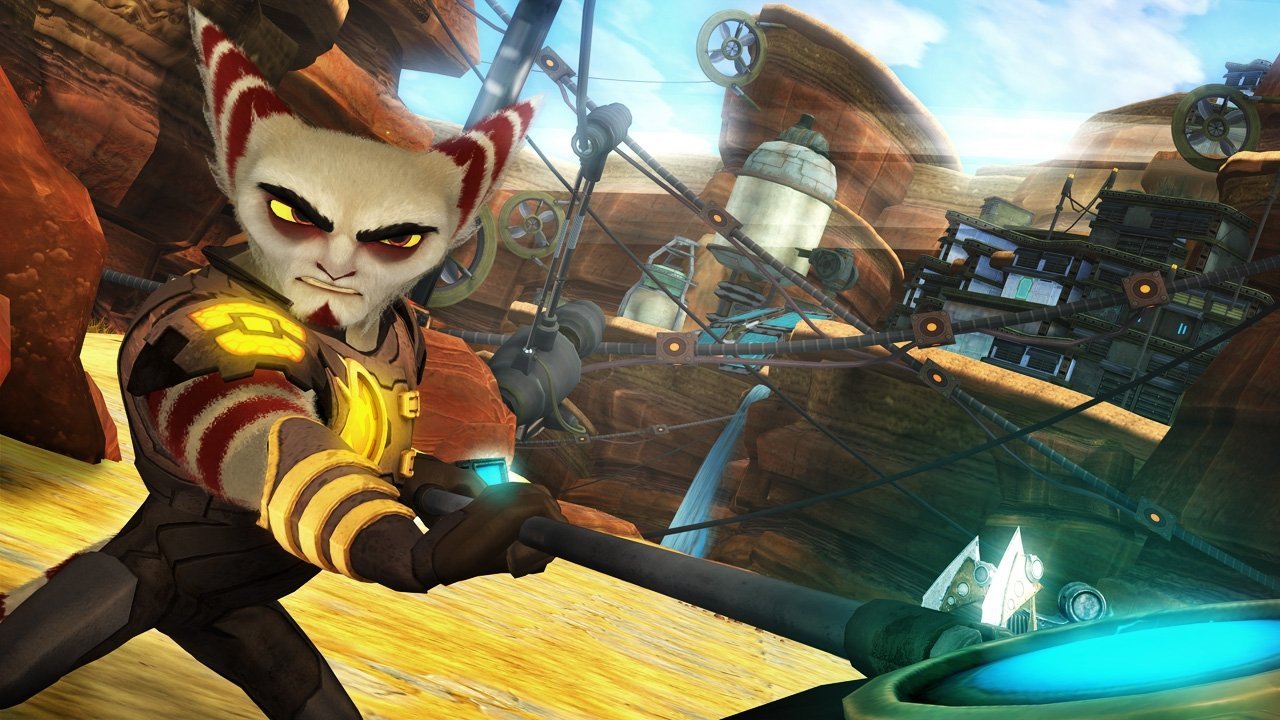
The Ratchet & Clank series is dear to me because it came out about ten years ago, when I was just seriously getting into gaming. It’s part of my generation, and now that I’m playing the last game in the second part of the series, it feels great. Everything you expect from a Ratchet game is here and intact, and nothing has really changed. That’s both good and bad, depending on how you look at it. Hardcore fans will love this and not feel a thing towards the repetition, but to me, it feels like Insomniac is running out of steam gameplay-wise. The story is great, but it’s the same run and gun controls, slippery platforming, and a few curve balls thrown in to keep the series interesting like past games.
This game is serious story-wise and tells the tale of Clank’s origins and what his purpose is, and this is the best part of the game. It’s what we’ve been waiting to hear about for ten years, but after playing Clank’s mind-bending puzzle sections, Ratchet’s feel monotonous after about halfway through the game. Changing up the levels doesn’t cut it anymore because the graphics are pretty dated. The art style is still charming, but the graphics look like a really good PS2 game compared to other games out there today.
Clank’s levels consist of time manipulation, and you can record yourself to solve puzzles. It’s hard to explain, but there are four sections in total through the game (not enough), and then there’s a bizarre dual-stick shooter mini-game thrown in towards the end of the game. Clank’s levels look better than Ratchet’s and have better effects, but this is where the most interesting part of the story plays out. Clank does have combat abilities, but it’s nothing you haven’t seen before.
Ratchet’s levels have been the same since 2002, and while there are some new weapons, I found a lot of them useless for once in an R&C game. A lot of the enemies recycle and repeat, and only certain weapons are good against certain enemies. However, later in the game, a lot of the weapons just don’t do much, and you resort to using more powerful weapons. You can find mods for your weapons that add different types of ammo, make it shoot differently, add power, etc., but these are hard to find and require hardcore fans hours of dedication to finding them all. Ratchet has a couple of new gadgets, such as the OmniSoaker and Hover Boots, but I wanted to see some more since this is a finale.
Ratchet can now freely explore space and visit mini-worlds for Zoni (to enhance your ship), mods, gold bolts, etc. This adds variety to the game, but after a while, it gets boring since there are only so many different types of worlds that are copied. Space battles add a nice mix to the fray of just-on-the ground run-and-gun affairs, so they are welcomed. Just like ground shooting, once you get to the last sector, you’re just tired of the same space fights and planet exploration.
The best part of the game is probably the boss fights, since they are challenging and each one is different and unique. It really makes you utilize your arsenal, but again, some weapons will be completely useless. There seems to be a bit of uniqueness and variation here and there, but it’s not dished out as fast or as often as in past games. The enemy variety is really low, so you will kill the same robot one million times by the end of the game. It’s a shame. Time turned out to be such a repetitive game because it has a ton of potential. I would have loved to play more as Clank solves puzzles, but there’s enough here to keep you going through the 15+ hour game.
Despite a nice ending to the game, you can start a new game+, but there’s no real incentive to go back through since you’ll want the game to end early on anyway. The voice acting is top-notch as usual, and the storytelling is Pixar quality, but this is probably the worst R&C gameplay-wise just because I expect a lot from Insomniac. The series needs a serious reboot or I’m not coming back to visit the furry one and his metal pal.
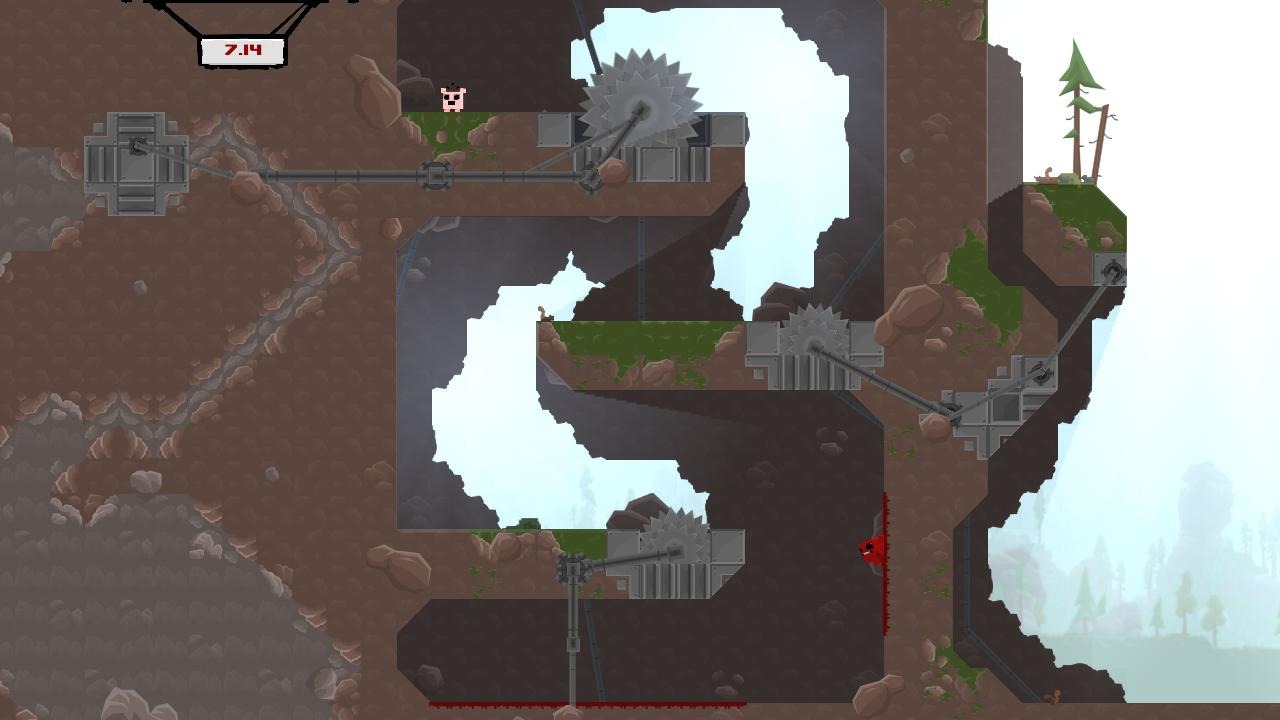
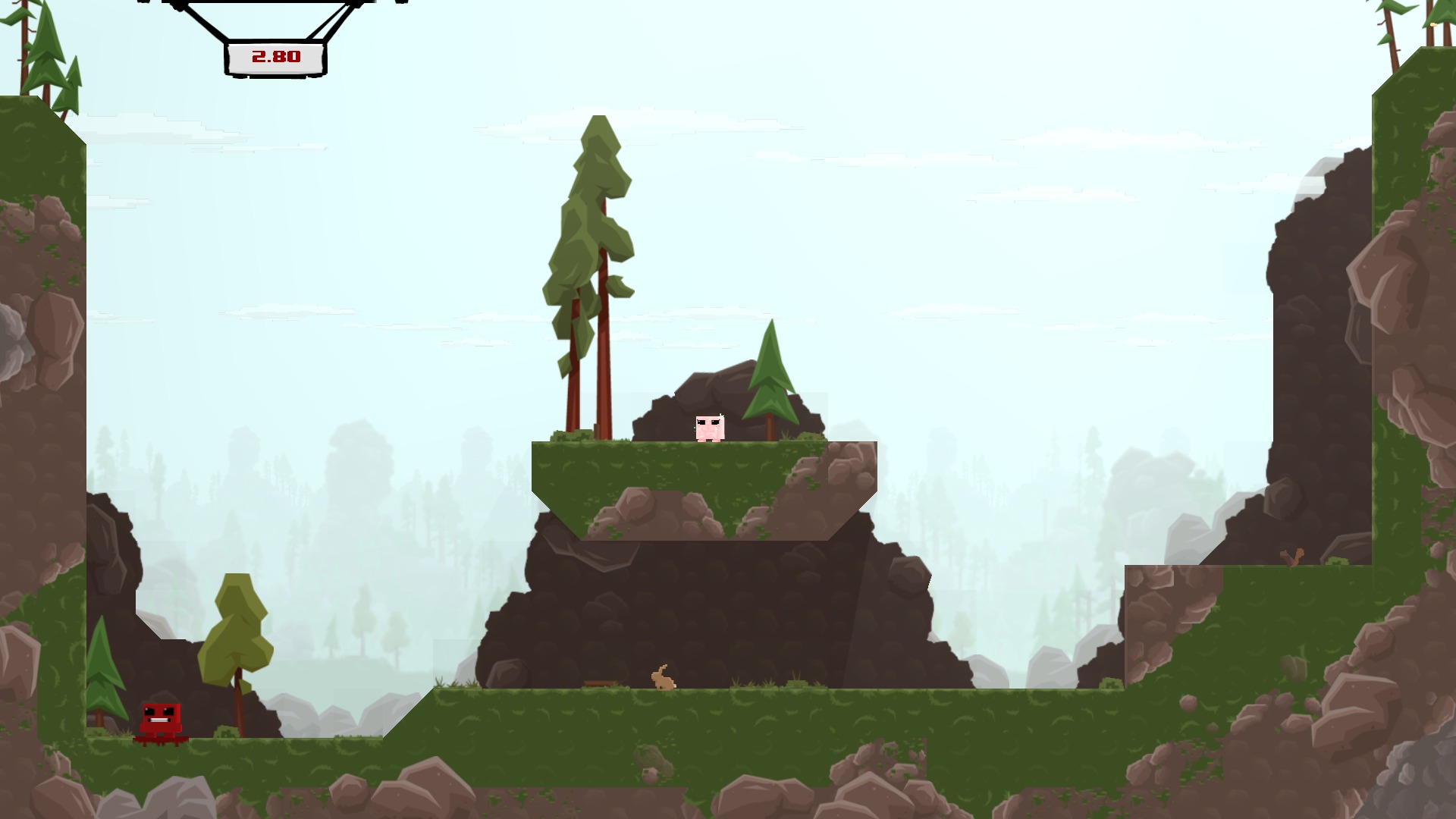
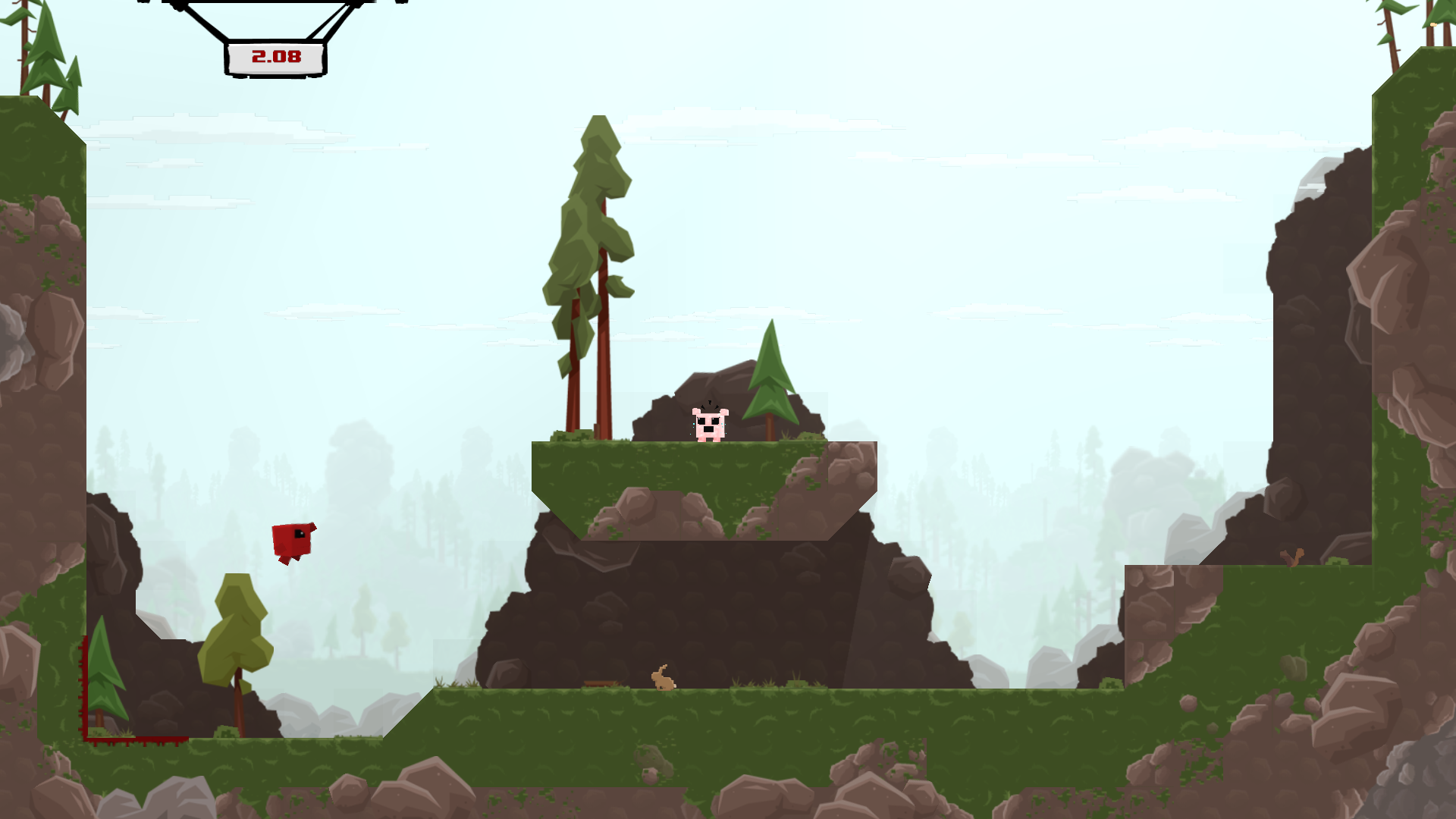
2D platformers are always compared to a 20-year-old game known as Super Mario Bros., and they have every right to. That game was flawless and literally created the 2D platforming genre. Super Meat Boy is probably the only game in recent history that comes close to that kind of pixel-perfect jumping and tight, responsive controls. SMB also has a ton of humor infused with it, and the game is a blast to play and highly addictive.
You play Super Meat Boy, who is trying to save Bandage Girl from Dr. Fetus. It’s a simple story, but it’s hilarious, and the cut scenes are drawn beautifully. The art style is very unique, and there’s so much detail infused in this game that it’s nuts. When SMB gets destroyed, he splatters his meaty goodness all over the walls, and it stays there. He makes a splooshing sound when running, and his facial animations are very funny. There are other characters you can unlock by completing warp levels, and these guys are just as detailed and have their own unique abilities.
The controls in the game are what really surprised me. They’re just absolutely perfect. They are super responsive and tight, and it feels like you’re controlling the characters with your fingers instead of buttons. Using the Games for Windows controller (or any other) is essential, but the keyboard works too. Jumping around corners and maneuvering through the game’s brutal levels can be conquered thanks to these tight controls. I’m dead serious about the game being hard because every corner and jump require extreme precision, or you will die 30+ times. Oh sure, you’ll die that many times thanks to a quick reset button that has zero loading. What’s cool is that after you beat the level, you get to see a replay of every time you died, so every SMB goes off, and you can follow them until the last one makes it. It’s awesome, unique, and makes you want to watch every replay and save them for friends to laugh at.
The warp levels bring the graphics back to 8-bit with amazing music and tend to be more challenging than the regular levels. Usually, you get to play the characters you unlock, but gameplay varies at these levels. You can also find bandages in the regular levels, but these require extra-extreme precision (if that’s possible), so this game is really for hardcore gamers only. Casual gamers will give up quickly, and there are no difficulty levels to set. From the frantic boss fights to the constant dishing out of new obstacles to overcome, the game ramps up after the first few stages, so you must stay on your toes.
With a crap ton of charming visuals, catchy music, and perfect controls, the game shines above all other 2D platformers. It wouldn’t hurt to say it’s probably the best 2D platformer in the last decade, but the brutal difficulty is very forgiving thanks to the feeling of accomplishment once you trump that level. Try beating the record time to feel even better about that victory! I highly recommend SMB to any platforming fan or even fans of the 16/8 bit eras.
A great platformer has responsive controls, unique gameplay, good puzzles, and good graphics. Platformers go all the way back to the beginning of video games so there’s is a lot of scrutinies involved in them.
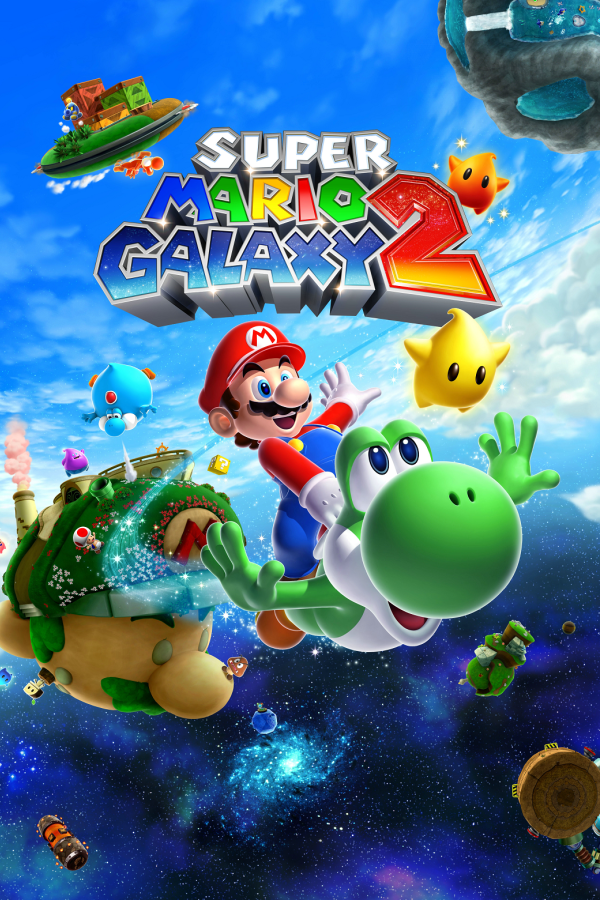
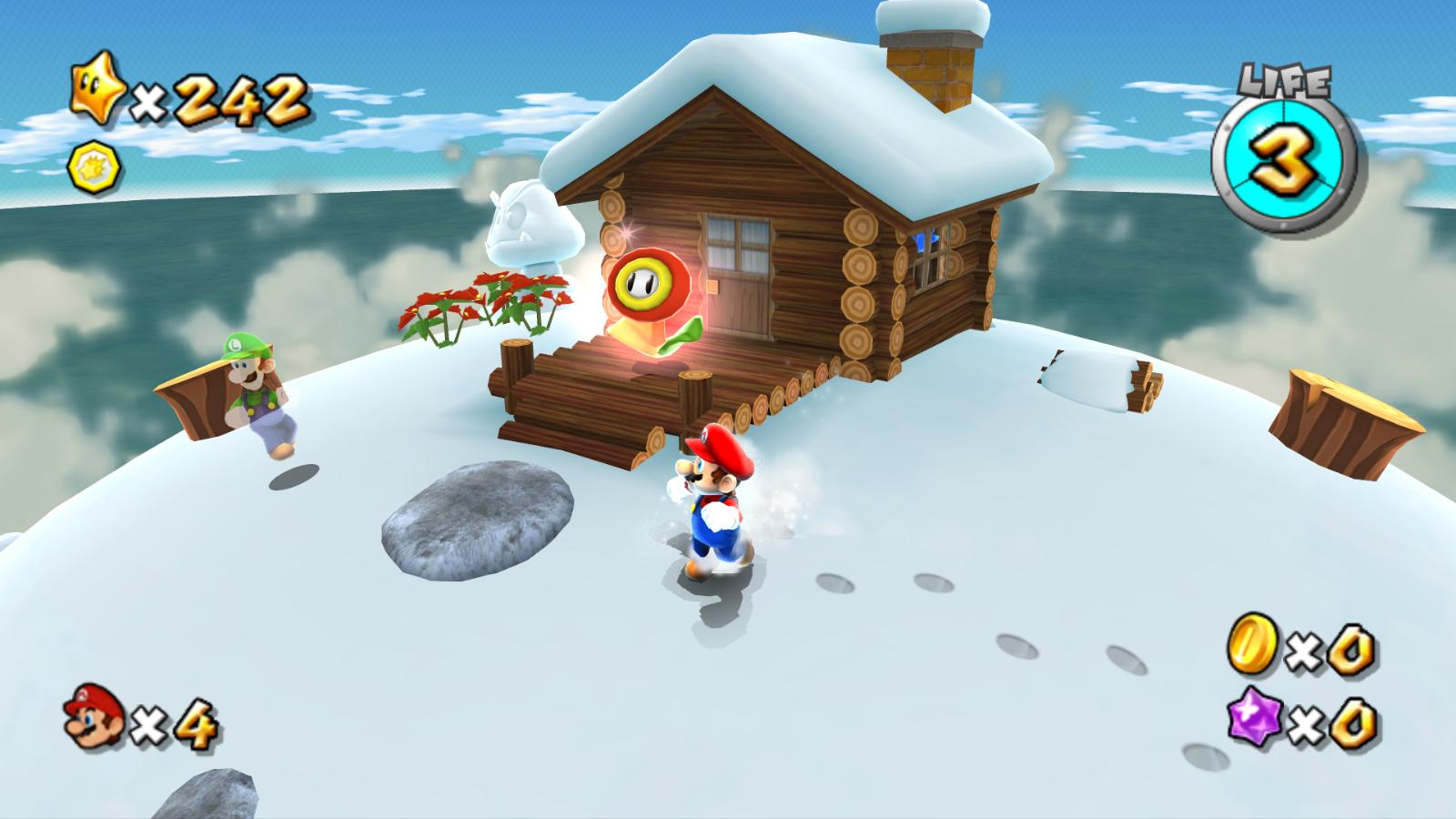
Super Mario Galaxy 2
While Mario may be the same thing over and over again the Galaxy games really show what the Wii was meant for, and truly offer unique gameplay, charming visuals, and fun combat and puzzle-solving. Galaxy 2 succeeds on the first game with pretty much better everything. The game is more epic, it feels like it’s on a larger scale, and you just can’t get enough of that Galaxy feel.
















































































 thebinarymessiah.com
Try multiplayer. A lot of fun !