What defines an atmosphere? It’s the portrayal of a setting and world that feels authentic in the sense that it can make you feel you’re in it. It can scare you, make you feel like a superhero, or make you feel full of magic. The atmosphere in a game is extremely important and with the latest technology developers can bring us more authentic settings.
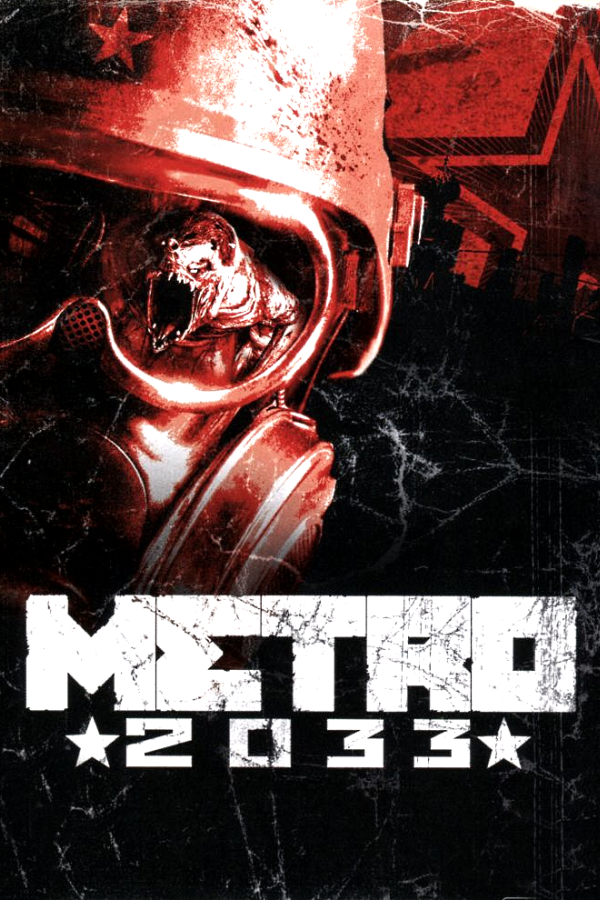
While Metro 2033 didn’t see much light from retail it has one of the most amazing and scary atmospheres ever created. Feeling all alone in a subway in Russia with just a lighter, gas mask, shoddy handmade weapons, and the sounds of creepy dogs howling down the tunnel? Only one clip left and there could be ten or more? That is one scary situation, and even the outside environments are incredibly hostile feelings. The mix of enemy camps with stealth missions makes you feel desperate, and if you get caught the whole world will come down on you.
What makes music in a game good? Something that fits the style of game, setting, and something that isn’t repetitive, annoying, or something we’ve heard in a million other games. Music is probably one of the most important parts of the game but easily overlooked by most gamers.
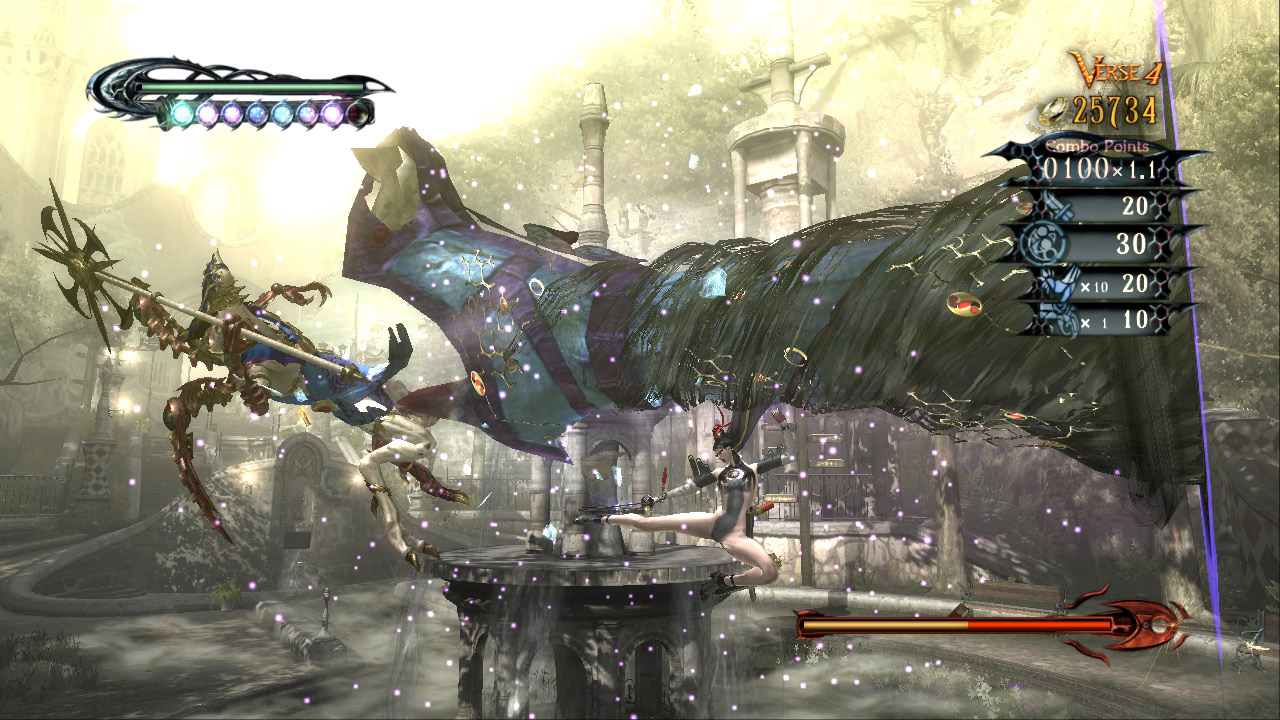
Bayonetta’s music isn’t only angelic and beautiful, but it’s so catchy that you just want to hear it again and again, and it really fits Bayonetta and her style. You just get goosebumps when seeing Bayonetta fight with style on the screen along with this angelic music. While there isn’t a huge variety what does play is amazing and is memorable.
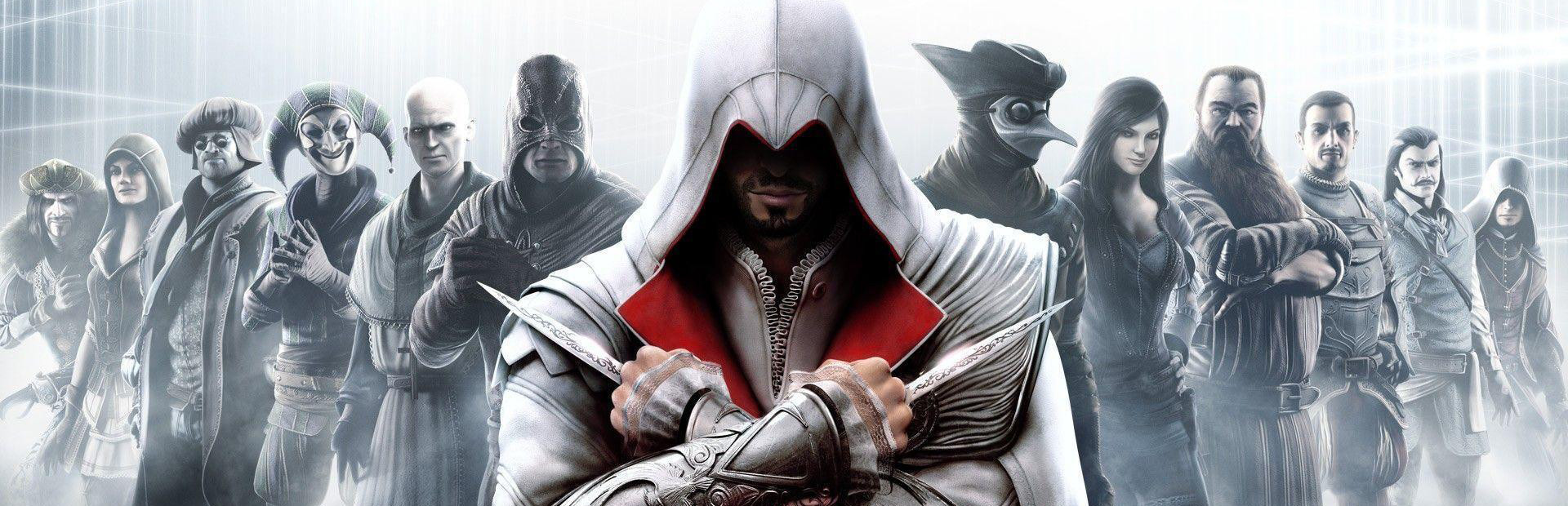
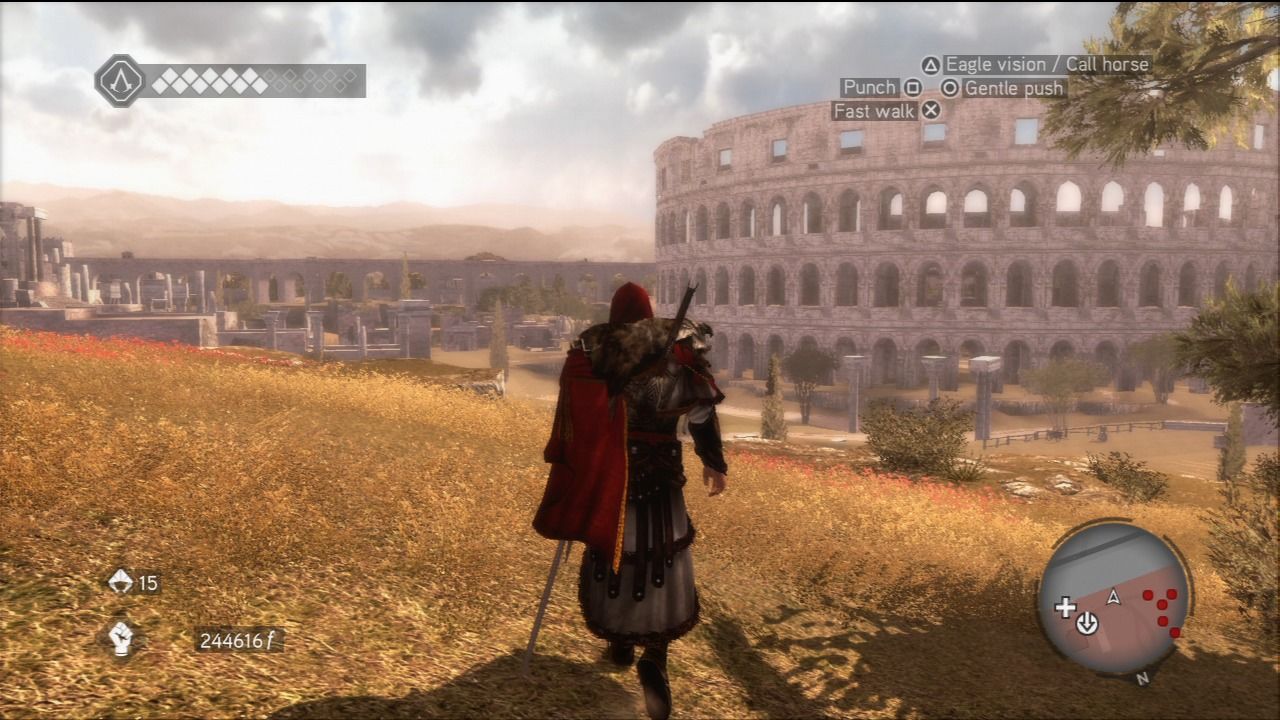
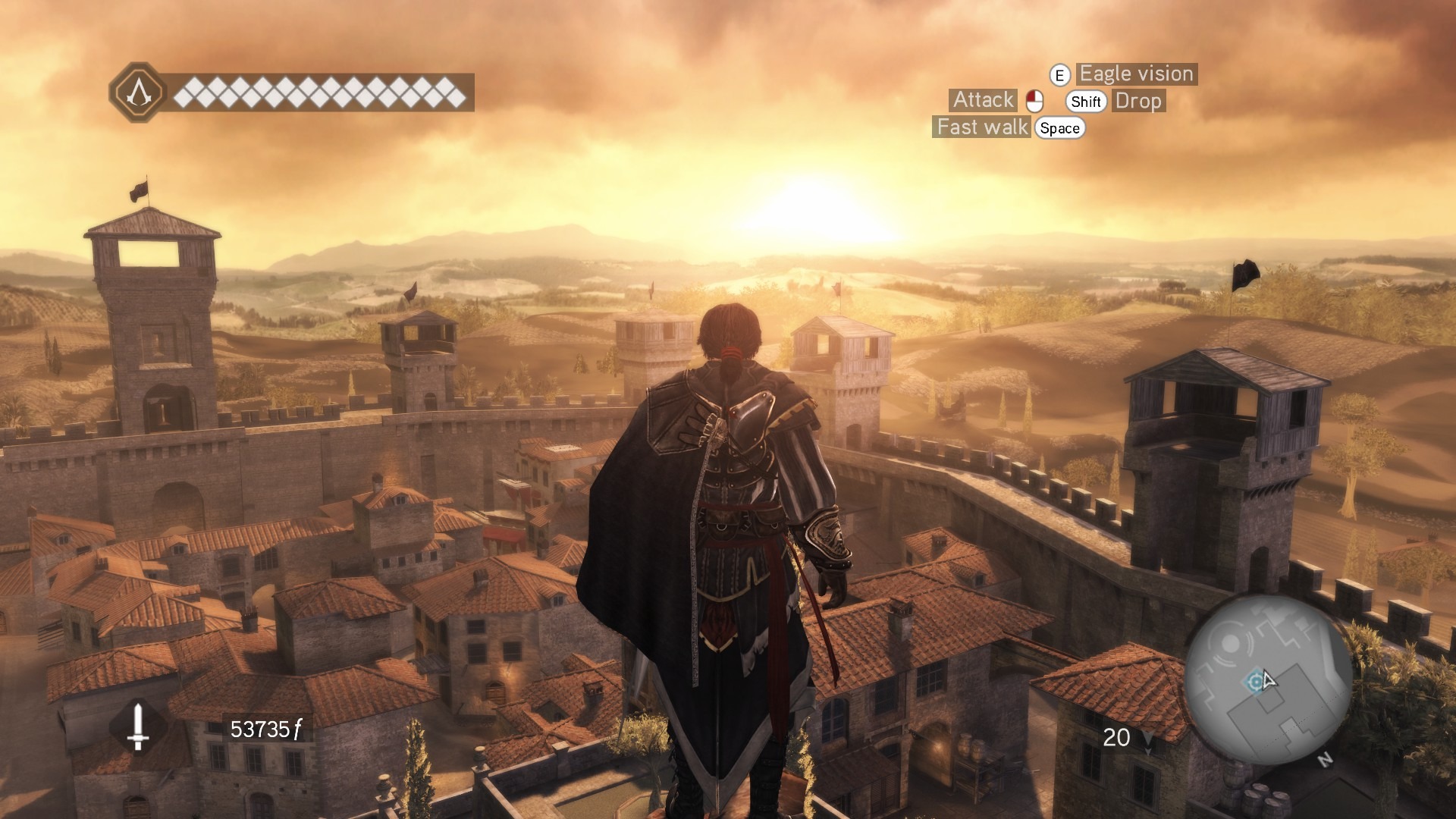
Brotherhood is one of those sequels that was thought to be just a cash cow tie-in for II, and everyone forgets about it. In fact, it was supposed to be a multiplayer-only add-on, but a few months before release, we realized it had a huge single-player experience that was bigger and better than II. This is what sequels should be like, especially if they borrow everything from their predecessors. Brotherhood isn’t a true Assassin’s Creed sequel like II was to the first one, but a new chapter in the amazing universe of 1500s Renaissance Italy. This time the game is set in Roma (Rome), and it’s huge, and there’s a lot more to this game than one skeptical fan might suspect.
The story is just as engaging, if not more complex, than II. Ezio is now older and the leader of the assassins, and he must stop the Borgia reign in Roma (since he failed to kill Rodrigo Borgia in the second game), but Rodrigo himself is only seen twice in the game and briefly. It’s all his minions and the fight against Cesare that are the main focus here. The game still has a deep political plot that ties in with real-life situations and people at the time.
Along with that, you can also play as Desmond Miles outside the Animus, and he has a bigger gameplay part with a whole section dedicated to restoring power to today’s Auditore Villa for the team’s new hideout to find the Apple of Eden and stop Abstergo and the Templars. While you only see these guys at the beginning and end of the game, you get another cliffhanger ending that will lead to the third game, as well as a great conclusion to Ezio’s story.
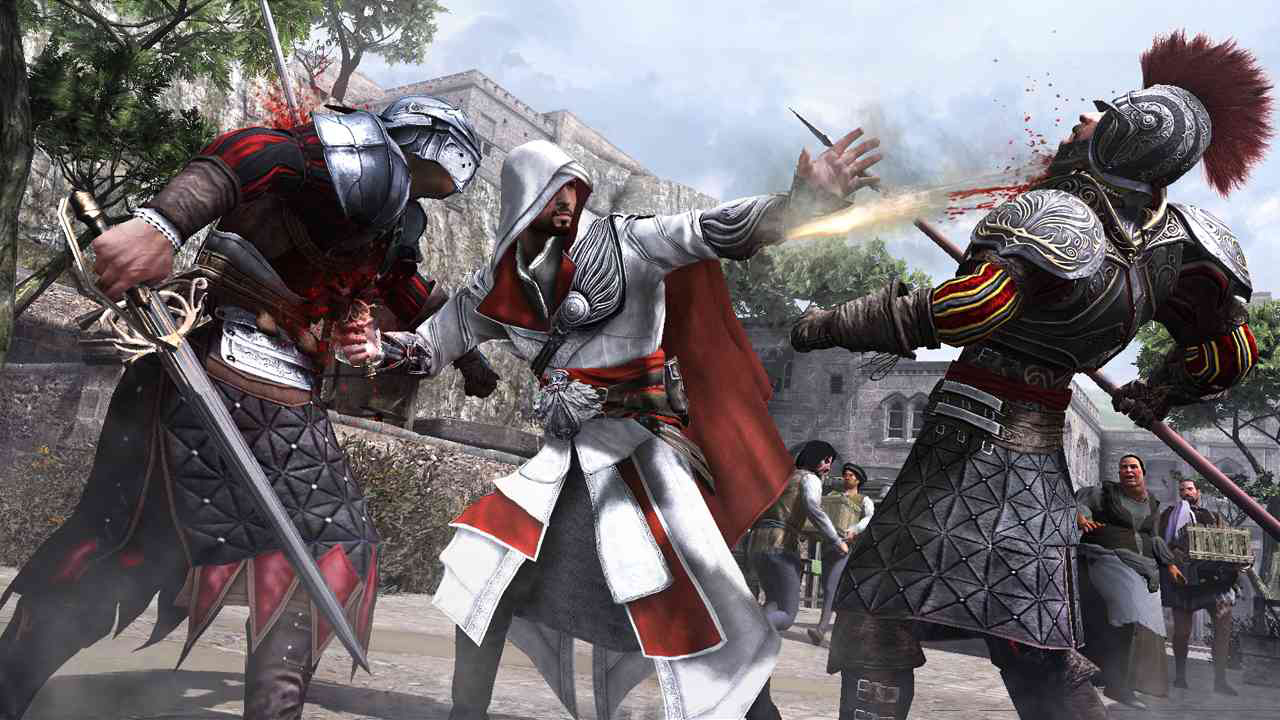
The game plays exactly like II, with no changes to gameplay except for some added stuff like a new crossbow, which is a godsend for killing stealthily from far away. It’s great to do a mission and wipe guys out with a crossbow and not get detected by those hard-to-reach guys. There aren’t any newly added weapons besides that, but combat is enhanced slightly, so it’s not such a counterfest. You can kick enemies, combo Arkham Asylum style, and even do some nice executions with the pistol. This is a nice change to combat and makes it a little more fun. You can also call in assassin recruits to help you, and this is extremely helpful, but more on that later.
Despite the main chapters, there are more side missions than you can shake a stick at. The side missions will take a good 20+ hours to complete and are tons of fun. You have the Borgia towers that have to be burned. These have to be burned down to buy closed-down stores and restore areas and landmarks. You have to enter a restricted area, kill the Borgia captain, then climb the tower and burn it down. There are quite a few, so these will keep you busy, and finding and killing each captain is different and challenging. On top of this, you can buy stables, blacksmiths, doctors, art stores, tailors, faction buildings, banks, and landmarks to restore Roma 100%. You will increase the city’s income, which will be deposited in a bank every 20 real-world minutes.
There are other side missions for each faction (thieves, courtesans, and mercenaries), as well as assassination contracts, Christina missions, finding more The Truth files (10 this time), and now Lair of Romulus missions, which have six in all and are much like Templar Lairs. After you find all six keys, you can unlock the Romulus armor, which is like Altair’s armor in the last game. You can also go to pigeon coops and play a mini-RPG that lets you send your assassin recruits out on missions based on their experience. Missions are based on difficulty, and you will see a percentage bar on how successful they will be. Send more than one to fill it higher, but if they come back, you can upgrade their armor or weapons, and when they reach level 10, you can make them full assassins. These are also helpful during missions since you can call up to three, or call them all for an arrow storm, and kill all enemies on-screen. It’s great to call an assassin on someone you can’t reach and then go in further without getting detected.
On top of all this, these missions can only be synched 100% if you complete the challenge, such as using your hidden blade and completing it in this amount of time. Don’t kill this person; only kill this person. It adds a surprisingly huge amount of depth to the game and makes playing missions (both side and main) more interesting and challenging.
Now the multiplayer is a really fun and surprising addition to the series. There is only one mode, and it’s all about a free-for-all cat and mouse hunt. You are given a target (another player out of 7), and you must use your abilities and skills to kill them while you may also be pursued. So you have to find your target and keep from getting killed yourself. The game has a Call of Duty-style perk and ability system that lets you customize load-outs as well. The game is very addictive and keeps you on your toes. You must blend and try to just act natural since NPCs also have the same looks as other players. There are many characters to play as, and each has its own unique abilities. The multiplayer will keep you hooked and make you come back to the game long after the single-player is exhausted.
With tons of new content, great new characters and a story, and an awesome multiplayer suite, Brotherhood is an example of what sequels should be like. I highly recommend this to fans of the last game and anyone who loves the variety in their games.
Collector’s Edition: For an extra $40, you get a Jack-in-the-Box with either the Plague Doctor or Harlequin (depending on what store you get it from), as well as a bonus DVD, extra maps (one exclusive to the PS3), a playable multiplayer character, an art book, and the soundtrack. This is a huge value for $40 and is a must-have for fans. The Jack-in-the-Box is made a tad cheaply with weak springs, and getting the things to close is annoying, but the figure itself is high quality.
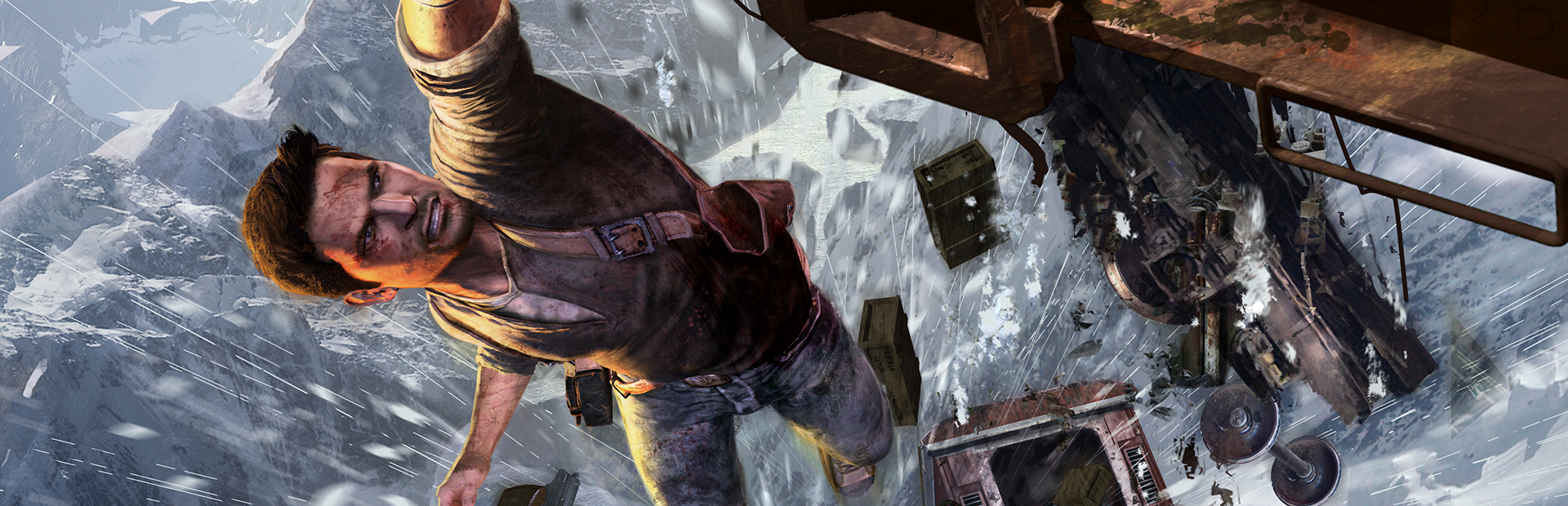
Ever since the first God of War, the action/adventure genre has been all about cinematic set pieces, pounding soundtracks, and adrenaline-inducing combat, and Uncharted 2 pulls out all the stops. You play Nathan Drake once again, and this time you are trying to find the Cintamani Stone that Marco Polo died trying to find. Along the way, you meet old friends and make new enemies, but the story is as human and satisfying as ever, with amazing, snappy, and witty dialog and voice acting.
The best part about Uncharted 2 is the cinematic set pieces. These complete 1-up the original game when it comes to this. The game starts out with Drake hanging from a train, but to add extra tension, the train is slowly falling apart as you climb it. This method of getting your blood flowing is done throughout the game and really helps add to the excitement. The game is made like a Hollywood blockbuster movie, with tons of explosions and guns galore.
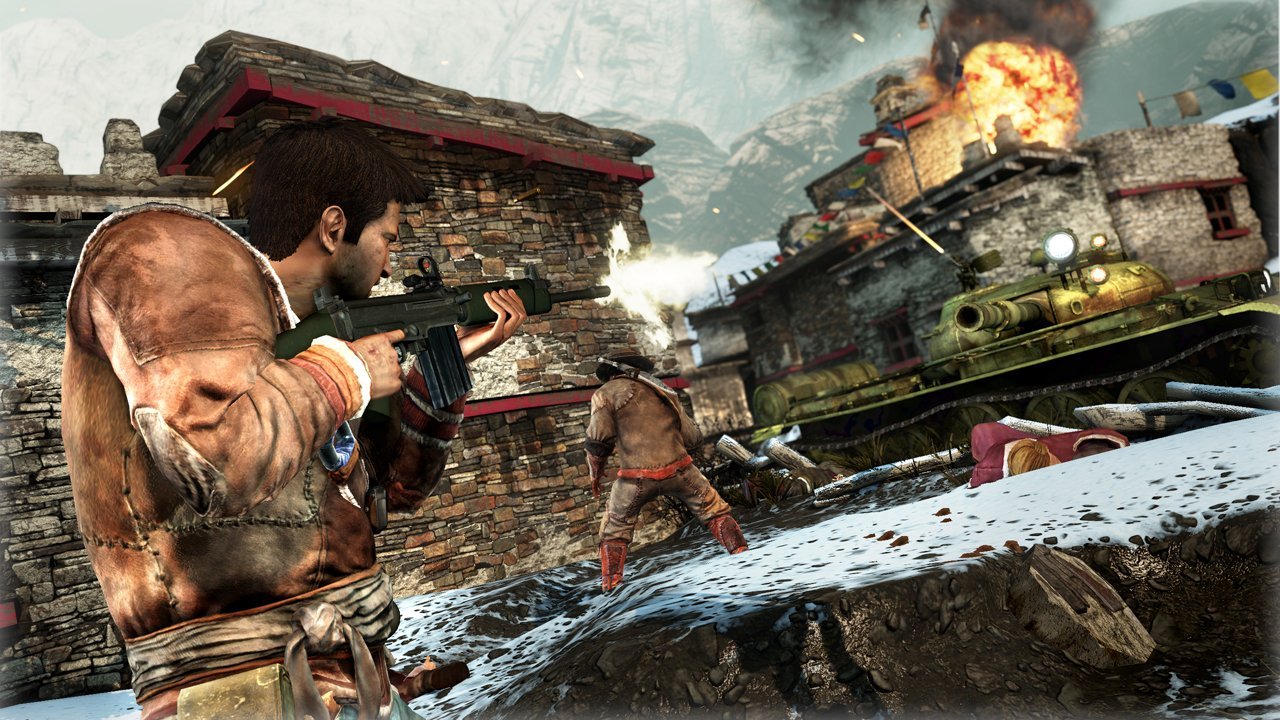
The gunplay is also a step up from the last game, along with a more balanced and better-scaled difficulty. Before, the game was a pain from the start, but now the game slowly gets harder. With a ton of weapons at your disposal and with each one packing a good punch, mowing down baddies has never been so fun. Along with the gun, play is on rail shooting sections that are pulse-increasing mayhem and a ton of fun, but Uncharted isn’t just about the action.
The adventure part is well implemented and just as exciting thanks to the clever level design and the puzzles are a little easier to figure out this time around. You really feel like you can do the impossible thanks to the game making you feel like a tiny person in a small world scaling mountains and giant temples, and this is also in part due to the camera angles. Naughty Dog learned what worked in the first game and built tenfold on top of it, and it does show really well.
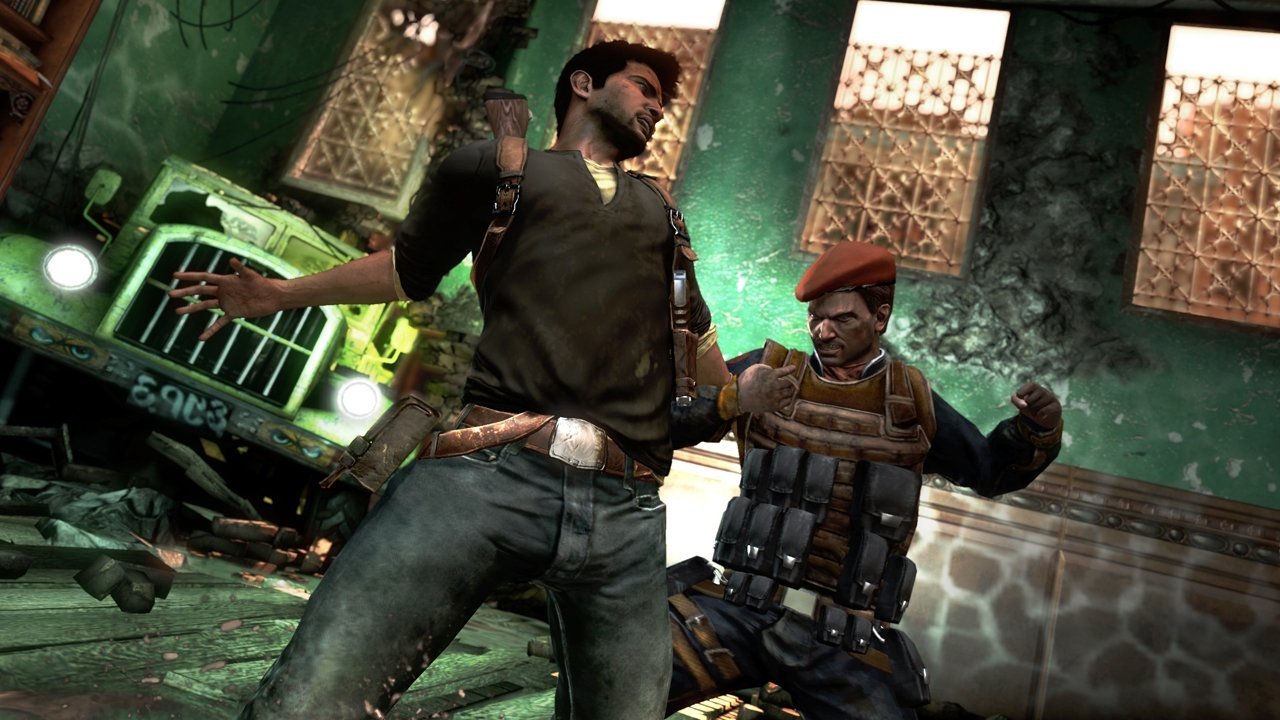
While the controls and animations feel smoother, the game still has its issues. Despite the difficulty being scaled better, the game gets overly difficult and unbalanced towards the end of the game. The engine just isn’t built for a ton of super-tough enemies at once. Dying over and over again just isn’t fun, and this really detracts from the excitement of the story. There are some minor control issues that carry over, such as Nate moving to cover when you direct him the wrong way if the camera is turned just the right way. He’ll get stuck on small ledges, and this could lead to frustrating, cheap deaths, but other than that, the game is fine. The game seems to balance gunplay and adventuring a little better now as well, which makes the pacing spot on.
You can still collect treasures and unlock new bonuses, and the multiplayer is pretty fun, but it’s no Modern Warfare in terms of depth and strategy. If you love cinematics and stories at their finest, picking up Uncharted 2, with its beautiful visuals, will keep you pleased.
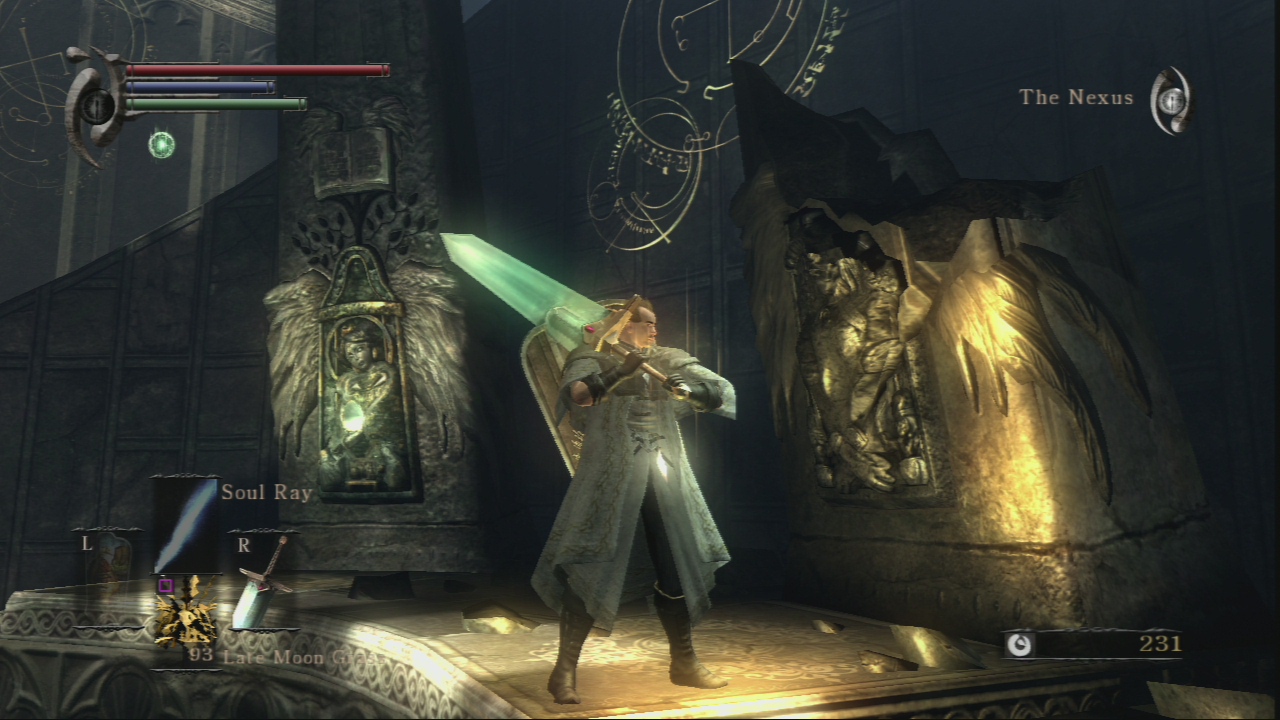
Brutal. That is the first word that will come out of your mouth when playing this game. This is for the hardcore only, and I strictly warn you before plunking down $40 for this game and regretting the purchase like I did. This isn’t your straight-up hack-and-slash game. Oh no, not by any means. This game is all about level grinding and repetition. You will be punished for even trying to take that last-minute hit. What’s the punishment? Going back to the last save. Ha, if only that were true here. You have to restart the entire level every time you die, and you lose all your souls (XP). Yeah, I screamed as well when I found this out.
The game is also hard to figure out. I had to do some research online to figure out how to play Demon’s Souls because most RPGs aren’t like this. Instead of a story that you follow through and advance through a game, you get stuck in a central hub and have five connecting levels. You have to repeat these levels dozens of times to level up. You can go to any level whenever you want, and each level has four sections with a boss at the end of each section. Just getting through stages 1–1 was a pain in the ass. I died about 20 times before beating that section.
Another thing you will never know how to do is level up. It doesn’t just happen like in most RPGs. You have to get all your souls back to the Nexus (hub) without dying and talk to the Maiden in Black to level up. There are 999 levels, and each time you upgrade an attribute, it bumps you up one level. So if you upgrade strength, vitality, and dexterity, that bumps you up to three levels. So once you figure this out, you have to start soul grinding until you get to a high enough level that you won’t die with every swing.
Don’t panic when you die, though. If you manage to get back to the spot where you died without dying again, you can reclaim all your lost souls, and they will be added to what you currently have. Die before you reach there, and the count is reset. This makes the game so frustrating, and I even almost got an aneurysm from the frustration. A lot of enemies are tough, and the fighting mechanics aren’t all that smooth, so you have to learn them and execute them well. It’s all about skill.
The fighting mechanics are pretty decent. You have a light and heavy attack as well as a block and parry button. All these are mapped to the shoulder buttons. You can switch weapons out with the left and right D-pads (assign them in your menu). Another flaw the game has that doesn’t make any sense is that you can’t sell items but only drop them. You think selling these would make getting souls easier, but From Software just had to make things that much more difficult. On top of this, you have a burden count (think Oblivion), and getting new armor and weapons isn’t easy. You can upgrade weapons and armor by finding stones. These can only be upgraded at the Nexus (as far as I know).
Another flaw this game has is that there’s no pause button. Yeah, what? I couldn’t believe you can’t pause the game; it’s that hardcore. You just have to stand in a safe spot. This game goes out of its way to make you hate it to death. Yet there’s something that makes you keep playing. You just want to keep leveling up, getting the next boss, and fighting your way through the game. This is probably because you get so angry that you just won’t let the game win. This also means you need hours of your day to play this game since this is by no means a pickup-and-play game.
I was so angry about the game that I didn’t even mention the story. The story goes along the lines of a deep fog that has taken over the land of Boletaria, and you must defeat the demons holding it there. It’s not really much to ponder, but it’s enough to keep you going. The voice acting is iffy, and you will spend so much time leveling up that you will probably forget all about the story.
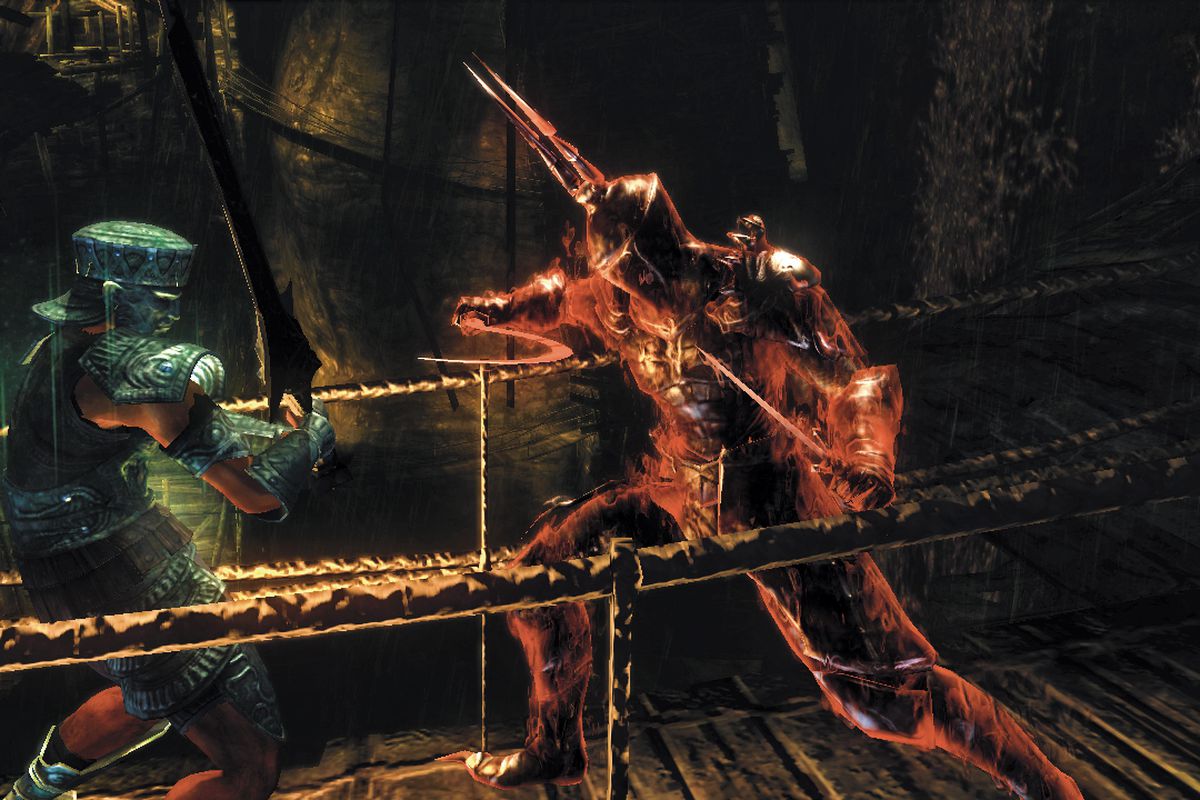
The game does do something unique, and this is its online mode. Instead of having a co-op or anything like that, other people can help everyone else through hidden messages or bloodstains. If you come across a message, you can read it, and it will give you hints to help you through the level. These are pre-made messages that people can enter to help others out. Most of the time, these are helpful, but a lot are tricks. Bloodstains are a player that most recently died in that spot, and you can watch their “ghost” to avoid getting killed yourself. Sometimes you will see white ghosts floating around in real-time, and there are other players that you can watch to give you a hint. This is very unique and innovative, but the frustration of the game makes you quickly forget about it all.
The game looks pretty decent. The graphics are a bit bland in some areas, but they’re technically sound. There are some glitches, like collision detection issues and wonky physics. Overall, Demon’s Souls is for the hardcore only. If you want a hack and slash that’s simple and fun, don’t get this game; stay far away. So why did I give this such a high score if I hate it so much? Because the game is good itself, and I just don’t have the patience for this type of game. I’m not going to punish the game for my inability to play it, so the people who can play it will enjoy it. It’ll take you a good 10-15 hours just to figure out all the stats and how the game is played, another 10-15 to get your bearings and level up enough to attempt the game, and about 50+ just to get through the game. Each boss feels like a triumph and is very rewarding, but this game only rewards the patient.
Well, here it is. After waiting 3 years, we finally get the ending to one of the best video game series ever created. The biggest question that people have is whether the game is enough to stand on its own out of the other next-generation games. The answer is yes, so let’s get down to it.
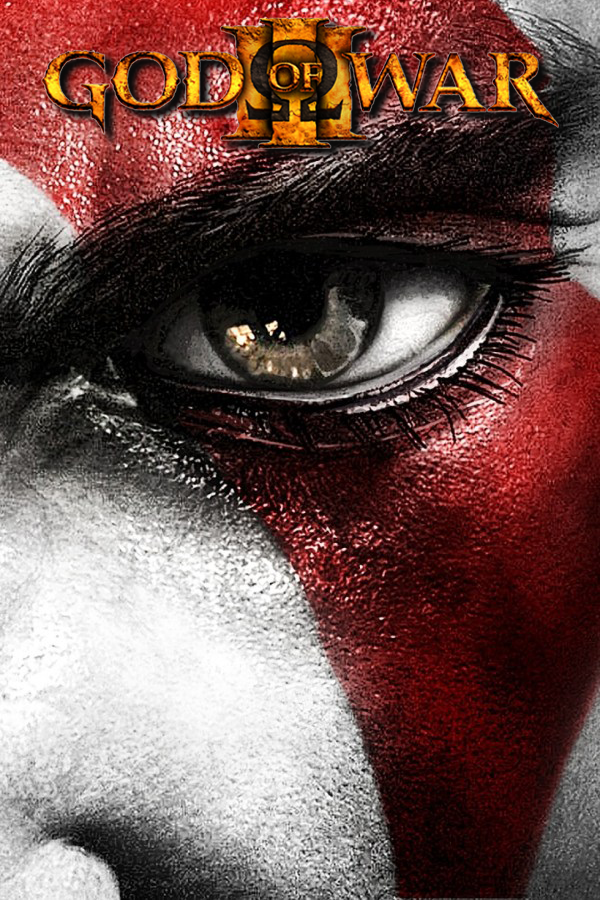
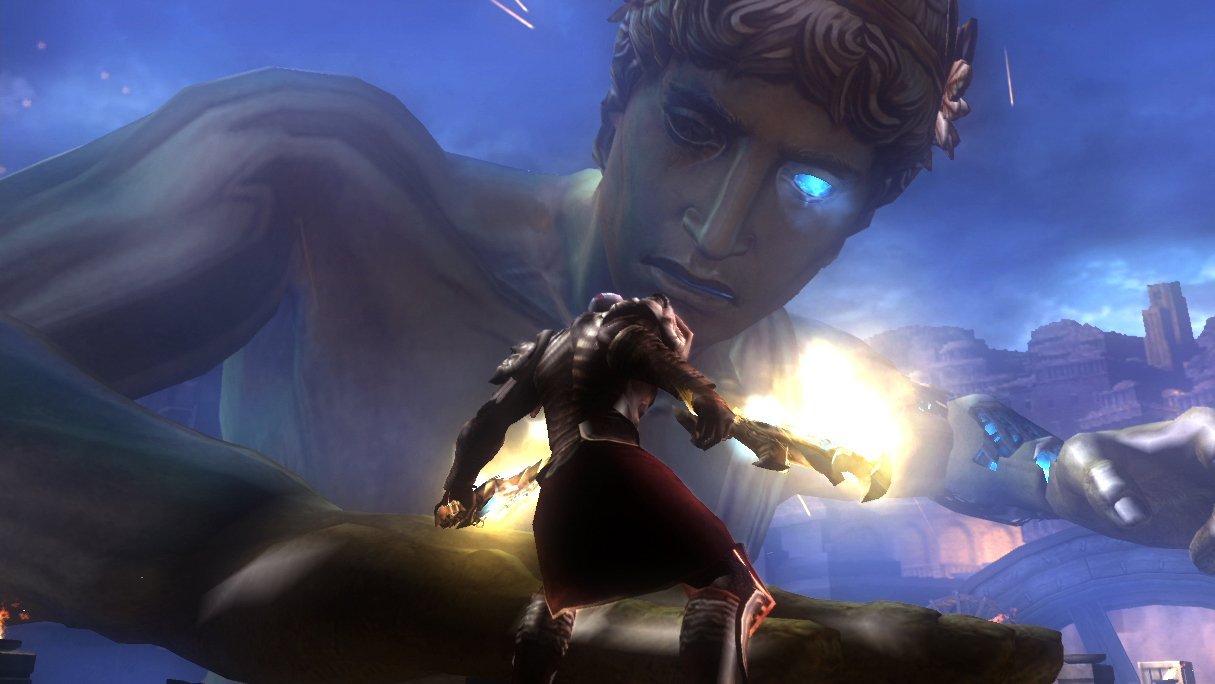
The game’s story picks up right after God of War II, with Kratos riding on the back of Gaia and climbing Mount Olympus. The game starts out on the back of Gaia, with Kratos fighting hordes of monsters (and learning the controls). The game starts out more epic than ever with an epic boss fight with Poseidon. Giant water serpents come up and try to kill Gaia, so not only do you have to kill Poseidon, but you have to protect Gaia as well. The boss fights are bigger and more epic than ever with Titans that are miles high (fighting Cronos is the most epic of all), and you really feel like you’re taking these beasts down with satisfying results.
I have to first talk about how the game looks. Yes, God of War III is probably the best-looking game made to date, and it really shows in every aspect. The sweeping camera angles, the high-resolution textures, and the models. The gorgeous lighting effects and everything just feel updated and like it should on the PS3. You can see the pores and details in every character, the animation is more fluid, and the combat even feels better and more fluid, especially if you just played the God of War Collection. I can’t really describe just how beautiful this game is. You can see and feel the passion and detail every artist put into the game, from the creatures, levels, and even small things like blood, scrapes, and nicks on metal—just everything.
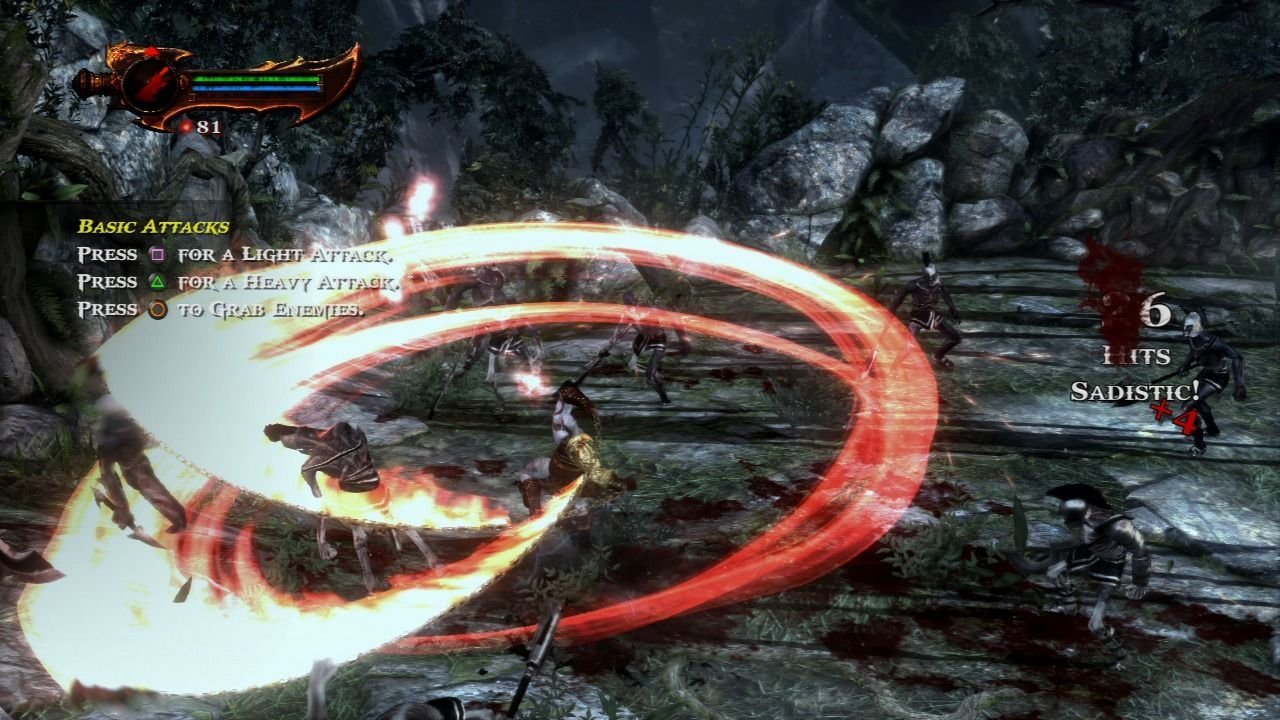
Combat is what has the biggest upgrades. No longer are you confined to having all your magic items come from your magic meter. There are a ton more weapons (four in total) to get, and each weapon has its own magic attack instead of being collected separately. The Blades of Exile (yes, the name has changed again) have the Spartan Army attack; the Nemean Cestus have a pounding attack; Hades Hooks that let you summon different creatures; and a whip-type weapon that sends electric shocks. All the weapons are similar to the Blades of Exile, and the Blade of Olympus is now used during Rage of Sparta mode (yes, it’s changed and everything turns black). There is now an item meter that is used for your bow, Helios head, and Hermes shoes. All these items sound crazy, but let me explain.
The bow lets you set certain things on fire and is mainly used during the beginning of the game, but not so much later on. The Helios head is used to reveal secrets and blind enemies, and the Hermes shoes are used during wall running sections. The grappling hook still exists, but all of these changes let you use all your items and weapons all the time and don’t rely so much on just magic. Some other changes to combat were made, so everything feels more fluid and you never have to stop fighting no matter where you are. You can evade in the air; there is now a grapple attack that pulls you towards your enemy in the air or on the ground. The combat system is just super fun to use now, and all the additions perfect the combat system and make a fitting end to the trilogy.
The QTEs are still intact, but with a bit of a change. They appear on the edge of the screen according to the controller layout, so you can now watch what’s going on. Using your peripheral vision to see these really helps keep you drawn in, so you don’t have to concentrate so much on the buttons. It is a little confusing at first, but after a while, you will get used to it. The QTEs are also better placed, especially during boss fights. You really feel like you’re making the big kill this time around with a new camera angle that lets you see in a POV of the enemy you pummeling or in Kratos’ view. This adds to the cinematic excitement and brutality of that game.
Another thing I need to talk about is just how much more brutal and explicit the game is. The gore is more detailed, with guts hanging out, cuts being visible where you slashed an enemy, skin stretching when heads are pulled, tendons popping, veins breaking, etc. All this is visible thanks to the power of the PS3, and it really makes you wince in sympathy. The game even has a more explicit sex minigame that is about halfway through with Aphrodite. Instead of just panning over to a table with a vase, you see two topless women talking about what Kratos is doing to Aphrodite, and it is both hot to watch and funny.
The puzzles in the game are what you would expect from a God of War game: clever, fun, and unique. Just like all God of War games, some puzzles are an entire level with little puzzles within that, and Daedalus’s labyrinth is one example. They aren’t as confusing as the last two games and are easier to figure out, but they are just as clever, and some puzzles are now part of the environment, so timing and speed are of the essence.
While there are a lot of game changes, like the combat, additional weapons, and even Icarus’ Ascension (which is a flying section where you dodge falling debris), the game stays true to the series. Everything is just bigger, badder, and meaner, but it does have a few slight flaws. The ending story is cut a bit short, there aren’t enough epic boss fights, and the difficulty is highly unbalanced. These are really all I could find, but they aren’t necessarily flaws. If the game were a bit longer and those three issues didn’t exist, it would get a 10. The game is perfect except for that little tic-tac-sized piece that you feel is missing and can never pin. The game has high replay value to unlock trophies, challenges, and costumes, and there are a ton of making-of videos for die-hard fans to watch.
I just can’t describe the improvements in this game unless you play it yourself. It is probably the best PS3 game out there so far, and it is so enjoyable and chock full of excellence that it’s almost too much to contain. The amazing scale, beauty, and vast improvements make the game worth a purchase tenfold. I just wish this weren’t the end of Kratos’ adventures, or is it?
ULTIMATE EDITION: If you pre-ordered a copy or can still find one floating around and want to shell out an extra $40, you can get the Ultimate Edition. It includes a very detailed Pandora’s Box, a code to get the God of War Trilogy OST, the Blood and Metal soundtrack, an hour-long making-of video, and a full-color art book. The package is a bit disappointing since the box is made of hard plastic and not die-cast metal. The soundtracks were a pain to get during launch day since the site was bogged down and wouldn’t load half the time. The Blood & Metal OST is pretty disappointing since it’s nothing special. It has a couple of big names like Trivium and Killswitch Engage, but only three of the songs on the album were any good. I also wish the soundtracks came in physical CD format, but digital is fine. The making of the video is filmed like a History Channel documentary and can be a snooze fest for hardcore fans who already know all about the game. The Trilogy OST is fantastic and is probably the best part of the whole package, along with the detailed art book. Is it worth $40? Sure, if you’re a hardcore fan; otherwise, pass.
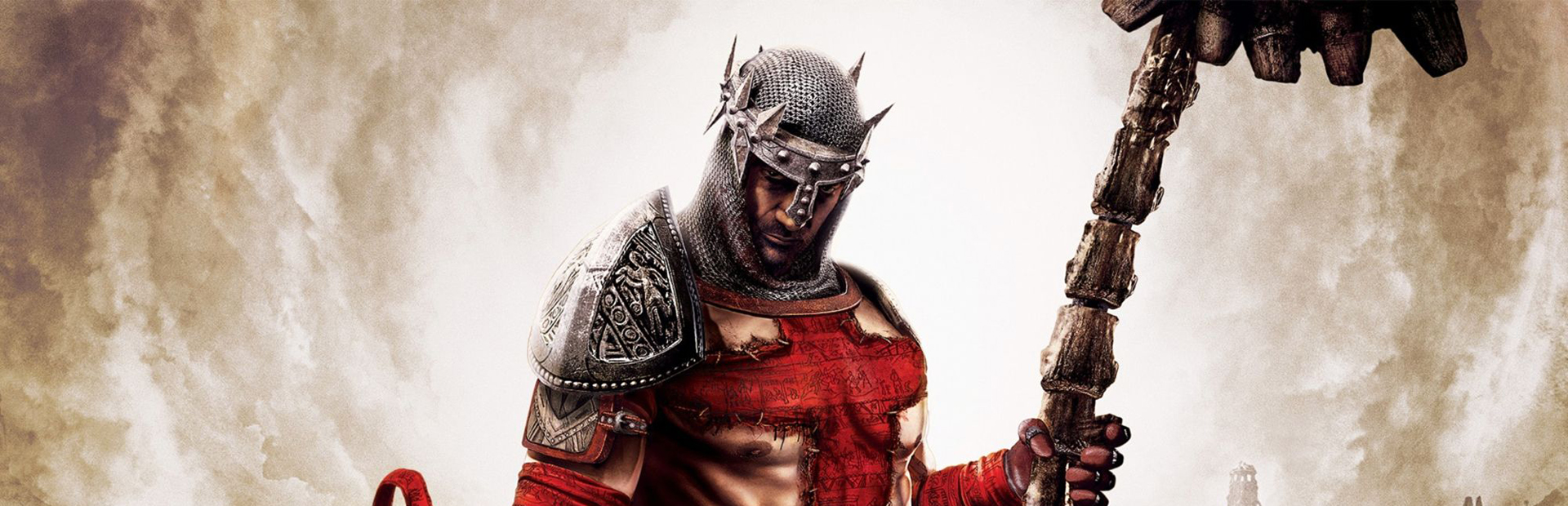
The first thing you will notice when you play Dante’s Inferno is that it’s a bold game. The game is one of the darkest, nastiest, and most mature games ever created, and it makes Christianity look like a damned fool. The game is about a man named Dante, who is a crusader and betrays his love, Beatrice. Upon his return to Florence, he sees her dead and watches as Lucifer takes her into hell, and Dante follows. The story is pretty good and keeps you interested, but it’s predictable. The game goes extremely deep into Christian and Greek mythology and pulls out names only hardcore followers would know, but enough of the story, let’s get to the gameplay.
The game has a pretty damn solid combat system. You use your scythe as your main weapon, and you have a cross-projectile attack. You can do aerial combat, launch enemies into the air, and use your magic. You can unlock moves by following the holy or unholy paths (which don’t actually affect the story), and each tree has a different set of moves. You can have four different magic items equipped, and all are useful and powerful. You can also find relics throughout the game that benefit Dante in certain ways. For example, one relic allows Dante to have more powerful throw attacks, one lets him instantly break fountains, one lets him take less damage, etc. These are found by talking to Virgil or in secret areas. Anyway, the combat system is fluid, fast, powerful, and very deadly. If you feel you are getting whomped, you can use your redemption meter, which is kind of like Rage of the Titans in God of War.
When it comes to exploration, Inferno both satisfies and disappoints. The game has you descending into the nine circles of hell, and each is harder, more deadly, and more brutal. Some levels are pretty epic, like The City of Dis and Limbo, and some disappoint, like Lust (just an ascending tower) and Gluttony (just fight Cerberus and a few baddies, and you’re down to the next level). The levels are varied in length, and I wish they would have been fleshed out more. Puzzle-solving is pretty rare, and when you do get some puzzles, they are pretty easy to solve.
One thing I have to get straight is that the game is pretty epic. Not a God of War epic, but enough to keep it very cinematic. There are QTEs in the game, such as when you take down a minotaur to ride it, take down bosses, etc. You can punish or absolve most enemies to get fed your tree paths. There are famous historical figures that you find throughout the game that you can punish or absolve upon reading what they ended up in hell for.
The game’s visual style is very impressive. It’s what you think hell would look like—dark, disgusting, and evil. The gluttony level is a good example since you are walking through the intestines, bile, puke, and so forth. The Lust level has female enemies’ wombs coming out of them to attack you. A giant Cleopatra with tongues coming out of her nipples and evil babies—yes, it’s bizarre, but it works, and it’s amazing to look at. The game is also extremely difficult, even in an easy setting. Wave after wave of enemies come at you from all directions, bosses are extremely hard to beat, and the game can be very frustrating often. However, the game’s major flaws are mainly the length, difficulty, and the fact that the levels weren’t developed to their fullest potential.
DIVINE EDITION: Exclusively to the PS3 is the Divine Edition, which includes a different cover, a fully digital version of Dante’s Inferno, and a free code for the Trials of St. Lucia (which is still not out yet). All of this for the same $60 price tag. The only disappointment was that there was no special book that came with the game that included Inferno. Reading the poem in a small window that is over 30 chapters long is not fun at all.
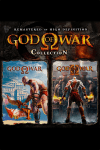
What happens when you put two of the best action-adventure games created on one disc? Ultimate satisfaction. Both God of Wars have been updated in widescreen format with slightly polished visuals for HD display and running at a lightning-fast 60 FPS. If you bought the game new, you will have received a code to download the God of War III demo, but as of now, this code is useless since the demo is now on PSN and the game is due out in just over a week. Other than that, nothing else has changed for the PS3 except trophies, which were the main drive for me to purchase these games all over again. So here is a separate review for each game.
God of War
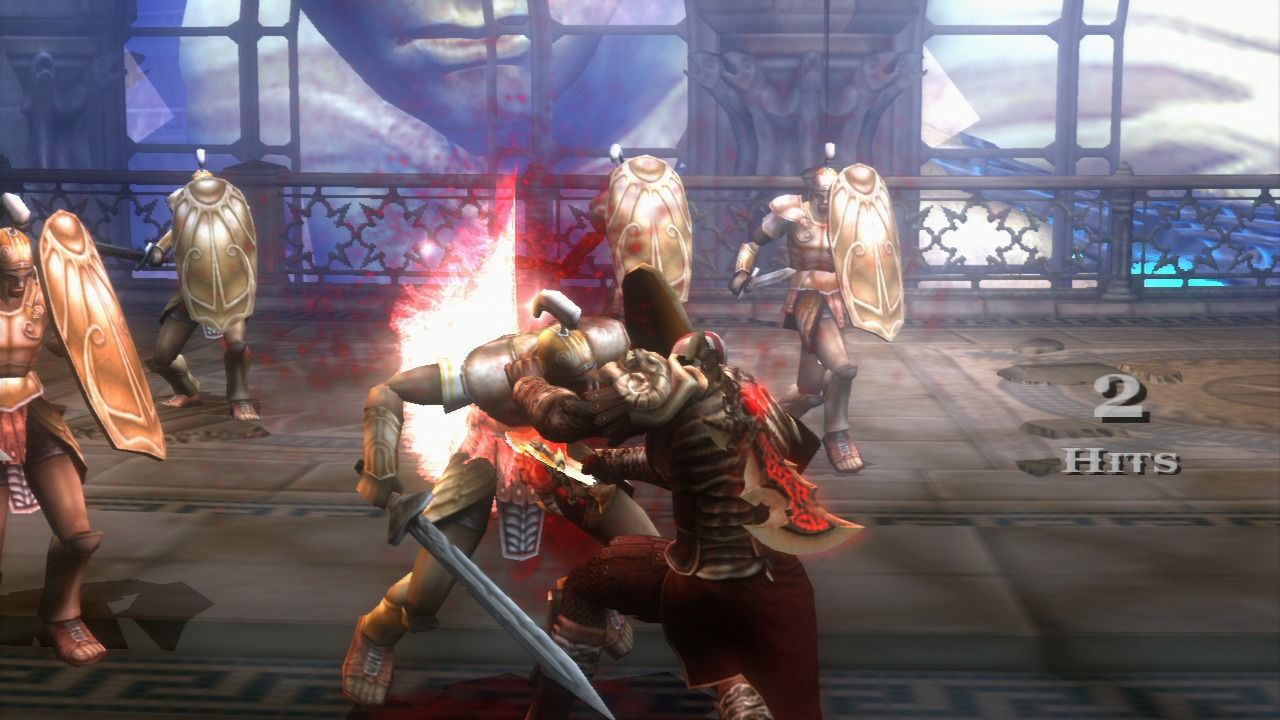
Being released in 2004, it does feel a bit old. There are more flaws in this game than in the first, but let’s start with the good things. Apart from revolutionizing games and the action-adventure genre single-handedly, the game is amazing and epic. The game is full of huge towering bosses, waves, and waves of enemies, a deep, dark story full of Greek mythology, a fluid, almost perfect combat system, and boobs. Yes, that’s right, boobs. At the time of release, I had never seen a game with so much nudity before, but it shouldn’t really shock gamers as much these days. The game also has some very intricate puzzles that end up being whole levels that you have to solve, such as Pandora’s Temple. The combat system is pretty fast and fluid on its own.
With Kratos whipping his Blades of Chaos around, you feel like you have complete control over him. Another combat element that revolutionized games was quick-time events. After weakening an enemy enough, you press the corresponding button (usually a circle) over them, and a series of buttons flash on-screen. If you don’t press it on time, the enemy knocks you down, and you have to start over. Of course, you can just kill them normally if this gets dull for you. The best QTEs, however, are during boss fights. It just feels awesome to plow a mast through a 200-foot-tall Hydra. Now you do need to realize that there is magic here as well. You get four different powers throughout the game, such as Medusa’s Gaze (freeze enemies), Poseidon’s Rage (shock), and Hade’s Army (souls that continuously attack enemies). These, plus your weapons, can be upgraded by collecting red experience orbs. As you upgrade all your items, you get new moves and increased power. If you’re asking about your health and magic, you can collect Phoenix feathers and Gorgon eyes for magic and health, respectively. These are all found in hidden chests throughout the game, so keep an eye out.
The camera is fixed, so it frees up the right analog stick for dodging moves. The camera does a perfect job of following the action without any problems. Sometimes you can scale up walls and even fight there or on ropes. Combat is pretty much anywhere Kratos goes, and this keeps things mixed up. The level’s traps and puzzles are very well designed and require you to really think or be on your toes.
The story is very deep and memorable. We see Kratos as a fallen Spartan leader who gives his life to Ares if he slays the barbarian leader who is about to behead him. Ares makes Kratos his servant for eternity, but Kratos becomes a raging killer who kills the wrong people. He becomes set on a path to free the nightmares from his mind and kill Ares in the process.
If I were to nitpick about what’s bad about the game, it’s that the game looks kind of dated from today. The textures are a bit low-res and blurry, and there are some collision detection problems when jumping around. The game is also extremely difficult to play, even in the normal setting, so God Mode becomes virtually impossible. The game has a decent length of about 8–10 hours, but other than that, the game is great for the first outing. If you finish up the game, you get to unlock hidden costumes, Challenge of the Gods, and some other hidden treasures.
God of War II
If you think the first game was epic, wait until now. With visuals that surpass the first game twofold and even more huge epic bosses, God of War II became the best game to ever grace the PS2. The story follows just after the events of God of War. Kratos is still sent on a warpath to avenge his nightmares and kill Zeus for killing and betraying him. He must find the Sisters of Fate, turn back time to the moment Zeus betrayed him, and kill him.
The combat system is slightly upgraded but pretty much the same. It feels a bit more fluid, and we even get some more moves. The controls are a bit more refined, and we get new powers. We get some new secondary weapons, such as a hammer and staff, that can be upgraded. The puzzles aren’t as hard as in the first game, but there are a lot more of them this time around. The game also seems to be a bit harder, with even tougher enemies. We get a new grapple hook for swinging around, so this adds a lot to the gameplay. The game also feels more fluid and has a lot more epic moments than the first game, but most of these come towards the end of the game.
While God of War II is pretty much like the first, all the new content makes it an epic and thrilling sequel. The only issues with the game are that it looks a bit dated, and the game can be very tough at times as well. The game is about the same length as the first, but the game obviously feels and plays five times better than the first game. There are plenty of extras, as well as a full-length version of the section on the disc for God of War II.
So if you think all this sounds good, you can now pick up the game brand new for $30. $15 apiece for two of the best games ever made is a great bargain to me. With a separate set of trophies for each game, HD resolution, and faster FPS, this is a huge package that is exploding with awesomeness. God of War Collection is probably one of the best deals to grace consoles since The Orange Box, so don’t hesitate; every PS3 owner has to have this collection or you aren’t a true gamer.
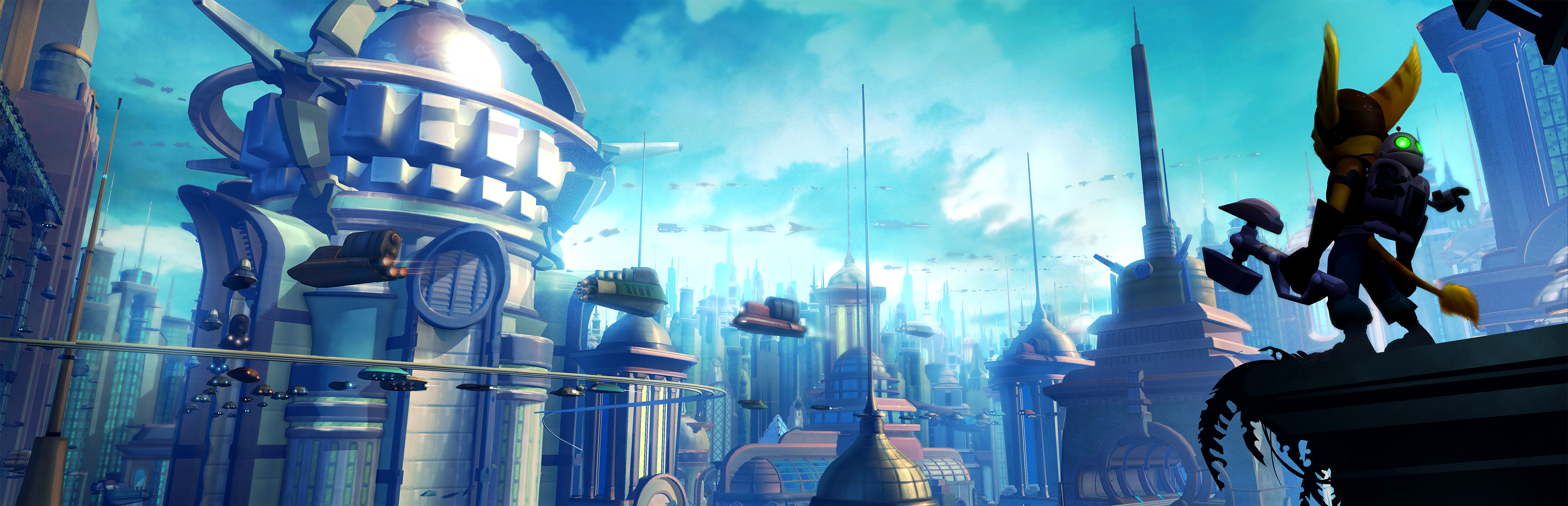
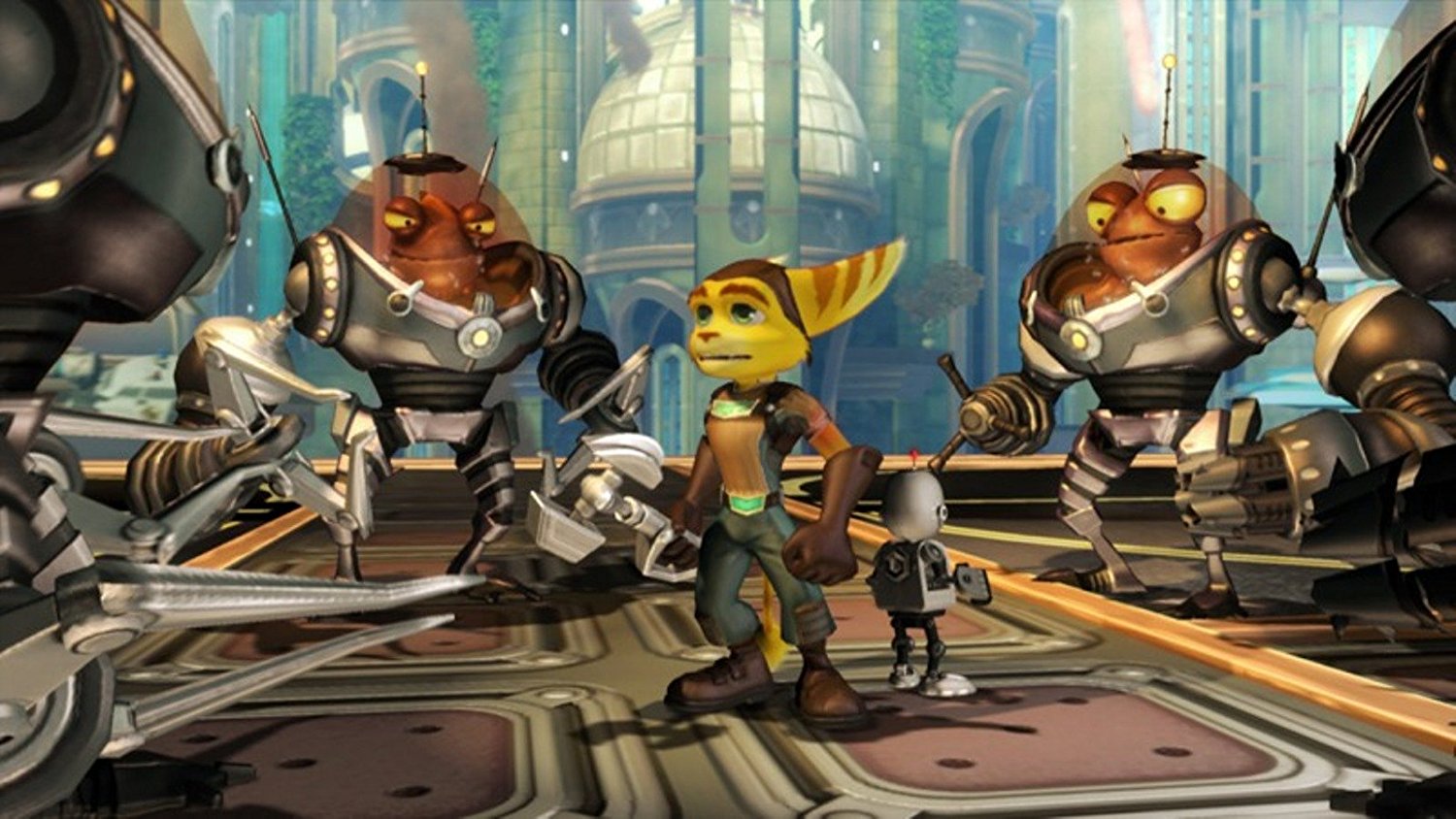
The dynamic duo that debuted on the PS2 nine years ago is now back in next-generation action with new weapons, updated graphics, and the same awesome stories and dialog you would expect from the series. The future sees the duo fighting an ancient race known as the Cragmites that Ratchet’s lombax ancestors supposedly destroyed. Ratchet learns more about his ancestor’s dark past and must stop the evil Emperor Tachyon before he annihilates the last of the lombax race: Ratchet.
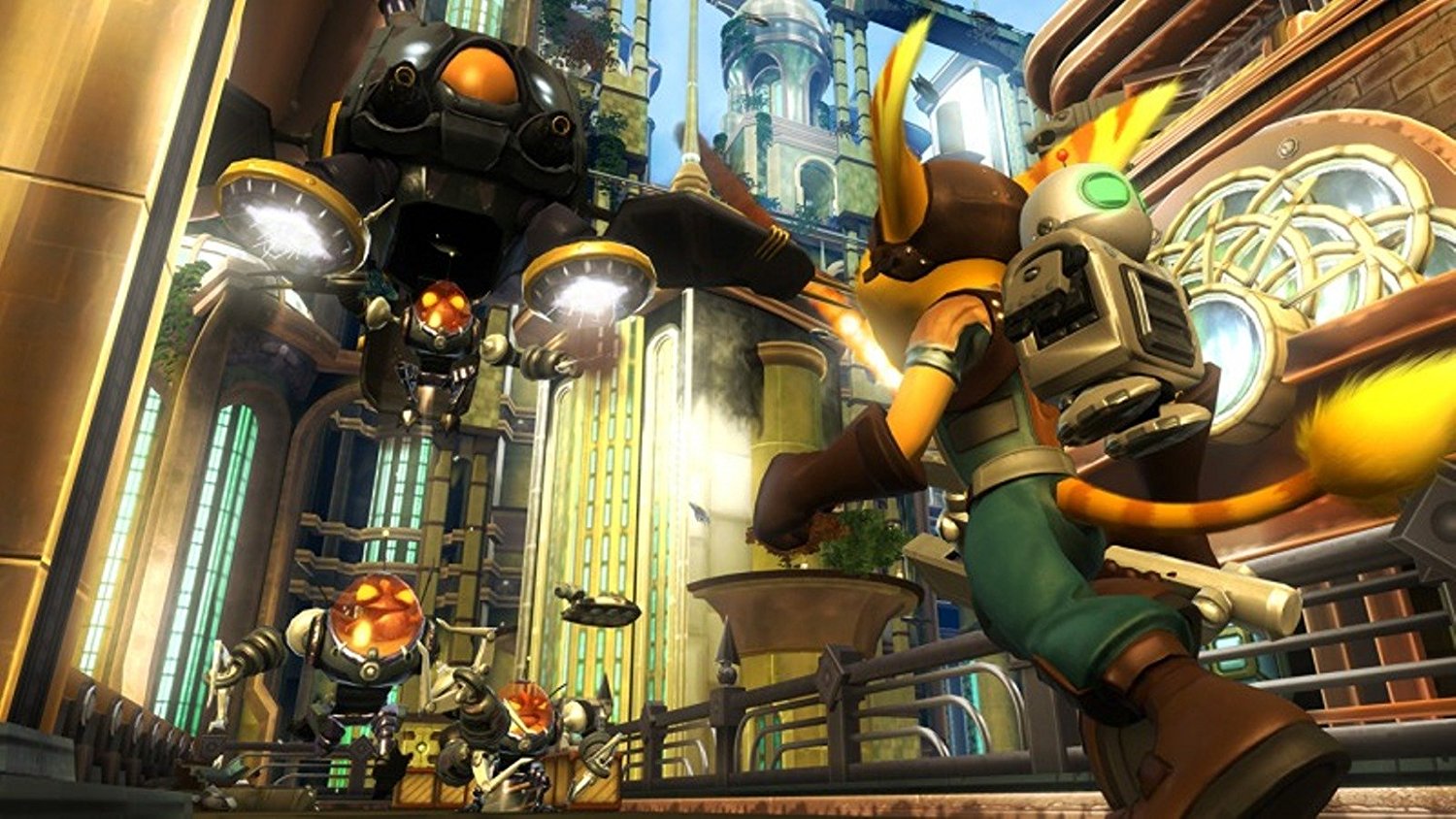
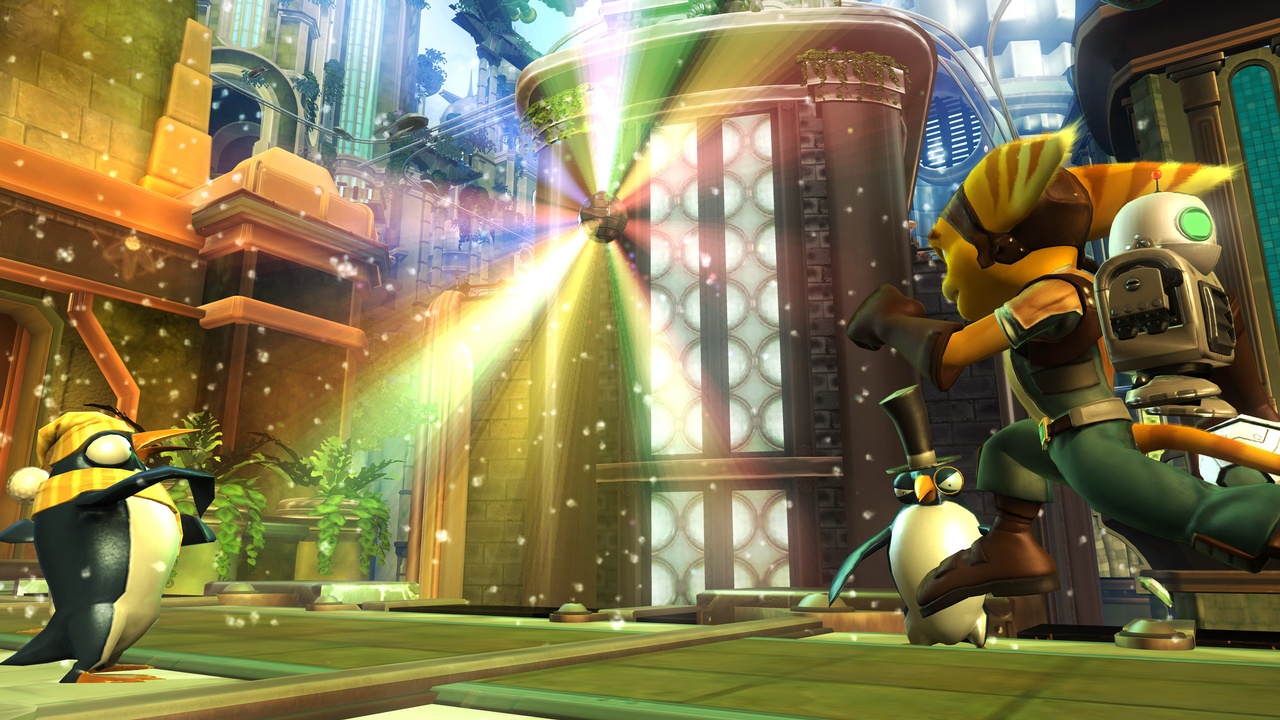
The game hasn’t changed in the past nine years, and this is both good and bad. The tried-and-true action platforming formula that revolutionized the platforming genre is still intact here, but with no upgrades. Ratchet can jump around, hover, glide, fly, roll, and shoot his way through hordes of enemies. The game is also a third-person shooter that allows strafing from side to side and a first-person mode. You have to go around the world finding certain gadgets and weapons to kill bigger, badder enemies and unlock areas. Gadgets range from the classic Slingshot and Gravity/Grind Boots to the new Geo-Laser (which uses the SixAxis to guide it), the Hover Wings (which also uses the SixAxis), and more. Weapons include the Combuster, Shard Repeater, Tornado Launcher (that uses SixAxis to guide the tornadoes), Death Springs, Predator Missile, and more. There are some defensive weapons, like the awesome Grovatron, which shoots out the disco ball and makes the enemies dance. The Morph gun turns enemies into penguins, while the Gelenator uses a green jello goop that lets you jump to higher areas at certain levels. All the weapons are original, creative, and really fun to use. Some enemies are weaker than other weapons, which makes weapons gained at the beginning useless towards the end, so there are balancing issues.
Weapons can be upgraded automatically after use, or you can do it yourself by collecting raritanium and upgrading at weapon stations. You can also buy new weapons, armor, and gadgets like Leech Bombs. Buying items in the game requires nuts and bolts that are collected from killing enemies or breaking open boxes. There are also some ammo boxes spread throughout the level, so keep an eye out for those. There are also life boxes that you can collect, but these tend to be rare thanks to the game’s high difficulty. Yeah, the game is really hard because not only are the bosses hard, but later on, in the game, a few hits will kill you even if your health is past the 200 range. I found this very frustrating, plus no matter how much you upgrade your weapons, you never feel like they’re powerful enough, which leads to ammo issues. This is a huge downfall in the game, and I hope the new game fixes this problem.
If you really love just killing enemies, you can go into the infamous gladiator stages and earn yourself some serious bolts by beating waves of enemies with certain instructions. These can range from only using your wrench, weapons switching automatically, to even boss fight tag teams. Some people are probably wondering about Clank. Well, he gets his own upgraded and improved levels using the mysterious Zoni as his helper instead of the little robot Clanks. You can levitate across gaps and order them to repair things, and the newest addition is slowing downtime. Clank’s sections haven’t been updated too much, but it’s enough to keep you from getting bored. You can also collect gold bolts and unlock skill points to buy some costumes in the extras menu, but they aren’t that great, so only hardcore fans should indulge.
Another side note that I have to mention is that the game uses the SixAxis really well, from diving from the sky to use the weapons to even shaking your booty in a pirate dancing mini-game—yeah, only in Ratchet & Clank. One of my favorite mini-games is the new “tilt-the-ball” type of hacking game, which has a spark running from circuits, and you have to tilt the controller to guide a metal ball to connect the gaps so the spark can reach its node. The game throws a lot of new stuff at you at a good rate, so this keeps you from getting bored. I just wish that the game wasn’t so hard so it could be more enjoyable. What makes the game even harder is that the checkpoints are far and few in between. You can finish half a level and then have to start over from the beginning.
If you think Future suffers from a lot of problems, it does. The huge difficulty problem, poor balancing, and not-so-next-gen graphics make you really consider this for purchase, but with a super funny story, loveable characters, and great weapons, it makes up for all those shortcomings. The Groovitron alone is worth the play-through.
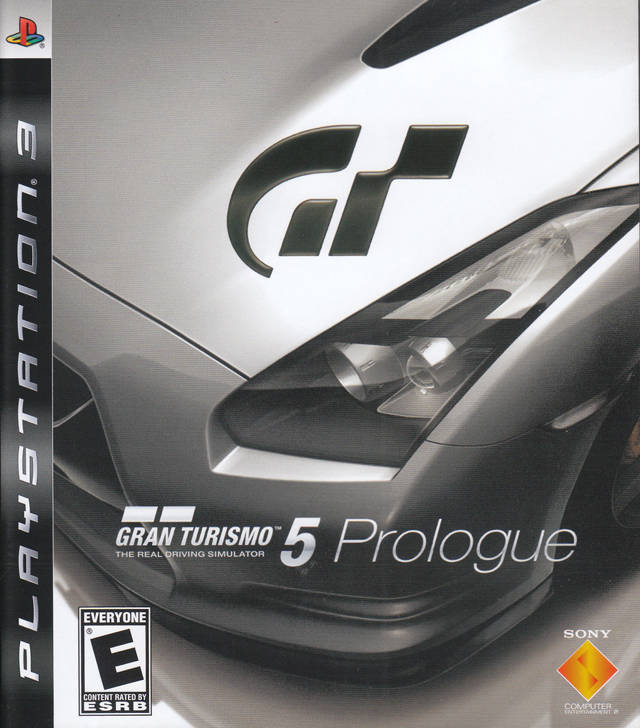
When you think of racing games, most older gamers will think of Gran Turismo: graphics that push the current generation to its limit, ultra-realistic physics, and cars that drive like their real-life counterparts to a T. Just when we thought racing couldn’t get any better than Gran Turismo 4 for the PS2 back in 2005, Gran Turismo 5 rolls along on the PS3.
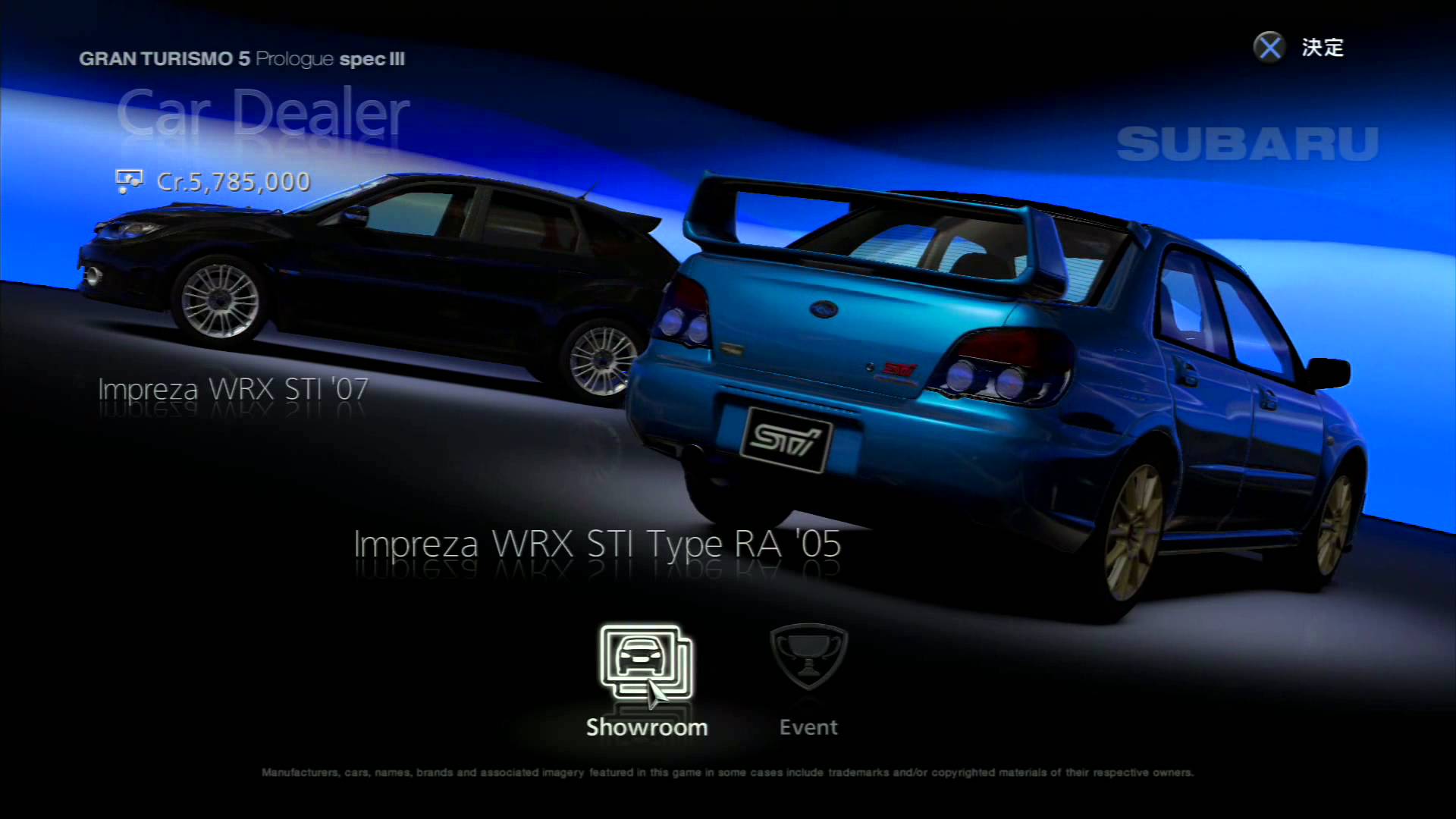
As the title suggests, this is just a preview, or an over-glorified demo, of the full game coming out this year. While the game was released almost 2 years ago, it still looks amazing today, and the realism is so close to real life you can taste it. Everything you know about Gran Turismo has had a facelift, and this includes the menu. Instead of all those icons on a map, you are treated to your car being displayed in different countries in the background, along with an event calendar and some new icons. The first thing you will notice is the fully-fledged online play with up to 12 players. The second is the GT TV, which lets you purchase episodes of car shows for die-hard car fanatics (I completely skipped this), but it’s there. You have your regular events and single races instead of the standard simulation and arcade modes. You can go to the dealerships, pick up your cars, and jump into the events.
Some problems do pop up right from the start when buying a car since there are frequent loading screens between screens and the car information isn’t displayed right. It scrolls across the bottom, and you can only view the car if you click on it and have it load. There is no full-detail spec sheet, mainly due to the fact that you can’t upgrade your cars. Yeah, guys, sorry. In the “demo” version of Gran Turismo 5, you just buy your cars and race as is. I have no idea if Polyphony is completely stripping away this idea since it is also missing in the PSP Gran Turismo as well.
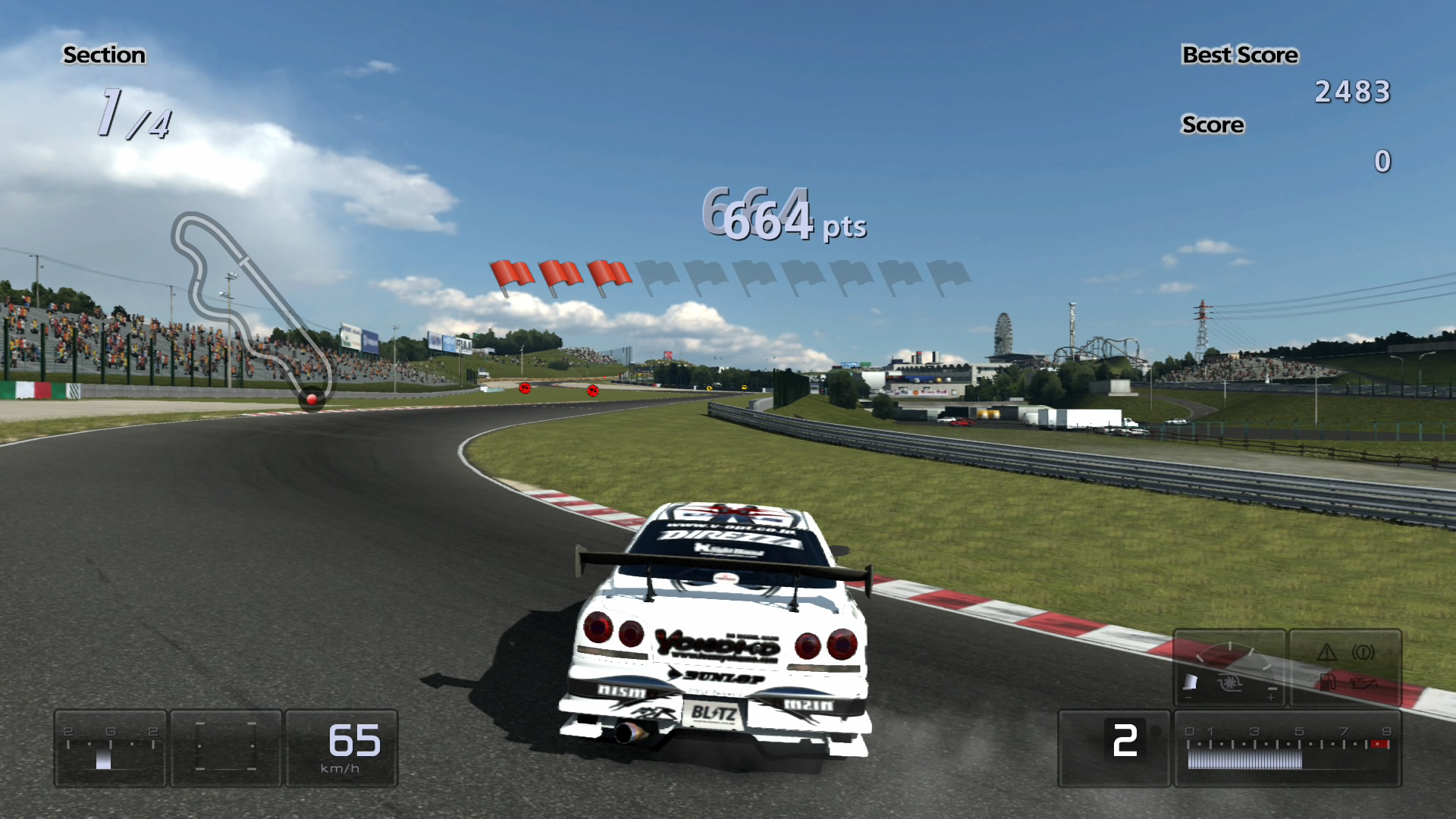
Once you buy your car (there are about 80 or so cars if you get the free Spec III update), you can go into your garage and sell cars from here as well as view them. Gone is the whole car wash thing, for now, but some sort of virtual tour of the car would have been nice, as would being able to use all the items in the car (cmon, you want ultra-realism, right?). Once you get into the event menu, you can see the requirements for entering, and these are limited to certain types of cars. Once you start racing, you should get third or better to earn credits to buy more cars, rinse, and ad infinitum. While this sounds dull, each car handles it surprisingly differently, and the AI is a really nice challenge. However, the usual time limits are set way too tight and are almost impossible to beat even when driving with the guideline and not crashing.
When you actually start driving, you’ll notice just how tight the controls are. You really like turning a wheel thanks to the great analog stick of the DualShock 3 and the great vibration feature. Every car also sounds the same, and the amazing in-dash cockpit view (for the first time in Gran Turismo) is beautiful, but I just wish you could turn the driver’s head around. There aren’t too many tracks to drive on, but there are a lot of familiar ones all the way back to the first game 12 years ago.
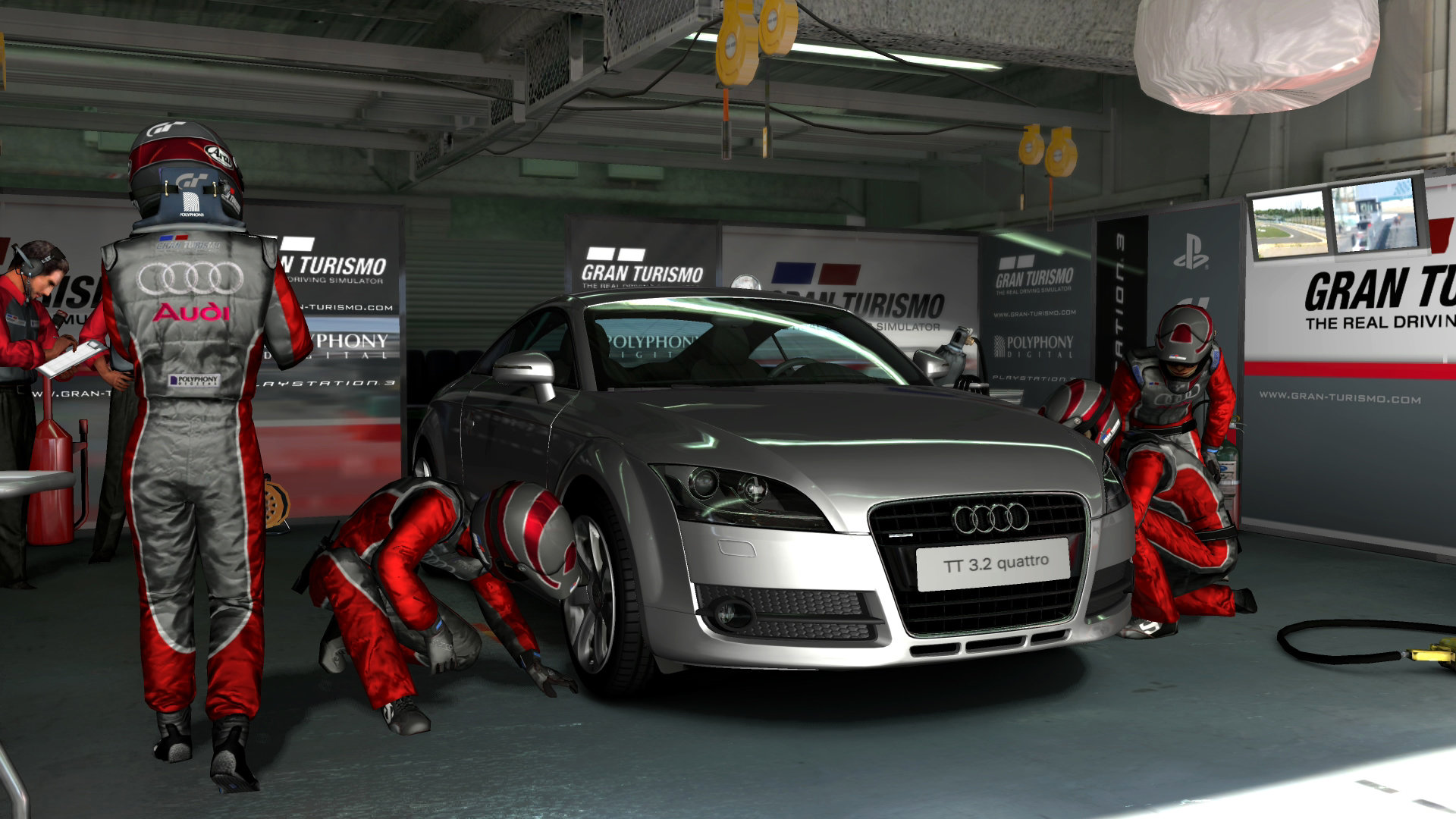
If you want to talk about aesthetics, the game looks stunningly real. You can’t really tell the car apart from something in real life, and the tracks all look amazing, but I know I can look better, and I hope the graphics engine I boosted a little for the final release.
While there are many flaws and things missing, such as the driving tests and upgrades, there are a lot of things not improved, like the super strict time limits, plus sometimes the game is just too real to be fun. Other than that, for about $25, you can really have a good racer that will last you a while, or if you are a die-hard Gran Turismo fan, this will tide you over until the final release.
















































 thebinarymessiah.com
Try multiplayer. A lot of fun !