Game of the year is the hardest of them all. What makes the game of the year? Everything must be almost perfect, well balanced, epic, have a great story, characters, mechanics, graphics, and everything that makes up a game must be amazing and better than the competition. I wish I could have picked more than one because there were so many amazing games this year.
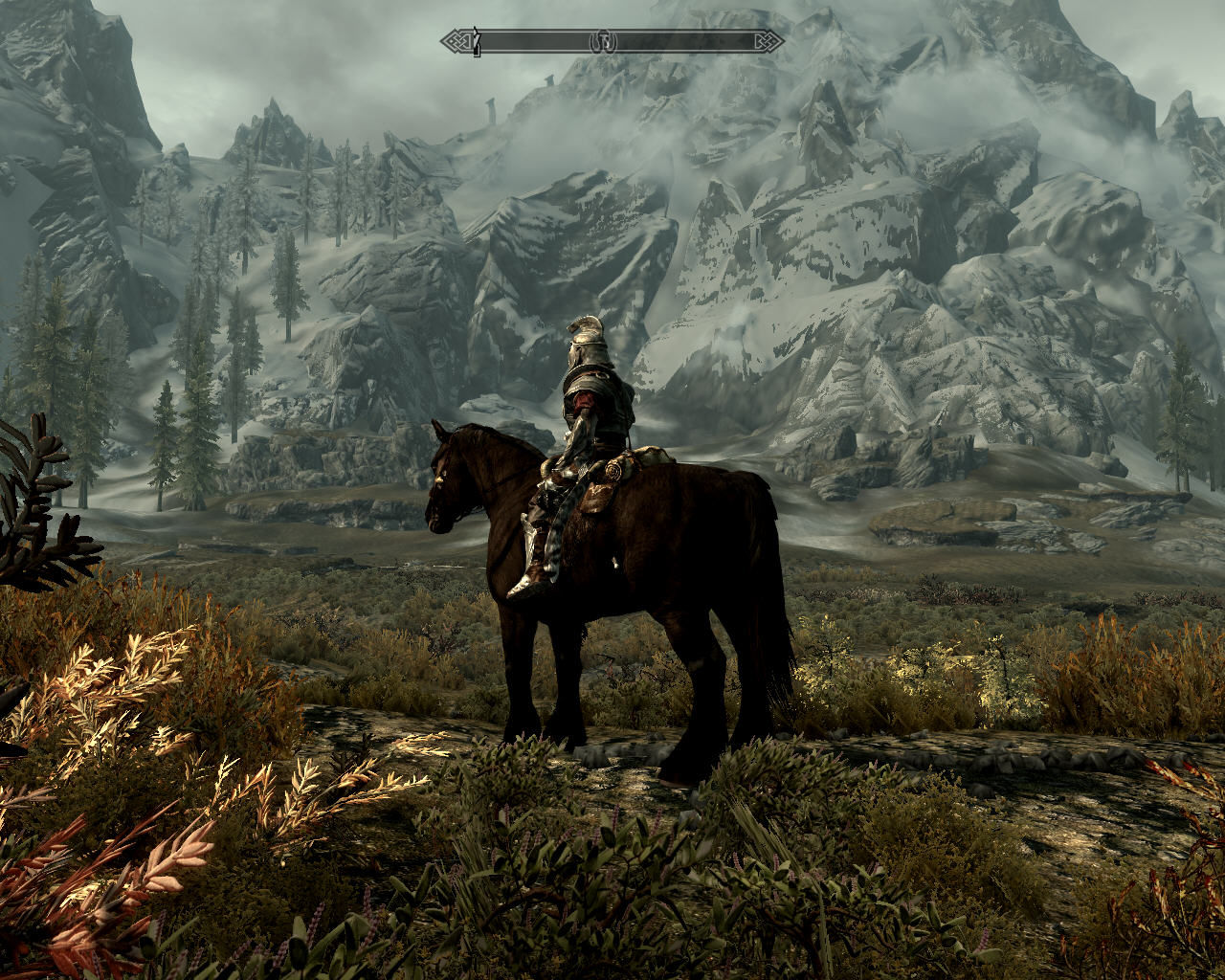
Skyrim actually wasn’t my first choice. It won because of how grand in scale the game was and the attention to detail that only a few games this year did. Over 100 hours of gameplay, unique characters, a grand story, beautiful graphics, lots of customization, and a gorgeous soundtrack made Skyrim come out on top of the entire pile. Skyrim is a special game in the sense that no other RPG or game can do it.
Role-playing games tend to be heavy hitters but focus on the story and characters more than anything. A unique combat system is something that usually sets them apart, but nowadays the world you explore is also the character. There were some outstanding RPGs this year, and I wish I could choose more than one top contender, but they all deserve merits. This year’s RPGs saw some great world explore to explore as well as excellent characters.
This was probably expected. The Elder Scrolls series is huge and the world of Skyrim is even bigger. With great visuals and tons of areas to explore, a great overarching story, fun combat, and lots of perks and ways to customize your character and level up it can’t be beaten. The music, voice acting, characters, and attention to ultra-fine detail is something that Skyrim offers that most RPGs can’t. This one will go down in history and will never be forgotten.
Puzzle games must have good puzzles, and that’s just to start. Usually, the puzzles have to be unique and have mechanics that differ from other games. This category didn’t see much action this year, but there were a few great ones. Every game this year created a unique way to solve puzzles, as well as deliver charming stories and characters along with them.
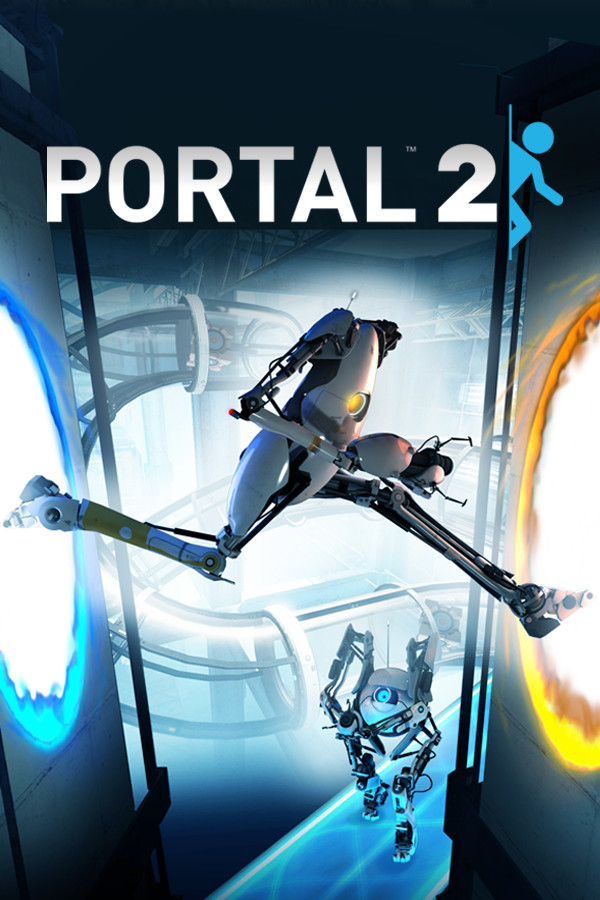
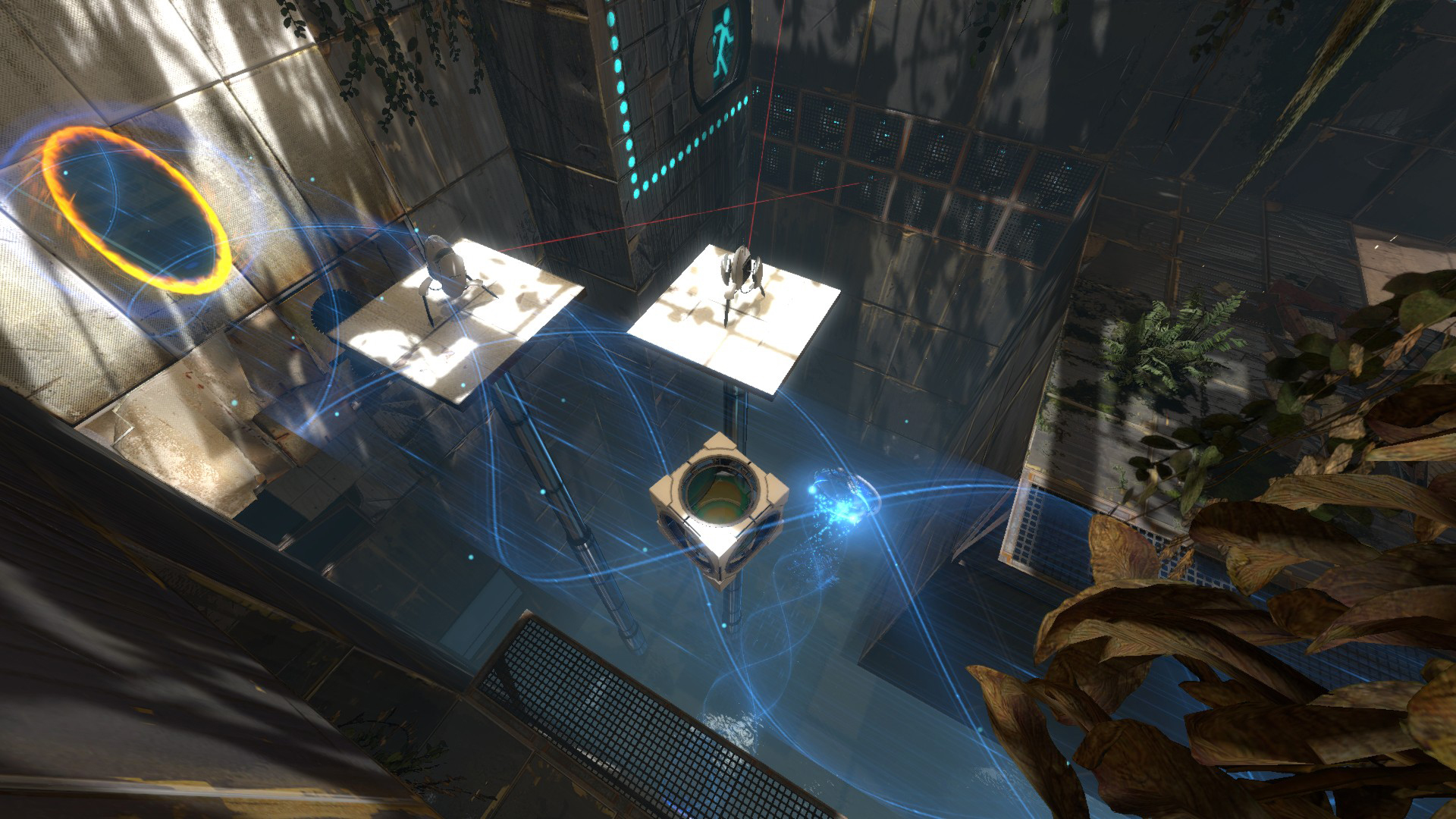
This really wasn’t a fair category this year. Portal 2 easily beats out anything else with its amazing characters, story, voice acting, and who can beat using portals? What makes it different from the last game is everything. Introducing new gels, a longer campaign, and varied environments make it a whole new animal. The game also featured super fun co-op multiplayer and just flowed perfectly with very creative puzzles.
A new character is very important to a game because it can make it or break it. There are also hundreds of memorable characters out there so making a new one and trying to make it on the list is hard. There were very few new characters created this year, but among the few, there was only one that was very strong.
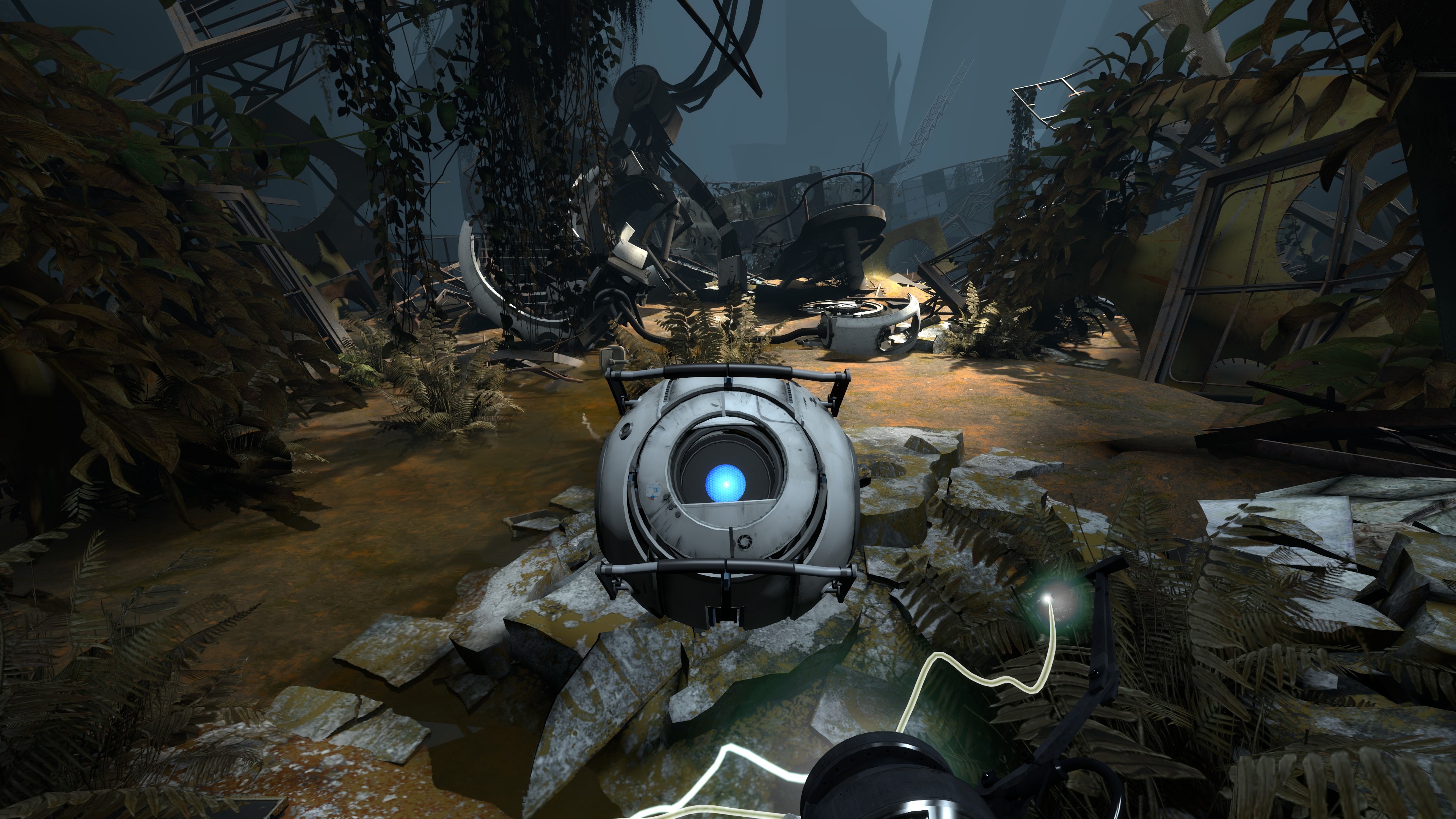
This was an easy pick this year. Wheatley is a very funny and strange character, but being just a blinking orb makes him all that harder to pull off. It’s his personality and voice acting that really make you remember him and put him among the best. His British humor mixed with the insane world of Portal 2 really makes you want to hear him talk and come back into the world. Wheatley’s character is perfectly balanced and you get doses of him throughout the game, and you just can’t help but love him.
Graphics are great when it comes to textures, resolutions, and lighting but what about the art itself? Some games are living breathing pieces of art and are one of a kind. Sometimes a game may be inferior technically but surpass in style and better art. This year was more geared toward technical showcases, but there were a few artsy games that popped up.
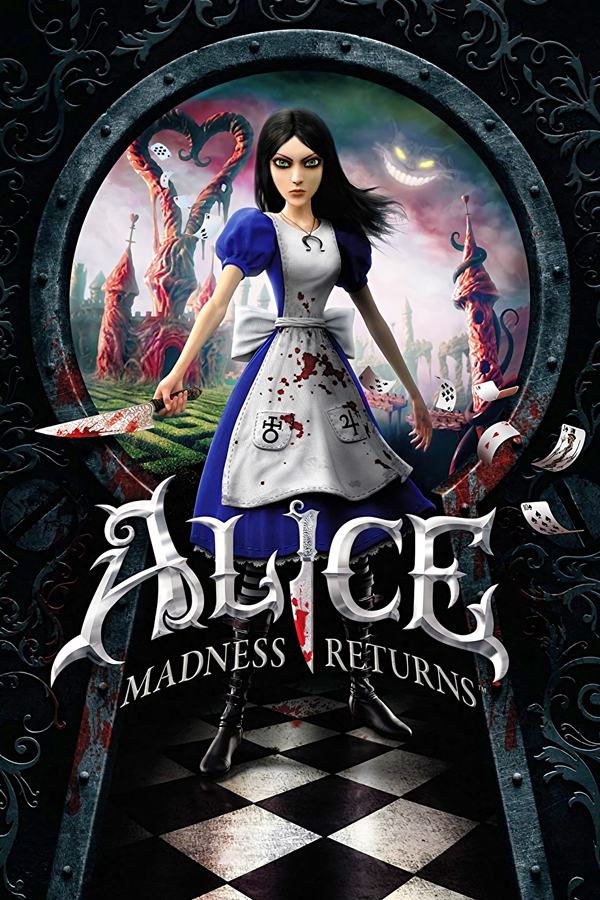
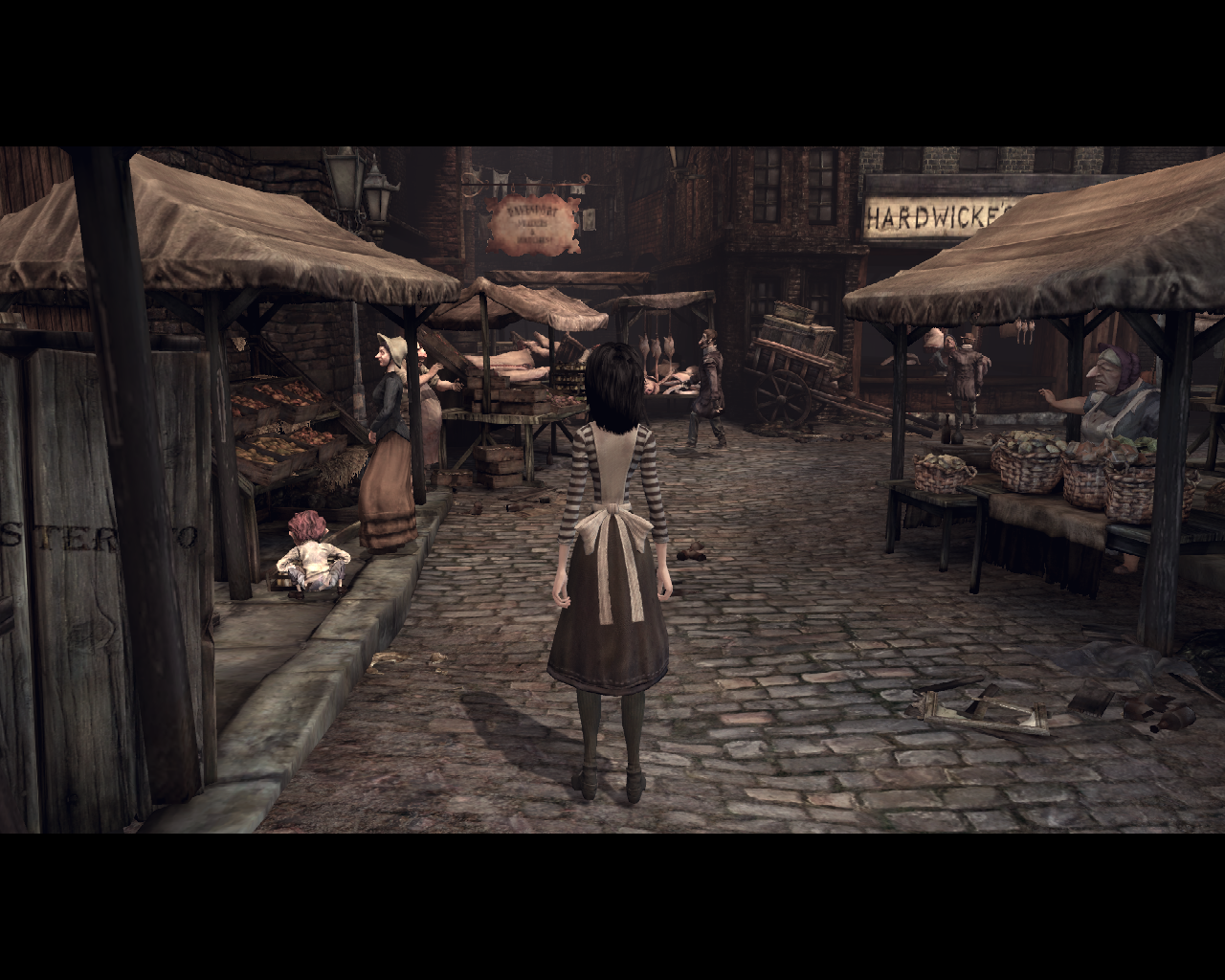
Alice won over everything else because it is just oozing with art and substance from American McGee’s crazy mind. It brings out the darkness in Alice in Wonderland and every single speck on the screen has something unique about it. It has been a long time since something like this has come out where you want to hang every screenshot on your wall. Alice truly deserves this award hands down, but all I can say is you have to play it to understand why.
A great story is usually memorable and you will talk about it for years to come. You need good characters, voice acting, and a lot of other elements to make a good story. Usually, there has to be a great ending as well as some twists and turns, but it also has to make sense. A good story is probably the hardest thing to find in the video game world, but there were a lot of great ones this year, but there can be only one.
This was the toughest category this year. With so many great stories I could only choose one. Gears of War may be considered a meat head’s game, but the story branching over the three games is full of great characters and a struggle for survival that eats at your heart. These people are fighting a genocidal race of bugs, and in the meantime, they are losing their loved ones right in front of their eyes. The delivery from the voice actors just makes you care so much about Delta Squad, but overall the ending and story in Gears 3 finish the story with a tightness that most sequels can’t really pull off.
The Best Music award goes to a game that delivers emotion, atmosphere, and tension through the game’s soundtrack. Whether it be orchestral, licensed, or anything else it must feel just right.
This was a tough call against Portal 2, but Skyrim came out on top thanks to composer Jeremy Soule’s amazing passion for the Elder Scrolls game. Every piece of music moves you and sucks you into the world like no other video game soundtrack can do. There are dozens of songs and each is masterfully composed and that is extremely hard to do. Every piece fits everything you do, see, hear, or interact with within Skyrim. The sweeping and dramatic theme song to the softer tones of exploring the world is perfect and nothing can match this kind of instrumental beauty.
Portal was a phenomenon that redefined how puzzle games are made. The narrative was original and also helped create one of the best video game songs ever created (“Still Alive” by John Coulton). Portal 2 helps build upon this in so many ways and really helps show how a sequel should be done. Instead of just being stuck in lab testing rooms through the whole game, there are more environments to enjoy, and the narrative takes leaps forward instead of just GLaDOS’s voice droning on through speakers.
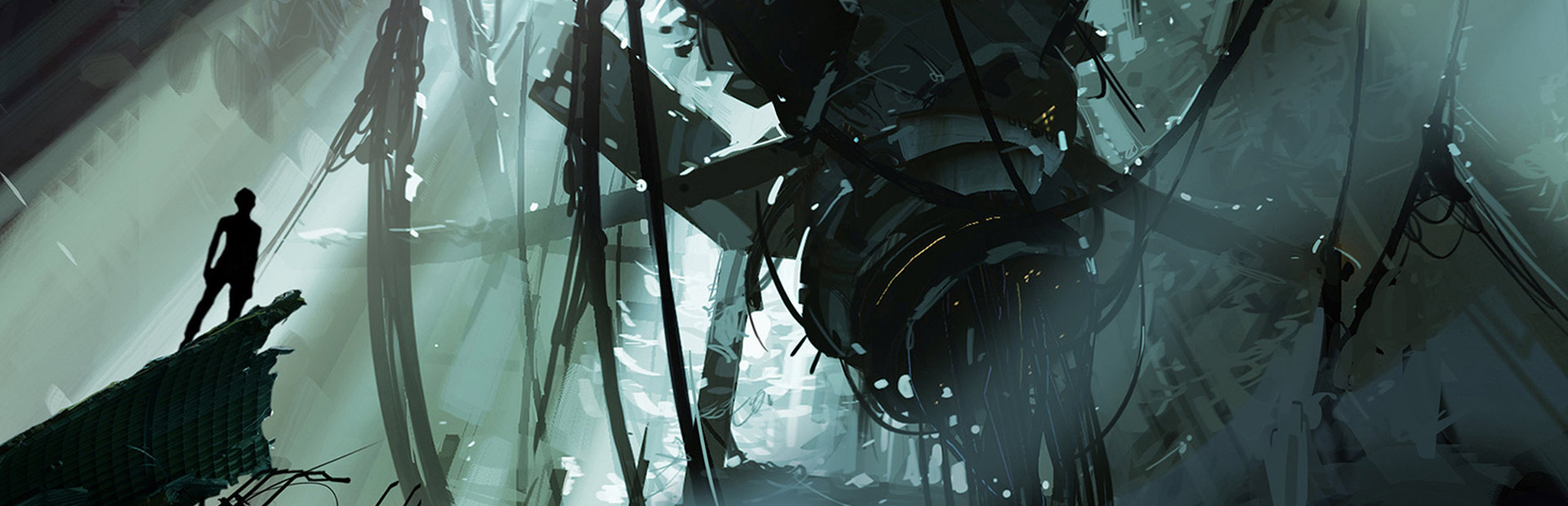
You play as the voiceless Chell once again, but you awaken after being in a coma for some time. A mysterious robot named Wheatley helps you escape your room, and you finally get to see what Aperture Laboratories is like outside the testing rooms. You get to see glimpses of the outside world; vegetation has taken over the facility; and the puzzles now take form in so many different ways. Halfway through the game, you get to see what Aperture was like 50 odd years ago and find out backstories on yourself, GLaDOS, and the founder of Aperture. The narrative is top-notch with lots of cinematic moments, but everything involves puzzle solving, and it’s so mind-bending that each one of the 50+ puzzles feels satisfying. It also goes to show how clever Valve is that I didn’t need a walkthrough once to figure out any of the puzzles. There are so many “AHA!” moments that you just don’t want to put the game down.
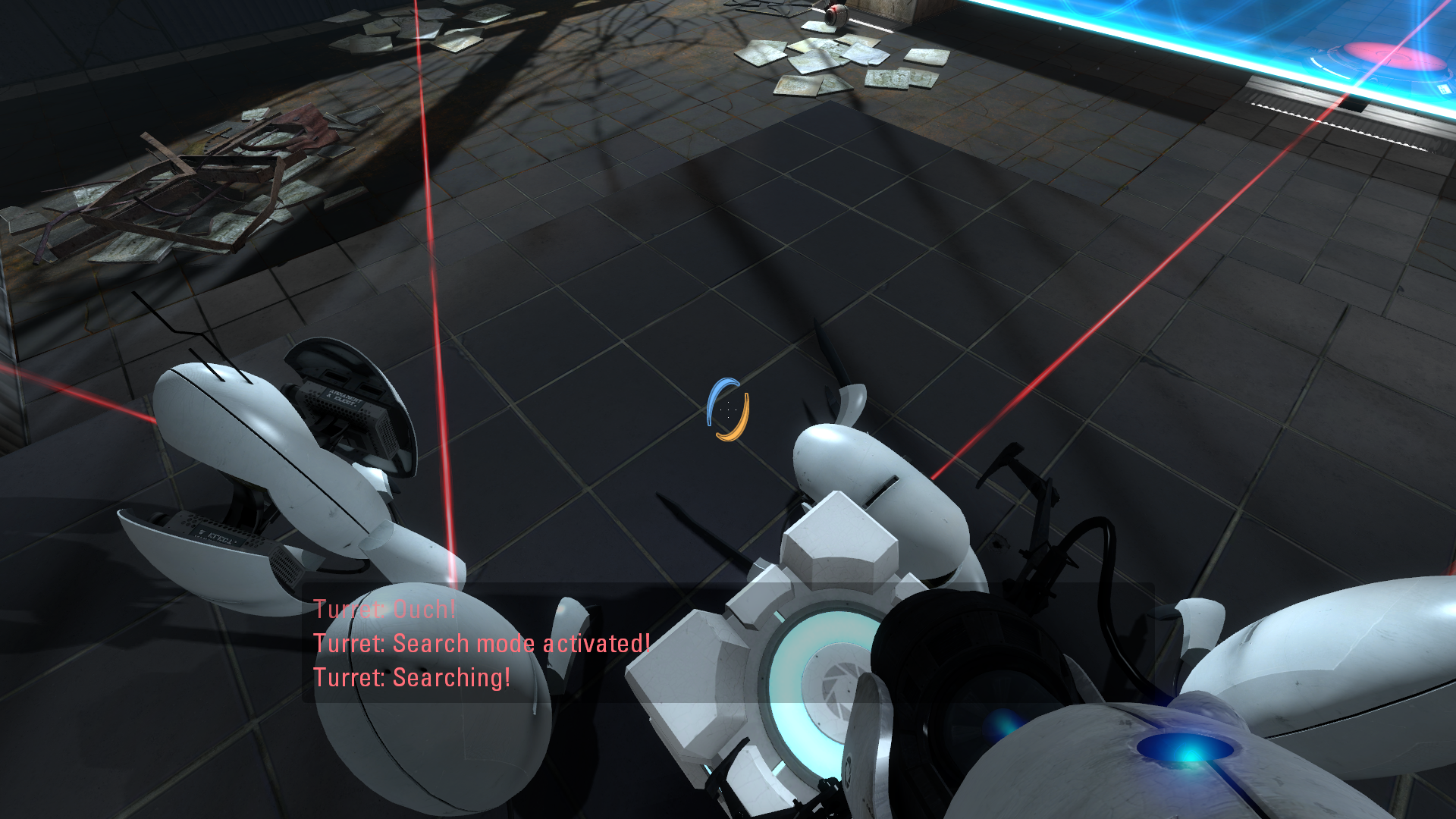
However, there aren’t just portals involved; other gameplay elements have been fused into the mix. There are three types of gels that you can use to solve puzzles: propulsion gel (orange stuff that makes you go really fast), fusion gel (blue stuff that makes things bounce), and conversion gel (which allows portals to be made on non-portal surfaces). Due to these new elements, you have to totally rethink how you work with portals, and it’s a great new mechanic and super fun to use. There are a few other things, such as jump pads, new types of companion cubes, turrets, and other items to solve puzzles, but explaining is almost impossible because you should just play it.
The puzzles are just so uniquely fused with the narrative that you never feel like you’re just jumping from room to room anymore. This really feels like a puzzle or adventure this time around, and some of the puzzles span two to three rooms. There’s constant chatter from characters while solving puzzles, so it doesn’t feel as stale this time around. All the new characters are great, and you’ll like them (or hate them) quickly thanks to Valve’s one-of-a-kind storytelling abilities. The music is one thing I love about this game because when you start bouncing around a room or sliding, there’s unique music that instantly plays when you’re doing these things. You get a strong sense of vertigo thanks to the game’s new take on heights, but the music is just phenomenal. This soundtrack is purchase-worthy, and the new GLaDOS song at the end is just as good as “Still Alive,” but in other ways.
The visual quality is great, but Valve really needs a new next-generation engine. Portal 2 uses the Left 4 Dead 2 Source engine, so everything looks nice, and there are some great visual effects (mainly the gel) as well as great lighting, but it’s not exactly up to par. Thankfully, there’s a huge variety of things to look at this time around (the game is over 10GB!) and the addition of a co-op campaign with an additional story and two new characters is a huge plus, so it’s like two games in one. There are also some quality extras, such as developer commentary, and you can customize your robots in the co-op campaign, which is a nice touch.
Portal 2 is truly something unique for this generation and probably the most innovative puzzle game ever made. With a strong narrative, lovable characters, and tons of new gameplay mechanics, it’s like the first game didn’t even exist. Don’t be overwhelmed by working with portals because this game takes your hand for a while and slowly lets you go when you feel confident enough, you’ll know. Valve knows how to make great games, and other developers need to follow suit.
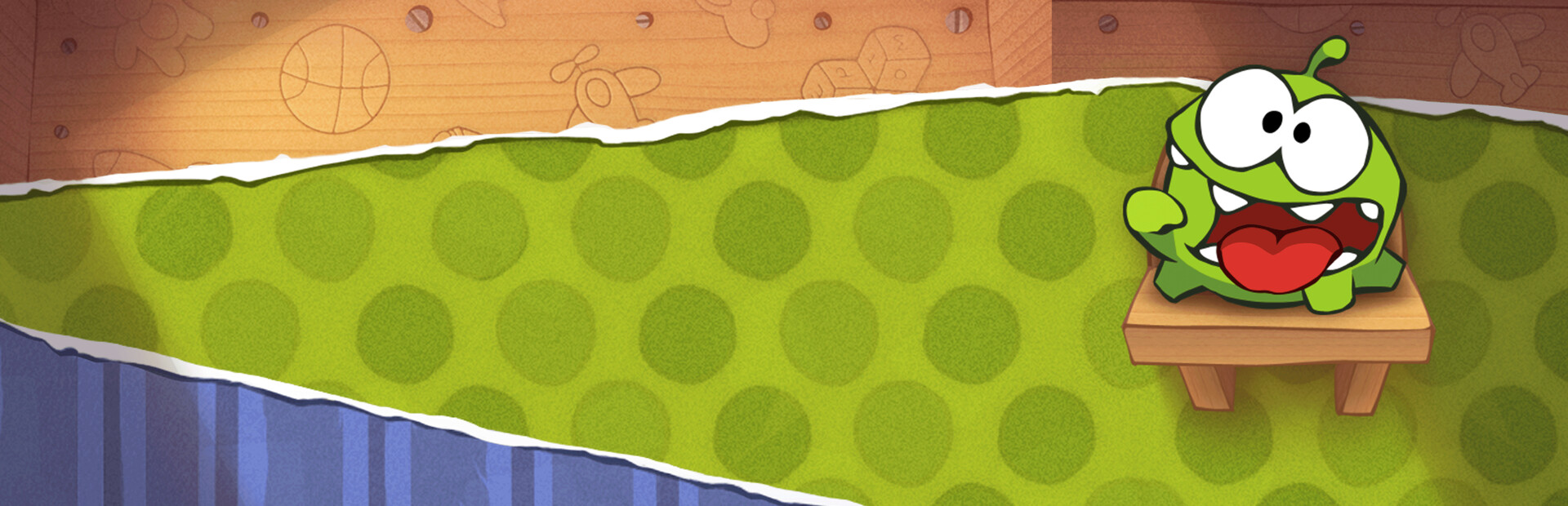
Physics games on portable devices are a dime a dozen, but the ones that truly shine have unique gameplay ideas, cute characters, or interesting ways to manipulate objects. Another thing that is mandatory for a great physics-based game is fun objects to manipulate. Cut the Rope is a very unique game in the sense that it’s based on skill rather than luck. You have to time things just right, and you actually feel like you’re manipulating the physics.
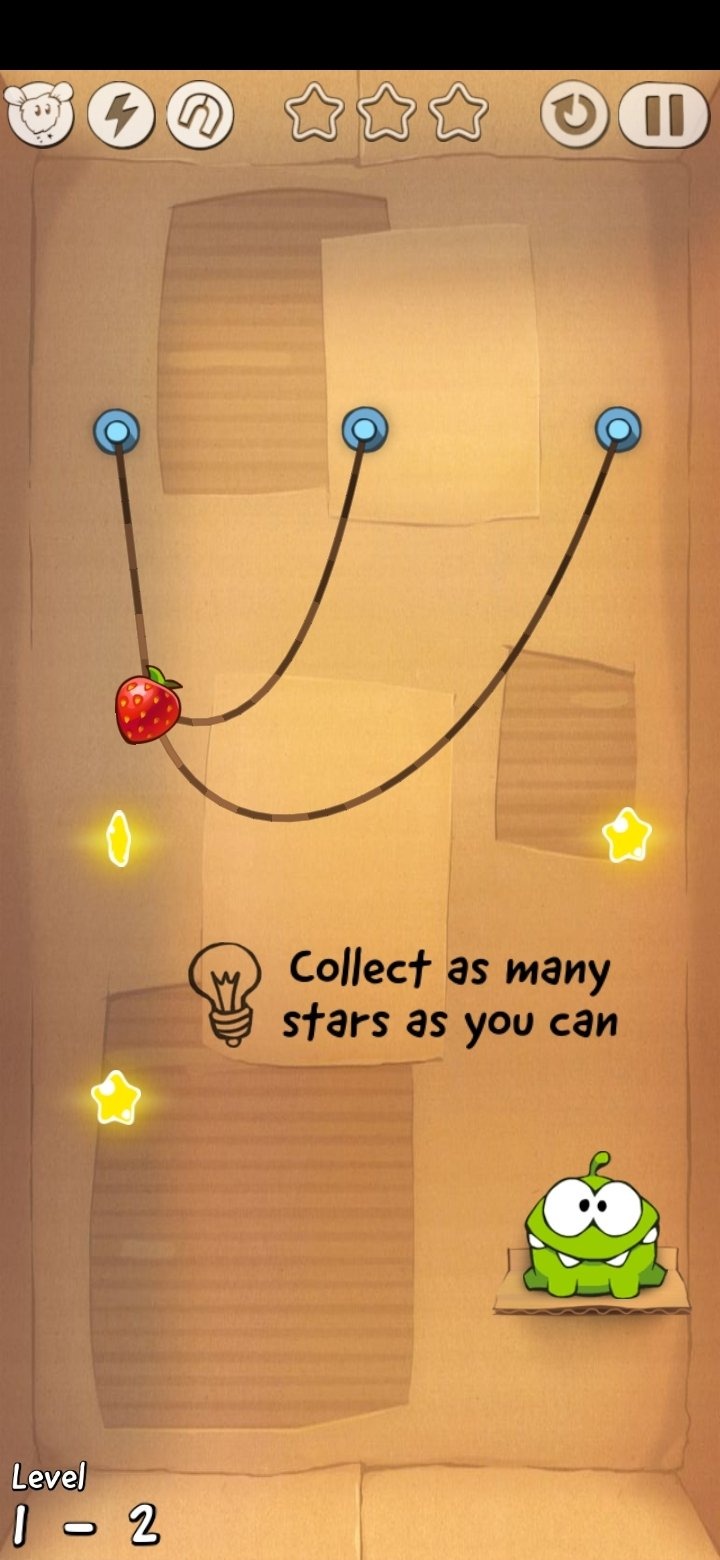
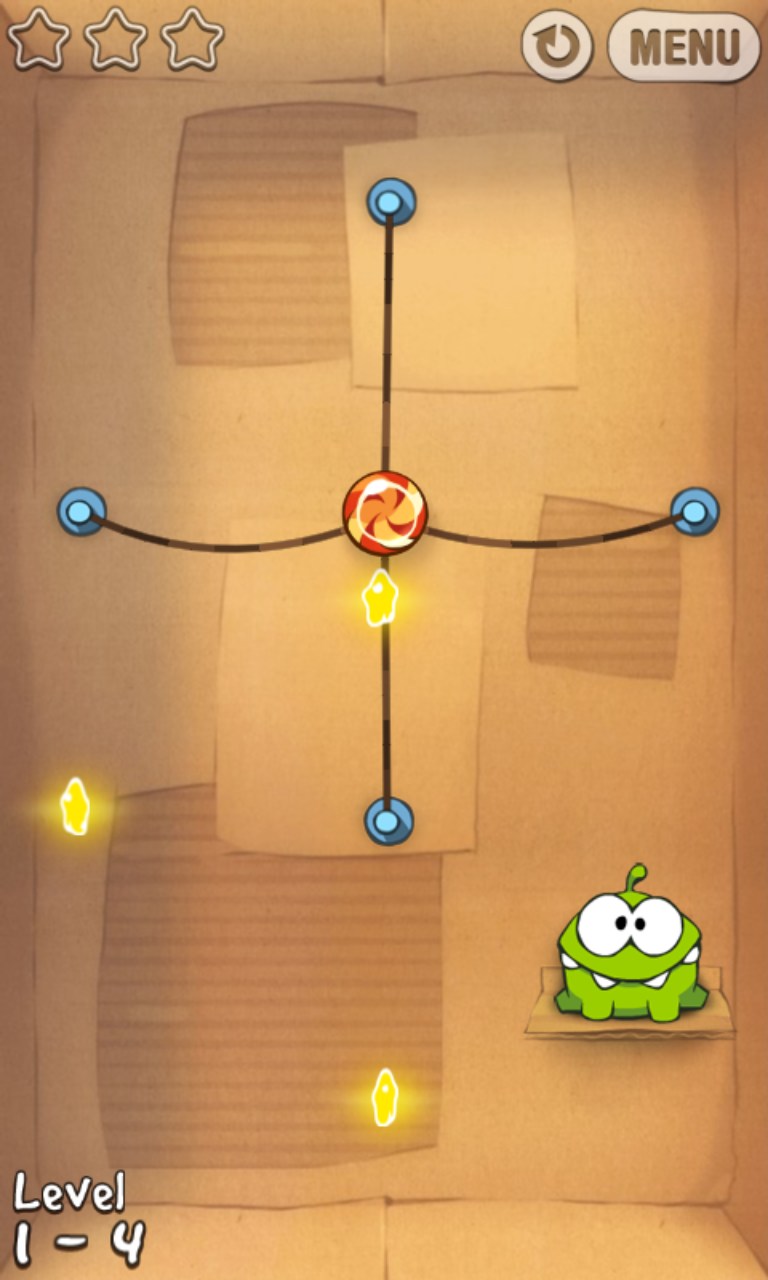
The main goal is to get a piece of candy to drop into the mouth of a little creature. To do this, you have to maneuver the candy by cutting ropes, blowing air, popping bubbles, etc. Elasticity in the ropes also comes into play, as does avoiding spiky bars and other obstacles. Some blue dots have a circumference around them, and if you get it in this area, it will attach a rope to the candy. Swiping your finger to cut ropes (sometimes having to use both fingers) is a lot of fun, as is tapping blowers to push them through the air (when they’re in a bubble).
Sometimes there may also be a spider crawling down your rope, so you have to cut it before it gets to it, so speed also comes into play. The reason why this game requires skill over luck is that it’s all about timing. Popping a bubble just in time to make it fall past an obstacle as it swings requires precise timing, so this game isn’t exactly for babies. It’s just so fun to make these candies fly, swing, and float through the air, and it’s so satisfying when you complete a complex level knowing it was all thanks to your skill and not dumb luck (Peggle?).
Cut the Rope has sharp, charming visuals that look great on the iPhone 4, and there are so many levels to play that you won’t get bored. Not only does the game have varied game elements, but it’s also very responsive and feels great to play. Cut the Rope is great for hardcore gamers (if you want to collect the three stars in each level) or casual gamers, and I think “casual” games need to have this kind of balance.



































































 thebinarymessiah.com
Try multiplayer. A lot of fun !