Game of the Year is one of the hardest decisions because so many games are created every year. But to come out on top the game must be excellent in its genre (usually re-define it) and have great production values, and not feel repetitive, and usually, it changes the way we think about games.
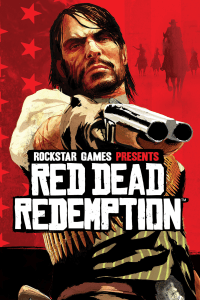
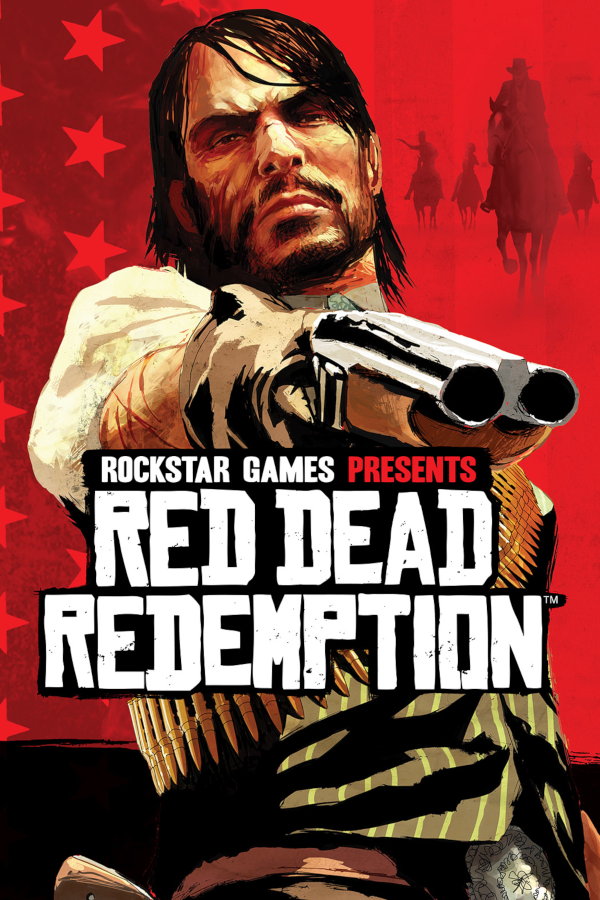
What sets Red Dead apart from all of these other excellent games is how authentic its world is. It feels so real and feels just like the wild west. With excellent voice acting, a huge open world to explore, lots of missions, and it’s just the subtle details that make it a winner. Hunting, gambling, horseback riding, even down to the drinks, attitudes of the people, clothing, accents, it just all adds up to something spectacular and really shows what a game can do. It’s Red Dead’s subtle details that truly make this game shine over the others.
Shooters probably take the most flak from gamers and tend to be the most hated. Most gamers don’t like shooters due to their true-to-life reenactments, or just killing people with guns doesn’t sit well with most. No doubt shooters helped push consoles graphics-wise, and have some great stories to tell, and excellent cinematic moments.
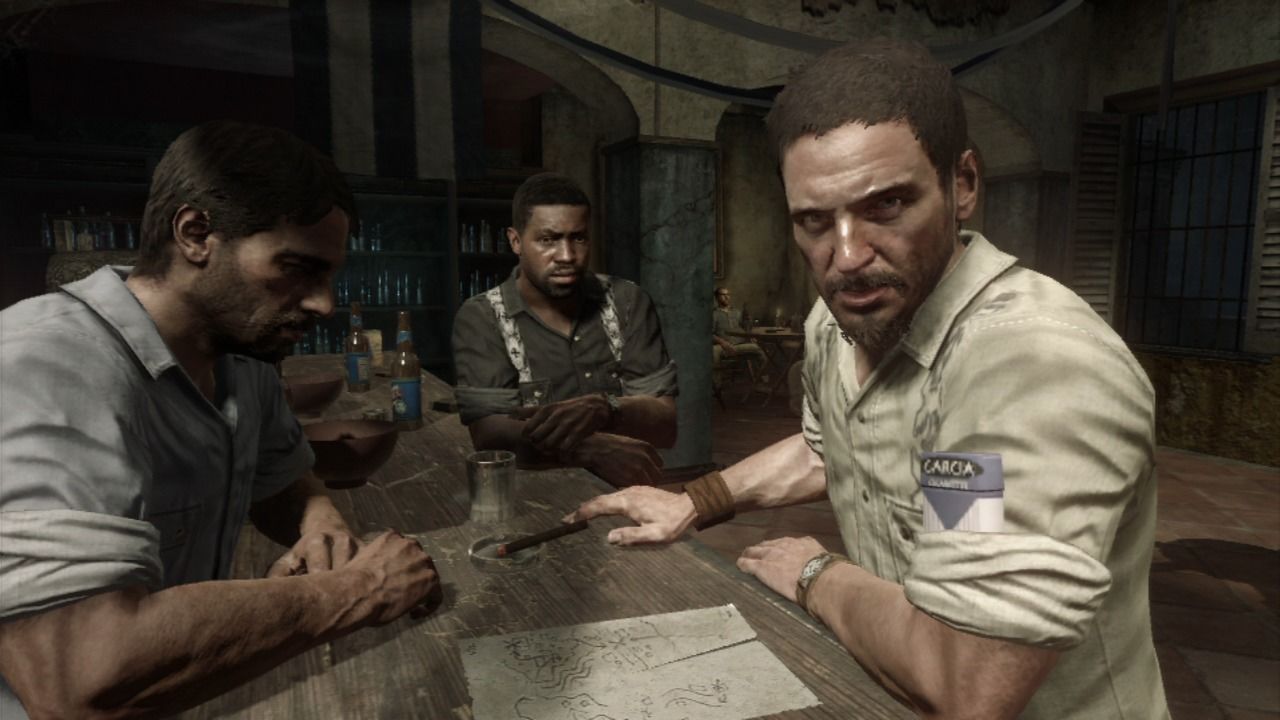
Black Ops not only has astounding multiplayer, but the single-player campaign is probably one of the best this year when it comes to shooters. Most shooters have shallow stories, but Black Ops‘ Vietnam/Cold War story is gripping, with some of the best set pieces seen in shooters. Excellent graphics, memorable characters, and awesome weapons make this a winner.
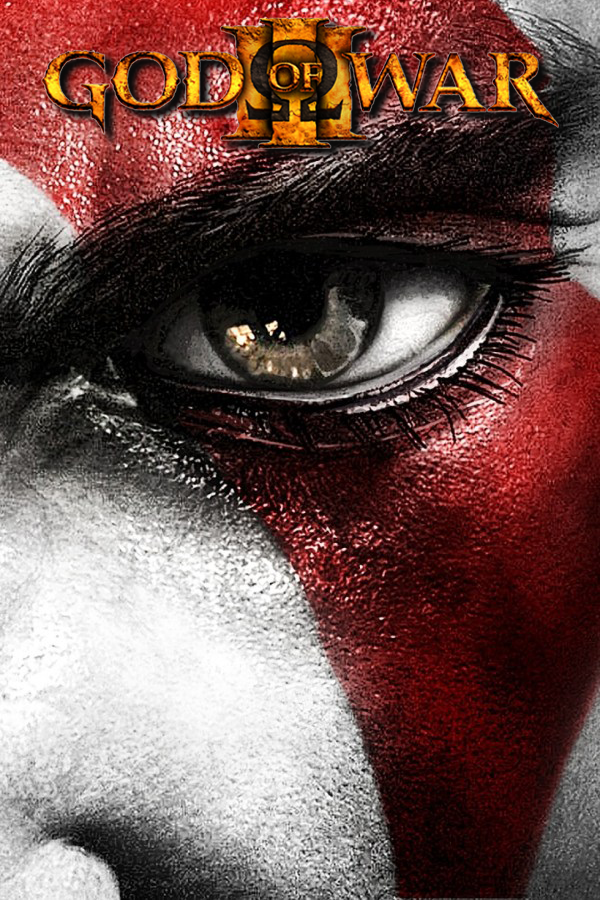
God of War III defines the genre that tells us there are no limits or boundaries and it really shows here. With superb combat, epic boss fights, and gruesome gore that would make even the strongest squirm you have to love this game. It perfects the series and really shows what the next-generation is all about.
Characters are just as essential as stories and they go hand in hand. Characters are what define video game series, and really make gamers separate from each other, and can decide how much a game sells. Developers really strive to make memorable characters, and most of the time it’s a huge factor in sales.
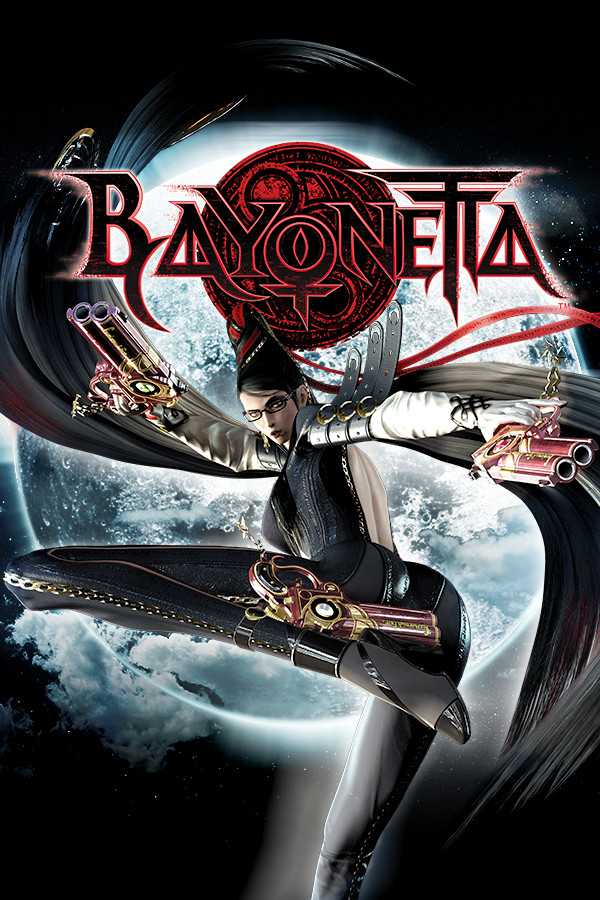
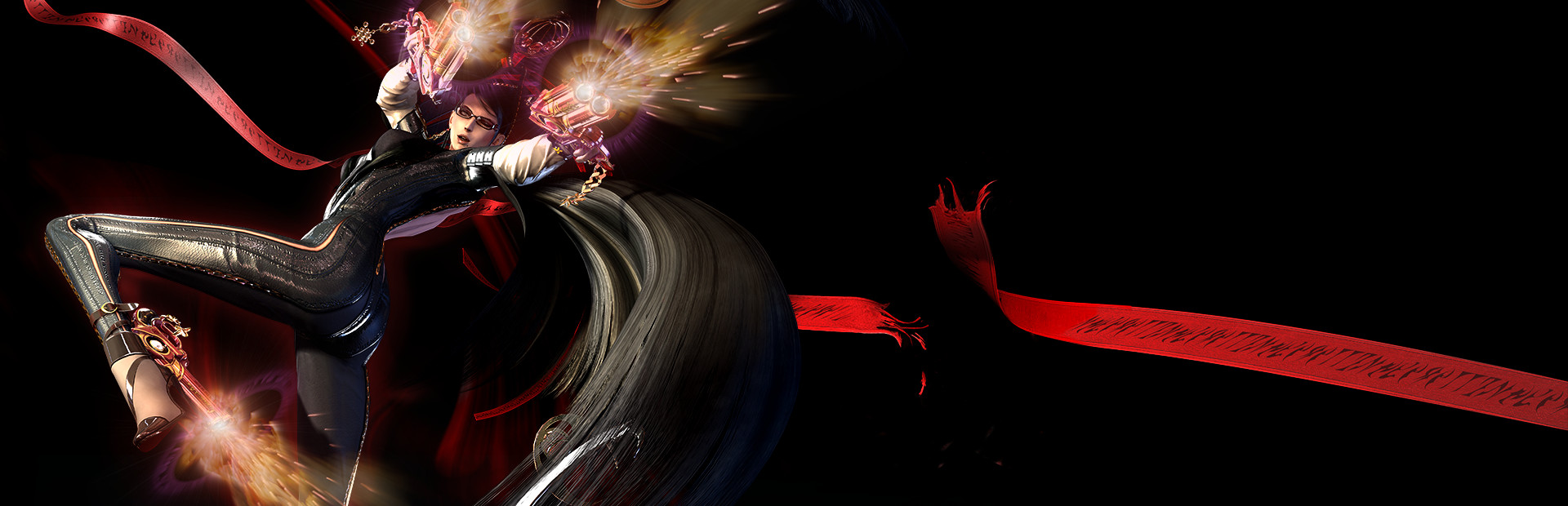
It’s not just Bayonetta’s sex appeal that makes her Messiah’s top pick of the year, but a sexy character in a game that’s actually good? With a good story? Great gameplay? And the best thing since Devil May Cry! It’s a miracle! Bayonetta also has some serious attitude and shows it is not just a trashy trampy way, but with a style that makes you drool with a sexy coolness that would make glaciers melt in sub-zero temperatures. She’s is sassy, smart, sexy, and just overall out for the greater good as well. Her soft side for little girls and her great sense of humor helps her along as well.
What makes music in a game good? Something that fits the style of game, setting, and something that isn’t repetitive, annoying, or something we’ve heard in a million other games. Music is probably one of the most important parts of the game but easily overlooked by most gamers.
Bayonetta’s music isn’t only angelic and beautiful, but it’s so catchy that you just want to hear it again and again, and it really fits Bayonetta and her style. You just get goosebumps when seeing Bayonetta fight with style on the screen along with this angelic music. While there isn’t a huge variety what does play is amazing and is memorable.
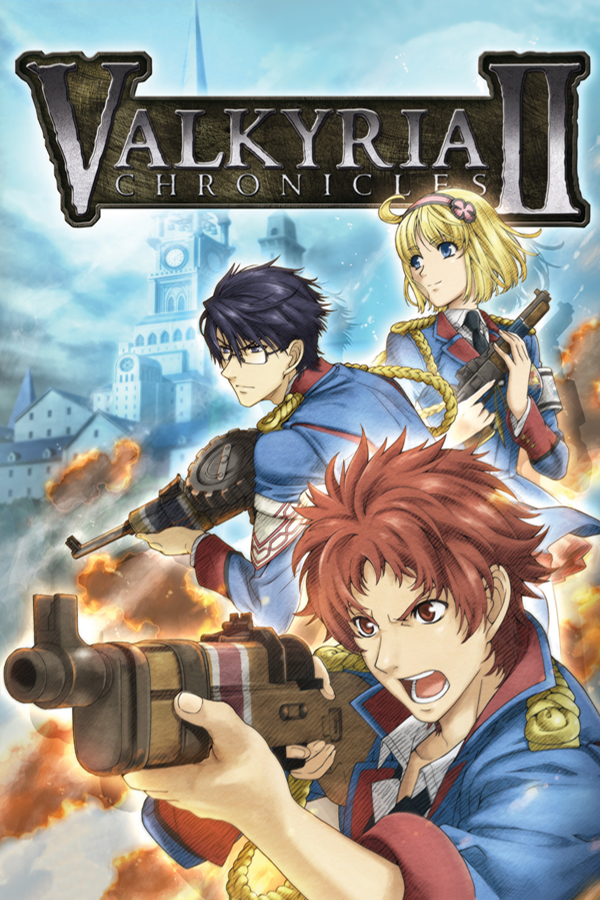
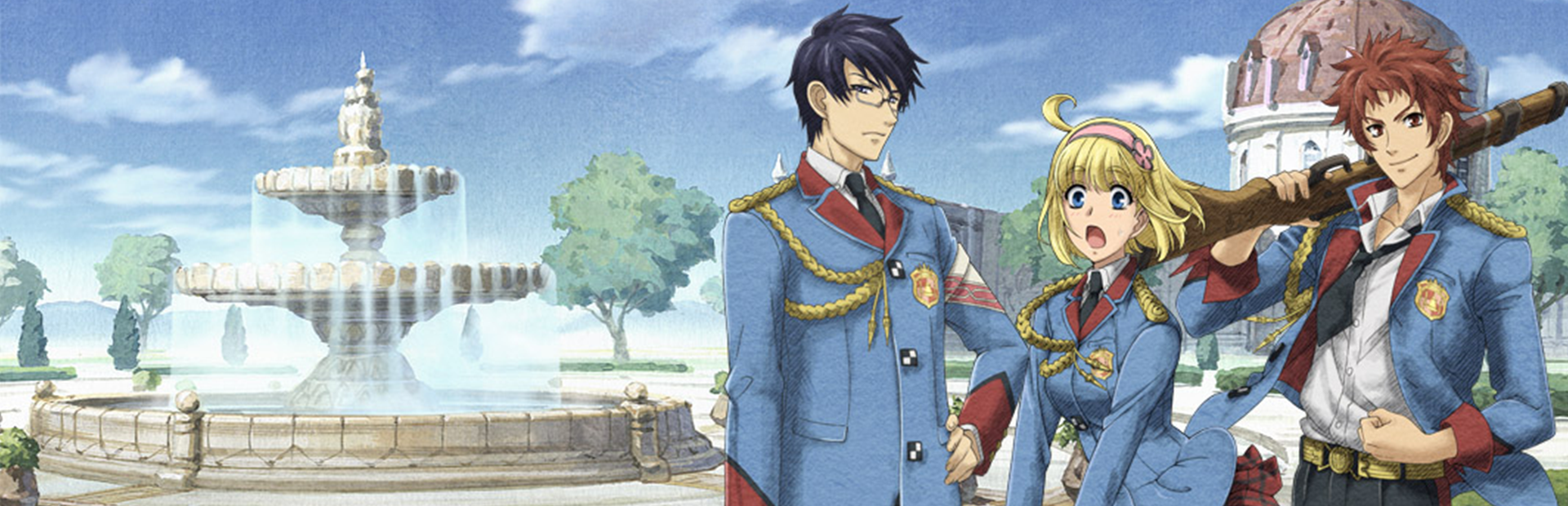
Valkyria Chronicles II sets you right in the middle of a war between a government and the rebels of Gallia, but what you really get into are the characters themselves and how they cope with each other. The game is set in a fictional WWII-type setting and is completely original. This turn-based strategy game can get pretty complex and is a lot to swallow at first, but after a while, you’ll get the hang of it.
The game is pretty menu-heavy, especially before deploying into missions. You can level up your classes (instead of individual characters) as well as produce weapons for each class and your tank. These are simple enough, but you have to unlock new weapons by leveling up. What disappointed me about this is that the weapon upgrades are very minimal, and it’s not until later levels that the stat boosts are large.
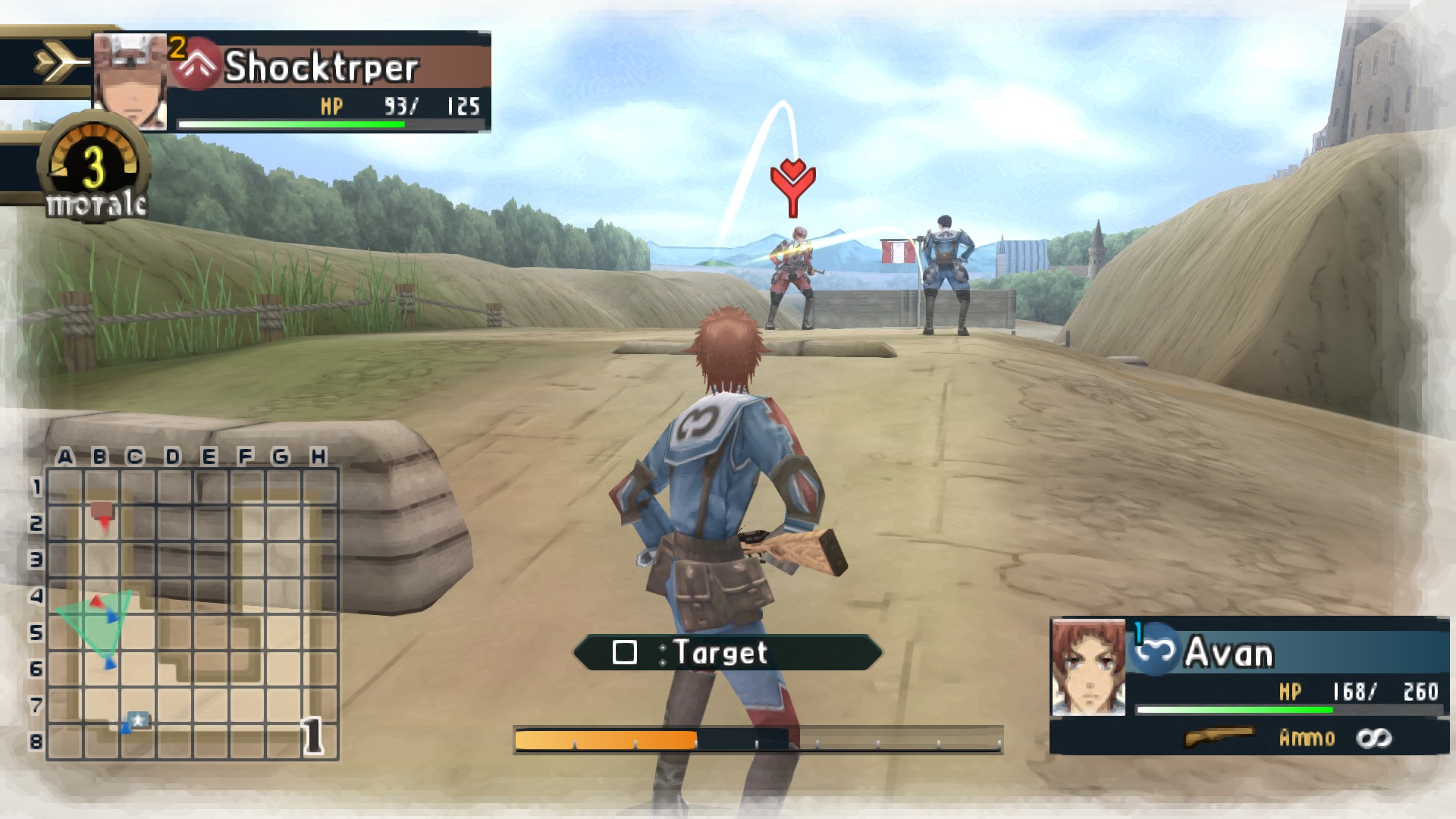
Once you do all this, you can rearrange your groups because each mission requires the right kind of people. There are different classes like Lancers (anti-tank), Scouts, Shocktroopers (heavy machine gunners), Engineers (medics), Armored Techs (melee), etc. You can only have six people deployed, and only five for each area. While this may be a pain since you’ll have 5 guys in one area and 1 in another, there are strategic workarounds for this. Once you start missions, you get an overhead map that shows your guys and your enemies. Killing enemies is as simple as moving them around in real-time, but each character has a different stamina meter, so watch out.
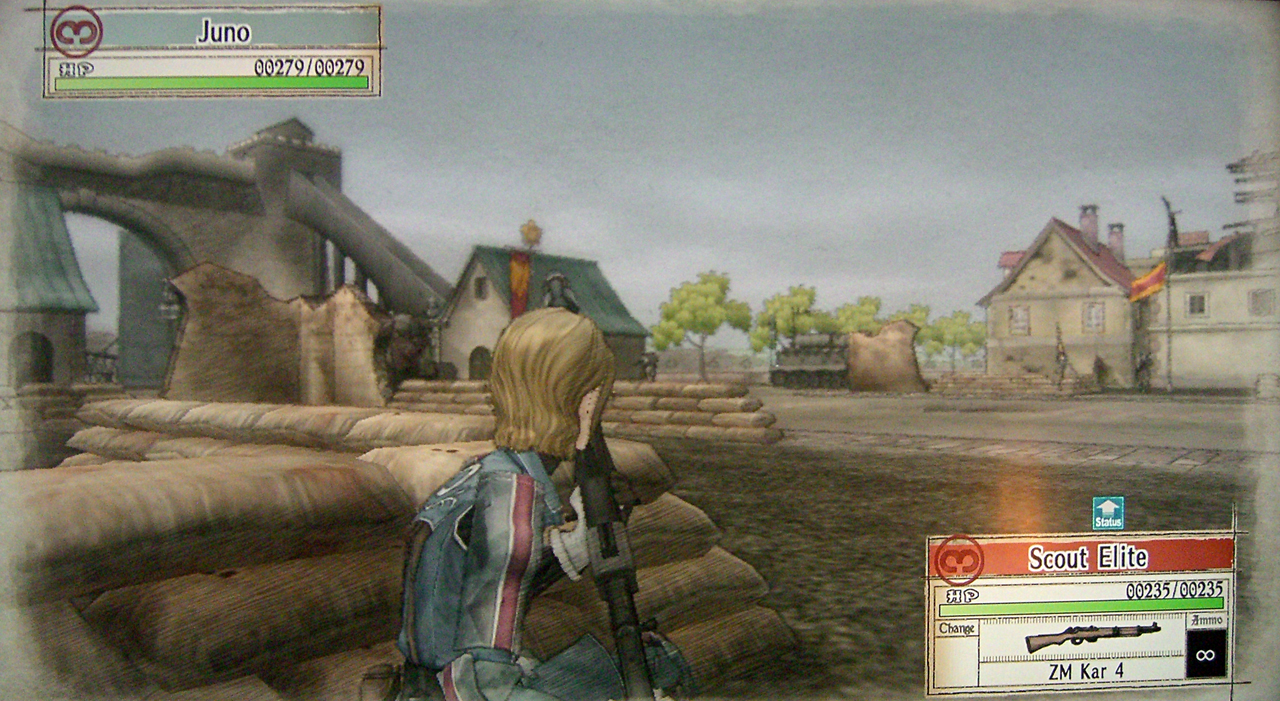
Each character uses one CP (turns), and tanks use two, so you really have to choose your moves wisely. While you’re moving around to position, enemies can shoot at you, but you can take cover behind sandbags. Killing enemies consists of getting the right amount of shots in before you reach your limit. Instead of relying on just draining HP, you have a shot limit, and when you aim at an enemy (depending on their type as well), another number will show how many shots it will take to kill that enemy. Headshots are always your best bet, but getting in close works too.
You can also find shortcuts throughout the map since most require you to move to different areas. Using a tank, you can build bridges to flank the enemy or build ladders. Once you capture an enemy camp, you can put your troops on standby and deploy them to captured camps in other areas. Be aware, though, of enemies and recapture those, which renders you unable to deploy in the new area unless you have at least one person there.
The battles can be pretty intense, but they also require perfect strategy, and it seems that most of the time only one will work. Certain missions have special requirements, like escorting, or certain players must be deployed. If you find that you need other abilities, you can retrain troops to different classes (if you’re short on one class) or change their abilities, like making a scout a sniper or a lancer a mortar. Sometimes perks will be activated on the field that do good or bad, depending on the character. If a character doesn’t like one that’s near, it’ll have a negative effect. Details like this can really help you pin down a strategy, but most others can ignore them.
Outside the battlefield, you move around campus and talk to people to progress the story, but that’s pretty much all there is to it. The game looks really good with a nice anime art style, and the voice acting is decent but not amazing. The small map size will make fans of the PS3 original angry, but it’s perfect for a portable system. The game is pretty stat-heavy and menu-heavy, and the difficulty spikes may make you actually give up altogether. I couldn’t get past the second story-based escort missions due to the insanely powerful enemies, and you have to get the strategy down perfectly or it just won’t work out. Other than this, the game is superbly fun, and with about 40 hours of gameplay, you should be kept busy.
When you think of sexy and video games, they usually don’t mix. There have been a lot of attempts at using sex to sell video games, and while some were successful, such as Dead or Alive, BloodRayne, and Tomb Raider, others weren’t, such as Red Ninja, Cy Girls, and Rumble Roses. Where does this put Bayonetta? On top as queen and as one of (if not THE most) stylish, sexy, and witty female protagonists ever created in any media period.
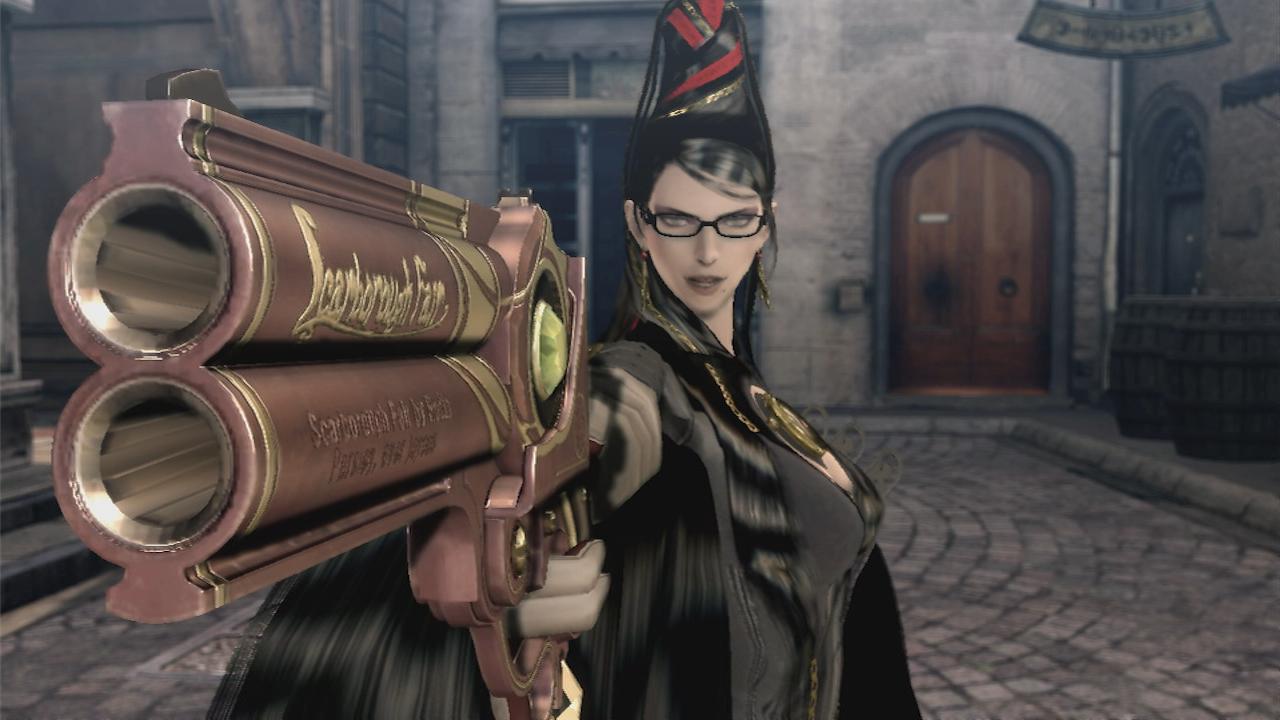
Being a good and bad Umbra witch trying to unlock her past. Bayonetta has witty dialogue and a super-sexy British accent. I can’t describe just how shocking Bayonetta is in terms of design. She is scantily clad in leather with proportionate breasts and has beautifully styled hair and glasses that look good. She just makes your heart throb when you see her, and no other female game character has done that for me. The cinematics in the game are very outlandish, outrageous, and just “I can’t believe they did that.” The game is developed by the lead designers of Devil May Cry and Resident Evil, so if you are a Devil May Cry fan, you know what to expect.
My last note on the design of Bayonetta’s sexiness is just how they incorporate it all into the gameplay, from items to moves to summoning demons. One cut scene I can recall has Bayonetta sweating on a plane, and Luka watches the bead of sweat drip down her breast and drop right off her nipple. All while the camera is zoomed in on this at a side angle. Necessary? Yes. Why? Because that is just what Bayonetta is all about. Nonstop action with sex thrown in.
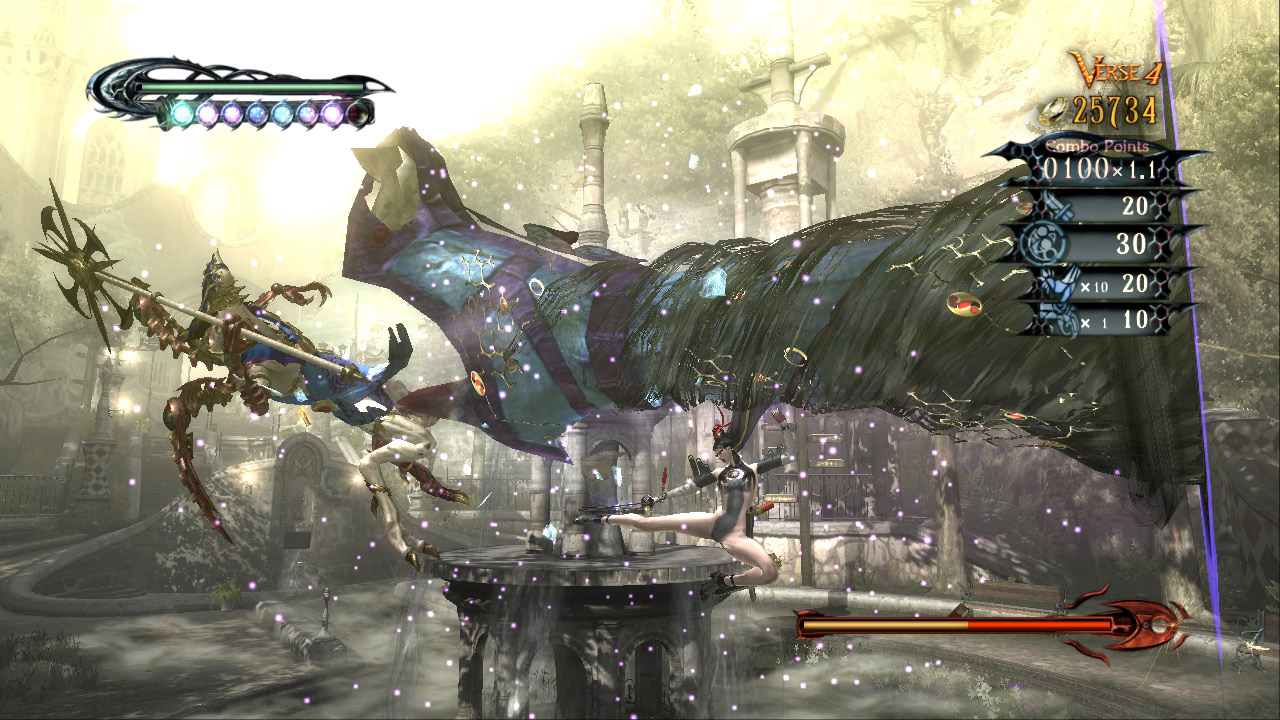
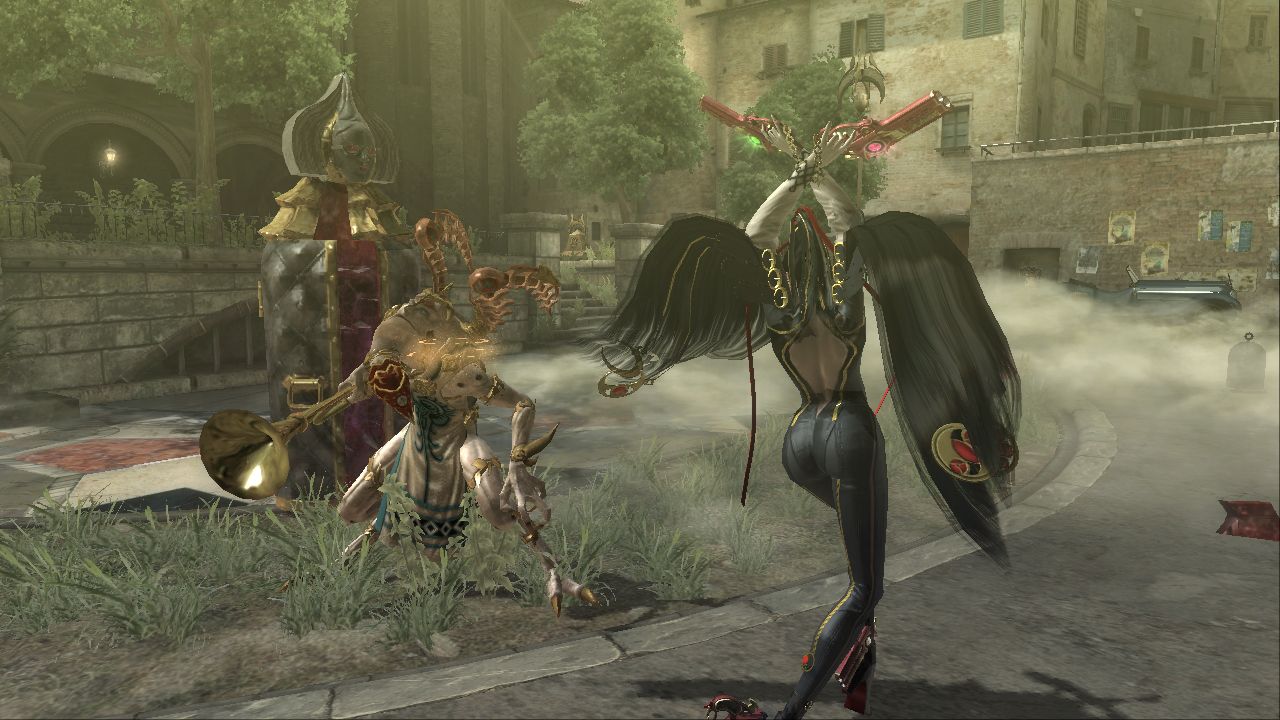
Getting down to gameplay, you fight the good-bad angels by summoning the Creator to merge all three realms: Purgatorio, Paradiso, and the human realm. All these creatures are amazingly designed, and there are a good 30 or so of them. Bayonetta fights with both her feet and hands. You can equip a normal weapon on her hands and either the shotgun or handgun on her feet. Using the Y button, she uses her hands, and B is her feet. The combos are deep and almost endless since you can hold buttons down to charge weapons or use X to just use the handgun. Using witch time is a unique element that you must use at all times since time slows down for a few seconds if you evade at the right time, and this is key to defeating certain enemies and bosses since some can’t be beaten without it. This is also incorporated into puzzles, but they usually aren’t all that hard to figure out.
Unlocking weapons requires you to find pieces of LPs of angel hymns and bring them back to Rolin in the Gates of Hell bar. Here, you can also buy items, accessories, alternative weapon designs, and more. All items (like in Devil May Cry) give you either health, witch power, or extra life, and you get the idea. Each comes in a small or large form and costs a good amount of halos (the game’s currency). There are only four different weapons: a whip, a sword, guns, and Beowulf-type claws. Thankfully, you can have two different load-outs and switch between them on the fly.
Anyways, when you finish a batch of angels, you will be scored based on your combo style, time, and damage taken, and this affects your overall level score. If anyone is a Devil May Cry fan, you will know this scoring system is brutal and impossible to score perfectly on every level. This is also Bayonetta’s biggest flaw since a lot of the game is hair-tearing, controller throwing, and frustration-inducing ulcers, especially when it comes to boss fights. There are five different medals you can get. Pure platinum, platinum, gold, silver, and bronze. Pure platinum consists of you getting the biggest combo style and killing all enemies in the shortest amount of time with no damage at all. Platinum consists of the same, except you can take a little damage, and so on and so forth. You are then ranked at the end of the level by these medals plus how many items you used and overall damage was taken plus time and combo style. If you do poorly (like I managed), you can get a stone award. Even on normal, I did my best and thought I was smokin’, but I still managed to get stone awards at the end of every level.
On another note, the bosses are fun and out of this world. They are ugly and big, and you just want to kill them. Each one is unique, and one even has you riding around on a piece of debris in the ocean fighting a 200-foot sea creature. Epic? Sure, it is, and every second of the game is. Each boss and each fight consist of a little damage-inducing, button-mashing mini-game using Bayonetta’s demons or torture attacks. For the larger enemies, Bayonetta’s hair turns into demons, and if you didn’t know, her clothes are also part of her hair. She goes into a sexy pose, and her clothes are stripped except for the hair swirling around her sweet spots. You can pulverize the enemy. Smaller enemies have torture attacks that are gruesome, sometimes sexy, and satisfying. This can be done by getting your Witch Power meter all the way up, but take a hit and it goes down. There is no magic in the game, and you won’t even remember since all the elements work well.
On a side note, the gameplay is changed up in almost every level, which leads to epic motorcycle riding levels, jumping across cars in traffic, shooting down enemies on a rocket flying through the air, and a whole lot more. There is even an arcade shooter in between levels that earns you points you can use to get items or exchange for halos. The game is chock-full of neat elements that have never been used in any game before (if so, they are perfected here). If you want stylish, over-the-top, sexy action, then look no further than Bayonetta.
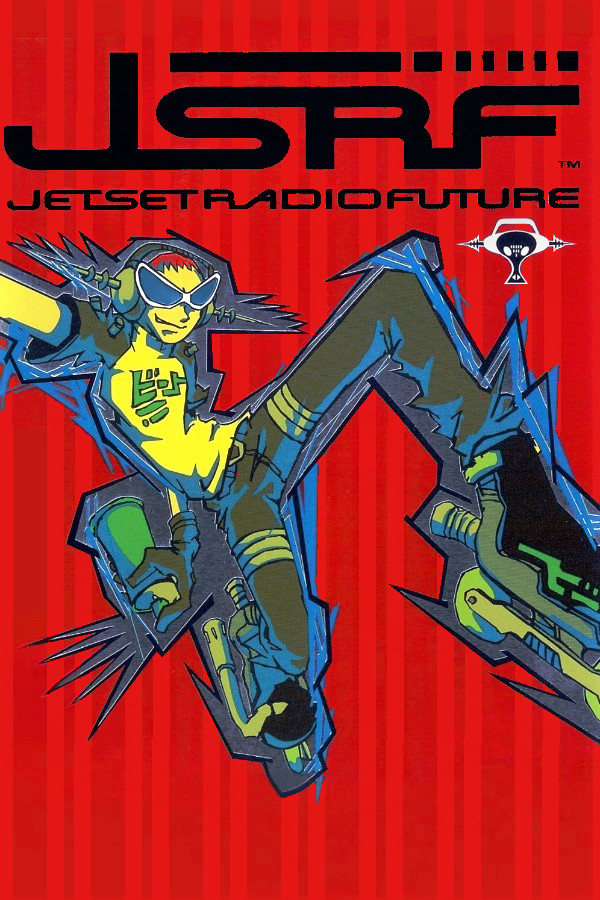
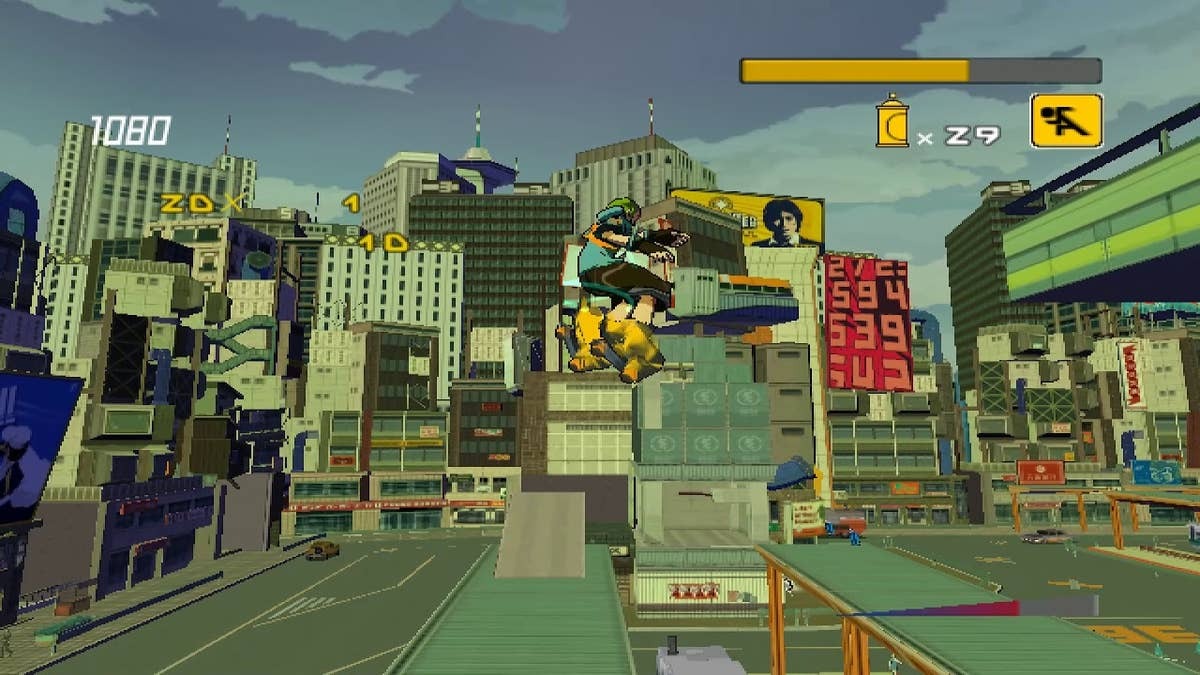
I remember hearing all about Jet Grind Radio back in the day, when I only dreamed of owning a Dreamcast. About 6 years later, I picked up JSRF off eBay for $2, and, well, you get what you pay for. I expected a lot more of this game, but really it’s just repetitive with a horrendous camera, a lame story, and a few other odds and ends.
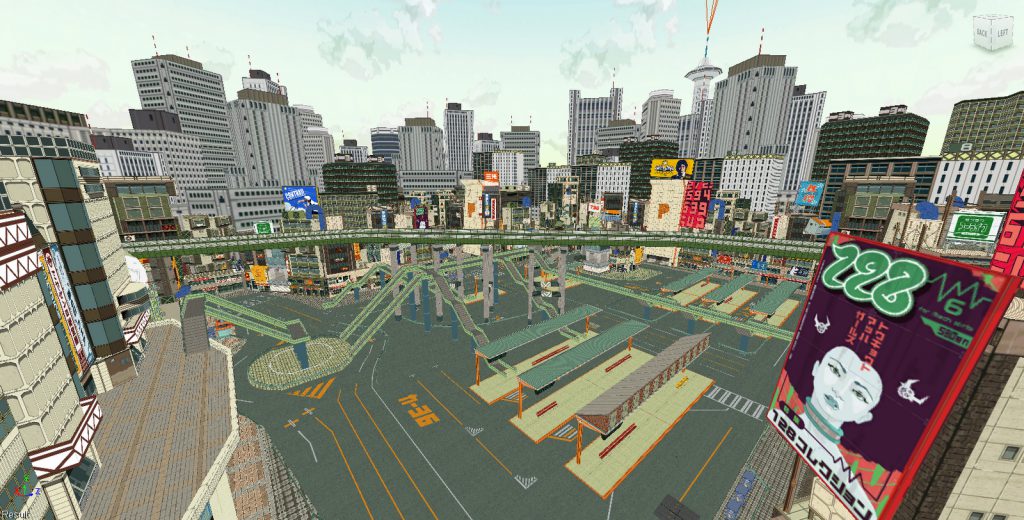
The story is almost non-existent, where you have to stop the Poison Claw gang from taking over the city, and you basically go through the city covering their tags with yours and racing them here and there. That’s really all there is on the story side, and it’s a huge letdown. I found the best things here were the visuals and audio. The game has beautiful cel-shaded graphics with a rich hip-hop and techno-driven soundtrack. When it comes to gameplay, things are very simple and derivative. Each section has a certain number of tags you have to cover, and you do this by grinding around places and covering them up. You have to pick up spray cans lying around everyone to do this, though. Blue ones are worth ten, and yellow ones are worth one. Once you cover all the tags, you have to meet the Poison Claw gang and challenge them to a race. These are really easy and only require a little trial and error. The tags are fairly easy to locate thanks to their being dotted on your map.
I found the levels to be a bit claustrophobic, though, since your characters can defy gravity and jump 50 feet, so you’d miss your line on the building and fall all the way down. This leads to the terrible camera, which you can’t control and never stay behind the character. You always have to make circles and use the reset camera button. This ruins a lot of the game because you’ll climb all the way to the top of a high tower and then fall all the way down and have to climb the top again because you couldn’t see that open ledge. So, this is the basic concept of how you play the game; it’s just ground here, tag here, fight camera here, watch dorky Japanese characters dance around, rinse, and repeat. Don’t get me wrong, this game is pretty good, but the game is just too monotonous, and the camera ruins everything. Sometimes the police will be after you, so you knock them down and spray paint them to death. Some are too strong to knock down, so you “boost” into them.
You’re probably asking, Where is the trick system? Well, there isn’t one. The game relies on a few moves while grinding by hitting the X button and maybe a backflip here and there when you jump, and that’s about it. You do hand plants in half-pipes, but when you jump, tricks are automatically done, and there are maybe a handful of tricks. After maybe 2-3 hours of playing, you’ll get bored and irritated with the game so much that you’ll stop playing (like I did). I got maybe 90% through the game and just stopped playing because it was too annoying and repetitive.
The game was really great back in the day because of the amazing graphical style, but I think Sega concentrated too much on that. The game has some serious slowdown on the Xbox 360 and makes the game almost unplayable in certain areas. There really isn’t much in sound—just a grinding sound, grunts, moans, whooshing, and crowd sounds when you run into them. I love the visuals, Sega, but in the sequel, please upgrade the gameplay.



























































 thebinarymessiah.com
Try multiplayer. A lot of fun !