Strategy games are usually a PC mainstay and end up being killer apps on that platform. As technology, improved strategy games, both real-time and turn-based, leaked out onto consoles more with some memorable games and even some of the best in the genre’s history.
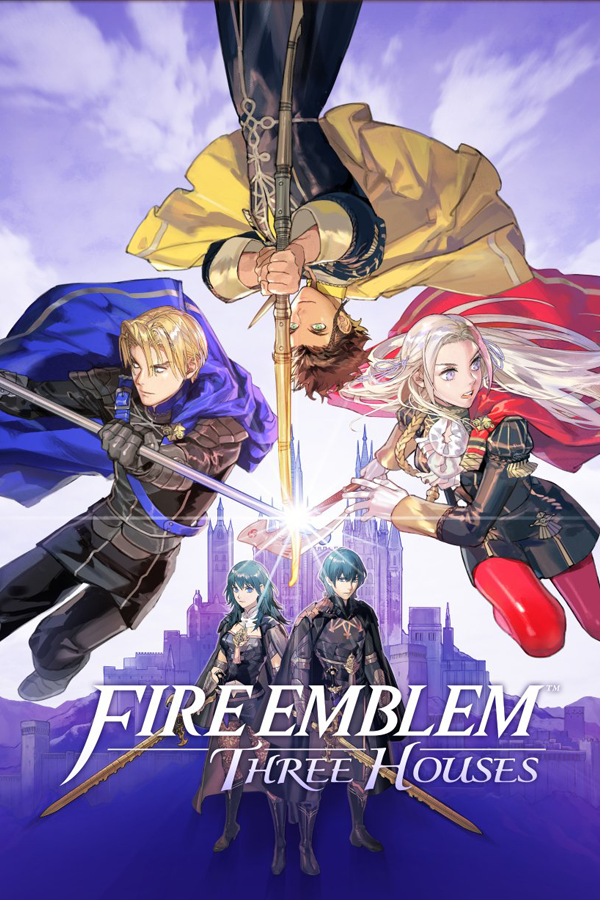
Fire Emblem: Three Houses
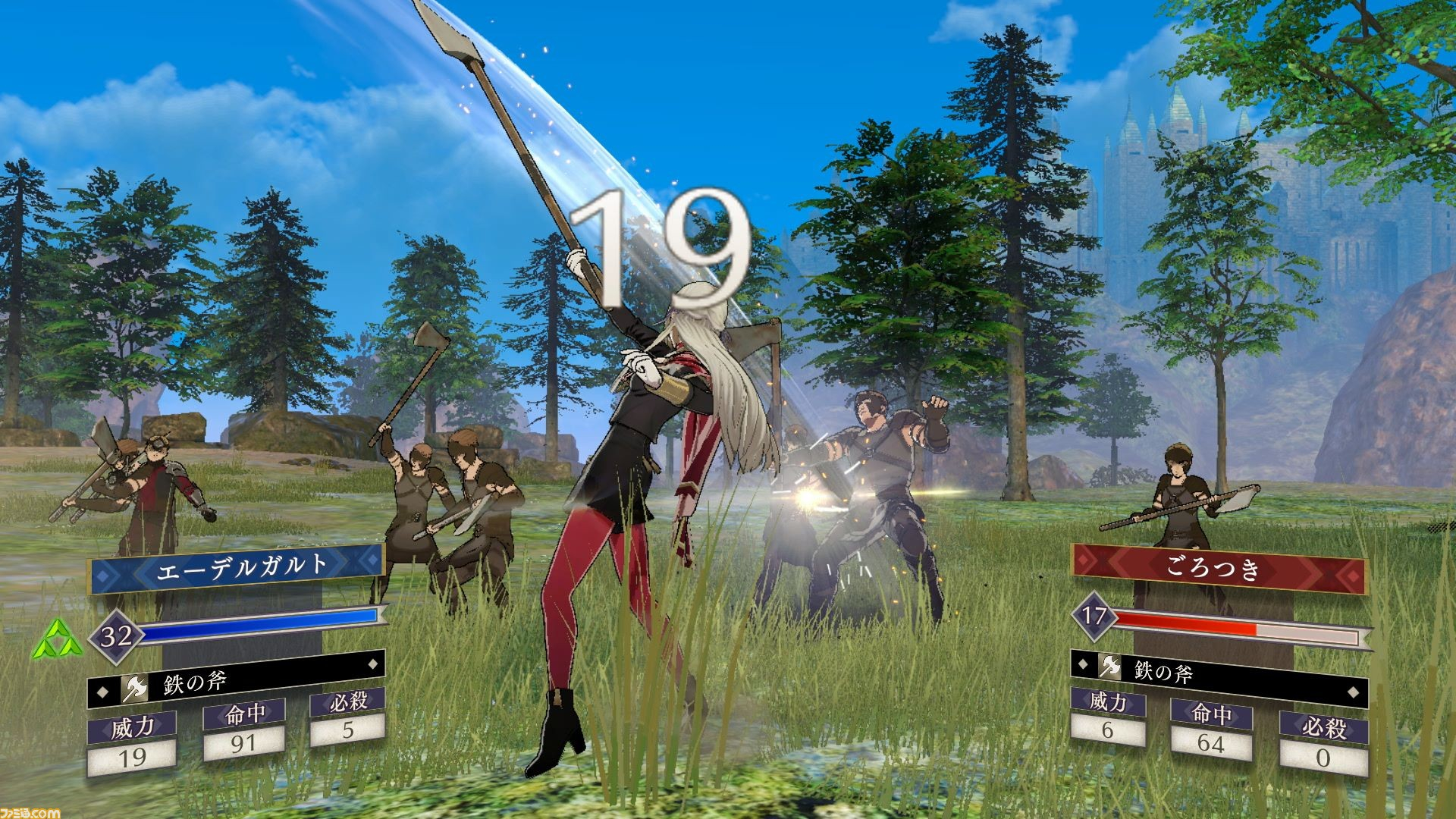
Fire Emblem’s continuous streak of top-quality games is refreshing. In a genre that has been mainly dominated by PC games, it’s nice to see a console game make a break. Fire Emblem has a fantastic story along with some incredibly deep turn-based strategy that isn’t topped by many others.
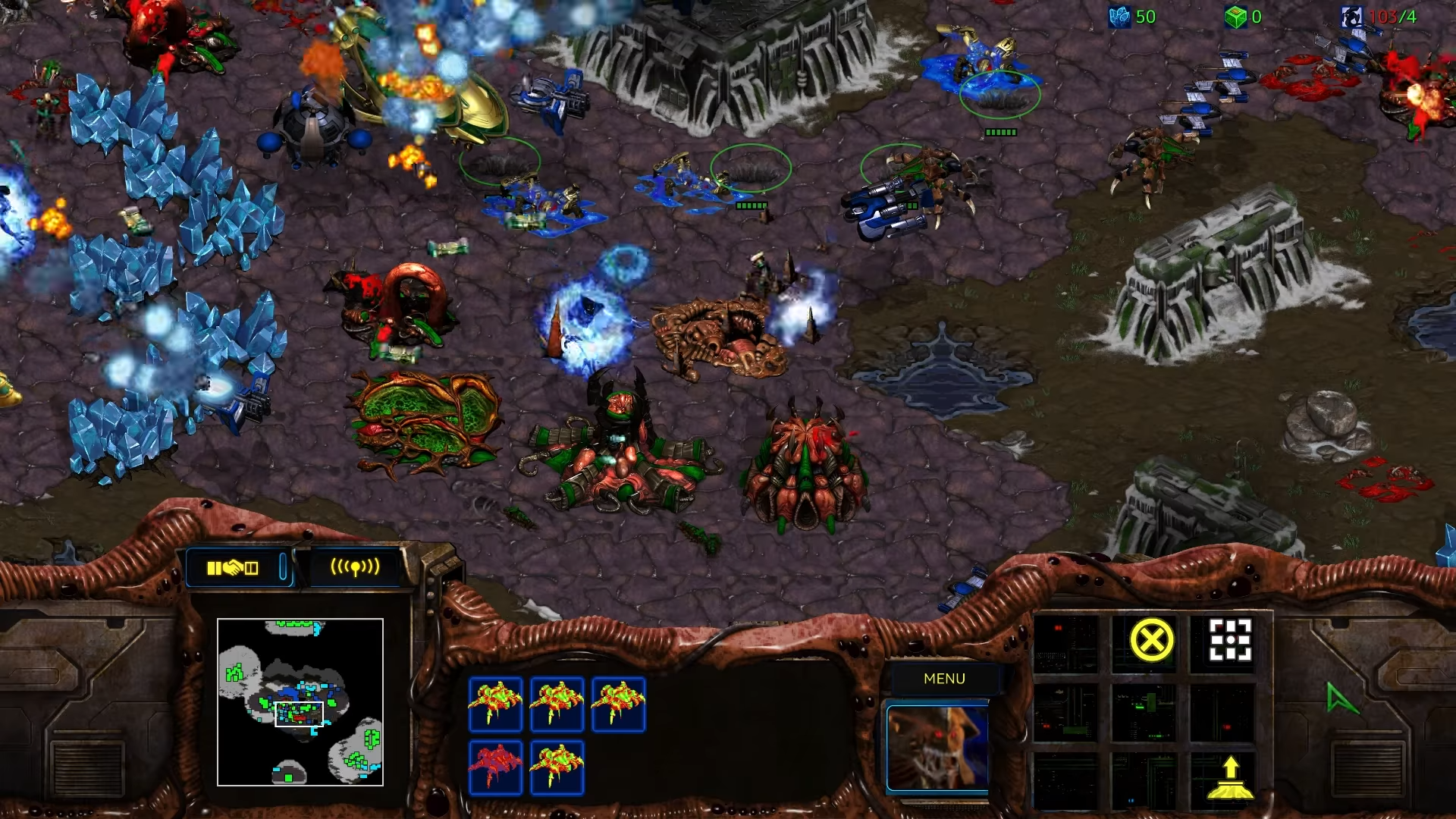
What a weak year for strategy games. The usual big names like StarCraft, Civilization, and others are missing this year. There were a few great games, but they were so spread out I started to wonder if the genre died.
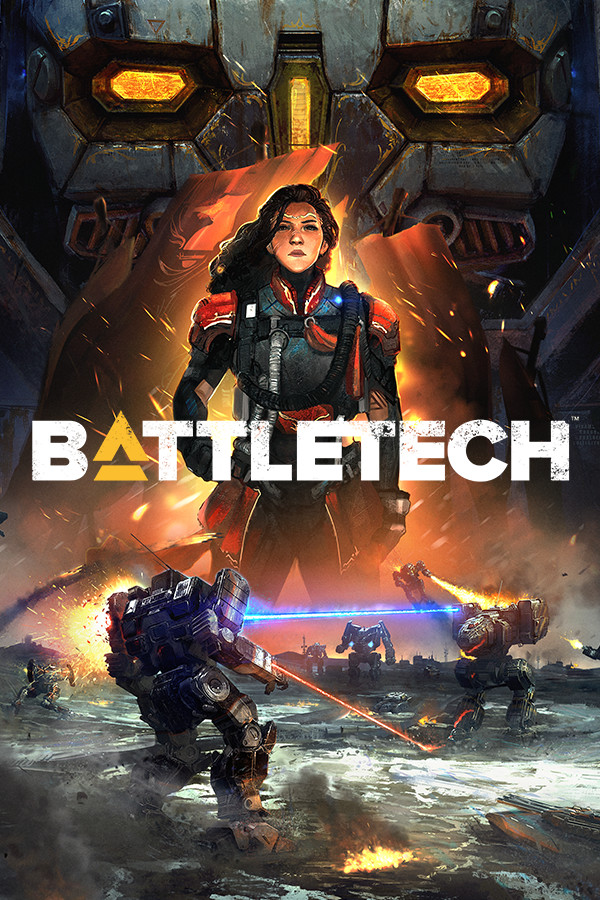
Battletech
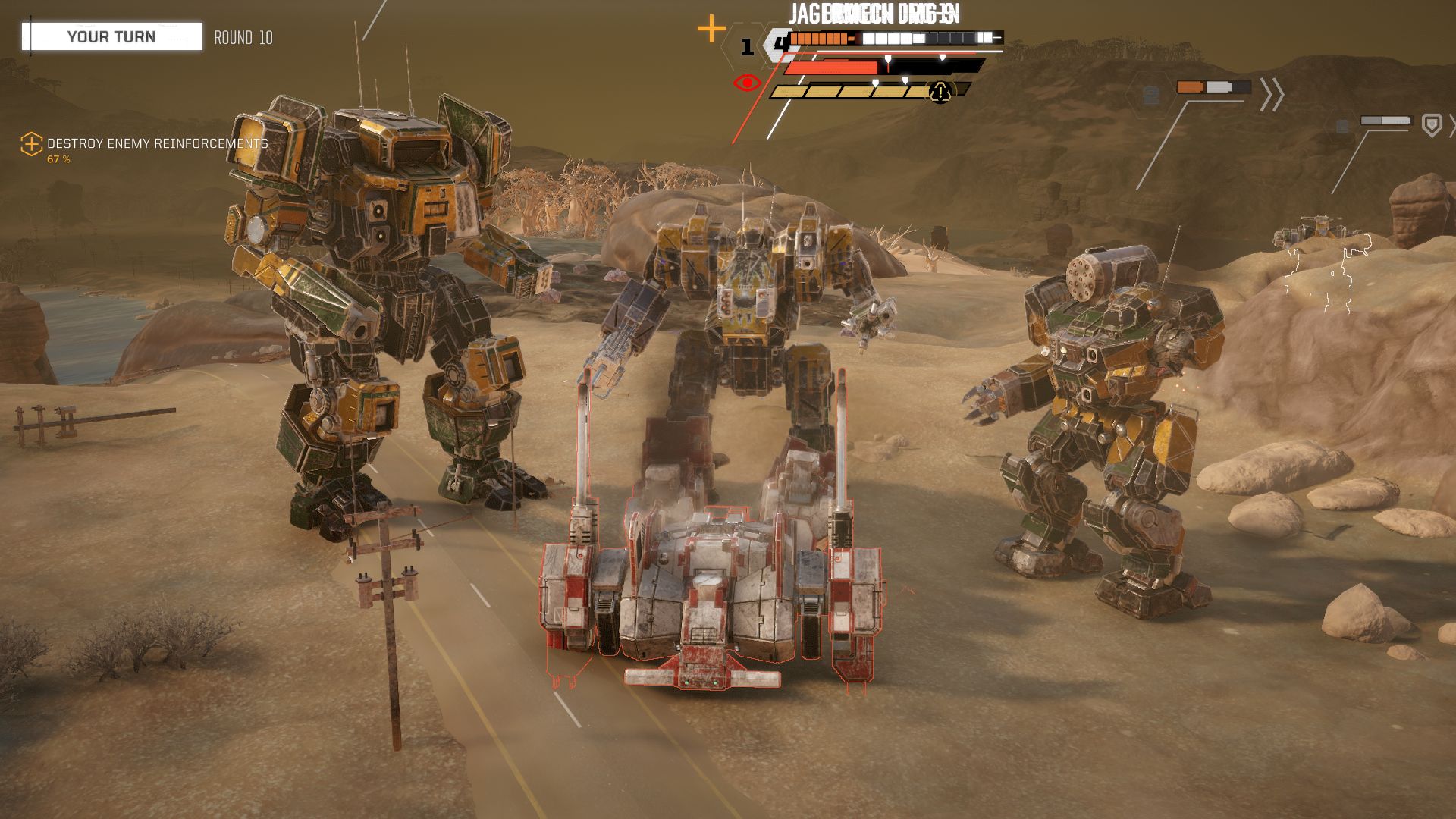
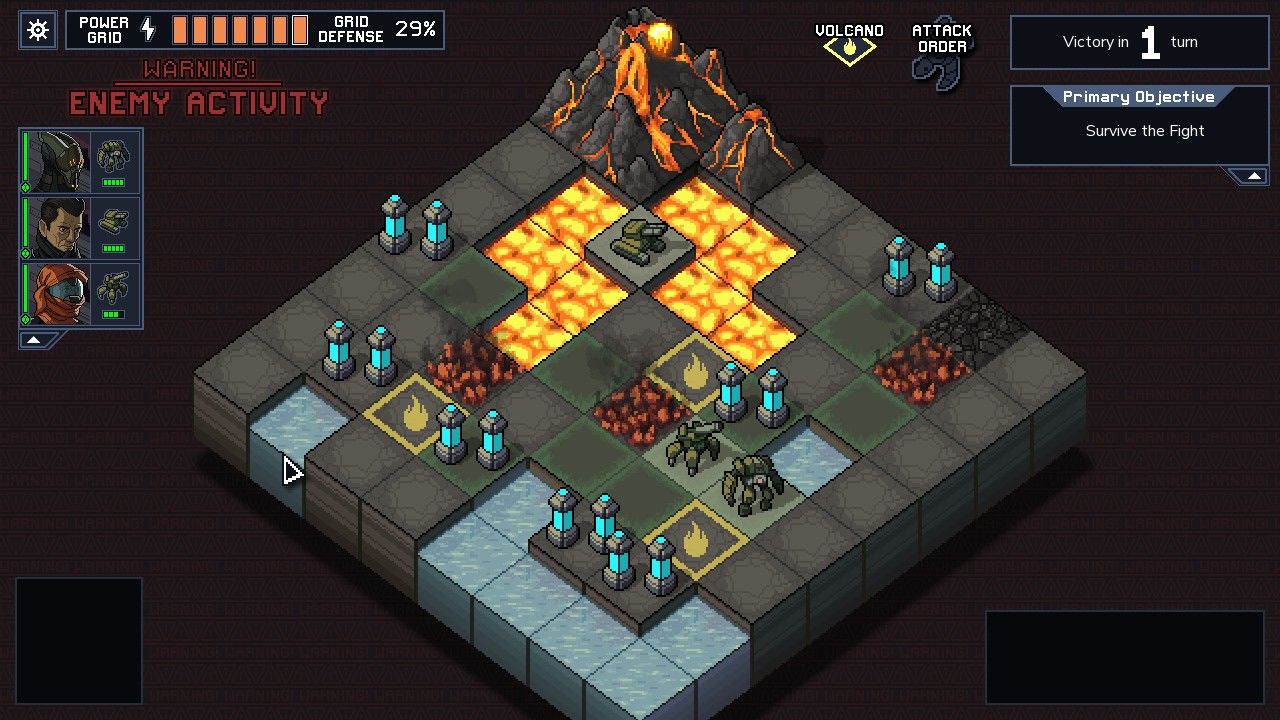
Battletech wasn’t just the best PC game this year but the best strategy. It was a breath of fresh air in a genre that usually gets over-saturated with shovelware through the year. It hit all the marks that hardcore fans wanted and looked good doing it.
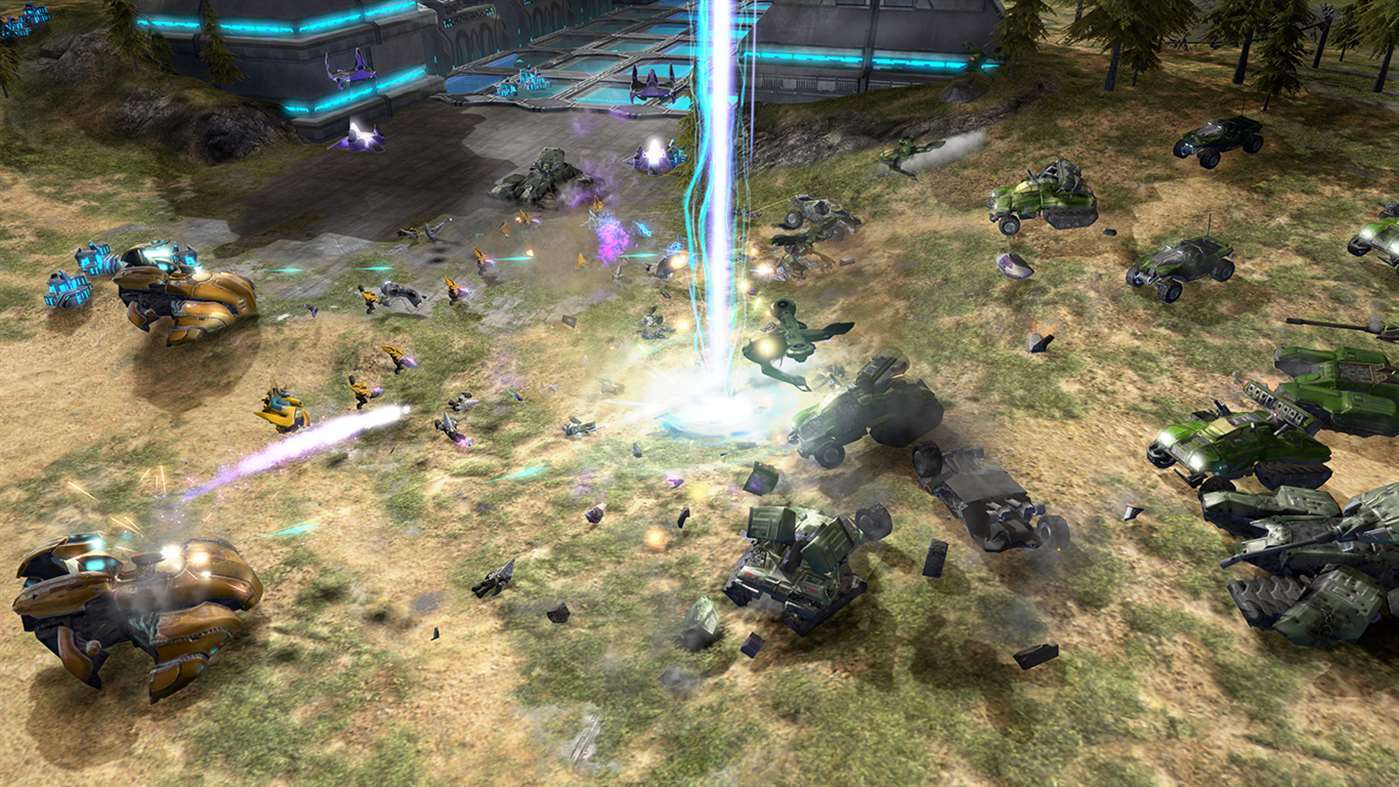
You would never think of Halo and real-time strategy; the two might not mix all that well. Halo Wars was a huge deal when it was first released, as it was a huge risk. It was the first time anyone but Bungie touched the Halo franchise, and many were skeptical. To my own surprise, the game checks most of the good RTS games off the list, but being the first time in this category, it does have its issues.
The first issue is the story. The 15 missions are accompanied by pretty pre-rendered cutscenes we have grown to love from the series, with great voice acting and stellar music. You play as Sgt. Forge, who is assigned to the Spirit of Fire and must destroy an ancient world that is full of an unstoppable army built by an ancient race. The Covenant wants these weapons, and they capture a human scientist named Anders, as the machines can only be activated by human touch. It’s not the best story, and it really fills a minute gap in the Halo timeline and doesn’t really mean all that much.
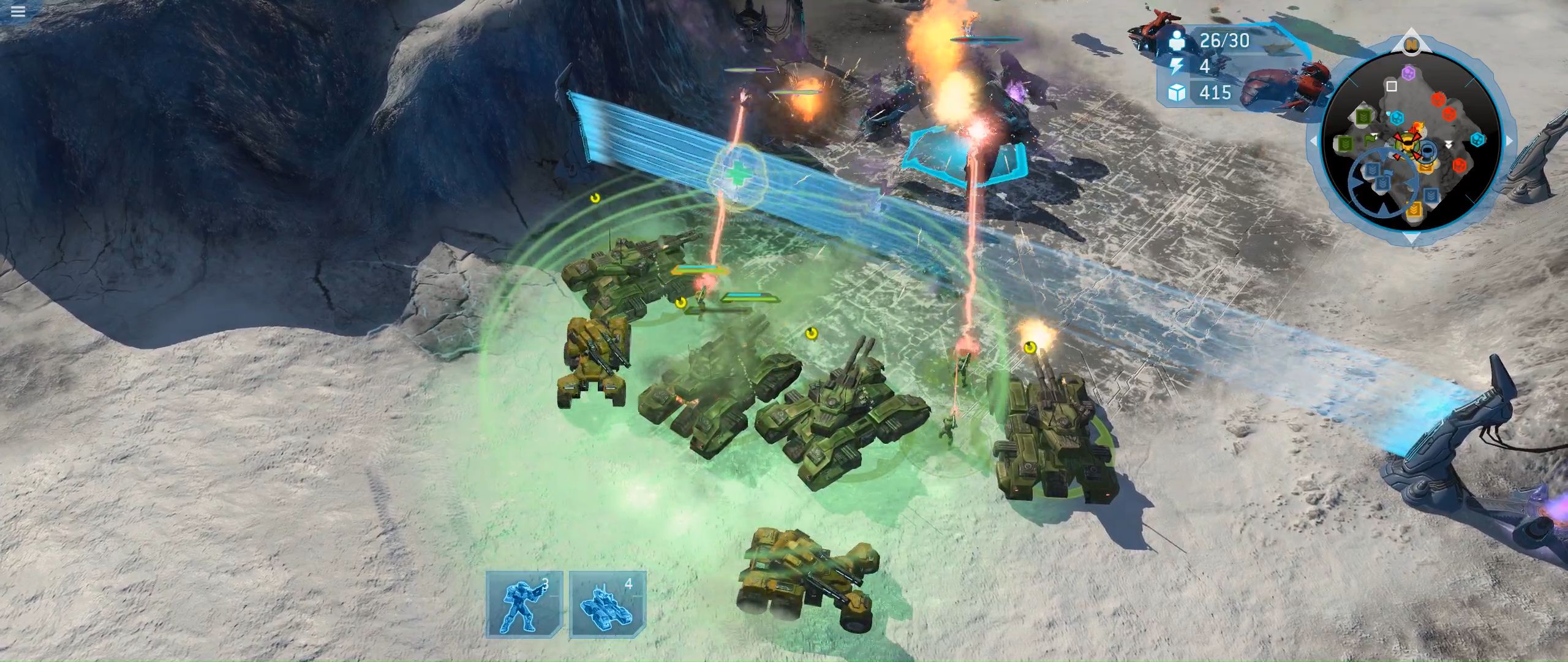
When it comes to actually playing the game, you are greeted with RTS basics, and I mean the minimum basics, as the game never moves on past that. Most RTS games require you to find and acquire resources to build an army to defeat the enemy. Halo Wars has only one resource, and this is in the form of generic supplies. You can find crates along the ground, but you must build supply pads on your base, and this is the first thing you do on every single mission. Second, your base has limited slots for buildings, and this is where the game breaks down a little. I would have 3–4 supply pads upgraded to advanced ones, and it still takes forever to get enough resources to steadily upgrade all my buildings and troops. A solid 25–30 minutes is needed just to maintain an army to defeat most enemies on a map and even longer to get all the upgrades.
It’s a frustrating battle of nursing your resources, with most time spent waiting for them to accumulate, which is not fun and quite boring. Nearly every mission where I was given a base had my guys just standing there for 20 minutes so I could research as much as possible for only what I needed for that map. The armory is used to research technology only, and this comes in the form of +10 to population, Spirit of Fire strikes, more troops per unit, etc. After you acquire all the research here, which is only a couple of tiers, the building is useless, and you can recycle it and build another supply pad. The barracks are used for only two ground troops and for researching their upgrades. The Air Depot has three different air types, and the Vehicle Depot has a few things as well. It’s very basic, with only the core Halo units you have seen in the console games. It covers every discipline well, and they all do their job fine, but some units require over a thousand supplies, and this can take up to 1-2 minutes to accumulate just for one unit. So instead of being able to send out drones to acquire a mass amount of supplies, everything is essentially rigged to a timer, which makes things not very fun.
The population cap is 40, and that’s not many troops considering some larger units can take up to six population slots. Once you get them out and fighting, it looks pretty awesome and feels just like a Halo game with familiar enemies and sounds. The Spirit of Fire attacks can give you a leg up, but they don’t feel as powerful as they should. A MAC attack or carpet bomb, even fully upgraded, may do 1/8 to 1/4 damage to an enemy base. You would expect for the long cooldown time that you can wipe out all of or most of a base and larger enemy units. It’s so incredibly unbalanced and frustrating that I always felt I never had an advantage, no matter how well I played. Even when you get multiple bases, it doesn’t help outside of giving you quicker access to troops and more supply pads. With the pop cap at 40, you would think more bases would mean a larger population increase.
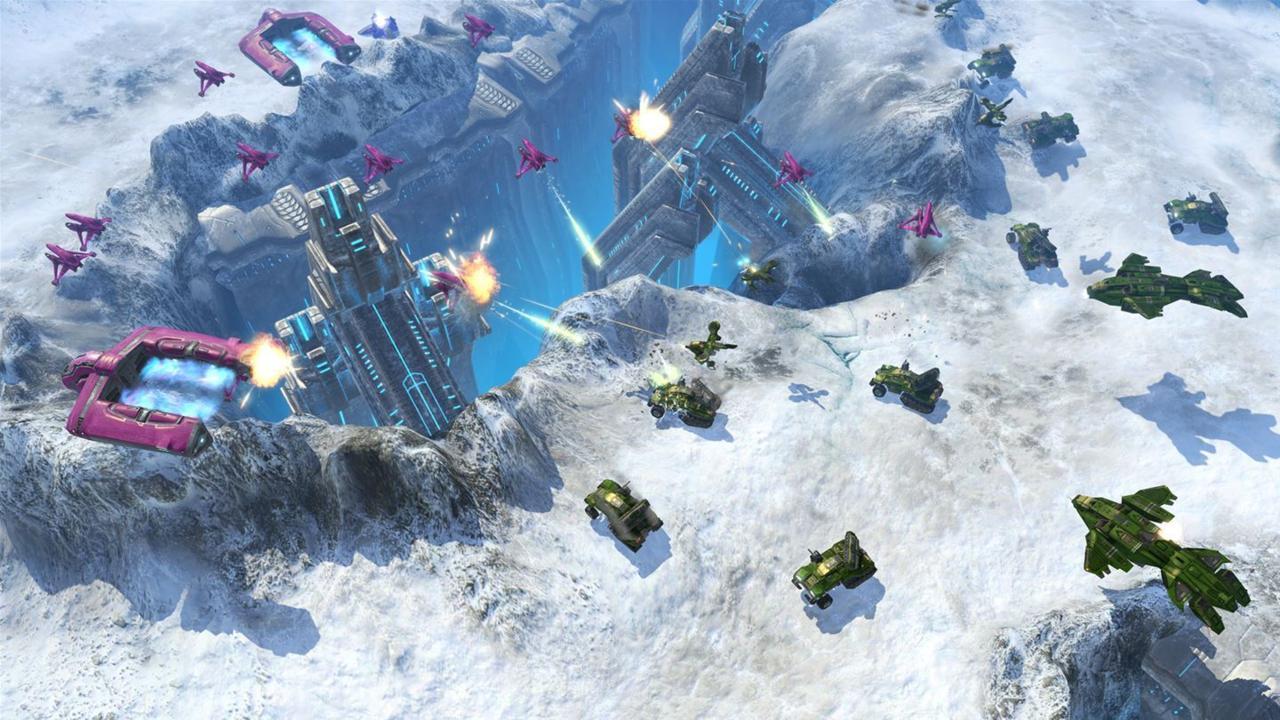
Missions are at least varied, with some escorts, defense, offense, and various others. One frustrating mission had me on a ship fending off a flood with a timed sweep that killed everything in sight. It took almost 45 minutes just to clear everything off the ship. Another mission had me station vehicles at five different spots to blow open a large base shield. I had to constantly go back and forth, defending them and clearing spots to put them down. There are not enough troops to leave with each vehicle due to the low population cap. Every troop is essential.
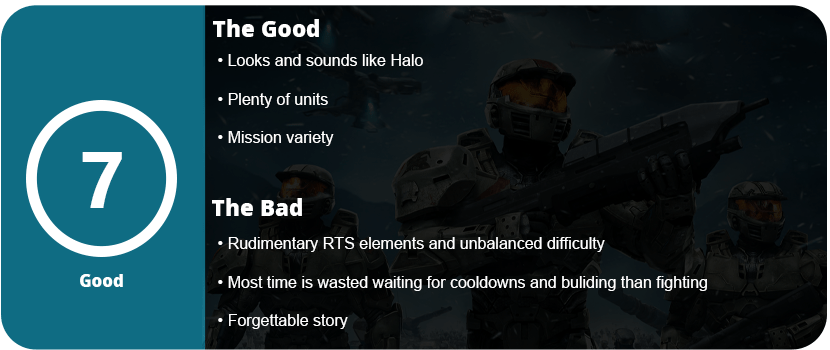
With all that said, Halo Wars has the units, looks, and sound down for a great RTS game, but it’s so rudimentary, unbalanced, and boring, with the majority of your time spent waiting for things to build and cool down. There’s a lot of mission variety, but it won’t matter as the rest of the game plagues these missions. The story is also nothing memorable and doesn’t mean much in the Halo universe. I really can’t recommend this to RTS fans or Halo fans unless you’re curious.
What a weak year for strategy games. The usual big names like StarCraft, Civilization, and others are missing this year. There were a few great games, but they were so spread out I started to wonder if the genre died.
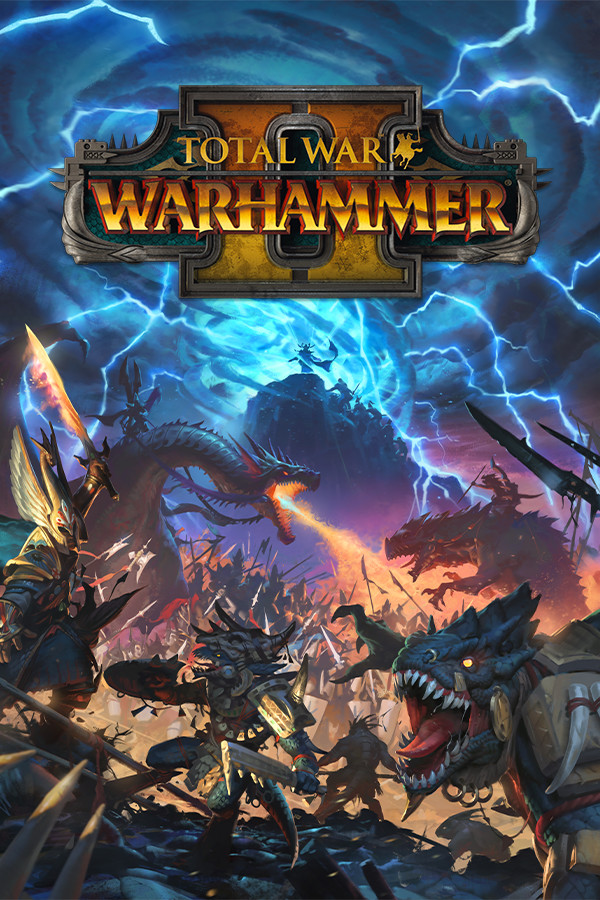
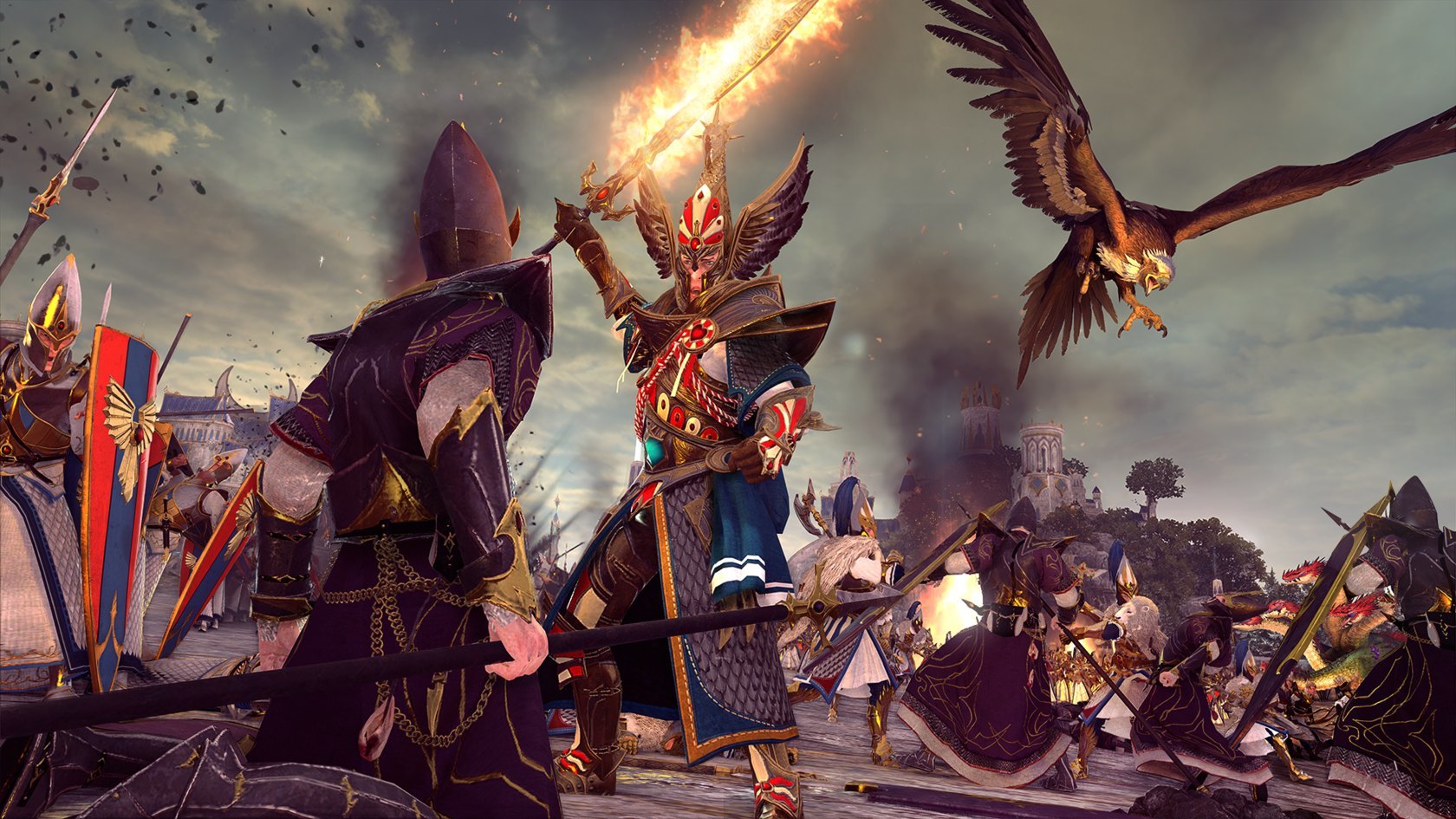
Total War: Warhammer II
Warhammer II was a no-brainer this year. Being even better than the already fantastic original, it’s massive in scale and delivers all the Warhammer essentials for fans of the series. It’s deep, beautiful, fun, and challenging.
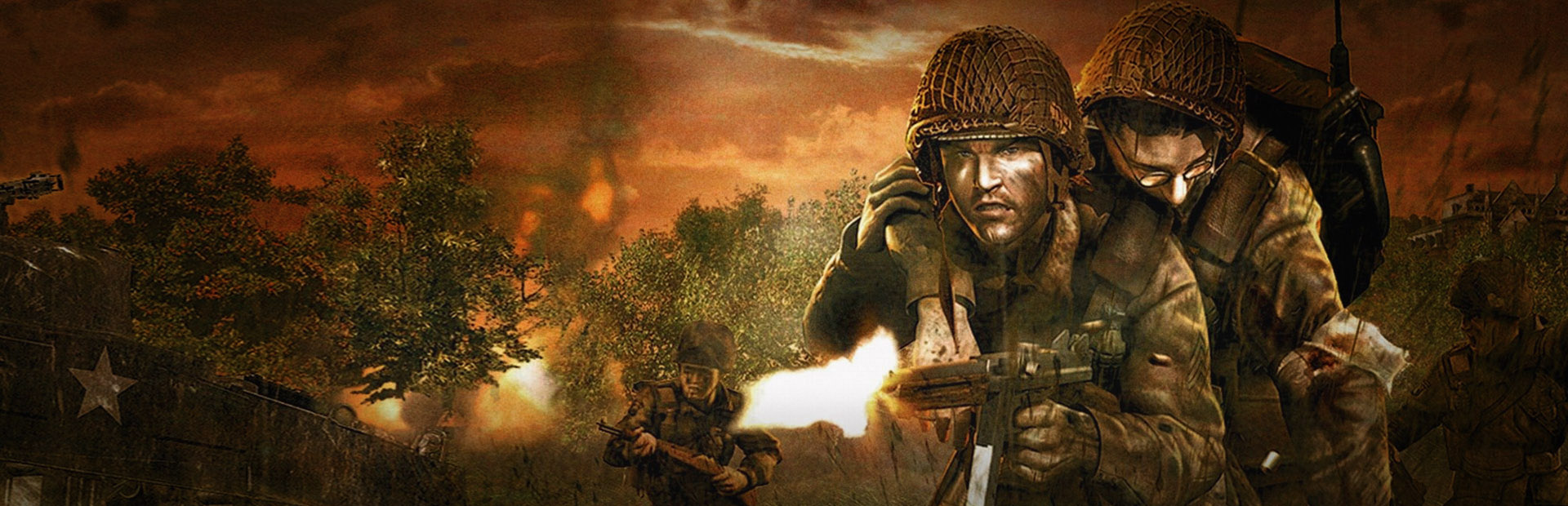
World War II shooters were everywhere, but Ubisoft and Gearbox took a dangerous risk and released one so late in the game. 2005 was a year when WWII shooters were at their peak and when gamers hated them the most. Brothers in Arms proved to be a more authentic and smarter shooter and won fans of the genre over.
Gearbox painstakingly recreated Carentan and many parts of France, where the 101st Airborne Division landed on D-Day. The game also uses squad tactics and realism, unlike any other WWII shooter out there. You will notice when you play how well the guns feel when you shoot them and how you can’t nail an enemy from 100 feet away with a Thompson. You have to flank the enemy, or you die. It’s that simple and that difficult. Red circles will appear above enemy squads. You can issue commands to your squads to suppress them. Their circle will turn gray, and then it is safe to move up and find cover around the area to flank them. It sounds simple, but it’s not. Your squadmates can die, and so can you if you aren’t careful. You have to watch out for MG fire, which will kill you in an instant, and sometimes even tanks.
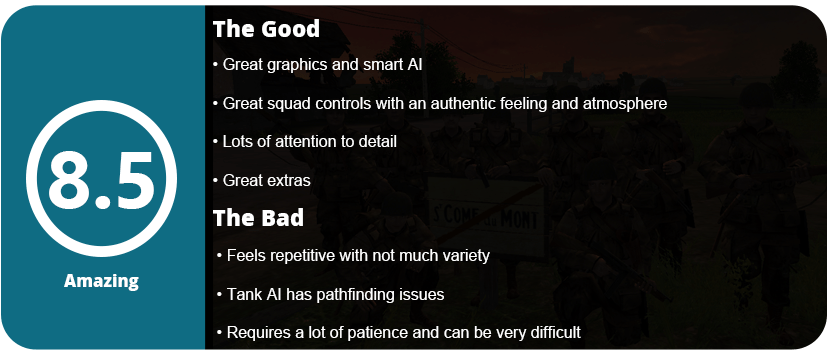
This realism and authenticity can’t be done without good AI, and BiA delivers and is even more impressive today. The only issue I had with AI was with tanks. Sometimes they wouldn’t go around each other or go the other way to follow a command. The game also requires a lot of patience. Sometimes even trial and error. You can’t just rush every enemy, like in Call of Duty, and save the day. You can order squads to rush and attack while your other squad suppresses, and then you can charge in with them to kill them all. You can also order squads and set positions that you want, so you have total control. It feels good and is a key part of the game. Without mastering this, you won’t get very far.
You also can’t just use an M1 Garand and snipe an enemy’s head while he’s in cover. It just doesn’t work that way; you also can’t kill an MG unless you flank them. This isn’t a Medal of Honor. This gave a great feeling of realism, but it was also very difficult. I died quite often because I chose the wrong tactic or flanked the wrong way. Sometimes my impatience got in the way as well. I even found different weapons to help in certain situations. When I finally got the Springfield sniper rifle, it was a weapon from God. After all the inaccurate weapons that couldn’t hit crap, this thing made life easier, but only for a few levels at the end.
When it comes to looks, BiA looks great, even to this day. The lighting looks real, the grass flows, and the models and textures are pretty high-res (for back then). You will be impressed. The game holds up and is still better than a lot of shooters today. My main concern is that the game feels the same throughout. I just went around killing everything and maybe planting a few charges. I could mount an MG sometimes and ride the back of a tank, but overall there wasn’t much variety in the game, which I find the biggest issue.
What’s here is one of the most authentic shooters around, and fans of the genre won’t be disappointed at all. The game looks great, has smart AI, and tells the sad story of Baker Company and the 101st Airborne.
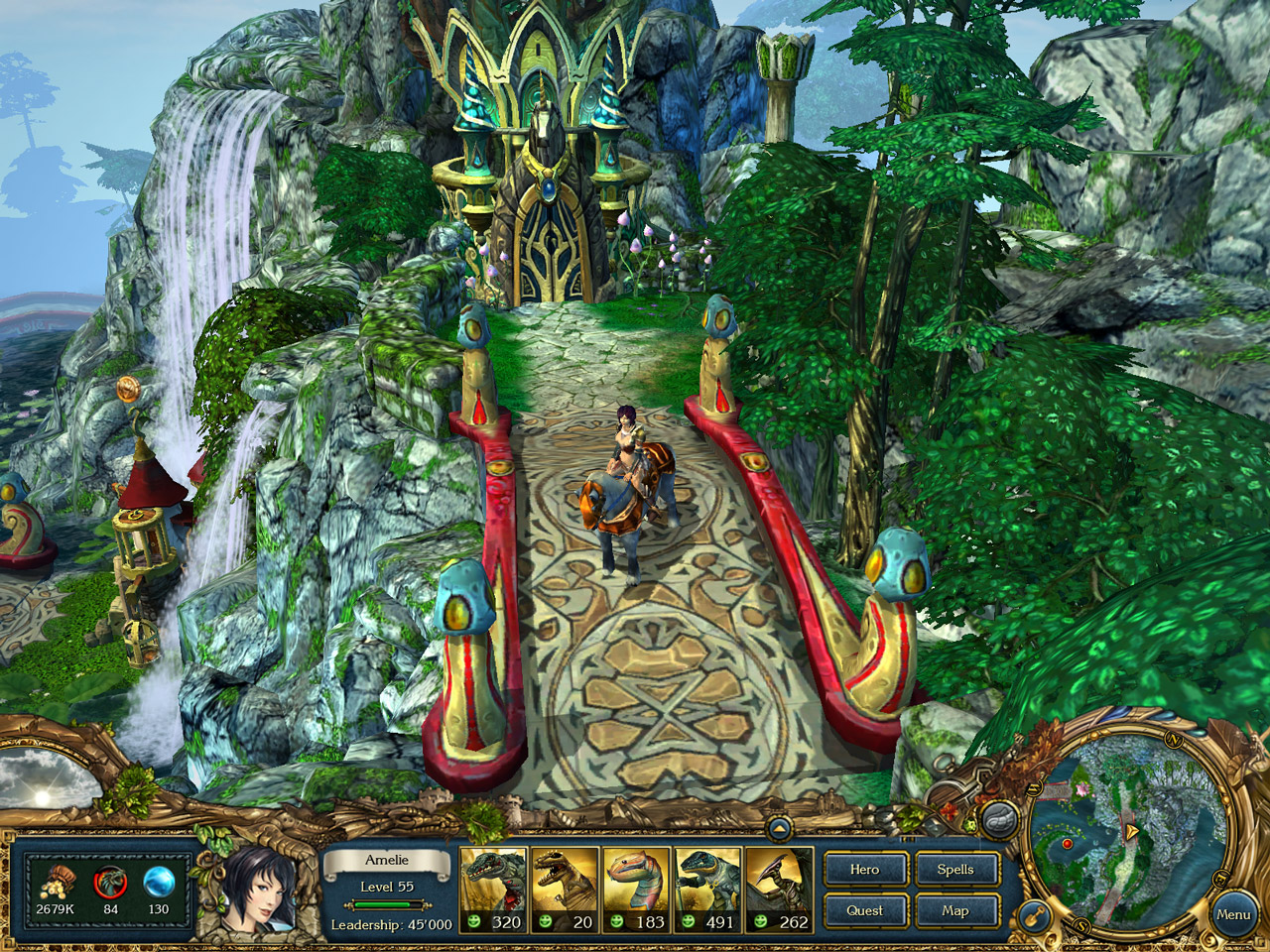
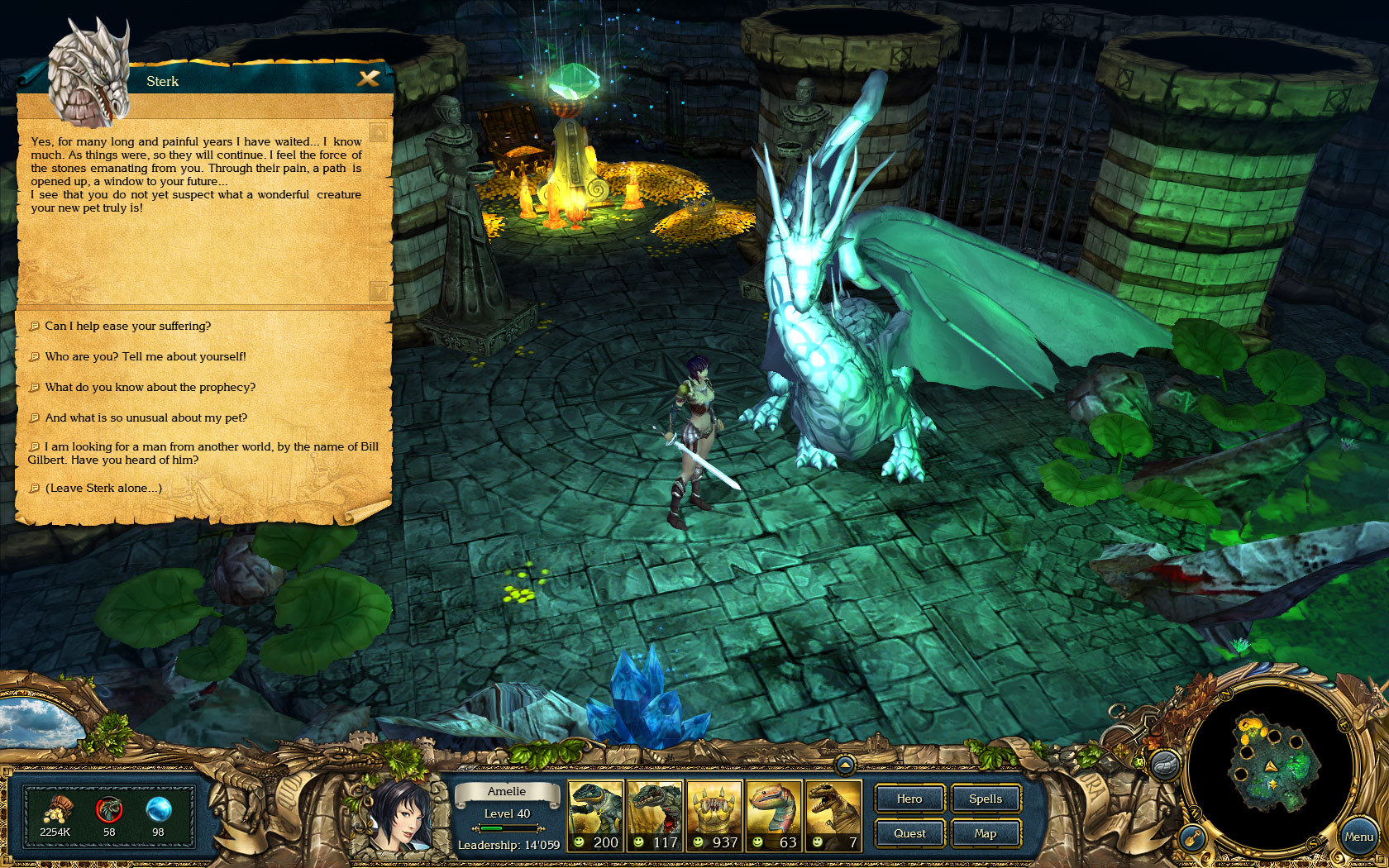
Armored Princess is a fairy tale game about a princess who gets sent back in time to awaken Teana (Mother Earth in a way) to help stop an evil force that will destroy the world. You are also trying to find a man named Bill Gilbert along the way who plays a key role. To awaken Teana, you need seven stones that are scattered across a few islands. Of course, this involves a few boss fights and many battles. Armored Princess is extremely difficult, to the point that 90% of the people who play will uninstall it after you get off the first island. This game is brutal on any difficulty other than easy and using the warrior class.
The problem with Armored Princess is that it requires too much grinding. For a turn-based strategy, this is expected, but this one goes way too far. You need leadership points to increase your mass unit capacity. Each unit requires a different amount of leadership. You also need gold to buy them, and the problem is that this comes way too slowly. You either need to be able to level up quicker or enemies need to be scaled back. You run around the world in real-time, collecting things in between battles like leadership points, runes for acquiring skills, gold, units, scrolls, and other items. Some enemies roam around the world, and some are blocking loot. You can right-click on the unit to see how you will fare against it. Enemies that are very weak compared to you will run away, and you can end the battle by just letting them go. Enemies that are all the way up to invincible are impossible to kill. You need to level up and acquire more powerful troops. Sounds simple, right? Not at all.
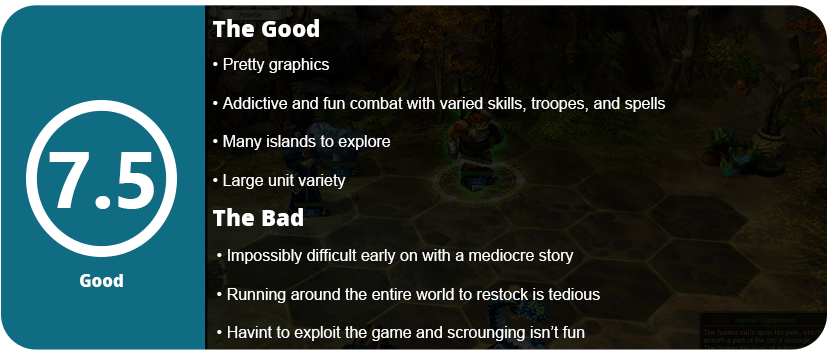
The problem started after leaving Debir, the first island. I was killed very quickly, no matter what strategy I used. You can buy more units, but they are in limited stock. Once you buy them all out, that’s it for that location through the whole game. You have to wander around the islands, finding stores that sell them. Most units are pretty useless, such as horde units. You can have over 1,000, but each unit only does 2–3 damage. They also get killed very easily, and they are just a waste of gold. So, I found myself running around exploiting the game, trying to scrounge up what leadership points I could find, scrolls, gold, and anything else I could get. This is not fun at all. I don’t want to inch up behind a roaming enemy just to get 70 leadership, which can get me one lousy unit. Even if you find all the leadership flags on every island, it isn’t enough. You have to level up and buy equipment to gain a lot of leadership. At one point, you can fly around, which means you won’t run into enemies, but you can only travel to other islands by ship.
Battles are really fun and addictive, and that is what kept me going. All the units are very unique and have awesome abilities. You also get a dragon that sits off on the side of the battlefield and can use its abilities. You also have a spellbook that allows you to cast one spell per turn. Enemies move around the hexagonal grid and attack. You eventually learn what units are good against others. The more units you have stacked, the more damage they do. Yellow numbers are the overall damage total, and red is the number of units in that group that have been killed. It feels great when one of your groups can knock out a large one from the enemy. There are things that block parts of the grid off that you have to walk around, as well as neutral obstacles that will attack the troops or give them passive defensive abilities. Battles are just so much fun and become really addictive, but how you level up your character and choose the right troops is key to winning.
That is, if you win any battles at all at one point. Being forced to do side quests to level up to earn leadership and gold is just a real pain. Several times, I wanted to give up because it was so unfair. I would wipe out all the armies that were equal in strength to me and lower. I would level up a bit, scour the islands for weaker enemies, rinse, and repeat for 50–60 hours. It does get tedious and boring after a while because this is all you do. When you finally level up enough to get stones, you feel like you are finally making progress. In all honesty, 1C should have just made you a bit more powerful and allowed you to level up faster or something. The whole scrounging thing was just insanely annoying and difficult. It doesn’t help that if you run from a battle, you lose your entire army. If you are wiped out, you start off at Debir Castle with a few lousy units. What if that one powerful unit was the last at that store? Where am I going to find another one? Who knows. There are dozens and dozens of stores spread out, and that one powerful unit could be anywhere.
There also aren’t any extremely powerful troops overall. They only become powerful in quantity. There are troops that you can only have a few of, like Red Dragons, Ancient Ents, Ogres, Golems, and other large troops. I wanted to see a few one-unit troops that were extremely powerful. The troop availability is also random, so you never know what you are going to get. I just found going from island to island after each battle to restock just got tiresome.
The story itself is mediocre, with the typical text-based fairy tale adventure of elves, orcs, and dwarves. You won’t remember the story a year from now, but it is entertaining while you are playing. I just wish this game wasn’t impossibly difficult because it makes it less fun. Most people will cheat by using the console command to acquire levels and leadership. When you get to a high enough level, the game is fun, but until then, you will struggle and probably quit.
There weren’t many great strategy games this year! It was really hard just finding five of them that were worth Game of the Year for Strategy. I had to resort to nominating expansion packs! What makes a great strategy game is great tactics, that is the core component. A solid UI that isn’t confusing, great AI, and even great multiplayer. Graphics usually come last, as well as a story, but they help.
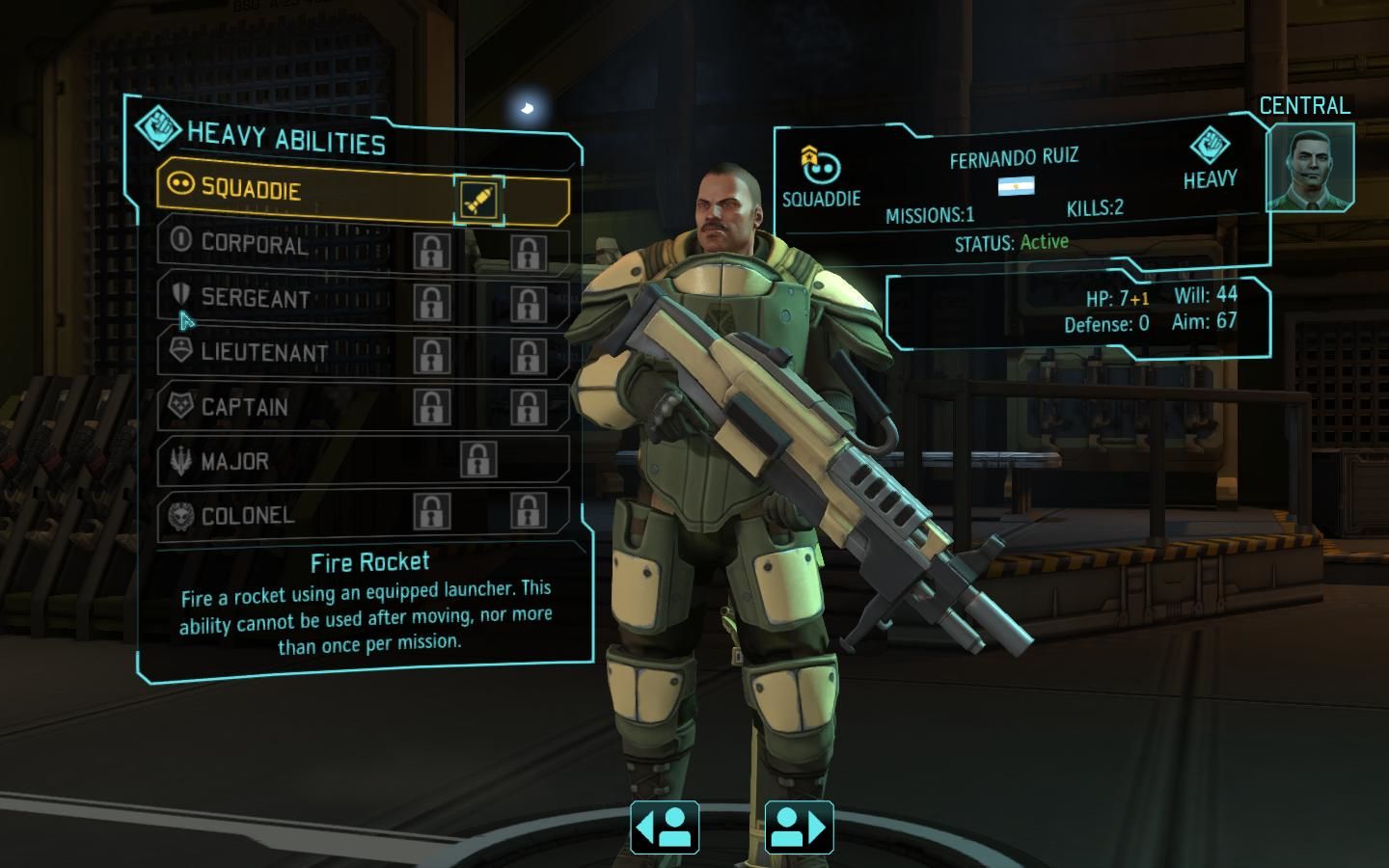
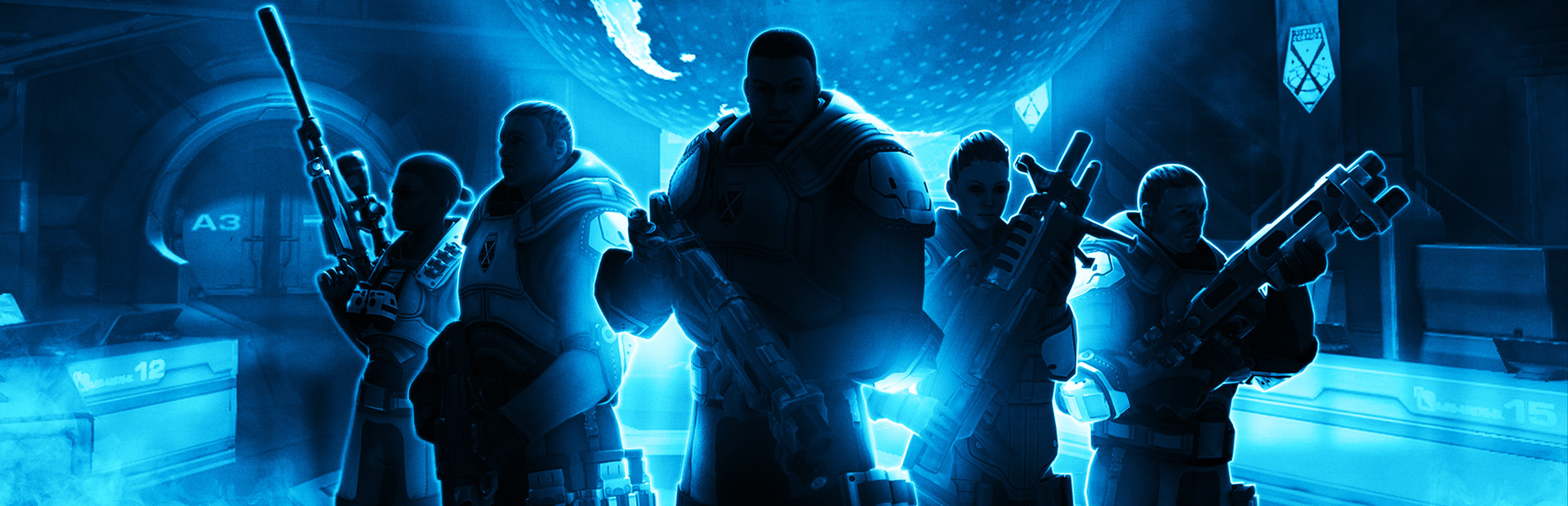
This probably doesn’t surprise anyone, XCOM was really the only anticipated strategy game this year. The UI is very streamlined, nearly revolutionary, and the small squad allows for some intense tactics. The research you do is really helpful, but the game’s only fall back is that it is relentlessly difficult. The deep tactics and the comeback of a 10-year-old game win it over the others.
XCOM was a popular turn-based strategy game back in the ’90s, and everyone was surprised by how well this game turned out. Enemy Unknown keeps the series vibe and atmosphere updated to today’s standards. Enemy Unknown is one of this year’s best strategy games, but there is one reason why most people will never complete this game: It is too damn hard. Not the fun and challenging type of hard, but the kind that makes it impossible to move on no matter how well equipped your soldiers are.
The game does a very good job of introducing new things to you as you move on. The UI is very simple and uncomplicated, but pretty deep. You get to see a cut-a-way of a military base, and you can click on each department. Research is where everything starts. By gathering all intact materials from missions, you can research new things like weapons, armor, satellites, and various other things. Engineering is where it is all made and upgraded, as well as keeping track of other buildings. Workshops, laboratories, generators, hangars—all these things determine how fast you can upgrade and how you become more powerful. The barracks are where you can equip your squad’s loadout, upgrade soldiers, hire new ones, etc. Finally, there are the situation room and the command center. Here you can advance the days until you run into missions, trade alien parts on the black market, and view how in distress the world is. It is all very simple and almost revolutionary in design because most strategy games are Excel sheet-based and are pretty complicated and hard to navigate.
Once you assign things to engineers and do research, you can advance the days until you run into something, such as a UFO sighting. When this happens, you scramble your jets, and depending on how good the equipment you gave them is, they’ll take it down. Most of the time, you will run into abduction scenarios where you eliminate all hostiles or have to rescue someone. When this happens, you get a choice as to what country to help. Each one gives you a reward, such as money, scientists, engineers, or other items. Usually, you pick the one that’s in distress the most because if you don’t, they will remove themselves from the XCOM operation, and if they all withdraw, it’s game over. Once you go into battle, this is where you see how hard this game gets.
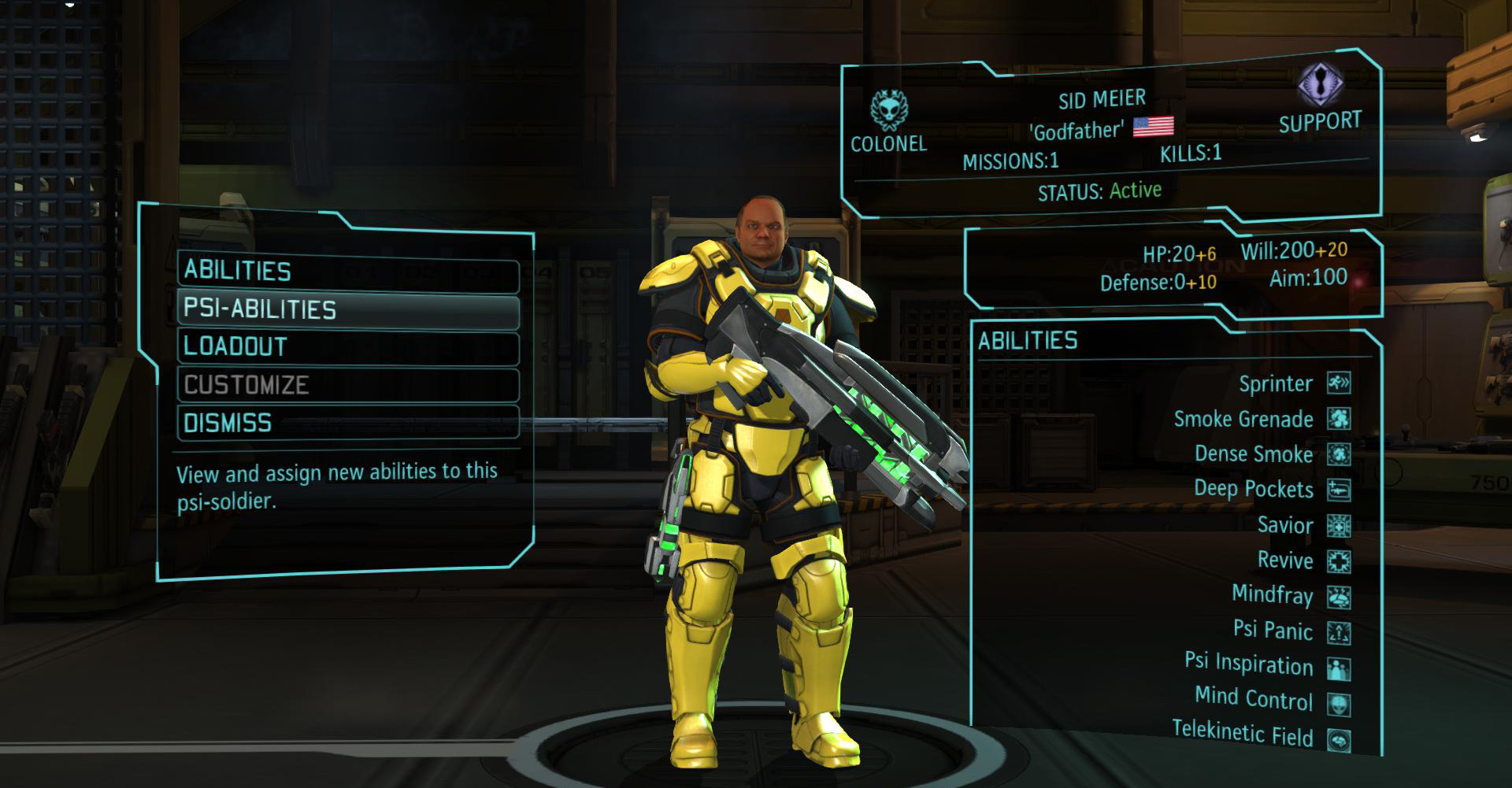
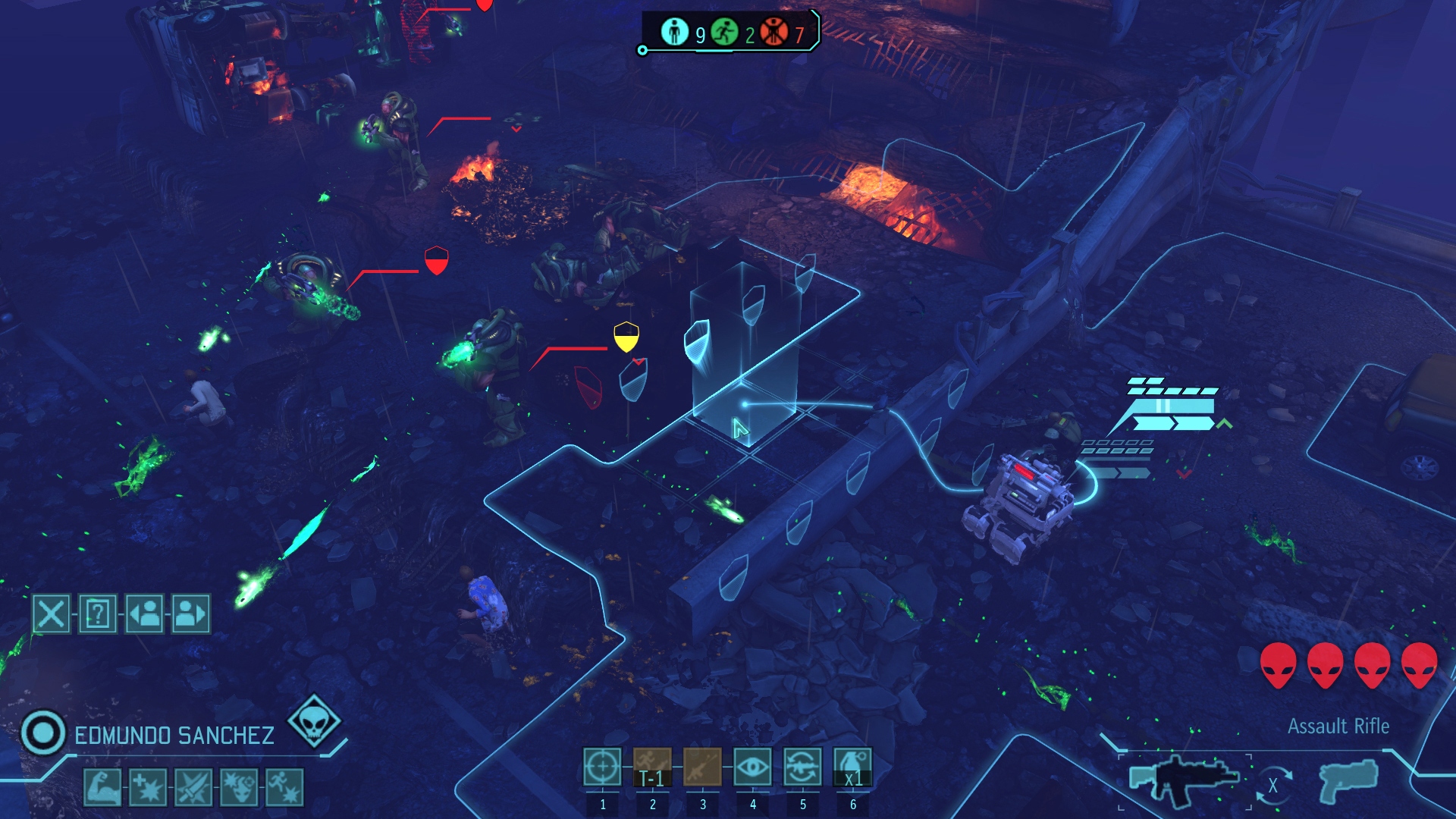
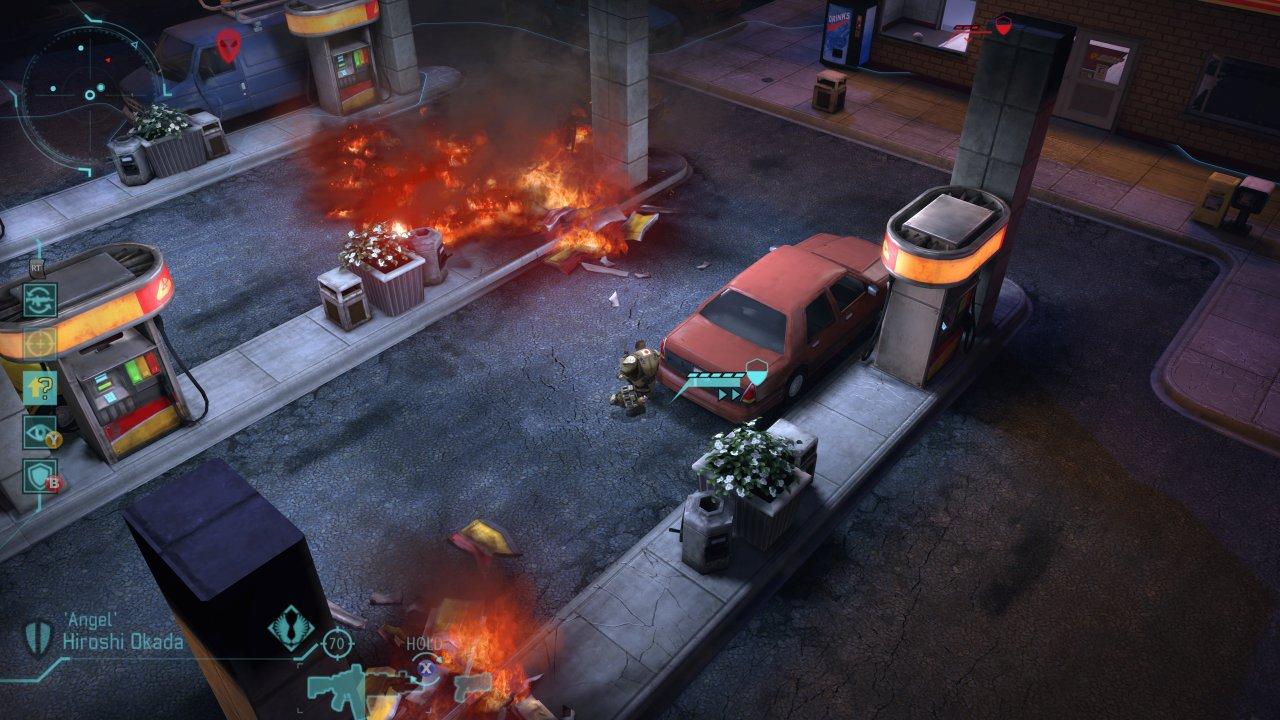
Each soldier gets two moves. The area around them is blue, which means that’s one move, and yellow, which means it takes both moves to get there. Performing an action takes one move, and that is usually shooting alien scum. All soldiers start out as regulars with assault rifles until after their first mission and they rank up. The class is chosen randomly, which I really hate because you can be stuck with five snipers and just one assault guy. When you are ready to shoot, you will see how accurate your shot is. Once all turns are taken, it’s the alien’s turn. This back and forth is normal for strategy games, but the objectives you are given, or the difficulty of aliens, are absurd and completely unfair. You will shoot down some small grays and get through a few thin men. Maybe you will lose 2 or 3 guys in the process, and then four freaking Mutons will show up and wipe the rest of you out in one turn. Or don’t forget the damn spider things that can turn your squadmate into a zombie in one hit. This gets frustrating because every mission is like this. I rarely got through any unless it was on an easy-difficulty mission.
This would be ok if it were during main missions, and you could go back and grind a bit to get better equipment, but you have to do that with every single mission. You fail almost more than you succeed, such as by losing so many soldiers. Once a soldier dies, they are dead forever and won’t come back. Once you lose a fully ranked soldier, you have to start from scratch again with a new guy. It is completely unfair in a game this difficult. In most missions, you will be lucky if you get out with 2 or 3 guys, but you are probably thinking that’s because I stink at the game. I would restart and try all different strategies, and nothing would work. The whole point of the game is to take cover and never be out in the open. Once you advance and are just standing there, you’re dead. The fog of war doesn’t help when you run around the map trying to figure out where all the enemies are. Forget a rescue mission where you have to save a certain amount. Saving 5/25 people is a lot harder than it sounds. All 20 will die before you get to your third guy. This game is just a nightmare, and not in a fun way.
That doesn’t make the game bad, though. There are a lot of great research projects that have a huge impact on everything you do. You have to decide carefully about what you want, or you’re screwed. You get a very limited amount of money every month, and you have to stretch it. I found this a bit unfair as well, because there’s no compromise. Even if just one element was easier, it could make this game more tolerable. As it stands, I had this game for over a month and barely got 25% through the game before I gave up. Spending 45 minutes on a mission and then dying at the end is just ridiculous. Reloading quick saves doesn’t always work, either because you realize you forgot to equip someone with a medkit or because you need to be more accurate on certain missions and forgot to equip scopes. This game is just a pain.
The production values are at least nice, with great-looking aliens and some decent voice acting, but overall, this game requires extreme patience more than skill or brainpower. The game is well done with intense battles, but maps repeat often, the camera is screwy where it zooms out of buildings, and the graphics are a bit underwhelming. The main thing is the extreme difficulty, which practically ruins the game. I have never played such a hard strategy game before, but there’s someone out there who will like this.
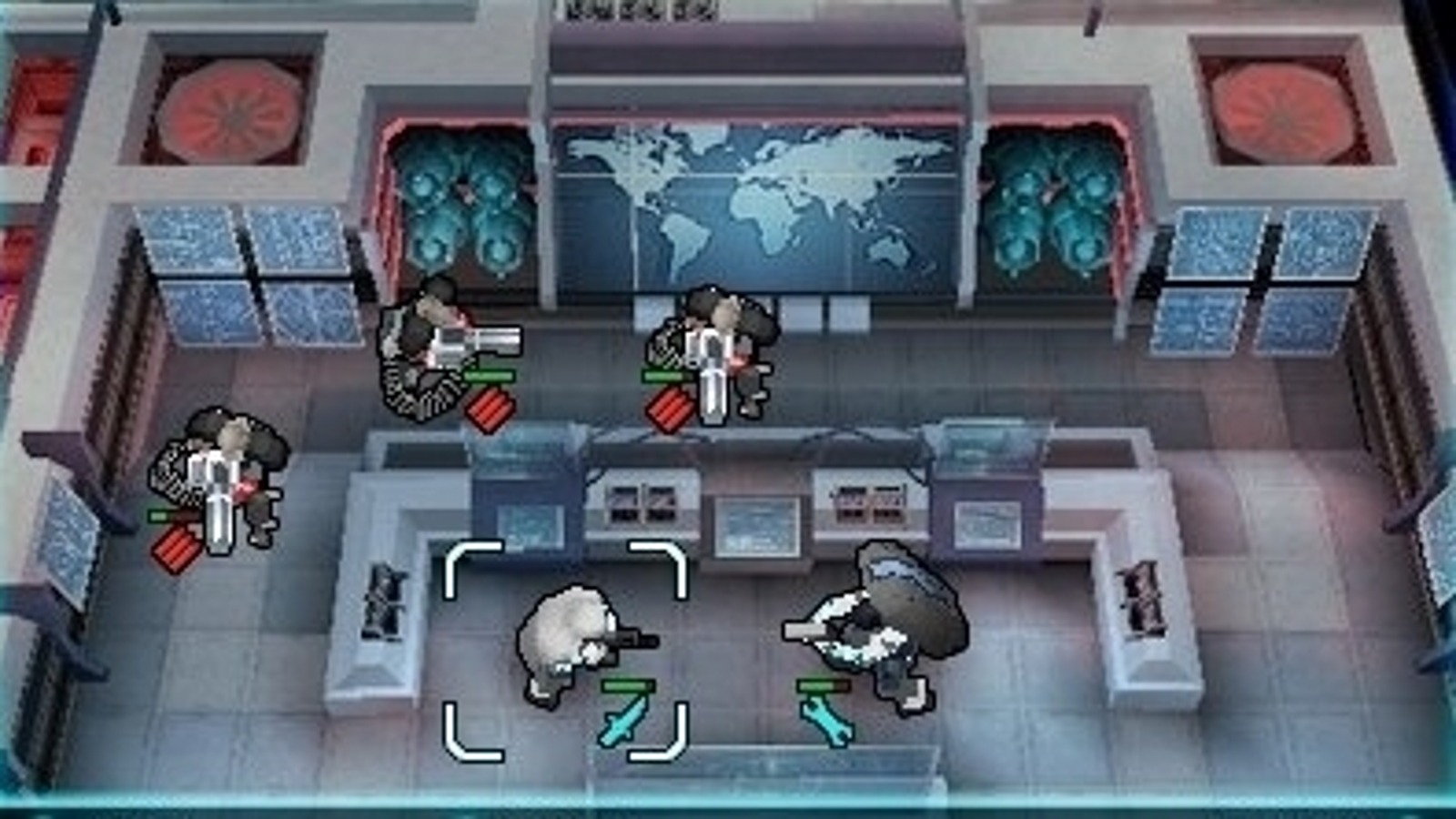
When you think of Tom Clancy or Ghost Recon, you probably aren’t thinking of turn-based strategy. Ghost Recon takes the weirdest and most unlikely departure that is sure to become a disaster, but works well and culminates into a great little TBS game. This would be a great game, whether it had the Ghost Recon name or not. Traditional fans of the series may cry foul or turn their nose up, but portable fans and turn-based strategy fans will likely get hooked. Ghost Recon has never been known for deep or complex stories, and Shadow Wars is no exception. You play a squad of elite soldiers trying to stop a war between the Russians and Kazakhstan. Due to the lengthy campaign (a good 15 hours or so), you get an entertaining story that you actually want to see an ending to. While the characters aren’t very deep, you do grow somewhat attached.
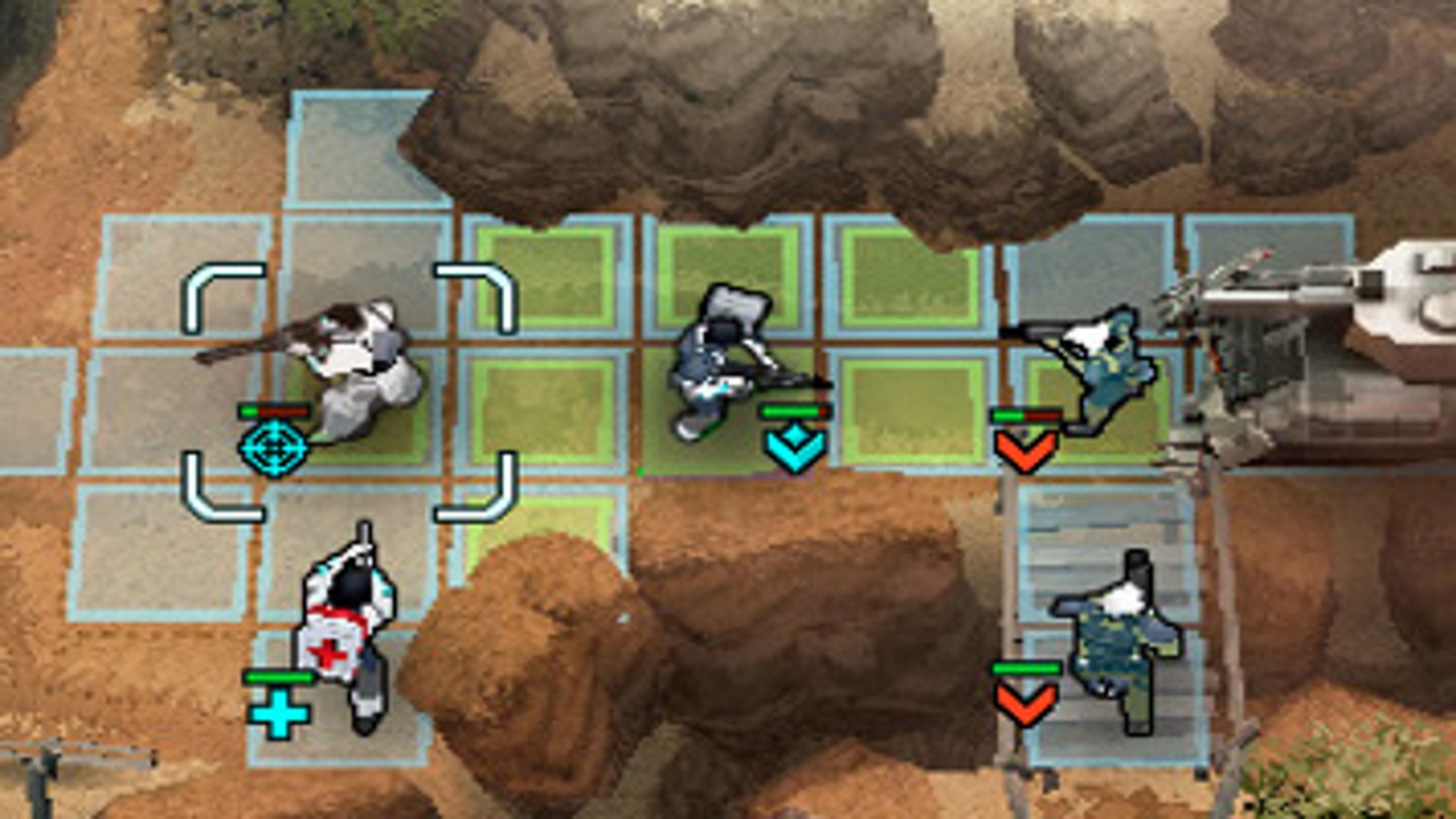
Of course, you want great tactical gameplay in a game like this, and Shadow Wars delivers. While it may not be very deep, it’s suspenseful and has various missions that will put you on edge sometimes. The enemies are just regular soldiers, but as the game moves along and you level up, they get tougher, and eventually you get drones thrown at you, which are pretty tough against anything but explosives. Each of the six ghosts is completely different, such as one who uses a mini-gun, which is good for up-close firepower; Haze is the sniper; and Banshee uses a cloaking device, so she is invisible to everything unless right next to an enemy. You will use each ghost and rely on their powers and abilities because each mission will require you to really choose wisely how to move about the map.
Each ghost can gain command points by killing enemies, which can then be used for their special power. Duke and Banshee can use Rapid Strike, which gives them one extra turn, or Haze can use Super Shot, which is pretty much a hit-kill sniper shot. Of course, their secondary weapons can be used this way too, like grenades or Duke’s portable missile launcher. Most maps have various command flags that you can capture to earn command points for the entire squad that can be used to give a ghost another turn, give everyone a huge command point boost, or call in an airstrike on outdoor maps for devastating attacks. You can use cover, like in regular games, that will reduce damage, such as going into buildings or being next to obstacles. You also have an attack range that will be reduced the farther the enemy is, but this isn’t anything new to TBS players and should fit right in.
While all this sounds deep, it really isn’t. Sure, on the field, you have to use your brain and decide how to move about the map wisely, because 99% of the time you’re greatly outnumbered, and a dumb move can cost you the game. Each map is completely different, but most objectives tend to be the same. After a mission is complete, you can distribute points to level up your ghosts, which gives them more health, further movement, and more damage. You can also equip weapons, but I was greatly disappointed in this because each ghost only gets one other option for each category, and I stuck with the first one through the whole game.
There are other problems with the game being way too hard on anything but easy, and even then, you’ll fail missions a lot. Thankfully, there’s a save feature, but towards the end, you’re greatly outnumbered by enemies that take forever to kill, even if you’re at the highest level. I found this unfair, and despite being intense by getting out with a hair of health left, it was exhausting because some levels dragged on forever. Despite these shortcomings, the campaign is varied and mixes things up a lot, so this kind of help.
Don’t expect anything deep that you expect from most turn-based strategy games; just come in expecting a lot of fun activities. The game is extremely tough and doesn’t offer a deep and really interesting story like most turn-based strategy games do. The graphics are also nothing special, even with decent 3D effects. You’re not going to see anything that you haven’t seen in a portable TBS game. Shadow Wars is a great entry into the 3DS and will keep you busy for quite some time.































































 thebinarymessiah.com
Try multiplayer. A lot of fun !