Stories are probably the most important part of a game, and a good story tends to be original, full of plot twists, good characters, and great dialog to go with it. Video games have set the standard for fantasy stories and are probably video gaming’s greatest achievement.
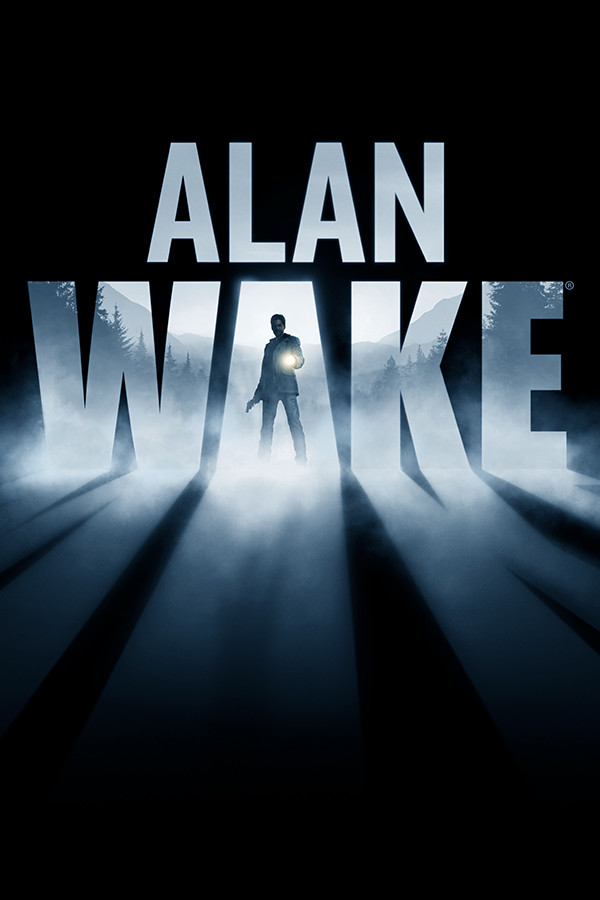
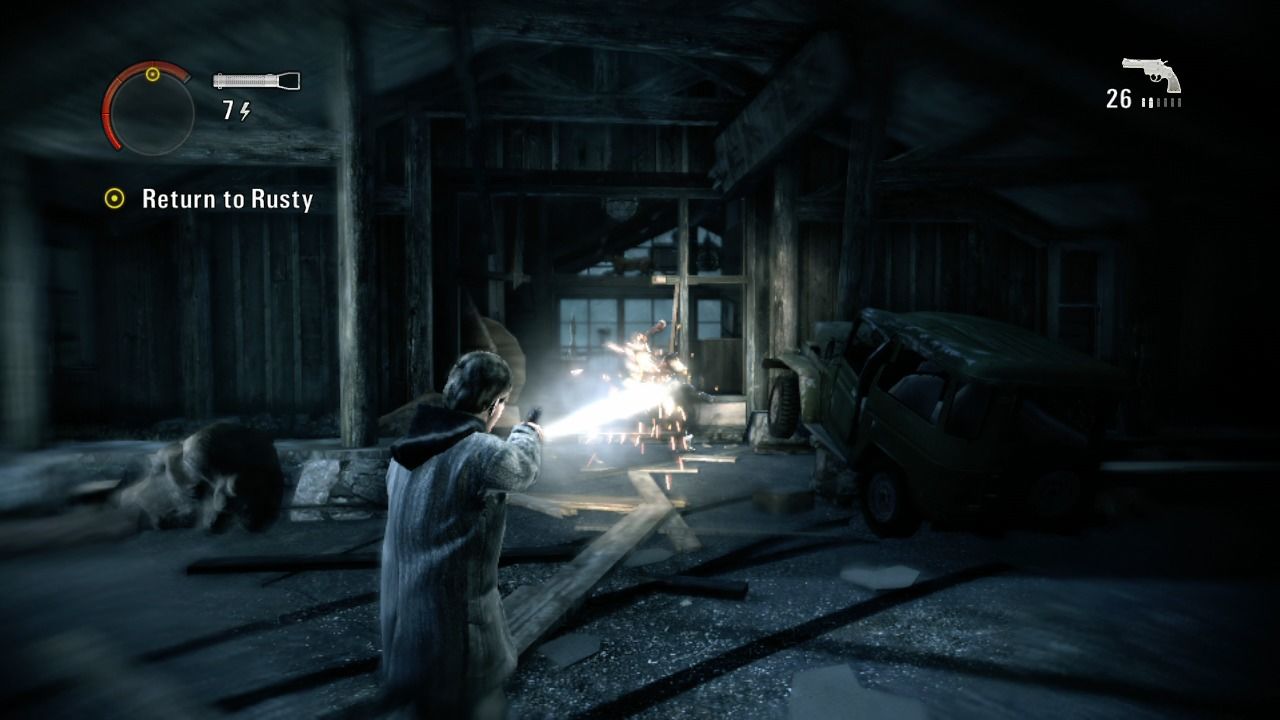
Alan Wake has a story like no other with a rich, deep, and complex (yet easy to follow) story that is ripped straight out of the best horror novels. The way Alan Wake unfolds, and the story is told with plot twists, and loops that keep on coming you just keep on playing just to find out what happens with Alan! This is exactly how a game story should roll out, and other games have big shoes to fill.
Voice acting is essential in a game to make characters sound believable and give them character. Good voice acting is just like a good movie, so it shouldn’t sound scripted or just plain terrible.
Red Dead may not have strange alien characters, but the voice acting is so authentic that you really get attached to these characters without awkward moments, or sometimes scripted sounded segments. The voice actors Rockstar chose really sound like these characters and put so much passion and effort into them that the whole game really just sounds like a movie.
Sound design is probably the most important thing next to the gameplay. Without some sound, there’s not really a game, and the best sound design makes things sound authentic for the universe it’s in and makes the sound convincing, and usually, it’ll pack a good punch, sound epic, or just subtle details in sound helps.
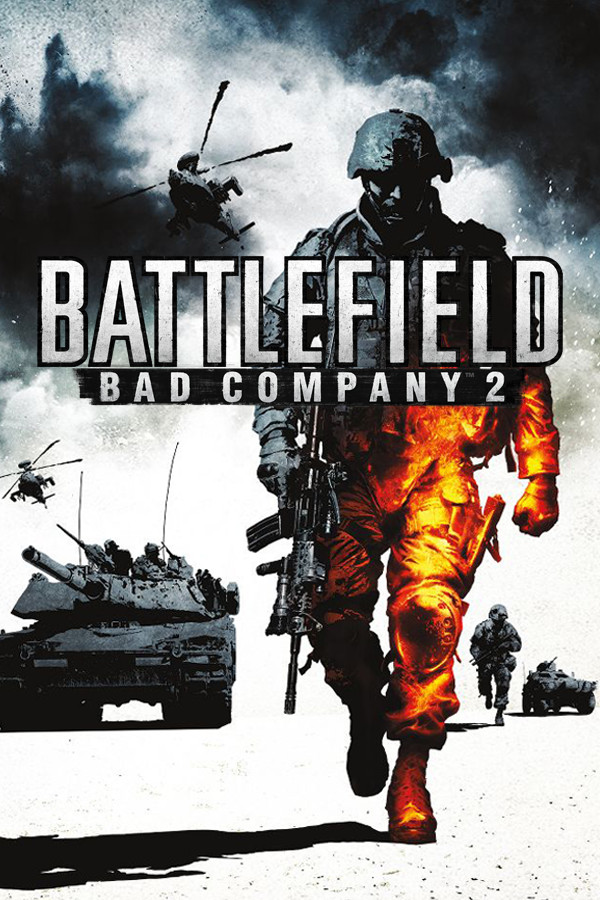
How can a war game have the best sound design? The first Bad Company truly made a game sound amazing with realistic weapon sounds, epic explosions, and differential sounds such as shooting in a building sounds different than outside and the echo traveled when walking through a door. That is the kind of detail that most games don’t make. The sequel follows suit with more detail in this department, and there’s nothing that can trump the epic explosions and sounds of gunfire.
What defines an atmosphere? It’s the portrayal of a setting and world that feels authentic in the sense that it can make you feel you’re in it. It can scare you, make you feel like a superhero, or make you feel full of magic. The atmosphere in a game is extremely important and with the latest technology developers can bring us more authentic settings.
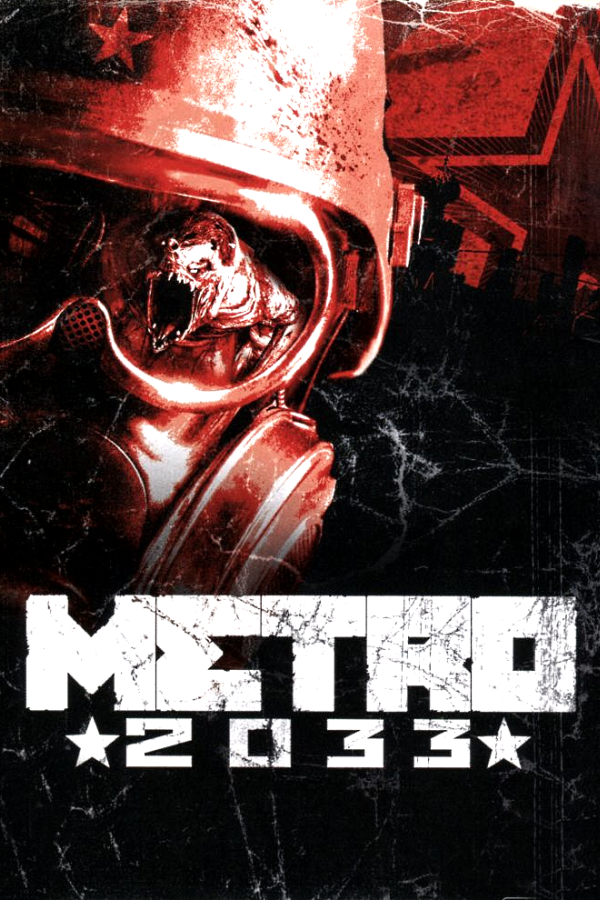
While Metro 2033 didn’t see much light from retail it has one of the most amazing and scary atmospheres ever created. Feeling all alone in a subway in Russia with just a lighter, gas mask, shoddy handmade weapons, and the sounds of creepy dogs howling down the tunnel? Only one clip left and there could be ten or more? That is one scary situation, and even the outside environments are incredibly hostile feelings. The mix of enemy camps with stealth missions makes you feel desperate, and if you get caught the whole world will come down on you.
What makes music in a game good? Something that fits the style of game, setting, and something that isn’t repetitive, annoying, or something we’ve heard in a million other games. Music is probably one of the most important parts of the game but easily overlooked by most gamers.
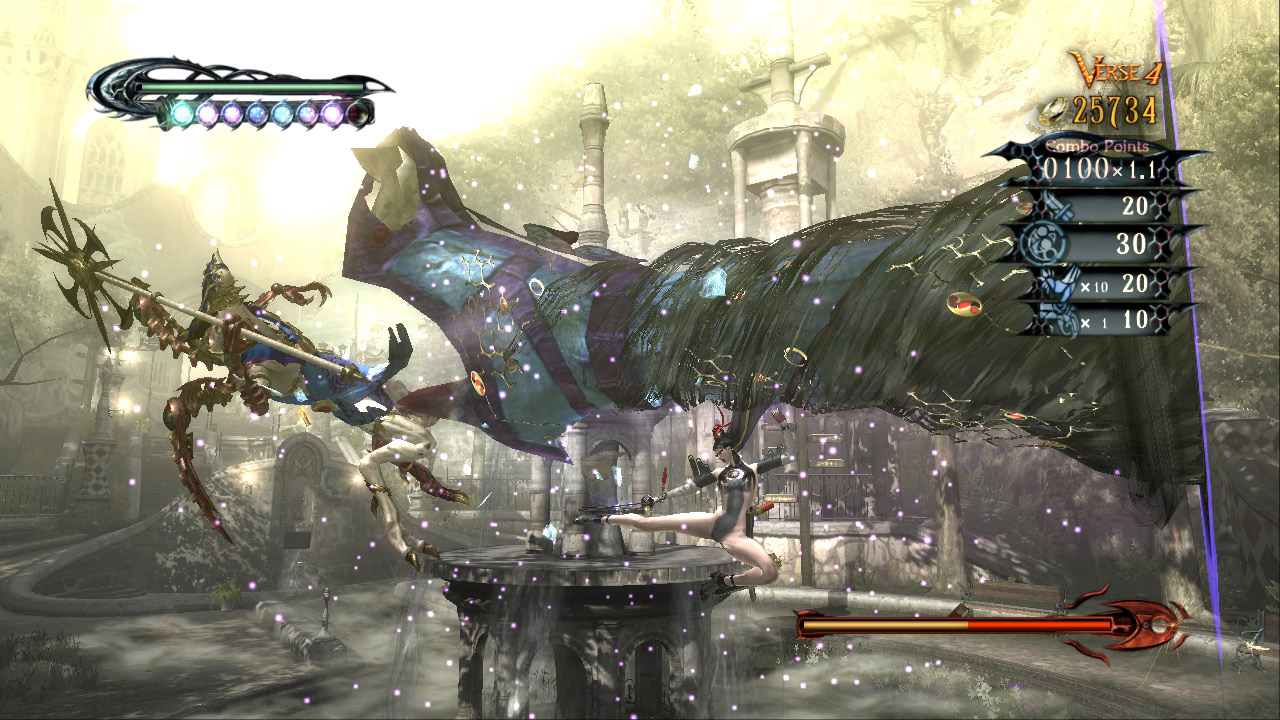
Bayonetta’s music isn’t only angelic and beautiful, but it’s so catchy that you just want to hear it again and again, and it really fits Bayonetta and her style. You just get goosebumps when seeing Bayonetta fight with style on the screen along with this angelic music. While there isn’t a huge variety what does play is amazing and is memorable.
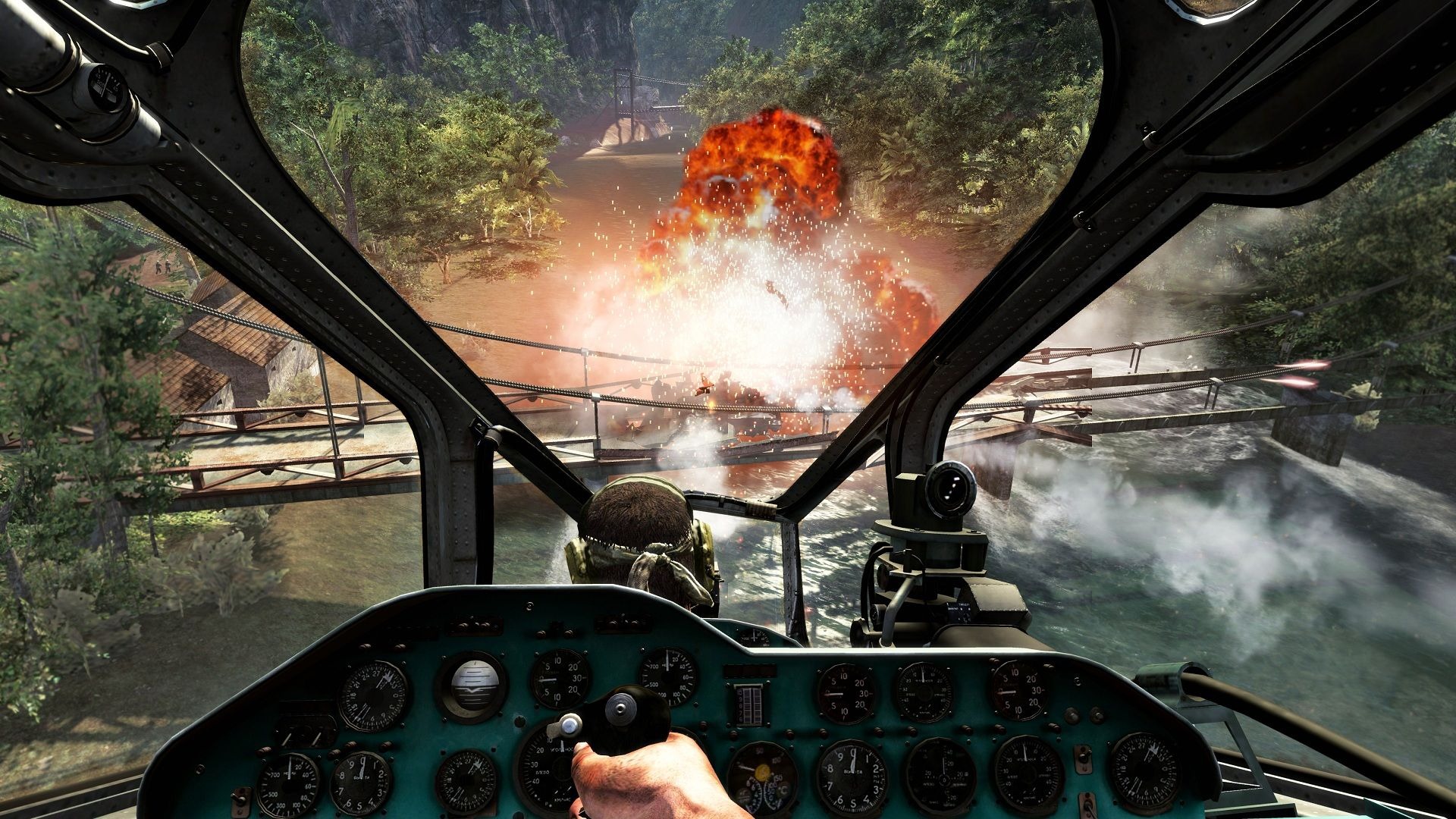
Military shooters tend to take the most flak because they tend to be the same, linear, sometimes boring, with questionable multiplayer, but when Modern Warfare came out four years ago, it really shook the ground, and shooters have been copying it ever since. Black Ops also has something that surprised me, and this was a solid, memorable single-player experience. Blasphemy right? Wrong! The game has lots of varied environments, tons of epic moments, and a few vehicle sections are thrown in, as well as the best helicopter-based missions in any game ever. The game also doesn’t start out as a regular shooter, with Alex Mason (Red Faction: Guerrilla, anyone?) strapped in a chair and a disguised voice yelling at him to remember numbers. The whole story only makes sense at the end, reveals a lot of plot twists, is beautifully crafted, and shows developer Treyarch isn’t the weak link in the CoD series.
The game has a lot of new weapons that are true to the Cold War/Vietnam era, and even the art style shows. The game is beautiful, with great sound, voice acting, and the actual plot mentioned above. The game has memorable characters that you get attached to through the 7-8-hour campaign (yes, it’s also a tad longer than most campaigns in shooters) and even memorable moments themselves. The storming of the Vorkuta prison in Russia and many other levels are memorable. Of course, the game has some issues that Treyarch is known for, such as not knowing what to do, poor directions, respawning enemies, and a few glitches here and there. Despite that, the campaign is solid and well worth the wait and the money, but of course, it’s multiplayer that most people will keep coming back for.
And, oh boy, is the multiplayer sweet. With new maps, a whole new approach to customization, and even the new Wager matches, Black Ops multiplayer is probably the best in the series and the best FPS multiplayer ever made. The game has the same overall playstyle as Modern Warfare 2, but instead of receiving fixed unlocks, the game adopted a currency system, and you can buy everything from perks to weapons to visual add-ons—you name it. This is a great approach to changing up the game and making it more about what you want. On top of this, the Wager matches are ingenious, with players betting on a match, and the top three get some money and the rest lose their bet.
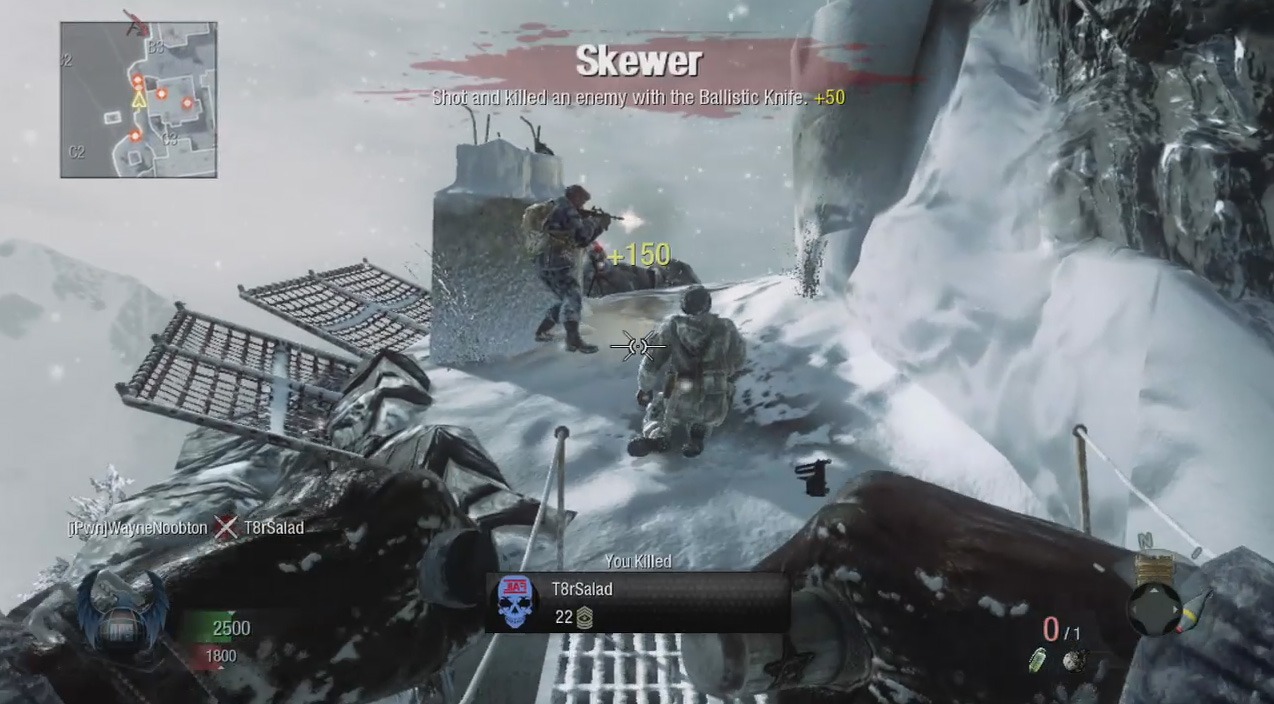
There is One in the Chamber, which gives you one bullet and a knife. If you kill someone, you get a bullet but run out, and you are left with your knife. This is a great and intense mode because it does not shoot first and aim later like the regular models. Gun Game has you start out as a pea shooter, then you move up in tiers of guns with each kill. Not every gun is good because a sniper rifle vs. a machine gun won’t be very easy. The next mode is Sticks and Stones, which gives you a crossbow, a tomahawk, and a ballistic knife. Hitting a player with a Tomahawk resets their score to zero, and the most points are awarded for crossbow kills. Sharpshooter has your weapon switch every 45 seconds, and it’s random, but every player has the same weapon. These are fun and amazing modes that never get old.
On top of that is the zombie mode that Treyarch made a cult hit in World at War. You play as Nixon, Kennedy, and two other characters, along with surviving the three maps and the hilarious political banter the characters speak (Nixon when spending points to remove a barrier: This is taxing me like the Democrats). Players, but fight off hordes of zombies in multi-tiered maps, and points are awarded for barricading windows and shooting the zombies. Points can be spent to buy weapons and ammo and unlock new parts of the map. It’s intense, and trying to survive rounds gets heated (most won’t survive after round 10 and past round 5 alone). With four players playing cooperatively, it’s a great departure from the seriousness of the rest of the game.
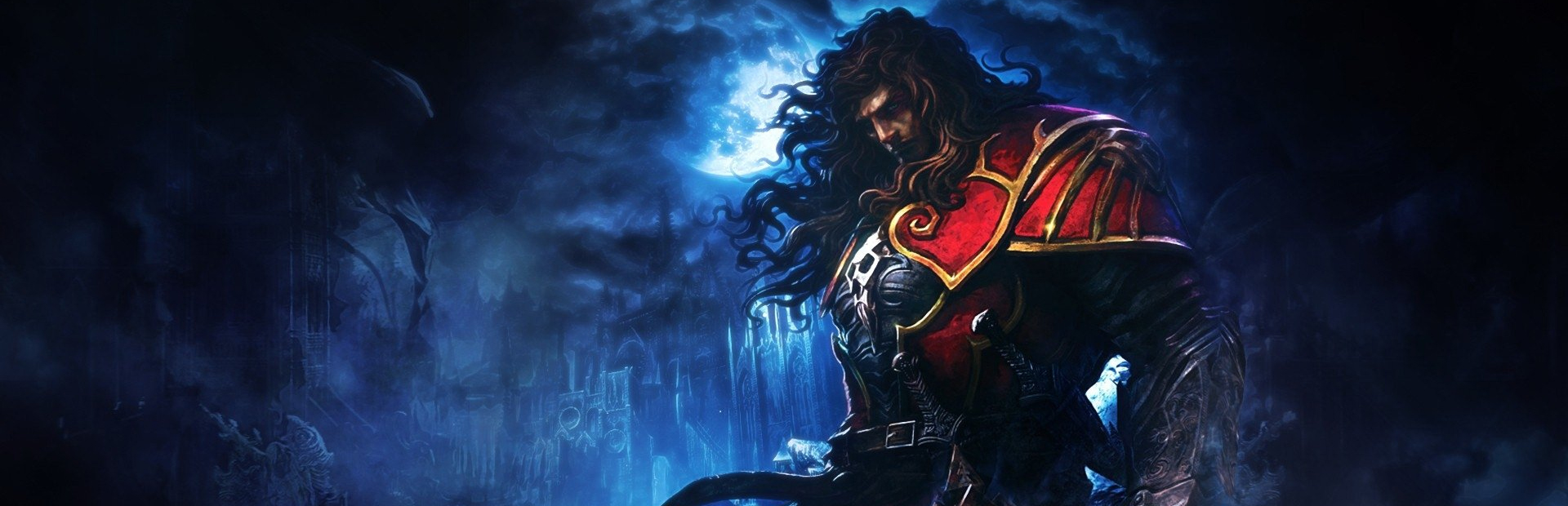
Castlevania and 3D have not mixed well, and everyone since Castlevania 3D for N64 has been a total failure. When Lords of Shadow was announced, everyone expected another terrible 3D iteration that no one wanted. Lo and behold, the game finally redeems itself and becomes one of the best action/adventure games of this generation and one of the best Castlevania games ever made.
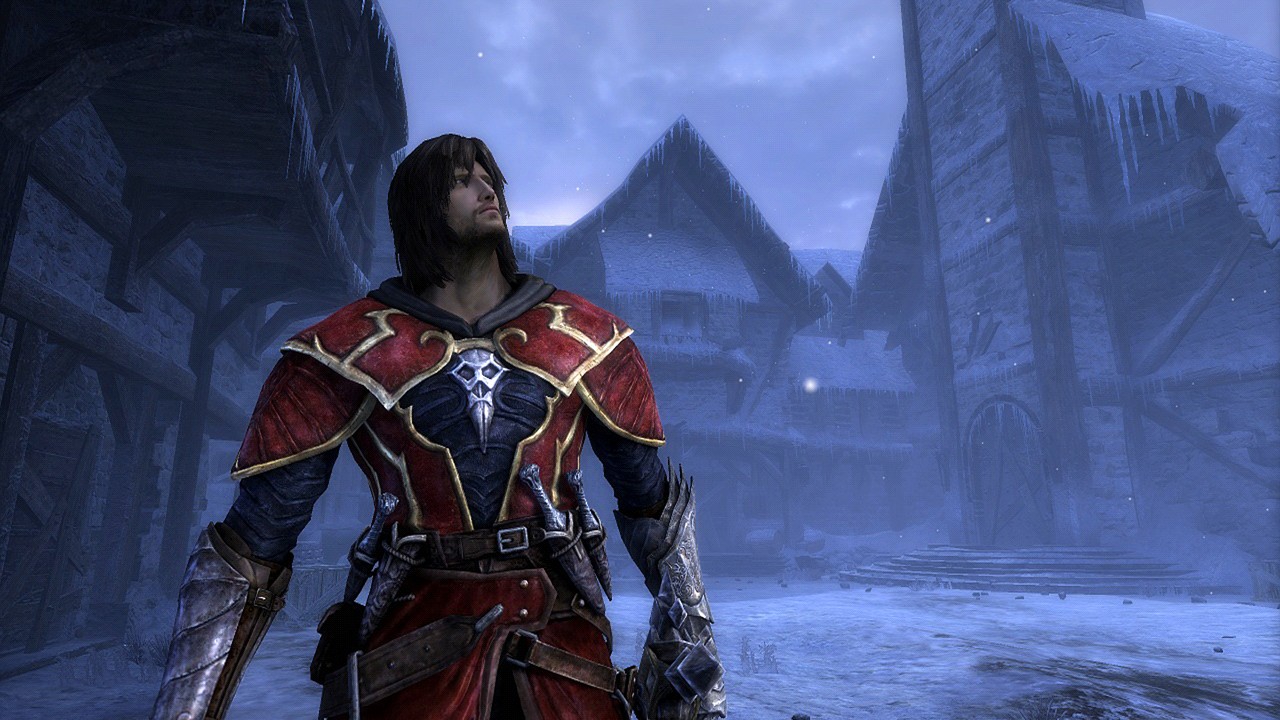
You play Gabriel Belmont, who is trying to find a way to bring his love, Marie, back, and while fighting alongside the Brotherhood, he must defeat everyone in his path to get to her. He must reunite three pieces of a mask, and each piece is held by a lord of shadow: the Lycanthropes, the Vampires, and Death himself.
The game is voiced very well and even has some well-known actors like Patrick Stewart narrating the game and voicing Zobek. The game does borrow elements from other games, such as God of War’s combat and Uncharted’s platforming, but LoS crafts them in its own unique way. The part about combat that sticks out the most is using light and dark energy to defeat enemies and bosses and solve puzzles. You have both meters, and they are both used separately. Light magic is a form of healing that will replenish your life gauge as you whip hit after hit until your meter runs down. Dark energy allows you to make more devastating attacks. Switching between these two on the fly is key to beating the game and staying alive.
There is an array of moves you can buy with points, but there are also separate sets of moves for both energies. You can earn points by killing enemies or solving puzzles. Puzzles have a way to reveal the solution, but at the cost of not earning points. I was able to solve every puzzle without revealing a solution, but it’s there for the less cerebral. Combat is swift, tight, and fluid, and Gabriel swings the series’ iconic whip around with ease and flash. Counterattacks can build up your focus meter quickly, which will give off mass amounts of orbs you can absorb for energy. You can even bring down large enemies and use them as mounts for as long as you like to complete climbing puzzles or just wail away at enemies.
The game also has an array of objects you can use as weapons, such as fairies, holy water, daggers, and a crystal that summons a screen-wiping demon. Each of these powers can be infused with light or dark energy, and reading the game’s huge bestiary can tell you what the creatures are weak against. Regular fairies can distract enemies, and while infused with light energy, they become bombs. Holy water can do a number on certain enemies, but infused with light magic, it can create a shield around you as well.
The game has a lot of platforming, and it’s solid, but it does have its share of minor quirks, like Gabriel not jumping at the end of a ledge and just hanging off or dying. Using your whip like a grappling hook works, but most of the time you’ll forget to press X and jump away from the wall to get to different ledges and avoid traps since this isn’t used very often. Platforming even works well in the Shadow of the Colossus Esque massive boss battles.
The game is also fairly difficult. It copies the series’ difficulty with lots of twitch reactions, constant dodging, counterattacking, and blocking. You can’t just wail on an enemy and expect to take a lot of damage. A few hits from a boss, and you die, even if you’ve leveled your health bar all the way up. You get a few hits, dodge, wait for the right moment, and repeat. Each boss has a unique set of predictable moves, but it’s up to your skills and quick reflexes to stay alive, so predictability won’t help you here like other games can.
The game features a huge number of enemies, probably the largest variety seen in an action/adventure title. The game has a good 30+ enemies, and each is unique and requires a different tactic to defeat. Not only this, but the environments vary often, and not one level is the same. The game is also beautiful and probably one of the best-looking games to date, with a gorgeous art style. The camera angles are chosen perfectly, and each shot is a masterpiece to take in. Sleeking castles, forests, and even a massive indoor library look amazing.
The game also has many secrets and will take a couple of playthroughs to find them all, such as gems to upgrade your meters, scrolls, and other items, to get a 100% completion rate. There is artwork to buy and different difficulties to beat, and even just enjoying the game a second time is well worth it. This game is just completely different from your standard Castlevania games and is probably going to be the new standard for the series. You really have to come into this game not expecting typical Castlevania stuff and really expecting something totally different. With an imminent sequel, LoS is one of my favorite games of this generation.
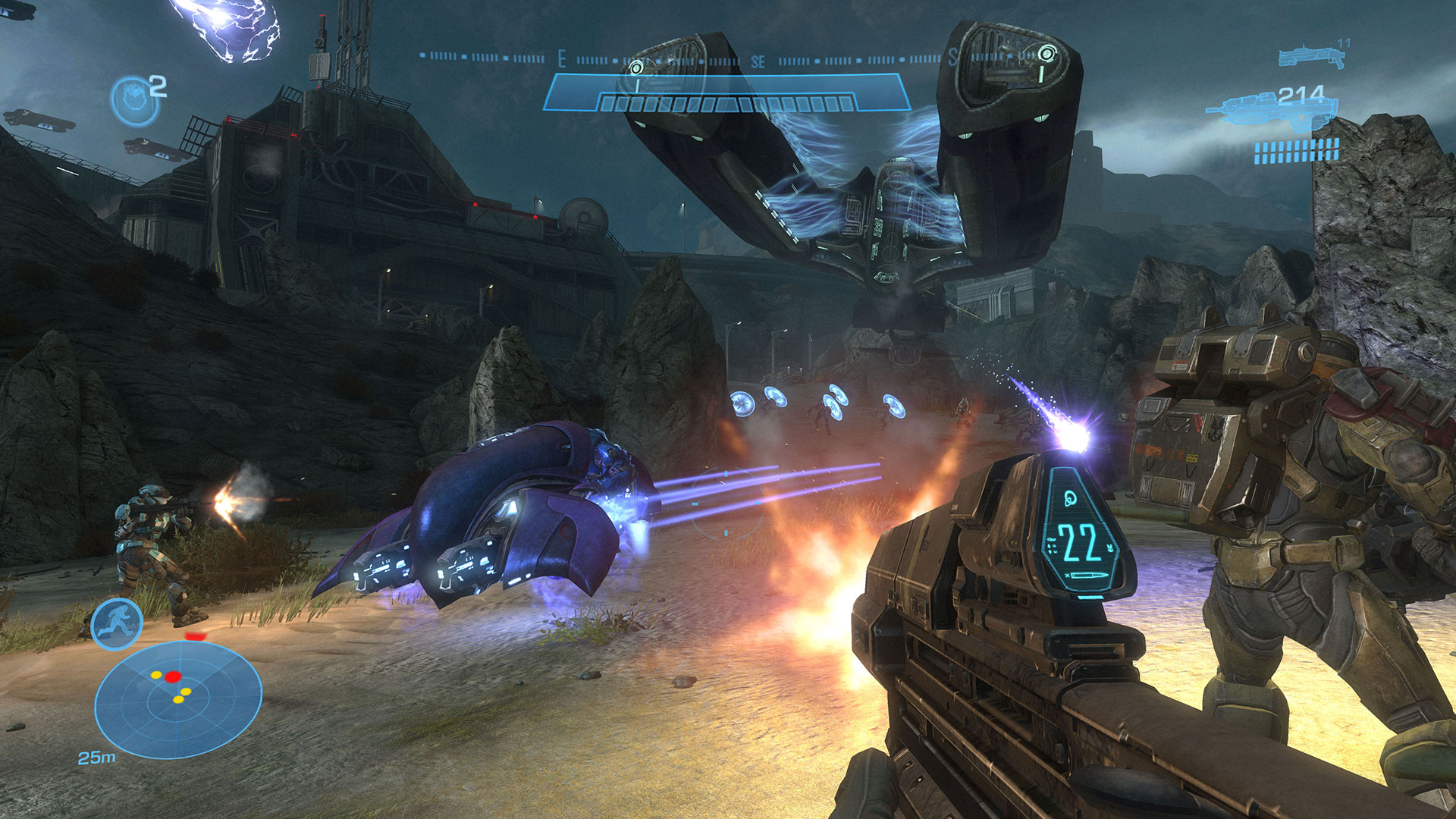
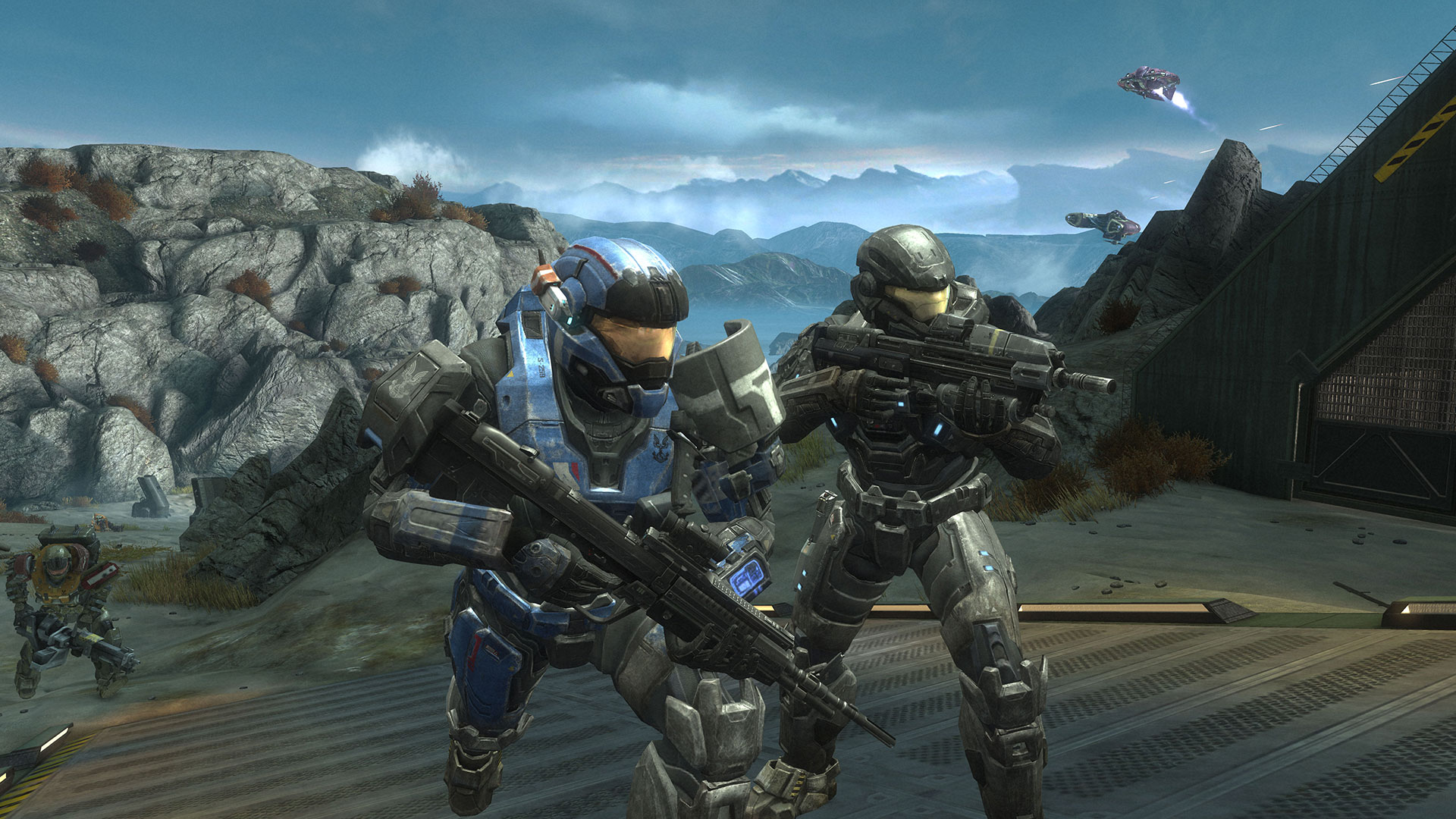
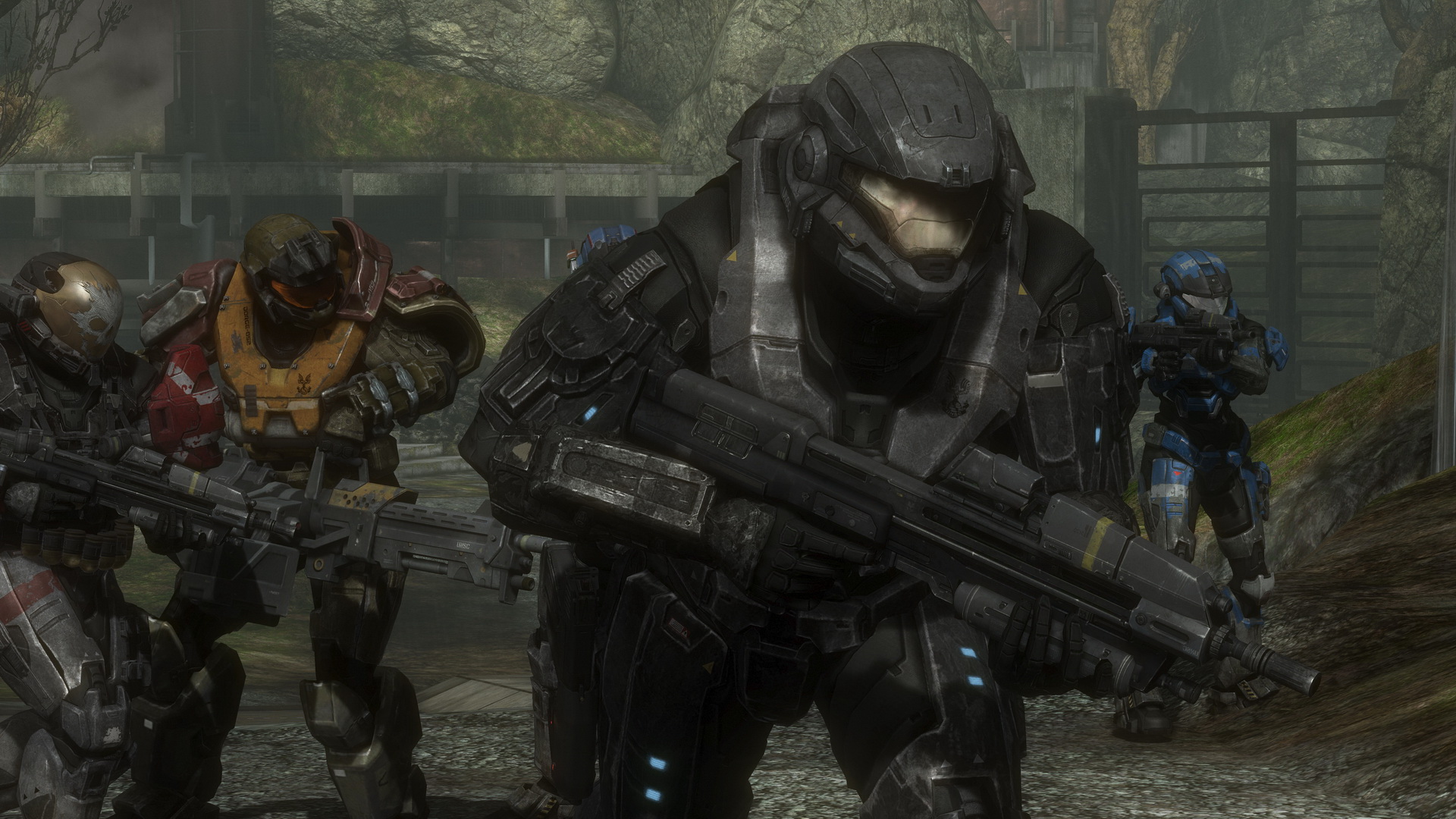
Halo. That word is loved and hated by many, but Halo did help define the FPS genre and FPS multiplayer for consoles. If it weren’t for Halo, we wouldn’t have to regenerate health or have solid FPS multiplayer, but Reach perfects the Halo multiplayer in many ways, but before we get there, let’s dive into the single-player campaign.
Reach has you playing as the generic Noble 6, who is part of other numbered Noble team members. You can create your character this time around and swap out different armor parts, but you have to advance your rank and earn credits through multiplayer and playing the campaign. This is more of a gimmick and doesn’t do anything other than add filler to the already-bloated series. After the disappointing ODST, we get another campaign with more nobodies instead of a master chief. The game is set before the first one, so you are experiencing the first contact with the Covenant. You are just hopping around Reach trying to save the planet only to realize you can’t, and then you have to use desperate measures to save the human race, but the story doesn’t get interesting until the final cutscene (surprised?) and it’s a shocker.
The game is pretty much another recycling of the same Covenant aliens with better graphics. The same grunts, elites, brutes, and even vehicles—you name it. Is it ever exciting? Maybe in the very beginning because it’s been a while since the last Halo, but after the first couple of chapters, you just want the game to end already. The game just adds everything we’ve seen since 2001 and even takes away dual-wielding, which is good or bad depending on how you look at it. There are maybe one or two new weapons and vehicles, but everything’s been recycled so much I can’t tell! They couldn’t even add an iron sight option since the left trigger is no longer used for a second weapon. C’mon!
Other than that, the mission structure is the same. Kill this wave, press this button, defend this place, backtrack, and re-kill Covenant that suddenly appeared again. It goes on for ten chapters! There are a couple of space flight missions that are kind of fun, but it’s not enough to keep you from yawning at the rehashed crap. Sure, the campaign is solid and challenging, but it’s not as spectacular as, say, Halo 2. At least the flood is absent, which is a godsend!
But after slogging through the campaign, you’re going to come back for multiplayer, right? Right. Which is the best the series has, with tons of modes and playlists, all the modes we’ve grown to love, and a mix of favorite maps from past Halo campaigns? I’m not a Halo multiplayer vet, so I can’t tell you every tiny change, but I know enough that saving every match, sharing with friends, picking through their highlights, and so on is a lot of fun, and the Forge mode has been re-done to be a little more intuitive, but it’s still no LittleBigPlanet, or say, TimeSplitters. The new daily challenges are the biggest incentive to come back since they advance your rank. They change daily and are a lot of fun to aim for, but the only thing you can do is unlock stuff in the armory with this, and that’s not too exciting on its own, but it’s better than nothing.
Reach is also the best-looking game, but it still doesn’t look up to par, and this is sad for Microsoft’s flagship series. The game looks good technically, but artistically, it’s kind of bland. But there are a lot more open environments and not too many indoor ones, so there’s a lot more to look at this time around. All the same, sounds are recycled as well, so you know what to expect in that department. With a so-so story, characters you can’t get attached to, and a great multiplayer suite, maybe Reach should have been multiplayer only? Sure, no one would miss the campaign, but it’s there. If you want to play through it again, go online and play it co-op, even if you have to, or try the hardest difficulty. Actually, scratch that, it’s almost impossible.
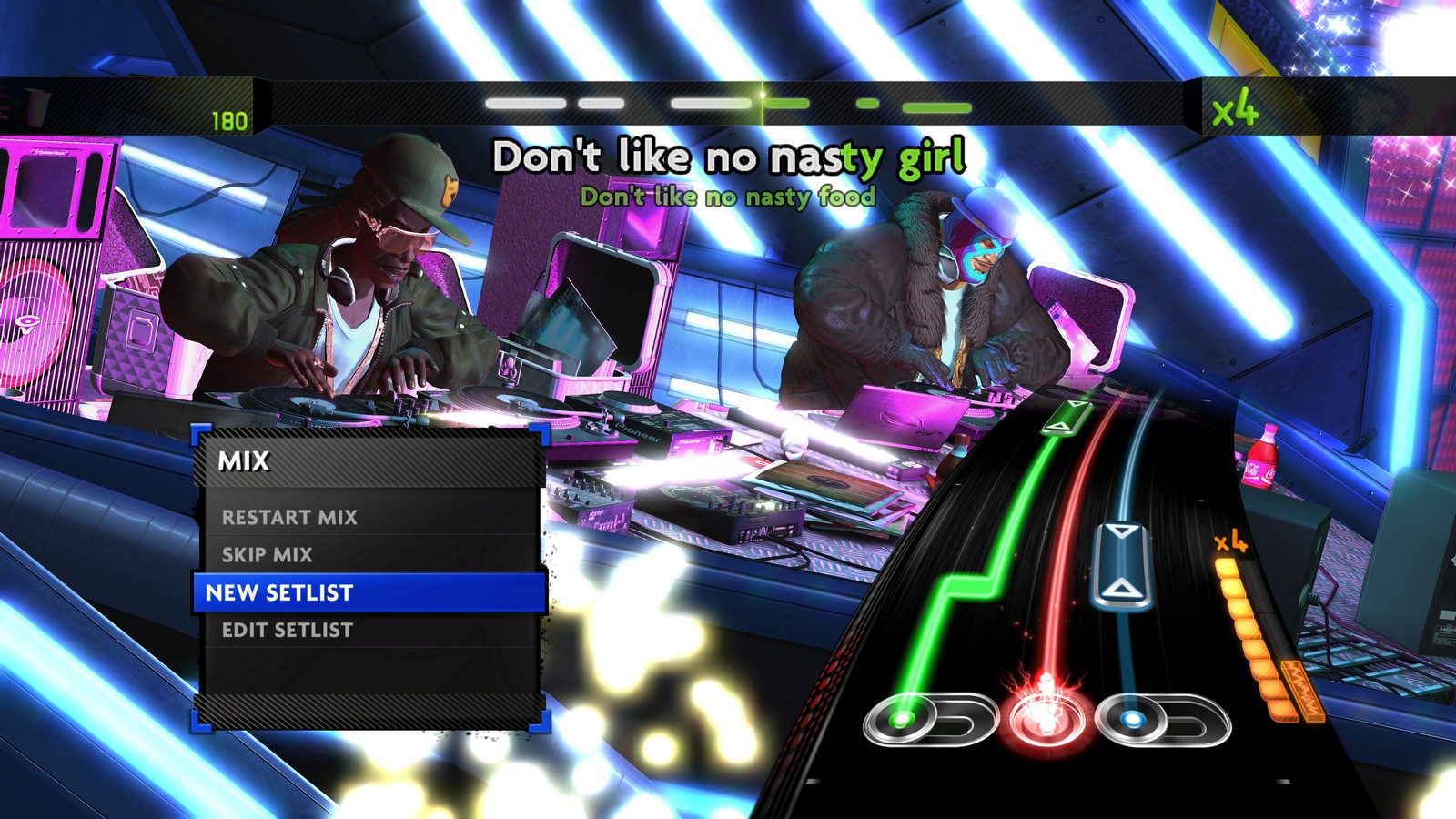
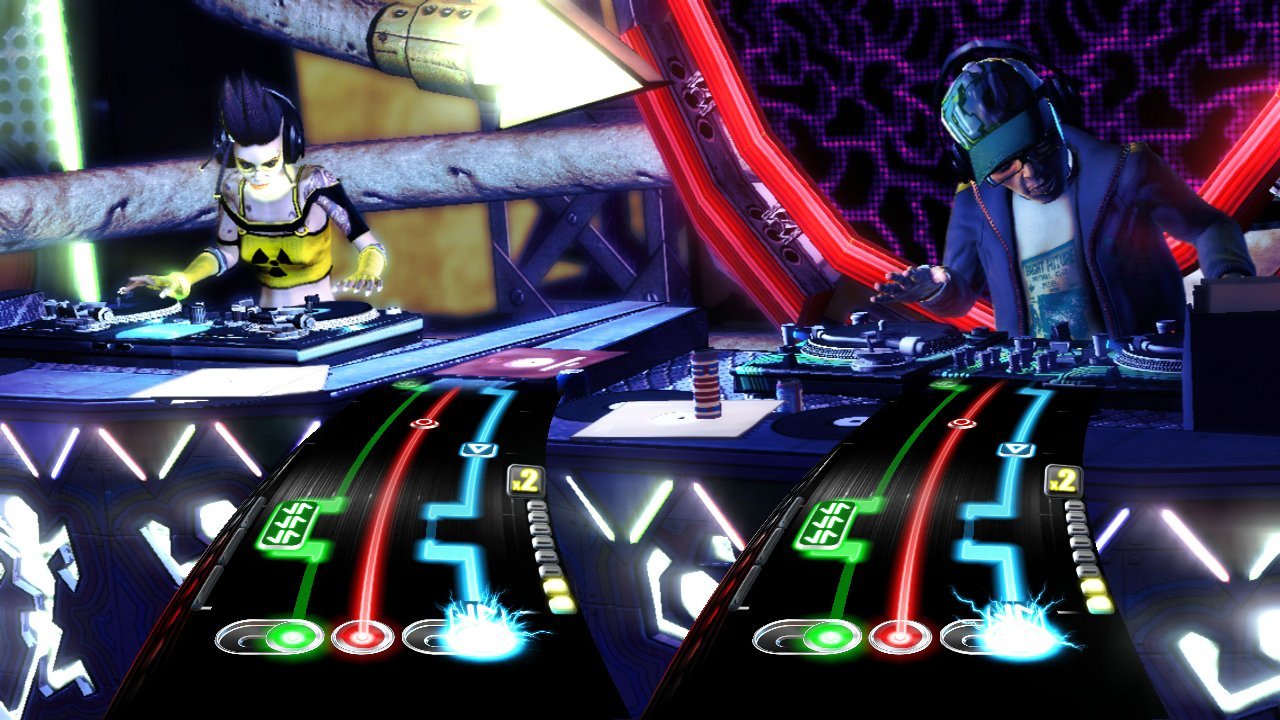
Rhythm games are pretty much mainstream these days. The days of the rare Guitar Hero are long gone, and everyone and their mom plays Rock Band, but DJ Hero was a spark and a light to revive this, and while it didn’t, it does offer a different and new approach to rhythm games. Like the title says, you use your turntable like a DJ and scratch, crossfade, and freestyle your way to the top. There are a lot of songs, and the game requires some hefty skills to master.
Like Guitar Hero, you must use both hands in unison to hit colored notes at the right time to score points. The notes are presented on a record on-screen that is in a semi-circle, and when you see jagged notes, you press the button down while turning the record. Sometimes you’ll have arrows that are up or down, so just scratch quickly in that direction. The left or right notes will always have a line going down, and when they move to the left or right (which looks kind of like a bracket or a quick 90-degree bend), you move your crossfader in that direction. This can be tricky, especially in the higher difficulties, since sometimes you’ll have to scratch and crossfade at the same time, but over time you’ll nail it. You can do some mixing with the effects knob, but this seemed pretty useless. When the red line gets larger, you can press the red button freely and select one of your effect noises, but this just seemed stupid, and I never really used it.
If you nail highlighted areas, you can use Star Power, and your button on the turntable will turn red. When you activate this, the game will crossfade for you, but the fatal flaw here is that if it ends in the middle of a fade and your slider isn’t in the right position, it’ll kill your multiplier, so you have to babysit it anyway. One last feature is the ability to rewind the track a little bit to add to your score, but this isn’t as neat as you think. While the elements are nailed down, there are still a few issues.
There’s no real way to express your creativity since freestyle is so restricted. There’s no freestyle zone where you can scratch and crossfade at will. While the song selection is large, a lot of the mixes are repetitive and grate on your nerves after a while. It feels more like quantity than quality here. You have big names like Eminem, Jay-Z, Grand Master Flash, Run DMC, and some other rock groups mixed in, but only a select few are worth playing multiple times.
The game’s pretty customizable with lots of characters, skins, tables, stages, and all that good stuff, so it makes you really want to try for five stars. Other than that, the only thing is multiplayer, which allows you to use a guitar controller on songs with rock bits. The game looks like any of the recent Guitar Hero games, but the price of admission is pretty high. As of this review, the price has dropped almost double, but upon release, it was $130, and that’s pretty steep. I recommend DJ Hero even to people who don’t like rap music because there’s a lot of fun and skills to be honed here.
I’m not going to lie when I say Mortal Kombat is my favorite game franchise of all time, mainly because it was the first game I ever played when I was 2 years old. I love the gore, the characters, the story, the secrets, and the inside stuff that true MK fans know about, but adding DC characters was a bit dicey but surprisingly works. The game’s story is pretty straightforward, with both universes colliding and each side’s main villains turning into one and controlling everyone else through a type of berserk mind control. You can play as various characters in separate story modes, but it’s nothing special.
The arcade mode is where it’s at with all your favorite MK characters and DC characters such as Batman, Superman, Catwoman, and even Captain Marvel. Each character on the DC side has their own signature powers, and they are awesome to play as. The game’s combat system is more like it’s rooted in stripping away combat styles, weapons, and complicated combos for just fast-paced fun. The animations are smoother, the controls respond better, and the game really packs a punch.
Of course, it’s hard to please both sides of the fence, but the MK side takes a hit with no gore. I guess Midway couldn’t get the DC guys to allow Sub-Zero to rip Superman’s head off, so the fatalities are pretty lame. They feature no gore, but just really brutal deaths, and the DC guys never kill, so they are heroic brutalities. This really screws the MK fans, but the DC guys are very tight-arsed about everything, and that’s why I still think this should have been Marvel instead (the last Wolverine game was gory as sin). Some DC HBs are OK at best. The Joker’s one of my favorites, with him shooting a fake gun and dancing around in his silly fashion, but most are pretty lame, like Green Lantern just running around a character a lot until they die, which is really exciting. The MK characters are a little more retro, with Scorpion turning characters into characters, so this is OK. I just wish the game would have been gory, but what’s here is good enough.
The MK guys really captured the characters of DC personalities like Catwoman’s slinky, sexy movements, Joker’s maniacal pranks, Batman’s precision martial arts, and Superman’s brute force. It makes MK fans really want to try DC characters without sticking to their favorites. Of course, the roster could have been a lot bigger, but thanks to Midway Tanking, extra downloadable characters will never happen as planned.
There are some nice new features to the game, such as a test-your-might type mini-game during Free Fall Kombat and Klose Kombat, which allows you to grab your opponent, but the camera zooms in, and you press buttons to trick them until getting every hit in for 30% damage. Freefall is the same, except you have to hit RB before you hit the ground to unleash an attack on them. This changes up the fighting and adds a nice touch, but it could have been a bit more. The new Rage mode allows you to take advantage of this berserk mind control and makes you nearly invincible for a certain amount of time. Along with this combo, breakers return, but that’s about it.
The game looks really good and is the first MK game on a next-gen console. Characters are rendered in sharp detail and have more detail than ever before. Each DC character has their signature costume and looks amazing, but the music is very lacking. The levels are great and wonderfully designed, and the multiplayer is what will make you keep coming back. While the game lacks the MK gore, the fact that two highly unlikely worlds collide makes it great enough to play.
Kollector’s Edition: If you want to shell out the extra $20, you can get a nice new cover drawn by Alex Ross, a making-of DVD, and a 16-page comic book penned by series creator John Tobias. While it doesn’t seem to entice, it’s great for MK fans or fans of comics.










































 thebinarymessiah.com
Clearly you have been blocking everything you or haven't played the game at all. Maybe pay attention to the story…