Voice acting is what delivers the personality in characters, and good voice acting is key to any good game. What makes it the best is a wide variety of personalities delivered by the voice actor and thus bringing out the greatness of characters. Good voice acting makes them unique, lovable, and makes you become attached to them. This year had some great AAA titles with amazing voice acting, but only one can take the prize.
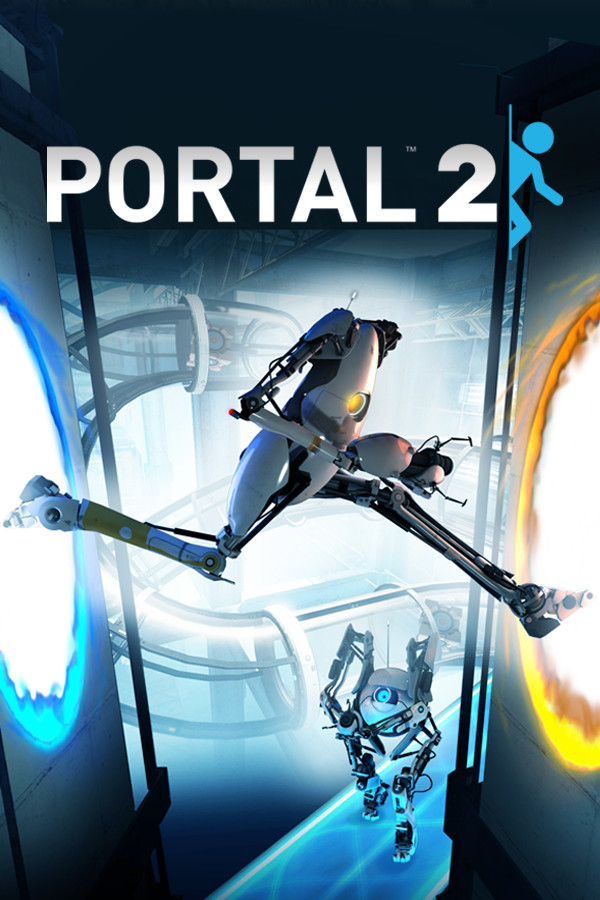
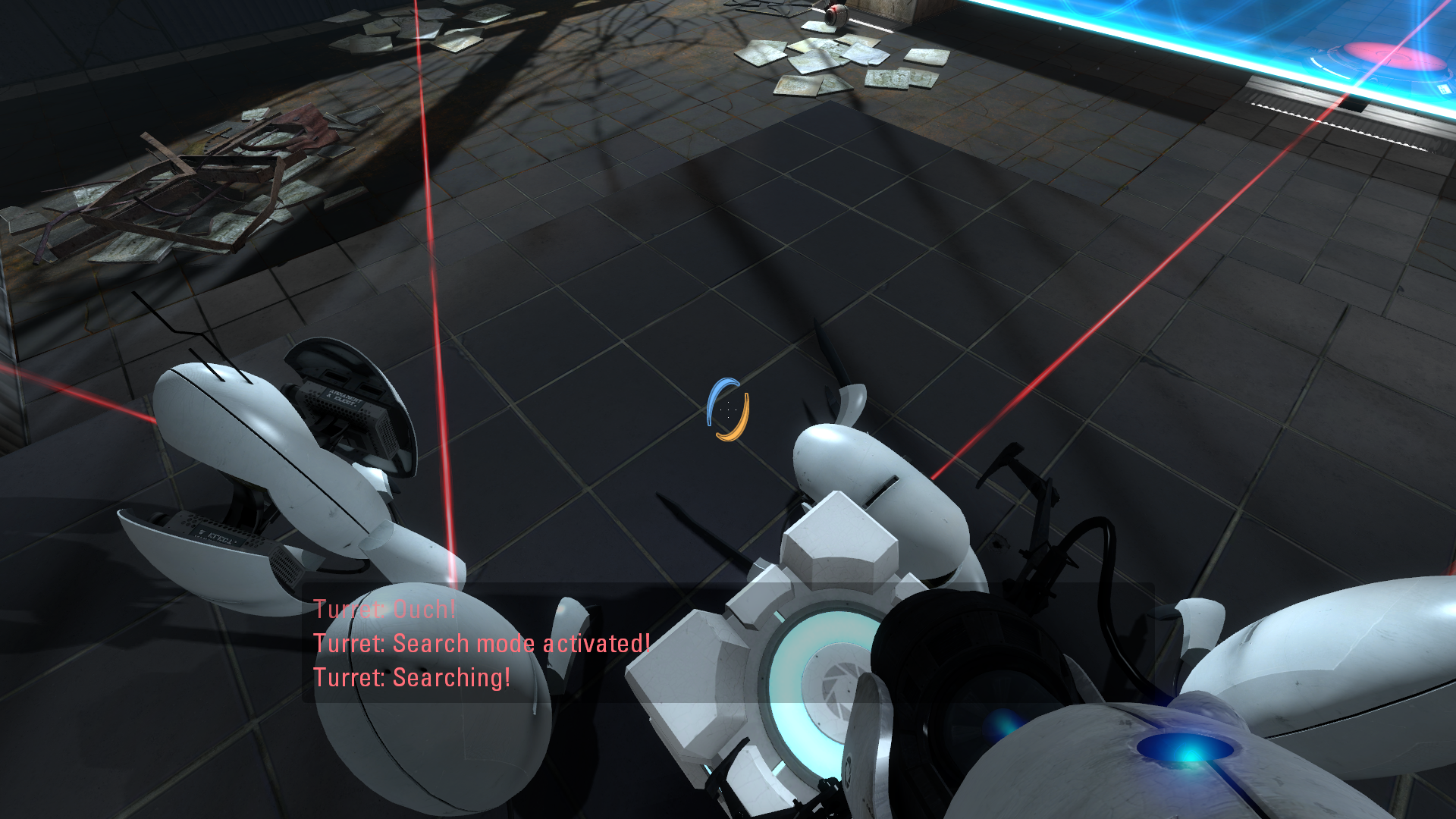
Portal 2 delivers some amazing characters through witty whimsical writing and some talented voice actors. Portal 2 doesn’t just have good voice acting but diverse, funny, and unique voices for characters that are one of a kind. This is what made it top the others and is definitely something to be remembered. With characters like Wheatley, GlaDOS, Turrets, Cave Johnson, and other characters you just can’t beat that.
An atmosphere is what delivers emotion and overall feelings in the game. The atmosphere can make a game scary, colorful, cartoony, or make you feel alone and sad. Atmosphere much matches and represent the idea of the game. Sometimes the atmosphere isn’t delivered right and can make a game feel boring, or just look bad.
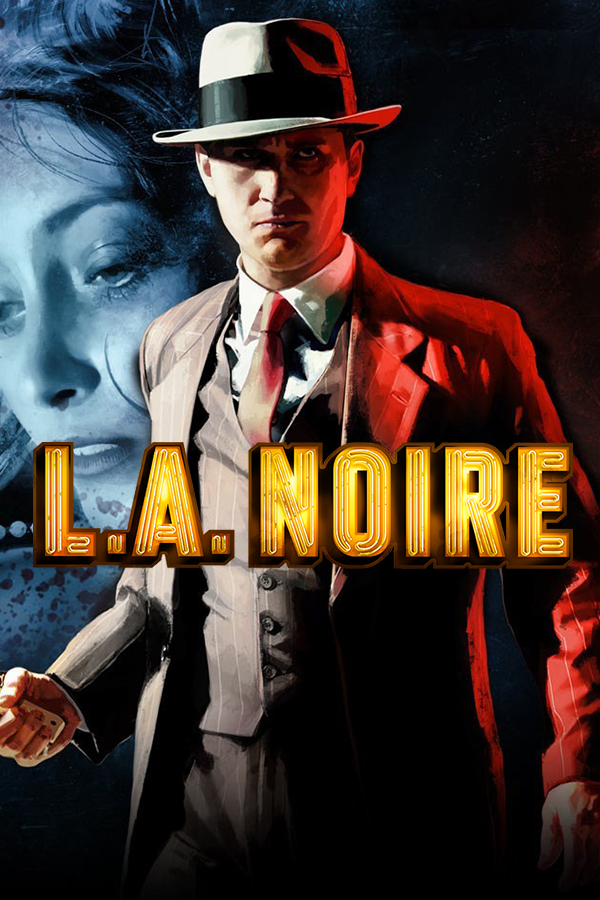
The Best Atmosphere category was even harder than last year’s because so many great AAA titles came out with strong atmospheres. There were also some games I didn’t get a chance to squeeze into the runner-up’s area so that tells you how well this category did this year. While some of the others may have better art to back up their atmosphere L.A. Noire does something that most can’t: Make an atmosphere without fancy art or licenses. L.A. Noire is a new IP and pulls off a 1940’s era in realistic detail and really pulls you in and brings you into a time period that most games don’t explore outside World War II. L.A. Noire had amazing visuals to back it, but to make the game feel so true to an era is very hard to do. You don’t need fancy art for that.
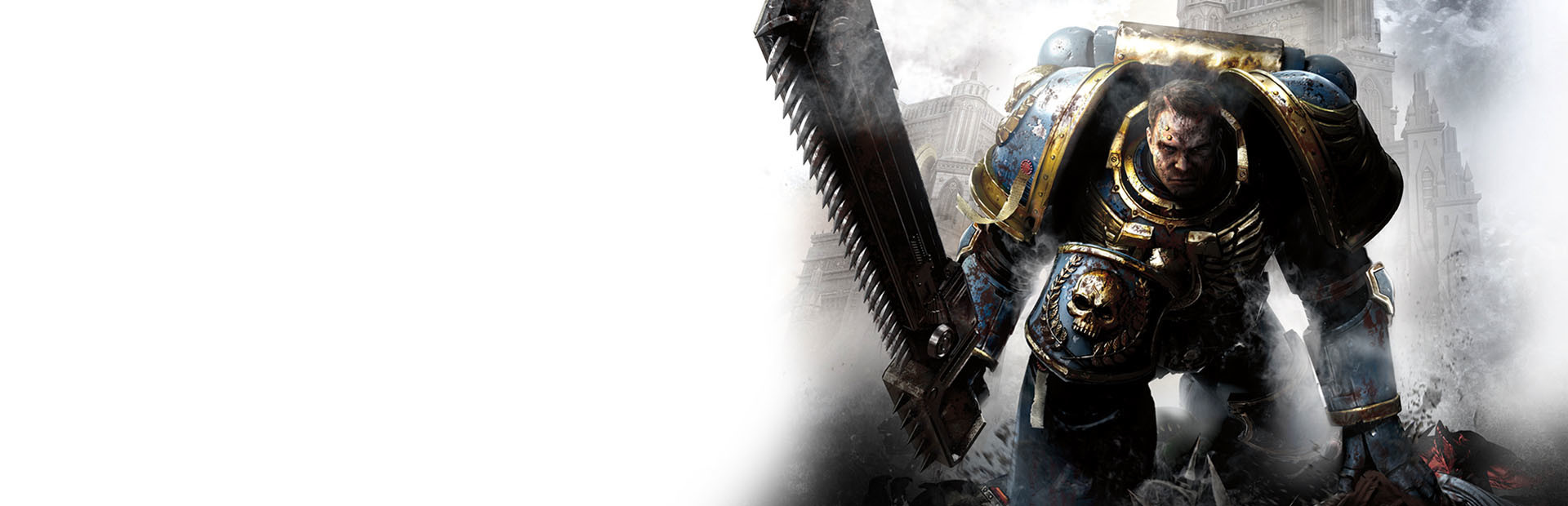
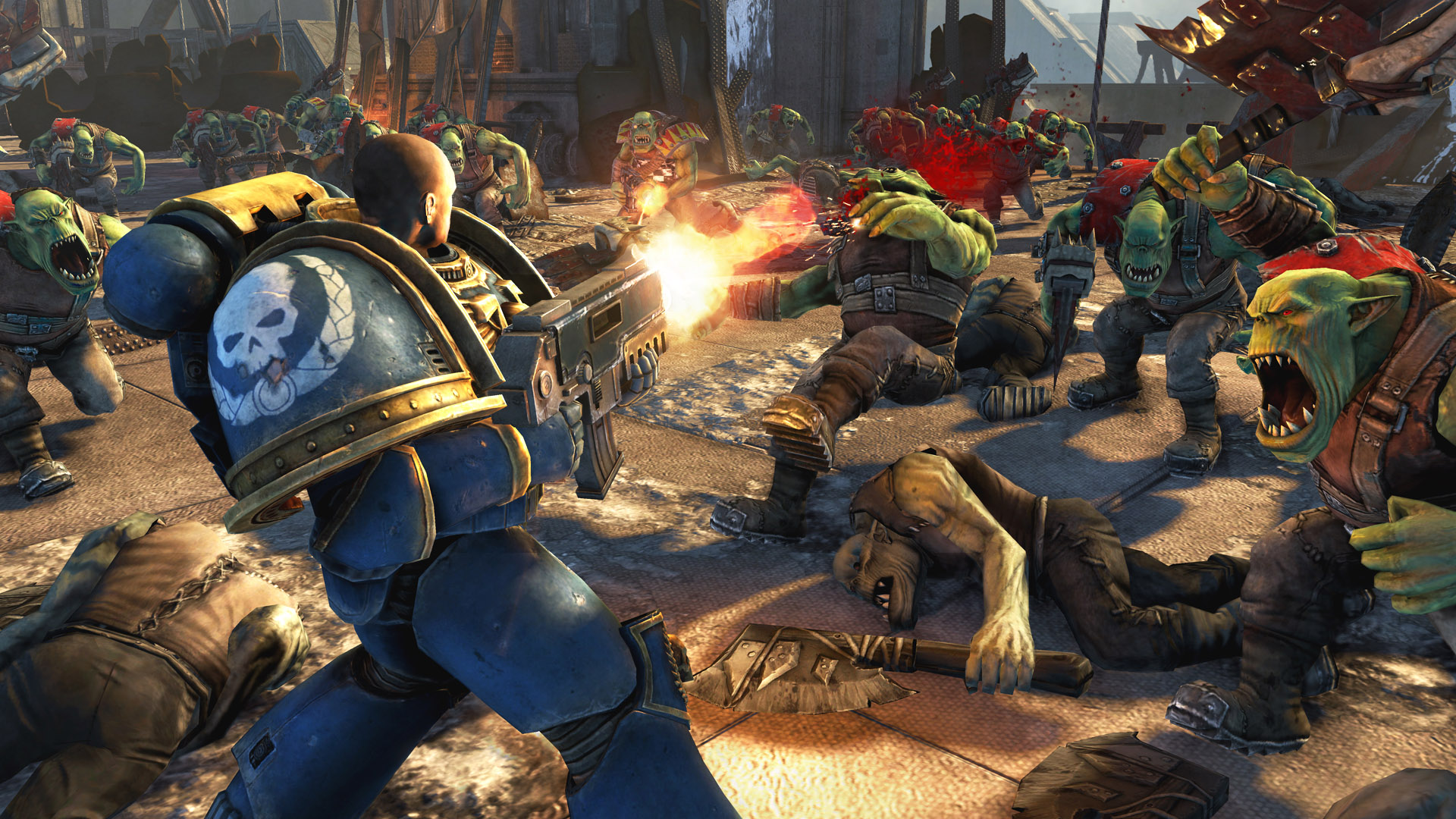
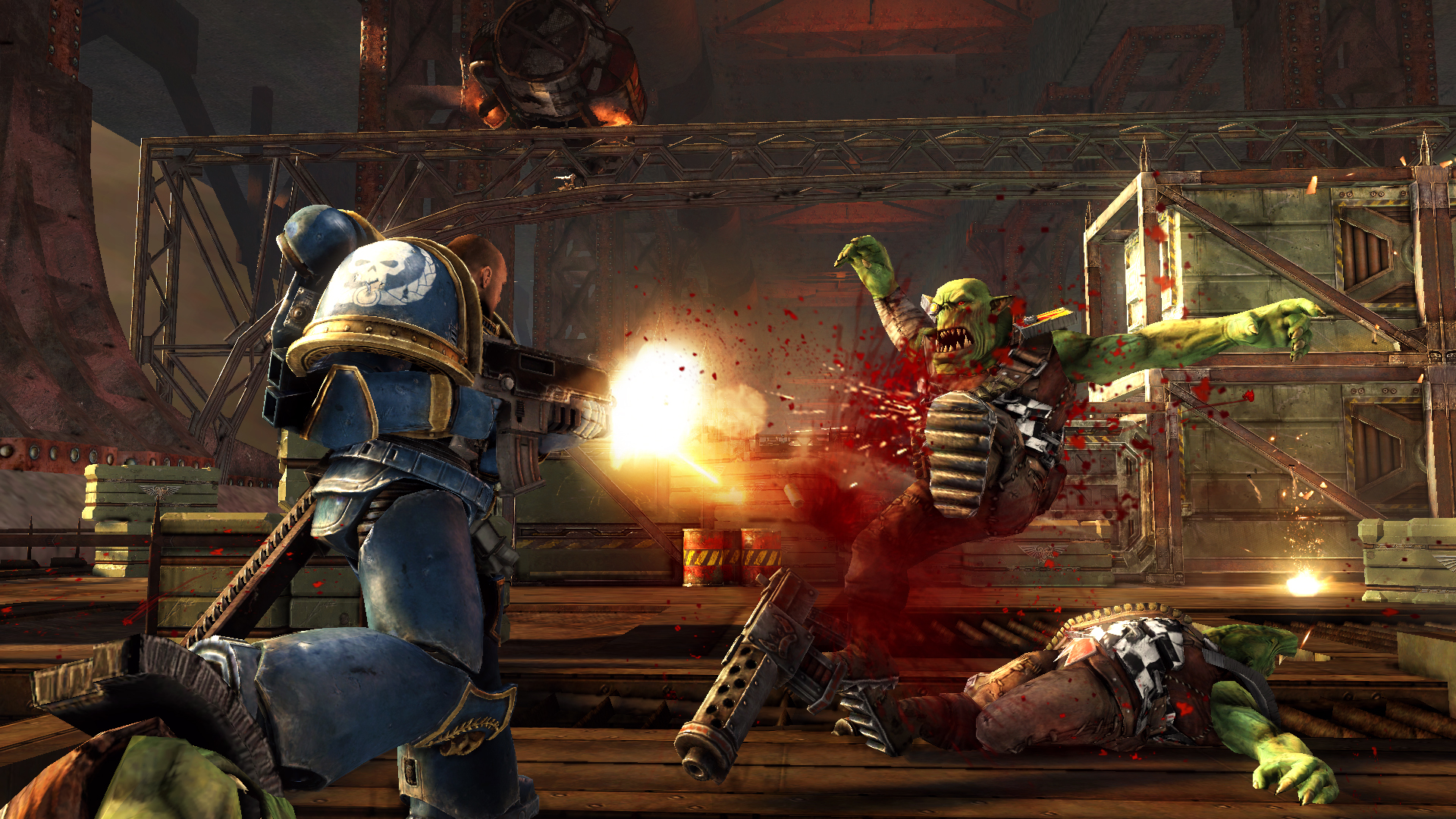
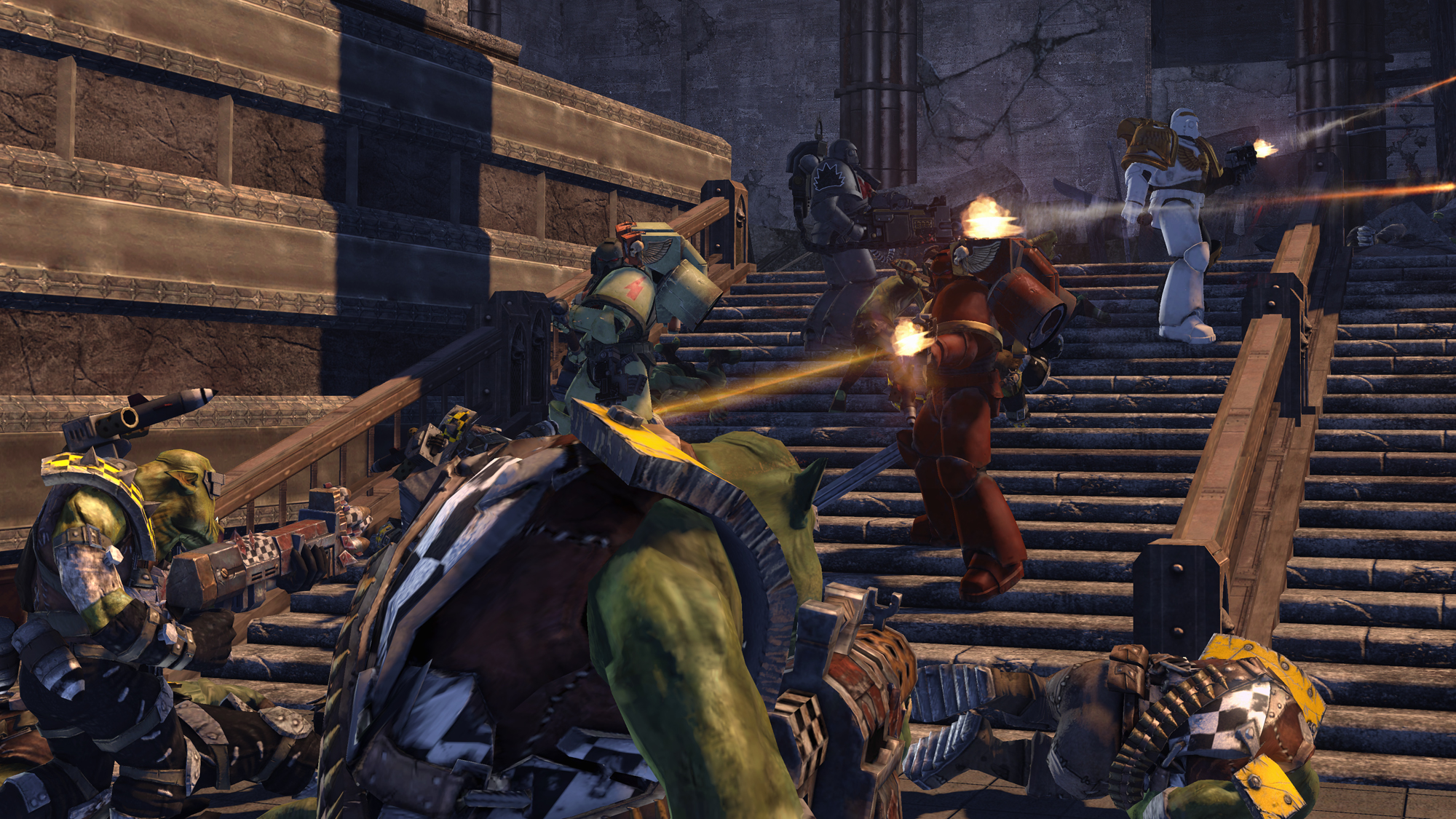
The Warhammer series is an extremely expensive tabletop game that has grown to be more popular as an RTS game than anything else. Space Marine is the first outing in the genre, and with lots of speculation, it was deemed to be a complete failure. Relic proved everyone wrong by delivering a good game that has tons of action, gore, and a good story that the RTS games pack in. You play Captain Titus of the Ultramarines. You are the leader of the elite force, which is part machine and can take out whole battalions of troops that regular marines couldn’t. The Space Marines believe in the religion of the Machine God, and anything else that isn’t machine-related is heresy. You and your three squadmates are fighting back the Ork invasion and are trying to reach the Titan Manufactorum, which holds the most powerful war machine ever built. On the way, some weird twists happen, and you end up fighting the Order of Chaos and Daemons towards the end. How that happens, I’ll let you find out for yourself.
The story is decent, not very deep, but it’s entertaining, and the voice acting is superb. Relic got the art style and feel of the Warhammer universe across, so the game looks good, but technically it’s nothing special (using the Unreal Engine 3). The fighting system goes two ways with melee weapons and guns. There are a lot of cool guns to shoot, and they are unlocked slowly throughout the campaign. They each feel different and powerful, and you have to mix up your strategy of how you’re going to use what weapons for what situation. You can’t just use the same ones throughout the whole game. The melee weapons are smaller in number but just as cool to use. The chain sword allows you to tear enemies to shreds, and executing awesome kill moves is fun. This is actually how you get healthy, but it’s flawed in a way. When no ground enemies are around, you can’t heal and have to rely on your shield charging, so it’s a unique idea, but we need a way to heal up when fighting aerial units. You also get to use the Thunder Hammer and the Axe, which are all great weapons to use, but the hammer only lets you use the pistol and bolter, so no heavy weapons can be used (I’m assuming a balancing issue).
While you chop down Orks by the dozens, you will get to use the jetpack a few times. Launching into the air and pounding the ground while enemies fly around is great, but you don’t get to use it enough. What is enough (actually too much) is everything else. The same orks come at you through 2/3 of the game, and the same execution moves are repeated over and over again. By the time you get 1/4 of the way through the game, you wonder if there is anything but Orcs that exists. A few different types show up throughout, but not many, and the game just gets harder and harder as you go along instead of throwing in variety. Towards the end, you can’t really do much melee, and you start relying solely on guns because charging in will just get you killed. I didn’t like this form of balancing because a melee is much more satisfying and fun than shooting everything.
Overall, the game would have been even more amazing if there were some scripted events instead of just the same run-and-kill scenario over and over until you puked. The multiplayer is ok, but just has two modes and gets boring after a while because it’s the campaign, but with human players. I loved the characters, story, and world of Warhammer, but let’s add some more depth to the action, some more enemies, and make the game feel more intense, besides ramping up the difficulty. We didn’t even get to use the Titan! Sure, you get to be on top of it for a few minutes, but these are the events we need to make Warhammer an amazing action experience.
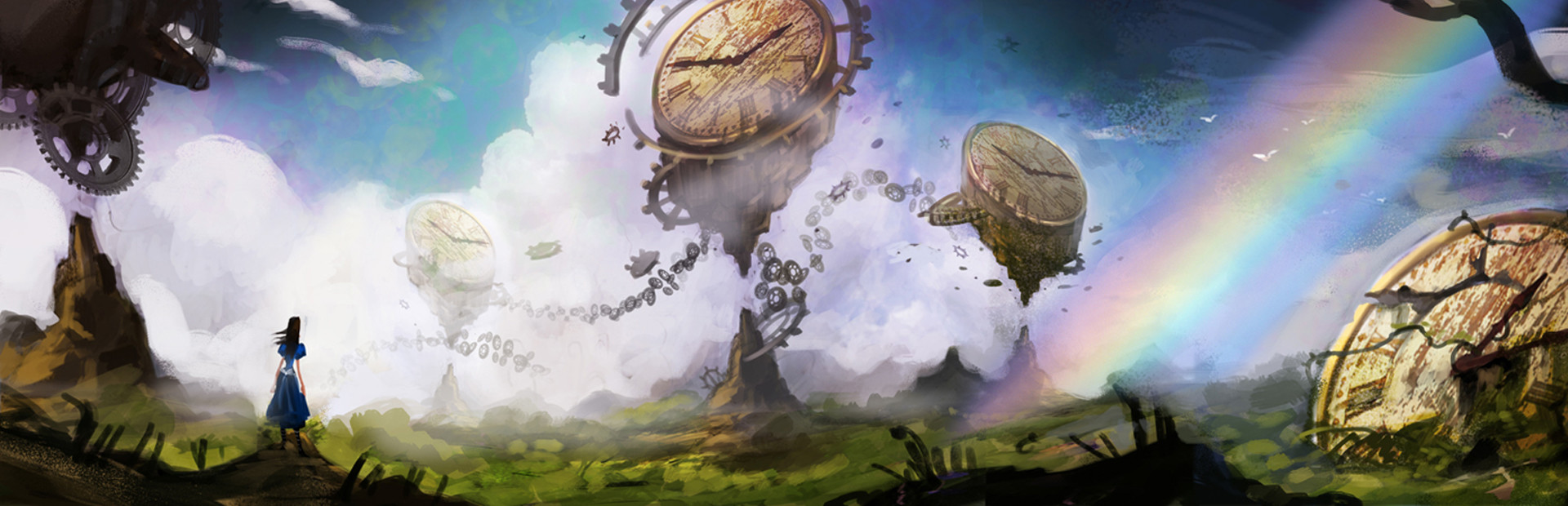
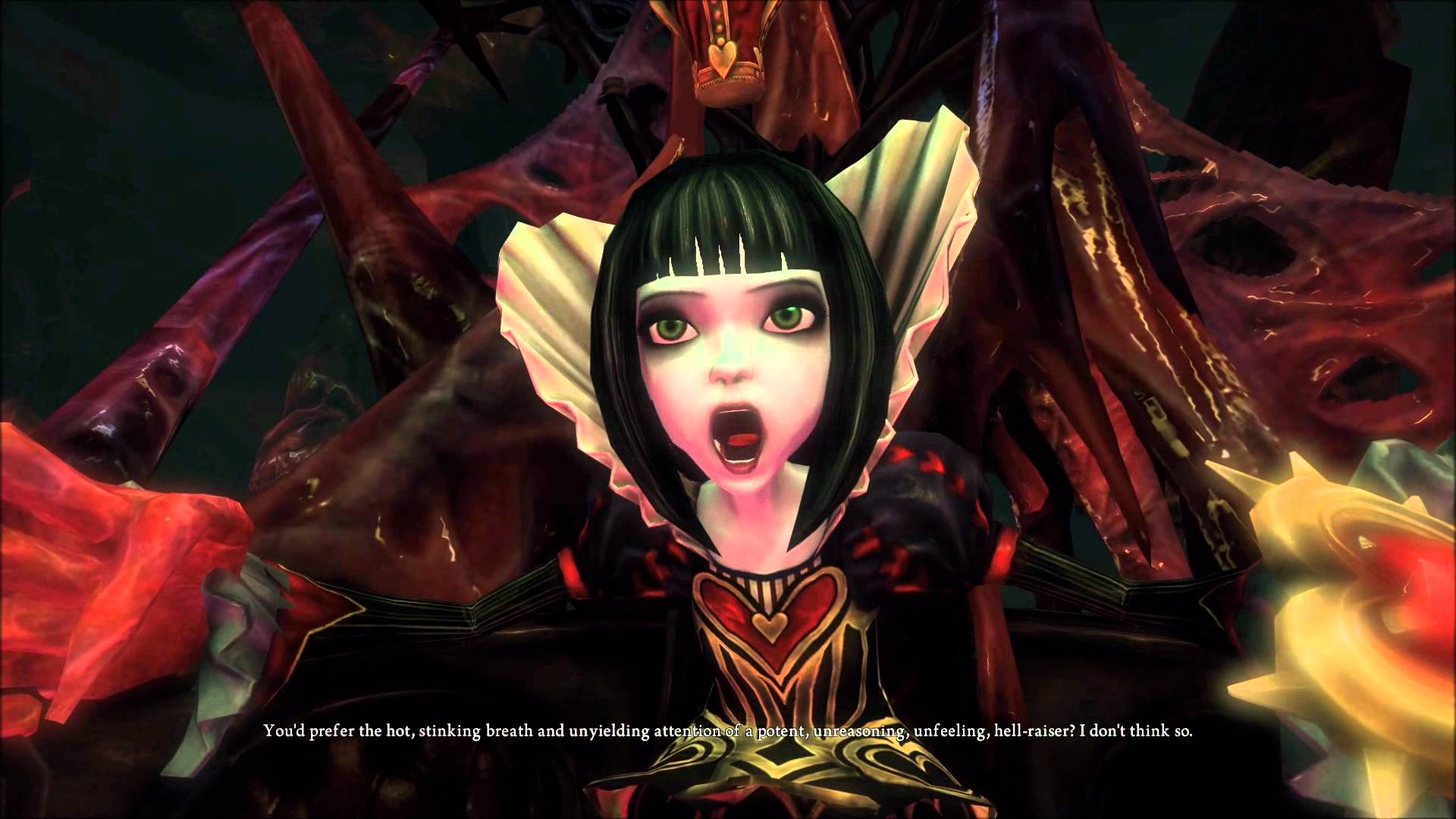
The Alice in Wonderland series isn’t something you would expect to be a game or even good at. American McGee took the series and twisted it into a sick gothic horror adventure back in 2000 on the PS1 and PC. The game’s atmosphere, art, and overall design were amazing for the time, but everything else was subpar at best. The game returns 11 years later and with tons of improvements. If you haven’t read the books or seen any of the many films or TV shows, then you’ll be fine. The story is kind of confusing, even at the end, but the story is supposed to be. The whole world of Wonderland doesn’t really make any sense except for the fact that Alice has been locked away in an asylum because she can’t get over the death of her sister. She lost her family in a fire that burned her house down, but there are some shady characters around her that seem to be manipulating her. She falls into Wonderland (her own mind) and has to stop the Infernal Train from destroying the place.
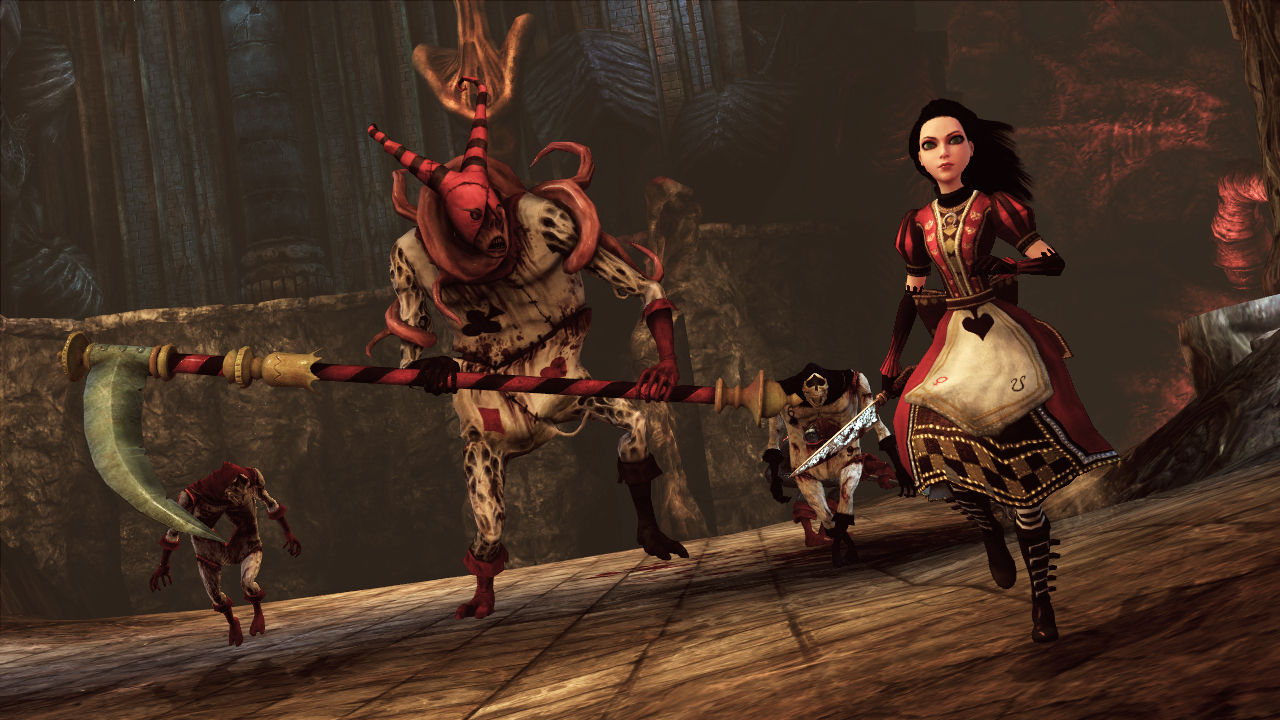
You get to meet classic characters like the Cheshire Cat, Caterpillar, The Mad Hatter and March Hare, the Door Mouse, The Queen of Hearts, and so on. Each character is wonderfully designed for the atmosphere, and they are just sick and twisted, unlike anything I have ever seen. However, the game is made up of two main parts: combat and platforming. Each is equal in flaws, but both are better than the last game and are a lot of fun.
Platforming consists of puzzles, shrinking down on the fly to find invisible platforms, hiding keyholes to find hidden items, jumping around, floating, gliding, pulling switches, avoiding traps, and heading through obstacle courses. Each level is very unique and looks completely different from the last, but the same elements apply to each level, and towards the end, it gets kind of boring and repetitive since it’s the same thing over and over without end. The combat and platforming are balanced, but by the end of the game, you just get too much of both because the whole game mainly focuses on just that.
The combat is fun and violent, but it’s very simple, with just one button for light attacks and another for heavy ones. You can use the pepper grinder and teapot cannon to shoot; the auto lock-on works well; but overall, you can only upgrade your weapons, and there aren’t enough of them. The hobby horse is for heavy attacks, and the vorpal blade is for light attacks, but those are the only four weapons in-game. You slowly acquired them, but I wanted to see more. The combat feels repetitive because there’s not much substance to it, and the enemies all play out almost the same. Each level has its own unique enemies with different weaknesses, but executing them is pretty much the same for each one.
While combat and platforming are the same, there are some mini-games tossed in for good measure, which is a sigh of relief. These involve sliding puzzles, chess games, and 2D platforming sections. These are fun, and each level has its own unique mini-game. Speaking of uniqueness, that’s exactly why I rated this game so high. The art, atmosphere, characters, and everything combined are just so amazing, and I have never seen anything quite like it. It’s also the fact that something so sweet and innocent like Alice has turned into a screwed-up gothic adventure (some scenes are really messed up, trust me) with dismemberment, cursing, gore, and downright freaky images. That’s what I love about Alice so much, and you always look forward to new levels to play. Even Alice’s dress changes with each level, so you can tell there’s a lot of detail going into the game. The game technically is a little dated, with some pretty bad low-resolution textures in spots, and there are a few collision detection bugs that can make you restart.
If you can get past the repetition and sometimes very difficult spots, then you will fall in love with the game. The game is amazing to look at, the characters are great, and it just oozes creativity. I just wish the combat and platforming weren’t the same throughout the whole game and were lacking in depth.
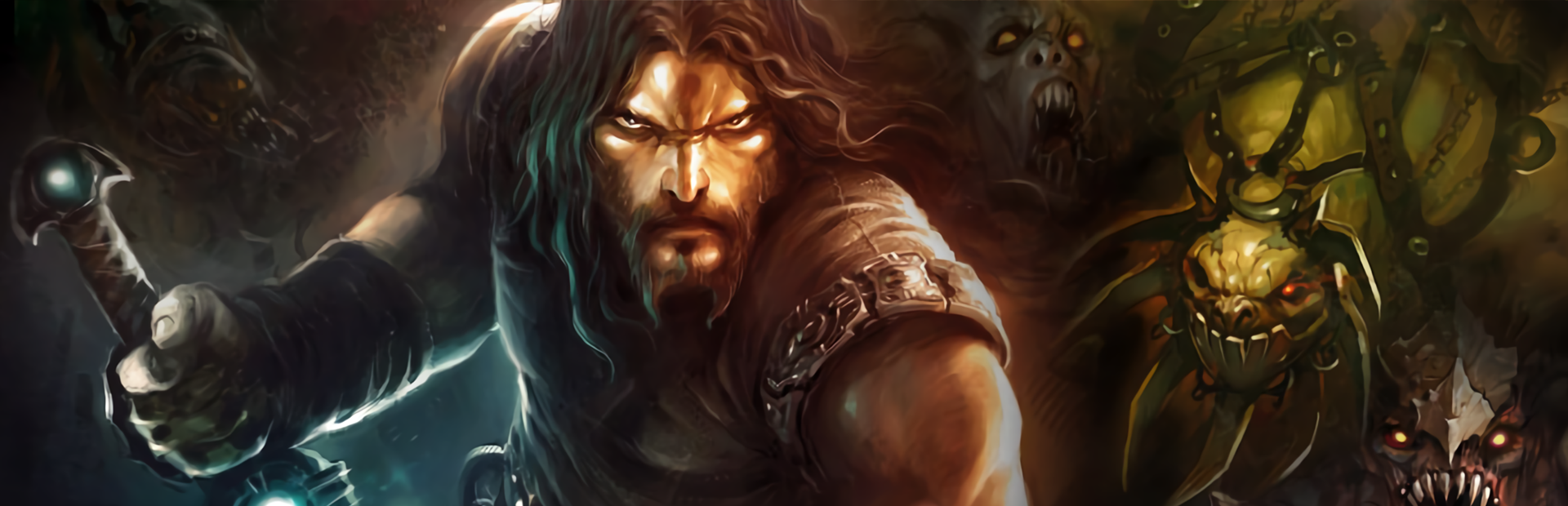
I couldn’t even begin to tell you what the story of Garshasp is about. With a weird name like that, you would think the story would be crazy. It’s crazy in a way that you can’t even follow it, and the game isn’t even long enough to flesh out a good story. All I know is that a guy with a weird name killed the brother of Garshasp, and you’re trying to kill him. The narrator pops in sometimes, but he sounds boring, and you can just forget the story.
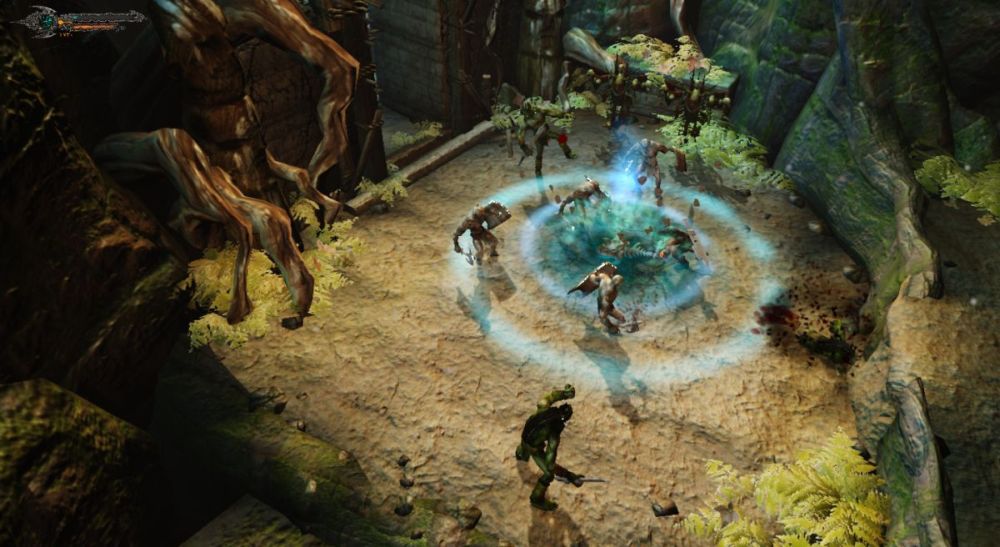
With a God of War-like clone like Garshasp, you would think puzzles and combat were top-tier. They actually aren’t very good at all. The combat is challenging and requires strategy, but the controls are unresponsive and the moves lack any impact. You have light and heavy attacks, and you can combo them, but there isn’t any form of magic or long-distance combat. The enemies are pretty dumb and either wail on you or just stand there and pause before hitting you. There are quick-time events like in God of War, but the camera just zooms out a bit and the actions repeat for a lot of the enemies.
When it comes to puzzles and platforming, there really aren’t any puzzles. Platforming is challenging, especially with these wall-sliding segments that make you slide around parts of the wall that can hurt you. They get tough, mainly because they go on forever. There’s a lot of switch pulling and turnstile pushing, and there are even health and experience orbs that you pull apart to acquire God of War style. You can upgrade your weapon, but not like you think. You just gain experience, and you automatically unlock new moves. There are only two weapons in the game, but the Dragon Mace isn’t gained until the last 30 minutes of the game (yeah, what’s the point?). The game has a nice ending boss fight, but overall, you can beat the whole game in less than 3 hours. Wait, what?!! 3 hours?! Yes, it’s like a sample of a game, but if you can get it on a super cheap Steam sale, it’s worth maybe $3–5.
Overall, Garshasp has a lot of bugs, like when climbing ledges, he will just shimmy around unless you hit the up button (or analog sticks have more problems). He’ll hang on to objects that require checkpoint restarts, lots of collision detection problems, and other minor quips that add up to make the game even less fun. Why should you even bother? It’s decent, the art style is nice to look at, and the monsters are pretty awesome, but the graphics overall look pretty bad and kind of like plastic (remember Conan?). If you can find this at a super cheap price, go ahead if you are an action-adventure lover; otherwise, pass.
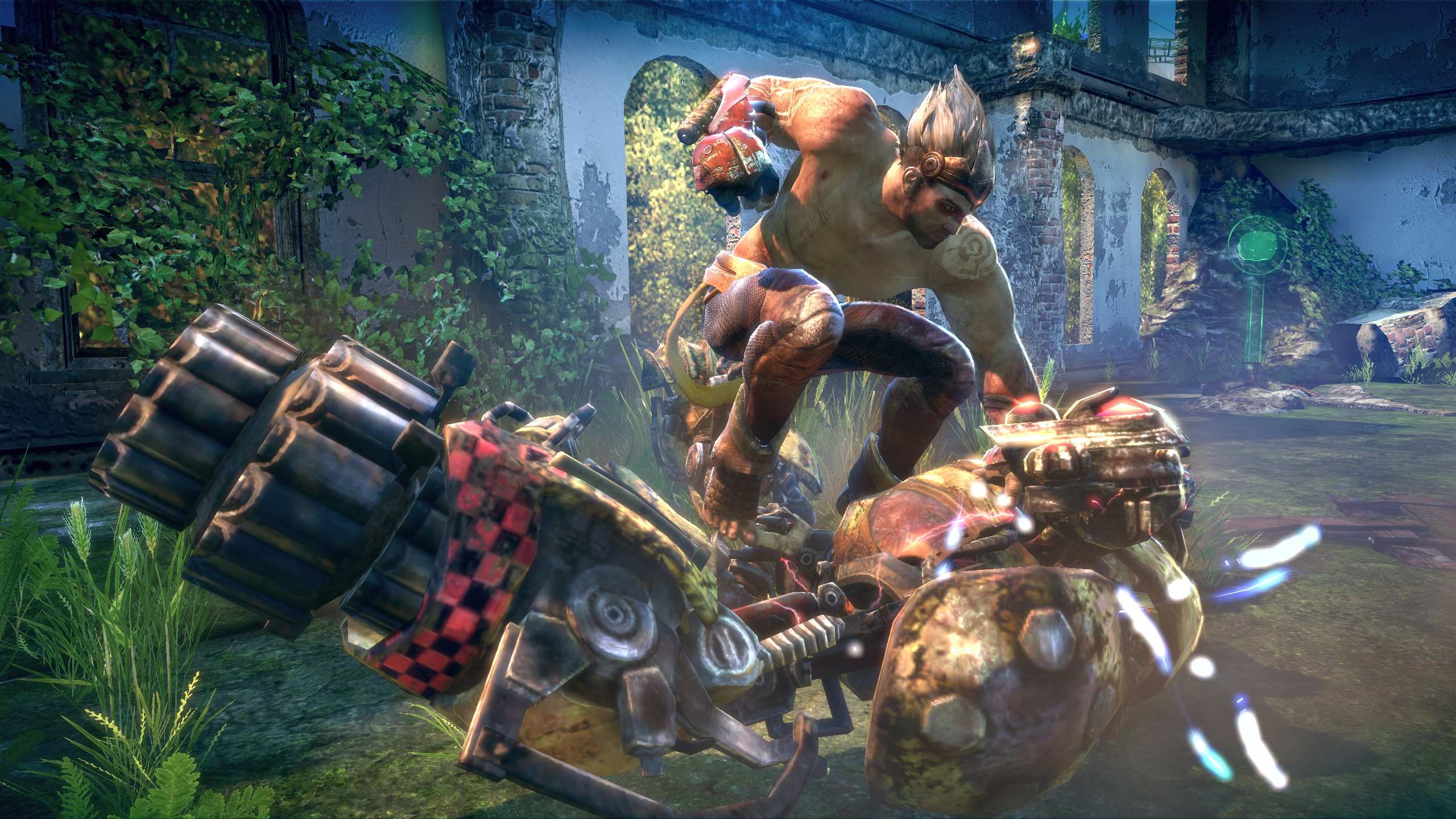
Ninja Theory has had a hard time establishing itself as a talented developer. With the major hype of Heavenly Sword, Lukewarm sales of the crappy Kinect Joy Ride, and the controversy of DMC, it’s struggling. Enslaved is probably NT’s most successful game, mainly commercially, due to its better marketing. The story is probably the game’s strongest point, as character development and combat take a back seat.
You play Monkey, a guy who escapes a slave ship that’s crash-landed in post-apocalyptic New York. Along the way to escape, he finds himself stuck and enslaved, but a young woman named Trip needs his muscle to get her back home further west. The relationship between Trip and Monkey is what makes you keep playing, and their constant fight for freedom is heartwarming.
The combat had a lot of potential, but after the first chapter, you’ll get tired of it. It’s the same two combos over and over again, with a crappy camera that can’t stay put. Sure, the angles are cinematic, but if you get backed into a corner, it’s nauseating. The camera can’t stay put at all, and it leads to cheap deaths and frustration when mech after mech is beating you down. You can charge an EMP burst to disable shields and make the mechs temporarily stunned, and this is essential to defeating them due to their constant blocking and shielding. You can command Trip to use a decoy so long-range mechs shoot at that instead of you so you can climb around and get to them. Some mechs have weak points that allow faster kills, and you can use your staff as a projectile weapon equipped with plasma rounds and EMP rounds. This staff is also used for puzzles and exploring as well.
So combat is pretty finicky, but exploring can be a blast thanks to huge sprawling vistas, easy-to-see glowing handholds, and whatnot. Occasionally the camera gets in the way here or the controls can be a bit touchy, but it’s not nearly as frustrating as the combat. You’ll notice orange orbs floating around everywhere, and these are used for upgrades, but you can only upgrade if Trip is in the vicinity. There are some points where you can use Monkey’s Cloud hoverboard, and there are a few exciting moments like chasing a giant mech, but this feels a bit tacked on.
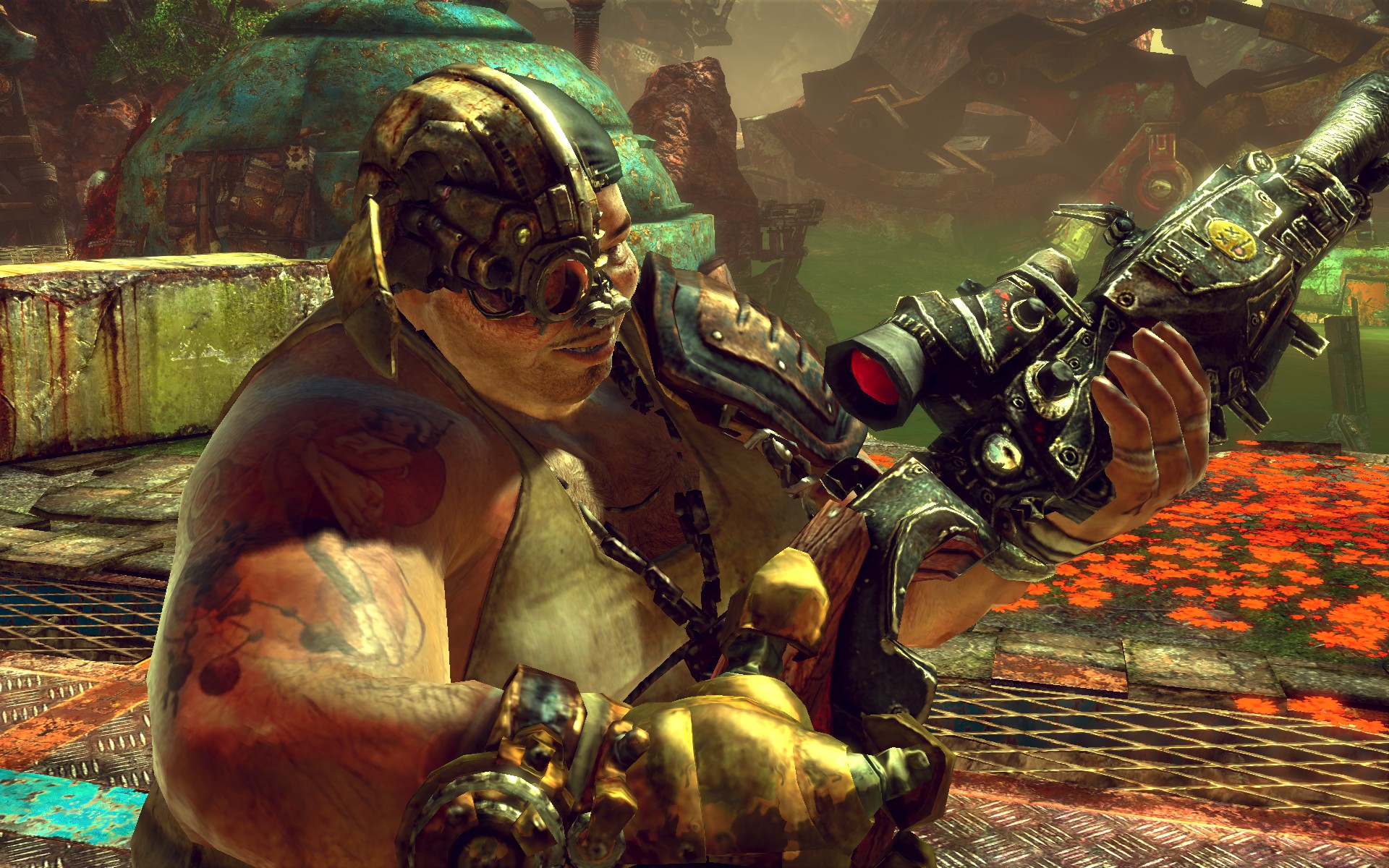
The game also has pacing issues since the first chapter is epic, and the next six or seven are the same repetitive area-to-area beating mechs up and jumping around the affair. It’s a shame that Enslaved feels like it’s only 80% complete because it needed a lot more polish. Even though the game looks good technically, it’s pretty bland, with just lots of green everywhere. There’s no unique art style or anything, and this is a shame. The mechs all look the same, and the enemy variety is less than half a dozen. Boss fights sometimes feel epic, but they repeat often, so Enslaved is iffy on every subject. I do recommend this as a great weekend rental or bargain purchase.
Game of the Year is one of the hardest decisions because so many games are created every year. But to come out on top the game must be excellent in its genre (usually re-define it) and have great production values, and not feel repetitive, and usually, it changes the way we think about games.
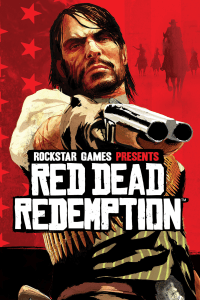
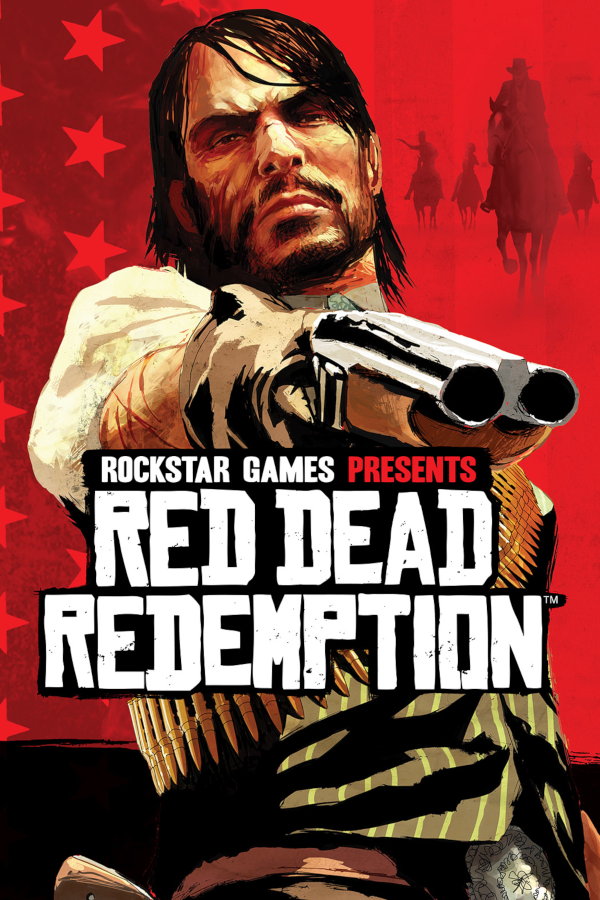
What sets Red Dead apart from all of these other excellent games is how authentic its world is. It feels so real and feels just like the wild west. With excellent voice acting, a huge open world to explore, lots of missions, and it’s just the subtle details that make it a winner. Hunting, gambling, horseback riding, even down to the drinks, attitudes of the people, clothing, accents, it just all adds up to something spectacular and really shows what a game can do. It’s Red Dead’s subtle details that truly make this game shine over the others.
God of War III defines the genre that tells us there are no limits or boundaries and it really shows here. With superb combat, epic boss fights, and gruesome gore that would make even the strongest squirm you have to love this game. It perfects the series and really shows what the next-generation is all about.
Graphics aren’t the most important part of a game, but they are essential in helping deliver every aspect. A lot of games try to push consoles to their limits with higher resolutions, more detailed textures, better lighting, physics, and even just about every other thing that games need to do to look pretty.
What sets God of War apart from other games besides its gruesome violence, and epic boss fights? Its graphics. It pushes shaders, memory, and makes processors sweat with its luscious huge vistas, multi-screened bosses, and stunning detail in every character. In 1080p on an HDTV, nothing can hold a candle to anything graphics wise.

























































 thebinarymessiah.com
Try multiplayer. A lot of fun !