Puzzle games aren’t just supposed to bend our minds, but also offer unique ways to play puzzles we’ve grown to love. Some have stories, some require reflex, and some just make you think.
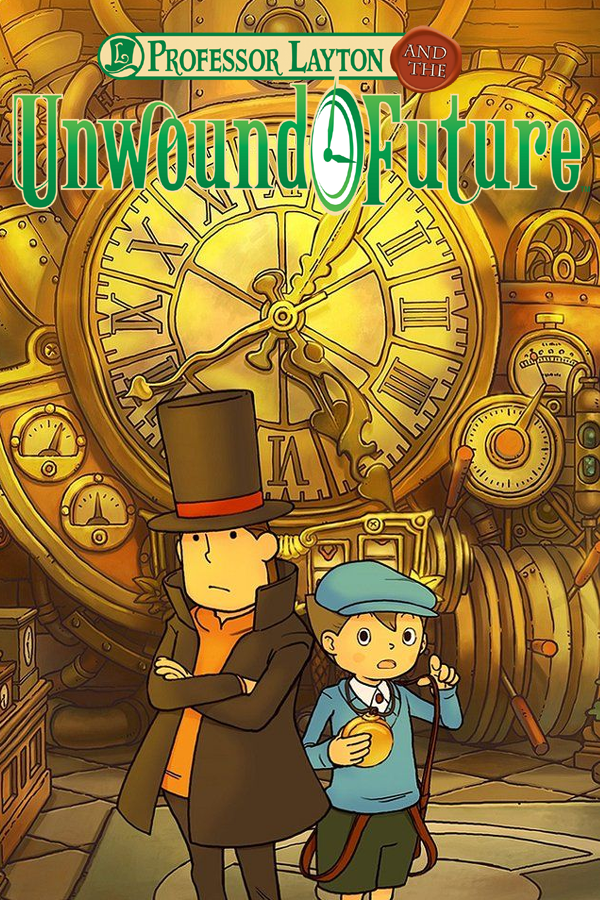
Professor Layton and the Unwound Future
Professor Layton brings puzzle games to life with a charming story, visuals, and deep clever puzzles. What sets it apart from the rest is the way puzzles are presented with the DS hardware and the way you think about them. Professor Layton has set the standard for puzzle games, and you don’t just have to have the quantity to make a puzzle game great.
A great platformer has responsive controls, unique gameplay, good puzzles, and good graphics. Platformers go all the way back to the beginning of video games so there’s is a lot of scrutinies involved in them.
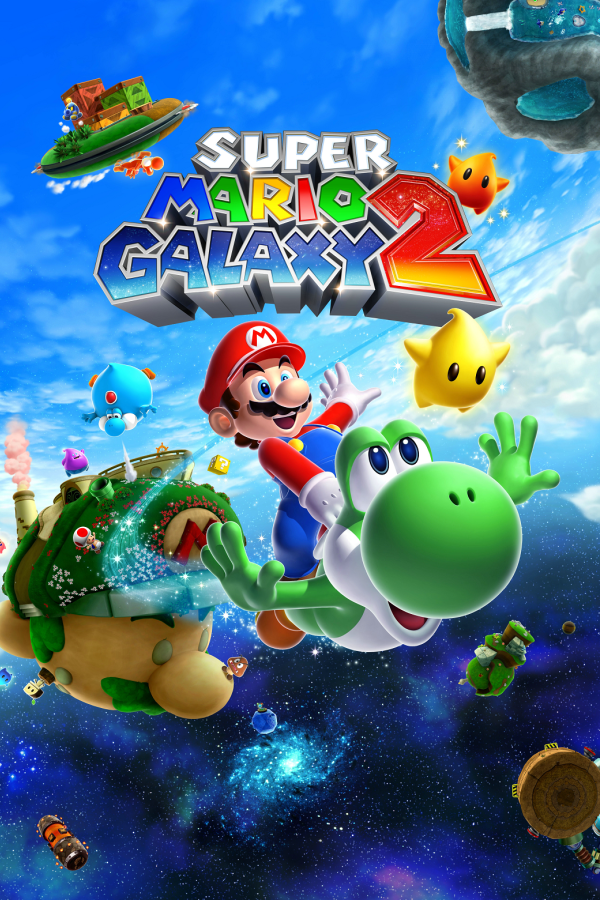
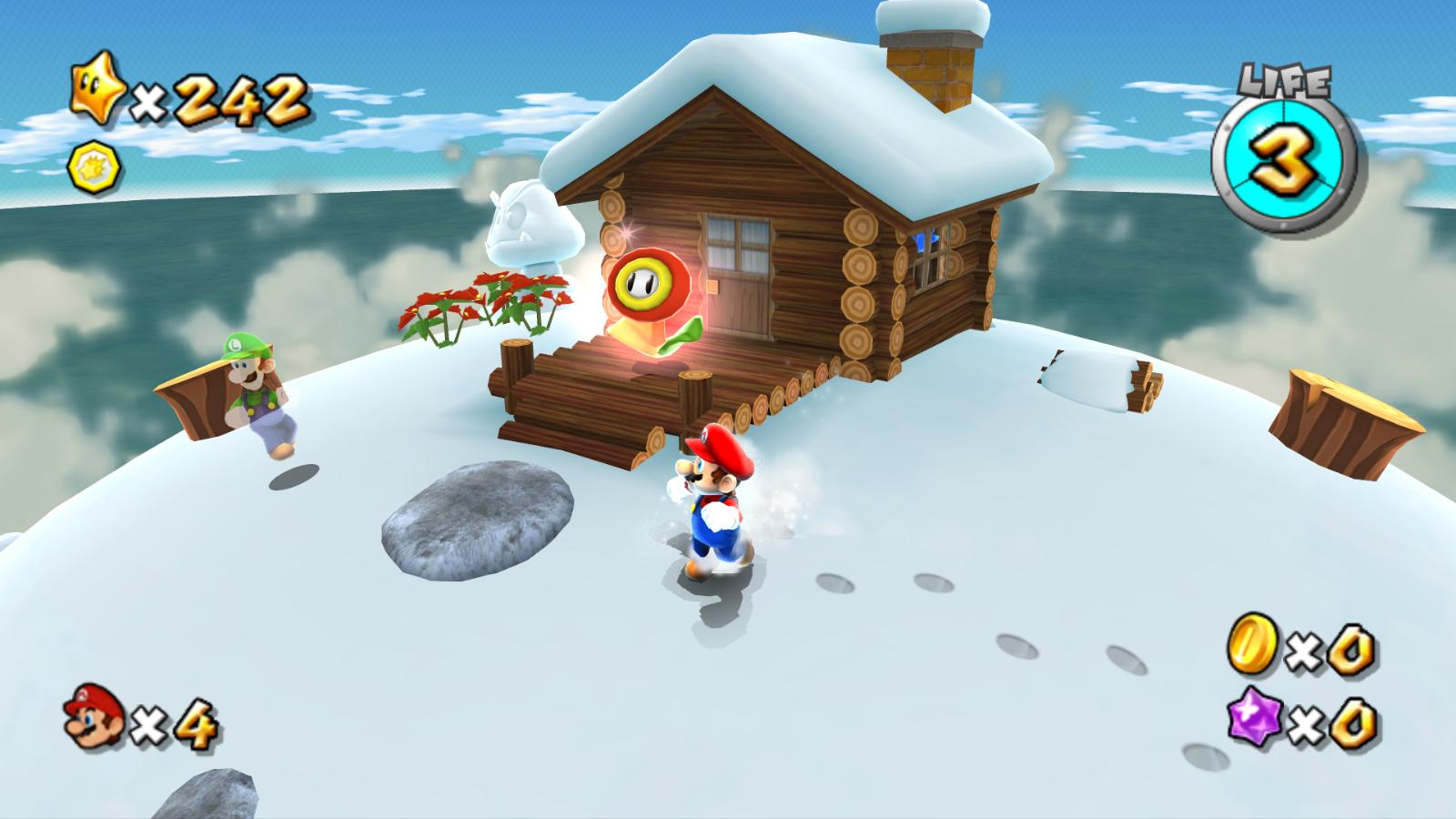
Super Mario Galaxy 2
While Mario may be the same thing over and over again the Galaxy games really show what the Wii was meant for, and truly offer unique gameplay, charming visuals, and fun combat and puzzle-solving. Galaxy 2 succeeds on the first game with pretty much better everything. The game is more epic, it feels like it’s on a larger scale, and you just can’t get enough of that Galaxy feel.
Downloadable games are great for indie developers because you don’t have the restriction of big publishing companies and it cuts costs. It’s also cheaper for players because they send to be a fraction of full-price retail games.
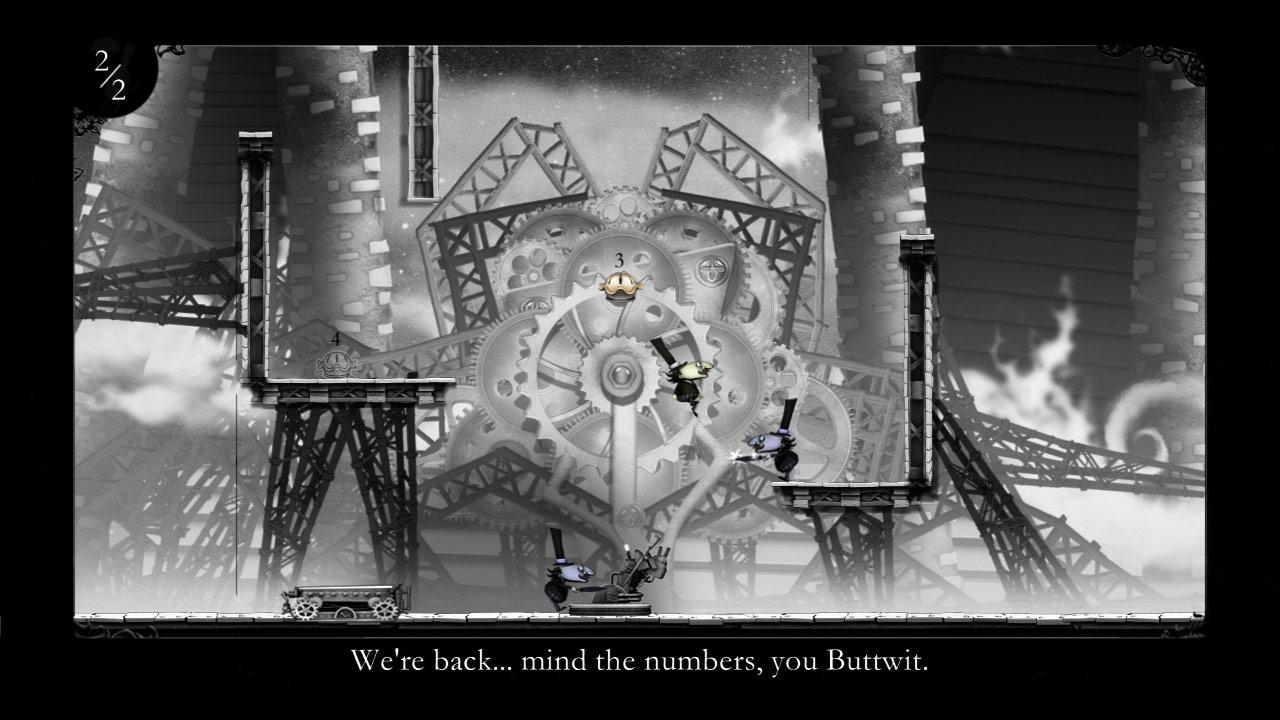
Don’t let Limbo’s simplicity make it feel like an unfair fight against these other more complex games. Limbo is so simple that it’s just amazing. The game has great physics puzzles, but the feeling of being a helpless boy is just unreal. The charming art style (that’s very risky), and the gruesome deaths (the fact that it’s a boy) make you cringe, and that’s hard to pull off in such a simple game. This should let developers know that simplicity isn’t a fault.
While graphics may not be essential, the artistic side can set them apart and make them individual and unique. The artistry of graphics is very important in defining a series or making it instantly recognizable.
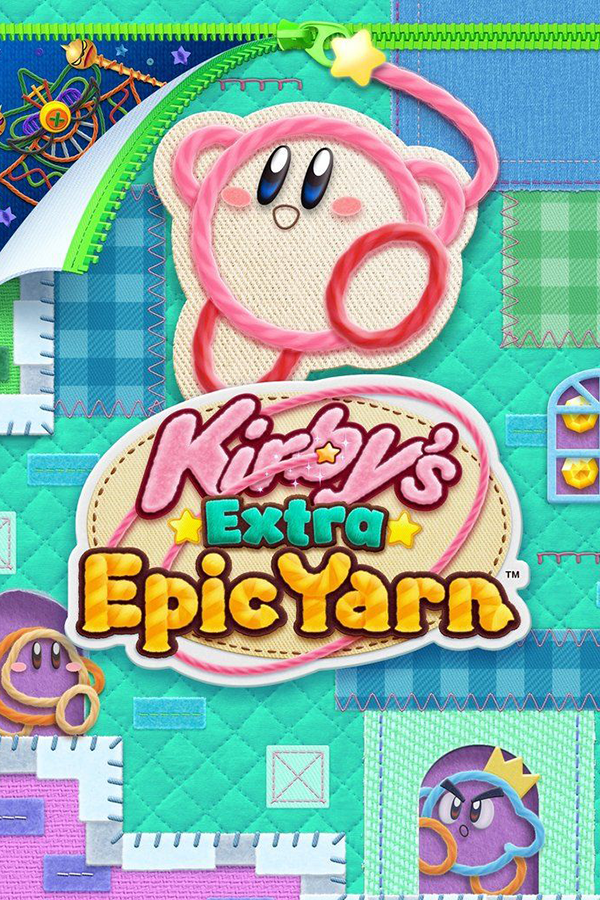
Kirby’s Epic Yarn
Yarn. Who would have thunk? Using yarn to create the world is probably one of the most original art designs I have ever seen. Why does such a cutesy art design beat out other games that have tons of research behind them? Because it’s original. That’s the keyword. The game makes you feel just as fuzzy inside as the characters look.
What defines an atmosphere? It’s the portrayal of a setting and world that feels authentic in the sense that it can make you feel you’re in it. It can scare you, make you feel like a superhero, or make you feel full of magic. The atmosphere in a game is extremely important and with the latest technology developers can bring us more authentic settings.
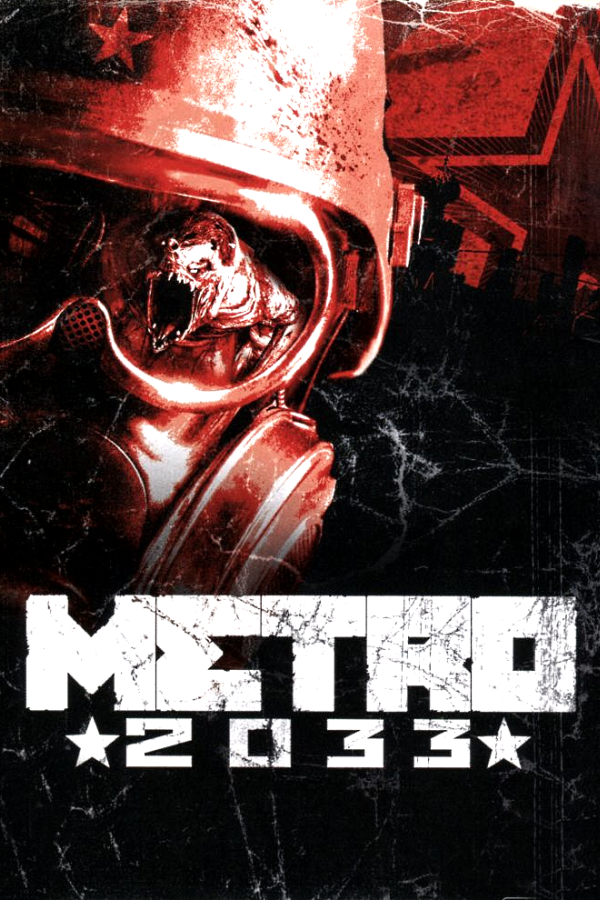
While Metro 2033 didn’t see much light from retail it has one of the most amazing and scary atmospheres ever created. Feeling all alone in a subway in Russia with just a lighter, gas mask, shoddy handmade weapons, and the sounds of creepy dogs howling down the tunnel? Only one clip left and there could be ten or more? That is one scary situation, and even the outside environments are incredibly hostile feelings. The mix of enemy camps with stealth missions makes you feel desperate, and if you get caught the whole world will come down on you.
What makes music in a game good? Something that fits the style of game, setting, and something that isn’t repetitive, annoying, or something we’ve heard in a million other games. Music is probably one of the most important parts of the game but easily overlooked by most gamers.
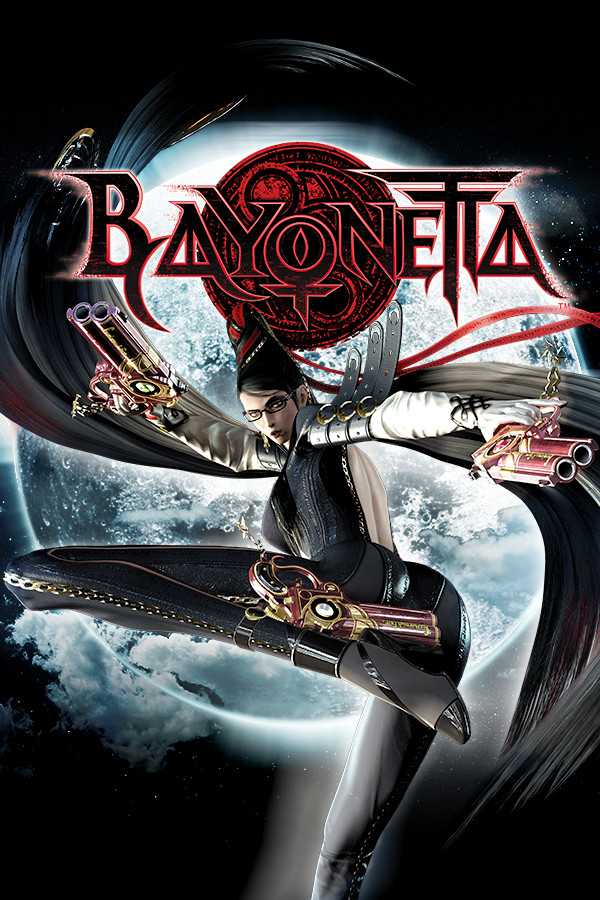
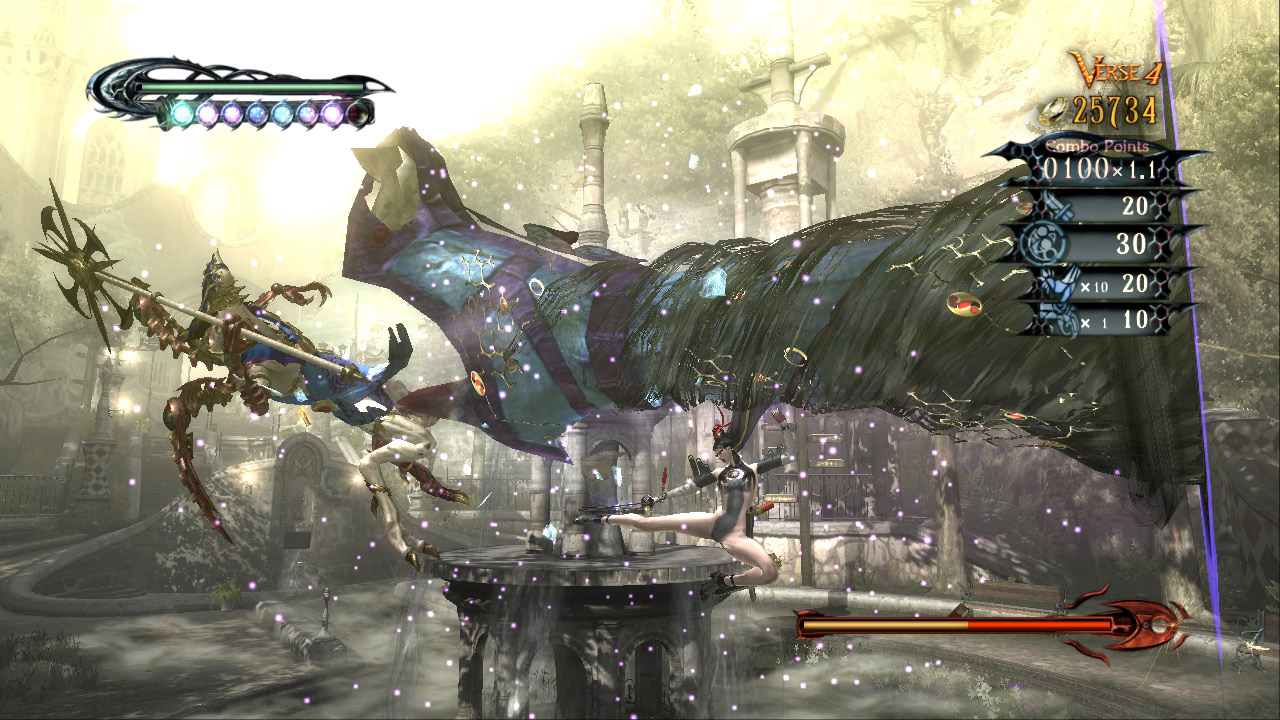
Bayonetta’s music isn’t only angelic and beautiful, but it’s so catchy that you just want to hear it again and again, and it really fits Bayonetta and her style. You just get goosebumps when seeing Bayonetta fight with style on the screen along with this angelic music. While there isn’t a huge variety what does play is amazing and is memorable.
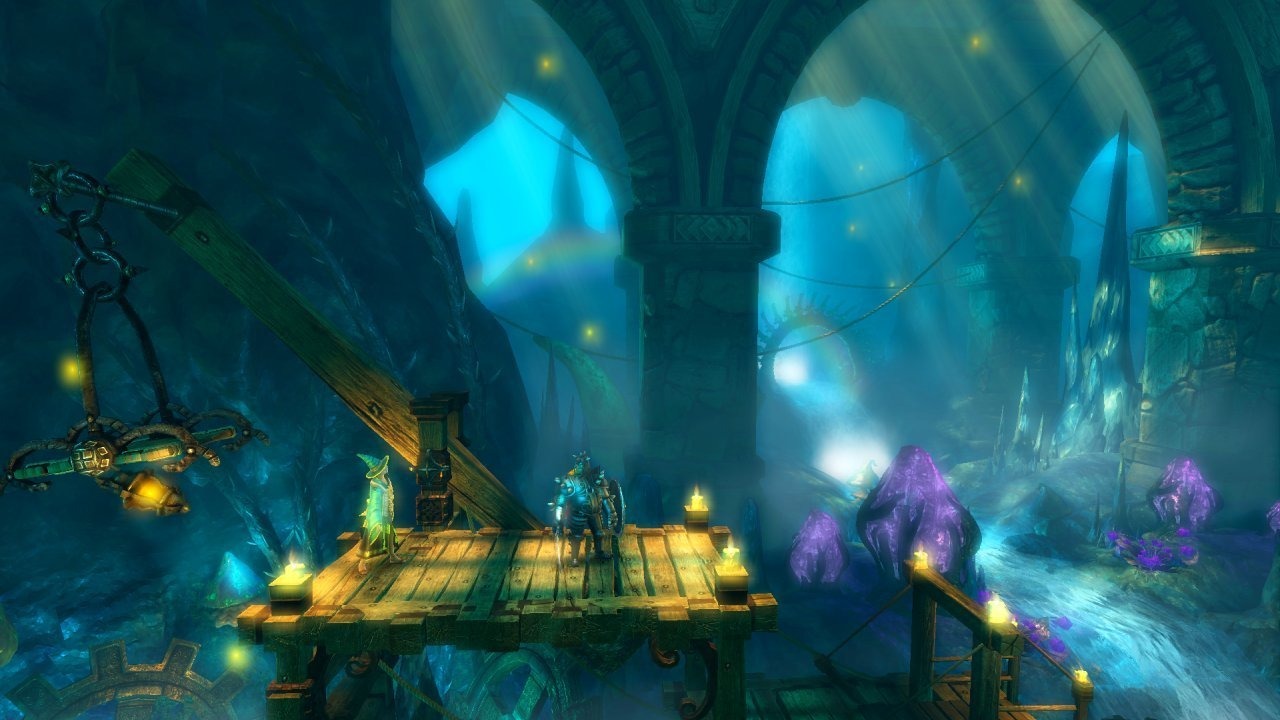
The Trine tells the tale of three heroes whose souls are tied together by the Trine, and they must find a way to break apart. While the story is simple and shallow, the gameplay is where it’s at. You can play as a warrior knight who has a sword and shield and is your combat guy; the thief has a grappling hook for getting across long distances and a bow for long-distance kills; and the wizard can create objects to climb on and levitate objects, but it is a no-go during combat.
The wizard is the most interesting character since he can create blocks to climb on and bridges to cross gaps. You can find things to add to your characters to give them new abilities as well as enhance them. The combat is pretty shallow as well, with just a hack that slashes everything that comes after you type play. It actually tends to get in the way of the tricky platforming and can get annoying after a while. The game is based on physics, so some physics puzzles are involved, but they don’t seem implemented very well.
The game looks great with a beautiful fantasy art style, good voice acting, and smooth controls. There are a few glitches in the game, but these are all wonky physics issues. The game is pretty much just getting from left to right without dying, but you can respawn characters at checkpoints, so dying seems kind of pointless since you aren’t severely punished. In fact, if you do die, you can’t use that character if the puzzle requires them, so this just seems irritating. Overall, the game is pretty good and worth a purchase thanks to its nice length, pleasing visuals, and good platforming segments.
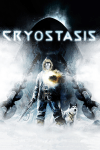
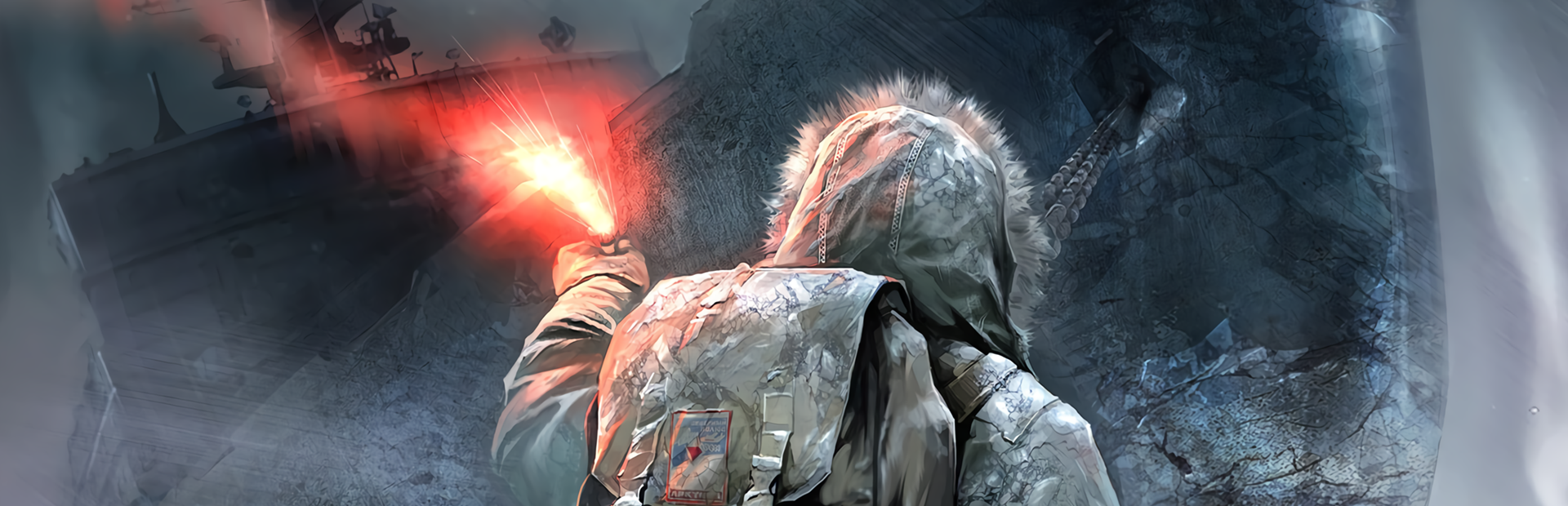
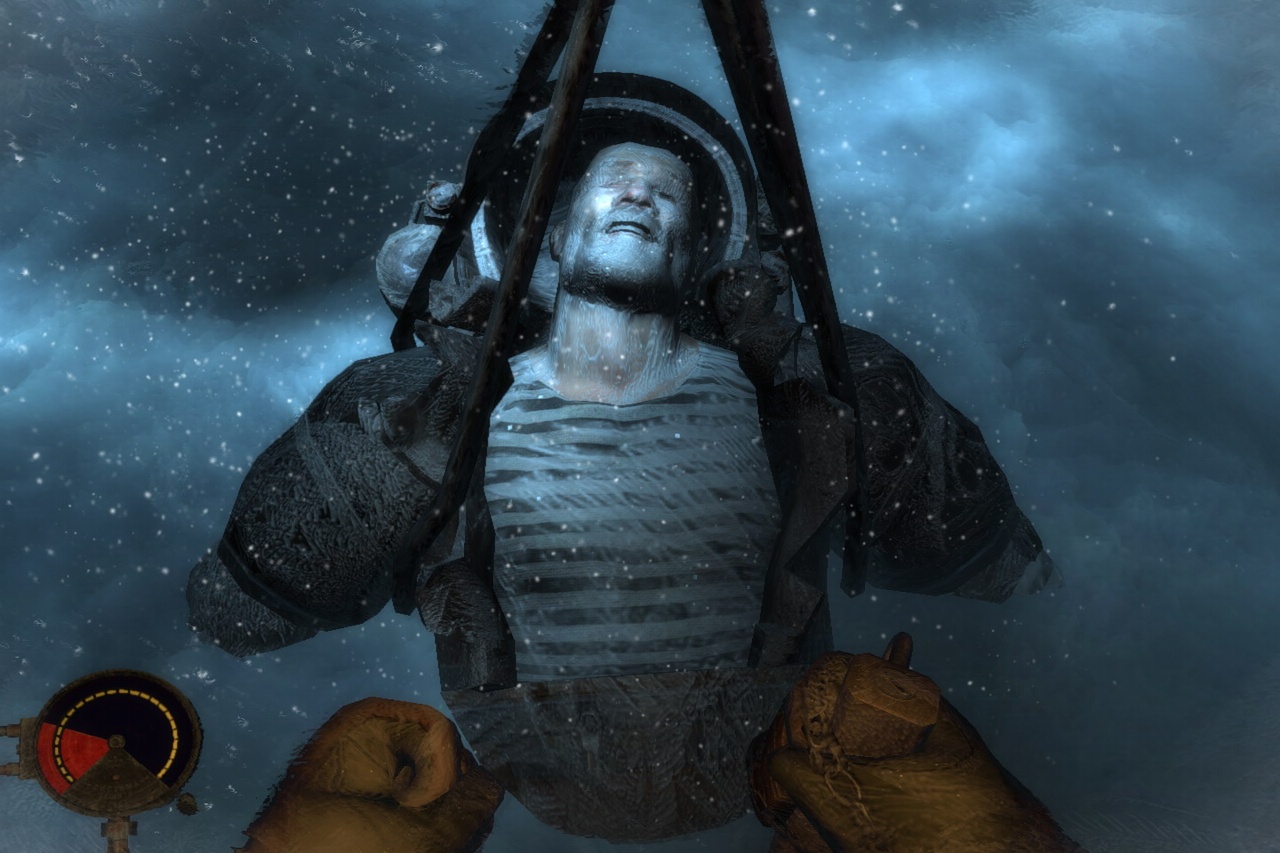
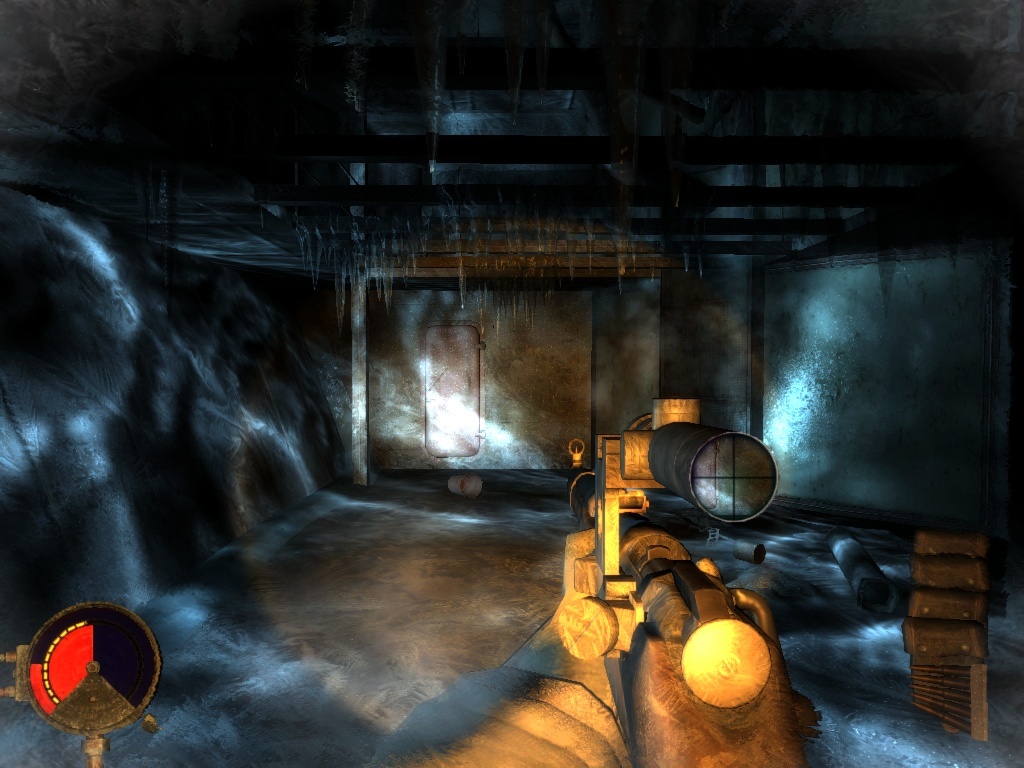
I love first-person shooters with a great atmosphere, and Cryostasis pulls this off well. While the story is pretty confusing and never really makes any sense at all (even at the end), you at least know why you’re here. You are moving through a Russian nuclear icebreaker that was destroyed after hitting an iceberg (sound familiar?). You walk around finding dead bodies, and upon touching them, you can relive the moments leading to their deaths and try to prevent them so you can continue getting through the area that is blocked. This also provides more backstory on how the ship actually hit the iceberg and why.
The game is a first-person shooter, so you get some guns, but the game is slow-paced and not a high-octane shooter like most people like. You move very slowly, and you have to take your time aiming since these guns don’t exactly fire at a high rate. You get several different types, such as bolt-action rifles, a Tommy gun, a water cannon (that uses icicles!), and even a flare gun. The aiming is slow, like I mentioned, and you just feel like you’re shooting in slow motion. This isn’t entirely bad since you can take your time and aim because ammo is a tad scarce. You do, however, never feel like your guns are very powerful, even against weaker enemies. But you don’t get guns right away since, for a good 25% of the game, you get to use melee weapons.
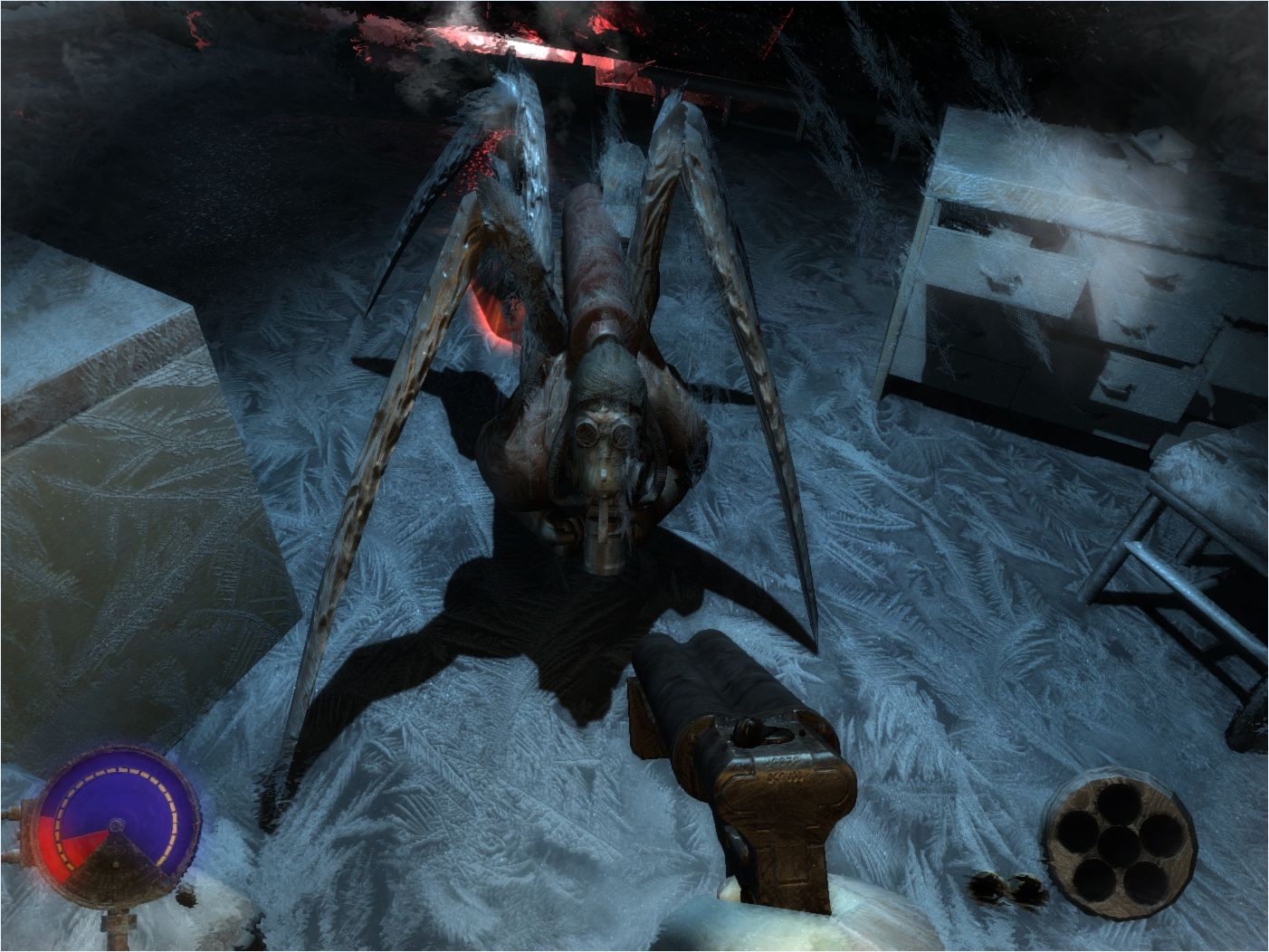
The enemies in the game are pretty unique and not just average cannon fodder. These enemies are pretty creepy, look great, and behave decently towards your actions. Some swing axes and some shoot back, but they are all pretty hard to take down, especially the bigger guys later on.
The game doesn’t really consist of puzzles, but it is sometimes a linear maze. You do flip switches and activate heat sources (more on that later), but there are no actual puzzles in the game. This game makes things a bit dull and feels monotonous since the tone of the game never really changes, and even the atmosphere wears thin before the end. You’re opening a lot of doors, flipping a lot of switches, and shooting some bad guys, and that’s about it. This game is really only for people who are into atmosphere and stories.
You can use any heat source, such as lamps, lights, heaters, fires—you name it—to recharge your health. There are two meters, and the outer one shows how warm the room is or the heat source. You can only heal up to where that meter stops, and then you have your endurance gauge for sprinting.
The game looks pretty good, and you need a monster rig to run it with DirectX 10 and get the best-looking settings. The textures are highly detailed, and you can even watch the ice melt and watch the water run down walls in real-time. Of course, this was one of the very first DX10 games, so there are plenty of glitches. The PS 4.0 has a problem making animations jerky, so you have to fiddle around with minimizing to the desktop and changing it from 3 to 4 to get it to stop. The game will crash at random sometimes, and there are some weird, out-of-nowhere glitches throughout. This makes the game very frustrating to play, even if you have a hefty rig.
The game can feel like a chore towards the end because the pace never changes and is just deliberately slow, and the story just never makes sense. However, it has something about it that makes you keep playing regardless of all this, but people who like fast action should stay away. Cryostasis could have been a lot better with a more stable engine, better shooting, and a more steady pace instead of just being slow throughout. If you have the rig to run this game and the patience, then Cryostasis is your thing.
Update (06/14/18): The game has actually been pulled off of Steam as of late and does not run on Windows 10 or modern GPUs. This is such a shame, as it can easily be run on any GPU from the last 5–6 years with no problems. If you want to pick up a copy, you need to find someone who has it in their Steam library.
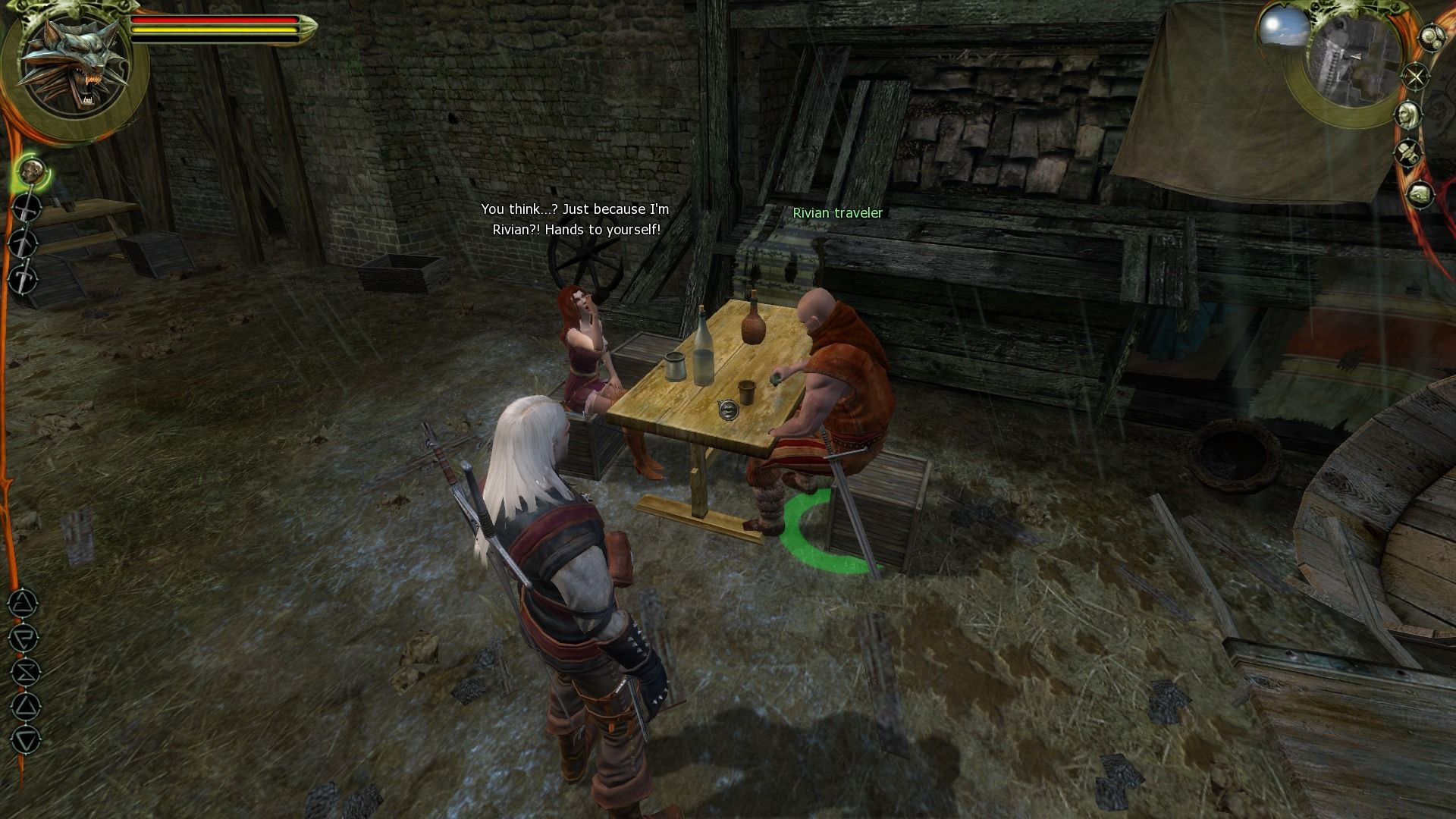
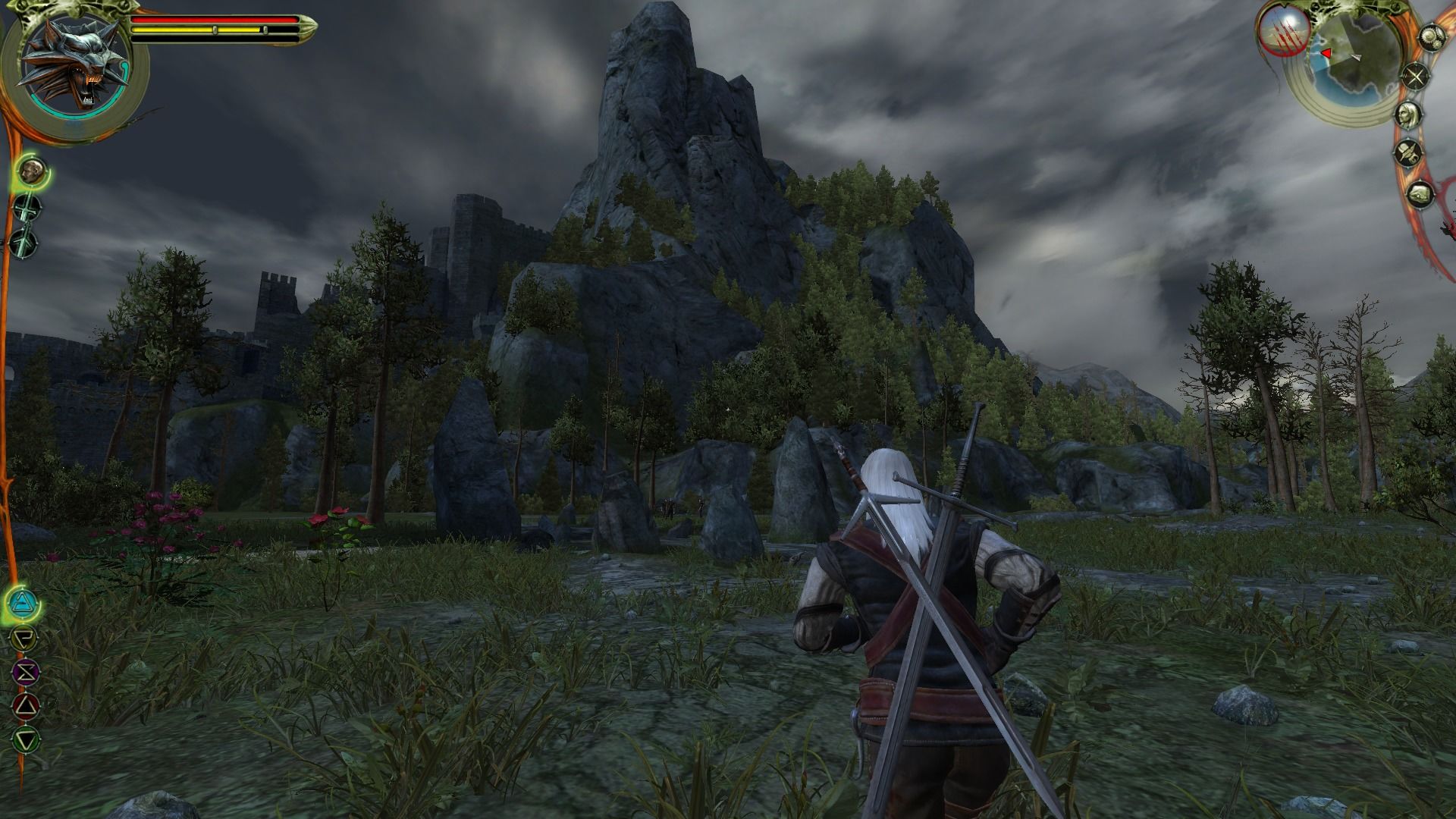
I love action RPGs, and The Witcher had a lot of promise when it came out. This game is really for the hardcore due to the fact that it relies on you to decide what to do and never really tells you what to do except what your missions are. It’s very hard to describe just what The Witcher is trying to do, but it seems to have trouble doing it. Most RPGs are simple with a map, inventory, leveling up, buying items, weapons, and armor from townsfolk, etc., but The Witcher makes this a bit more complicated.
To get started, I want to get the quest system out of the way. You can check your quests and track them on your map, but not all quests are clear, and they’re a mess. You’ll end up with over 20 quests at some point, and most of them are completed once you complete the chapter, so they aren’t really quests. This becomes very frustrating because you never know what you’re supposed to do with them except ignore them. Side quests are obtained by talking to certain people, but not all of them are clear and can really leave you clueless as to what to do. One of the most important parts of RPGs is the quests.
The Witcher has an alchemy system, and it seems RPGs just can’t get an alchemy system downright that isn’t overly complicated. You can find ingredients throughout the world by collecting herbs or finding them on dead enemies. You can’t pick certain plants until you read a book about them, and you can’t make certain potions until you obtain the recipes for them. See how this game works against you? Finding these books and potions is a real pain, since it’s like finding a needle in a haystack. Once you do get a recipe, you have to acquire the ingredients for it, which consist of a few components as well as some sort of alcohol base. This also includes health potions, and after I gave up on the game halfway through chapter three, I still couldn’t find enough ingredients to make a health potion.
While alchemy is really complicated and puts a damper on gameplay, magic is the same way. You have an endurance meter, and using one of your seven signs can drain it, so you need a potion to refill it faster, and maybe a potion temporarily increases your stats to get through a tough boss fight. You never feel strong enough. Even when I quit at level 17, I was still getting my ass handed to me, and upgrading weapons and armor is another pain.
You can collect meteorites and give three or more to a blacksmith, and you can upgrade your steel or silver blade. Finding these meteorites is a pain, and usually, not all blacksmiths will just make the weapon they need—a valuable jewel or something of the sort. Finding gold (orens) will be a huge issue since most of the quests are backtracking back and forth between places and only about 40% are fighting. Even in chapter three, I still couldn’t get enough gold to buy armor.
Besides this, the combat system is pretty solid. You have three different styles you can use, which are strength, speed, and group. You can switch to each on the fly, and timing is lowered by clicking when the icon turns into a flaming sword, which allows powerful combos. The fighting system doesn’t really go beyond that, so it gets dull after a while. When you level up, you can upgrade stats and different attributes, but you always feel the game is more powerful than you, no matter what you do. Leveling up isn’t a simple matter since you have to find an inn or a campfire and meditate, and this is also the only way you can use alchemy. Why did the developers make a game that works against you? Why can’t I just find a potion and drink it like in every other RPG? Why do I have to have flint to light a campfire?
The game starts out fairly easy, but once it dumps into the world, it feels linear, and you don’t know what to do. There are a bunch of little annoying things, like you can’t see in a dark cave unless you drink a cat potion or carry a torch. A lot of the dialog is good, but the game is full of monotone voice acting. While the story is good, depicting a man named Geralt of Rivia, who is one of the last witches, trying to find a friend and kill an evil group called the Salamandra, it feels like there’s too much filler. The game is truly for the hardcore due to the open reign it gives players. The game looks pretty decent, but nothing close to next-gen, and it just feels a bit dated. For $20, you get a lot of games here, but some people may be lured in and quickly let down.
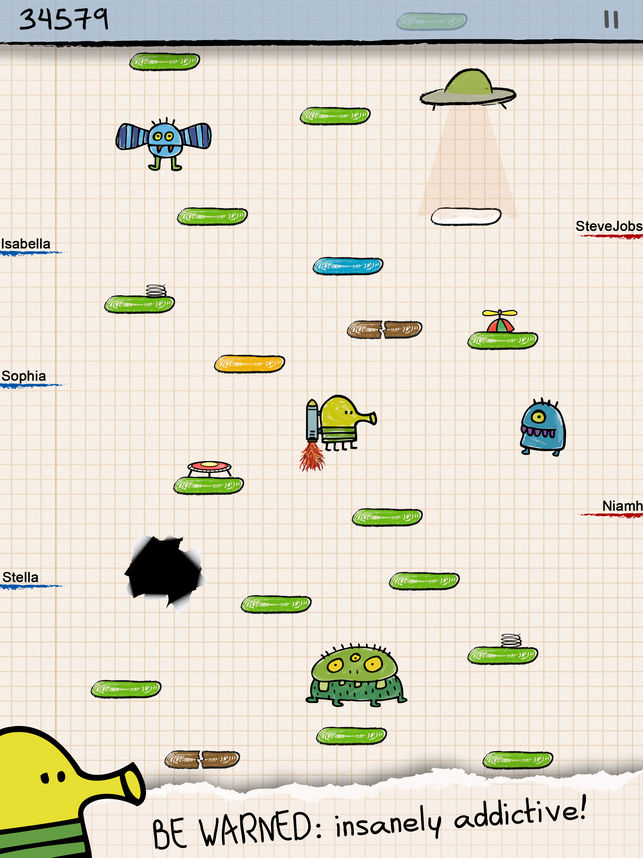
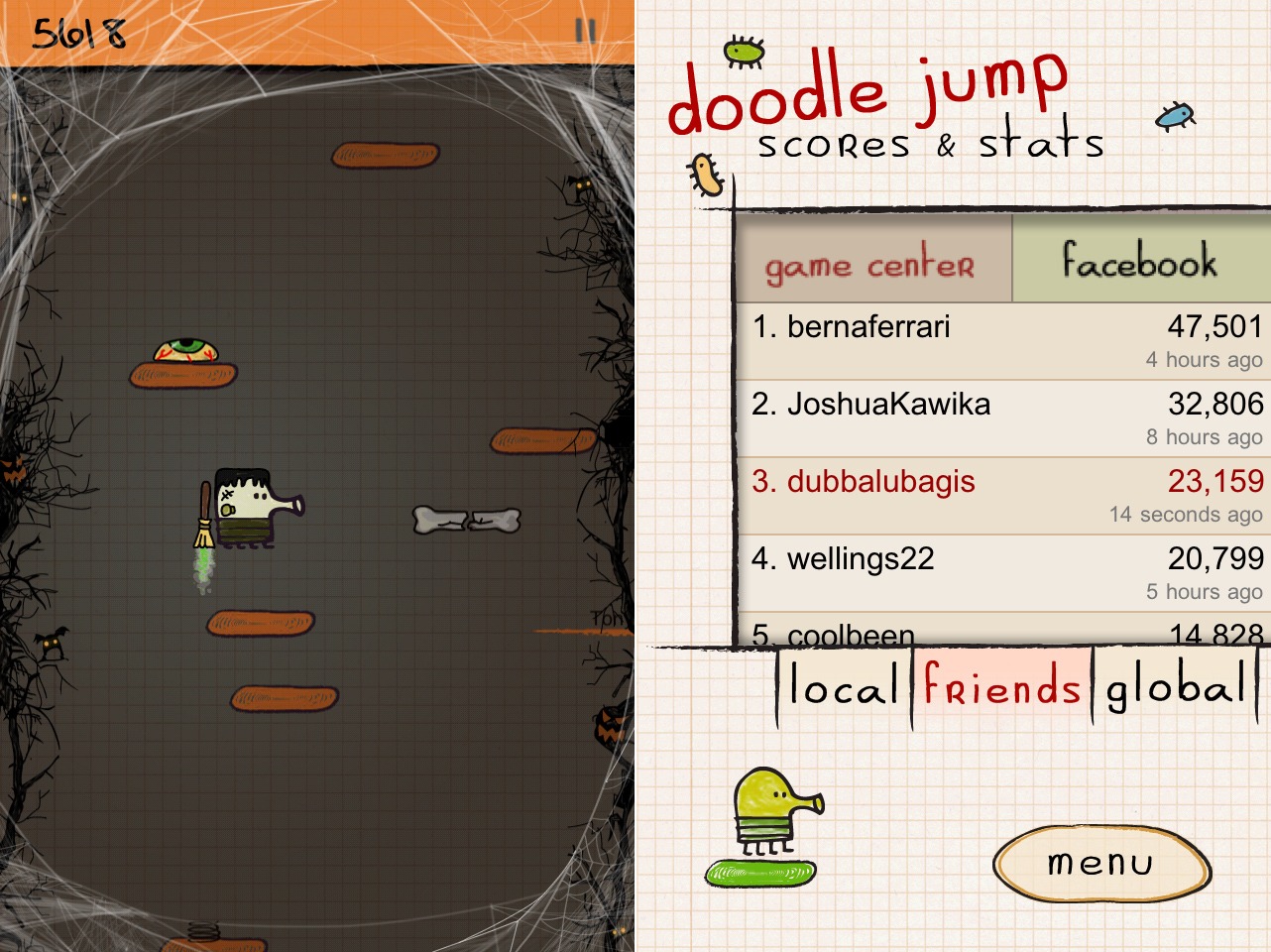
Doodle Jump is one of those perfect pick-up-and-play games. You are a little, er, doodle guy who is trying to make his way up an infinite ladder of platforms. You tilt the device left and right to move Mr. Doodle and tap to shoot enemies. There are various items on platforms to help you gain more height. These range from springs to flying hats, jet packs, trampolines, and more. Some platforms are wooden, so you want to avoid those. Some platforms move left and right and side to side. Your goal is to get as high as possible, but Doodle Jump has a unique marking system, so you can see your place marked every time you play, as well as that of your friends. The game connects straight to Twitter and Facebook, so you can see where your friend’s highest scores were.
The game isn’t much to look at, but it does have a certain charm to it. The background is grid paper, and everything looks hand-drawn, thus the doodle part of the name. Everything looks and plays simple, and for only a dollar, you get tons of fun out of this little game. This game isn’t good for long stretches, but it’s a good time killer. The game is also dangerously competitive thanks to its social-networking integration. If you love pick-up-and-play games, this is your dream come true.





















































 thebinarymessiah.com
ORC is probably the worst game in the entire series. It's objectively awful. Being bad isn't different. Different is Outbreak…