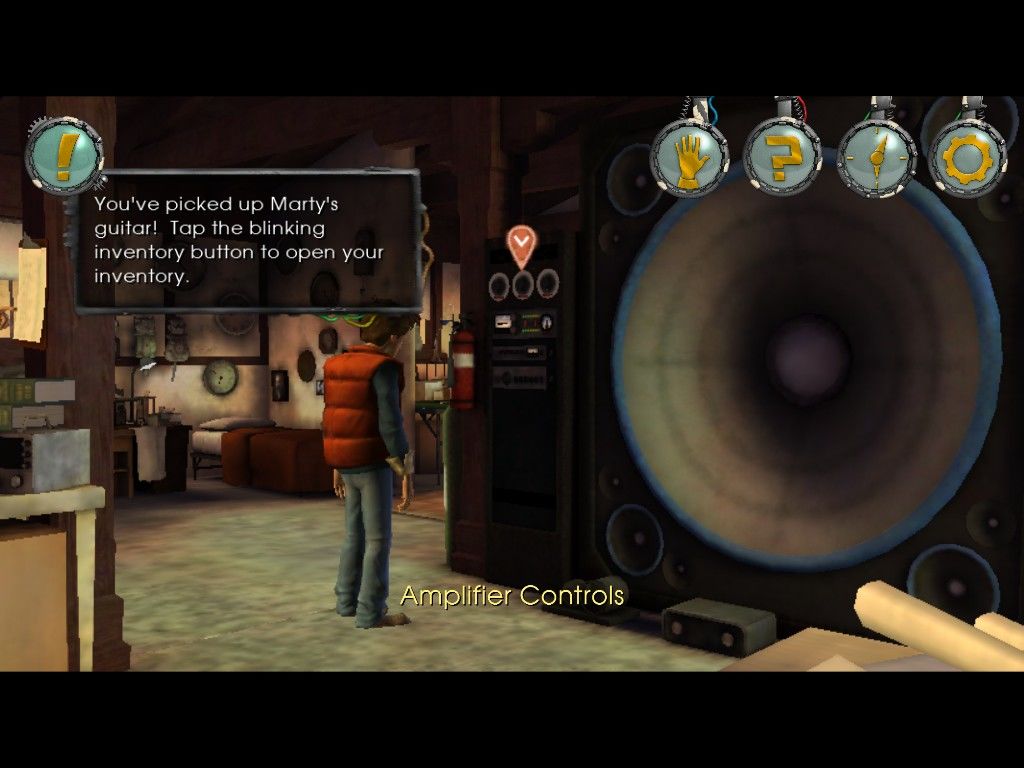
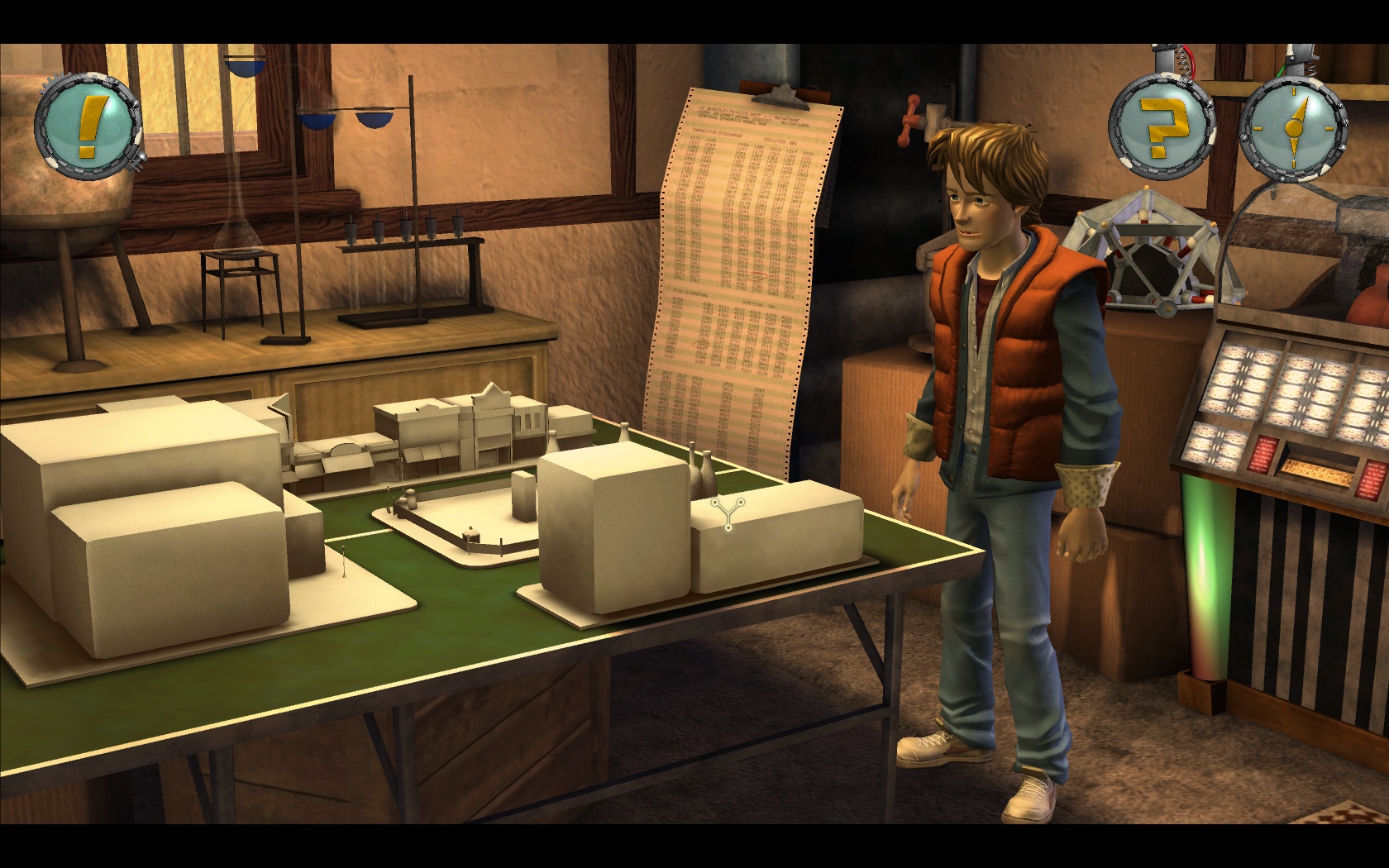
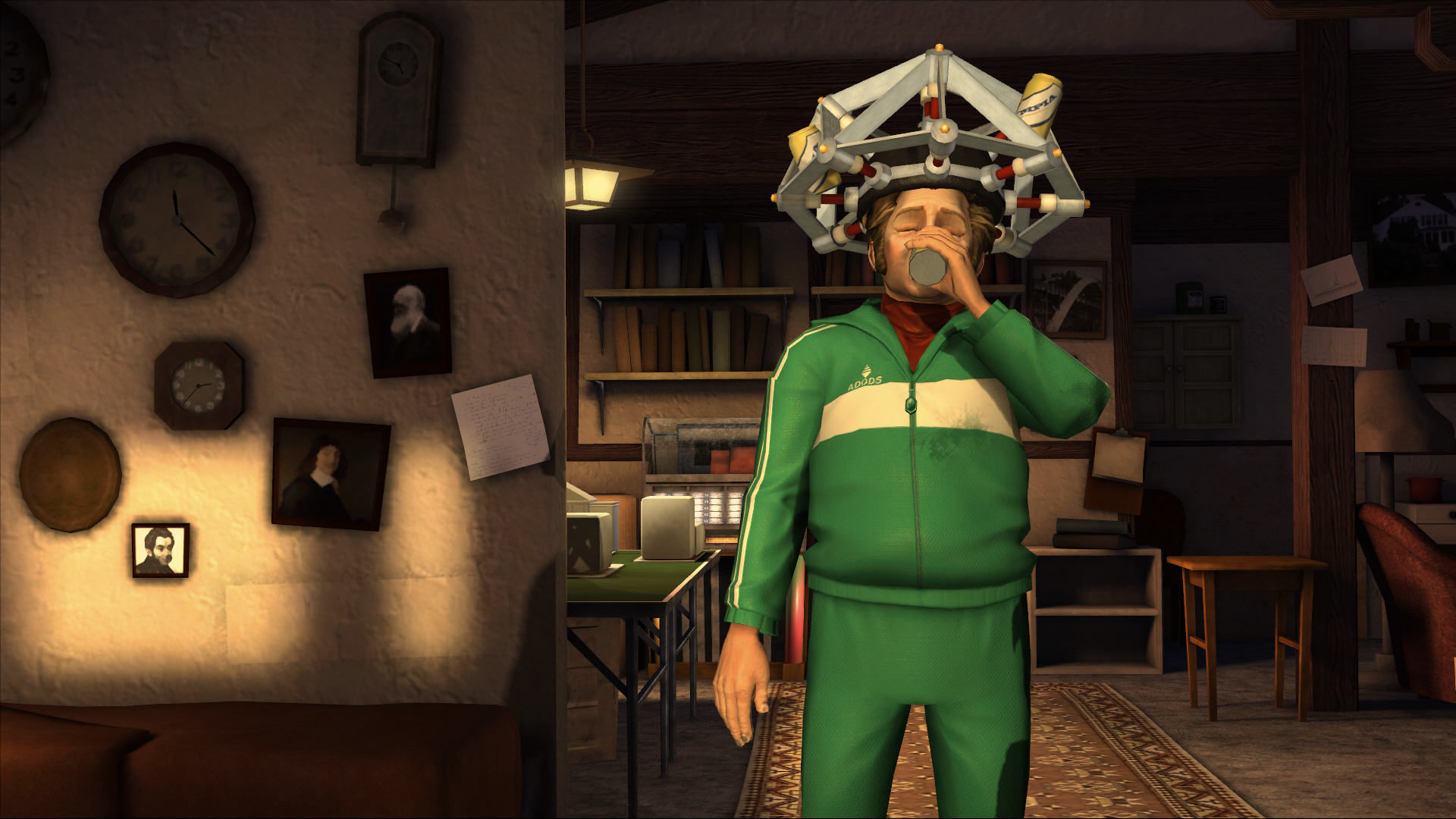
Back to the Future hasn’t really done well when it comes to games. There were a couple of bad games in the 8 and 16-bit eras, but Telltale Games finally picked up the license and injected its excellent adventure formula into the beloved series. You play Marty McFly, who has to go back in time and save Doc Brown from his own deadly fate. He gets a message from Doc to save him, and Marty must find out how to do it with the help of young Emmet Brown.
The story is original but uses the BthF license very nicely. The voice actors sound almost spot on, and everything from the DeLorean to Doc’s dog Einstein and even Marty’s relatives is voiced well and resembles their live-action selves. It’s great to explore the BthF universe with the same clever writing and storytelling. There is a simple adventure game interface where you click around on objects and listen to Marty explain them, but the puzzles are more involved than just slider puzzles or matching symbols. The puzzles are broader and story-driven, and that’s what Telltale is famous for in their Sam & Max games.
You can have items in your inventory, but you don’t just wander around and use them for every pixel in the game. It’s usually pretty obvious to use your recorder to record young Doc’s mumblings so old Doc can solve them. You aren’t overburdened with a ton of items that you have to constantly use a million times on everything, so it’s straightforward and simple, but you do have to think a bit. One great feature to resolve pixel hunting is a button that will show every icon you can interact with. This saves time and frustration, so you’re not wandering around and missing that one item that’s almost off-screen.
While the interface and interaction are smooth and simple, the game is very short, and it’s still lacking some gameplay depth. I would like more cerebral puzzles, but Telltale is more about the story than anything else. The game doesn’t get super exciting until the last 30 minutes of the last two sequences. You can beat the game in one to two sittings (about 3 hours), so for $25, the game is highly overpriced and not worth the money unless you’re a die-hard BthF fan. I would wait for the full season to come out and not spend a ton of money on each episode. Also, the graphics are pretty horrible considering the nice art style. Telltale really needs to upgrade their 8-year-old engine to something more modern.
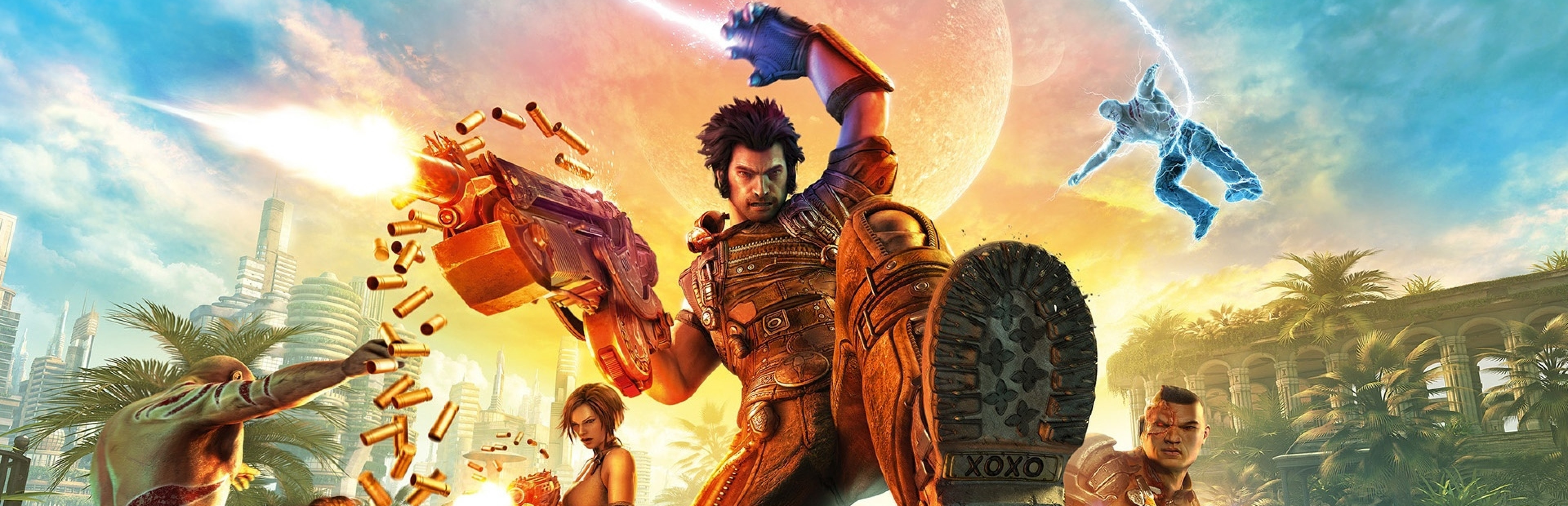
The controversy surrounding Bulletstorm’s violence isn’t actually all that bad. What everyone should pay attention to is the kick-ass new breed of gameplay it brings to the table by making it more exciting and fun again. Surprisingly, this game isn’t just brawn, thanks to a pretty snazzy storyline. You play as Grayson, who is a pirate and, with his buddies, takes on jobs as a mercenary. You take the wrong job and find out the truth about what you’ve been doing all these years, and you go on a manhunt to kill the guy responsible. You get taken to a planet that’s ravaged into ruin, and you come across some pretty strange enemies.
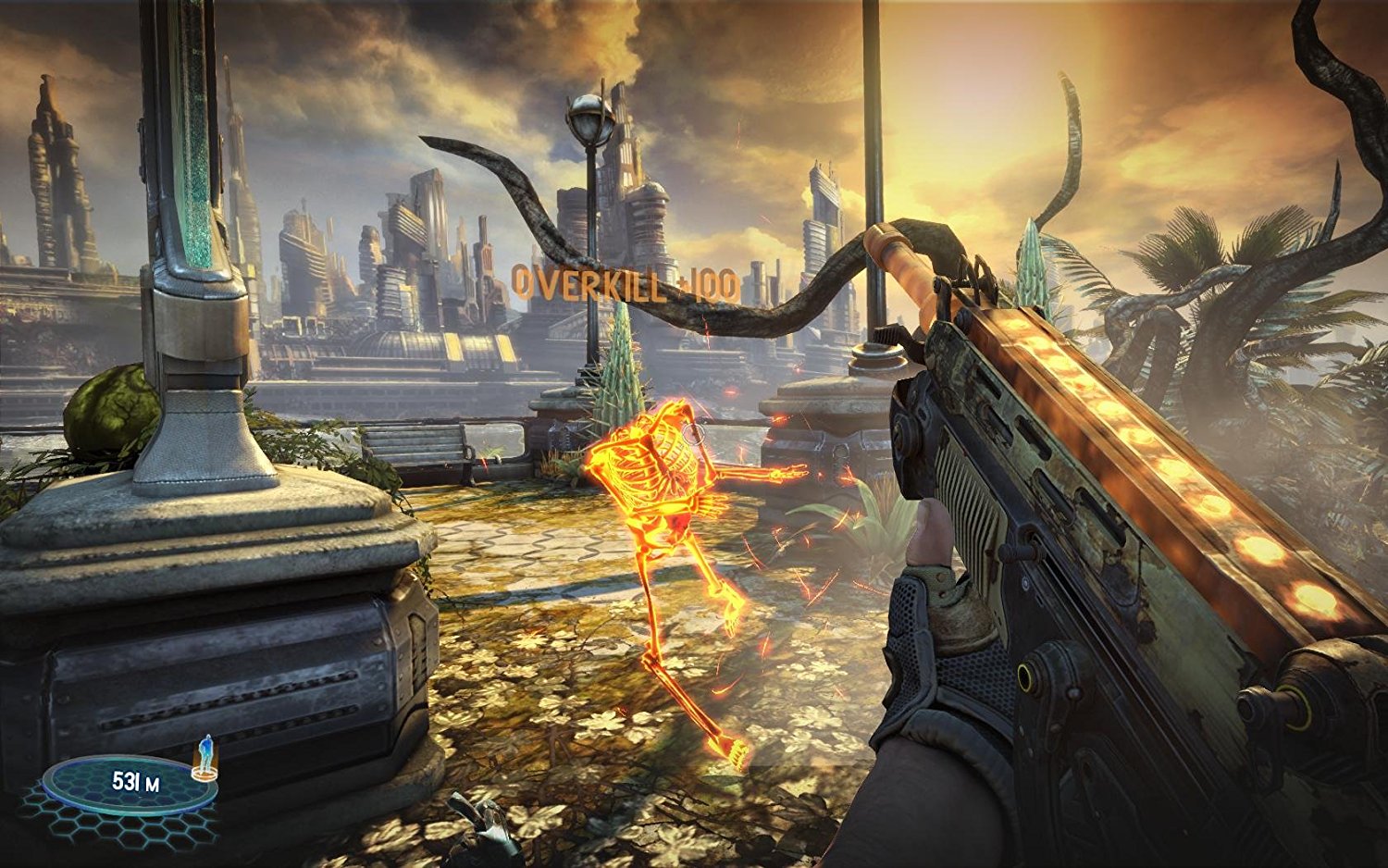
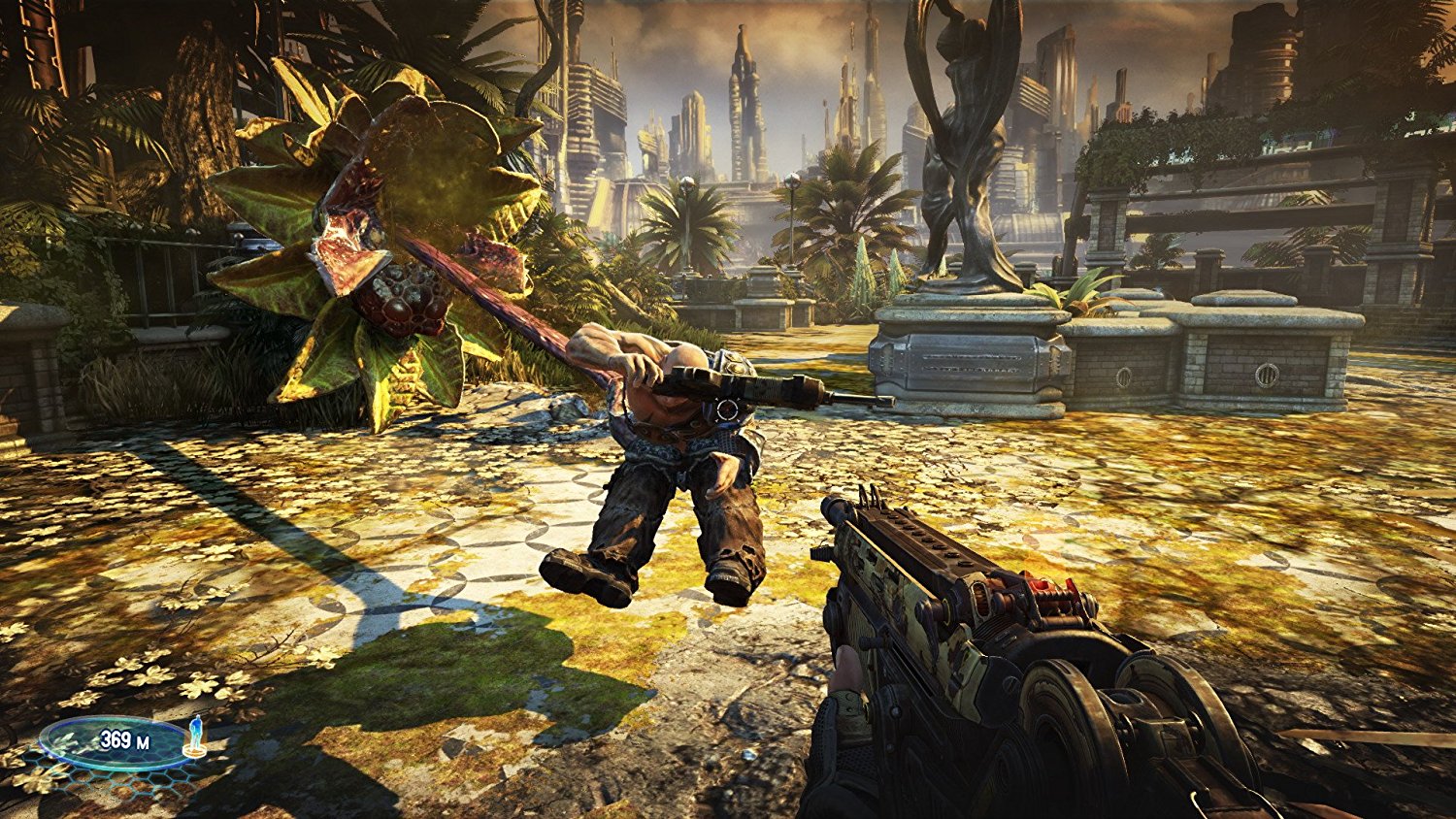
The characters themselves are great, and the dialog is hilarious, witty, and full of sharp one-liners and banter. Bulletstorm’s main campaign may have a solid storyline, but it’s the action that really counts here. The whole idea of the game is to rack up skill points, which are then spent to upgrade weapons and buy ammo. These skill points are earned by how you kill your enemies. Instead of just shooting them until they are dead, you must get creative with your weapon, the environment, and everything around you. You can shoot an enemy in the neck, groin, or head and get some skill points that way (the names of these skills are what led to all the controversy), but why stop there? How about you set your enemy on fire with a weapon’s secondary fire (called charge shots) and then kick them into a cactus plant? How about you impale an enemy into another enemy or launch an enemy into the air via your leash and kick them into danger in the environment? Still not good enough? Get intoxicated, slide down an area with your penetrator drill charged, and shred everything in your path. See a boss? Weaken him until his armor glows blue, then kick him in the butt and shoot his hole! The Fire in the Hole skill shot is hilarious and satisfying.
These are just some ways you can mix up your gameplay, and there are a ton of skill shots. Some are assigned to each weapon, some are secret, and some are story-driven. These skill shots are super fun to figure out, and they make you approach a hoard of guys in a different way instead of just tossing a grenade. Speaking of story-driven, there are some kick-ass moments in this game. My favorite part is when you get to use a remote-controlled dinosaur that shoots lasers out of its eyes. Yup, you heard right. Riding a train with a 500-foot-tall wheel rolling towards you is jaw-dropping. Bulletstorm is just full of huge, gigantic, in-your-face stuff, and it feels great to be in the middle of it.
Now there are some flaws here. While skill shots are fun to figure out and find after you unlock most of them, the repetition sets in. There will be some parts of the game where it’s just horde after horde of enemies, and then when some new environmental kill comes along, it makes it exciting again, but just for a few seconds. You constantly rely on new things to get into your hands to keep things exciting. Sure, the first few acts are super fun, but after you master the mechanics, you will start to wish for this.
That’s not to say the game’s bad or anything, but it just needs a lot more than these skill shots assigned to each weapon. The excitement also wears off quickly after a while, and that shock value only happens when new exciting things are going on. The weapons are very interesting, though I found them all fun to shoot, and I constantly swapped them out throughout the game. Each weapon has a unique charge shot, so you can constantly switch up your strategy.
This is pretty much the whole game of Bulletstorm, and it’s wrapped around this core design. Yeah, there are QTEs, and if you press the button quick enough, you get skill points for them, but it’s nothing too exciting. The campaign does start to wear itself out towards the last third of it, and the only thing keeping you hooked is the story at this point.
The game, despite using the already-aging Unreal Engine 3, looks amazing with gorgeous landscapes and vistas and some epic lighting effects. You will need a pretty hard-core PC setup to get this game to run, so otherwise stick to the consoles. The multiplayer is pretty fun and gets addictive, but it’s nothing like what you might expect mode-wise. Earning skill points in the multiplayer part of the game makes things feel fresh and actually turns out to be more exciting than for a single player because it’s less predictive.
Bulletstorm is probably there for every FPS fan, but some may not like it. There are a lot of foul languages, and the game is very gory, but I honestly doubt most gamers who play shooters will care. I just wish the game wasn’t so repetitive and added a little something else because it feels like there’s something missing. Other than that, it’s worth your dollars in skill points.
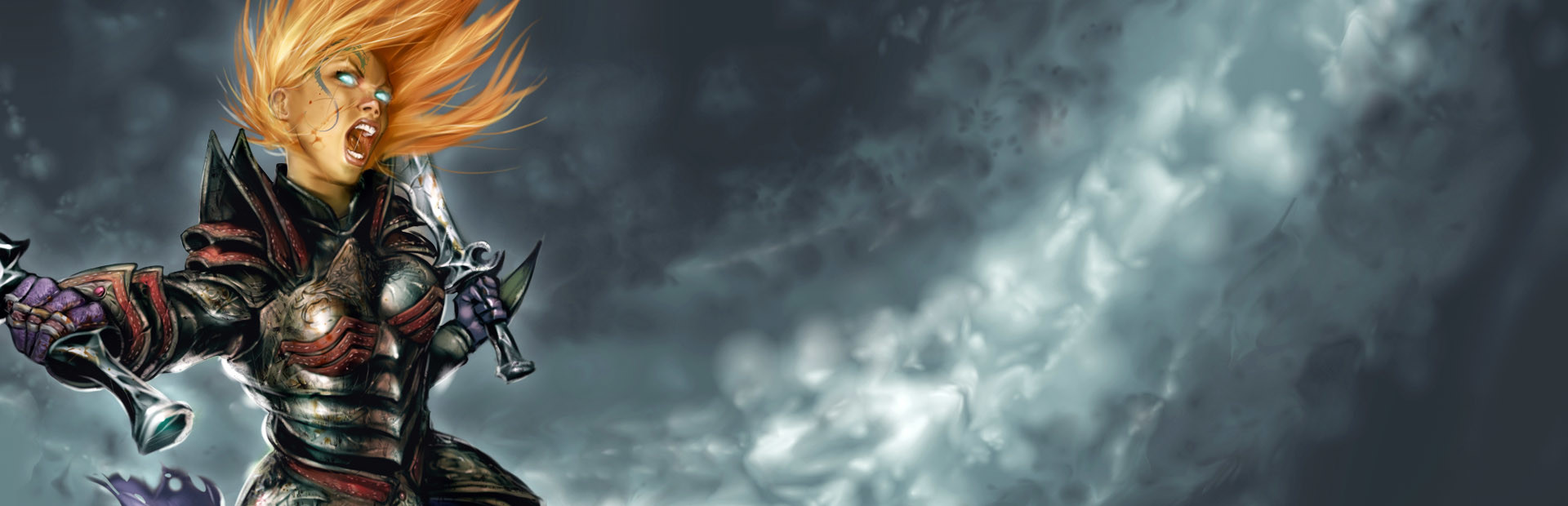
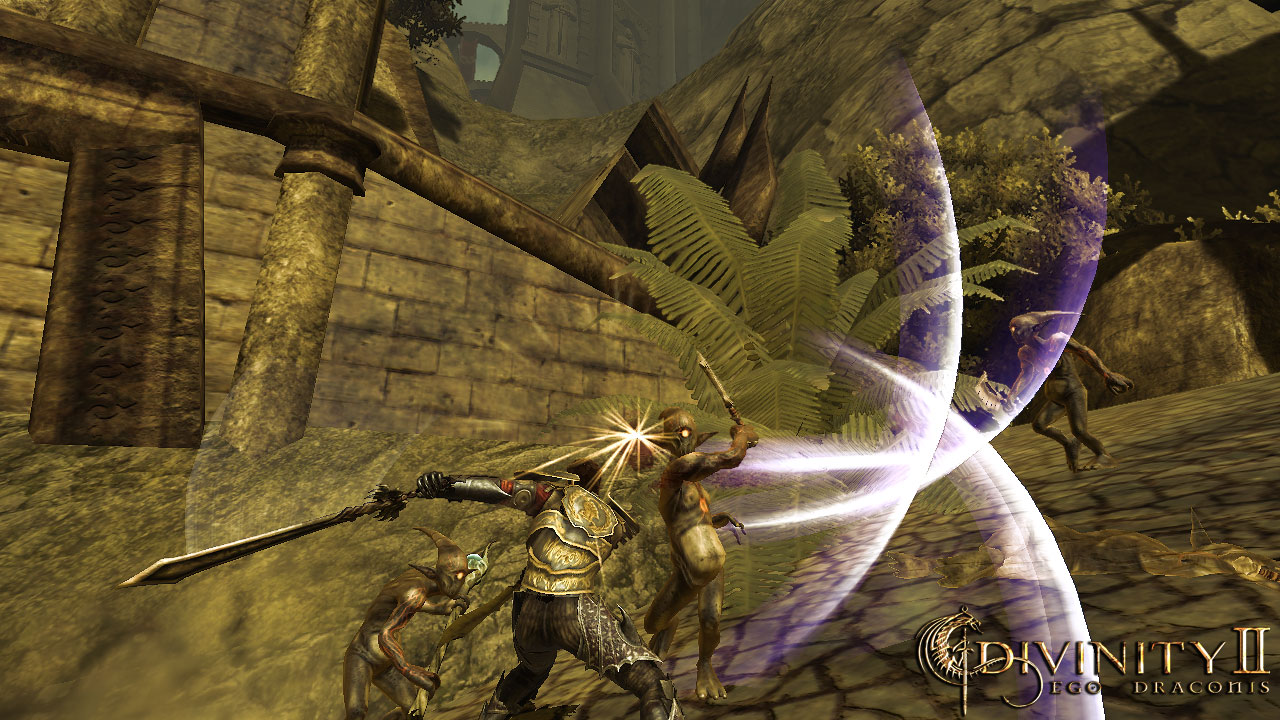
Action RPGs tend to be picked up more than JRPGs, mainly due to the fact that Western game companies tend to make them. What makes a great action RPG? Responsive controls, smooth and fluid animations, lots of loot, an interesting story with great characters, and graphics even help, but it’s the combat that really makes an action RPG shine. Divinity II has some great animations for its combat, and the controls are responsive, but it’s the underlying game revolving around this that brings a lot of flaws to Draconis.
You play as a dragon slayer in the first part of the game, but only to realize your fate is different from those that are chosen. As a Dragon Knight, you must seek out a way to stop the evil Damian, who wants to destroy the world. Along the way, you meet colorful characters that you must stop in order to get to Damian. The story is good, but it’s spread way too thin, and you only get some story bits every 4–6 hours since sections can take so long, and you’re forced to do side quests. This is the #1 flaw in Draconis: in order to do the main quests, you have to be at a high enough level to even defeat those enemies, so doing almost all the side quests is mandatory. You can’t even enter certain areas unless you’re at a certain level because those enemies will kill you in an instant.
You can fight and level up as normal, but deciding between three different play styles is necessary to defeat these hard-to-kill enemies. Either as a knight, mage, or archer, you can wield all three, but you specialize in just one at the beginning of the game. You can buy and equip weapons and armor and even craft your own potions via different characters in the game, or once you get your alchemy lab going (no spoilers, so I won’t go further into that!)
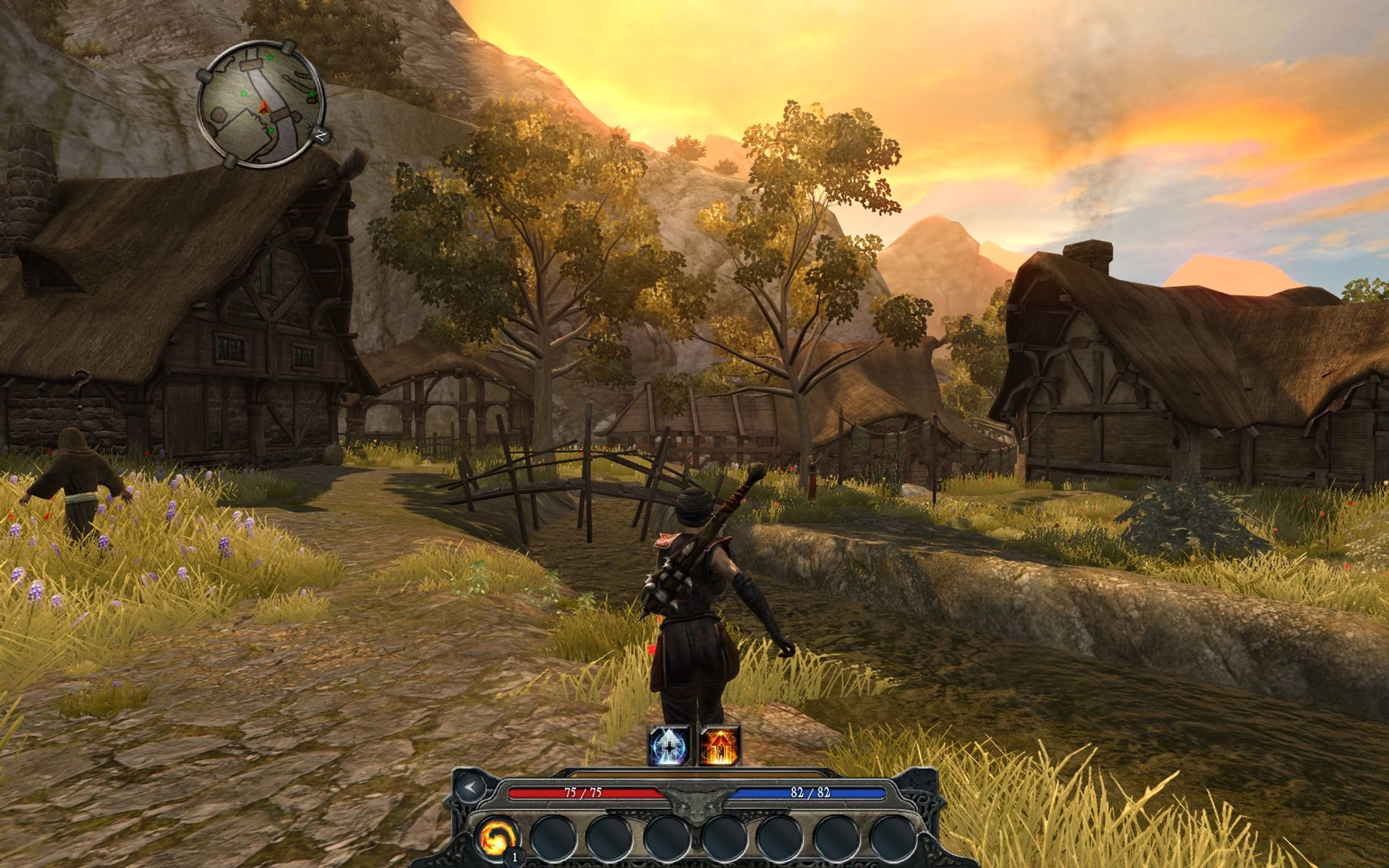
The second biggest flaw in Divinity II is the fact that there is little direction. I had to use a guide for almost every mission because the map stinks and only shows where your main quests are. The logbook has no clues on where to go, so you either run around for hours clueless or use a guide. This is a huge no-no in RPGs, and I hate ones that give no direction at all. You can fast travel around the map, thankfully, but after Oblivion’s travel system, I’m spoiled, so this one doesn’t seem good enough.
Combat tends to be too difficult in the sense that you have to use exploits due to the fact that you can easily be overwhelmed. Towards the end of the game, I encountered about 12 level 30 enemies, and I was only level 31. I had to go attack them a little bit until I was almost dead (I had no potions to heal me or restore mana), so I ran outside the cave and changed into dragon form (yes, you can be a dragon in this game!) and let my mana quickly generate. I then healed myself as a dragon (you share health and mana in each form) and then ran back into the cave. This is the kind of irritating exploitation of game mechanics that makes the game a chore and not very fun.
The game also kind of lacks in the traditional sense that there really aren’t any places to get potions. You can get ingredients, but I’ve always found alchemy in RPGs pretty useless, but stores are spread so far out, and there really aren’t any towns. There’s one at the beginning of the game, but the rest of the way, there aren’t any. The game relies heavily on combat, which is fine, but please give us some places to explore outside combat.
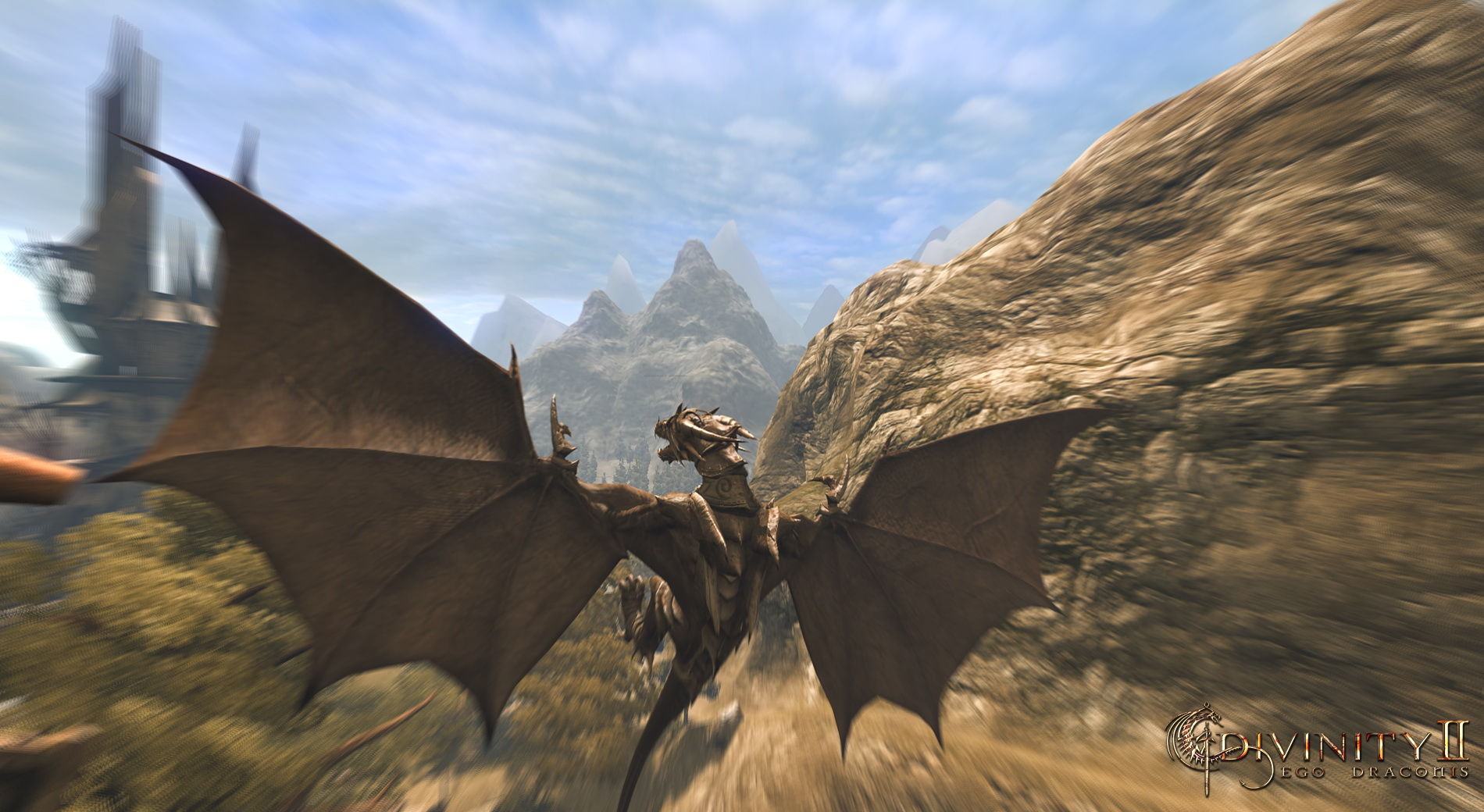
Fighting as a dragon makes you feel awesome and powerful, but you must be out in the open to fight in this form. It’s mainly in the endgame’s third area (Orabas Fjords) that you can use dragon form, but you have to watch out for anti-dragon barriers, which will kill you the instant you touch them. Divinity II really just feels like it fights against the player a lot and makes you want to hate the game, but there’s something about it that makes you keep playing.
Divinity II may have a lot of flaws, but RPG fans will enjoy Draconis simply for the satisfaction of beating this difficult game. The story is interesting (if you can remember what happens between each section), and some of the characters are very interesting. However, the voice acting is very spotty, but it works. Looks-wise, Divinity II looks great but won’t really make your PC sweat. The animations are smooth, the combat feels responsive, and the enemies are very interesting, but the above flaws may turn some away.
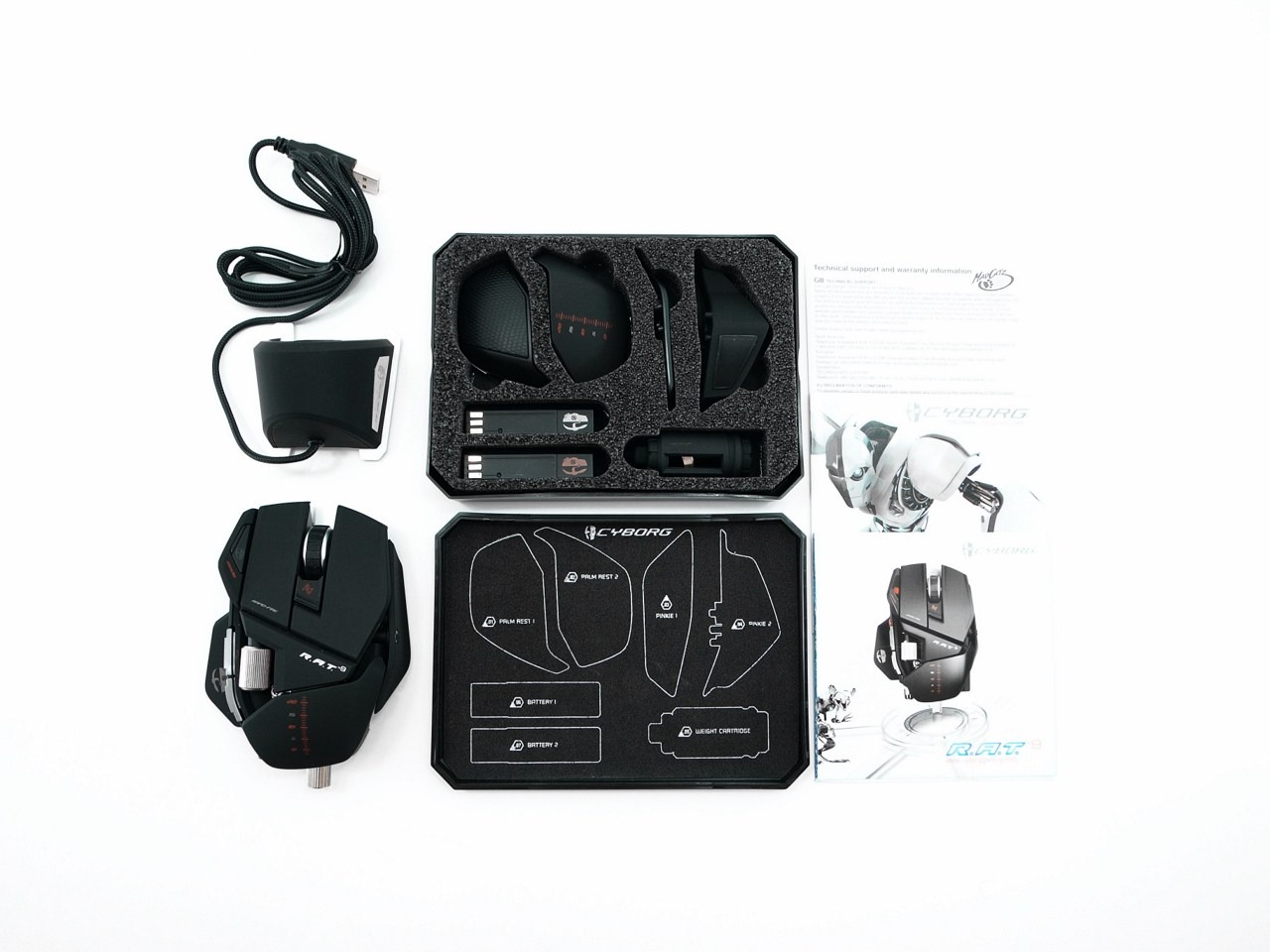
Gamers are probably the pickiest people on the planet, especially PC gamers, who want everything contorted and shaped to their needs and comfortability. Cyborg got the message and said, “Hey, how about you build your own mouse?” That’s kind of what we got here with the R.A.T. series of gaming mice, and although you may not actually build it, you can customize everything on it.
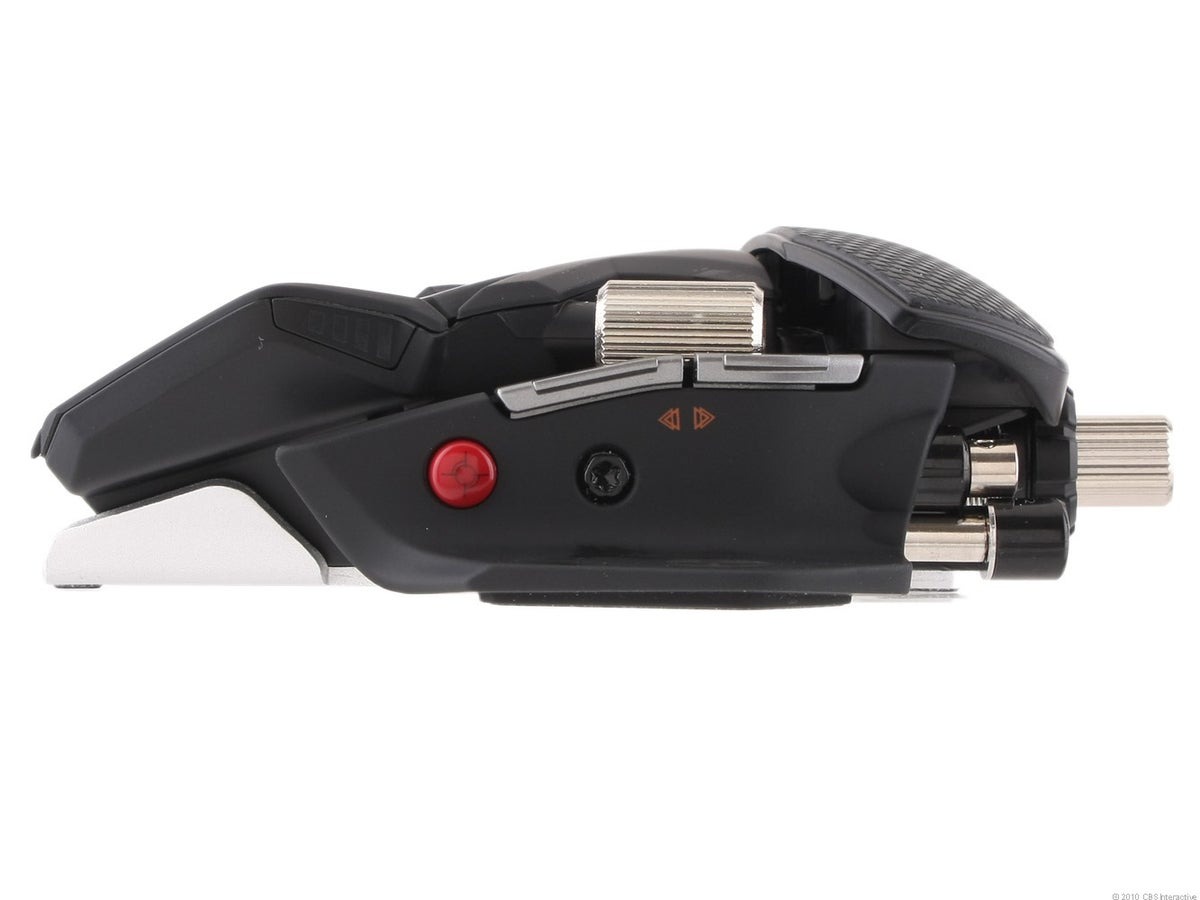
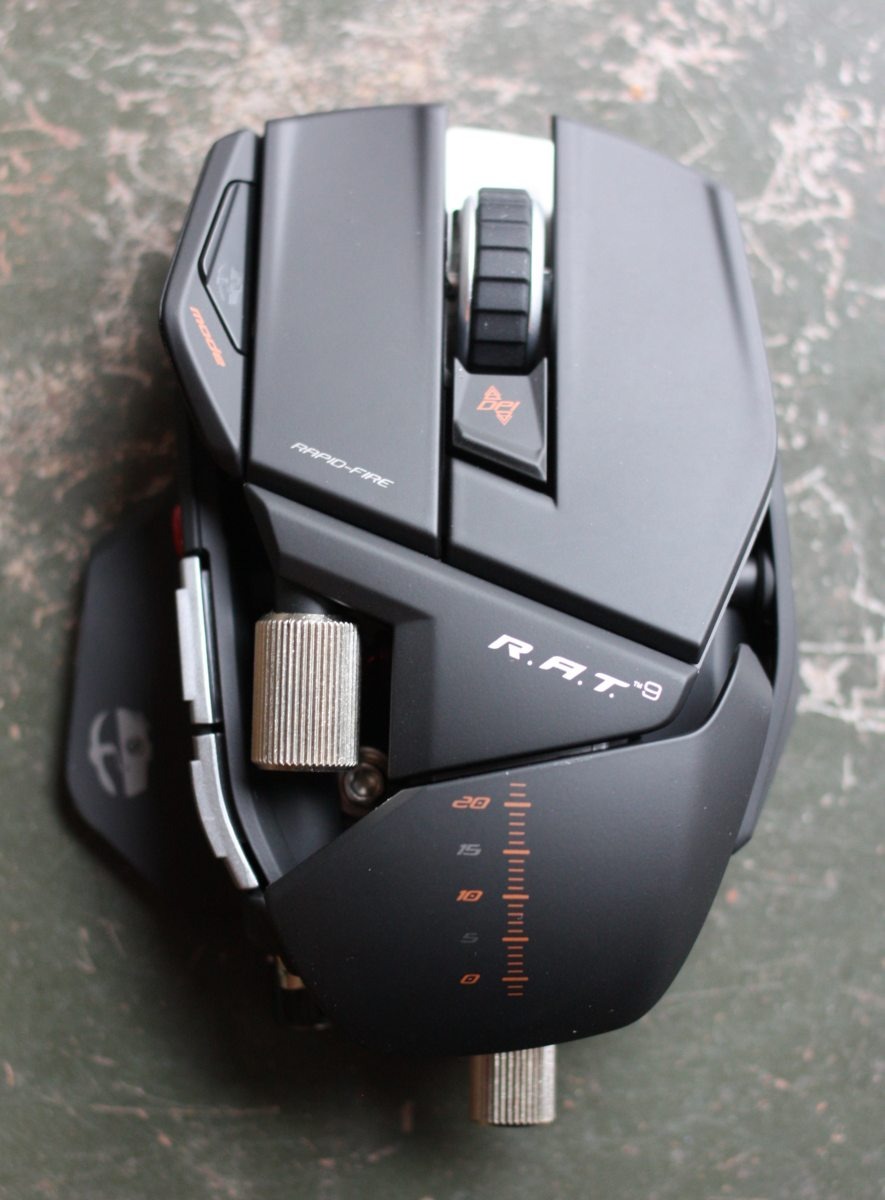
The mouse may look ugly to some and slick to others. It has a lot of sharp angles and exposed metal, so it looks kind of like a robot. There are a lot of buttons on this thing, but what’s most interesting is how well the mouse is designed despite having a tool, weights, and a lot of other things in it. You adjust everything via a tool that screws out of the back, and this lets you adjust two things. First is the thumb rest, which is where most things happen. There’s the sniper button (more on that later), a back and forward button, and a side scroll wheel (that doesn’t work in browsers, unfortunately). You can move this piece from side to side and up and down for maximum comfort. Second, you can change out the pinky rest for a textured grip one or a pinky “scoop.” This reduces pinky drag and lifts it off the table.
They could have stopped here, and those are huge issues gamers have with mice. But how about the palm rest? Sure, with an easy button press, you can adjust the length of the palm rest or swap it out for a textured one. Is the mouse too light or too heavy? Add some weights to the bottom via 1-gram discs that sit right behind the tool. The mouse is already heavy enough for most people without weights, but people who don’t like their mice flying everywhere or getting lift-off during frantic shootouts can add up to 8 grams, so it makes it pretty heavy. While the adjustability stops there, it pretty much solves every problem that PC gamers scream about.
The mouse itself is super sturdy, with nice, hard plastic that feels smooth. The bottom is an aluminum track with Teflon feet, so this baby glides like butter across any surface. It also just fits so nicely in your hand after fine-tuning that you don’t even notice it’s there half the time. Both the left and right buttons are very wide and long, so people with different lengths of fingers won’t have to contort their fingers. The middle scroll wheel is very big with thick grips, so it never slips. I found the wheel a tad too far forward compared to most mice, but after a few hours, you won’t notice.
Now for features on the mouse, there is a mode button. You can switch between three different button configuration profiles (from the software), and the LED changes colors. There is also a button to change DPI on the fly from four levels. Each level can be adjusted in the software, but there is an LED light on the side that shows which level you have selected. My favorite feature is the sniper button. Hold it down, and it slows down the DPI so you can get awesome headshots or increase accuracy for whatever reason you need. You can adjust the sensitivity in the software, but I use this all the time in games.
The mouse also comes with not one but two rechargeable batteries. They are about 3 inches long and are tiny little cartridges that slide in right next to the pinky rest, and you never even notice it. It is a bit of a pain to pull out, so some people may need to remove the pinky rest or palm rest every time to get to it. The other battery charges in the receiver, and your weighted cartridge holder sits in there as well. The battery takes about three hours to charge and lasts for about nine hours. I also noticed no lag in the mouse at all, and it is extremely responsive, so wireless mouse naysayers don’t have to worry about this.
The software is pretty standard, and it lets you program macros, shortcuts, etc. I have very few complaints about the mouse, such as not being able to move the pinky rest forward or back. I also don’t like that the side scroll wheel doesn’t work in browsers, and you can’t program it to work like that. This mouse may also be too heavy (even without weights) for people with weaker or smaller hands. The receiver is also very light; anyone with a movable laptop tray may have to tape it down. Like I mentioned above, the battery is a bit hard to get out, and I wish it would last longer than only 9 hours, but thanks to the second battery, this alleviates that otherwise major problem. The mouse also has a steep price point of $150. It’s more expensive than even some other top-tier wireless mice, but it’s worth every penny once you get it in your hand.
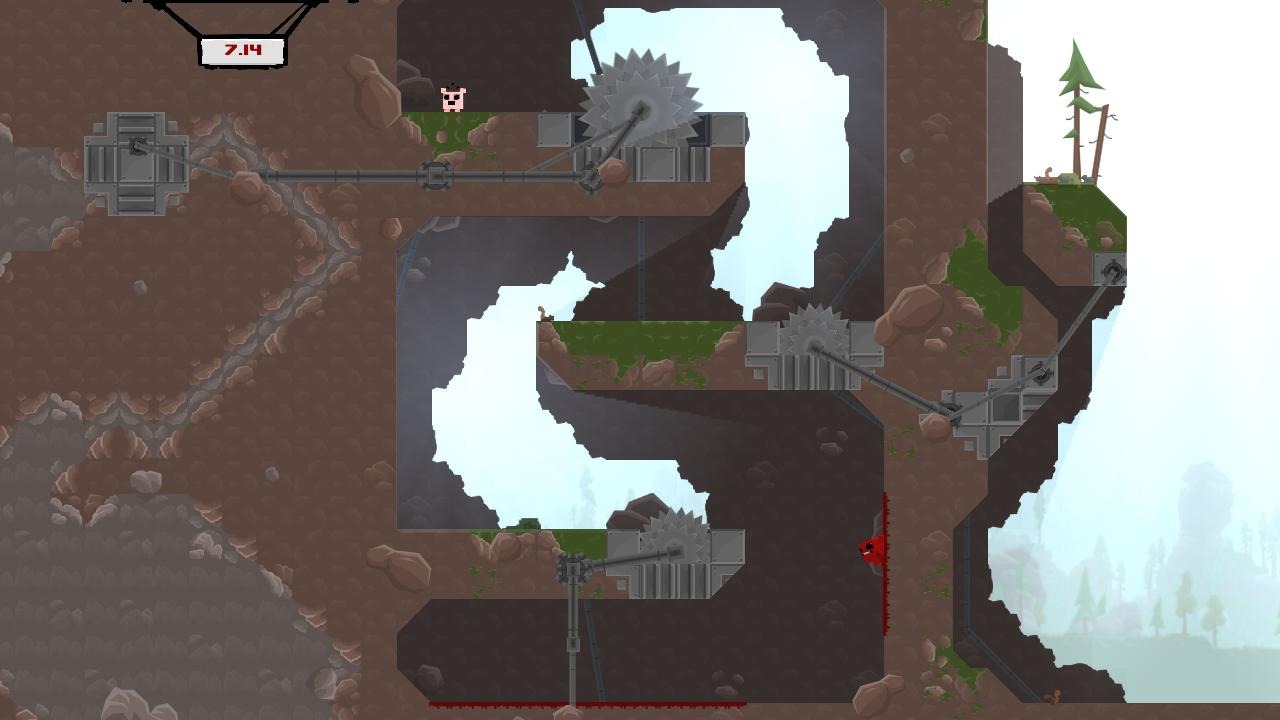
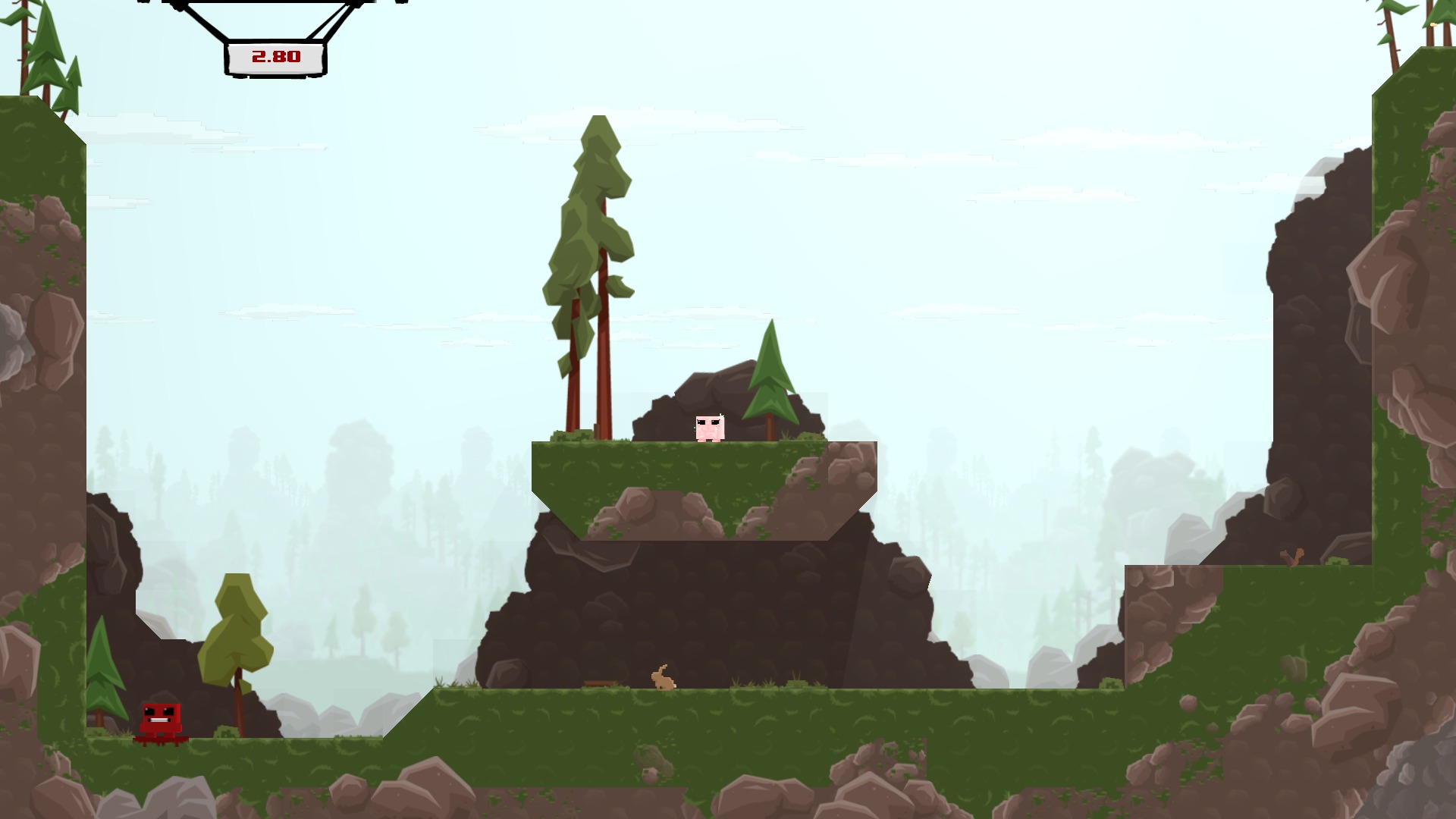
2D platformers are always compared to a 20-year-old game known as Super Mario Bros., and they have every right to. That game was flawless and literally created the 2D platforming genre. Super Meat Boy is probably the only game in recent history that comes close to that kind of pixel-perfect jumping and tight, responsive controls. SMB also has a ton of humor infused with it, and the game is a blast to play and highly addictive.
You play Super Meat Boy, who is trying to save Bandage Girl from Dr. Fetus. It’s a simple story, but it’s hilarious, and the cut scenes are drawn beautifully. The art style is very unique, and there’s so much detail infused in this game that it’s nuts. When SMB gets destroyed, he splatters his meaty goodness all over the walls, and it stays there. He makes a splooshing sound when running, and his facial animations are very funny. There are other characters you can unlock by completing warp levels, and these guys are just as detailed and have their own unique abilities.
The controls in the game are what really surprised me. They’re just absolutely perfect. They are super responsive and tight, and it feels like you’re controlling the characters with your fingers instead of buttons. Using the Games for Windows controller (or any other) is essential, but the keyboard works too. Jumping around corners and maneuvering through the game’s brutal levels can be conquered thanks to these tight controls. I’m dead serious about the game being hard because every corner and jump require extreme precision, or you will die 30+ times. Oh sure, you’ll die that many times thanks to a quick reset button that has zero loading. What’s cool is that after you beat the level, you get to see a replay of every time you died, so every SMB goes off, and you can follow them until the last one makes it. It’s awesome, unique, and makes you want to watch every replay and save them for friends to laugh at.
The warp levels bring the graphics back to 8-bit with amazing music and tend to be more challenging than the regular levels. Usually, you get to play the characters you unlock, but gameplay varies at these levels. You can also find bandages in the regular levels, but these require extra-extreme precision (if that’s possible), so this game is really for hardcore gamers only. Casual gamers will give up quickly, and there are no difficulty levels to set. From the frantic boss fights to the constant dishing out of new obstacles to overcome, the game ramps up after the first few stages, so you must stay on your toes.
With a crap ton of charming visuals, catchy music, and perfect controls, the game shines above all other 2D platformers. It wouldn’t hurt to say it’s probably the best 2D platformer in the last decade, but the brutal difficulty is very forgiving thanks to the feeling of accomplishment once you trump that level. Try beating the record time to feel even better about that victory! I highly recommend SMB to any platforming fan or even fans of the 16/8 bit eras.
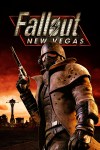
Fallout 3 was a phenomenon like no other. With such care and time spent on a license that completely reimagines it, it is daunting, but Bethesda pulled it off. With its haunting and eerie atmosphere, huge selection of lore-friendly weapons, excellent story, dialog, and character design, Fallout 3 became an instant classic of the last decade. New Vegas continues this tradition, but Obsidian (the original developers of Fallout 1 and 2) is on one board and has changed the game slightly, which will either piss fans off or please them.
New Vegas starts out with you being buried alive after being shot. You are a courier, but a robot named Victor digs you out, and Doc Mitchell patches you together. As you come to him, he talks to you as you select your character design and special, just like in Fallout 3. While it’s not as memorable as Fallout 3’s baby scene during this setup, it works just fine. As you step out into the Mojave Wasteland, your eyes adjust to the light, and you’re set loose in Goodsprings, which is New Vegas’s equivalent of Megaton. You meet Sunny Smiles, and she shows you the ropes of the shooting part of the game, and from there you’re on your own.
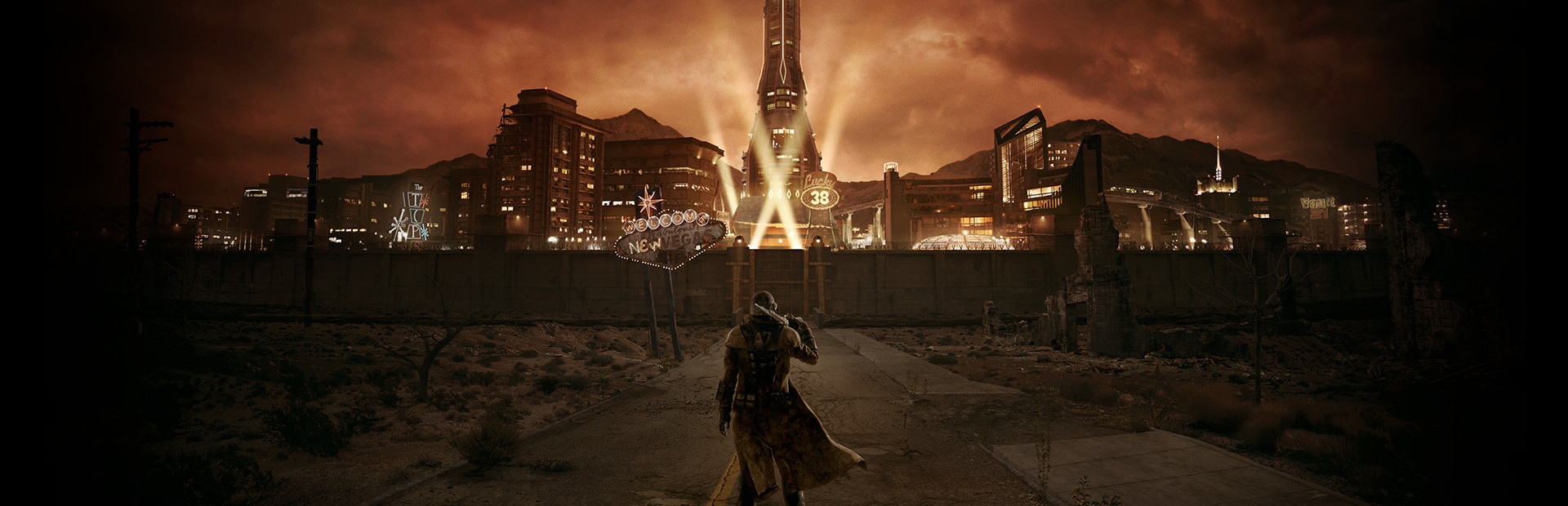
The first thing you will notice is that the engine has had a slight upgrade, but not by much. The game still uses the Oblivion engine from Fallout 3, so it’s obvious Obsidian is playing it kind of safe. The game is also full of desert wasteland, and Obsidian did the impossible by making a desert feel fun to play in and not deserted, empty, and boring to look at. Of course, like in Fallout 3, you headed toward the DC Metro area. In New Vegas, you’re heading to the Vegas Strip to meet Mr. House, who can help you figure out what exactly happened to you.
In the meantime, there are rival factions battling it out, mainly the New California Republic and the Caesar’s Legion. The NCR wants to order in the Mojave and wants to take over the Strip, but Caesar’s Legion wants to enslave everyone. There are other smaller factions that you must decide what to do with, and each one has tons of missions that will ultimately determine how easy the end of the game is. Speaking of missions, that’s one thing you will notice. There are tons and tons of them, but the game is missing the epic set pieces that Fallout 3 had. Instead, it’s just quest after quest, but they are all designed brilliantly, and no one is ever the same.
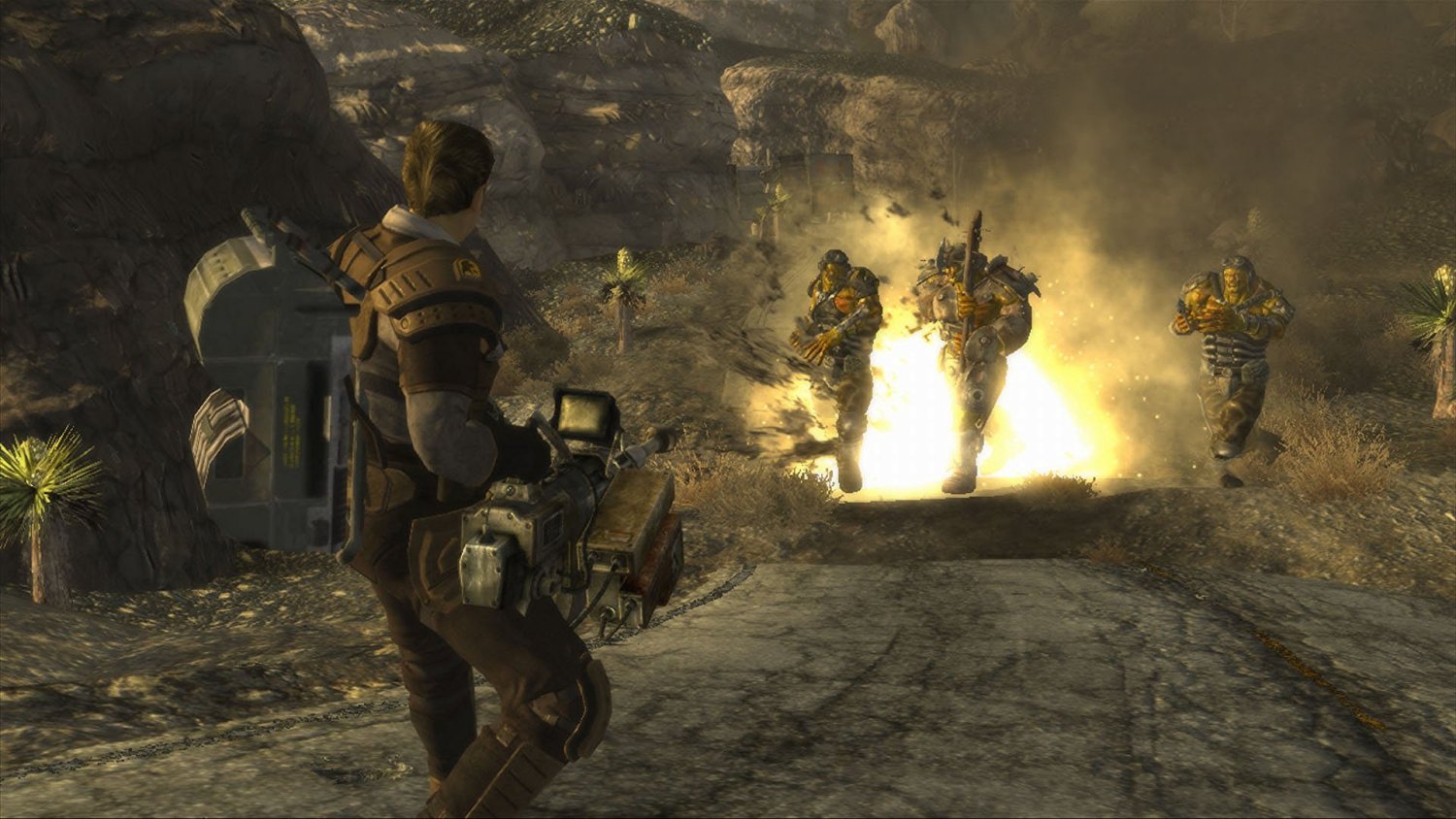
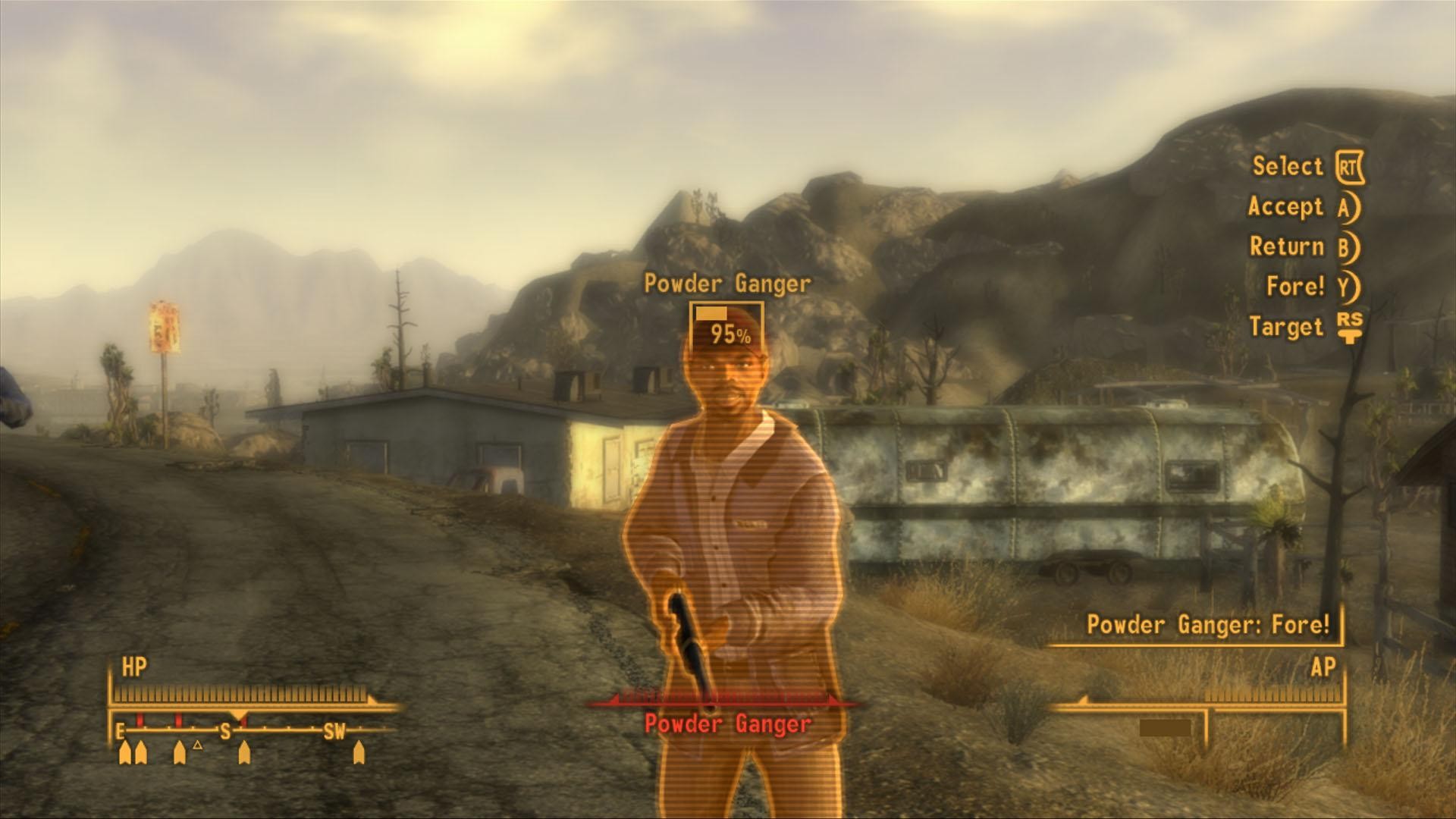
New Vegas still has the VATS (Vault-Tec Automated Targeting System) system, but nothing about it has been changing. There is a new first-person iron sights view, so with this, you will rarely use VATS now. This helps make the action faster and speeds things along. Everything else from Fallout 3 is here, but a major addition is modding your weapons. You can find or buy things like clip extenders, silencers, and scopes to add to your weapons. Additionally, you can also break down ammo and create new ones, as well as make aid items from items found throughout the wasteland and cook them. These new additions are minimal, and some people may not even use them, but that’s ok. There are a ton of new weapons and enemies, and everything you expected from Fallout 3 is here.
New Vegas also has amazing dialog, characters, and quests, and there is a ton of it. There are quite a few companions to have to tag along with, and there seems to be an infinite amount of spoken dialog. Player choices still play a huge role in the game, so don’t think those are gone. The biggest feat for New Vegas is that it, yet again, portrays a believable, enrapturing world and feels every part as amazing as the Capital Wasteland. There are a lot of Easter eggs and tidbits for fans of the classic 90’s Fallout games too. New Vegas is just an amazing and engrossing game that you can’t get yourself sucked out of. The addition of gambling is a good example of something that can be done at any casino and can be a lot of fun.
The game does have a few flaws, such as the copious amount of bugs, the characters looking ugly still, and the fact that it feels kind of dated. While the engine is solid and works for this game, it just needs a huge overhaul for Fallout 4, but die-hard fans will appreciate the familiarity. On a side note (that doesn’t affect the score), the game has a huge moderator community. Within the first week of being out, there were over 1,000 mods. While most of them are junk, there are some amazing mods that you must have that will make you not want to play the game without them. Character mods to make them look better, sexier, clothing add-ons, quests, weapons, you name it. I can’t play the game without these amazing mods, but for people who don’t care, New Vegas is a great game.
On an end note, New Vegas really sticks true to the RPG genre with tons of perks, a level 30 cap, and somehow makes item sorting fun. Pulling up your Pip-Boy to check your map, fast-traveling to discovered locations, or finding little-hidden gems and secrets in the nooks and crannies of the world is satisfying. Before you know it, 8+ hours will pass, and you’ll go to bed with a smile on your face, knowing that the Mojave Wasteland is safe with you around. Or is it?
Collector’s Edition: If you want to pony up another $30, you can get a beautiful and well-put-together special edition. The biggest attraction is the real poker chips from each faction of the game, plus the 200 platinum chips. The playing cards are beautifully drawn, and each card features a character on the back with a bio. The quality is amazing. You also get the comic book and making-of DVD. Is it worth it? Hell yes.
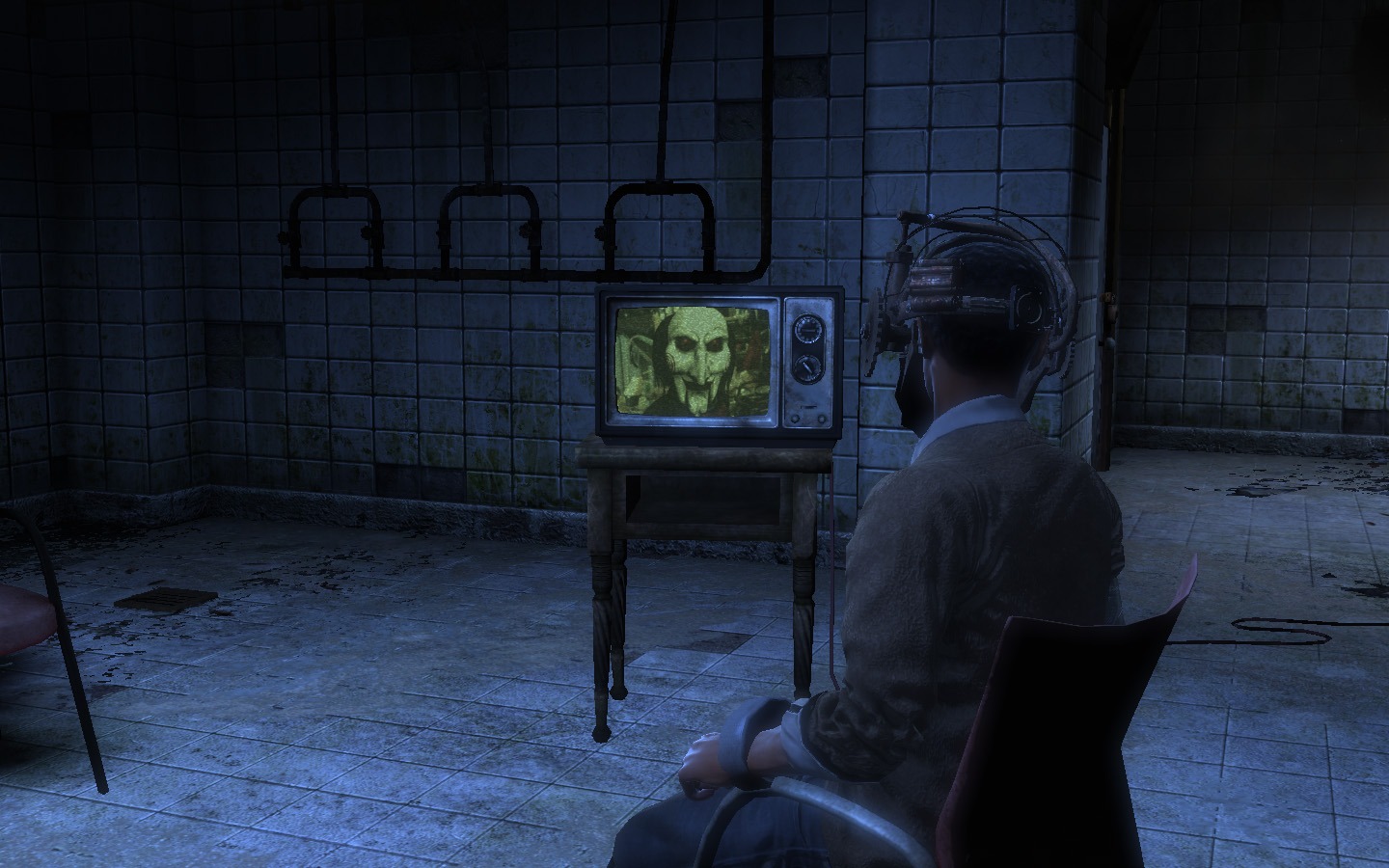
A lot of movie-based games have a lot of potential but fall flat due to shortcuts, bad production values, or just rushed and unfinished work. Saw is one of these games that suffers from this disease, but it’s not a terrible game. You play Detective Tapp, who must find and help various people seen in the movies through traps, but there are small traps you must get through to advance through areas and find items to also advance through areas. This is where Saw should be great: gore. It falls flat; there is a sense that everything feels stale and nothing has any weight or impact on it. When a head pops, it’s no more exciting than a bubble. There’s not much gore other than a red blob on someone’s head and no cringe factor. The movies made me even feel sick and queasy, but the game does nothing for me.
Controlling the character feels floaty and weightless, kind of like those first-generation PS2 games. Combat involves a simple lock-on button and attacking, and it works except that it’s as simple as A-B-C. You can pick up various weapons, such as crutches, lead pipes, scalpels, etc., but they have a damage meter, so after a few hits, they break apart. Enemies are as dumb as they come, and blocking their path by shutting doors can help, but they really can’t kill you since they even struggle to target you.
When it comes to exploring, the game is linear to a fault, with literally narrow corridors everywhere. Sometimes you’ll come to a candle with a tape from Jigsaw or some type of document you can read, but the clues in the game are very vague or too obvious. Most of the traps that you must get through to advance through the levels are pretty mundane and not very interesting. These range from finding a code on the wall to a lock, reaching inside some nasty thing to grab a key, or timed lock mini-games. I want to see gruesome stuff, not silly interpretations of things we’ve seen before. Saw is a game that could really innovate mature audience-inspired games with some pretty brutal stuff.
After you slog through this, you can finally get to the finals, which are a bigger main trap, but not all of these are interesting and are pretty much more glorified versions of the advancement puzzles. Neither are very gory, look brutal, or are as convincing as the movies, and it’s the graphics that really transpire this. They look very dated, and the technology doesn’t allow a lot of detail. If these guys could get a sophisticated engine, they could make this game look fantastic, but they opted for the cheap engine instead. They did capture the Saw atmosphere really well, but the shock value is pretty much nonexistent.
Overall, Saw is a decent rental, but it’s not one that you’re going to walk away feeling great about, but instead depressed at how lame the game is instead of how great it could be. The game does support an Xbox 360 controller, but people who prefer the keyboard and mouse will be clueless as to what controls what because numbers don’t really help and there are no tutorials. The puzzles, however, are varied enough to keep you interested, and there are some fun doozies in there, but other than that, this is a huge disappointment.
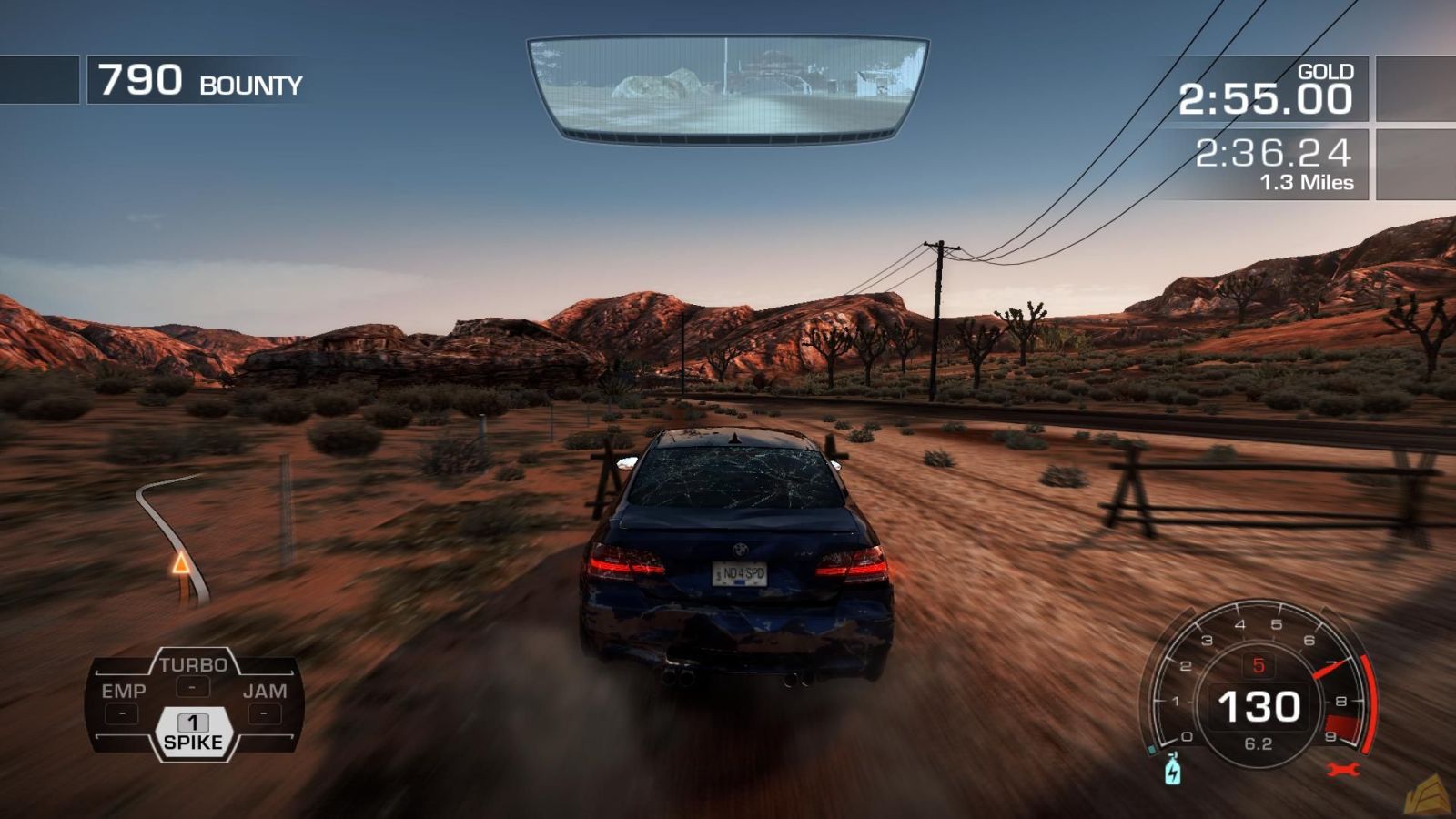
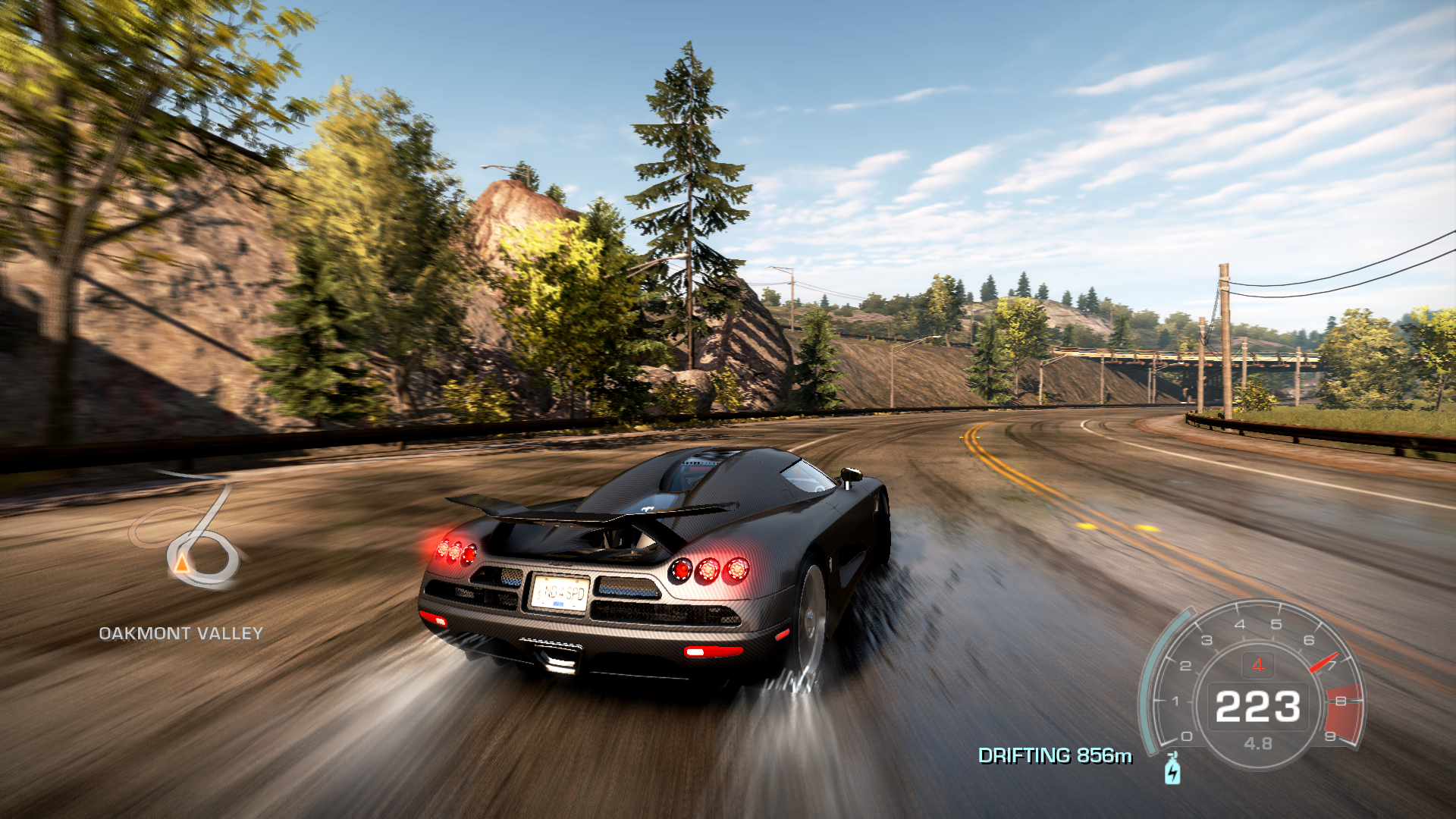
The Need for Speed series has been seriously confused and hurtful since Most Wanted. While Shift was a simulator, the other ones in between have been either subpar or bad. Hot Pursuit revives the classic entry with the Burnout team behind the wheels, and this feels more like Burnout than Need for Speed, however. Using the Paradise engine, Criterion did a good job making the game both look pretty and giving us a Burnout feel with real-world cars. These are slick cars, ranging from Mustangs to Maseratis.
As the name would suggest, it’s about cops versus racers, and each opponent gets a set of four weapons. Cops get an EMP, helicopter, spike strip, and road block. Each is pretty self-explanatory, but this feels like a glorified version of Burnout’s Road Rage mode. Racers get the same, but instead of a helicopter and roadblock, they get a jammer and turbo, which is an extra boost for NOS. Now you can earn turbo by doing crazy stuff as well.
The world map is also classic Burnout style, with each icon labeled for a racer or cop, and there are previews, time trials, and special events for each side. There is also Autolog, which is a social networking type of setup. Your friend’s best scores will be posted, and you can post screenshots and videos of your races. If a friend beats your score, you can jump right into that race and try to beat it. While the single-player is fun, it’s the online stuff that makes the game shine with all the weapons. The single-player feels predictable and stale compared to multiplayer because it feels like this game was made with multiplayer in mind. You earn a bounty and have to hit certain goals in single-player, but it’s nothing we haven’t seen in racing games already.
Once you race, everything feels fine, but the steering tends to suffer drastically depending on the road conditions and the car. Despite awesome damage modeling, the cars all feel pretty much the same, and the sense of speed is so fast that you don’t notice speed differences. This also concludes the repetition because once you unlock all weapons, it’s just the same events over and over again, and some people may never even finish the single-player due to this. The game can also look pretty good at times, but in other ways, it doesn’t.
The chaos comes from the fact that in multiplayer, you never know what anyone is going to do. You can see a roadblock ahead and get your shot lined up to dodge it, but just then someone deploys a spike strip right in your face and you hit both, losing a crap ton of health. You can take off again and try to shake off a helicopter, but then get hit by an EMP. It’s the same with racers, but this can also feel a bit unbalanced since racers’ biggest weapon is the jammer, so cops can’t use their weapons for a few seconds. It all depends on the players’ skills and how they race.
Despite the repetition and lack of weapons, the game works, but also notice all the Burnout references. There’s hardly any need for speed in this game, despite the real-world cards and the Hot Pursuit title. This is just a weird mix-up of game identities, but it’s probably better to have a burnout feeling than an old, crappy NFS game rehashed. Criterion already had the engine built for something like this, so I expect to see a sequel in the near future. I do recommend this to Burnout fans more than NFS, however, but old-school Hot Pursuit fans will dig this completely.
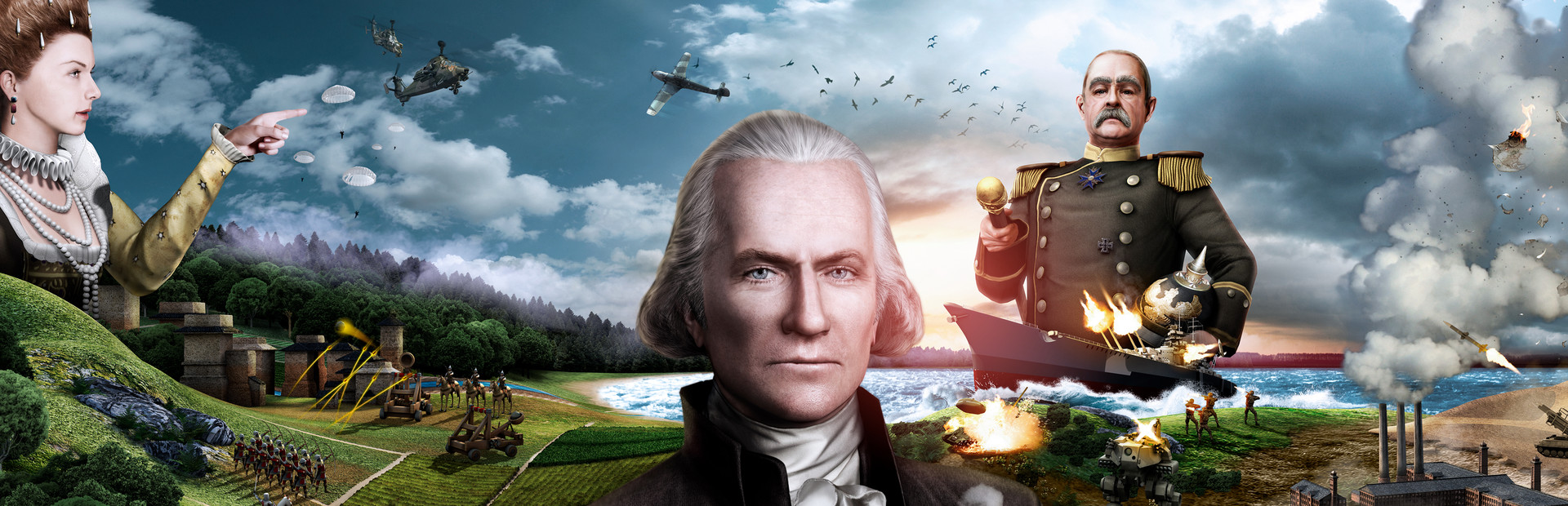
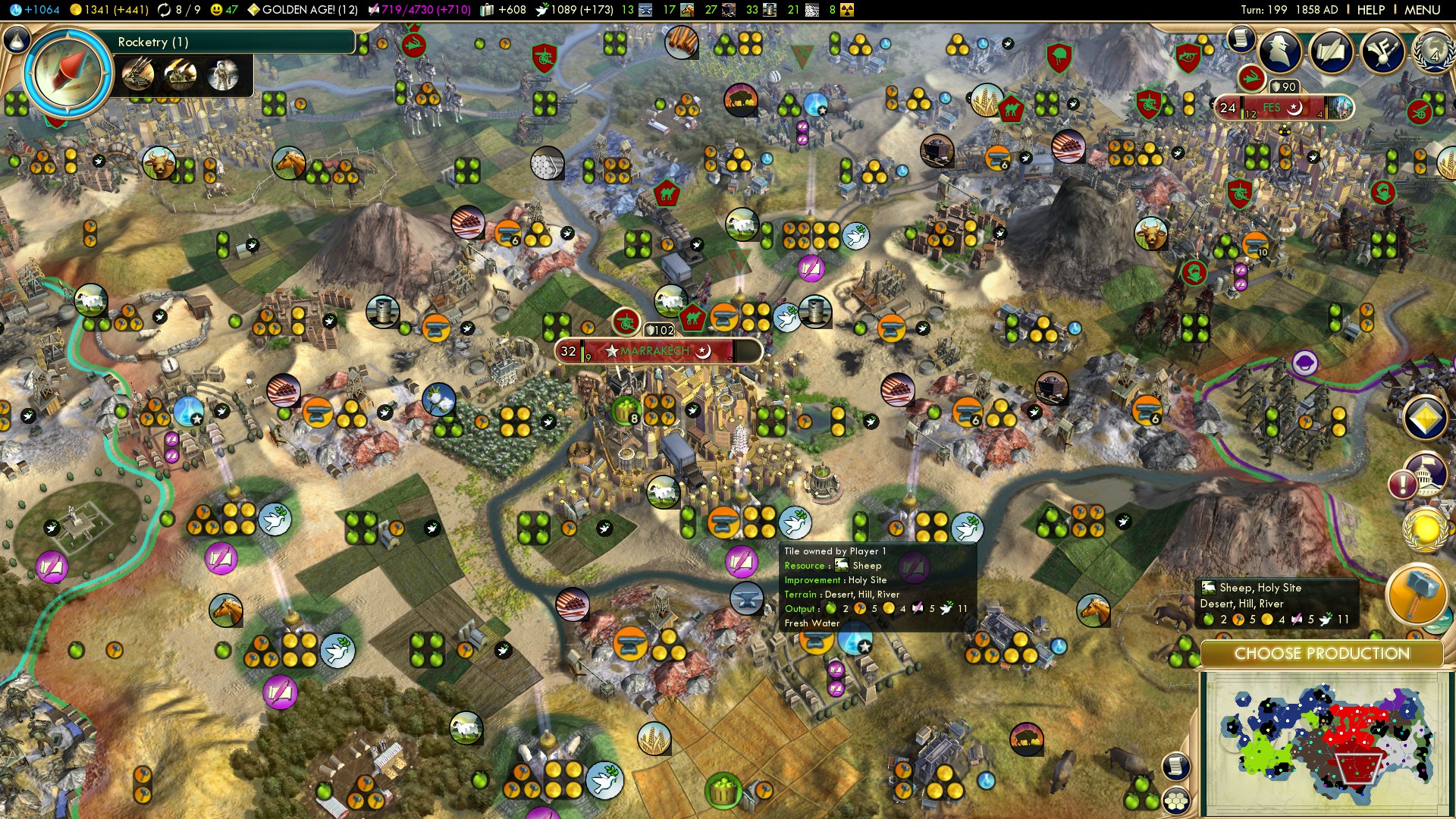
After playing my first game of Civ 5, I realized how much of a greedy jerk George Washington was. 500 gold, all my resources, one city, and open borders for just one silk resource?! He’s just begging to get wiped out, but I keep my cool and press on as the most advanced civilization for the next 150 turns. I built many great wonders, such as the Great Wall, the Great Lighthouse, the Colosseum, the Taj Mahal, and even the Hanging Gardens. Of course, it takes about 100 turns to create most of these, but it keeps my people happy and sets us into a golden age.
This is just the beginning of Civ 5 and its deep turn-based strategy gameplay, yet it’s so simple to grasp, and that’s the beauty of it. Civ 5 may seem like an overwhelming beast when you first play it (mainly for newcomers), but you learn as you play. After my 50th turn, I already had the hang of 90% of the game and just learned little things from there on out. You start out by picking the leader of a country, but each one has special attributes like a better economy, military, or even science. You establish your main capital city, and from there you learn new sciences, produce buildings, great wonders, workers, or different military units. Different tiles on the map may have icons for mining, farming, etc., and you can deploy workers here. Connect these to your capital, and your income will increase.
Of course, after a while, you must expand your empire, or people will get unhappy and may even rebel in the city due to overpopulation or not having enough entertainment, food, or other resources. Keeping your people happy is just part of the struggle to create a great civilization. Other cities may want to ally with you by having you gift units, give them gold, or vow to protect them. Connect your cities with roads, and voila, you have more income. Or you can just wipe them out and either annex the city (which requires building a courthouse before you can use it) or use it as a puppet city and just collect the income, but don’t control what they do. There’s also the option to just raze cities and let everything burn!
Yes, Civ 5 lets you play as you please; sadism or masochism is all up to you. You can be friends with all your neighbors and just run out to 2050 and be the first and most advanced civilization. Or you can do what I did and get tired of the other leaders and build an army to take over. After having a rapidly advancing civilization over Washington, I decided to open my borders to him, but he was still guarded because he didn’t like my huge army. Sure, I made my people suffer a tad from the high upkeep of this vast army, but it was well worth it. I started attacking his capital, and this declared war. After a few turns, he offered a peace treaty for 10 turns, so I accepted, and during this break, I got every unit I had and surrounded his capital. After the treaty was over, I attacked and quickly took over his entire empire. It was easy thanks to my advancement in military technology, so I was way ahead of him. Musketmen versus spearmen doesn’t exactly equal fairness. He offered peace treaties, but I swiftly turned them down, and he eventually declared defeat.
But…just…one…more…turn! Even though I technically beat the map, I kept on conquering and even stole over his allied city before defeat. I bought tiles with lots of resources to quickly build up my empire and expand my borders. Turn after turn, I swept up all resources, hoarded my gold, and built massive structures to be the greatest of all time.
That’s how every game plays out, and with the great AI, stunning visuals, and excellent little tidbits like social policies, which act like perks, and the fact that not every map will play the same way twice, While you can’t stack units anymore, it really makes for a better strategy and makes things a bit simpler, so you’re not just concentrating completely on your army. There are so many little things to this game; you just have to play it to realize what’s here. With a great in-game user-made map, scenario, and other item download section, excellent multiplayer, and countless hours of endless ways to play maps, you will never get bored. Tactics must be changed for each leader, each map, and each opponent. The only real issues I had were the fact that not every leader is balanced and that a game can take days to finish, plus some changes may turn hardcore fans off. So, the question begs the answer: Can your civilization stand the test of time?
Most movie-based games are disasters, but when you take a movie license and do something original with it, it can turn out for the better. Bizarre Creations (Blur, Project Gotham Racing) has taken the helm of the Bond license to create the third entry into the series, but this is completely original with no movie tied to it. You play Daniel Craig’s Bond, and you’re, once again, trying to stop some evil thugs from doing evil things. While the story borders on paper-thin, it’s the action that we want.
Since Craig took the spotlight as Bond, his style is more brutal, raw, and realistic instead of the campy, funny, and smooth-talking past Bonds. He’s all about melee, guns, and less gadgets, and whether you like this better is up to you. While Everything or Nothing is the best Bond game in recent memory, Blood Stone is pretty decent. There are car chases, gun battles, and stealth sections that balance out nicely.
The stealth areas consist of sneaking around cover and meleeing guys and shooting them in the head without getting caught, or it’s going to be a firefight. This can be very satisfying when you learn the patrols and execute them accordingly. You can earn Focus Aim by doing a takedown, and this is just a one-shot kill, but you only get three. This comes in handy during stealth sections when you have multiple guys to take down in one area or are in a bind with your health.
Shooting is solid enough with blind fire from cover, and the timing is solid, but all the guns don’t really pack a punch. They feel light and sissy-like and completely not Bondlike at all. There’s a good variety of them, but you won’t care because you can’t tell the difference between any of them! There are some fun set pieces, such as slo-mo sections, some cinematic camera angles when jumping around, and a lot of explosions, so it’s packed full of action.
The racing sequences are something to be desired because it’s just driven from A to B and chasing this guy. There are no attached weapons or anything, and the cars drive like crap half the time. The cars either have severe understeer, oversteer, or feel really floaty. Coming from a developer who specializes in racing games, this is a huge surprise.
The game looks decent, but not up to par with current games. The racing sections look nice, but the characters feel last-gen, and everything just looks meh and sterile. The sound is pretty generic, with pew-pew gunfire, and the voice acting feels stiff despite being from real actors. Blood Stone is a great weekend rental, and don’t even expect multiplayer to keep you interested for much longer.


























































 thebinarymessiah.com
Try multiplayer. A lot of fun !