Strategy games tend to be the best on PC, but with today’s technology, the game is tailored to the controller with ease. This year saw some great strategy games, but only a few really stood out from the rest. A great strategy game doesn’t so much as need a good story, but easy to use menus, lots of useful units, and a way to use them in a tactical and useful way. Upgrading and acquiring new units is key and also needs to flow and tie into the game.
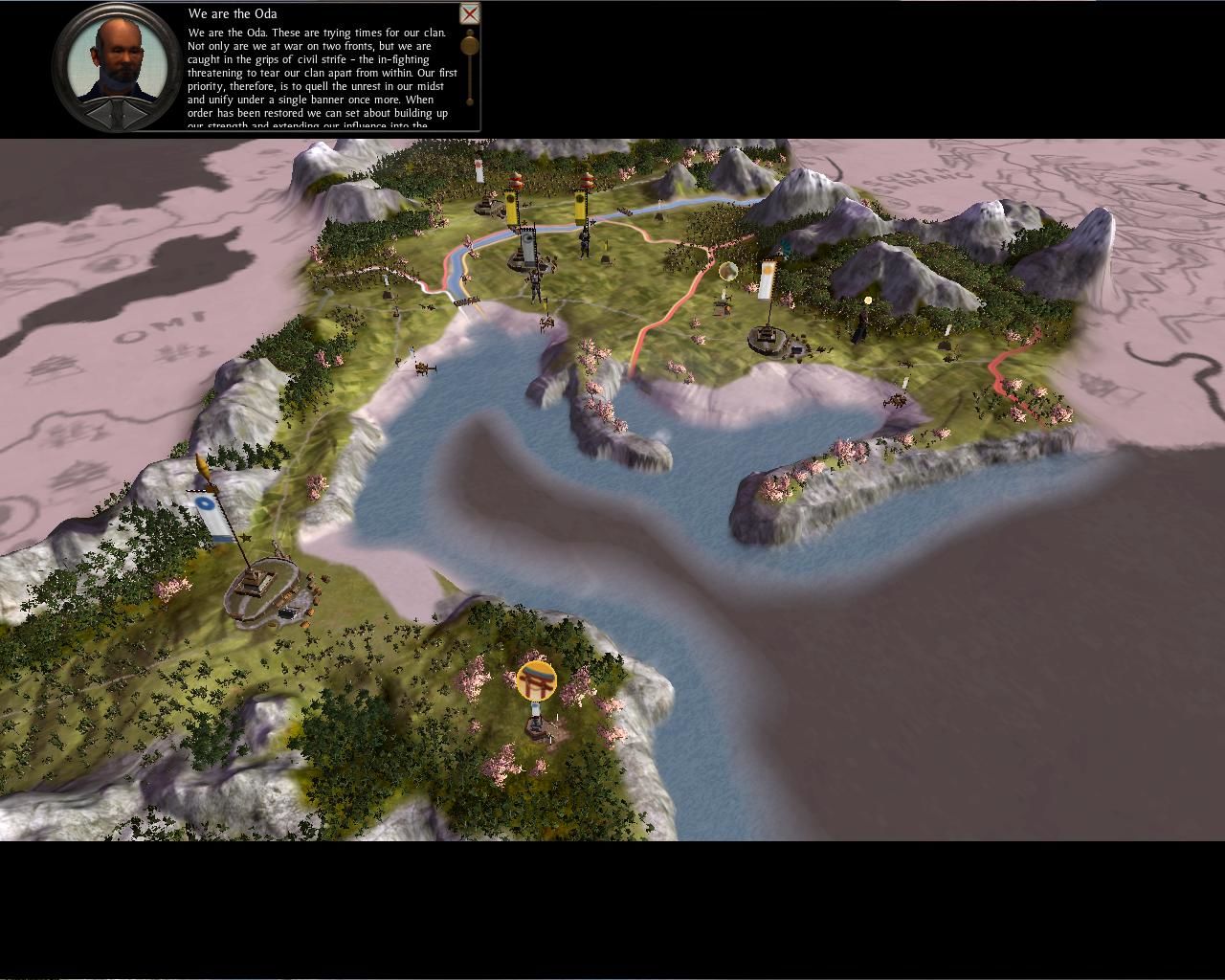
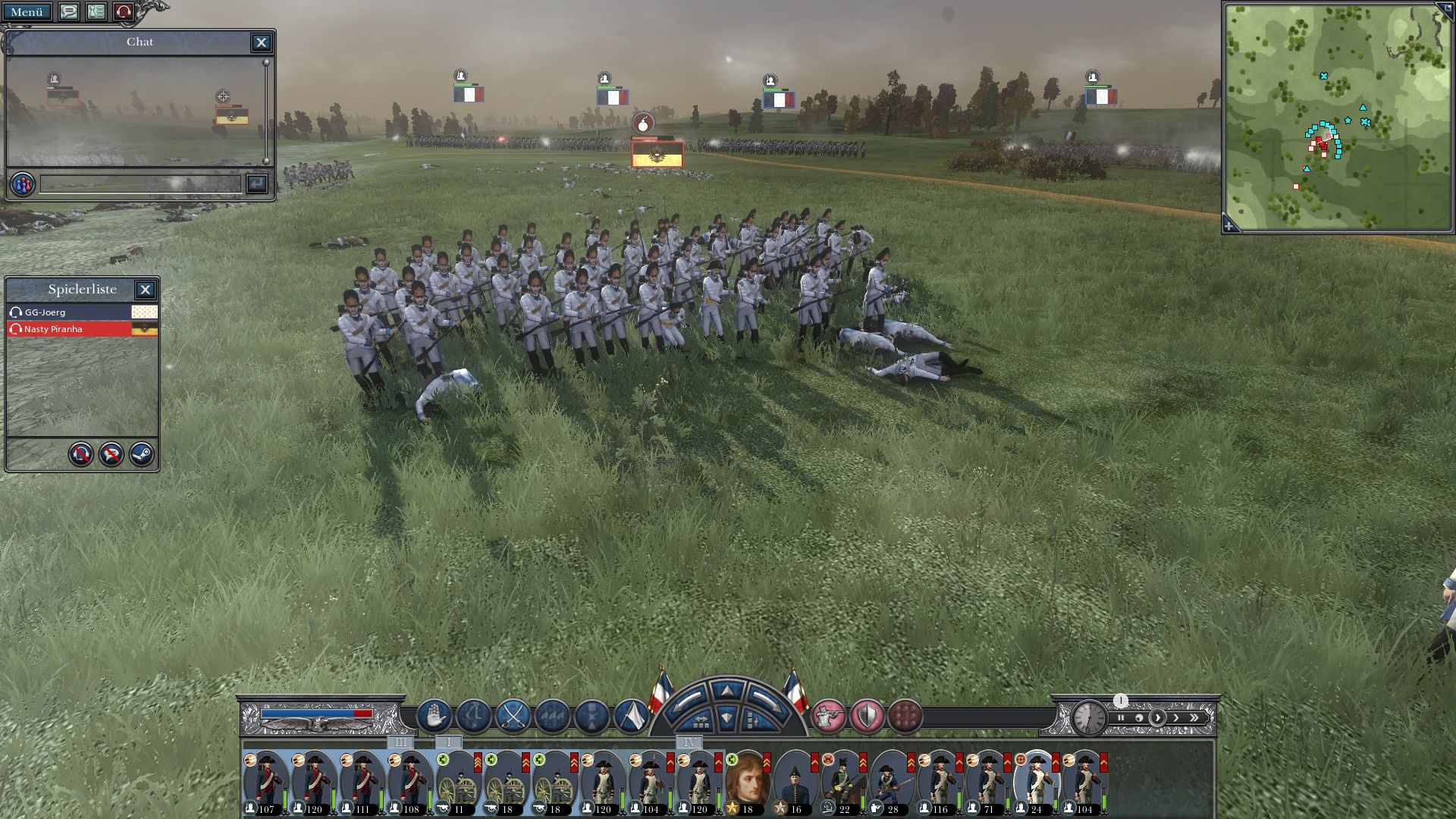
Total War: Shogun 2
This was an easy pick mainly because it completely changes the way people thought about the last game, being this is a new game all on its own. With great units to use, tons of excellent DLC, and great visuals to boot Shogun 2 is a heavy hitter that stays true to the genre and that’s what put it on top.
Downloadable games get opportunities to take risks that AAA titles can’t take. Downloadable also offer one-of-a-kind experiences for a small price, and this is the place to look for that kind of experience. Downloadable games are perfect to get small doses of great gameplay, but only one can come out on top. This year showed a ton of great games that didn’t even make it onto the list. It was a tough choice, but the decision has to be made.
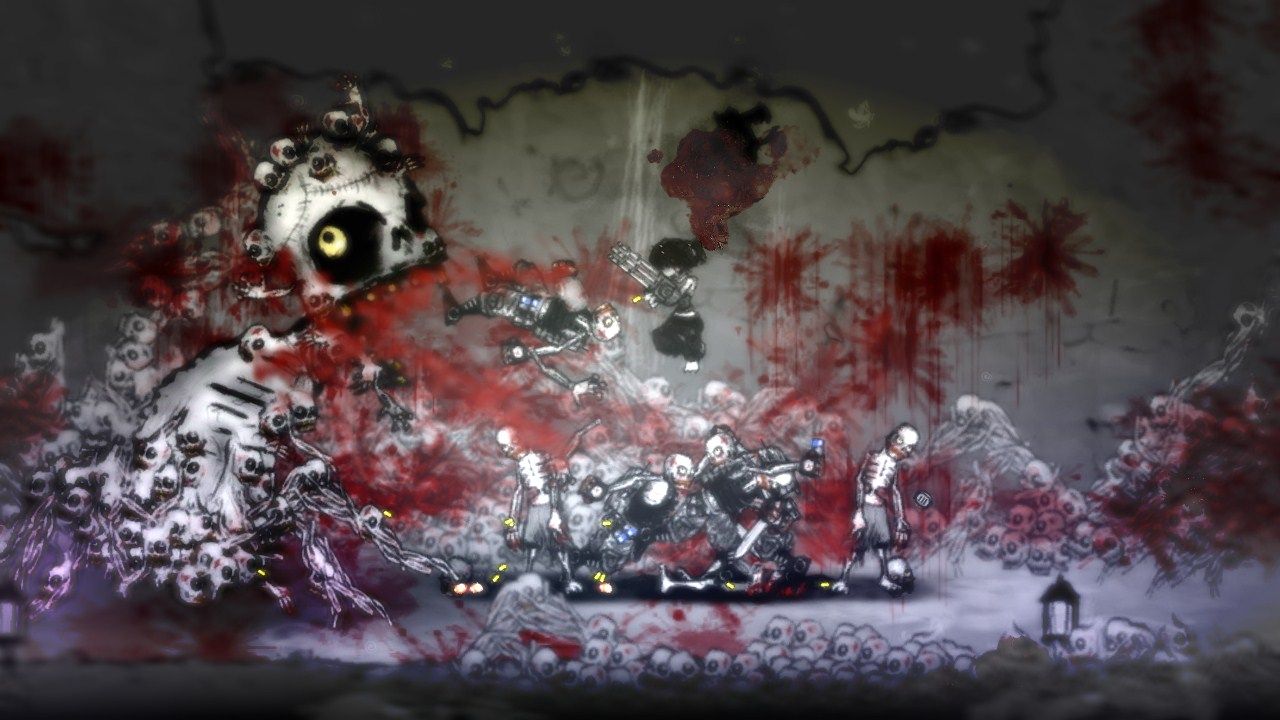
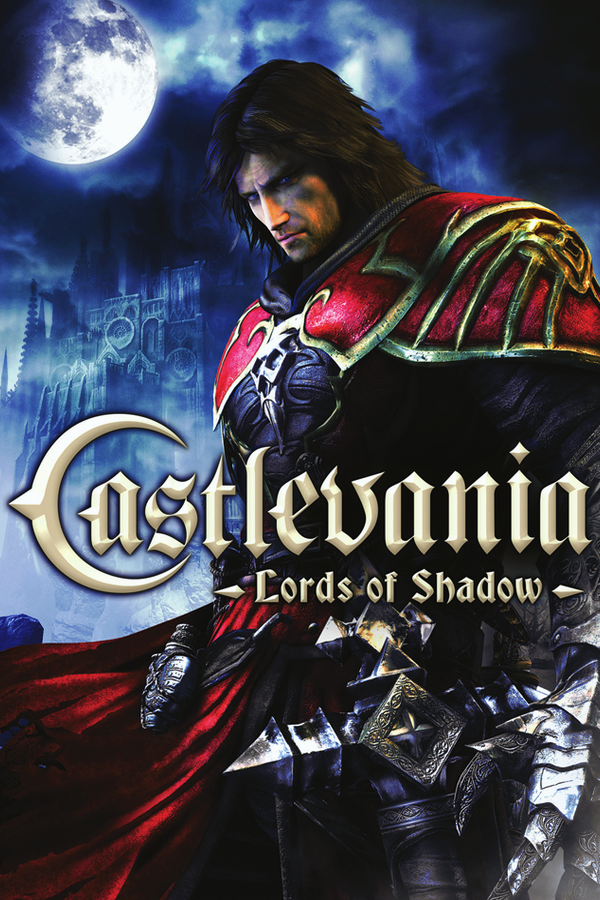
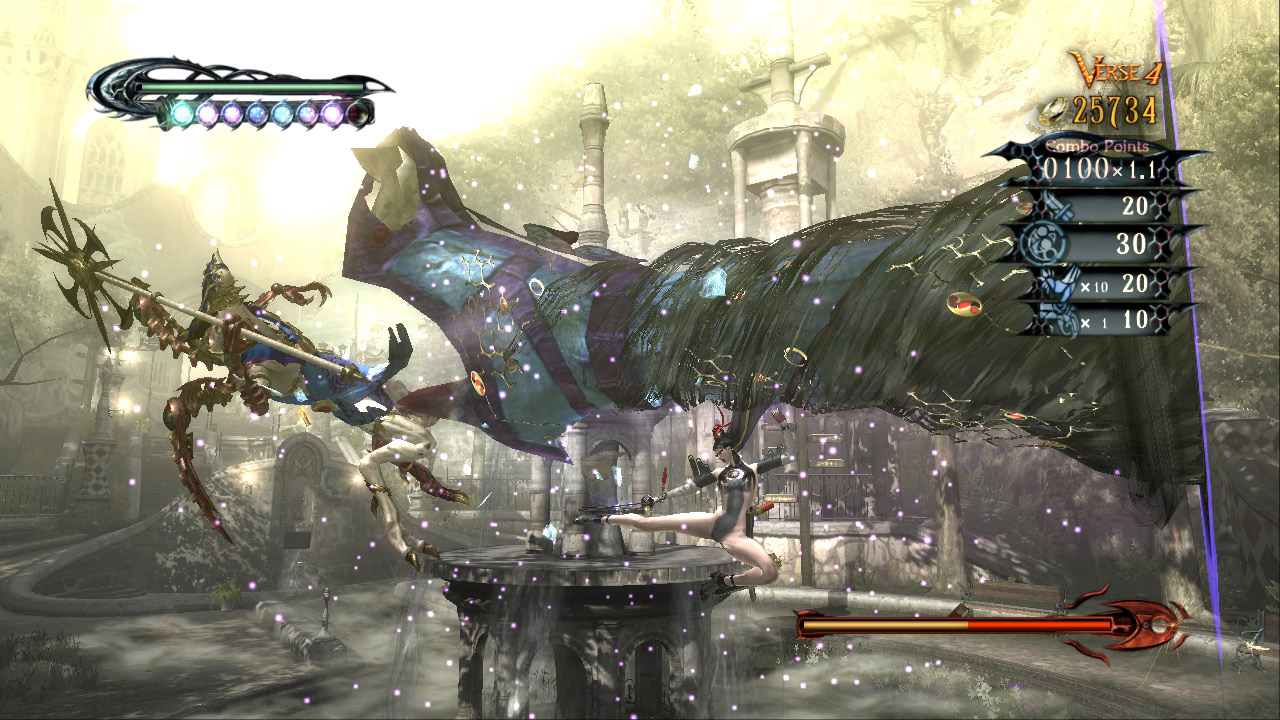
Vampire Smile is a stylish game that’s both gory, dark, and bursting at the seams with unique art. The story is interesting, the combat is fluid, responsive, challenging, and deep. Smile featured tons of crazy bosses, great enemies to fight, and two whole story modes to go through. Sure it was punishing sometimes, but that’s what made it rewarding. It topped them all due to all of this combined despite many amazing downloadable games this year.
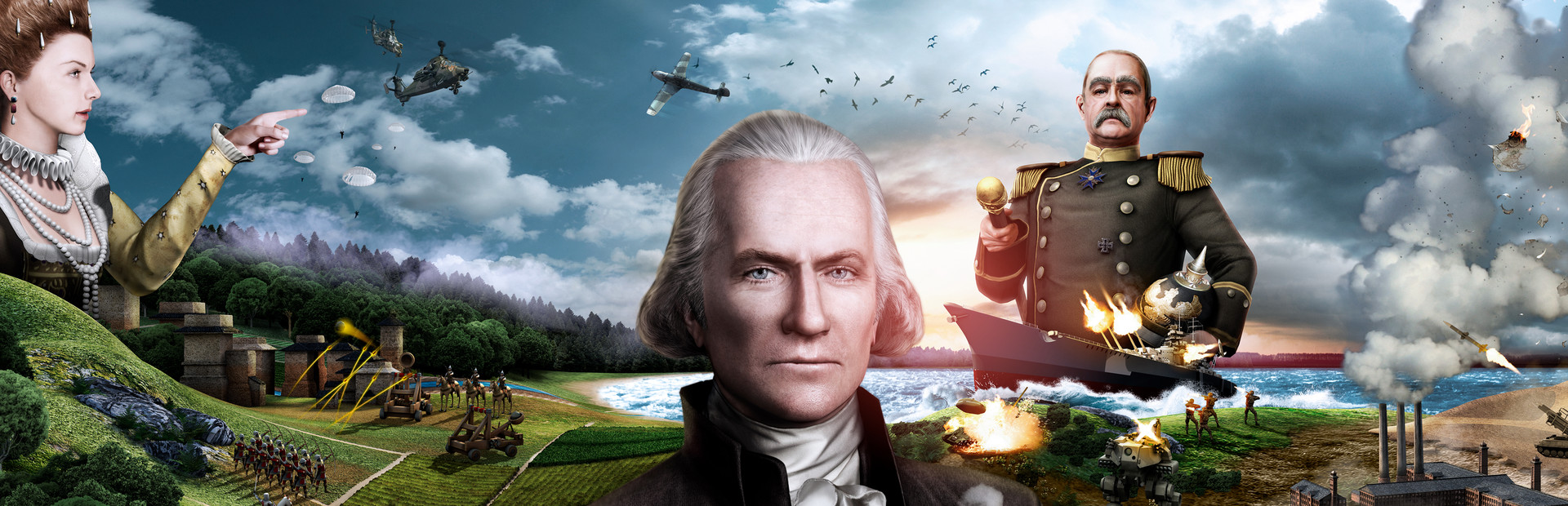
After playing my first game of Civ 5, I realized how much of a greedy jerk George Washington was. 500 gold, all my resources, one city, and open borders for just one silk resource?! He’s just begging to get wiped out, but I keep my cool and press on as the most advanced civilization for the next 150 turns. I built many great wonders, such as the Great Wall, the Great Lighthouse, the Colosseum, the Taj Mahal, and even the Hanging Gardens. Of course, it takes about 100 turns to create most of these, but it keeps my people happy and sets us into a golden age.
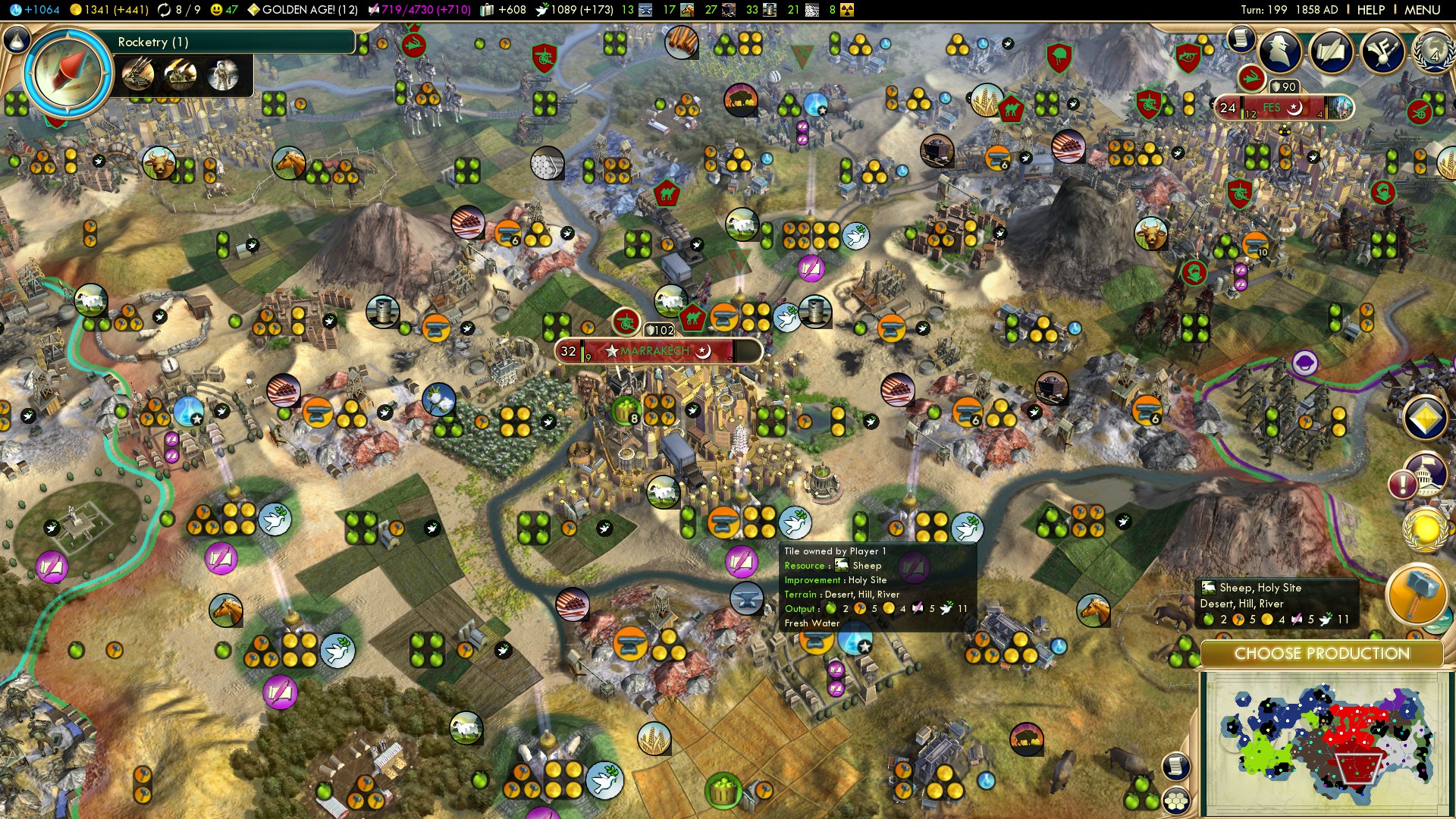
This is just the beginning of Civ 5 and its deep turn-based strategy gameplay, yet it’s so simple to grasp, and that’s the beauty of it. Civ 5 may seem like an overwhelming beast when you first play it (mainly for newcomers), but you learn as you play. After my 50th turn, I already had the hang of 90% of the game and just learned little things from there on out. You start out by picking the leader of a country, but each one has special attributes like a better economy, military, or even science. You establish your main capital city, and from there you learn new sciences, produce buildings, great wonders, workers, or different military units. Different tiles on the map may have icons for mining, farming, etc., and you can deploy workers here. Connect these to your capital, and your income will increase.
Of course, after a while, you must expand your empire, or people will get unhappy and may even rebel in the city due to overpopulation or not having enough entertainment, food, or other resources. Keeping your people happy is just part of the struggle to create a great civilization. Other cities may want to ally with you by having you gift units, give them gold, or vow to protect them. Connect your cities with roads, and voila, you have more income. Or you can just wipe them out and either annex the city (which requires building a courthouse before you can use it) or use it as a puppet city and just collect the income, but don’t control what they do. There’s also the option to just raze cities and let everything burn!
Yes, Civ 5 lets you play as you please; sadism or masochism is all up to you. You can be friends with all your neighbors and just run out to 2050 and be the first and most advanced civilization. Or you can do what I did and get tired of the other leaders and build an army to take over. After having a rapidly advancing civilization over Washington, I decided to open my borders to him, but he was still guarded because he didn’t like my huge army. Sure, I made my people suffer a tad from the high upkeep of this vast army, but it was well worth it. I started attacking his capital, and this declared war. After a few turns, he offered a peace treaty for 10 turns, so I accepted, and during this break, I got every unit I had and surrounded his capital. After the treaty was over, I attacked and quickly took over his entire empire. It was easy thanks to my advancement in military technology, so I was way ahead of him. Musketmen versus spearmen doesn’t exactly equal fairness. He offered peace treaties, but I swiftly turned them down, and he eventually declared defeat.
But…just…one…more…turn! Even though I technically beat the map, I kept on conquering and even stole over his allied city before defeat. I bought tiles with lots of resources to quickly build up my empire and expand my borders. Turn after turn, I swept up all resources, hoarded my gold, and built massive structures to be the greatest of all time.
That’s how every game plays out, and with the great AI, stunning visuals, and excellent little tidbits like social policies, which act like perks, and the fact that not every map will play the same way twice, While you can’t stack units anymore, it really makes for a better strategy and makes things a bit simpler, so you’re not just concentrating completely on your army. There are so many little things to this game; you just have to play it to realize what’s here. With a great in-game user-made map, scenario, and other item download section, excellent multiplayer, and countless hours of endless ways to play maps, you will never get bored. Tactics must be changed for each leader, each map, and each opponent. The only real issues I had were the fact that not every leader is balanced and that a game can take days to finish, plus some changes may turn hardcore fans off. So, the question begs the answer: Can your civilization stand the test of time?
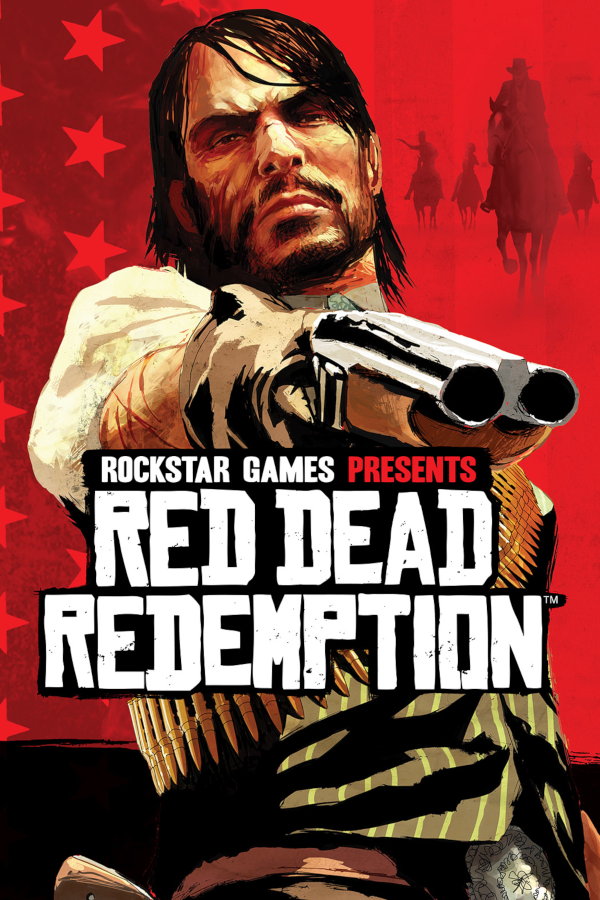
Game of the Year is one of the hardest decisions because so many games are created every year. But to come out on top the game must be excellent in its genre (usually re-define it) and have great production values, and not feel repetitive, and usually, it changes the way we think about games.
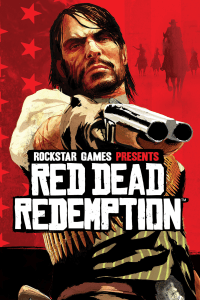
What sets Red Dead apart from all of these other excellent games is how authentic its world is. It feels so real and feels just like the wild west. With excellent voice acting, a huge open world to explore, lots of missions, and it’s just the subtle details that make it a winner. Hunting, gambling, horseback riding, even down to the drinks, attitudes of the people, clothing, accents, it just all adds up to something spectacular and really shows what a game can do. It’s Red Dead’s subtle details that truly make this game shine over the others.
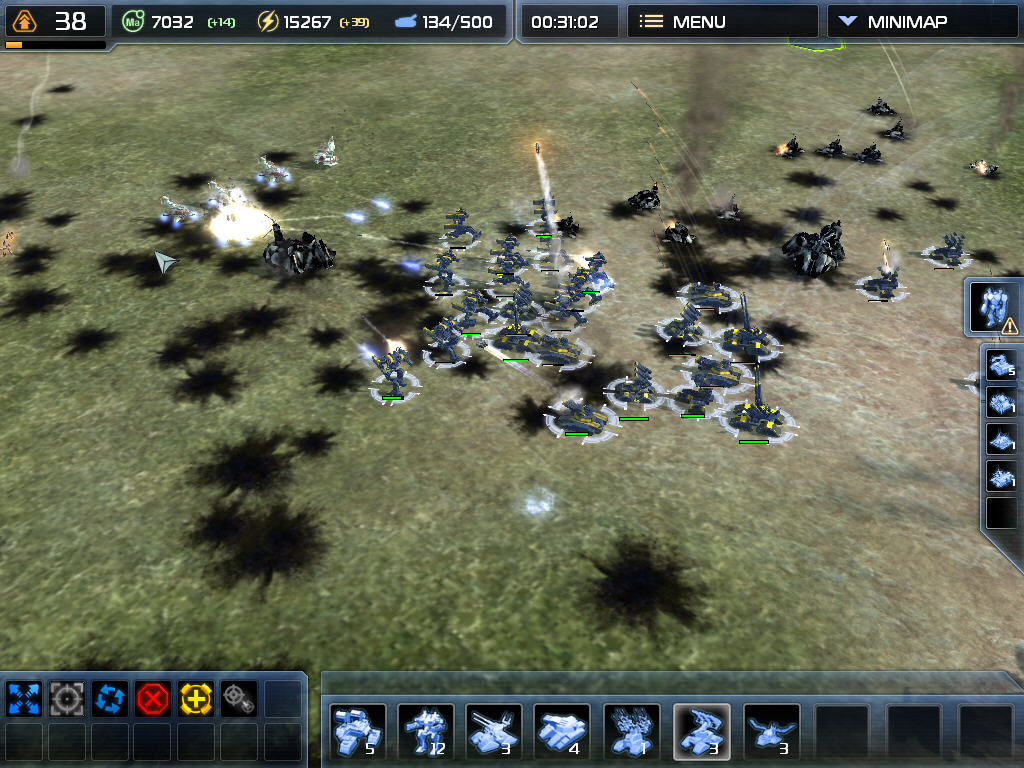
A good strategy game consists of balanced gameplay, lots of units to use, a good story, and great ways to execute strategy on the enemy. A lot of strategy games fail on this part, and tend to be overly complicated, and is mostly stuck on the PC due to complicated control schemes.
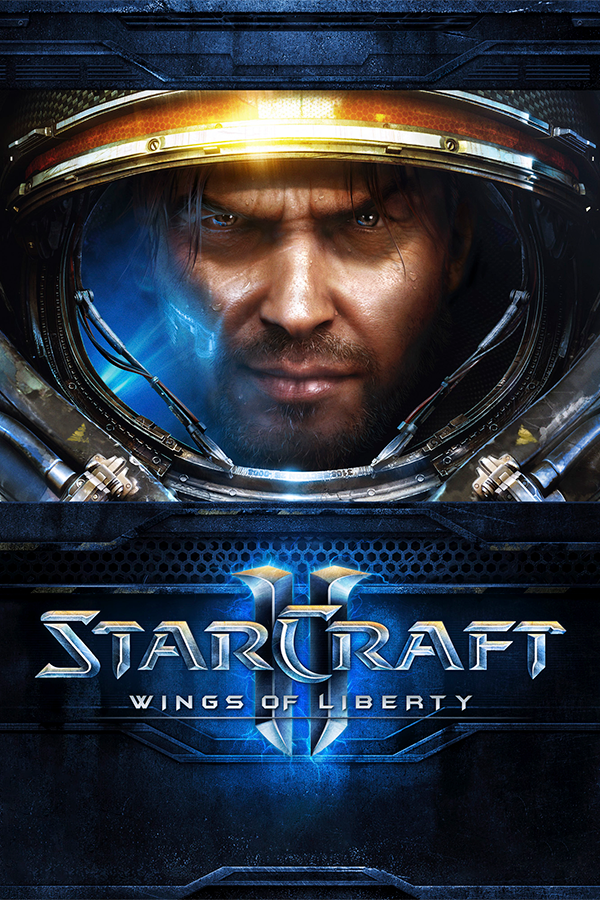
What sets StarCraft apart? It’s the epic story? Perfectly balanced units? Competitive Multiplayer? It’s everything about the game from the well-crafted missions, excellent and diverse factions, and the fact that it keeps strategy simple. It may not be fair to pit other strategy games against an icon like StarCraft, but it happens every few years. StarCraft II is an instant classic and should be loved by strategy goers everywhere.
The most disappointing isn’t exactly the worst. These games tend to be over-hyped and turn out just mediocre when they were claimed to be something amazing by developers.
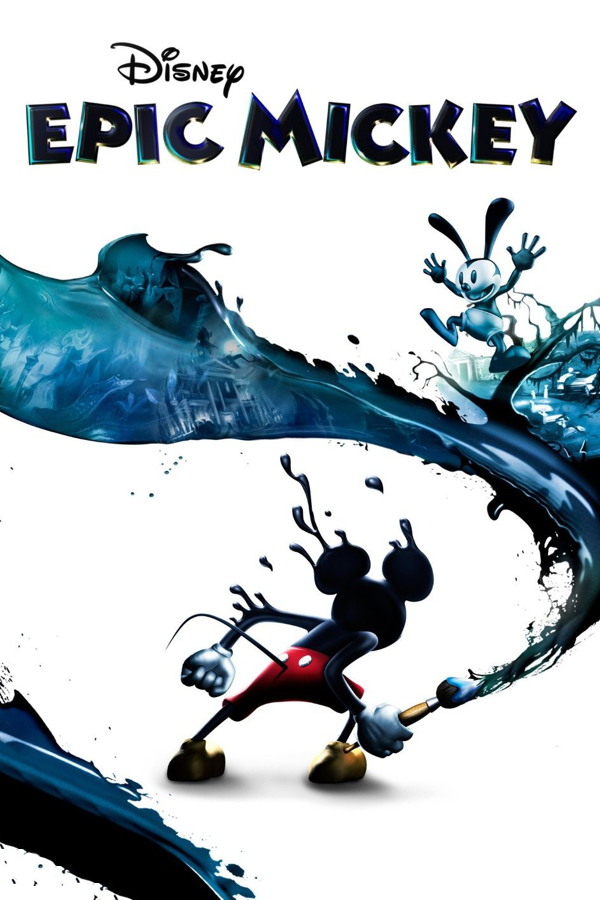
Disney Epic Mickey
With a game that was supposed to be so amazing, and well, epic this game really was like a punch in the gut. With a bad camera, muddy textures, and poor combat and controls, Epic Mickey should have come out next spring with more polish. This just goes to show that a superb idea can fall flat.
Multiplayer really defines most genres these days and is usually what keeps people coming back to games. A good multiplayer game usually consists of leaderboards, stat tracking, a reward system, and lots of maps, customization options, and just super fun addictive gameplay.
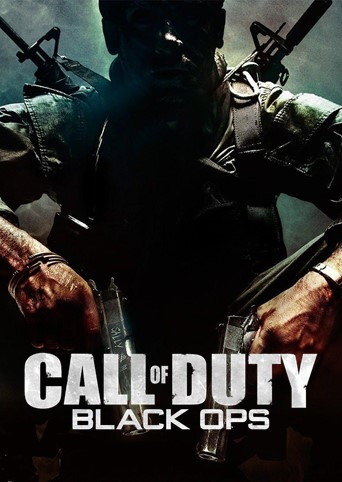
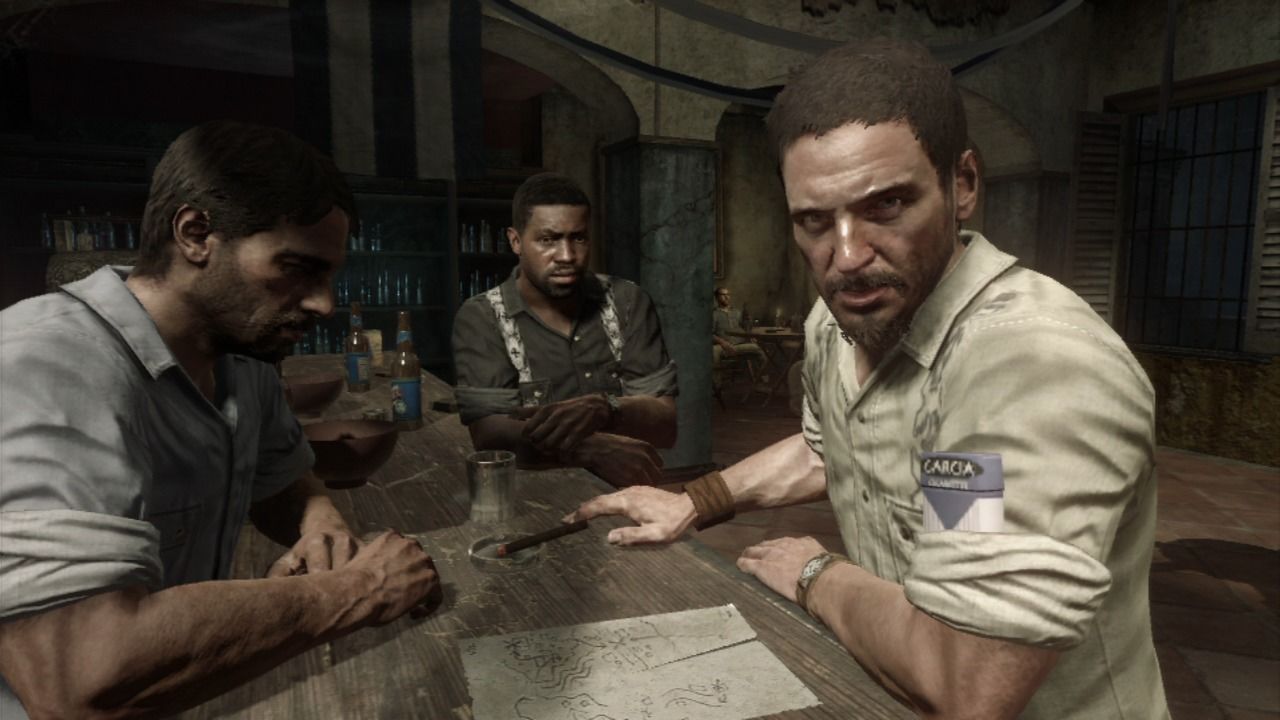
Modern Warfare redefined the FPS multiplayer scene and Black Ops perfects it with Wager matches, tons of customization options, perks, ranks, and well-made maps. Nothing can really hold a light to Black Ops, and to me is probably one of the best FPS multiplayer games of the decade.
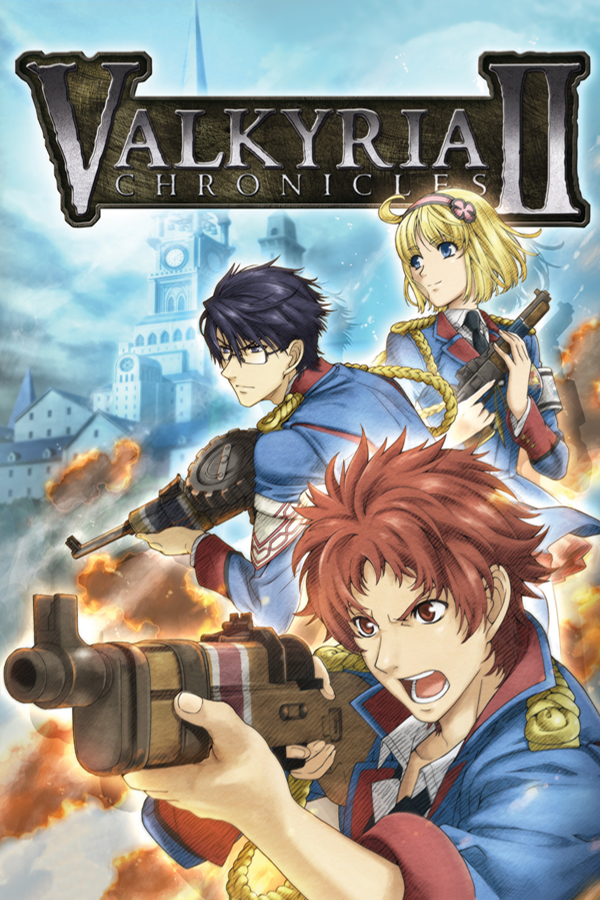
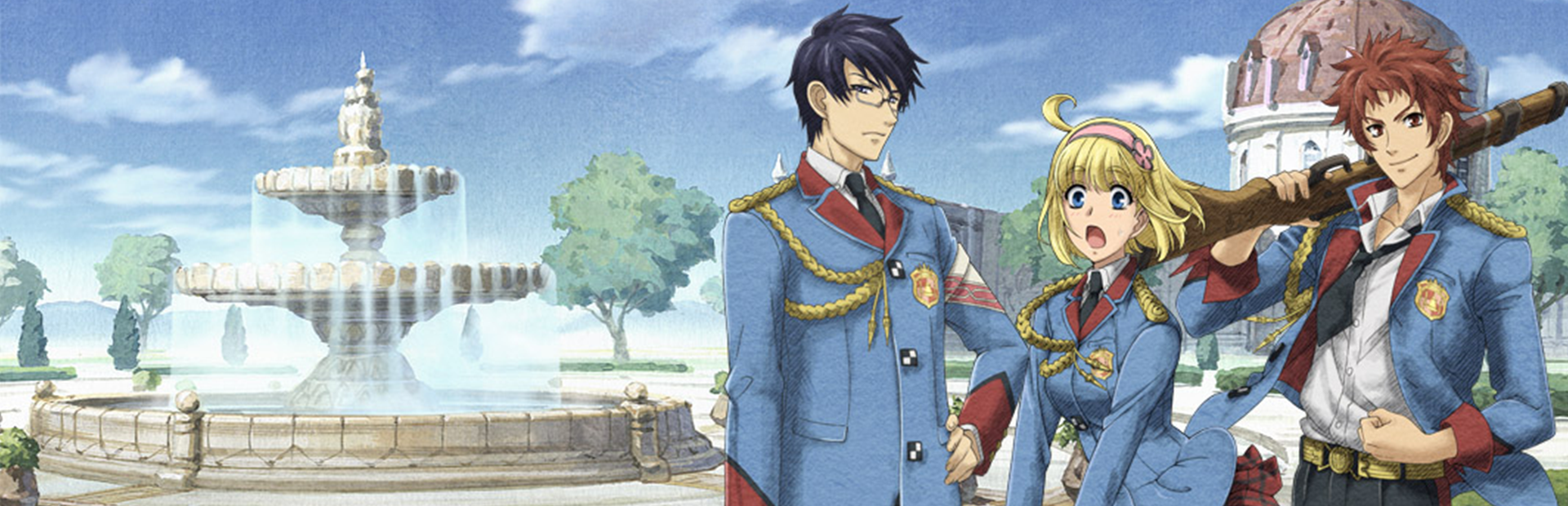
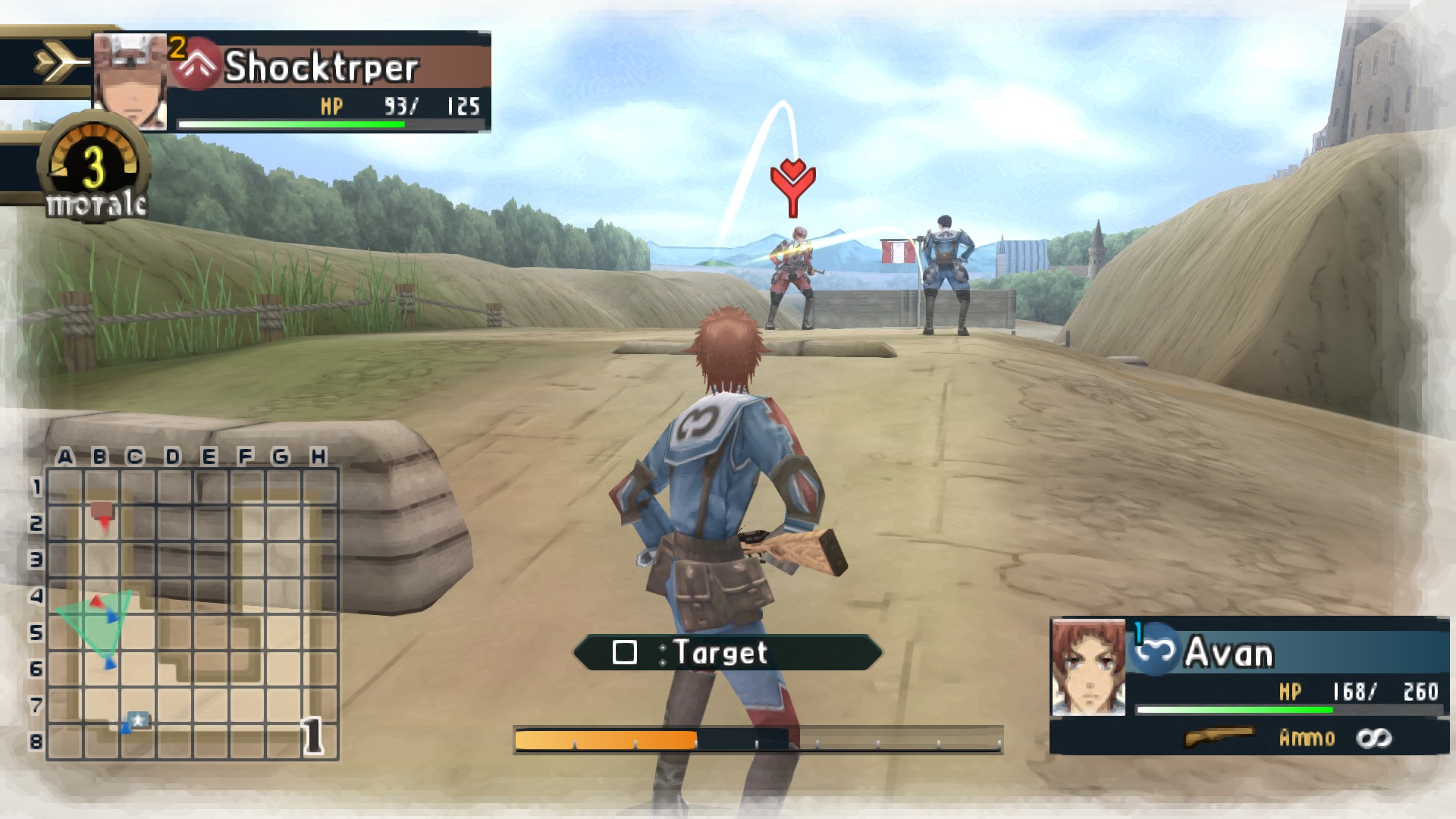
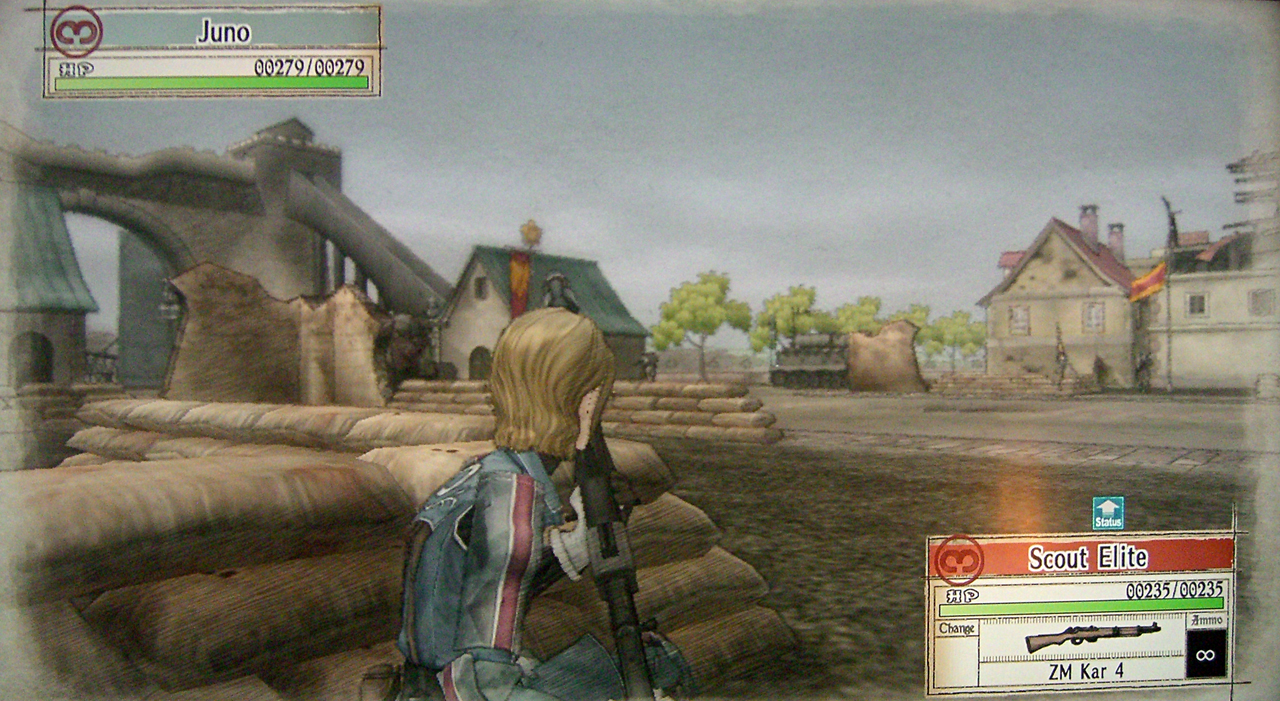
Valkyria Chronicles II sets you right in the middle of a war between a government and the rebels of Gallia, but what you really get into are the characters themselves and how they cope with each other. The game is set in a fictional WWII-type setting and is completely original. This turn-based strategy game can get pretty complex and is a lot to swallow at first, but after a while, you’ll get the hang of it.
The game is pretty menu-heavy, especially before deploying into missions. You can level up your classes (instead of individual characters) as well as produce weapons for each class and your tank. These are simple enough, but you have to unlock new weapons by leveling up. What disappointed me about this is that the weapon upgrades are very minimal, and it’s not until later levels that the stat boosts are large.
Once you do all this, you can rearrange your groups because each mission requires the right kind of people. There are different classes like Lancers (anti-tank), Scouts, Shocktroopers (heavy machine gunners), Engineers (medics), Armored Techs (melee), etc. You can only have six people deployed, and only five for each area. While this may be a pain since you’ll have 5 guys in one area and 1 in another, there are strategic workarounds for this. Once you start missions, you get an overhead map that shows your guys and your enemies. Killing enemies is as simple as moving them around in real-time, but each character has a different stamina meter, so watch out.
Each character uses one CP (turns), and tanks use two, so you really have to choose your moves wisely. While you’re moving around to position, enemies can shoot at you, but you can take cover behind sandbags. Killing enemies consists of getting the right amount of shots in before you reach your limit. Instead of relying on just draining HP, you have a shot limit, and when you aim at an enemy (depending on their type as well), another number will show how many shots it will take to kill that enemy. Headshots are always your best bet, but getting in close works too.
You can also find shortcuts throughout the map since most require you to move to different areas. Using a tank, you can build bridges to flank the enemy or build ladders. Once you capture an enemy camp, you can put your troops on standby and deploy them to captured camps in other areas. Be aware, though, of enemies and recapture those, which renders you unable to deploy in the new area unless you have at least one person there.
The battles can be pretty intense, but they also require perfect strategy, and it seems that most of the time only one will work. Certain missions have special requirements, like escorting, or certain players must be deployed. If you find that you need other abilities, you can retrain troops to different classes (if you’re short on one class) or change their abilities, like making a scout a sniper or a lancer a mortar. Sometimes perks will be activated on the field that do good or bad, depending on the character. If a character doesn’t like one that’s near, it’ll have a negative effect. Details like this can really help you pin down a strategy, but most others can ignore them.
Outside the battlefield, you move around campus and talk to people to progress the story, but that’s pretty much all there is to it. The game looks really good with a nice anime art style, and the voice acting is decent but not amazing. The small map size will make fans of the PS3 original angry, but it’s perfect for a portable system. The game is pretty stat-heavy and menu-heavy, and the difficulty spikes may make you actually give up altogether. I couldn’t get past the second story-based escort missions due to the insanely powerful enemies, and you have to get the strategy down perfectly or it just won’t work out. Other than this, the game is superbly fun, and with about 40 hours of gameplay, you should be kept busy.
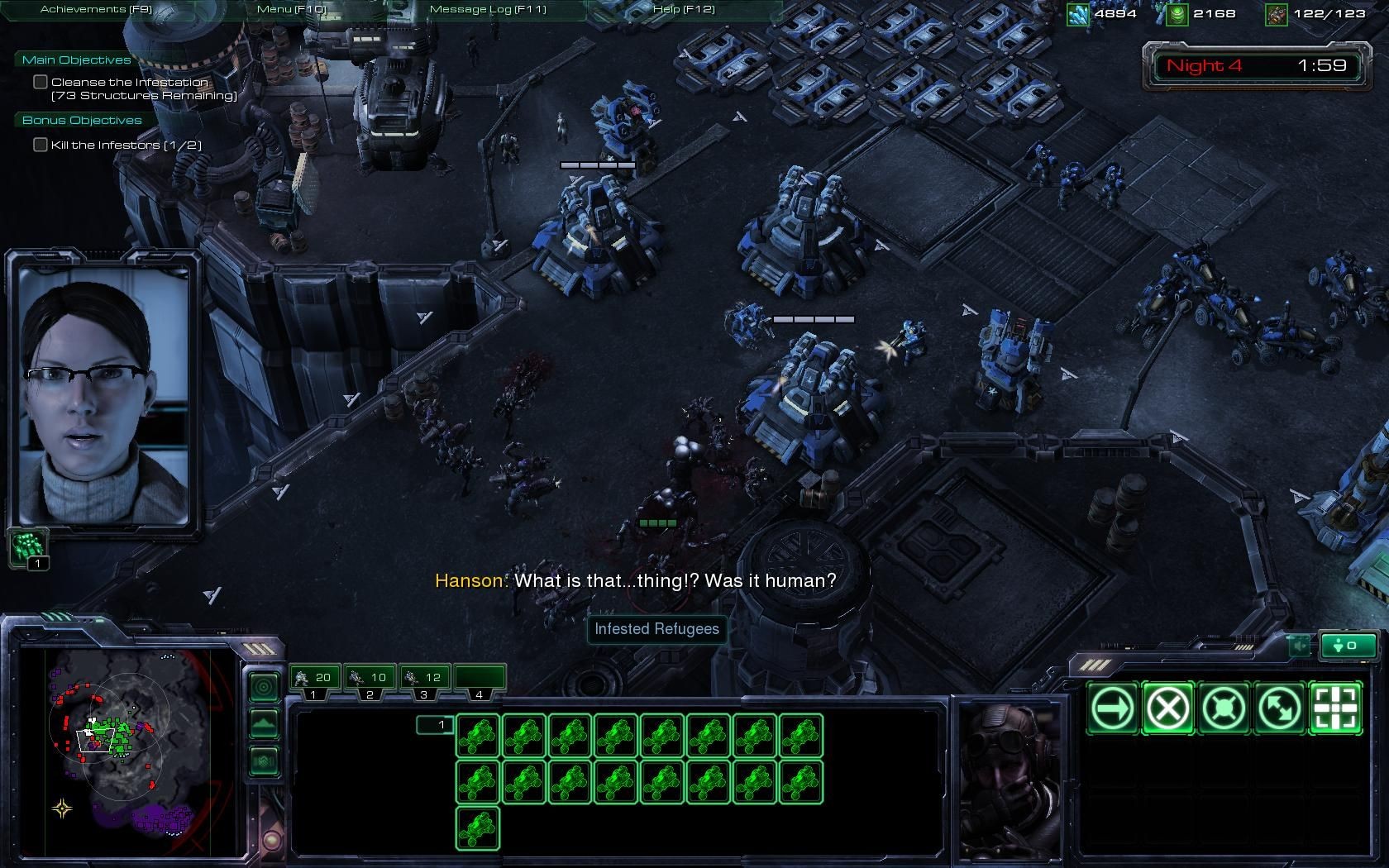
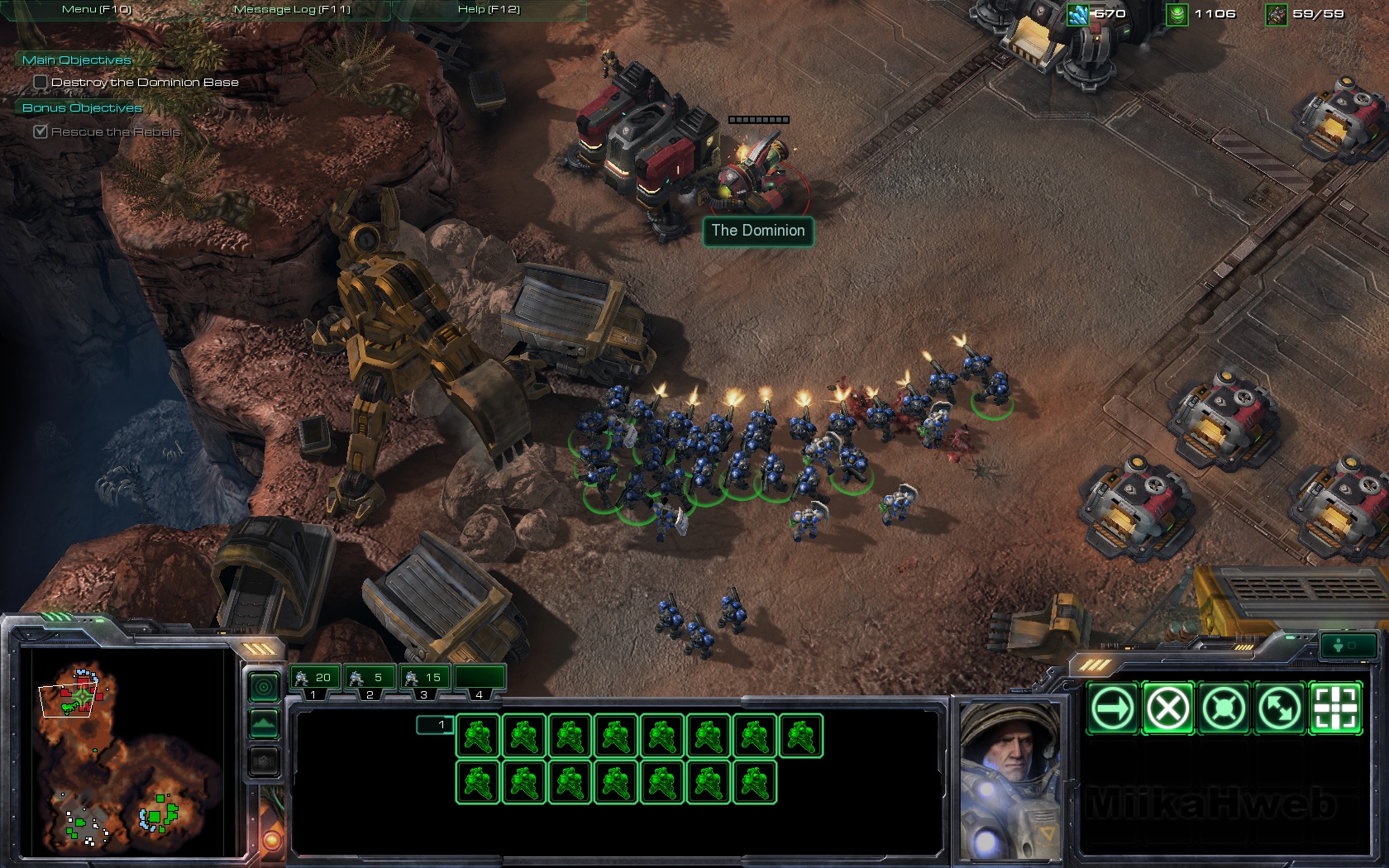
RTS games of old were just all about building units and killing the enemy, and thankfully StarCraft II keeps this in mind and lets RTS fans of the 90s get another taste. Liberty has you playing as James Raynor, who is an outlaw to the Dominion Republic and must stop the alien Zerg, the Dominion forces, the Queen of Blades (Sarah Kerrigan), and the Protoss all at once. The story is pretty riveting, especially for an RTS, thanks to excellent voice acting, dialog, and plot twists.
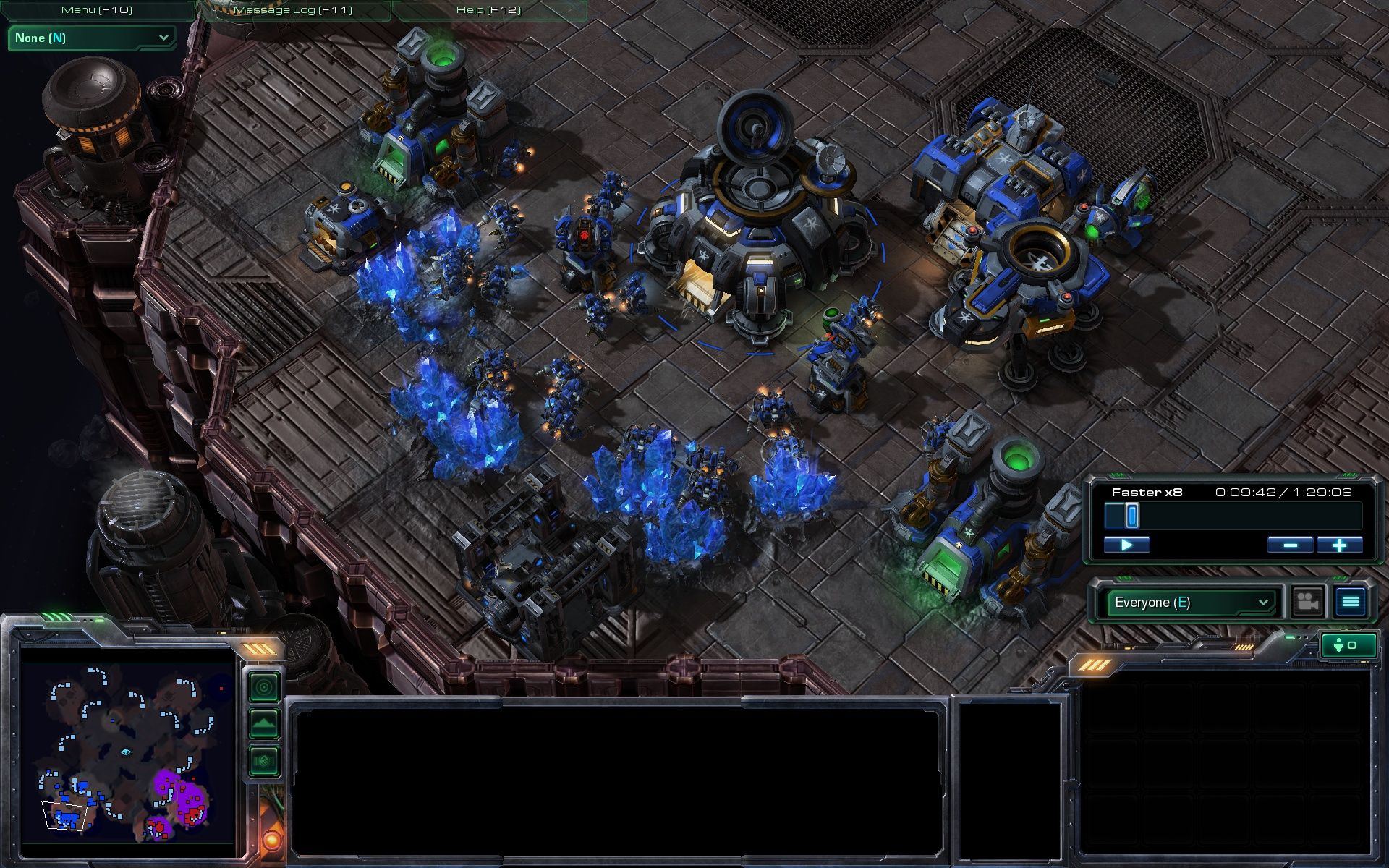
I’m not going to explain how an RTS is played, and if you played the original game, you know what you’re getting here. The game is very simple, with the premise of just building your army and completing objectives. There are only two resources in the game: Vespian gas and minerals. If you don’t like it, then go back to Company of Heroes or Dawn of War (I’m not saying those are bad games). You gather these with SCVs, and you build your main buildings, such as factories, starports, barracks, and anything else that other units require and have at their disposal. Yes, it’s that simple, but there are many changes and enhancements from the first game.
Firstly, there are a ton of different units, and you really have to think and strategize how to beat each mission. Each building has several units, but the game focuses on air and ground units. There are weaker units such as marines, reapers, and firebats, but marauders are the strongest. The factory holds goliaths, different vehicle units, or the strongest one, a Thor, which is a giant mech. The starport has several different types of ship units, with the biggest being the battlecruiser.
There are also defensive units that SCVs can build, such as missile turrets, detectors, and mind control units for the Zerg. There are so many units; you have something for every situation, and you end up using every single one quite often since they are perfectly balanced. Some units have special attacks that do extra damage but use up the unit’s energy supply. Some units can transform from ground to air or turn into defensive units. There is so much when it comes to this that it would take forever to describe it all.
The missions are great and varied, and you will never get bored. They offered a fair challenge, and even the later missions were fairly balanced. The game is just full of so much variety, but it’s so simple and easy to play and understand that it really pulls you in. Throughout the 26 missions, you will slowly earn more units to build and be able to build larger, stronger armies. The literal goal is to just build dozens upon hundreds of units, attack or defend, and complete the objectives.
The game’s only real flaw is that building units takes forever, but this also balances the game out, so you really think about what units you need and use them wisely. There are small band-aids for this, such as the mercenary compound. You can instantly call down highly skilled units for a large price, but there’s cool downtime. You can also build multiple buildings or build a different lab to build two units simultaneously, but you can’t build more advanced units without the tech lab.
You can upgrade most units with credits earned during missions, but you won’t ever be able to buy them all, so choose wisely. You can also use research points to pick one of two upgrades on a ladder. One side helps your army, and the other is research against the Zerg. Choose wisely since you can’t pick the other or go back. This upgrading system is great and adds lots of strategies, even off the battlefield.
Aside from all this, you can click around and listen to dialog from key characters, and this adds to the story and interactivity of the game, which is excellent. There are no extras, however, such as behind-the-scenes footage or anything else that would have been great. The game just has so much variety and content and is so perfectly balanced that it really feels like those 12 years were put to good use.
The multiplayer is what will keep you coming back. I’m not a huge fan of RTS multiplayer, but Liberty really shines in this area with Battle.net. With human opponents and four different factions to play, you will surely pour dozens of hours into this part of the game.
The game also looks amazing. If you have the rig to play the game with all settings set to their highest, you will be treated to beautiful visuals, excellent lighting, and well-done animations and effects. Everything looks amazing, and the game just plays brilliantly. I highly recommend this for StarCraft vets, but people who like their RTS complicated and with a lot of depth will be disappointed. But there is something here for everyone.































































 thebinarymessiah.com
Try multiplayer. A lot of fun !