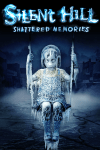
Survival horror is a slowly dying genre, and the king of the genre, Silent Hill, is barely keeping it alive. Shattered Memories is the first American-made Silent Hill, and the whole formula has pretty much changed. Hardcore fans will probably not like this, but the elements that make SH scary are still intact. The game is more about enjoying the experience and less about winning. Puzzles are very simple; there’s no combat, so it’s all about exploration and atmosphere.
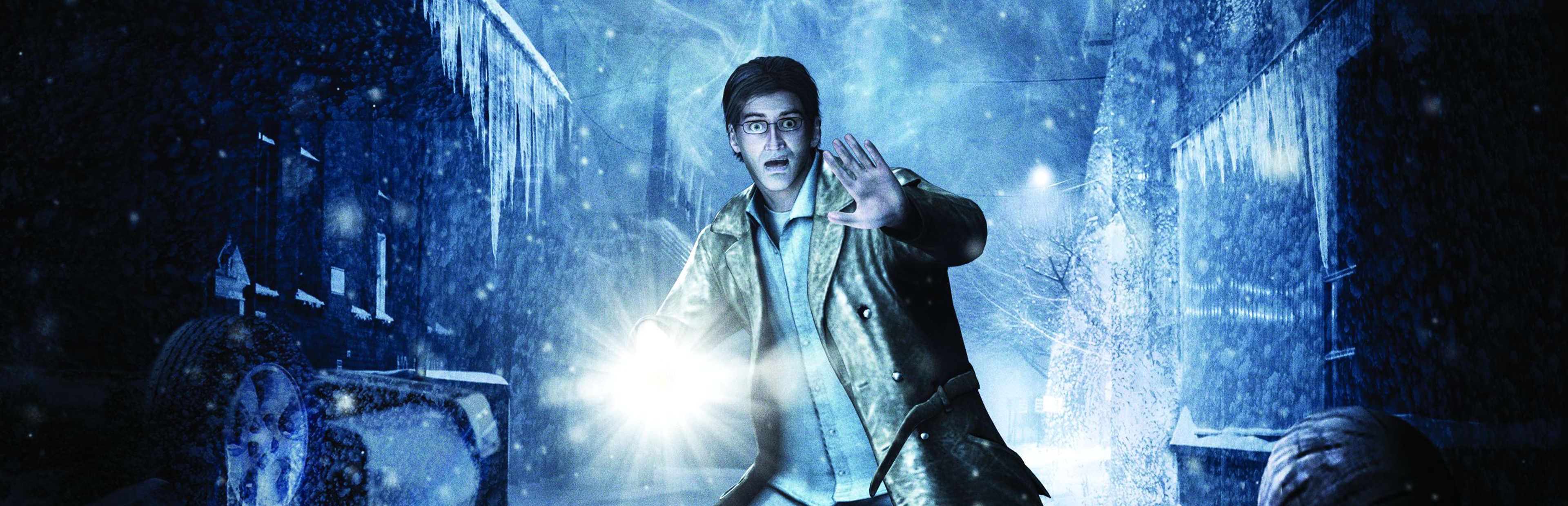
You play Harry Mason, who wakes up from a car crash to look for his daughter Cheryl. He runs into different characters (including a MILF’d-up Cibil), and you run around the town of Toluca to find her. In between sequences, you are in therapy sessions, which consist of mini-games and are pretty neat because they change the outcome of the story and the ending. This is a new element for the SH series, and I hope it comes back in some form.
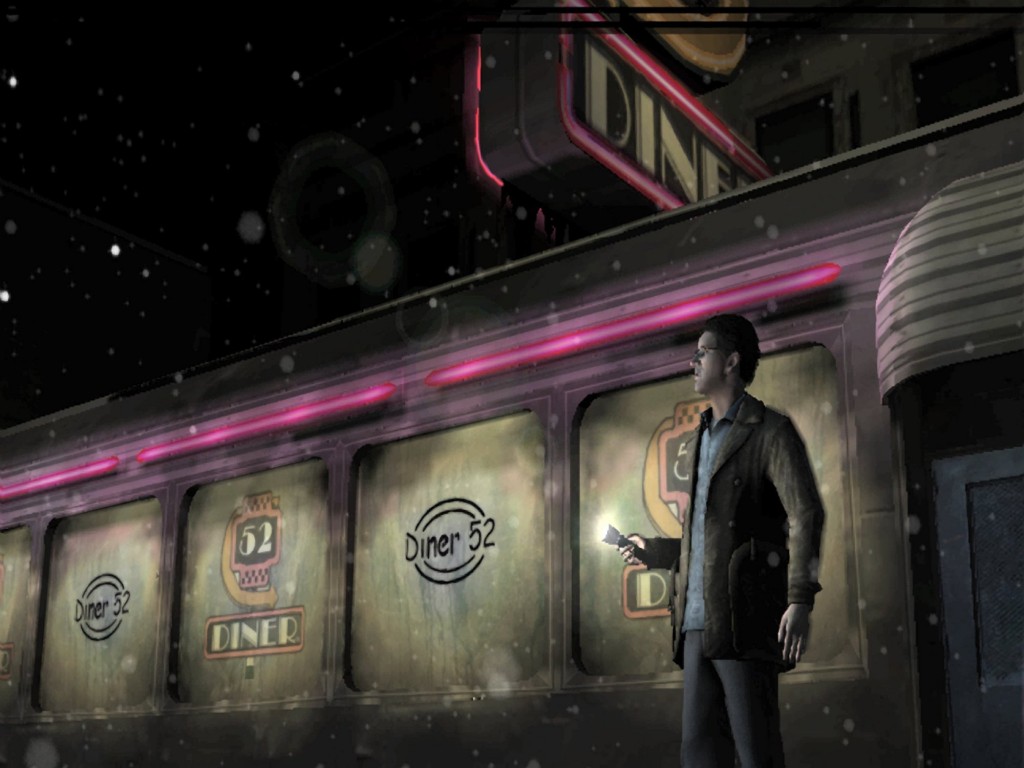
Once you step into the dark, you run around with your flashlight and are basically trying to find mementos and trigger sequences, such as when the screen gets staticky. This means that there is something nearby that will send you some sort of message on your phone. While these are creepy, you can also snap pictures with your phone camera, and this is usually also worked into puzzles.
When you see a white triangle above something, that means you can interact with it. These can be little micro-puzzles because you use a hand to push and pull things. While this was obviously created for the Wii version, it works great here on the PSP. Most puzzles aren’t nearly as mind-bending as past SH games because most of the time the key is in the same room as the locked door, and clues usually don’t need more decrypting. What may get you there is navigating the nightmare sequences.
Now, these are different from the air raid siren bringing rust that consumers SH in past games. Usually, a scene will trigger something, and ice will start covering the room. As you run around, you must find the X that’s on your map, because it’s usually a puzzle you have to solve to continue. While you run around, scary creatures chase you, and you must knock down objects to block their path and let them know you’ve been there before. Some sequences have you running around hallways and bringing you in circles until you go into the right sequence of doors. These sections can be quite hair-raising because of the music and sounds of the creatures, and if they catch you, you have to shake them off via on-screen prompts.
There are some unique parts of the game that make it cinematic, such as riding in cars in the first person, figuring out how to get out of them, and the first-person swimming sequence at the end of the game. Silent Hill has never been quite so cinematic before, and it’s a great addition. Despite all this, the game has a great twist ending and enough uniquity to keep you busy to the end. However, the departure from traditional Silent Hill elements may make some people hate this game. The game looks amazing on the PSP and really feels like it was built from the ground up for the device. This is a top-notch title for the handheld, and we need more of them.
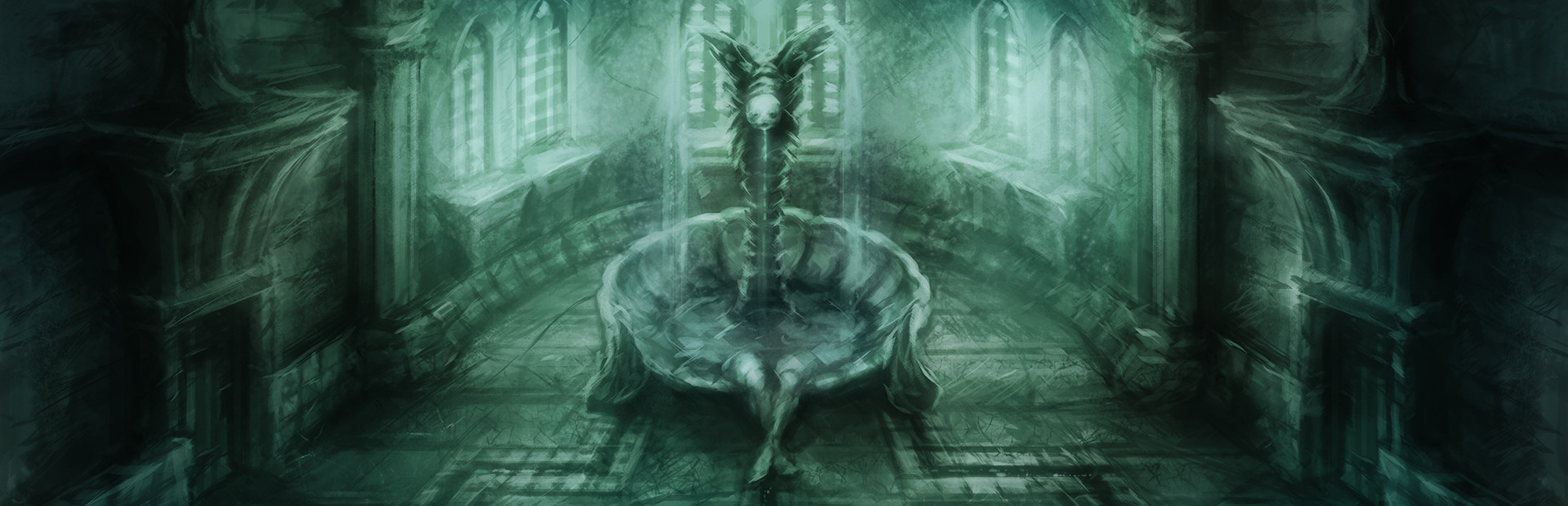
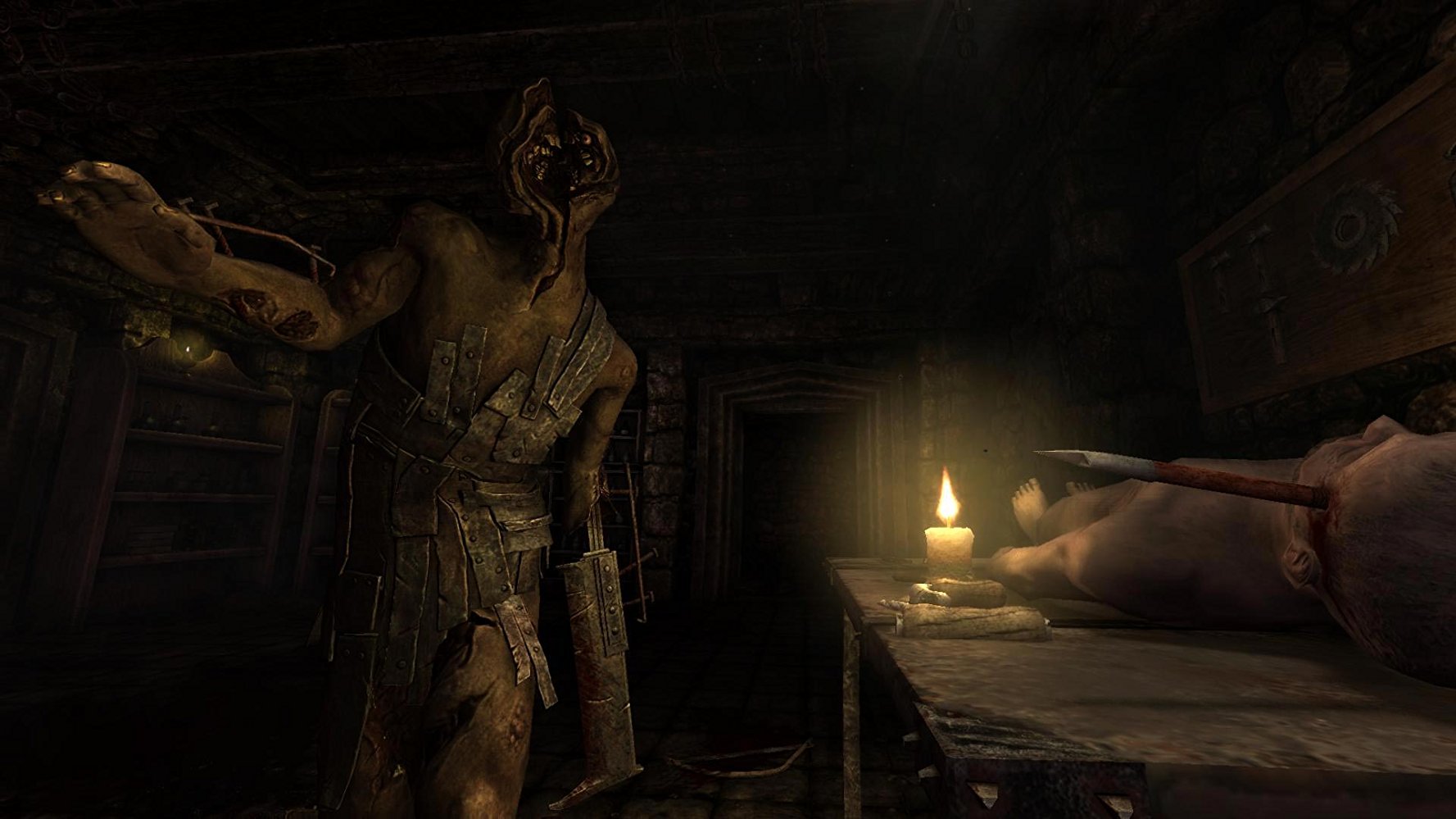
The survival horror genre is probably the fastest-dying of them all, but it’s games like Amnesia that really get the spotlight when they hit it home on the scare factor. Amnesia stays true to the genre, and this is due to the fact that there’s no combat whatsoever. Zero, zilch, nada, you can’t fight. If you see a creature, you have to hide or run, and this is what adds to the tension. If you can fight, you can just kill it, but if you can’t, then you have to really think about what to do, which can make you not want to continue.
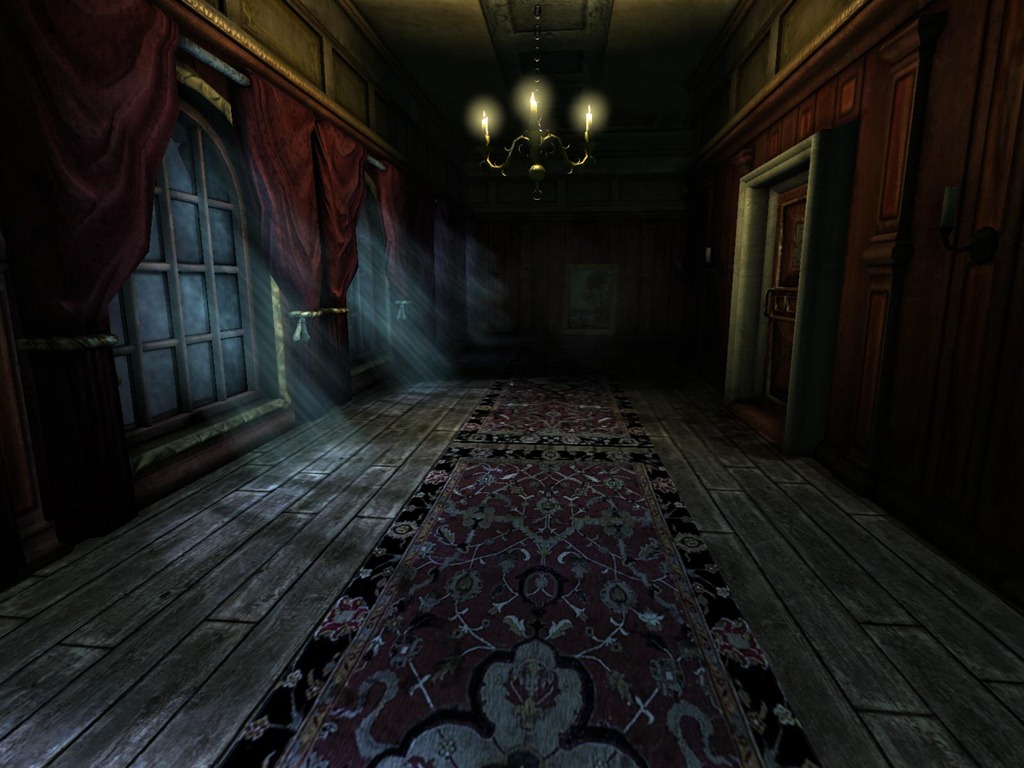
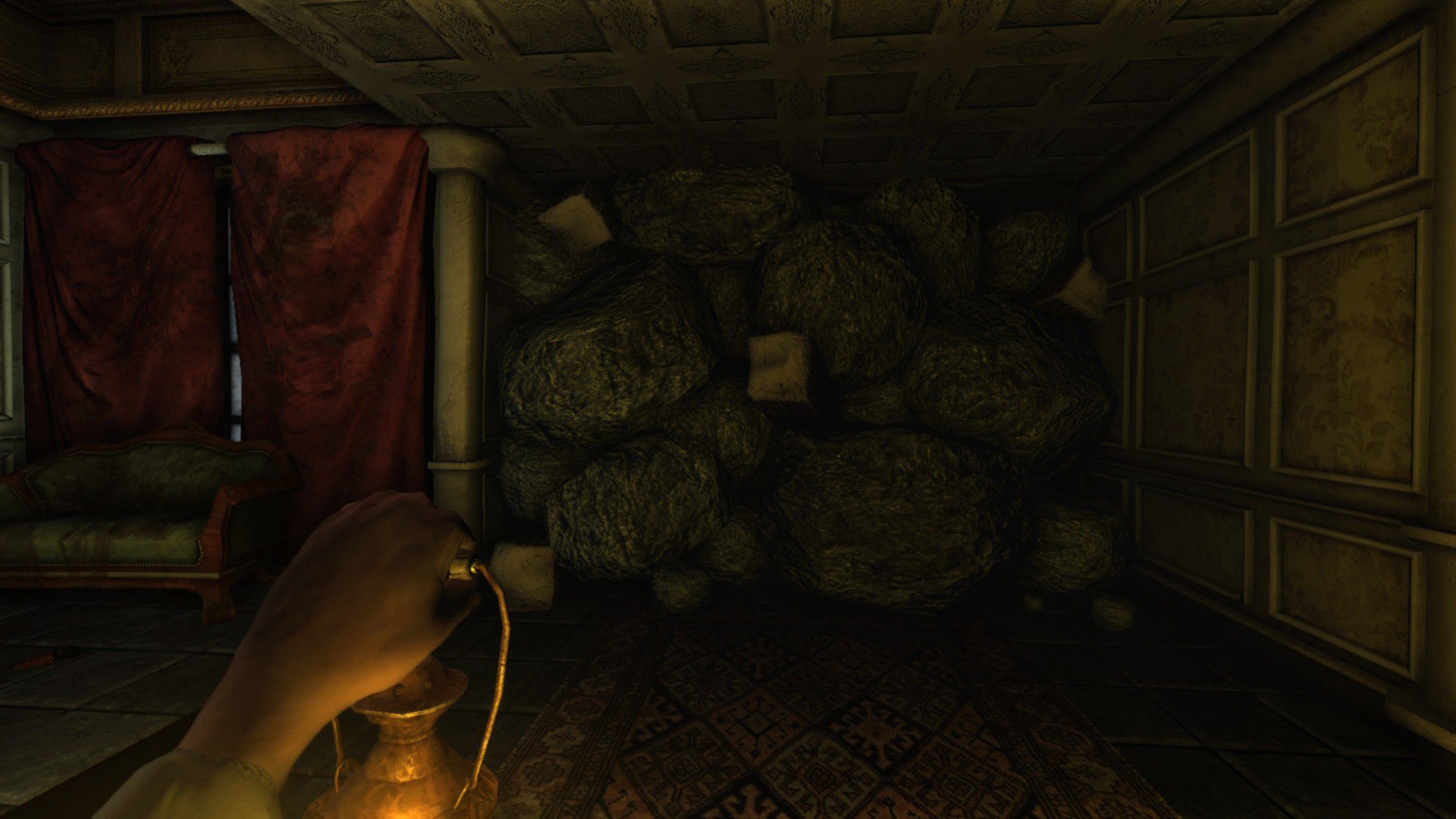
Amnesia may be a first-person adventure game, but your only weapon is light and against your own insanity, not creatures. Staying in the light is key, and oil for your lantern is as precious as 9mm ammo in Silent Hill. It’s scarce, and you try to savor every drop or just use tinderboxes as an alternative. You can light candles, lamps, or any source of light to guide your way to preserve oil or if you run out. Daniel can see in the dark somewhat, but it’s hard to solve puzzles like this.
As your sanity slowly drains, you will hallucinate, walk slower, the screen will distort, and creatures will hear you. Seeing traumatic scenes can do this too, as can looking at creatures for too long. You will also lose sanity if you don’t progress or solve puzzles, so it keeps you on your toes, but don’t worry, I only encountered a couple of times where Daniel went totally insane and lost it. You’ll more likely go insane from fright before he ever does.
And that’s the thing about amnesia: it frightens you with atmosphere, pacing, and tension from the environment instead of zombies popping out. The music and ambiance are haunting, and they make you paranoid throughout the whole game. One scene had me in a room where I was picking up a letter, and suddenly something started bashing down the door. I literally jumped and tried to find a place to hide. A wardrobe! I grabbed each door and swung them open and hid, and as I peeked through the crack, Daniel started freaking out, so I had to not look. I heard the creature breathing, moaning, and moving around, and I was afraid it would start bashing down the wardrobe! It soon turned away, and I could continue hunting for puzzle solutions, but was I ever so scared?
The haunting story doesn’t help either, with you just waking up in a castle and not knowing who you are. You read letters along the way, trying to discover some orb and stop the shadow from consuming you. I can’t go into more detail because it will spoil the story, but it’s very creepy and disturbing and was well put together.
The second part of the game is the puzzles. These vary from object hunting to physics and pathfinding. I have to admit that Frictional has always been known for obscure puzzles, and some of the time I didn’t know what to do and was completely clueless. You rarely get hints, and this can lead to frustrating backtracking and pixel hunting, so an FAQ needs to be handy. Other than that, the puzzles were clever and really stuck to the story, and they all felt necessary.
Amnesia is a horror classic and is even better than Frictional’s Penumbra series. This game will scare the pants off of you; it even clocks in at a nice 6–8 hours and has three different endings to see. I really hope for a sequel or another game similar because Frictional found the survival horror sweet spot.
Game of the Year is one of the hardest decisions because so many games are created every year. But to come out on top the game must be excellent in its genre (usually re-define it) and have great production values, and not feel repetitive, and usually, it changes the way we think about games.
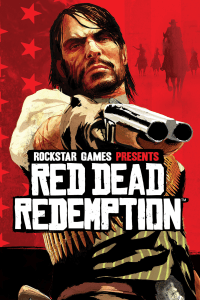
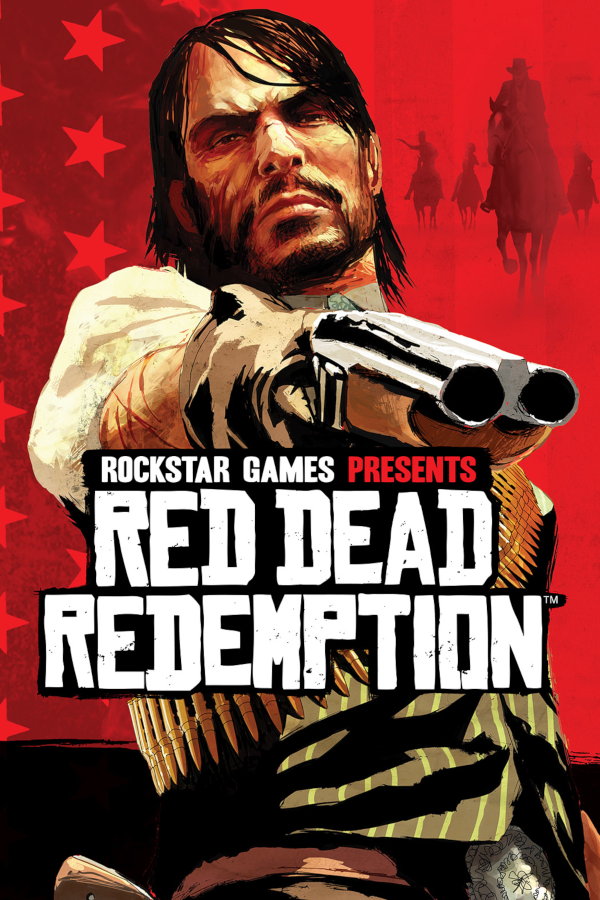
What sets Red Dead apart from all of these other excellent games is how authentic its world is. It feels so real and feels just like the wild west. With excellent voice acting, a huge open world to explore, lots of missions, and it’s just the subtle details that make it a winner. Hunting, gambling, horseback riding, even down to the drinks, attitudes of the people, clothing, accents, it just all adds up to something spectacular and really shows what a game can do. It’s Red Dead’s subtle details that truly make this game shine over the others.
God of War III defines the genre that tells us there are no limits or boundaries and it really shows here. With superb combat, epic boss fights, and gruesome gore that would make even the strongest squirm you have to love this game. It perfects the series and really shows what the next-generation is all about.
DLC has only become important in this new generation and can really extend the longevity of game months beyond its release date. Good DLC consists of keeping true to the original game, adding solid content, and making the player feel satisfied with the money they spent.
Undead Nightmare (Red Dead Redemption)
Yeah, yeah it’s zombies, but in Red Dead? It’s perfect! The DLC even packs in a great story and is tons of fun to run around on horseback shooting zombies. The co-op multiplasdfasdfayer is also a hoot, but it’s the fluidity of the DLC and the perfect match that pits it over the others that just feels like chapters or extra missions.
Stories are probably the most important part of a game, and a good story tends to be original, full of plot twists, good characters, and great dialog to go with it. Video games have set the standard for fantasy stories and are probably video gaming’s greatest achievement.
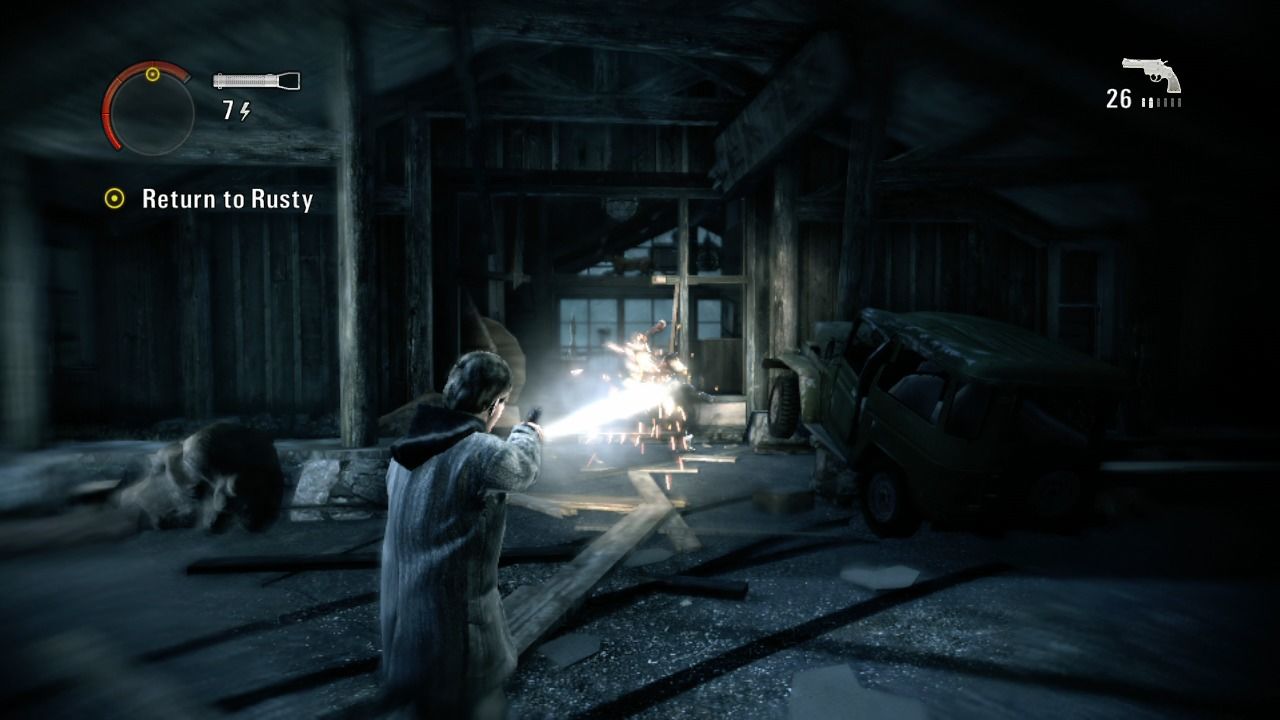
Alan Wake has a story like no other with a rich, deep, and complex (yet easy to follow) story that is ripped straight out of the best horror novels. The way Alan Wake unfolds, and the story is told with plot twists, and loops that keep on coming you just keep on playing just to find out what happens with Alan! This is exactly how a game story should roll out, and other games have big shoes to fill.
Sound design is probably the most important thing next to the gameplay. Without some sound, there’s not really a game, and the best sound design makes things sound authentic for the universe it’s in and makes the sound convincing, and usually, it’ll pack a good punch, sound epic, or just subtle details in sound helps.
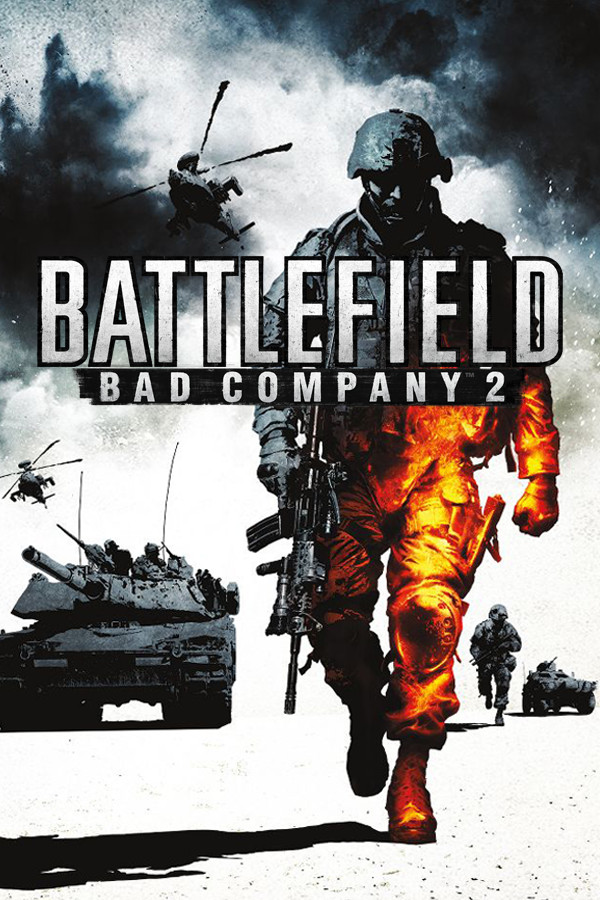
How can a war game have the best sound design? The first Bad Company truly made a game sound amazing with realistic weapon sounds, epic explosions, and differential sounds such as shooting in a building sounds different than outside and the echo traveled when walking through a door. That is the kind of detail that most games don’t make. The sequel follows suit with more detail in this department, and there’s nothing that can trump the epic explosions and sounds of gunfire.
What defines an atmosphere? It’s the portrayal of a setting and world that feels authentic in the sense that it can make you feel you’re in it. It can scare you, make you feel like a superhero, or make you feel full of magic. The atmosphere in a game is extremely important and with the latest technology developers can bring us more authentic settings.
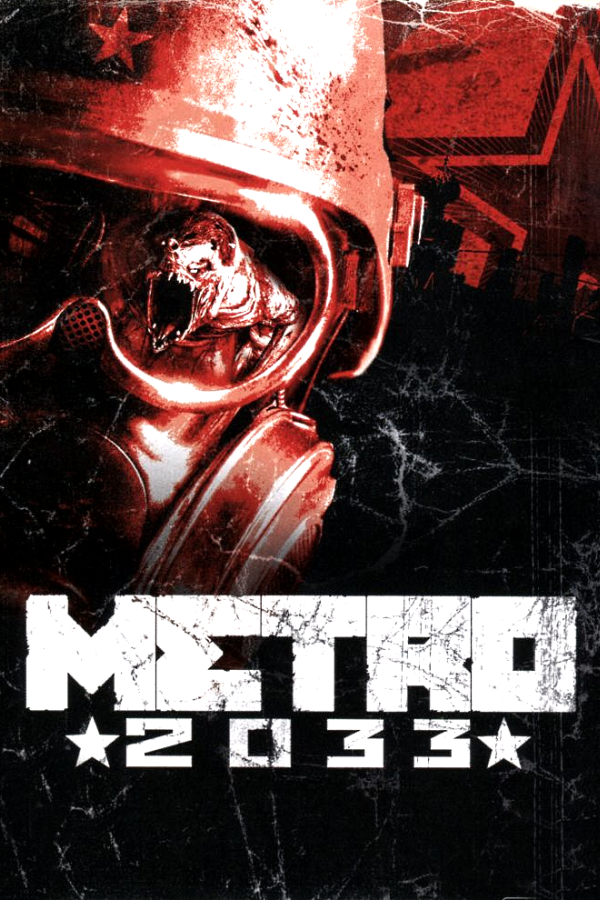
While Metro 2033 didn’t see much light from retail it has one of the most amazing and scary atmospheres ever created. Feeling all alone in a subway in Russia with just a lighter, gas mask, shoddy handmade weapons, and the sounds of creepy dogs howling down the tunnel? Only one clip left and there could be ten or more? That is one scary situation, and even the outside environments are incredibly hostile feelings. The mix of enemy camps with stealth missions makes you feel desperate, and if you get caught the whole world will come down on you.
What makes music in a game good? Something that fits the style of game, setting, and something that isn’t repetitive, annoying, or something we’ve heard in a million other games. Music is probably one of the most important parts of the game but easily overlooked by most gamers.
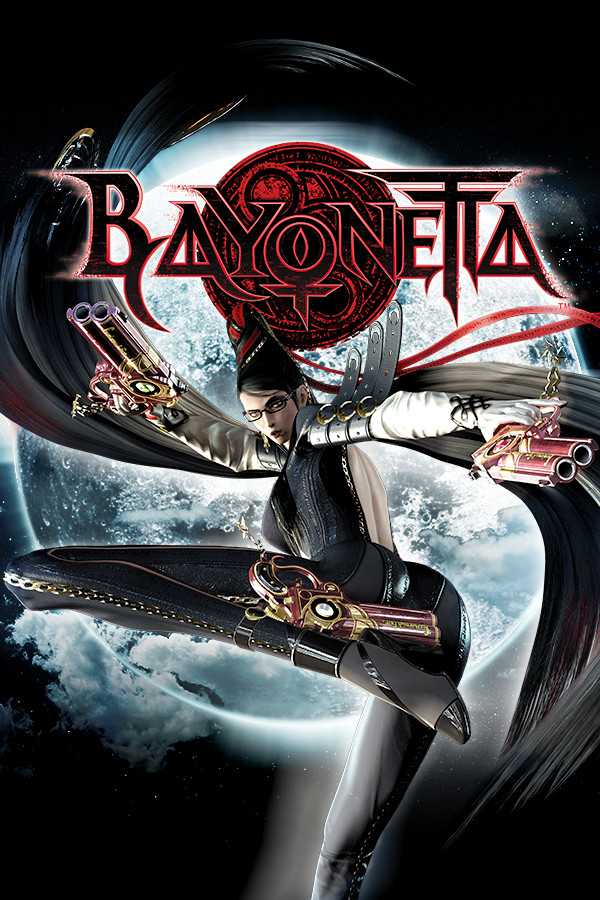
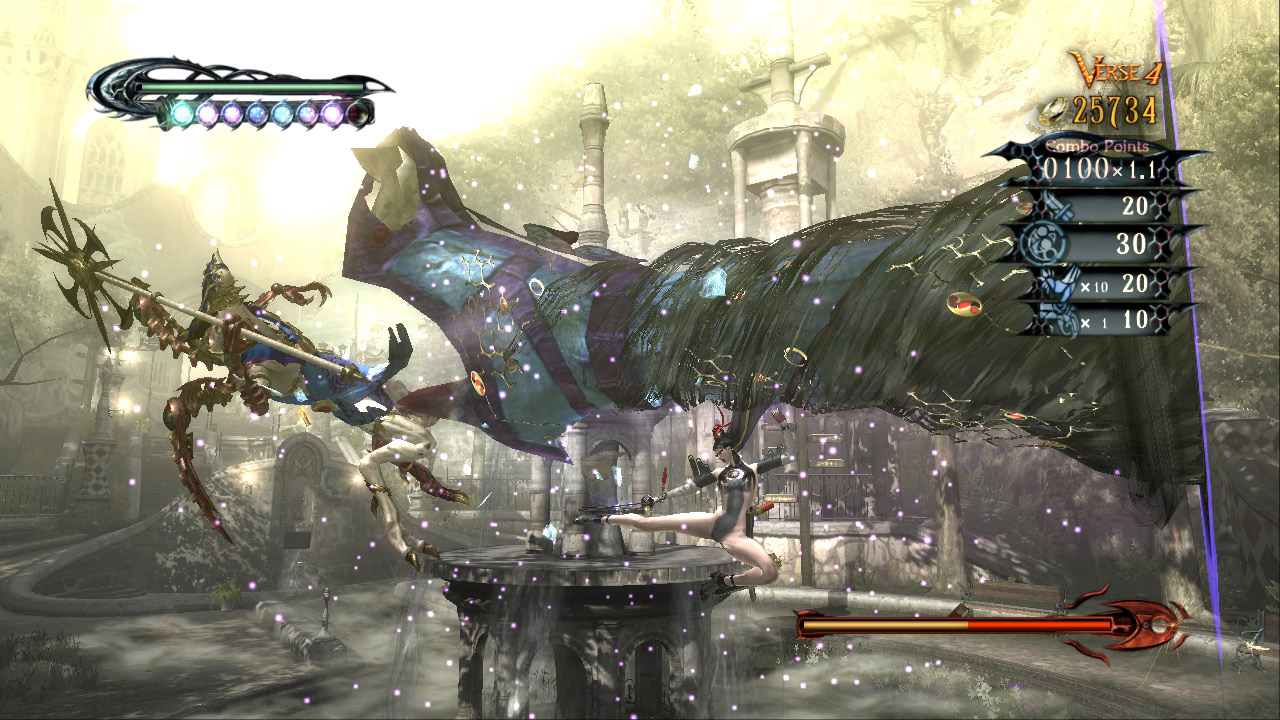
Bayonetta’s music isn’t only angelic and beautiful, but it’s so catchy that you just want to hear it again and again, and it really fits Bayonetta and her style. You just get goosebumps when seeing Bayonetta fight with style on the screen along with this angelic music. While there isn’t a huge variety what does play is amazing and is memorable.





























































 thebinarymessiah.com
Super, thank you